


Like a sharp knife, a strict carnivore diet cuts away a lot you used to rely on — and that means you’ll have to rethink meals, labs, and how you socialize.
You’ll need simple meal templates, salt and water routines, and a plan for organs or supplements, plus baseline bloodwork and a way to troubleshoot digestion or mood swings. Stick with this guide and you’ll know what to track and when to tweak course.
Who This Guide Is For and What You’ll Learn
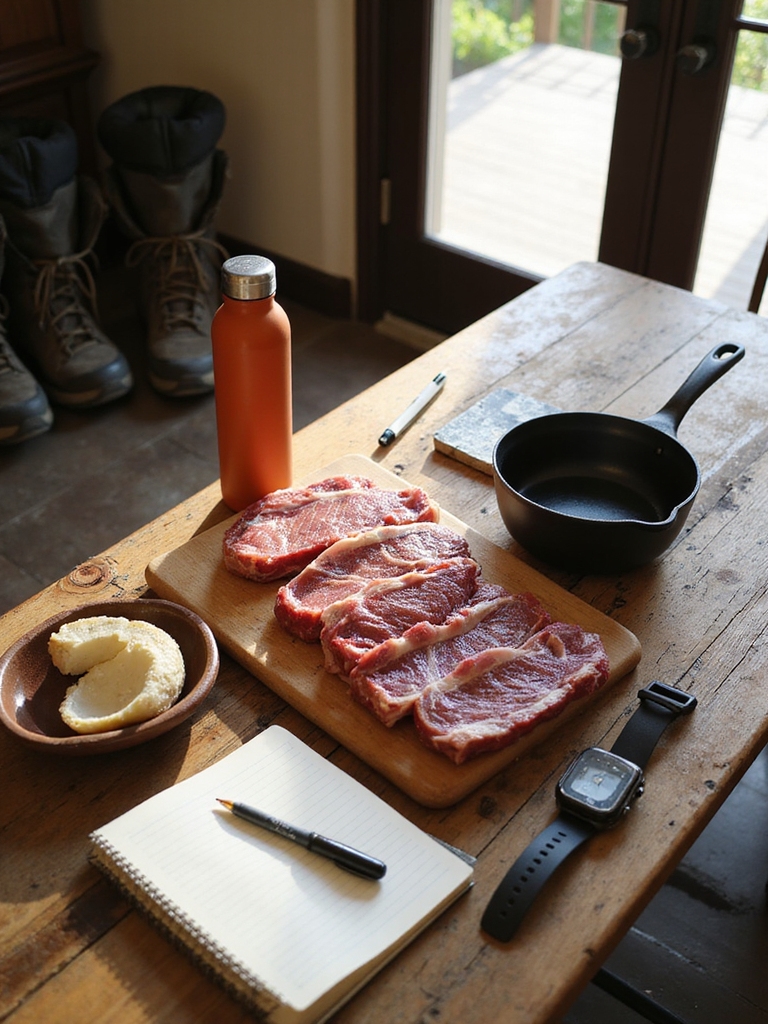
If you’re curious about trying—or already committed to—a strict carnivore lifestyle, this guide’s for you: pragmatic people who want clear rules, realistic expectations, and solutions for the common hiccups that don’t involve vague platitudes.
You’ll get practical setup: meal planning, shopping lists, simple cooking techniques, and how to handle social meals without melodrama.
Expect troubleshooting for energy shifts, digestion changes, and boredom-proofing menus.
You won’t find miracle claims or one-size-fits-all dogma—just honest trade-offs, pacing strategies, and markers to track progress.
Read this if you want usable tactics, not moralizing or wishful thinking.
This guide also highlights specific considerations many women find helpful, including hormone-sensitive pacing and symptom tracking.
Who Benefits : and Who Should Avoid a Strict Carnivore Diet
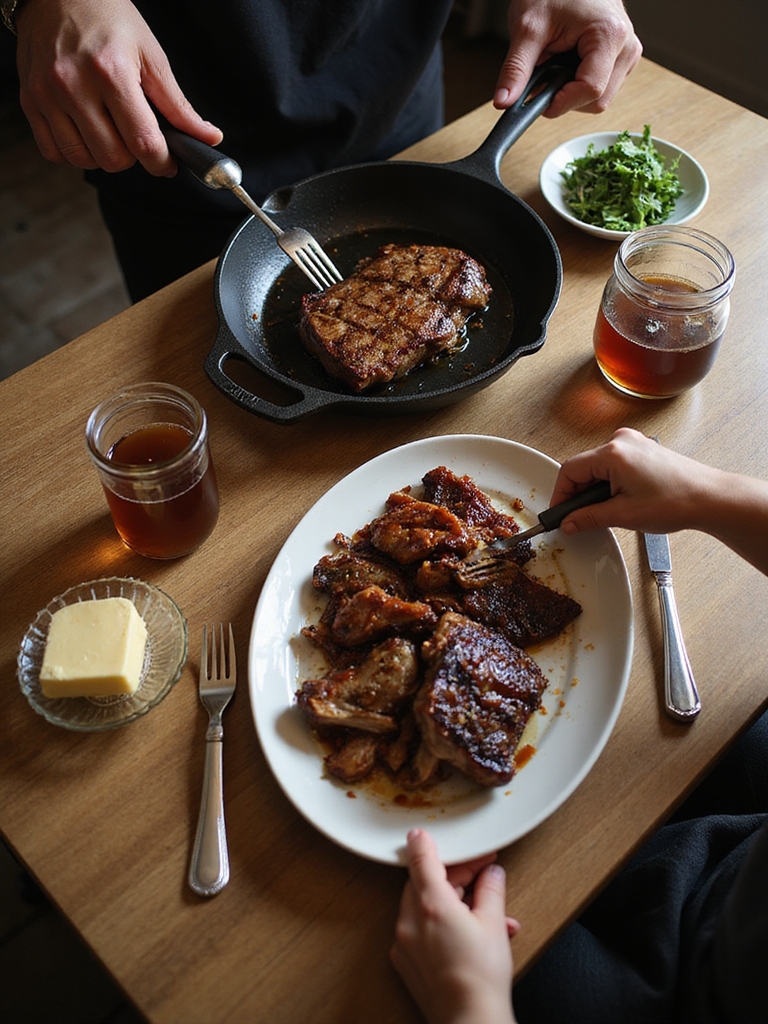
You might find the strict carnivore approach helpful if you’ve got stubborn autoimmune issues, digestive quirks that respond to cutting carbs, or a history of success on very-low-carb plans.
But don’t try this if you’re pregnant, nursing, have advanced kidney disease, or rely on blood-pressure or blood-sugar meds without close medical supervision.
Before you start, get basic labs and talk to a clinician so you know what to watch for and who needs stricter monitoring.
Early on, expect common adjustment effects like fatigue, headaches, and changes in digestion known as the keto-adaptation phase as your body shifts from carbs to fats.
Who Might Benefit
Although it’s not for everyone, some people report clear wins from a strict carnivore approach—better blood sugar control, fewer digestive complaints, and simpler food decisions—while others find it triggers nutrient gaps, social strain, or worsened lipids.
You might benefit if you’ve tried conventional diets without relief, suspect severe food intolerances, or need tight carbohydrate control for metabolic issues.
Athletes focusing on strength or short-term cutting phases sometimes notice performance or body-composition gains.
You’ll do best if you track labs, work with a clinician, and accept limited food variety. Expect social friction; be ready to explain choices without turning dinner into a debate.
Early adaptation can include temporary symptoms like headaches, fatigue, or changes in bowel habits, often called the keto flu, which typically resolve within days to weeks.
Who Should Avoid
Because a strict carnivore plan cuts out whole food groups, clinicians and sensible eaters will tell you it isn’t a neutral experiment—some people should steer clear.
If you rely on varied plant foods for energy, fiber, or enjoyment, you’ll struggle.
If you have a history of disordered eating, restrictive rules can worsen it.
If your social life, work, or travel depend on flexible eating, the rigidity will fray nerves and relationships.
If you can’t tolerate high fat or lack the means to buy quality animal products, it’s impractical.
Bottom line: don’t start this to prove a point or punish yourself.
Women may face unique hormonal and nutrient considerations on a carnivore diet, so consult a clinician about female-specific risks before starting.
Special Medical Considerations
If you have specific health issues, a strict carnivore plan can help some people but harm others, so don’t treat it like a one-size-fits-all cure.
You’ll need medical context: some conditions improve, others worsen, and meds interact oddly when carbs vanish. Consult your clinician before cutting plants.
- Type 1 diabetes or insulin users: risk of hypoglycemia, medication changes needed.
- Kidney disease or predisposition: high protein can stress renal function.
- Lipid disorders and familial hypercholesterolemia: can raise LDL, increasing cardiovascular risk.
Be pragmatic: test, monitor, and adjust if biomarkers or symptoms shift. A clear set of strict guidelines helps separate consistency from confusion when following the diet.
Quick Start: 30‑Day Checklist for Strict Carnivore Beginners

When you commit to a 30‑day strict carnivore kickstart, expect a fast education in hunger, energy swings, and social awkwardness — but also a clear roadmap to see if this lifestyle actually works for you.
Day 0: clear pantry, buy quality meat, organ basics, salt.
Weeks 1–2: track symptoms, hydrate, increase sodium, tolerate the weird hunger.
Week 3: evaluate energy, sleep, mood; adjust portions.
Week 4: test social meals, plan exit or continuation.
Schedule baseline labs and a follow‑up.
Note cravings, digestion, and bodyweight.
Stay pragmatic: it’s data collection, not a moral crusade.
Start with familiar options like muscle meat and organ basics to make the transition easier.
Simple, Repeatable Meal Templates for Mornings, Lunches, Dinners (Carnivore)
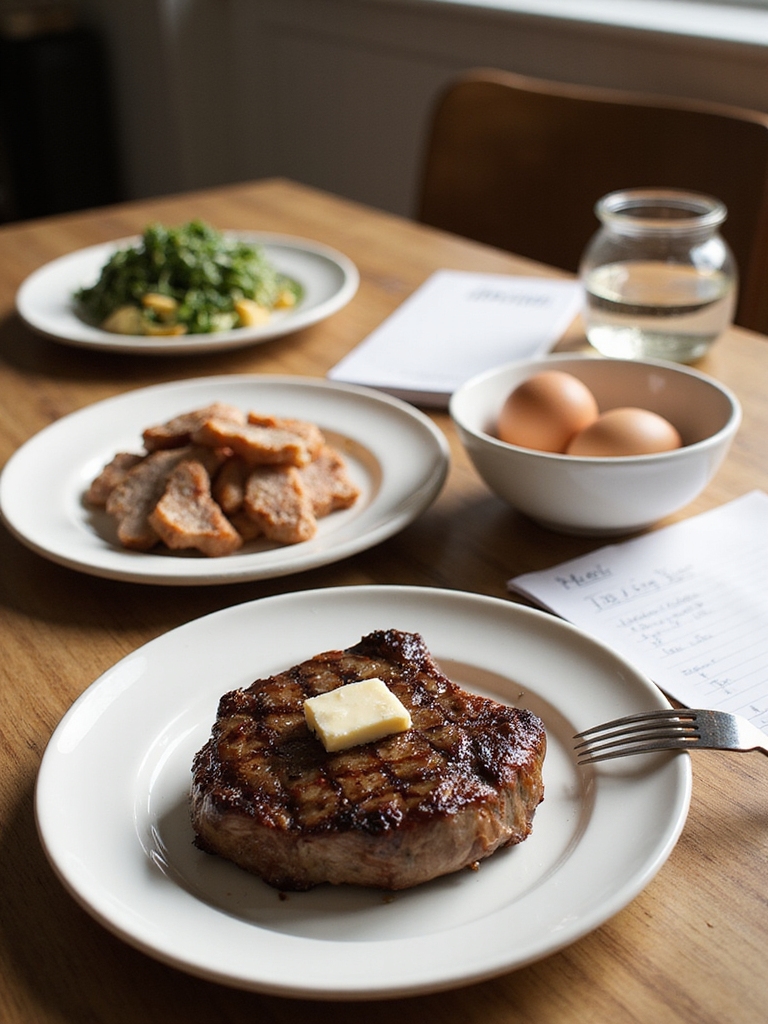
Usually you’ll stick to a few go‑to plates that make mornings, lunches, and dinners predictable and boringly effective — think steak, eggs, and organ rotations — so you don’t overthink every meal or sabotage progress.
You’ll build simple templates: repeatable, fast, and nutrient-forward.
Rotate organs weekly, vary fat levels, and treat snacks as emergency fuel, not entertainment.
Keep shopping short, prep smarter, and accept monotony as efficiency.
- Morning: eggs, beef bacon, and marrow
- Lunch: grilled steak or ground beef bowl with liver once a week
- Dinner: roast, bone broth, and pan‑fried kidney
Ridiculously easy meals and simple templates help beginners stick with the plan without unnecessary complexity.
Meal Timing and Eating Windows for Energy and Satiety

You’ll need to decide whether fasting suits you or if smaller, more frequent meals keep your energy steadier — both work for carnivores, but they feel very different.
Experiment with an eating window that matches your day (say, 6–10 hours) and watch how your hunger and focus respond. Time heavier meals around workouts so you have the fuel and recovery without feeling sluggish.
Consistency is more important than perfection, so prioritize sustainable habits and long-term adherence to the carnivore approach.
Fasting Versus Grazing
If you prefer steady energy and fewer decisions, time-restricted eating can be your simplest ally. You’ll notice hunger rhythms flatten, mornings feel clearer, and food becomes a tool instead of a project.
Grazing offers comfort and constant fuel, but it can blur appetite signals and tether you to the kitchen.
- Fasted focus: longer stretches without eating, mental clarity, fewer meals.
- Grazing ease: small frequent bites, social flexibility, fewer large meals.
- Hybrid option: scheduled snacks within a loose window, pragmatic and forgiving.
Pick what matches your life, experiment, then stop apologizing for choosing what works.
Optimal Eating Windows
Grazing and time-restricted patterns both hinge on when you put food in your mouth, so picking the right eating window really shapes how you feel across the day.
You’ll want a practical window that matches your life: a longer grazing span if you’re constantly active, or a tighter 6–8 hour window if you prefer big, satisfying meals. Start by testing midday-centered windows to avoid overnight disruptions.
Watch energy, cravings, and bathroom habits for two weeks, then tweak. Stay consistent with sleep and caffeine; irregular timing undermines benefits.
Ultimately, choose what keeps you energized, satiated, and sane.
Timing Around Workouts
Around your workouts, timing matters more for how you feel than for some mythical muscle-building deadline—so plan pragmatically. You’ll want energy and quiet digestion, not rules.
Experiment briefly: some thrive on a steak two hours before; others train fasted then eat big after. Aim for consistency and listen to hunger, performance, and recovery signals.
- Train fasted: lighter stomach, sharper focus, shorter sessions
- Small pre-work snack: tallow or a bit of cured meat 30–60 minutes prior for a gentle boost
- Post-work meal: protein and fat soon after to stop catabolism and aid satiety
Daily Calorie and Macro Targets on a Strict Carnivore Diet
Usually, you’ll find that setting daily calorie and macronutrient targets on a strict carnivore plan isn’t mystical — it’s just math with meat: decide whether you’re aiming to lose, maintain, or gain, then adjust total calories and let fat, protein, and minimal carbs (basically zero) do the rest.
You’ll target protein to preserve muscle, fat to hit calories and satiety, and ignore carbs. Track intake, tweak calories weekly, and expect appetite to guide adjustments. Quick reference:
| Goal | Macro focus |
|---|---|
| Lose | Calorie deficit, moderate protein |
| Maintain | Neutral calories, balanced fat/protein |
| Gain | Surplus, higher protein/fat |
Choosing Cuts and Animal Foods: Prioritize Nutrient Density and Variety
If you want nutrition, not just calories, start picking cuts and animal foods with intention: organ meats, fatty cuts, and whole-animal options give you micronutrients and satiety that lean muscle alone won’t.
You’ll learn to favor liver, bone marrow, and skin because they deliver vitamins and fats you’ll miss otherwise.
Rotate textures and flavors so meals feel intentional, not monotonous.
Think balance, not boredom.
- Sear a mix of ribeye and inexpensive shank for collagen and taste.
- Add small portions of liver or heart weekly for micronutrients.
- Use bone broth and marrow to round meals and aid digestion.
How to Shop Carnivore Essentials on a Budget
Don’t let carnivore eating intimidate your wallet — you can eat well without breaking the bank by being strategic about what and where you buy. Shop sales, buy whole animals or large primal cuts, and learn basic butchery to stretch value.
Prioritize fatty cuts, organ meats, and bone-in pieces for nutrients and calories per dollar. Use frozen deals and bulk packs; freeze in meal-sized portions.
Compare farmer’s markets and warehouse stores, haggle near closing, and join a meat share or co-op if available. Cook simply, repurpose leftovers, and avoid specialty gimmicks that inflate costs.
Snacks, Travel, and Convenience Strategies When Eating Only Animal Foods
You’ll need easy, portable animal-food options—think hard cheeses, jerky without sugar, canned sardines, or pre-cooked pork belly—to keep hunger from hijacking your choices.
For travel, pack insulated containers or a small cooler and prep meals ahead so you’re not stuck hunting for acceptable food at rest stops.
These small habits save time, stress, and the temptation to compromise your strict carnivore plan.
Portable Animal-Food Options
Pack smart and you’ll save yourself hangry misery on the road: strict carnivore eating doesn’t mean you’re stuck at home or living off sad deli meat slices.
You want simple, non-melty, shelf-stable or coolable options that taste like food, not sacrifice. Think texture variety, easy packing, and minimal prep so you actually eat when you should. Carry a small cooler, insulated bag, or smart wrappers.
Try these to stay sane:
- Beef jerky or biltong for chew and protein without refrigeration.
- Tinned fish or pâté for fat, flavor, and zero fuss.
- Hard cheeses, boiled eggs, or cooked meat slices for quick bites.
Pack intentionally, eat reliably.
Travel Meal Preparation
Hit the road with a plan, and you’ll dodge hangry doom while sticking to strict carnivore rules: think compact, durable, and instantly edible.
You pack charcuterie-style: hard salami, pork rinds, tinned sardines, and smoked salmon in leakproof containers. Bring a small cooler, insulated bags, and gel packs for longer trips. Prep boiled eggs, seared steak slices, and bone broth in thermos bottles for warmth and sodium.
Snack smart: jerky, cheese crisps, and marrow packets. Scout rest stops with refrigeration or microwaves, and carry utensils. You’ll travel calmer, eat confidently, and avoid roadside carb traps.
Dining Out, Parties, and Family Meals: Social Strategies for Carnivore Eaters
When you’re eating strict carnivore, social situations become a negotiation more than a meal — and that’s okay.
You’ll learn to be unapologetically practical: scope menus, call ahead, or bring your own protein.
Keep explanations short; people stop listening after “no carbs” anyway.
At parties, focus on connection, not plate policing.
- Bring grilled steaks or seasoned jerky as an easy shareable.
- Order chef’s best cut, skip sauces, ask for extra butter.
- Offer to host and control the menu subtly.
You’ll still enjoy friends; just trade menu drama for confident simplicity.
Common Adjustment‑Phase Issues and How to Troubleshoot Them
Since your body’s switching fuel and your gut’s renegotiating its job description, expect a handful of predictable annoyances — and know they’re fixable.
You’ll face constipation, loose stools, and breath that could clear a room; hunger swings, energy dips, and sleep oddities are common too.
Tackle constipation with more fatty cuts, bone broth, and gentle movement.
For diarrhea, pare back organ meats and increase tallow.
Combat cravings by scheduling protein-rich meals and drinking water.
If sleep or energy falters, stagger meals, prioritize fat at night, and short naps.
Track symptoms, adjust quickly, and don’t ghost your doctor.
Micronutrients to Watch and Practical Ways to Cover Gaps (Food + Supplements)
You’ll want to keep an eye on a handful of micronutrients—think vitamin C, magnesium, potassium, iodine and vitamin D—that can drift low on a strict carnivore plan.
I’ll point out the best animal-food sources and simple strategies to bump levels (organ meats, seafood, salt choices), plus when a targeted supplement makes sense.
No drama—just practical fixes so you’re not guessing at your next lab work.
Essential Micronutrients To Monitor
Because a strict carnivore approach cuts out whole food groups, you’ll need to keep a sharp eye on a handful of micronutrients that don’t always show up in meat-heavy meals.
Track these to avoid surprises: energy dips, cramps, brain fog.
You don’t have to panic, just be deliberate.
- Vitamin C: for immune and connective tissue support.
- Magnesium: for muscles, sleep, and nerve function.
- Vitamin D and K2: bone, immune, and calcium regulation.
Test baseline levels, retest after a few months, and use targeted supplements if labs or symptoms suggest gaps.
Don’t guess—measure.
Food Sources And Strategies
Now that you’ve got a handle on which micronutrients deserve your attention, let’s look at how to actually get them without reintroducing a bunch of plant foods you don’t want.
Prioritize organ meats—liver for vitamin A and copper, heart for coenzyme Q10 and B vitamins.
Fatty fish and shellfish cover iodine, selenium, and omega-3s.
Bone broth and slow-cooked marrow boost collagen, calcium, and phosphorus.
Rotate cuts to avoid boredom and nutrient blind spots.
Use iodized salt sparingly.
If you’re avoiding processed supplements for now, track bloodwork and adjust food choices; practical testing beats guesswork.
Targeted Supplement Recommendations
If you’re committed to a strict carnivore approach, supplementing selectively can be the difference between confident optimization and guesswork anxiety.
You’ll watch a few micronutrients closely: vitamin C isn’t magically solved by meat alone; electrolytes shift; and vitamin D depends on sun and fat. Prioritize bioavailable sources and small, targeted supplements when labs or symptoms demand it.
Practical options: eat more organ meats, salt and mineral-rich broths, and test regularly.
Think: smart, minimal, evidence-based additions rather than pill-chasing. Stay curious, pragmatic, and honest about what your body tells you.
- Organ meats (liver)
- Electrolyte-rich bone broth
- Low-dose vitamin D
What Labs and Symptoms to Track While on a Strict Carnivore Diet
While you’re committed to eating only animal foods, you’ll want to track a handful of labs and symptoms so nothing sneaks up on you—think of it as routine maintenance for a high-performance machine.
Check fasting glucose, HbA1c, lipid panel (including LDL particle size if possible), liver enzymes, kidney function, electrolytes—especially sodium, potassium, magnesium—and vitamin D.
Watch symptoms: energy, mood, sleep, digestion, muscle cramps, thirst, and bowel changes.
Record blood pressure and weight trends.
Get labs at baseline, three months, then every six months.
If anything drifts or symptoms worsen, don’t shrug it off—investigate and adjust.
When to Reintroduce Plants or Modify the Protocol for Sustainability
Because strict carnivore can feel liberating at first, you’ll eventually face practical and social limits that make reintroducing plants or loosening your rules a smart move rather than a failure.
You’ll know it’s time when energy, digestion, or social friction nags you, not ideology. Reintroduction isn’t cheating — it’s pragmatic maintenance.
- Add a small low-FODMAP veggie if bloating returns.
- Rotate in berries or cooked roots for mental resilience and variety.
- Allow targeted legumes or grains around active days if performance dips.
Do it slowly, track effects, and treat tweaks as experiments, not surrender.
Daily Habits and Routines That Support Long‑Term Adherence and Mood
You’re not failing for adjusting the protocol — you’re setting yourself up to stay with it long-term. Build simple routines: regular meal windows, salt and water habit, and predictable protein portions so decision fatigue shrinks.
Sleep matters more than kale ever did; prioritize consistent bedtimes and wind-down rituals. Move daily—walks, mobility, or light lifting—to stabilize mood and appetite.
Track moods and energy for two weeks, then tweak one variable at a time. Socialize around food you can eat; plan outings.
When cravings hit, pause, hydrate, breathe, and eat protein first. Routine beats willpower every time.
You’ve been handed a roadmap, not a rulebook — think of it as trading a wild garden for a tidy stone path. Stick to nutrient‑rich cuts, salt, sleep and simple labs, and you’ll know quickly if the route suits you.
Track how you feel, tweak the edges, and don’t be proud about replanting if biomarkers or life nudges you back toward greens. Stay curious, pragmatic, and a little bit stubborn — but kind to yourself.