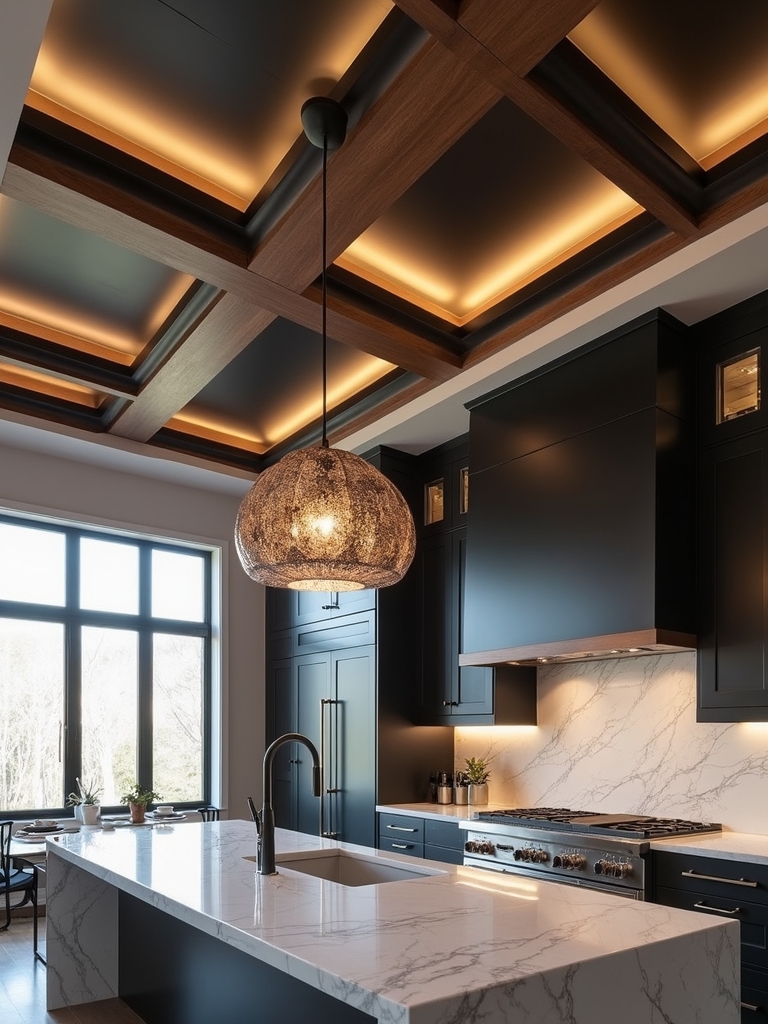


I’d pick one dominant pastel—think sage or muted blush—and use it on a big surface like cabinets or an island so the room feels cohesive, not sugary. Anchor that hue with warm whites, natural wood, and soft brass or matte nickel for contrast.
Test swatches at different times of day to avoid surprise undertones. For small or open-plan kitchens repeat a gentle accent across sightlines and layer textures to keep things cozy. Keep going for practical palettes, finishes, and upkeep tips.
How to Pick a Pastel Kitchen Approach in 3 Steps
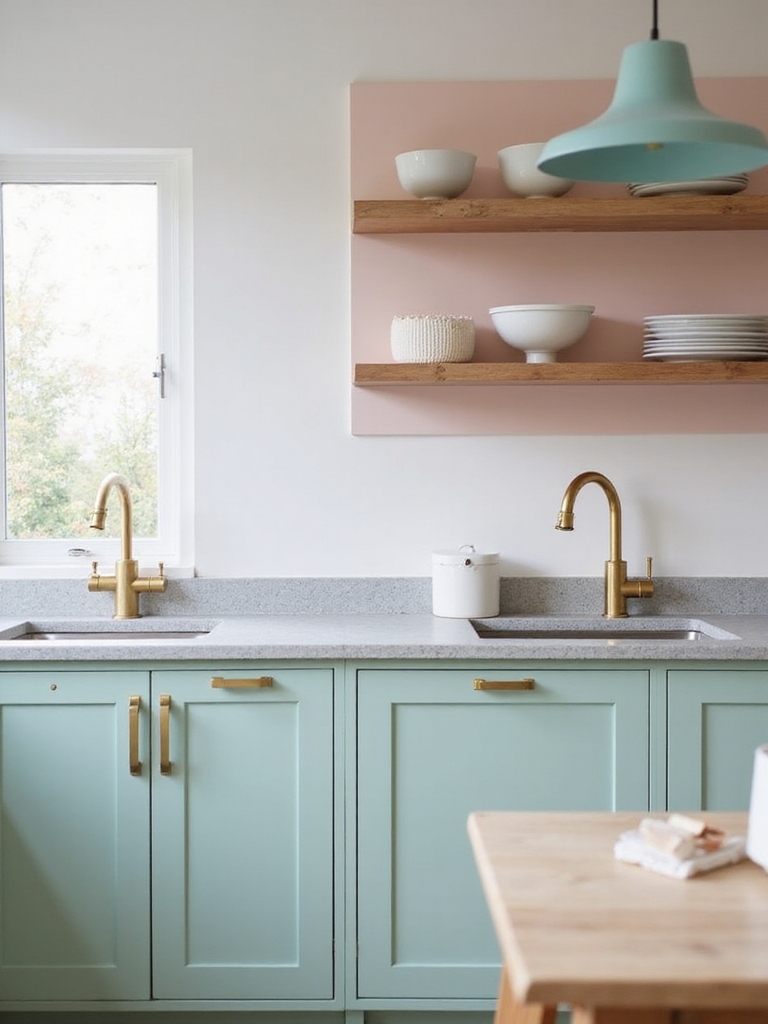
If you’re leaning toward pastels but don’t know where to start, I’ll walk you through a simple three-step approach that keeps the room feeling cozy instead of candy-colored.
First, pick one dominant pastel for large surfaces. Second, layer texture—wood, matte paint, woven rugs—to ground softness.
Third, add small accents in deeper hues for contrast and practical durability; test samples in natural light.
Consider also how a cohesive color palette creates harmony across finishes and fixtures.
Choose a Pastel Mood: Warm, Cool, or Neutral
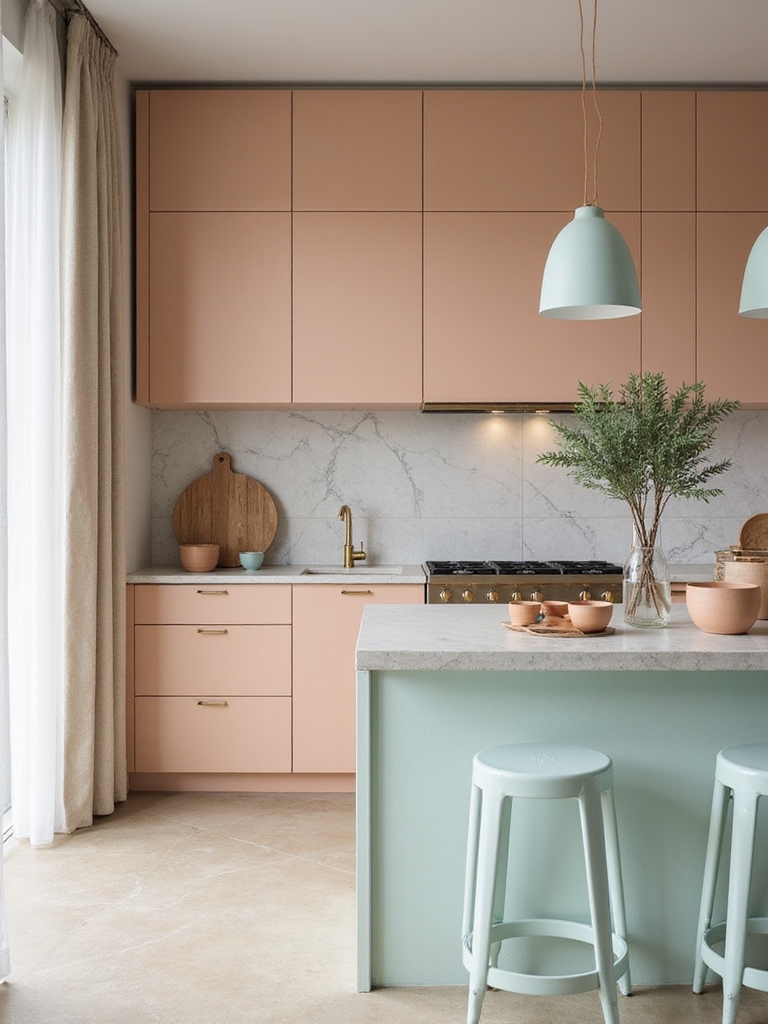
When I pick a pastel mood for a kitchen, I start by deciding whether I want warmth, coolness, or something more neutral, because that choice sets the room’s whole personality—inviting and sunny, calm and airy, or quietly balanced.
I lean warm for cozy mornings, cool for breezy, tranquil meals, and neutral when I want subtle texture and timeless charm that lets wood and light sing together.
A neutral pastel scheme often benefits from chic neutral styling to maintain a timeless, cohesive look.
Full Pastel Room or Subtle Accents: How to Decide
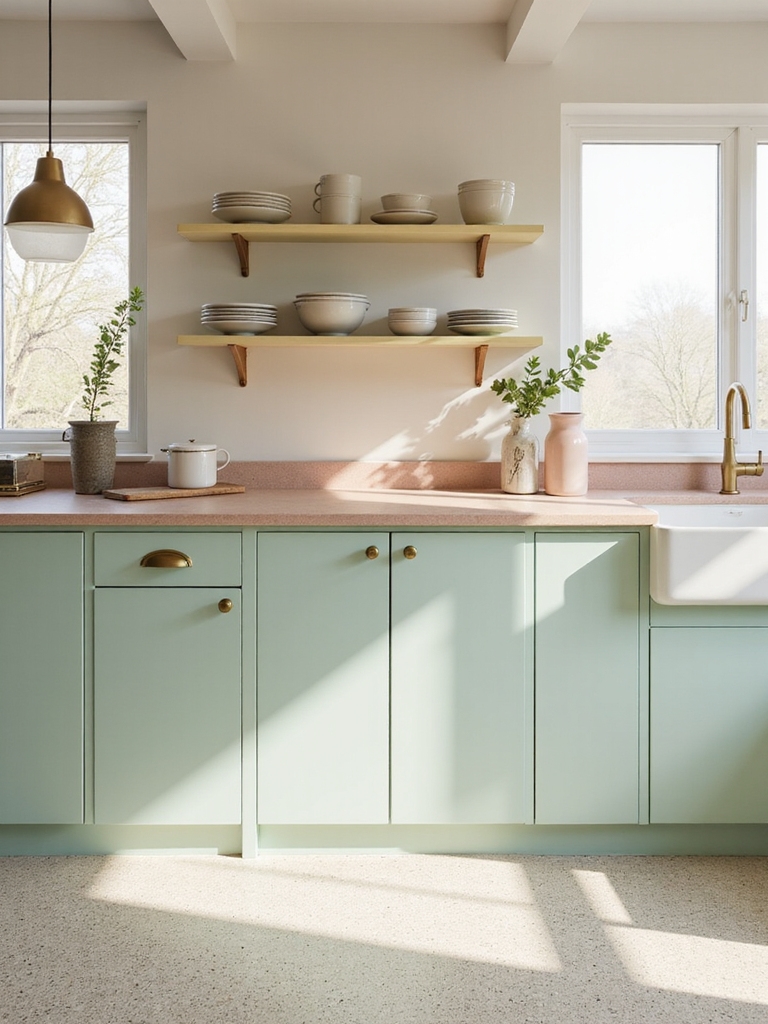
I weigh the whole-room pastel look against subtle pops by picturing how I actually live in the kitchen: do I want to be wrapped in a gentle, continuous color that changes with the light, or do I prefer crisp neutrals with pastel accents that I can swap out easily?
If I crave cozy immersion, I choose full pastel; if I value flexibility and contrast, I pick accents and warm wood touches.
Bright white kitchens maintain timeless appeal and can make pastels read fresher when paired together, especially alongside timeless modern white finishes.
Best Pastel Kitchen Palettes for Small Spaces
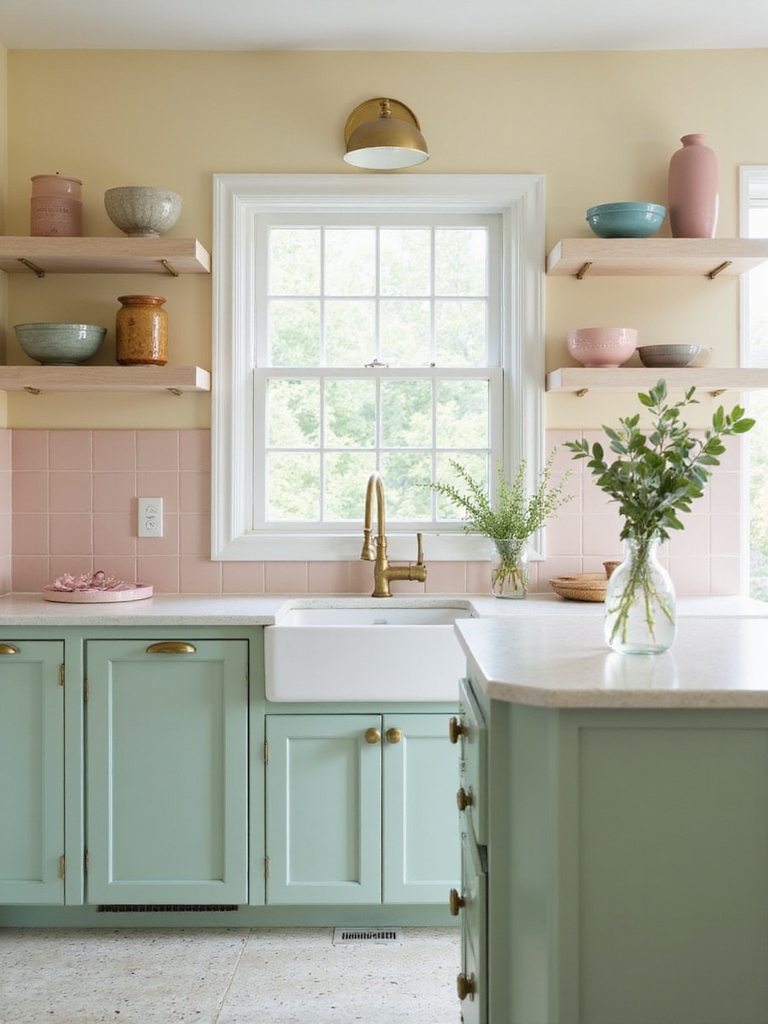
Often I reach for soft pastels in small kitchens because they expand light and mood without overwhelming the space; I’ll show you palettes that balance airiness with warmth so your compact kitchen feels cozy, not cramped.
I favor sage cabinets, creamy off-white walls, and blush accents—add matte brass hardware and natural wood shelves to keep things grounded.
Keep contrast low and texture rich.
Scandinavian designs often pair white with natural wood to create a harmonious, airy feel, which complements pastel schemes when you incorporate white and natural wood for balance and warmth.
Pastel Palette Pairings for Open-Plan Kitchens
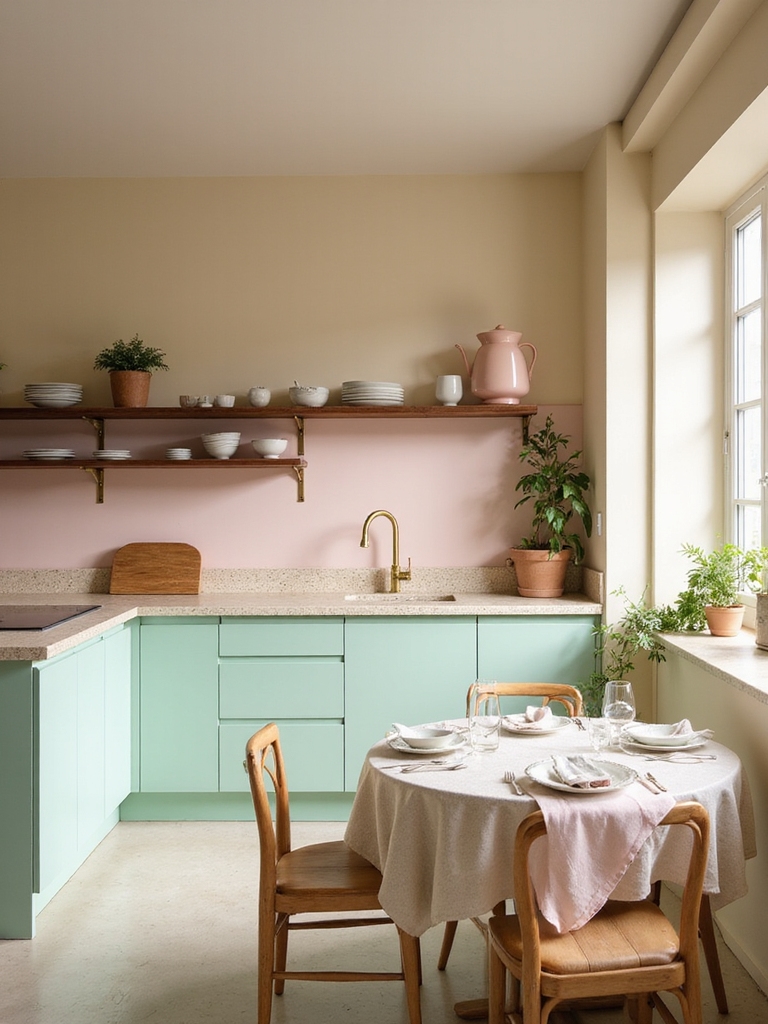
Across an open-plan kitchen, pastel pairings need to do double duty: they should read cohesive from every angle and carry the living space’s warmth into the cooking zone.
I favor muted mint with blush accents and soft gray anchors, letting textiles and ceramics stitch rooms together.
I’ll keep contrasts gentle, balance saturation, and use repeated hues to guide sightlines so the whole space feels inviting.
Open, airy layouts often benefit from design strategies that emphasize flow and light, such as open space kitchen principles that help breathe life into the home.
Pairing Pastels With Natural Wood Tones
When you pair pastels with natural wood tones, I look for a quiet balance where the wood’s grain anchors soft color without dulling it.
I favor muted mint or dusty rose against oak or walnut, letting knots and texture add character. Keep finishes matte, trims simple, and let light reveal warmth—small accents like wooden handles tie the palette together naturally.
Incorporating earthy materials like stone and woven fibers can enhance that organic, grounded feel.
Matching Pastels to Countertops and Backsplashes
When I’m matching pastels to countertops, I look for undertones that echo the stone so the whole space feels grounded.
I’ll keep backsplash patterns simple if the counters are busy, or use a bolder tile if the countertop is calm to keep balance.
Let’s walk through how to spot those tones and choose patterns that play nicely together.
Top luxury countertops often balance performance and elegance to provide both durability and visual impact.
Coordinating With Countertop Tones
I like to start by letting the countertop set the mood, because its color and texture will make or break how your pastels read in the room.
I match warm wood or beige stone with muted peaches and sage, cool quartz with pale blues and mint.
Keep contrast gentle, echo countertop undertones in cabinetry, and test samples in natural light before committing.
Everyday kitchen accessories in high-quality finishes can elevate the look and add a sense of daily luxury to the space.
Balancing Backsplash Patterns
Because the backsplash sits between countertop and cabinetry, I treat it like the conversation piece that ties everything together:
I pick a pattern and scale that complements the countertop’s tone and let the pastel palette echo a subtle undertone from both surfaces.
I favor gentle motifs—soft geometrics or faded florals—so the backsplash balances texture without competing, warming the space while honoring rustic simplicity and practical flow.
Best Metals and Hardware Finishes for Pastel Kitchens
I love how the right metal finish can change a pastel kitchen’s whole personality, so let’s talk about a few favorites.
Brushed nickel brings a soft, elegant glow, warm brass adds cozy vintage charm, and matte black gives a crisp, modern contrast.
I’ll show how each works with different pastel hues and cabinet styles.
Brushed Nickel Elegance
I often reach for brushed nickel when I’m pairing metal finishes with soft pastel cabinets because it balances warmth and restraint without competing with the color.
I like its matte sheen against milk-paint blues or sage greens; it reads modern yet lived-in.
Handles, faucets, and lighting in brushed nickel add subtle texture and longevity, keeping the palette calm and softly grounded.
Warm Brass Accents
Try warming a pastel kitchen with touches of brass; I reach for warm brass accents when I want the space to feel cozy without losing its modern edge.
I pair aged brass knobs and slim pulls with soft mint or blush cabinets, letting their mellow glow highlight wood grain and open shelving.
The result feels lived-in, inviting, and quietly elegant—like sunlight on a well-worn table.
Matte Black Contrast
Bring in matte black for a bold, grounding contrast that makes pastel cabinets pop without stealing their softness.
I love pairing black pulls, faucets, and light fixtures with mint or blush tones — it feels cozy and lived-in.
Matte black frames shapes, hides fingerprints, and adds rustic charm while keeping the palette gentle. Use it sparingly for balance and visual calm.
Matte vs. Gloss: Finishes That Flatter Pastel Paint
Because the finish you choose changes how a pastel reads in a room, I like to think of matte and gloss as two different storytellers for your kitchen: matte whispers calm and texture, while gloss highlights color and catches the light.
I prefer matte on cabinetry for a cozy, worn feel and gloss on trims or backsplashes to add charming contrast without shouting.
Lighting Tips So Pastels Stay Fresh, Not Washed Out
Matte and gloss tell different stories under light, so I always think about fixtures as part of the finish decision — matte needs soft, even light to keep its cozy depth, while glossy surfaces can handle brighter, more directional sources that make them sing.
I favor warm LEDs, layered lighting, dimmers, and shaded pendants so pastels feel alive without glare or faded, flat tones.
Balancing Pastel Cabinets With White and Neutrals
I like calming pastel cabinets against warm whites because they keep the room feeling bright without washing out the color.
I’ll show you how layering natural neutral textures—think butcher block, linen, and stone—adds depth and keeps the palette cozy.
With a few simple swaps we can make pastels sing while keeping the kitchen grounded.
Pairing With Warm Whites
I’ll reach for warm whites first when I’m balancing pastel cabinets, because they anchor soft hues without washing them out.
I pair creamy off-whites on walls and trim with pale mint or blush cabinets, adding simple wooden accents for grounding.
The result feels cozy, sunlit, and calm—fresh but familiar—so the pastels sing without feeling sugary or fragile.
Layering Neutral Textures
Layering tactile neutrals brings depth to pastel cabinets without stealing their spotlight—I like to mix linen curtains, raw wood shelves, and a stone or concrete countertop to create a quietly lived-in backdrop.
I add woven rugs, matte ceramics, and soft brass hardware to build warmth and contrast. These textures anchor pale hues, keeping the kitchen cozy, tactile, and effortlessly balanced.
Add Texture and Pattern to Deepen Pastel Kitchens
When you want a pastel kitchen to feel lived-in rather than like a sugar-coated set, I reach for texture and pattern to give it depth and character.
I mix woven linens, weathered wood, and hammered metal with subtle patterned tiles or a muted floral backsplash.
These tactile layers warm the space, anchor soft hues, and make the room feel personal and timeless without fuss.
Budget-Friendly Ways to Introduce Pastel Color
You can dip a toe into pastel without blowing your budget by choosing a few high-impact, low-cost swaps I swear make the biggest difference: swap out hardware for matte brass or blush knobs, paint just the island or open shelves instead of the whole kitchen, or add inexpensive peel-and-stick backsplash tiles in soft hues.
I also bring in pastel textiles, thrifted ceramics, and simple glassware.
Maintenance and Wear: Care for Pastel Surfaces
I usually treat pastel surfaces like well-loved linens: gentle, intentional care keeps them looking fresh without feeling precious.
I wipe spills quickly with mild soap and soft cloths, avoid abrasives, and use gentle sealers where needed.
I rotate rugs and cork mats to prevent uneven wear, and I embrace small patinas as character, not failure—pastels age warmly with kind attention.
Common Pastel Kitchen Mistakes and Quick Fixes
I’ve seen pastel kitchens go wrong in three predictable ways: too many layered shades that feel busy, undertones that clash under different lights, and finishes that fade or look uneven.
Let’s walk through quick, practical fixes—paring back layers, testing undertones with swatches, and choosing durable finishes or simple touch-up techniques.
You’ll get your kitchen feeling calm and cohesive without a big renovation.
Overdone Pastel Layers
Although pastel layers can make a kitchen feel soft and inviting, I’ve seen them tip into a cloying, mismatched mess when every surface competes for attention.
I suggest picking one dominant pastel, then adding two muted accents and plenty of warm neutrals—wood, stone, tin.
Edit boldly: remove duplicate hues, simplify accessories, and let texture, not color overload, create cozy charm.
Clashing Undertone Choices
When undertones clash, your cozy pastel kitchen can start to feel off-kilter, so I’ll help you spot the problem and fix it fast.
I’ll show you how to test swatches in morning and evening light, pick one dominant undertone, and anchor choices with wood or metal accents.
Small tweaks — swap a cabinet shade or add warm trim — restore harmony quickly.
Faded Finish Problems
Don’t let a dull, chalky finish wash out your pastel kitchen—I’ve seen it turn a cozy space into something tired overnight. I recommend light sanding, gentle cleaning, and a satin sealer to revive color without glare.
For cabinets, touch up edges with matching paint; for walls, try a thin glaze. These quick fixes restore warmth and keep that soft, lived-in charm.
I hope this guide makes choosing pastels feel simple and cozy — I love how a soft palette can lighten a room and mood. Did you know 68% of homeowners say color upgrades increase perceived home value?
That’s why small pastel changes often pay off. Whether you go full pastel or add gentle accents, aim for texture, contrast, and practical finishes.
Keep it lived-in, warm, and a little rustic — your kitchen should welcome every day.