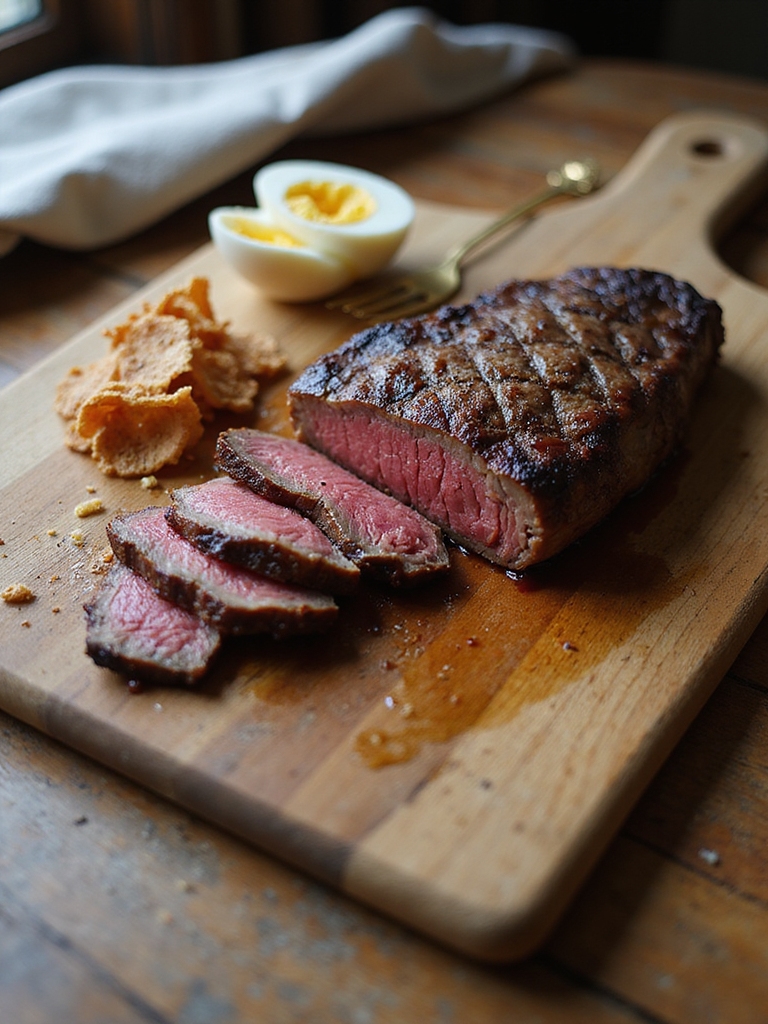


About 60% of Americans say they’d like simpler meals, and switching to mostly animal foods can do that fast.
You’ll still want a short, smart grocery list that saves time, money, and freezer space, so you can cook well without fuss — and I’ll show you which five staples make that possible and how to stretch them.
Quick Carnivore Grocery Checklist
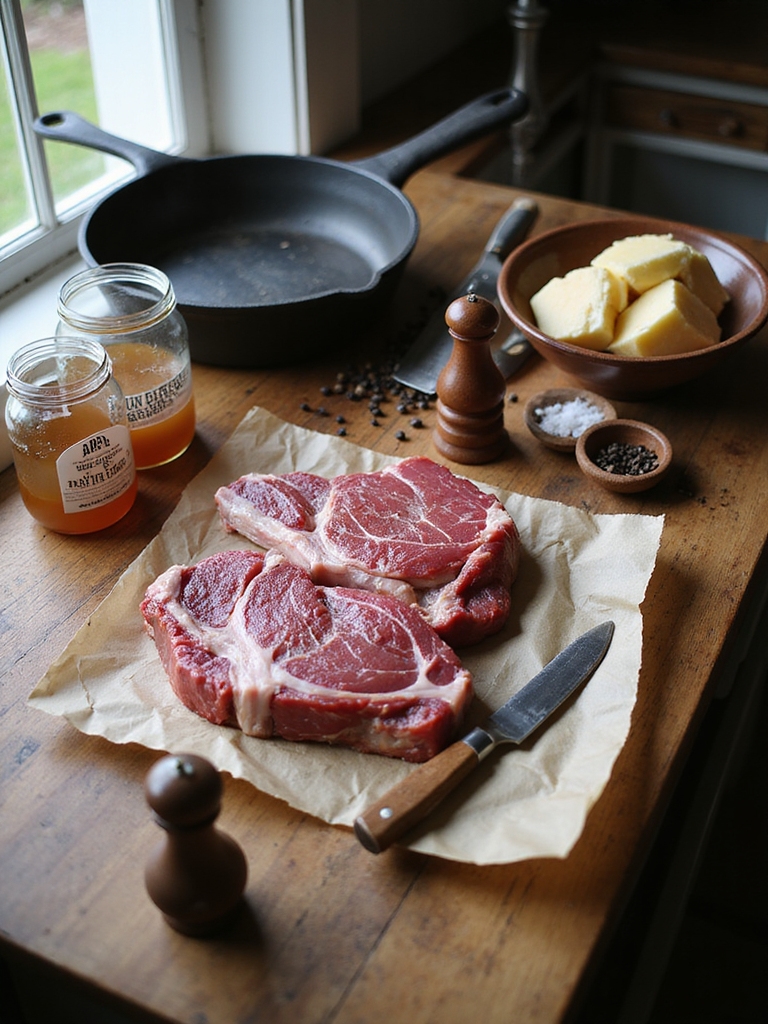
Often you’ll want to grab just the essentials and get cooking—this quick carnivore grocery checklist lets you shop fast without missing the staples: fatty steaks, ground beef, pork chops, bacon, eggs, and a few organ meats like liver.
You’ll add bone-in cuts for marrow and collagen, a couple rotisserie chickens for convenience, and cured sausages for variety.
Think tinned fish for emergency meals and butter or animal tallow for cooking.
Keep salt and optional pepper handy.
Buy what you’ll actually eat this week, rotate proteins to avoid boredom, and stash extra portions in the freezer for lazy days.
Remember to include shopping staples to build a simple, practical carnivore kitchen.
Prioritizing Meats: Budget and Convenience
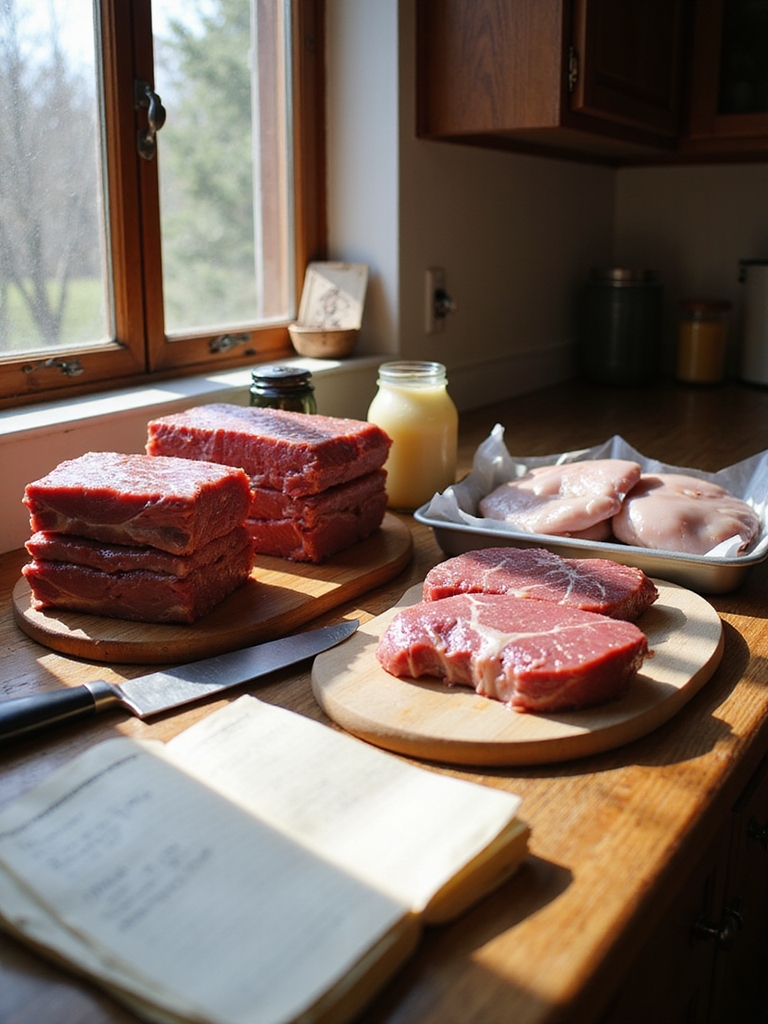
When you’re trying to eat carnivore without breaking the bank, prioritize cuts that give the most calories and cooking flexibility—think ground beef, whole chickens, and bone-in pork shoulder—because they stretch further and taste great reheated.
You’ll save time and money by buying versatile, affordable proteins and using bones for broth. Plan simple batches, portion for the week, and embrace leftovers as a feature, not a compromise.
- Buy bulk ground meat for quick meals
- Roast whole chicken for multiple dishes
- Choose bone-in pork for slow cooking
- Use bones for nutrient-rich broth
- Freeze portions to avoid waste
Buying in bulk also lets you take advantage of lower per-pound prices and stretch your budget while maintaining variety and convenience.
Versatile Beef Cuts to Keep on Hand
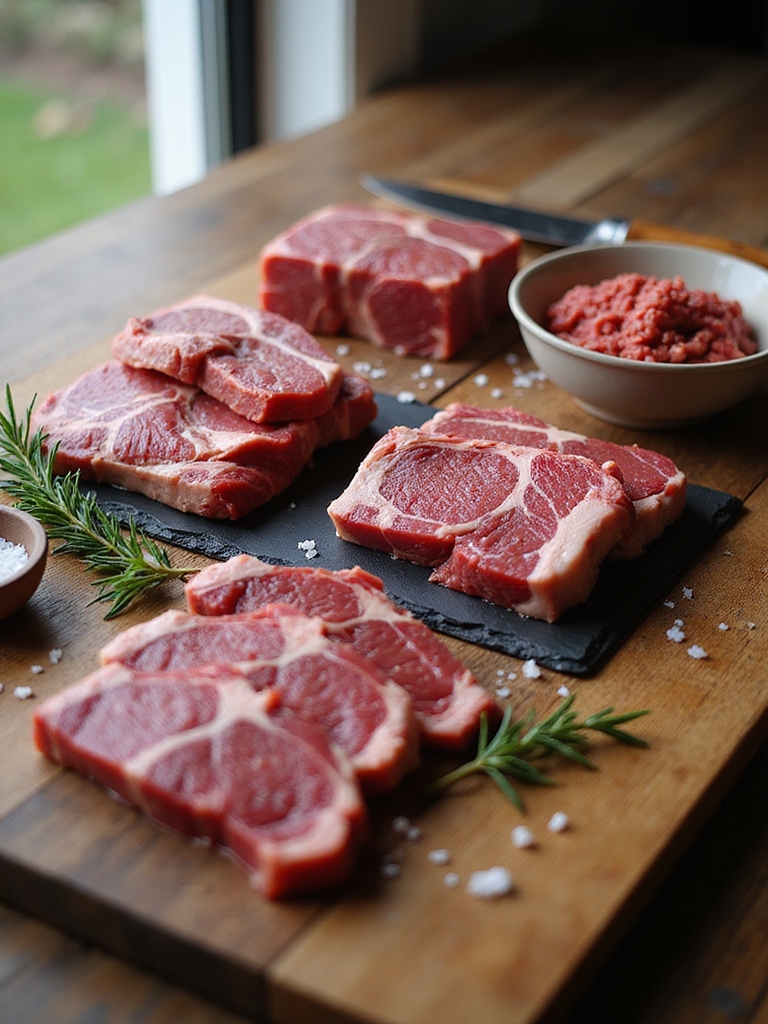
Keep a pack of versatile ground beef in the fridge for fast, budget-friendly meals that stretch across breakfasts, burgers, and skillet dinners.
Toss a tender roast like chuck or brisket in the slow cooker when you want hands-off, melt-in-your-mouth dinners for the week. You’ll save money and meal prep time by rotating these reliable cuts.
Many people rely on simple recipes centered around ground beef for the Budget Carnivore approach to affordable meat-based meals.
Budget-Friendly Ground Options
A few affordable ground beef options can become the backbone of your carnivore pantry, letting you turn simple, budget-friendly cuts into steaks, patties, meatballs, and quick skillet meals.
You’ll keep dinners honest, fast, and satisfying without fuss. Choose blends and grinds that match fat preference and purpose, and buy in bulk to freeze portions.
- 80/20 ground beef — juicy for burgers and pan-sears
- 90/10 ground beef — lean for quick browning
- Ground chuck — flavorful, great for meatballs
- Ground round — economical, holds shape
- Ground sirloin — a leaner upgrade for tacos or patties
Rotate varieties to stay interested. Buying staples in bulk and freezing portions helps maintain a simple pantry and saves money.
Tender Roast Selections
Think of tender roasts as your slow-cook workhorses—you buy once, cook low and slow, and get dinners that feel like an occasion with minimal fuss.
You’ll want chuck roast for its marbling and forgiving nature, brisket when you crave rich, shreddable meat, and rump roast for a leaner, sliceable option.
Tie a eye of round or top sirloin for occasional sleek roasts.
Salt, a touch of fat, and patience do the heavy lifting—no elaborate marinades required.
Keep one roast in the freezer for weekends; you’ll thank yourself when the house smells like Sunday without the fuss.
Start simple and focus on fatty cuts for flavor and satiety, like chuck or brisket, especially when following a simple carnivore approach.
Fatty Fish and Seafood to Rotate Weekly
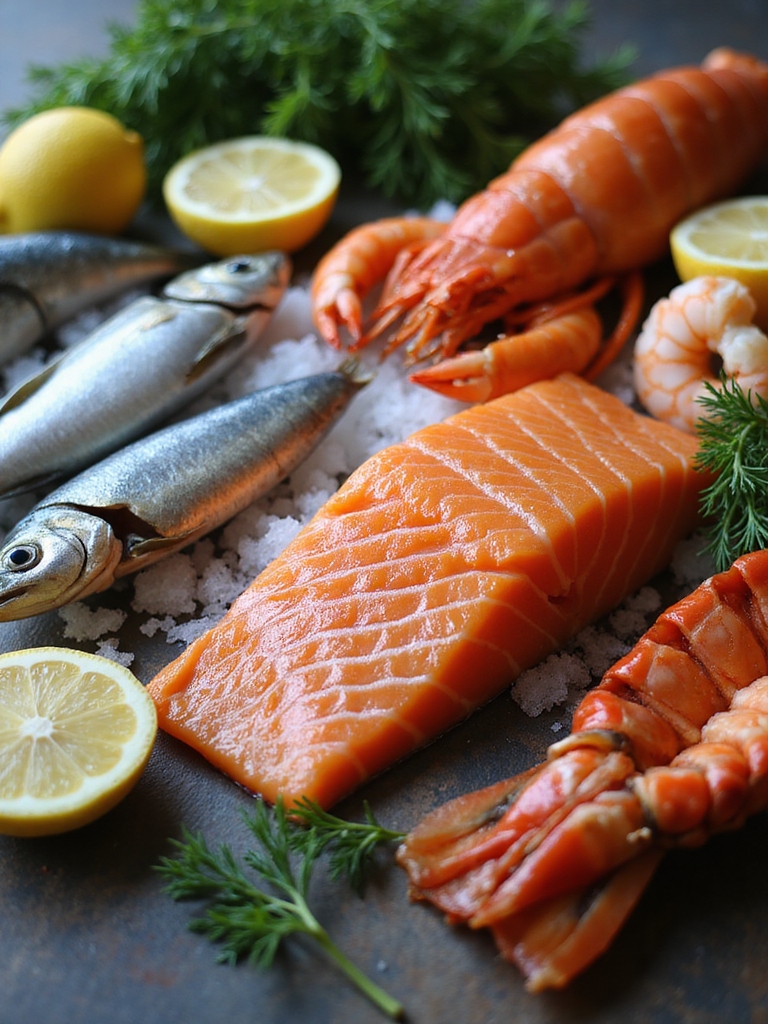
Regularly rotate fatty fish and seafood through your meals to get a mix of omega-3s, iodine, and trace minerals that muscle-only carnivore plans can miss.
You’ll balance flavor and nutrition without fuss: sear salmon, broil mackerel, or toss shrimp into a quick skillet. Aim for variety so you don’t rely on steaks alone, and pick wild or sustainably sourced when you can.
Keep things simple with lemon or butter — you don’t need fancy. Consider freezing portions for easy thaw-and-cook meals that feel fresh.
- Salmon (wild if possible)
- Mackerel
- Sardines (canned or fresh)
- Shrimp
- Oysters
Restaurant-style shrimp recipes can elevate simple seafood meals with flavorful techniques and quick cooking that fit the carnivore approach.
Organ Meats for Easy Nutrition Boosts
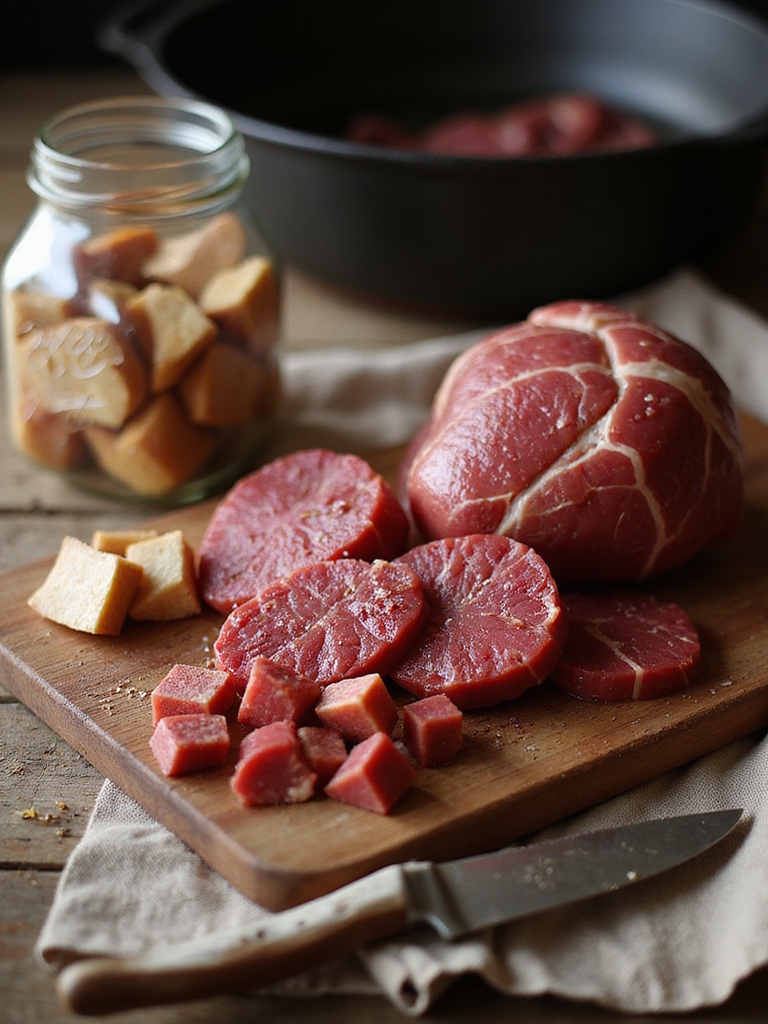
Try organ meats if you want a quick, potent nutrition boost—liver, heart, and kidney pack vitamins, minerals, and amino acids that muscle cuts just can’t match.
You’ll want small portions initially; their flavor’s bold, but you’ll feel the payoff. Pan-sear liver, braise heart, or gently fry kidneys.
Mix with ground beef to mellow taste. Rotate types weekly for variety. Many people starting a carnivore diet find it helpful to begin with familiar cuts before adding organ meats to their rotation, as this eases the transition and helps maintain diet adherence.
| Organ | Key nutrient | Serving tip |
|---|---|---|
| Liver | B12, iron | Quick sear |
| Heart | CoQ10, taurine | Thin slices |
| Kidney | Selenium | Soak briefly |
| Tongue | Zinc | Slow cook |
Essential Shelf-Stable and Cooking Fats
Often you’ll overlook fats when planning a carnivore pantry, but they’re the backbone of flavor, calories, and cooking performance—choose shelf-stable options like tallow, rendered pork lard, and ghee for frying, and keep butter or clarified butter for lower-heat finishes.
You’ll want fats that tolerate heat, store well, and add mouthfeel without fuss. Rotate jars, label dates, and buy quality when you can. Use them liberally for searing, braising, and pan sauces.
- Beef tallow: high smoke point, meaty flavor
- Pork lard: versatile, neutral
- Ghee: stable, nutty
- Clarified butter: lower heat finishing
- Neat rendered dripping: traditional richness
Crispy air fryer meals can be made quickly using rendered fats for added crunch and flavor, especially when you preheat with beef tallow.
Dairy Staples: What to Buy and When
You’ll want a small rotation of full‑fat cheeses — sharp cheddar, aged parmesan, and a soft cheese like brie or cream cheese — to add flavor and fat without fuss.
Keep dairy on the table only if you tolerate it; some folks find it’s fine in moderation while others do better skipping it entirely.
I’ll cover how to choose cheeses for cooking versus snacking, and signs it’s time to bench dairy.
Full-Fat Cheese Selection
If you like a bit of variety in your carnivore rotation, full-fat cheeses give you creamy texture, savory punch, and portable convenience all in one bite.
You’ll pick cheeses that melt, snack, or top a steak without fuss. Buy aged, high-fat options for flavor and minimal carbs.
Rotate soft and hard to keep meals interesting.
Store wedges wrapped in wax or paper; don’t suffocate them in plastic.
- Aged cheddar — bold, melts well
- Brie or camembert — soft, spreadable
- Gouda — smoky, snackable
- Parmesan — grating power
- Blue cheese — punchy, minimal quantity
When To Skip Dairy
Although many carnivores love cheese and cream, there are times you should skip dairy — for digestion, inflammation, or simply to reset your palate — and knowing when to cut it can make the rest of the plan work better.
You’ll skip for bloating, skin flares, or stalled weight loss, then reintroduce slowly to test tolerance. Try a two-week break, note changes, and don’t fear permanent avoidance if symptoms improve.
Use simple swaps: extra eggs, bone broth, or fatty fish. Your grocery list shifts, but your meals stay satisfying.
| Reason | Substitute |
|---|---|
| Digestive upset | Bone broth |
| Inflammation | Fatty fish |
| Reset | Extra eggs |
Egg Types, Storage, and Fast-Cook Ideas
Which egg should you reach for first—large, pasture-raised, or duck? You’ll pick based on taste, fat, and how you cook: pasture-raised for richer yolks, duck for custardy indulgence, large for reliable breakfasts.
Store eggs pointed-end down in the main fridge compartment; keep them cool and don’t wash until use. Quick cooks save time and flavor.
- Soft-scrambled with butter, finished low and slow
- Sunny-side, basted with spooned butter
- Hard-boiled, cooled and peeled for snacks
- Omelet folded around leftover meat
- Pan-fried in bacon fat for crisp edges
Eggs are versatile; treat them well.
Ready-to-Eat and Short-Prep Proteins
Often you’ll grab these proteins when time’s short but hunger’s loud: think smoked salmon, shelf-stable sardines, deli roast beef, pre-cooked bacon, and high-quality jerky.
You want convenience without sacrificing quality, so pick minimally processed options, check ingredients for additives, and favor single-ingredient packs.
Keep a few protein jars, vacuum-sealed steaks, or cold-smoked fish on hand for instant meals.
Rotate varieties so boredom doesn’t nibble at your resolve.
Portion them into grab-and-go servings, stash in easy-to-reach spots, and trust these staples to bridge busy days—no cooking stress, just reliable carnivore fuel.
Seasoning & Condiments: Simple Carnivore Methods
Usually you don’t need much—just salt, fat, and a few smart tricks—to make animal foods sing, and you’ll find simple condiments can turn basic cuts into something you actually look forward to.
You’ll use seasonings sparingly, letting meat shine while adding interest. Think texture, temperature, and a hint of acid from animal-based sources. Keep tools small: a shaker, a spoon, a pan.
- Coarse sea salt
- Tallow or butter for finishing
- Pork rinds crushed for crunch
- Egg yolk-based quick sauce
- Aged cheese shavings
You’ll taste more, fuss less, and enjoy every bite.
Choosing Quality on a Budget
You can stretch your budget by buying meat in bulk and portioning it for the freezer, so you’re never paying premium prices for last-minute buys.
Focus spending on nutrient-dense cuts—like liver, bone-in ribs, and fatty chuck—that give you more vitamins and satiety per dollar.
With a little planning, you’ll eat better without breaking the bank.
Buy Bulk And Freeze
If you want to keep quality high while cutting costs, buying meat in bulk and freezing it’s the smartest move you’ll make on a carnivore diet.
You’ll save money, avoid last-minute grocery panic, and control portioning. Label everything; a mystery steak is sad.
- Portion into meal-sized packs
- Double-wrap to prevent freezer burn
- Date and label cut and weight
- Vacuum-seal when possible
- Thaw safely in fridge overnight
Buy family packs, split with friends, or hit a butcher for deals. You’ll eat better, waste less, and laugh at sticker shock while your freezer does the heavy lifting.
Prioritize Nutrient-Dense Cuts
Because not all meat gives you the same bang for your buck, prioritize cuts that pack vitamins, minerals, and fat along with protein so your body gets more from fewer meals.
Choose organ meats—liver, heart, kidney—periodically; they’re nutrient powerhouses and cheaper per nutrient than steak.
Shoulder, chuck, and oxtail deliver collagen and fat for satiety and joint support.
Look for fatty brisket or short ribs on sale and trim less; rendered fat boosts cooking and calories.
Buy whole chickens for variety and use bones for broth.
You’ll eat better, spend less, and waste almost nothing.
Freezer & Bulk-Buying Hacks for Small Kitchens
Make the most of your freezer without turning your tiny kitchen into a meat locker: with a few smart swaps and simple organization tricks, you’ll stretch space and savings far beyond the unit’s cubic feet.
You’ll buy bulk without overwhelm by portioning, labeling, and rotating. Freeze flat to stack, thaw only what you need, and use vacuum bags or sturdy zipper bags to cut bulk volume. Keep an inventory list on the door so you won’t buy repeats.
- Portion into meal-sized packs
- Freeze flat in zip bags
- Label with date and contents
- Rotate older items forward
- Buy mixed packs to vary cuts
Minimal Tools and Cookware That Matter
When space and time are limited, you don’t need a kitchen full of gadgets—just a few dependable tools that do heavy lifting.
You’ll want a sharp chef’s knife, a sturdy cast-iron skillet, tongs, a thermometer, and airtight containers. They save time, cut waste, and make simple carnivore meals reliably excellent.
| Tool | Why it matters | Tip |
|---|---|---|
| Chef’s knife | Versatile for prep | Keep it sharp |
| Cast-iron | Even heat, sears | Oil after use |
| Tongs | Safe handling | Long reach helps |
| Thermometer | Perfect doneness | Instant-read is best |
| Containers | Preserve freshness | Label dates |
Weekly Meal Patterns Using Five Staples
You’ll keep things simple by rotating five staples through a quick breakfast lineup so mornings don’t become a chore. For lunch, you’ll learn smart assembly tricks—think leftovers, fast-cook cuts, and mix-and-match plates—to stay satisfied without reheating the whole kitchen.
Then use dinner batch cooking to stock the week, so evenings are effortless and you actually enjoy eating.
Daily Breakfast Rotation
Often you’ll find that rotating just five breakfast staples keeps mornings simple, satisfying, and surprisingly varied. You pick two or three prep tricks and let habits do the heavy lifting: quick pan-seared steak, crisp bacon stash, soft-scrambled eggs, leftover roast slices, or rich bone broth.
Mix textures and temperatures so nothing feels repetitive.
- Pan-seared steak
- Crispy bacon
- Soft-scrambled eggs
- Leftover roast slices
- Warm bone broth
You’ll plan portions, batch-cook proteins, and swap pairings by mood. That tiny rotation saves decision fatigue and keeps flavor interesting without fuss.
Lunch Assembly Strategies
Because lunch should be the easiest meal to assemble, plan five versatile staples—ground beef, rotisserie chicken, smoked salmon, hard-boiled eggs, and pork chops—and rotate them across the week so you’re rarely cooking from scratch.
Mix and match textures: slice pork chops cold for salads, crumble ground beef into quick skillet bowls, flake rotisserie chicken over warmed plates.
Keep mayo, butter, and bone broth on hand to add fat and warmth without fuss.
Hard-boiled eggs finish a plate or become a snack.
Smoked salmon feels fancy with zero effort.
You’ll eat well, save time, and avoid decision fatigue.
Dinner Batch Cooking
Lunch staples set you up for quick, low-effort plates—now let’s make dinner do the heavy lifting for the week. You’ll batch-cook five staples so evenings are effortless: roast, sear, reheat, repeat.
Pick cuts that scale, use broth or rendered fat, and rotate textures so you don’t get bored. Portion into containers, label simply, and freeze extras. When hunger hits, you’ll have predictable satisfaction without thinking.
- Roast brisket or chuck for shredding
- Pan-seared ribeyes for quick reheat
- Slow-cooked pork shoulder for variety
- Bone broth for sipping or sauces
- Cooked eggs for fast protein
Scaling Quantities for Weight Loss, Maintenance, or Performance
When you adjust portion sizes on a carnivore plan, you’re really tuning calories, protein, and fat to match whether you’re losing, holding, or boosting performance, and small tweaks make big differences.
Start by calculating your rough calorie goal, then set protein to about 0.7–1.0 grams per pound for maintenance or weight loss, and 1.0–1.5 for performance.
Let fat fill remaining calories; raise it if you need more energy, lower it to create a deficit. Track weight and strength for two weeks, then adjust portions by 5–10%.
Be patient, consistent, and pragmatic—your body will tell you.
You’ve got a simple, practical list that’ll keep meals unfussy and nutrient-rich — but don’t treat it like dogma.
Investigate the idea that eating only animal foods solves everything: for some it trims inflammation and simplifies life, for others it’s too restrictive long-term.
Rotate organ meats, prioritize fats, buy bulk, and listen to your body. Stay curious, track outcomes, and tweak the plan so it serves your goals, not ideology.