

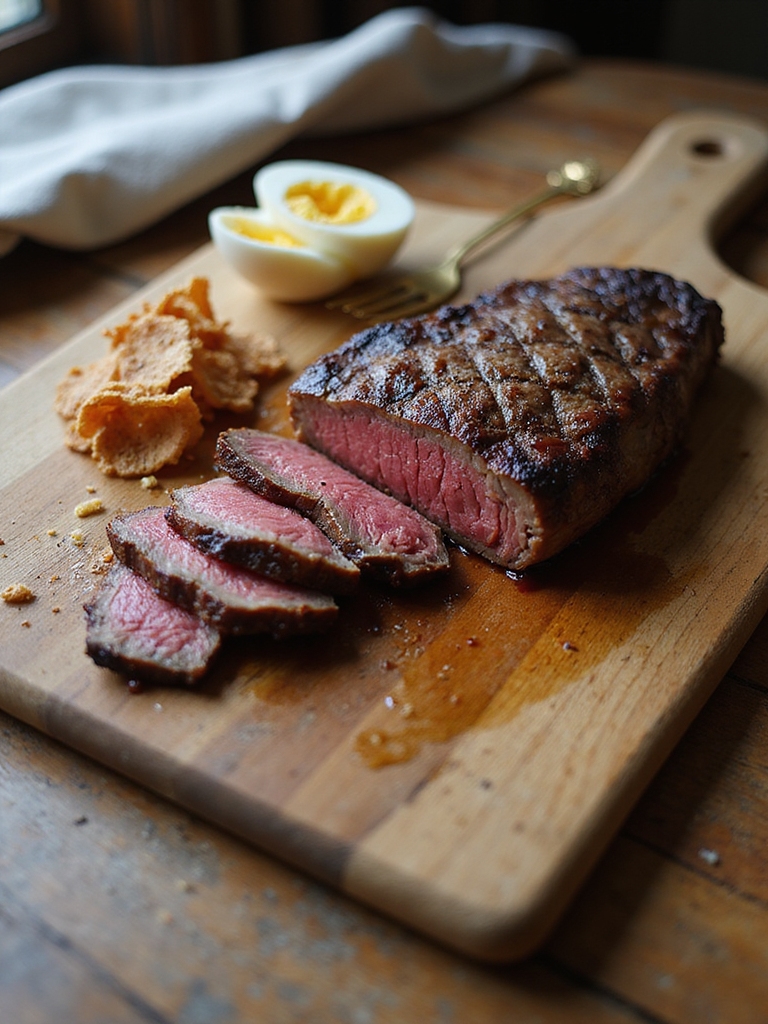
About 38% of people who try low-carb diets report improved energy within a month, so you might see shifts fast. You’re about to get a straightforward, no-fluff primer on trying carnivore as a woman—what to expect, what to track, and when to slow down—because your hormones, cycle, and social life matter.
Stick with this and you’ll know whether it’s a short experiment or something to adapt long-term.
Who This Guide Is For (And How to Use It)

If you’re a woman curious about the carnivore diet—whether you’re tired of complicated meal plans, dealing with stubborn weight, digestive issues, or hormonal swings, or just want to test a simpler way of eating—this guide is for you; it’s aimed at practical steps, real-world troubleshooting, and what to expect physically and emotionally as you try it.
You’ll get straightforward advice whether you’re experimenting short-term, troubleshooting symptoms, or considering long-term change.
Use sections as modular tools: jump to meal ideas, symptom trackers, or troubleshooting based on need.
Expect honest trade-offs, tiny experiments, and actionable checkpoints you can actually follow.
This plan emphasizes daily ease and sustainability with simple, repeatable meals and routines to make adherence realistic for busy lives, highlighting daily ease as a core principle.
What the Carnivore Diet Actually Is for Women

The carnivore diet means you’re mostly eating animal foods — meat, fish, eggs, and some dairy — and cutting out plants so your body runs primarily on protein and fat.
For women that shift can affect cycles, mood, and energy because hormones like estrogen and progesterone respond to calorie intake, carbs, and body fat changes.
Practically, you’ll want to plan for micronutrients (iodine, vitamin D, B12, electrolytes) and watch how your routine and symptoms change so you can adjust.
Women may need to monitor reproductive hormones more closely when starting the diet.
What It Involves
Think of the carnivore diet as a focused, all-animal plan that strips food choices down to meats, fish, eggs, and some animal fats — and yes, many women customize it to fit their hormones, activity levels, and tastes.
You’ll center meals on protein and fat, skip plants, and learn simple cooking and seasoning. Expect straightforward shopping, predictable meals, and a need to notice how you feel.
- A ribeye, butter, simple salt — comforting, satiating.
- Sardines and eggs — quick, nutrient-dense.
- Slow-cooked brisket — weekend ritual, hands-off reward.
You’ll track energy, digestion, sleep, and tweak portions. The carnivore diet reframes modern eating by focusing on whole animal foods and minimizing dietary complexity, which many find simplifies meal planning and nutrient focus.
Hormonal Considerations
Because hormones rule much of how you feel on and off the plate, you’ll want to treat a carnivore trial like an experiment rather than a fad—track symptoms, cycle phase, and small dietary tweaks so you can see patterns.
Expect shifts: energy, sleep, libido, cramps, and moods can move quickly when carbs drop and protein rises.
You’ll watch menstrual regularity, PMS intensity, and acne changes, noting timing and magnitude.
If cycles become erratic or you feel unusually fatigued, pause and reassess with a clinician.
Use data, not dogma—small, reversible changes plus curiosity help you find what suits your unique endocrine rhythm.
Many women also report improved satiety and simpler meal planning on a meat-focused plan, which can reduce decision fatigue and support consistent eating patterns improved satiety.
Nutrient Practicalities
If you’re trying carnivore as a woman, start by mapping what you’ll actually eat and why: meat, fish, eggs, and minimal dairy supply protein, fat, and a handful of micronutrients—but they don’t mirror a mixed diet, so you’ll want to be deliberate about choices and portions.
You’ll track gaps, tweak for energy and cycles, and plan for long-term micronutrients. Think visually:
- A fatty steak for iron and B12.
- Sardines for EPA/DHA and calcium.
- Eggs and organ meat for choline, vitamin A, and folate.
Rotate choices, monitor labs, and supplement only when tests show need. Starter lists often include common options like beef, pork, chicken, salmon, and eggs to simplify early meal planning and ensure variety starter foods.
Who Should Try Carnivore : And Who Should Avoid It

You might try carnivore if you’re chasing simpler meals to manage autoimmune symptoms, stubborn weight loss plateaus, or marked food sensitivities that haven’t responded to other approaches.
But if you’re pregnant, breastfeeding, have a history of disordered eating, or certain metabolic or kidney conditions, this isn’t the place to experiment without close medical supervision.
Let’s walk through practical signs it could help, clear red flags to avoid, and what pregnancy and nursing mean for your choices.
Early on, many people experience transient adaptation symptoms such as headaches, fatigue, or digestive changes as the body shifts fuel sources.
When To Consider It
While the carnivore diet can be powerful for some women, it’s not a one-size-fits-all fix — and deciding whether to try it means weighing your goals, medical history, and lifestyle.
You might consider it if you want clear feedback fast, especially for stubborn weight, autoimmune flares, or relentless brain fog.
Picture scenarios:
- You’ve tried varied diets and need a strict elimination to spot triggers.
- You crave simplicity: shopping, cooking, and decisions reduced to a few ingredients.
- You want measurable short-term results to reassess next steps.
Talk with your clinician, start slowly, and track sleep, mood, and cycles closely. The first days often bring noticeable shifts in energy and digestion as your body adapts to the new eating pattern, a process sometimes called early adaptation.
Who Should Avoid
Because a meat-only approach isn’t harmless for everyone, you should weigh risks against potential gains before starting.
If you have kidney disease, uncontrolled gout, or familial hypercholesterolemia, this plan can worsen lab markers or symptoms, so consult your clinician.
If you rely on high-fiber prescriptions for bowel issues or have chronic eating-disorder tendencies, strict elimination may be harmful.
Athletes needing rapid glycogen recovery or people with unstable blood sugar on medications should avoid diving in without medical oversight.
If you can’t commit to monitoring labs, mood, and symptoms closely, this isn’t a diet to try casually.
For clearer day-to-day success, follow simple, evidence-aligned carnivore diet rules to reduce confusion and improve consistency.
Pregnancy And Nursing
If you’re pregnant or breastfeeding, think of the carnivore diet as a high-stakes experiment rather than a lifestyle tweak — your body isn’t just yours right now.
You need predictable nutrients, steady calories, and medical oversight. Don’t wing it.
- Tiny human growing: needs DHA, folate, varied vitamins — meat alone may miss some.
- Milk demands: energy and micronutrients drop quickly if you restrict.
- Risk tolerance: any elimination increases risk for deficits and stress.
Talk to your OB or pediatrician, get labs, consider a modified approach or wait until postpartum if you want to try strict carnivore.
How Carnivore Affects Hormones and Your Menstrual Cycle

When you switch to a carnivore diet, your hormones often notice fast — and not always politely: periods can shift in timing, flow, and symptoms as your body adjusts to changes in energy intake, fat consumption, and insulin signaling.
You may see lighter cycles, heavier cramps, or altered PMS as estrogen, progesterone, and thyroid responses rebalance. Track changes, sleep, and stress; don’t ignore fatigue or amenorrhea.
Expect individualized responses: some find rhythm restored, others need adjustments or medical input. Use this simple imagery:
| Hormone | Typical change |
|---|---|
| Estrogen | May fluctuate |
| Progesterone | Timing shifts |
| Insulin | Often lowers |
| Thyroid | Variable impact |
What to Expect in Weeks 1–6 on Carnivore

Expect a rough first week as your body throws off carb cravings, bathroom shifts, headaches and a bit of crankiness while it switches fuel.
After that—weeks two through six—you’ll start noticing steadier energy, fewer spikes and crashes, and changes in appetite, sleep and perhaps your cycle as hormones recalibrate.
I’ll walk you through common timelines and practical tweaks so you know what’s typical and when to seek adjustments.
Week 1: Transition Symptoms
While your body recalibrates from carbs to pure animal fats and protein, you’ll likely notice a handful of sharp, short-lived symptoms that feel more like system updates than disasters.
You may feel tired, get headaches, or pee more as your kidneys adjust; that’s normal and usually brief.
Picture these three moments:
- Morning fog lifting unevenly, like a dimmer switch.
- A few salt-craving pangs that ask for electrolytes, not panic.
- Short bursts of low energy that recover after protein and fat.
Drink water, add salt, rest when needed, and remind yourself this is temporary.
Weeks 2–6: Adaptation Changes
Over the next few weeks, you’ll notice the sharp edges of early symptoms smoothing out as your hunger, energy, and digestion start to recalibrate to a meat-and-fat rhythm.
Your cravings will thin, not vanish—sweet urges come and go—but meals feel satisfying longer.
Energy stabilizes: fewer sugar spikes, clearer focus, occasional low-energy afternoons that resolve with more fat or sleep.
Digestion tightens up—less bloating for many, though some see temporary constipation; electrolytes and water help.
Menstrual cycles might shift; track symptoms.
Clothes fit differently as water and inflammation change.
Keep simple experiments: tweak fat, salt, and meal timing, then observe.
Digestive Changes and Bathroom Issues : Practical Fixes
When you switch to a carnivore diet, your gut will send you messages—sometimes polite, sometimes loud—and they usually mean your system is recalibrating to almost-no-fiber, higher-fat meals.
Expect changes: constipation, loose stools, or both. Tackle them practically.
- Slow adjust: add bone broth and small fish to ease bile production.
- Hydrate + salt: sip water with a pinch of salt to support digestion and stool consistency.
- Meal timing: eat when hungry, smaller frequent meals if fat feels heavy.
Track patterns, tweak fats and protein, and call your clinician if severe pain or bleeding appears.
Keep Your Energy, Sleep, and Mood Steady While Adapting
As your body shifts to mostly meat, you’ll need to pay attention to electrolytes—salt, potassium, and magnesium—to stop headaches, dizziness, and that terrible mid-afternoon collapse.
Keep sleep a priority by locking down a simple routine: consistent bedtime, dim lights, and cutting late caffeine or heavy meals.
Do these two things and you’ll smooth mood swings and hold steady energy while you adapt.
Manage Electrolyte Intake
Balancing electrolytes is one of the quickest, most practical things you can do to stop fatigue, brain fog, sleep disruption, and the mood swings that often show up in the first weeks on a carnivore diet.
You’ll favor salty, mineral-rich foods and simple supplements so your nerves and muscles behave.
Try to imagine and aim for:
- a pinch of salt on your meals to restore sodium,
- a cup of bone broth for potassium and collagen,
- a magnesium supplement at night to calm nerves.
Track symptoms, adjust doses, and don’t assume “just meat” covers everything — tweak as you go.
Prioritize Sleep Hygiene
Prioritizing sleep will make adapting to the carnivore diet far easier — it’s how you lock in energy, mood, and hormone balance while your body recalibrates.
Aim for consistent bed and wake times, dim lights an hour before sleep, and drop screens; your melatonin rhythm matters more than midnight snacking debates.
Manage evening protein timing so you’re not jittery but not starving.
Nap smartly—short and early if needed.
Track sleep quality, not just hours, and adjust electrolytes if restless nights pop up.
Treat sleep like a tool, not a luxury; it speeds adaptation and steadies your day-to-day.
Maintaining Strength and Exercise on a Meat‑Only Plan
Keep lifting and moving—you don’t lose strength because you eat meat, you change how you fuel it. You’ll adapt quickly if you prioritize protein, don’t fear fat, and keep resistance work consistent. Expect initial water and glycogen shifts, not muscle loss.
- Visualize heavy squats, bars bending, steady breathing.
- Picture a morning walk that clears your head and primes recovery.
- Imagine a simple barbell routine you can do three times weekly.
Track performance, up calories when strength stalls, focus on sleep and joint-friendly mobility. You’ll get stronger, just be patient and precise.
Simple Carnivore Meal Templates for Busy Women
Often you’ll want meals that feel effortless but actually cover appetite, recovery, and time constraints—so plan simple templates you can repeat.
Pick a protein focus (steak, ground beef, salmon, roast chicken), add a fat carrier (butter, tallow, olive oil) and a quick prep method: pan-sear, grill, slow-roast.
For busy days, double a roast or cook batches of patties to mix and match.
Breakfasts: eggs and cured meat or bone broth with shredded beef.
Snacks: pork rinds, cheese, or cold sliced roast.
Keep portion targets in mind and rotate proteins so meals stay interesting.
Shopping and Cooking for a Carnivore Week
Stock your kitchen with a tight shopping list and a simple plan so you won’t face decision fatigue midweek: pick three proteins (a fatty cut like ribeye or chuck roast, a lean option like chicken breast or white fish, and an offal or cured meat), a few cooking fats (butter, tallow, olive oil), and enough eggs and dairy for breakfasts and snacks.
Plan batch cooks, and you’ll thank yourself.
- Roast a chuck, sear steaks, crisp chicken skin.
- Fry eggs in butter, make omelets with cheese.
- Quick pan-fry liver or open a jar of cured meat.
Label portions, reheat gently, and enjoy.
Key Micronutrients Women Need on Carnivore (And Food Sources)
Women on a carnivore plan still need to watch a handful of micronutrients closely, because meat-heavy menus can be low or variable in things your body uses every day—iron for energy and periods, vitamin D for mood and bone health, calcium for bones (yes, even if you eat dairy), iodine for thyroid function, and B vitamins for metabolism and nerves.
Prioritize organ meats: liver for iron, B12, folate; sardines and mackerel for vitamin D and calcium; shellfish and seaweed for iodine and zinc; bone broth for collagen and trace minerals; eggs for choline. If you avoid organs or seafood, consider targeted supplements after testing.
Track Progress: What to Monitor and When to Adjust
You’ve sorted out the nutrient gaps and know which organ meats, seafood, and supplements matter — now you need a simple plan to see if it’s working.
Check weight, energy, mood, and cycle patterns weekly, but track labs and symptoms monthly. Use a notebook or app and note sleep, cravings, skin, and digestion.
- Weekly: energy, hunger, weight trends.
- Monthly: cycle regularity, mood shifts, bloating.
- Every 3 months: CMP, ferritin, B12, vitamin D, thyroid.
If trends worsen or labs flag, tweak food variety, add supplements, or consult your clinician.
Common Mistakes Women Make on Carnivore : And How to Avoid Them
When things go sideways on carnivore, it’s usually not because the diet itself failed but because common mistakes crept in — you skipped variety, ignored micronutrients, or treated fasting like a badge of honor instead of a tool.
You might eat only steaks and miss organ meat; fix that by rotating liver, heart, and different cuts for B12, copper, and zinc. Don’t under-eat; chronic calorie restriction disrupts hormones.
Hydrate and add salt to avoid headaches and cramps. Track patterns (sleep, cycle, mood). Be realistic: social life matters. Ask for labs if symptoms persist rather than guessing.
Warning Signs: When to Stop or See a Clinician
If symptoms get steadily worse or new, concerning signs pop up, stop the diet and see a clinician — don’t chalk it up to an “adjustment period.”
You should get immediate medical attention for fainting, severe lightheadedness, palpitations, chest pain, shortness of breath, sudden worsening of mood or thinking (confusion, suicidal thoughts), persistent vomiting or diarrhea, or any sign of significant dehydration.
Beyond emergencies, watch for subtle red flags and act early:
- Sudden extreme fatigue or cognitive fog that disrupts daily life.
- Menstrual irregularities or fertility changes.
- Persistent severe constipation or weight loss.
Trust instincts; document changes and seek timely care.
Ending Carnivore or Personalizing It Long Term
Because diets aren’t one-size-fits-all, you may decide to stop carnivore or adapt it into something that fits your life long-term — and that’s both okay and smart.
You’ll want to do it deliberately: reintroduce foods slowly, track symptoms, and note energy, mood, digestion, and cycles. Maybe you keep red meat mornings, add fish weekly, or rotate in low-toxin plants.
Test one change at a time for two weeks. If symptoms reappear, back up and reassess. Consult your clinician for labs and nutrient gaps.
Long-term success is less about purity and more about sustainability, health markers, and how you feel.
You’ve got a clear, practical roadmap to try carnivore without melodrama — treat it like a short experiment, not a crusade.
Track sleep, energy, moods, periods, and electrolytes; rotate cuts and add organs for nutrients; lift a bit; see a clinician if you’re pregnant, have chronic illness, or notice red flags.
If it’s not for you, pivot or tweak. Think of it as trying on a Roman toga: test the fit, then keep what works.