


Like Columbus charting a simple route, you don’t need a perfect map to get where you’re going on carnivore—you just need a steady compass. You can build a routine around a few fatty cuts, eggs, and salt, eat until satisfied, and forgive the occasional slip.
Keep meals repeatable, batch-cook favorites, and watch your energy and sleep for feedback. Stick with it a week, and you’ll start to see what actually works for you—so let’s get into the practical steps.
Quick Carnivore Plan You Can Start Today

Ready to try a simple carnivore plan? You’ll keep it basic: pick a handful of meats you like—beef, pork, chicken, maybe eggs—and rotate them.
Aim for two to three meals a day, eating until satisfied without counting calories.
Focus on fatty cuts so you feel full and get energy. Drink water, add salt to taste, and skip processed foods.
Expect an adjustment week; stick with it and notice changes. If you need variety, change cooking methods or seasonings.
Check in with your body, adapt as needed, and prioritize consistency over perfection. Many people find success when they follow a plan centered on simple, repeatable meals to reduce daily decision fatigue.
Daily Meal Template: Protein, Fat, Timing
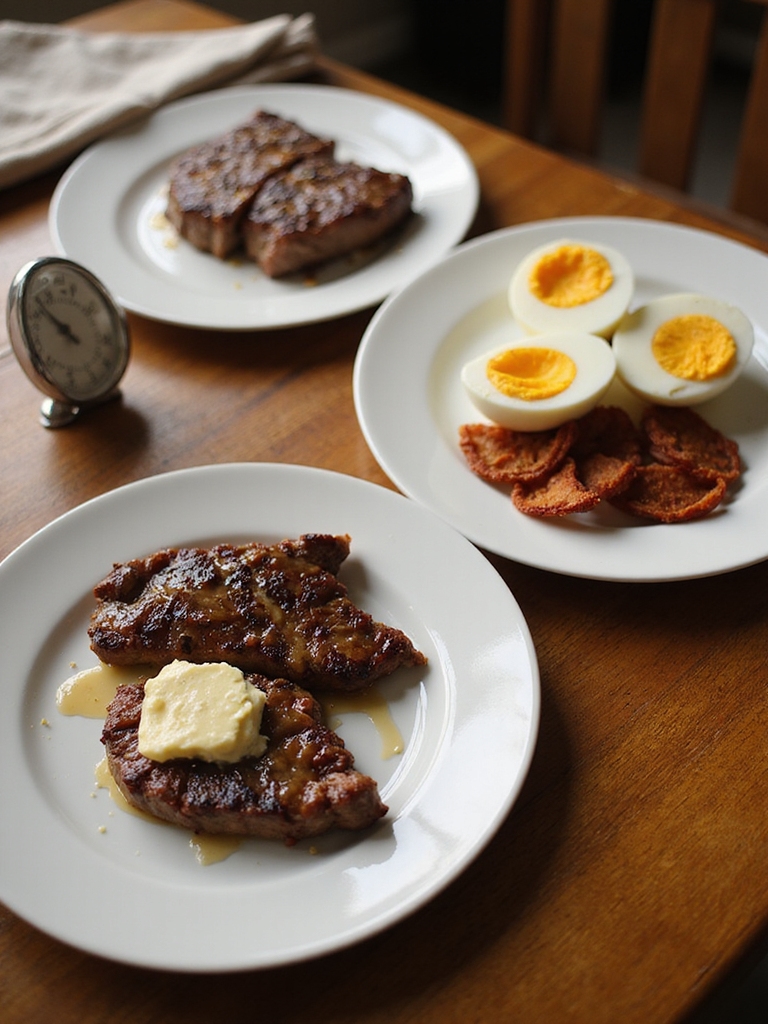
Usually you’ll structure your day around two to three protein-forward meals that pair fatty cuts for energy and satiety, with simple timing that matches your routine—breakfast if you like mornings, a mid-day meal, and a larger evening plate if that fits.
You focus on protein first, add fat to feel full, and keep timing consistent so hunger and performance stabilize. Listen to your body; eat when hungry, skip when not. Aim for variety over time, not every meal. Use this simple template to plan without overthinking.
Consistency in meal structure helps separate effective habits from confusion and supports long-term adherence to the diet by reducing decision fatigue and promoting clear guidelines.
| Meal | Focus |
|---|---|
| Morning | Protein + fat |
| Mid-day | Protein + fat |
| Evening | Larger protein + fat |
Choose Simple Carnivore Meals to Repeat Weekly

Pick a handful of core meals you actually like and stick with them so shopping and cooking stay simple. Rotate a few easy proteins—steaks, ground beef, eggs, or fatty fish—and prep once so you can eat the same meal several times through the week.
You’ll save time, reduce decision fatigue, and make the plan easy to maintain. Many people find success by centering meals on simple carnivore meals that are easy to repeat and scale.
Pick Few Core Meals
Choose a handful of simple, repeatable carnivore meals you’ll cook most weeks — steaks, ground beef bowls, pan-fried pork chops, and fatty fish make great staples — so you spend less time deciding what to eat and more time enjoying consistent, easy-to-execute meals that support the diet.
Pick three to five core meals you actually like and can prepare reliably. Cook them well, learn small tweaks, and rotate them through the week.
That steady predictability lowers decision fatigue, helps you stick to carnivore, and makes grocery shopping and meal prep straightforward. Keep it simple, keep it steady.
Simple carnivore meals are especially helpful for busy, laid-back cooks who want reliable, repeatable options Easy Carnivore Meals to master and repeat.
Rotate Simple Proteins
Once you’ve nailed a handful of go-to meals, rotate a few simple proteins through the week so eating stays effortless and satisfying.
You’ll pick 3–4 favorites—say ribeye, chicken thighs, ground beef, and salmon—and cycle them so variety feels natural. Keep seasoning minimal, cook to what you like, and trust repetition.
Rotating prevents boredom, helps budget, and makes shopping simple. Use predictable swaps: beef one night, fish another.
This keeps momentum steady and choices easy, so you won’t overthink meals or quit when life gets busy. I personally rotate meals from my weekly list of simple proteins to make planning and shopping predictable.
| Protein | Night idea |
|---|---|
| Ribeye | Steak night |
| Salmon | Pan-seared |
Prep Once, Eat Multiple
Batch-cook a few staple carnivore meals and you’ll save time, reduce decision fatigue, and make sticking to the plan way easier.
Pick two or three dishes you like—steaks, braised short ribs, ground beef patties—and cook enough for several meals. Portion into fridge-ready containers so grabbing food is effortless.
Repeating meals each week lowers prep stress and helps you notice what performs best for energy and mood. Rotate one new item monthly to avoid boredom.
You’ll eat consistently without obsessing over variety. Simple repetition builds habit, keeps quality high, and lets you focus on life, not constant cooking. Try building meals around easy staple recipes to keep the routine sustainable.
Which Animal Foods Give You the Most Nutrition
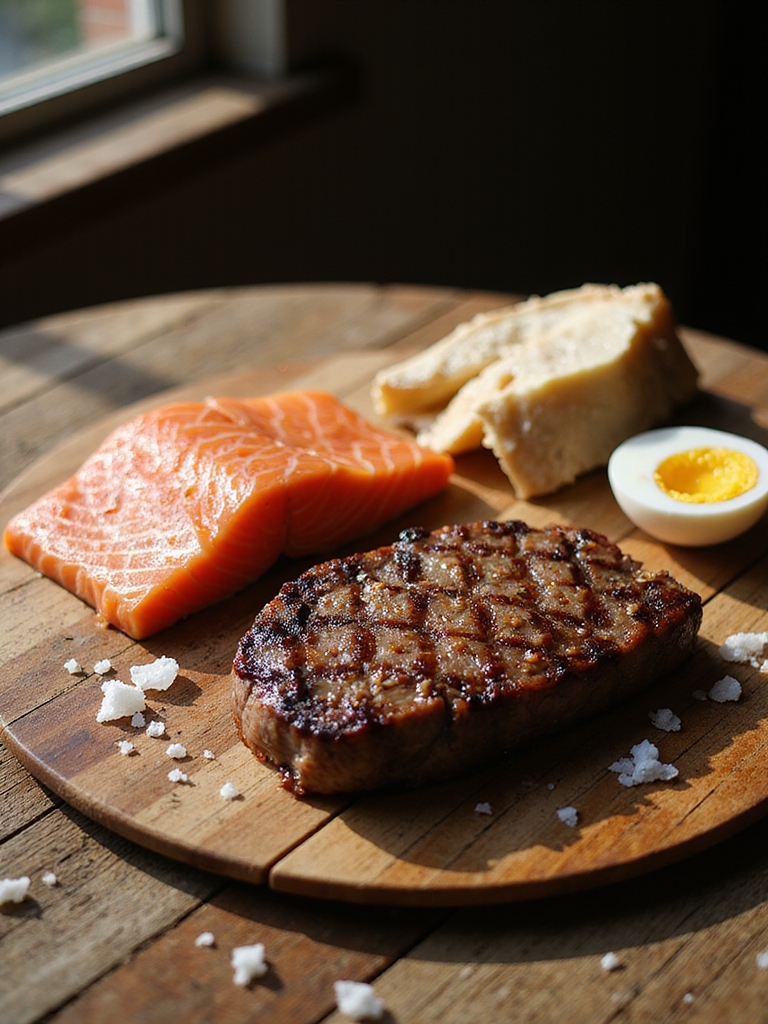
Think about nutrient density when you pick animal foods: organ meats like liver and kidney pack vitamins and minerals you’ll rarely get from muscle meat.
You’ll want fatty fish for omega‑3s, shellfish for zinc and B12, and egg yolks for choline and vitamin D.
Bone broth and marrow give collagen, glycine, and minerals.
Full‑fat dairy, if you tolerate it, adds calories, calcium, and probiotics in fermented forms.
Prioritize variety across organs, muscle cuts, and seafood to cover more nutrients without supplements. Start small with organ portions, rotate choices, and notice how you feel as you adjust.
Including staples such as high-quality organ and muscle meats supports overall nutrient intake and essential macronutrients for energy and recovery.
Carnivore Grocery List and Batch‑Cooking Tips

When you shop for a carnivore plan, focus on a short, repeatable list that covers muscle cuts, organs, seafood, and a few dairy or egg options so you won’t have to second‑guess meals all week. Buy steaks, ground beef, chicken thighs, liver, and canned sardines.
Pick eggs and plain yogurt if tolerated. Batch‑cook roasts and ground meat, portion into jars or vacuum bags, and quickly sear fresh servings. Freeze extras to simplify evenings. Reheat gently to keep fat and texture.
Rotate a couple proteins each week to avoid boredom and make shopping fast. Include staples like steaks, ground beef, chicken thighs, liver, and sardines to keep your grocery list short and repeatable.
| Protein | Use |
|---|---|
| Steak | Sear/roast |
| Ground beef | Batch cook |
| Liver | Nutrient boost |
| Sardines | Quick snack |
| Eggs | Versatile meal |
Gradual Transition: 4‑Week Stepwise Plan
If you’re new to the carnivore way, ease in over four weeks so your body and habits adjust without drama; start by cutting carbs and increasing meat, then gradually narrow to mostly animal-only foods while watching how you feel.
You’ll shift stepwise, not suddenly. Track energy, digestion, and mood.
Plan meals, prep batches, and keep simple staples on hand. Expect some adjustment days and be patient.
- Week 1: reduce starches, add extra eggs and beef
- Week 2: drop most plant sides, emphasize fatty cuts
- Week 3: focus on ruminant meats, simplify meals
- Week 4: aim for mostly animal-only choices
- Reassess and adapt as needed
Manage Cravings and Recover From Slip‑Ups
You’ll get sudden cravings sometimes, and that’s normal—have a plan like eating fatty cuts or taking a short walk to tame them.
If you slip, don’t shame yourself; reset by returning to simple carnivore meals and regular meal times.
Keep doing small, consistent habits so cravings shrink and slips become less frequent.
Tame Sudden Food Cravings
Cravings will show up suddenly, but you can handle them without guilt or drama; take a breath, assess whether you’re truly hungry or just stressed, bored, or tired, and choose a simple strategy—drink water, eat a fatty carnivore snack, or distract yourself for 15–20 minutes—to ride the urge out. You don’t have to fight cravings with willpower alone.
Use practical moves that fit your day. Track patterns so you spot triggers. Keep quick carnivore options on hand. Be kind to yourself if you slip; learning matters more than perfection.
- Sip water slowly
- Eat a tinned fish or pork rind
- Walk 10 minutes
- Do breathing exercises
- Check hunger vs emotion
Reset After A Slip
When you slip, don’t treat it like failure—treat it like data you can use to get back on track. You can reset quickly: acknowledge what happened, rinse off guilt, and plan one immediate carnivore meal.
Drink water, rest, and stick to protein and fat for the next eating window. Use curiosity—what triggered the slip? Learn, adjust, move forward.
| Step | Action | Timeframe |
|---|---|---|
| 1 | Acknowledge | Now |
| 2 | Hydrate | 0–1 hr |
| 3 | Eat carnivore | Next meal |
| 4 | Reflect | 24 hrs |
| 5 | Adjust plan | 48 hrs |
Build Steady Habits
You already handled the slip—now focus on making steady habits that keep slips rare and brief. Build routines that reduce decision fatigue, plan meals, and forgive small missteps so you keep moving forward.
Manage cravings with simple tactics and recover quickly when things veer off track.
- Eat filling animal proteins first to curb hunger and cravings.
- Schedule consistent meal times to stabilize appetite and mood.
- Keep easy carnivore snacks handy for busy moments.
- Track patterns: note what triggers slips and adjust your environment.
- After a slip, reset promptly with your next planned meal and a short reminder of goals.
Adjust Portions and Meal Frequency for Results
If you want predictable progress on the carnivore diet, start by tuning your portions and how often you eat so they match your goals and appetite. Pay attention to hunger signals and energy.
If you want fat loss, slightly reduce portion size or skip a meal when you’re not genuinely hungry. For muscle gain, add a bit more protein and an extra meal or snack of meat.
Keep meal timing simple — two to three solid meals often works. Adjust gradually, not drastically. Track how you feel, sleep, and strength, then tweak portions and frequency until performance and recovery improve.
Track Progress on Carnivore: 3 Simple Rules
Tracking progress on the carnivore diet means measuring a few key things regularly so you know what’s working and what needs changing.
You’ll keep it simple: pick three rules, check them often, and tweak one thing at a time.
Use objective markers, honest notes, and patience.
Don’t chase perfection; aim for consistent signals that guide adjustments.
- Weekly weight and body measurements
- Daily energy, mood, and hunger log
- Strength or workout performance trends
- Sleep quality and recovery notes
- Any symptoms or digestive changes
Follow those rules, review weekly, and adjust small variables slowly for steady progress.
Eating Out, Parties, and Travel on Carnivore
Keeping the simple measurement habits you set makes it easier to stay on track when life gets social or you’re on the road.
You’ll plan: check menus ahead, choose plain steaks, burgers without buns, or rotisserie chicken.
Ask for minimal sauces and skip sides, or bring jerky or pork rinds as backups.
At parties, eat first so you aren’t tempted, offer to bring a meat dish, or focus on conversation.
For travel, pack cooked meat, a cooler, or order room service protein.
Be flexible without abandoning core habits — consistency beats perfection and keeps you moving forward.
When to Include Eggs, Dairy, and Minimal Seasonings
You can add eggs and some dairy once you know how your body reacts—eggs are often fine for most people, while dairy suits those without sensitivity. Start small if you’re unsure, track symptoms, and raise the amount only if you feel good.
Use minimal seasonings—salt, pepper, and a little butter or animal fat—to keep flavors while staying true to the plan.
When To Add Eggs
Adding eggs, dairy, and minimal seasonings is usually a gradual step once your digestion has settled and cravings for variety kick in.
You can reintroduce eggs when you feel steady energy, fewer gut symptoms, and confidence in sticking to meat-first meals.
Start slow, watch how you feel, and keep portions modest.
- Try one soft-boiled egg with a steak
- Add scrambled eggs on active days
- Use minimal salt or butter at first
- Note any bloating, skin, or mood changes
- Pause increases if symptoms return
Trust your body, be patient, and prioritize consistency over perfection.
Dairy: Who And When
If your digestion’s settled and you tolerated eggs well, dairy can be the next cautious step — but don’t rush it. Try small amounts of high-fat, low-lactose options like aged cheese or butter first.
Watch symptoms for several days before increasing. If you react, pause and reassess. If it works, enjoy dairy as a convenient source of fat and calories, not a mainstay. Trust your body’s feedback and keep changes incremental.
| Option | When to try | Notes |
|---|---|---|
| Butter | Early | Minimal lactose |
| Aged cheese | Later | Low lactose |
| Yogurt | Last | Choose plain, full-fat |
Minimal Seasoning Guidelines
When your digestion’s stable and you’ve reintroduced eggs and dairy slowly, keep seasonings minimal to help you identify what’s tolerated; simple salt, a little pepper, and mild herbs are usually enough.
You’ll add foods back one at a time, watch reactions, and favor plain preparations so signals aren’t confused. Trust small steps: start with eggs or yogurt, then soft cheeses if all’s well.
If you notice bloating, skin changes, or mood shifts, pause and reassess.
Aim for consistency over perfection — routine meals reveal patterns faster than constant experimentation.
- Light sea salt on cooked eggs
- Freshly cracked black pepper
- A pinch of oregano
- Plain Greek yogurt
- Mild cheddar slices
Troubleshooting Common Carnivore Problems (And Fixes)
You’ll hit snags on the carnivore diet — that’s normal — and knowing what’s likely to crop up makes fixing them quicker. If you get fatigue, eat more fat and prioritize red meat; your body’s adapting and needs fuel.
Constipation often responds to more water, salt, and fatty cuts; consider bone broth.
Diarrhea? Trim the very fatty foods, slow your intake, and reintroduce slowly.
Cravings fade with consistent meals and adequate calories.
Low energy or poor sleep usually improves with routine and electrolytes.
If symptoms persist, check labs and talk to a clinician familiar with low-carb diets.
How to Explain Your Carnivore Approach Briefly
Keep it simple and confident: say you follow a meat-focused diet for health and clarity, and mention the main benefits you’ve noticed (better energy, fewer cravings, improved digestion).
Tell people it’s about eating mostly animal foods, listening to your body, and keeping meals straightforward. You don’t need to justify every choice or convert anyone.
- I eat primarily beef, pork, poultry, and eggs.
- I avoid processed carbs and sugar.
- I prioritize satiety and simple meals.
- I track how I feel, not numbers.
- I allow occasional adjustments for social situations.
Say it clearly, own it, and move on.
Setting Realistic Carnivore Milestones and Timelines
Set a realistic timeline you can stick to—think weeks for habit shifts and months for bigger health changes.
Track measurable markers like weight, sleep, energy, and basic labs so you can see real progress.
Make small, steady habit changes rather than flipping everything overnight, and adjust the plan as you learn what works.
Realistic Timeline Targets
Because everyone adapts differently, it helps to pick clear, achievable milestones so you can track progress without getting discouraged.
Set short, medium, and long targets that feel doable, then adjust as you learn what your body tolerates.
Celebrate small wins and treat setbacks as data, not failure. Keep goals specific, timed, and flexible so they fit life.
- 1–2 weeks: stabilize meals and reduce cravings
- 3–4 weeks: consistent energy and fewer snack urges
- 6–8 weeks: notice body composition shifts
- 3 months: routine feels natural, habits stick
- 6 months: evaluate long-term tweaks and sustainability
Measurable Health Markers
After tracking how your habits and energy change over weeks and months, you’ll want concrete markers to know if the carnivore plan is working for you.
Pick measurable, simple targets: consistent weight range, waist circumference, resting energy, sleep quality, mood stability, and basic strength or endurance gains. Use baseline numbers and check every 2–4 weeks.
Include lab markers your clinician recommends—lipids, fasting glucose, inflammation markers—but don’t obsess over day-to-day swings.
Celebrate steady trends, not perfection. If markers stall or worsen, adjust portions, food variety, or consult a professional. Clear, realistic milestones keep you honest and encouraged.
Gradual Habit Changes
Breaking changes into small, timed steps makes the carnivore plan manageable and sustainable, and you’ll be more likely to stick with it if you build momentum gradually.
You set clear, realistic milestones—week-by-week tweaks, not overnight perfection.
Track simple wins: fewer carbs, one carnivore meal, improved sleep.
Adjust timelines when life interferes and celebrate consistency over flawless days.
Use short checkpoints to reassess hunger, energy, and mood, then tighten or relax rules.
Pace yourself so habits last.
- Start with one carnivore meal per day for two weeks
- Swap snacks for jerky or eggs
- Measure sleep and energy weekly
- Add another carnivore meal after month one
- Reevaluate goals at 90 days
Staying Consistent Long Term: Habits That Stick
Often the biggest challenge isn’t starting the carnivore diet—it’s keeping it going week after week.
You build routines that fit your life: simple meal templates, batch-cooked roasts, and a shortlist of go-to snacks.
Track small wins, not perfection—days in a row matter more than flawless choices. Set realistic rules you’ll actually follow, like “no cooking on Sundays” or “one restaurant meal per week.”
Use reminders, prep times, and accountability—friends or a journal—to stay honest. When setbacks happen, reset quickly without drama.
Consistency grows from habits you can sustain, not from willpower alone.
You’ve got a simple, repeatable plan—pick a few favorite proteins, batch cook, salt your water, and track energy and sleep.
Expect an adjustment week and treat slips as data, not failure. Want steady progress more than perfection? Keep meals predictable, reset quickly with protein and fat, and celebrate small wins.
Over time those habits add up, and you’ll find consistency makes the diet sustainable and easier than you thought.


