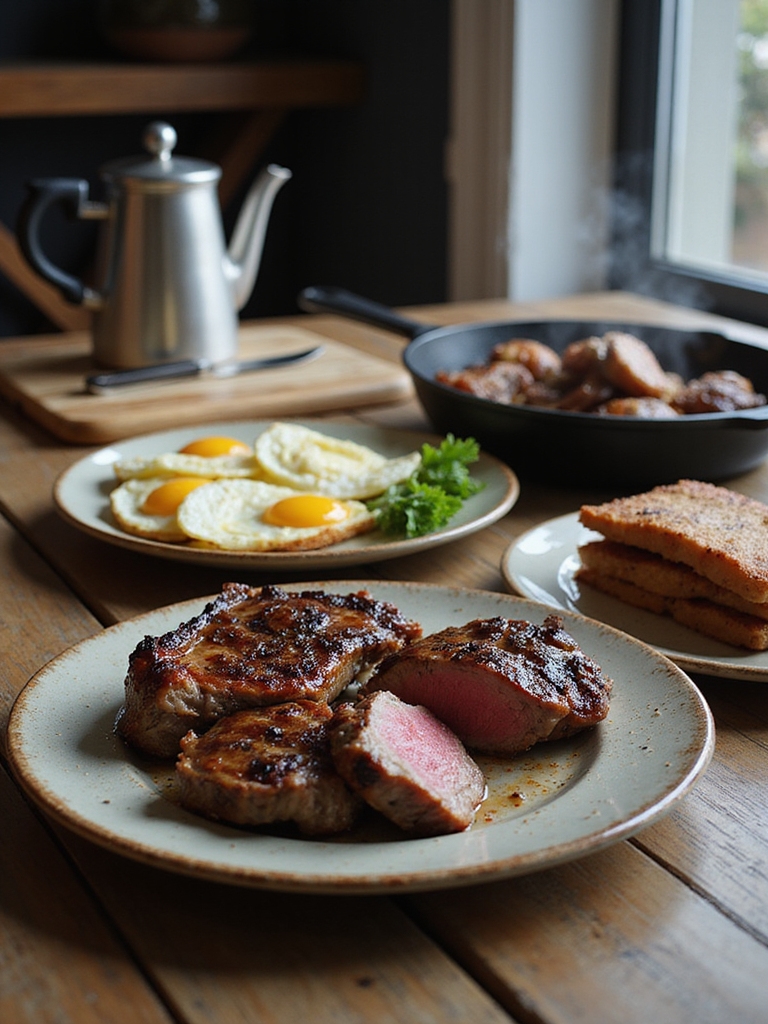


You can make filling, no-fuss carnivore meals with a handful of ingredients, a hot pan, and a few tricks that actually work. Think seared steaks, roasted chicken thighs, skillet eggs and pork chops that brown up like they mean it.
I’ll show you pantry basics, cheap cuts that punch above their price, quick techniques, and how to stop getting bored—so you’ll eat well without overthinking dinner and want to keep going.
Quick Wins: 3 Carnivore Meals to Make Today
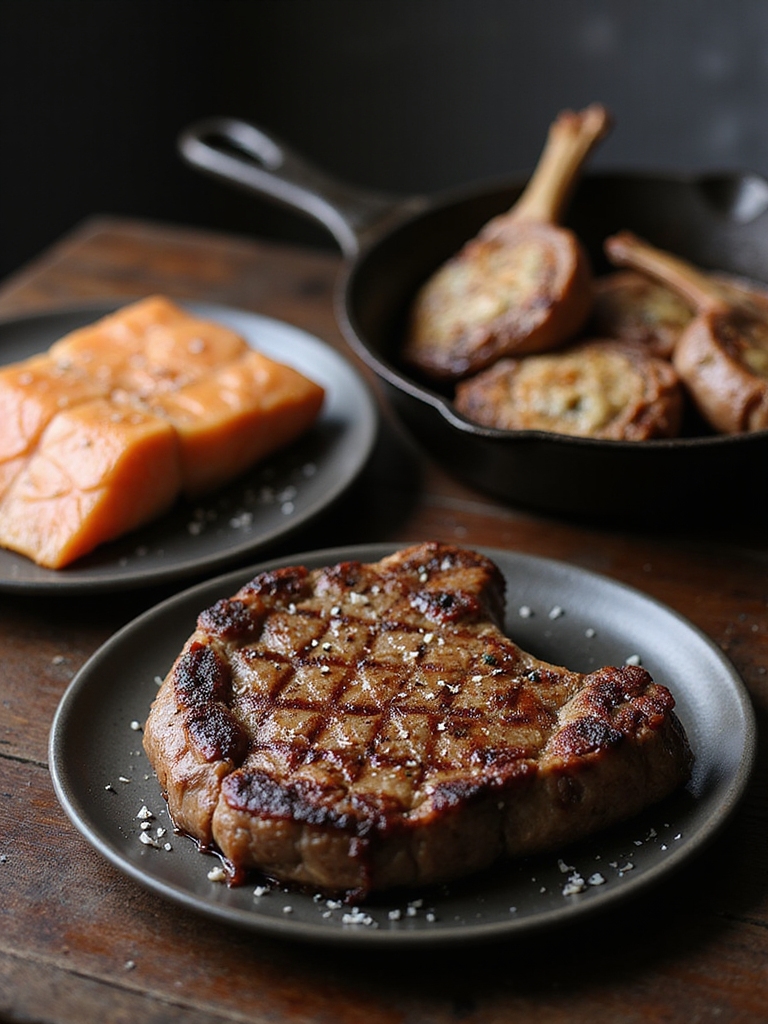
Start simple: you can eat like a carnivore today without a shopping list longer than your arm or hours over a stove.
You’ll start with three failproof meals: sizzling bacon and eggs—crisp the bacon, fry the eggs in the rendered fat; pan-seared ribeye—high heat, butter finish, rest a few minutes; and slow-roasted chicken thighs—salt, skin down, low and slow until golden.
Each dish needs minimal seasoning, zero garnish, and teaches you texture, timing, and confidence.
Rotate these, tweak doneness, and you’ll have quick, satisfying carnivore staples that feel indulgent, not like deprivation.
These are truly Irresistible Carnivore breakfasts worth waking up for, delivering bold flavor with minimal fuss.
Carnivore Pantry: Basics to Stock
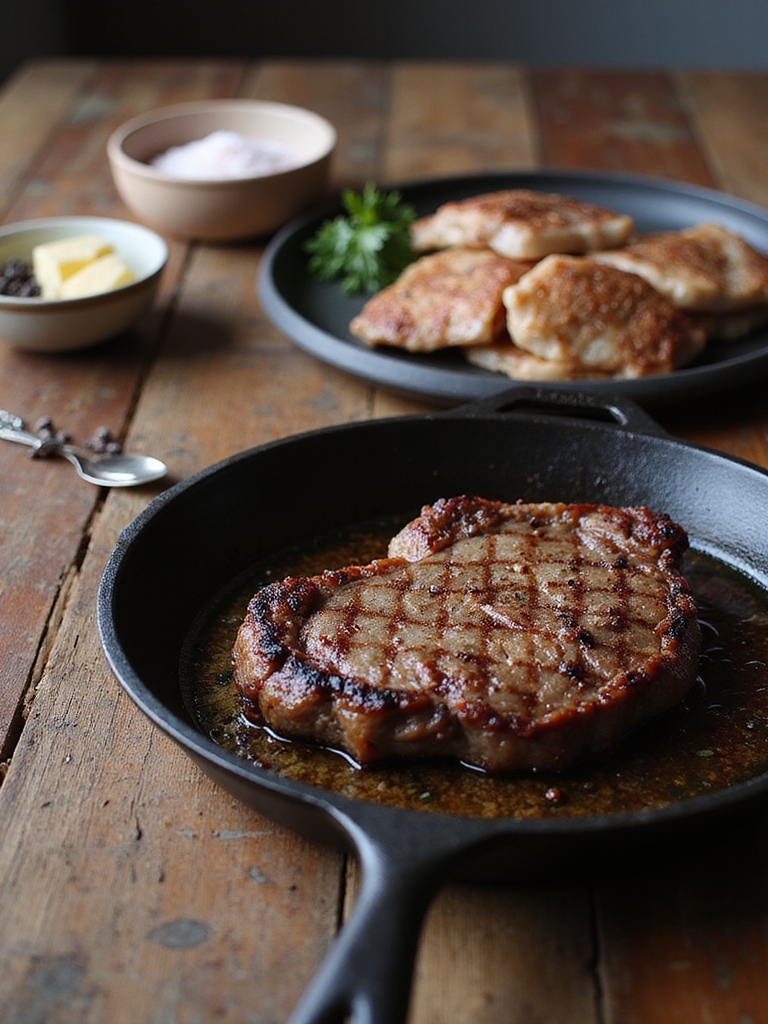
Those three go-to meals will get you eating meat with confidence, but now you’ll want a pantry that keeps those wins coming without last-minute panic.
Stock fatty and lean cuts, eggs, and bone broth for soups and sauces. Keep butter, ghee, and tallow on hand for frying and flavor; they change everything. Canned fish and organ meats extend variety and nutrients without chef-level skills.
Salt, black pepper, and optional minimal spices let meat shine. Have freezer space for bulk packs and a thermos or slow cooker for hands-off roasts. With these basics, you’ll eat well, simply, and reliably. Add staples like fatty and lean cuts to ensure both flavor and nutrient balance.
Cheap Cuts That Actually Taste Great
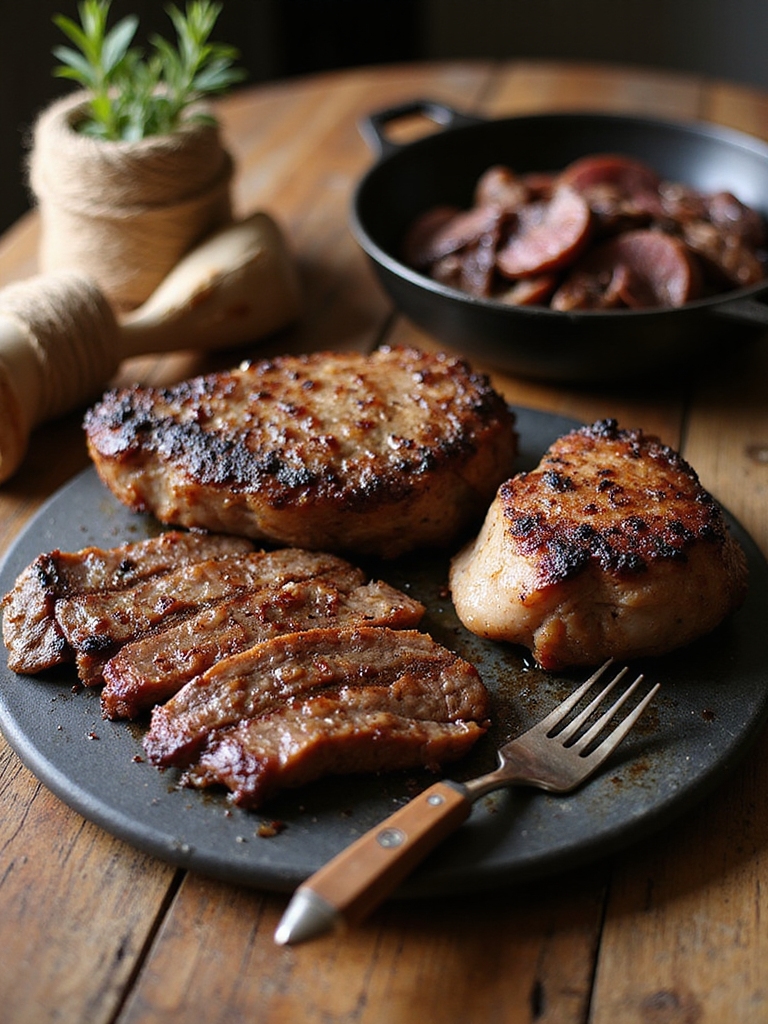
Don’t snub marrow bones—you can scoop, spread, and savor rich fat that makes everything taste expensive.
Learn to coax flavor from brisket, chuck, and shanks with low, slow braises until they’re fork-tender.
Then use bold salts, pepper, and butter (or rendered fat) to elevate the whole thing without fuss.
Ground beef offers versatile, budget-friendly options like patties, meatballs, and skillet mixes that fit the carnivore approach, especially when you choose cheap cuts and cook them well.
Embrace Marrow Bones
Think of marrow bones as the bargain-bin treasure of the carnivore world: cheap, unassuming, and utterly delicious once you know what to do with them.
You roast them until the marrow is silky and spoon it onto steak, crisp bread, or straight into your mouth — no shame.
Salt, black pepper, maybe a swipe of acid if you tolerate it; that’s your seasonings list. Marrow adds richness, calories, and that primal, buttery hit you didn’t know you missed.
Buy beef femur or knuckle bones, roast at high heat 15–20 minutes, and scrape like it’s dessert. Simple, decadent, and wallet-friendly.
Adding marrow to meals is a great way to boost fat intake and flavor for those following the Essential Staples of a carnivore diet.
Master Slow Braises
Brown cheap cuts low and slow and they’ll turn tender, flavorful, and shockingly luxurious — you just have to give them time. You sear to build fond, deglaze with a splash of broth, and braise until the meat falls apart like it’s ashamed of itself.
You’ll learn to trust the oven clock and the smell.
- Choose chuck, short ribs, or brisket — fat equals flavor.
- Cook covered at low heat, 275–300°F, for hours.
- Rest in the braising liquid to stay juicy.
Serve simply, eat proudly, and let cheap cuts feel expensive. Many budget carnivore cooks rely on ground beef meals as everyday staples because they’re versatile, affordable, and high in calories and protein.
Elevate With Seasonings
Sprinkle on a few bold-seasoning moves and even the toughest cheap cut will sing — you just need to know what to reach for.
You’ll want salt first; it’s your flavor scaffold. Add smoked paprika or chili flakes for warmth, black pepper for bite, and garlic powder for meaty depth. Don’t drown cuts in mixes — you’re enhancing, not hiding.
Brown in hot fat to build a crust, then finish with a pat of butter or beef tallow to gloss and carry flavors. Taste as you go; adjust salt and heat. With intent, cheap cuts taste deliberate, not desperate. For long-term success on an all-animal plan, prioritize consistency and reliable meal ideas like simple roasts and seared steaks to maintain variety and adherence meal consistency.
Cook Great Meat With Just Salt & Heat
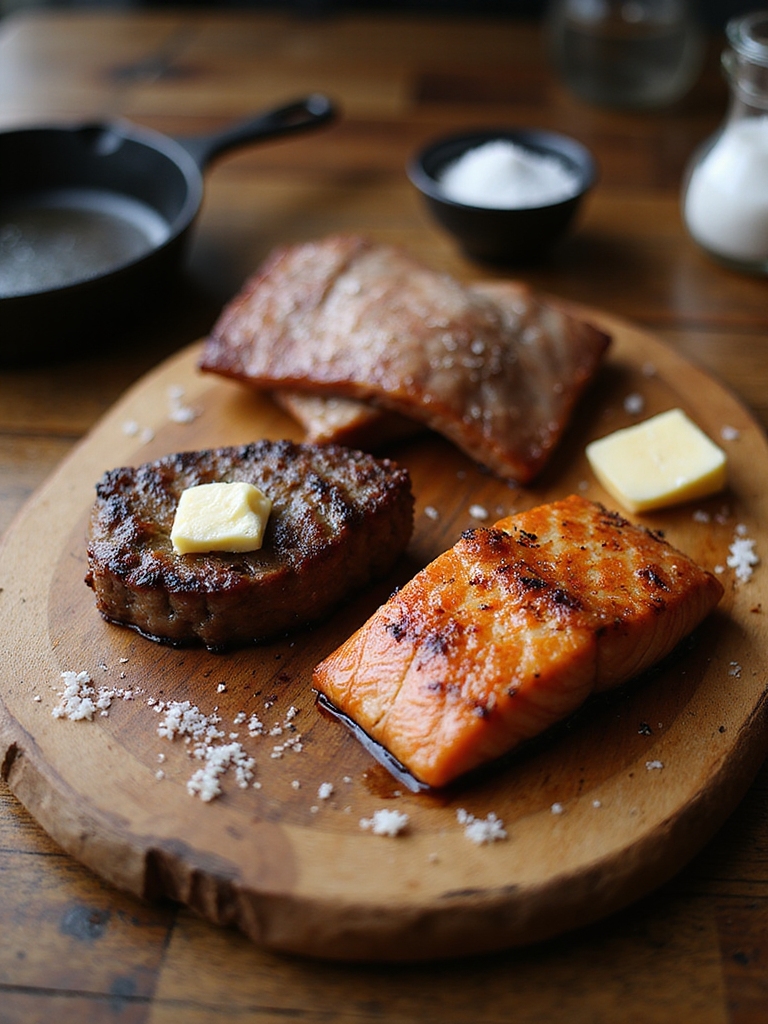
Master the basics: salt, heat, and timing will turn decent cuts into something worth standing over the stove for.
You don’t need marinades or gadgets — just salt early, bring meat to room temp, and pick a hot pan or low oven depending on thickness. Listen for the sizzle; that’s flavor happening.
- Sear over high heat for crust, finish in oven for even doneness.
- Salt up to 40 minutes before for better seasoning, or just before searing if pressed for time.
- Rest meat 5–10 minutes so juices redistribute.
Do this and simple meat tastes like mastery. Many beginners find that following a few Ridiculously Easy Carnivore Diet Meals that Work principles helps them stay consistent and enjoy the diet.
6 Super-Simple Beef Meals Anyone Can Make
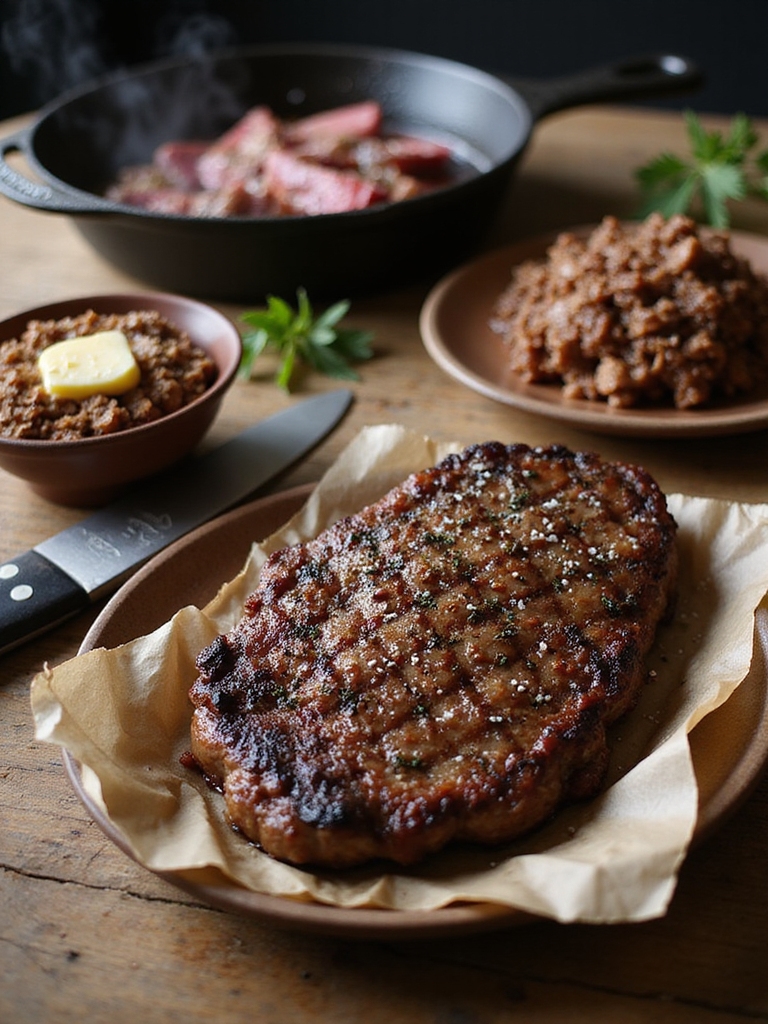
Think of beef as the kitchen’s easiest flex—you don’t need recipes with ten steps to eat like you tried.
Pick steaks, ground, or short ribs and treat them like the main event: salt generously, sear hot, rest.
For ground beef, make patties or skillet crumble with butter and a flick of salt—fast, filling, zero fuss.
Roast a ribeye or toss skirt steak on the grill for immediate victory.
Leftovers become quick bowls or sizzling pan-fry reheats.
You’ll get rich flavor without gimmicks.
Eat slowly, enjoy texture, and remember beef thrives on simplicity and confident heat.
Many people on the carnivore diet find success focusing on effective foods like fatty cuts of beef for sustained energy and satiety.
5 Fast Pork & Poultry Recipes for Weeknights
You’re not limited to steaks — quick pork chops and seared tenderloins get dinner on the table in 15–20 minutes with just salt, fat, and heat.
For even lazier nights, one-pan poultry like roasted drumsticks or skillet chicken thighs give big flavor with almost no cleanup.
Let’s talk simple swaps and tiny tricks that keep these meals fast, carnivore-friendly, and actually enjoyable.
Quick Weeknight Pork
Slice into weeknight dinner with pork that cooks fast, tastes rich, and doesn’t demand late-night cleanup.
You’ll sear chops, roast tenderloin, or pan-fry bacon-wrapped medallions in under 25 minutes, getting maximum flavor with minimal fuss. Keep it carnivore-simple: salt, heat, and time.
- Pick quick cuts: loin chops, tenderloin, thin-cut steaks.
- Use high heat for a crisp crust; finish gently to stay juicy.
- Rest briefly, slice against the grain, and drizzle rendered fat.
You’ll eat like you care without pretending to be a chef. Fast, satisfying, and zero regrets.
Simple Poultry One-Pans
Pork gave you speed and swagger; now bring poultry into the one-pan party for even faster, lighter weeknight wins.
You’ll sear skin-on chicken thighs until the fat renders, toss in bone-in drumsticks or turkey cutlets, and roast everything with a smear of butter and a pinch of salt.
No veg clutter — just caramelized bits, jus that glues to the spoon, and silence from the hanger monster.
Rotate pieces for even browning, rest briefly, then shred or plate whole.
These recipes feel effortless but taste deliberate, proving simple protein, heat, and time beat complicated cooking every night.
Fish & Seafood for the Carnivore Diet
Often overlooked, fish and seafood can be your secret weapon on carnivore — they bring variety, quick cooks, and important nutrients like omega-3s and iodine.
You’ll love how fast a fillet sears and how shrimp turns dinner into five-minute satisfaction. Pick fatty fish for richness, shellfish for texture, and tinned fish for emergency genius.
- Salmon: crisp skin, buttery fat, zero fuss.
- Shrimp or scallops: fast, sweet, pan-charred delight.
- Sardines or mackerel (tinned): portable, punchy, nutrient-dense.
Keep seasoning minimal, cook hot and brief, and enjoy seafood’s effortless flair.
4 Egg Breakfasts That Require Zero Recipe Skills
Usually, eggs save mornings — and on carnivore they’re your go-to: crack, cook, eat, repeat. You’ll fry them in butter until edges crisp, scramble with a pinch of salt, or soft-boil for a spoonable yolk.
Slide omelets onto your plate folded over bacon or leftover steak, no measuring, no timing drama. Hard-boil a batch for grab-and-go protein.
If you like richness, poach into hollandaise-less bliss or slow-cook yolks for custardy bites. Eggs adapt to mood and skill: forgiving, fast, and flavor-forward. They keep mornings simple so you can focus on eating, not fussing.
Scale Meals: Batch-Cooking & Leftovers
You’ll save time and sanity when you cook big batches of ribeyes, brisket, or ground meat and portion them for the week.
Store leftovers in airtight containers, chill within two hours, and use or freeze within a few days to keep things safe.
When reheating, go low and slow or add a splash of broth or fat so the meat warms through without turning into jerky.
Batch-Cooking Basics
Think of batch-cooking as your week’s culinary insurance—cook once, eat smarter, and make every ounce of meat earn its keep.
You’ll roast, sear, and shred with purpose so dinners feel effortless and triumphant.
Aim for bold flavors and simple repetition: a couple big proteins, a fatty render, and confident seasoning.
Reheat like you mean it; texture will forgive if the flavor’s right.
- Roast a tray of ribeye or brisket for slices and snacks
- Slow-braise pork shoulder for shredded tacos or omelets
- Pan-sear ground beef into patties, crumble for salads or bowls
You’ll thank yourself.
Safe Storage Tips
Stash your batch-cooked carnivore wins like a pro: label, chill, and treat time as an ingredient.
Pack portions in airtight containers, note cook date and cut, and cool quickly so bacteria don’t throw a party.
Store raw cuts on the bottom shelf to stop drips, and keep cooked meat separate to preserve flavor and safety.
Freeze extra steaks or ground beef in flat, stackable bags for space and fast thawing.
Use FIFO—first in, first out—so nothing ghosts your meal plan.
When in doubt, sniff and look; if it’s off, toss it without remorse.
Reheat Without Drying
Often the trickiest part of batch-cooking carnivore meals is reheating without turning your steaks into leather or your ground beef into dust; treat heat like a gentle nudge, not a hammer. You want juicy, not chewy.
Rewarm slowly, add fat or a splash of broth, and cover to trap steam. Use low oven or gentle stovetop, and avoid microwave overkill unless you pulse briefly and rest.
- Slice then warm: thinner cuts reheat evenly.
- Add butter or bone broth: restores moisture.
- Use a lid or foil: keeps steam, prevents crust loss.
Taste as you go; rescue is possible.
Swap Guide: Replace Eggs, Dairy, or Pork
If you’re cutting eggs, dairy, or pork from your plate, you don’t have to sacrifice flavor or simplicity — you just swap smarter.
Lose eggs? Lean on thinly sliced beef, smoked salmon, or bone broth-based scrambles that mimic savory depth.
Skip dairy? Choose rich organ meats, fatty cuts like ribeye, or fermented fish for tang without lactose.
Ditch pork? Try lamb chops, duck breast, or beef bacon for similar fattiness and char.
Season simply — salt, a touch of acid-free smoke, and grilling or searing to develop crust.
You’ll keep meals effortless, protein-forward, and unmistakably satisfying.
Add Fat for Flavor and Satiety (Easy Tips)
Don’t skimp on fat—you’ll want good animal fats like tallow and suet to boost flavor and keep you full.
Cook with a pat of butter or ghee for instant richness and a golden crust.
Finish steaks or roasted marrow bones with a spoonful of bone marrow for a savory, satisfying hit.
Choose Quality Animal Fats
Fat is your flavor and your safety net on the carnivore diet, so pick it wisely: choose tallow, duck fat, and well-marbled cuts to boost taste, calories, and satiety without plastering your meals in bland grease.
You want fats that crisp, carry seasoning, and keep you full. Beeline for rendered options and trim-savvy butchers. Rotate sources so meals don’t get boring and you get different fatty acid profiles.
- Use beef tallow for frying and depth.
- Try duck fat for roast flavor and crisp skin.
- Pick well-marbled ribeye or pork collar for juicy satisfaction.
Use Butter And Ghee
Often you’ll find butter and ghee are the easiest way to turn plain meat into something mouthwatering—add a spoonful to steaks, eggs, or roasted bones and you immediately get flavor, glide, and staying power.
You’ll notice ghee’s nuttiness and butter’s creamy lift change texture and make each bite linger.
Use them for searing, finishing, or basting; they brown beautifully and hide a multitude of simple preparations.
If you want satiety, don’t skimp—the extra fat slows digestion and keeps hunger at bay.
Store ghee at room temp, butter refrigerated, and taste as you go.
Finish With Bone Marrow
If butter and ghee have been your shortcut to richer bites, bone marrow is the showy cousin that steals the plate.
You scoop glossy, beefy fat into steaks, eggs, or straight onto toast (if you tolerate crumbs), and you instantly up flavor and satiety. It’s decadent, simple, and very carnivore-approved.
- Roast marrow bones 15–20 minutes at 450°F until bubbling.
- Scoop warm marrow with a small spoon; season minimally with salt.
- Spread on hot meat or mix into pan drippings for silky sauces.
You’ll eat less, enjoy more, and feel oddly regal doing it.
Troubleshooting: Beat Boredom, Cravings, Stalls
Bored with steak again? Swap textures: slow-roast brisket, crispy pork belly, or charred sardines.
If cravings hit, eat fattier cuts or a spoonful of tallow — fat calms appetite fast.
For flavor boredom, try different salts, searing, or a hit of bone broth.
Stalls? Track sleep, stress, and meal timing before blaming meat.
Small tweaks — more electrolytes, slightly bigger portions, or a short fast — often restart progress.
Keep meals simple but varied; rotate proteins weekly.
If you still struggle, reassess goals and timeline rather than abandoning a plan that usually rewards patience.
Sample Day: Beginner Carnivore Meal Plan
Think of this as a practical blueprint: a simple, tasty day built around meat, fat, and ease so you can focus on how you feel rather than what you’re figuring out.
You’ll eat to satiety, keep flavors bold, and minimize prep. Here’s a clean, no-nonsense sample:
- Breakfast: buttery scrambled eggs with chopped bacon — cook until edges are crisp, salt generously.
- Lunch: seared ribeye, spoon on beef tallow or butter; simple, satisfying.
- Dinner: slow-cooked pork shoulder shredded and reheated, crispy pan edges for contrast.
Snack if needed: hard cheese or cold roast slices. Drink water, salt to taste, and enjoy.
Ordering Carnivore Meals When Dining Out
Navigate restaurant menus like a meat-first detective: look for steaks, chops, rotisserie, and any dish that lists only animal ingredients, then ask for sauces and sides on the side (or gone).
You’ll sound confident ordering a ribeye, double down on char, and request butter or tallow if you need fat. Ask about broths, ask for plain eggs, and don’t fear substitutions. Here’s a quick cheat sheet:
| Protein | Prep | Request |
|---|---|---|
| Steak | Grilled | Sauce on side |
| Chicken | Rotisserie | No breading |
| Fish | Pan-seared | Butter only |
| Eggs | Scrambled | Cook in fat |
Build Your Rotation: Where to Learn More
Start building your rotation by picking a handful of meats and preparations you actually enjoy, then master them—ribeye seared heavy, slow-roasted pork shoulder, pan-fried salmon, and eggs every which way.
You’ll learn techniques fast by doing, tasting, and tweaking. Want resources? Try focused sources that respect meat and simplicity.
- Local butcher for cuts and cooking tips
- Short recipe channels or podcasts that demo techniques
- A concise carnivore cookbook or forum for troubleshooting
Rotate proteins weekly, note what satisfies, and steal ideas from trusted voices.
You’ll eat better, waste less, and stop pretending kale matters.
You’ll eat better with fewer decisions—people on strict carnivore report a 30% drop in snack cravings within weeks—so pick three go-to meals, stock the pantry, and rotate cheap cuts.
Salt, heat, and butter do the heavy lifting; batch-cook and reheat for foolproof dinners.
When boredom hits, swap fat sources or try a braise. Keep it simple, meat-forward, and a little playful—confidence comes with repetition, not perfection.