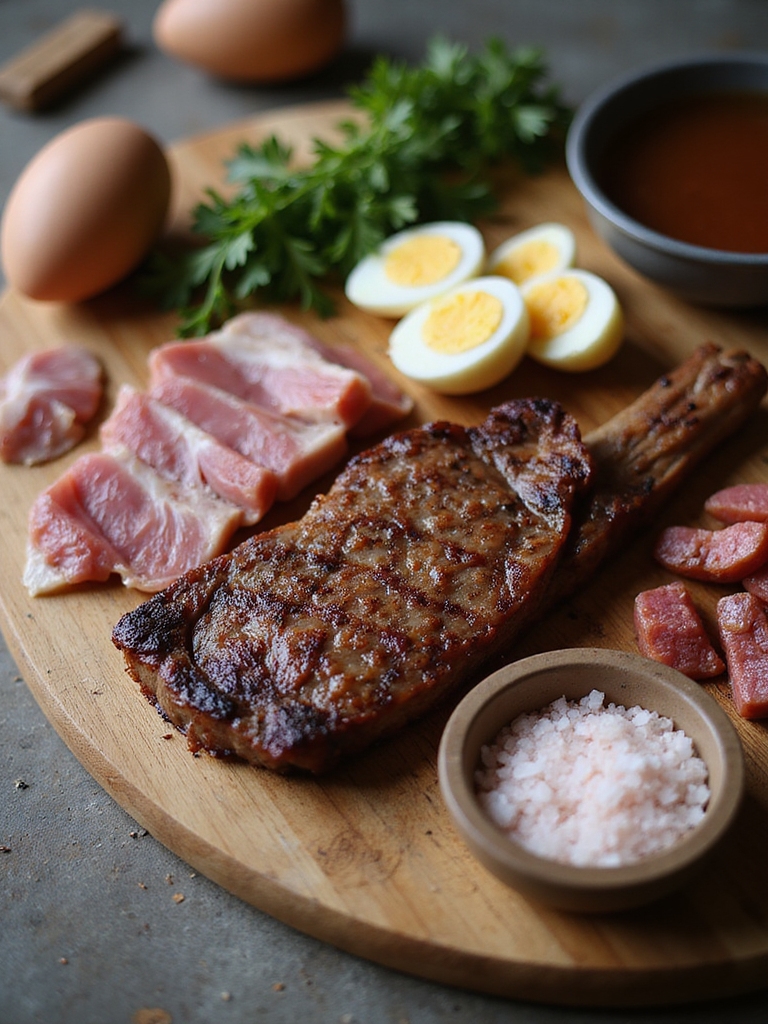


You think of carnivore as either stark simplicity or carefully curated indulgence—bare steak versus a symphony of ribeye, liver, and buttered coffee—and both have their merits. If you want rules that can be counted on one hand, traditional gives you that;
if you want to solve nutrient gaps and keep meals interesting, animal‑based will be your lab. Stick around and we’ll sort who should try which, what to eat, and when to slow down.
Quick Decision Guide: Animal‑Based vs Traditional Carnivore

If you’re staring down a pile of conflicting advice and want to pick a carnivore path without overthinking, here’s the short version: go Animal‑Based if you want a bit of plant‑adjacent forgiveness (think butter, cream, coffee with a splash of heavy cream) and prefer a gentler ramp into strict animal‑only eating; choose Traditional Carnivore if you’re ready to cut everything but meat and zero in on simplicity and elimination.
You’ll notice mood, cravings, and digestion shifting first.
Start where you’ll stick: test one change, track energy and sleep, and don’t panic if you tweak as you learn what your body likes.
Flexible approaches can improve long‑term adherence by allowing occasional non‑meat items that reduce burnout and support consistency over time.
What Is the Animal‑Based Carnivore Diet?

Think of the animal‑based carnivore diet as meat-first with a few intentional exceptions — you’re centering nose‑to‑tail animal foods and skipping most plants.
The core principles are simple: prioritize fatty cuts, organs, and bone broth for nutrients, limit carbs, and tune portions to how you feel.
You’ll find it’s less a culinary cult and more a practical rule set for getting protein, fat, and micronutrients from animals.
Many people stock up on staples like fatty steaks, organ meats, and bone broth as part of a practical shopping list for an essential staples approach.
Diet Definition Clarified
Start by picturing a plate that’s almost exclusively meat, and you’ve got the basic idea: the animal‑based carnivore diet centers on animal products—muscle meat, organs, eggs, seafood, and high‑fat dairy for some—with minimal to no plant foods.
You’ll notice textures, fats, and flavors become the conversation instead of quinoa metaphors.
It’s less about rules and more about what lands on your fork, with a wink toward nose‑to‑tail eating.
Here’s a quick snapshot you can chew on:
- Emphasizes animal foods, varying by preference.
- Minimal plant inclusion, intentional and rare.
- Focus on nutrient‑dense cuts and fats.
Many people on this approach prioritize nose‑to‑tail eating to maximize nutrient intake and reduce waste.
Core Principles Explained
Because the animal‑based carnivore diet narrows your plate to mostly animal products, you’ll find the rules are simple but strict: eat meat, organs, eggs, seafood, and (for some people) full‑fat dairy, while largely skipping plants and processed foods.
You prioritize nutrient density — liver replaces your multivitamin, bone broth soothes and hydrates, fatty cuts keep you satiated.
You track how you feel more than calories: sleep, digestion, skin.
You’ll experiment with dairy tolerance and fasting windows.
Expect social moments of mild awkwardness and culinary liberation: fewer ingredients, deeper flavors, and a surprisingly focused appetite.
Many people starting this way commonly include familiar options like steaks, ground beef, and bacon as staple choices for ease and access, which makes transitioning simpler and more sustainable for beginners starter foods.
What Is the Traditional Carnivore Diet?

Think of the traditional carnivore diet as your grandparents’ meat-heavy plate remixed for modern goals: steaks, organ meats, bone broth and eggs form the core staples.
Meals are typically simple and repetitive — a big protein-focused main with fat for fuel, few if any sides — which makes planning both easy and, for some, oddly comforting.
Advocates claim benefits from weight loss to clearer skin and steadier blood sugar, though those promises come with plenty of debate and a need for scrutiny.
Pure Carnivore Meals for True Meat Purists strict carnivore often emphasize only muscle meat, organs and animal fats with no plant-derived ingredients.
Core Food Sources
Imagine your plate reduced to the essentials: steak, pork, lamb, organ meats and eggs, with butter or tallow for cooking and maybe a chunk of hard cheese if you tolerate dairy. You’ll notice textures, smells, and how simple choices shift your appetite and mood.
You shop the animal aisle like a focused archaeologist, seeking marrow, liver, and fatty cuts.
- Muscle meat: steaks, chops, ground—your daily backbone.
- Organs: liver, kidney, heart—nutrient-dense, potent, not for casual nibblers.
- Fats & eggs: butter, tallow, egg yolks—culinary glue and energy source.
You’ll learn thrift and flavor quickly. Many beginners start by building meals around shopping staples to simplify grocery trips and meal prep.
Typical Meal Structure
Once you’ve learned to read a meat counter like a treasure map, your plate’s choreography becomes predictable: big hunks of muscle, a shout of organ meat for vitamins, and liberal pats of butter or tallow to keep things lubricated.
You eat two or three focused meals: breakfast might be eggs fried in marrow, lunch a ribeye, dinner slow‑braised oxtail.
Snacks aren’t elaborate — a slice of cold roast or pork rinds.
You season sparsely, rely on texture shifts, and enjoy repetition. Meals feel intentional, almost ritual; simplicity becomes satisfying, and you notice subtle differences between cuts.
Many people find that reliable meal ideas and planning are key to long-term consistency on a carnivore diet.
Common Health Claims
If you’ve spent five minutes in carnivore circles, you’ve heard the headlines: people swear the diet cured their gut issues, erased stubborn weight, and cleared brain fog — sometimes in weeks.
You’ll hear bold claims framed like testimonies: autoimmune remission, radical energy, and effortless fat loss.
You’ll also hear caveats tucked between success stories, but devotion often drowns nuance.
When you ask what “traditional carnivore” promises, expect a consistent trio:
- Rapid weight loss and appetite control.
- Relief from gut inflammation and autoimmune symptoms.
- Sharper cognition and stable mood.
Take anecdotes as signals, not guarantees; clinical evidence remains limited.
Interest in the carnivore approach continues to grow as communities and media coverage expand exploring the rise.
Typical Food Lists: Animal‑Based and Traditional Compared

Let’s cut to the chase: the two main carnivore approaches look similar at first glance but steer you toward quite different plates — one almost exclusively animal-based, the other more traditional-meat-friendly with room for eggs, dairy, and occasional plant remnants.
You’ll find the animal-based list dominated by steaks, rinds, seafood, bone broth, and minimal seasoning — think nose-to-tail simplicity.
The traditional list reads like a carnivore pantry remix: beef, pork, chicken, eggs, cheese, butter, and the odd coffee with cream.
You’ll notice texture variety, cooking styles, and ritual differences that shape daily choices and social meals.
Organ Meats, Fat, and Dairy: Role Differences

Because organ meats, fat, and dairy each play very different roles on a carnivore plate, you’ll want to think of them like a culinary tripod — organs supply micronutrient density and umami complexity, fats deliver energy and mouthfeel, and dairy acts as a convenience-and-flavor bridge for those who tolerate it.
You’ll notice distinctions when planning meals and tolerances.
- Organs: eat liver for B vitamins, heart for cofactor variety, and treat them as seasoning-level additions, not bulk.
- Fats: choose tallow or butter to control satiety and cooking behavior.
- Dairy: use sparingly if it doesn’t provoke symptoms; it softens strictness.
Seasonings, Coffee, and Other Permissives: Rules Compared
When you peel back the strict lines of meat, fat, and organs, you’ll find seasonings, coffee, and a handful of other permissives are where people start to negotiate their sanity—some see them as minor cheats, others as essential comforts.
You’ll notice traditional carnivores often ban spices, sweeteners, and plant oils, treating coffee as a slippery slope. Animal-based practitioners let salt, pepper, butter, and espresso linger, arguing flavor sustains adherence.
You’ll balance purity against practicality: flavor can keep you on track, but additives can hide carbs. In short, decide whether ritual or rule will keep you eating meat happily.
Nutrient Comparison: Vitamins, Minerals, and Macros
Now let’s talk about what you actually get on your plate: which cuts deliver the biggest vitamin and mineral bang for your buck and how strict carnivore plans shift your micronutrient picture.
You’ll also see how fat-forward versus protein-focused approaches change macros — and why that matters for energy, satiety, and blood markers.
Stick with me and we’ll sort the trade-offs without pretending steak is a multivitamin.
Vitamin And Mineral Density
Think of vitamins and minerals as the backstage crew keeping the carnivore diet’s headliner — meat — looking and performing its best; you’ll get plenty of B12, iron, zinc, and heme-iron bioavailability that your body loves, but you’ll be short on vitamin C, folate, and certain antioxidants unless you plan carefully.
You’ll notice organ meats and seafood boost micronutrient density, while muscle meat alone feels a bit like a minimalist poster. You can tweak choices to cover gaps without plants, though supplements help.
- Organ meats: folate, vitamin A, copper.
- Seafood: iodine, selenium, omega-related perks.
- Supplements: C, K2, magnesium.
Macronutrient Profile Comparison
You’ve seen how organ meats and seafood patch vitamin and mineral holes; let’s look at the bigger, greasier picture: the macronutrients.
You’ll notice animal-based carnivore leans toward higher fat, moderate protein, near-zero carbs, especially when you favor fatty cuts and tallow.
Traditional carnivore can vary more—lean steaks, eggs, and dairy bump protein proportion and can slightly lower fat. Fat type shifts too: ruminant fat brings saturated and odd-chain fats; seafood adds omega-3s.
Calories primarily follow fat, so appetite and energy hinge on your fat-to-protein choices. Pick cuts deliberately; your macros will follow your mood.
Reported Benefits and Common Anecdotal Improvements
People who try the carnivore diet often report striking improvements that sound like punchlines until you ask a few questions—and then the punchline sticks.
You notice fewer cravings, clearer thinking, and simpler meals that feel oddly luxurious. It isn’t magic; it’s patterns shifting and sensations recalibrating.
- Reduced cravings — you stop chasing snacks and actually finish a meal satisfied.
- Mental clarity — morning fog lifts, you focus without the usual sugar rollercoaster.
- Simplified routine — grocery lists shrink, cooking gets pragmatic, and eating feels less like a project.
You’ll hear lots of stories; many sound believable because they’re grounded in routine.
Potential Risks and Nutritional Blind Spots
All those neat wins—fewer cravings, clearer thinking, simpler meals—can make the carnivore diet feel like a life hack, but you should also keep an eye on what it leaves off the plate.
You may miss fiber, vitamin C, potassium, and diverse phytonutrients that plants supply, so constipation, scurvy-like symptoms, or micronutrient gaps aren’t impossible.
If you lean heavy on processed meats, watch sodium and preservatives.
Bone-in, organ-rich, and seafood choices patch many holes, but don’t assume perfection.
Test labs, rotate animal sources, and consider targeted supplements so you don’t trade simplicity for subtle deficiency.
Digestive and Metabolic Changes in the First Weeks
Expect your gut to send a strongly worded memo in the first week as it adjusts to heavier proteins and almost no carbs.
You’ll probably notice shifts in bowel habits — timing, texture, and frequency can all rearrange themselves — and that’s normal, not a bug.
Meanwhile your metabolism starts switching gears, burning glycogen then ramping up fat-derived fuel, so be patient with the temporary wobble.
Initial Digestive Adjustments
When you switch to an all-animal diet, your gut throws a small, confusing welcome party—sometimes a parade of softer stools, gas, or a temporary slowdown—because enzymes and bacteria are suddenly recalibrating to a higher fat and protein load.
You’ll notice rhythms shift: appetite, energy ebbs, and that subtle memory of carbs fading.
It’s normal, brief, and often informative.
- Enzyme surge: pancreas and liver ramp up proteases and lipases, which can feel like mild indigestion.
- Microbiome trim-down: carbohydrate-loving microbes shrink, protein/fat-tolerant strains expand.
- Hydration shifts: glycogen loss drops water; drink accordingly.
Bowel Habit Changes
Those early enzyme and microbiome tweaks set the stage for some pretty obvious bathroom plot twists in the first weeks: you’ll see your stool frequency, form, and odor rework themselves as your gut learns to handle almost nothing but protein and fat.
You might go more or less often, discover pleasantly solid logs or surprise pebble patterns, and notice a sharper scent profile — all normal.
Hydration, salt, and bile flow play tag with transit time, so you’ll adjust water and seasoning. Track changes, don’t panic, and expect stabilization after a few weeks as your gut settles into its new role.
Early Metabolic Shifts
Shifting your fuel from carbs to mostly meat triggers a pretty rapid metabolic scramble: your body downshifts insulin, ups glucagon and free fatty acids, and starts flirting with ketones as an alternate energy source, so you’ll notice changes in energy, appetite, and even body temp in the first days to weeks.
You’ll feel jittery then steady, hungry then oddly sated, and possibly a cold fingertip or two as circulation adapts.
Expect small, clear stages:
- Glycogen exit — quick water loss, spike in fatigue and cravings.
- Fat adaptation — steady energy, reduced hunger.
- Ketone plateau — mental clarity, variable breath.
Beginner Checklist: How to Start Either Approach
Ready to jump in? You’ll want a simple checklist: pick your focus—animal-based (organ meats, dairy allowed) or traditional (muscle meat only); clear your pantry of tempting non-carnivore items; plan an initial 2–4 week trial; stock staples: beef, pork, eggs, bone broth, salt, butter or tallow;
schedule social cues (meals, grocery runs); set realistic goals and metrics (energy, sleep, digestion, ketone or glucose checks if you like); tell a friend or join a forum for accountability; expect adaptation symptoms and have electrolytes handy; consult your clinician if you’re on meds or pregnant.
Start small, be curious, track changes.
Practical Meal Plans and Sample Days
You’ve got your checklist and expectations sorted, so now let’s sketch out what actual days look like—because theory and real life rarely shake hands without a meal plan.
You’ll see how animal‑based leans fatty and composed, while traditional swings simpler and strict.
Picture breakfasts that smell like butter and bacon, lunches that don’t require explaining at work, dinners that feel proudly primal.
- Animal‑based: ribeye, bone broth, egg yolks — satiating, nutrient‑dense, cozy.
- Traditional: lean steak, salt, water — minimal, predictable, efficient.
- Hybrid day: organ pâté morning, grilled chops afternoon, tallow snacks evening.
Who Benefits Most From Each Style?
If you tolerate butter and beef better than bureaucracy, the animal‑based version suits folks who want max satiety and a nutrient punch without fussing over portions—think people with stubborn cravings, athletes needing dense calories, or anyone recovering from calorie deficits.
You’ll love predictable energy and fewer food decisions. Traditional carnivore helps if you prefer strict elimination, simpler shopping, or suspect plant sensitivity; it’s leaner and clearer for tracking reactions. You’ll handle symptoms testing better.
| Animal‑Based | Traditional |
|---|---|
| Athletes, refeeders | Elimination seekers |
| Craving control | Symptom testers |
| Higher fat needs | Lean preference |
Cost and Sourcing for Animal‑Based vs Traditional Carnivore
Shifting from who benefits to what it costs makes sense—your ideal carnivore plan can look very different in the grocery cart.
You’ll notice animal‑based often nudges prices up: grass‑fed, organ mixes, and specialty cuts aren’t bargain bin fodder, but they deliver micronutrient density.
Traditional carnivore lets you buy cheap bulk ground beef and eggs, stretch meals, and tolerate frozen steaks. Sourcing matters: buy local for freshness, subscribe to a meat box for convenience, or hunt sales if you’re thrifty.
Your pick balances budget, ethics, and taste — there’s no one right wallet.
- Budget-friendly staples
- Premium sourcing
- Buying strategies
What to Track and Red Flags That Need Medical Attention
Because your body will talk back when you change its menu, pay attention to a few clear signals that tell you whether the carnivore experiment is working — or quietly derailing.
Track sleep quality, bowel pattern, energy, mood, skin, and weight; note portion sizes and sodium intake. Log unusual breath, persistent dizziness, palpitations, or severe constipation.
Watch for dark urine, yellowing eyes, swelling, chest pain, fainting, or sudden cognitive fog. Those aren’t quirky tweaks — they’re alarm bells.
Share logs with your clinician; don’t DIY emergency signs. Small tweaks often fix issues, but urgent symptoms need prompt medical attention.
Picture yourself at a rustic table: a plate of buttery, nose‑to‑tail richness for comfort, or a stripped-back slab of steak for clarity.
You’ll choose the animal‑based path if you want variety, flavor, and athletic refueling; pick traditional if you’re hunting down sensitivities with surgical simplicity.
Either way, listen to your body, watch your labs, and enjoy the ritual—because whether you crave complexity or minimalism, food should feel like fuel and a small, stubborn pleasure.