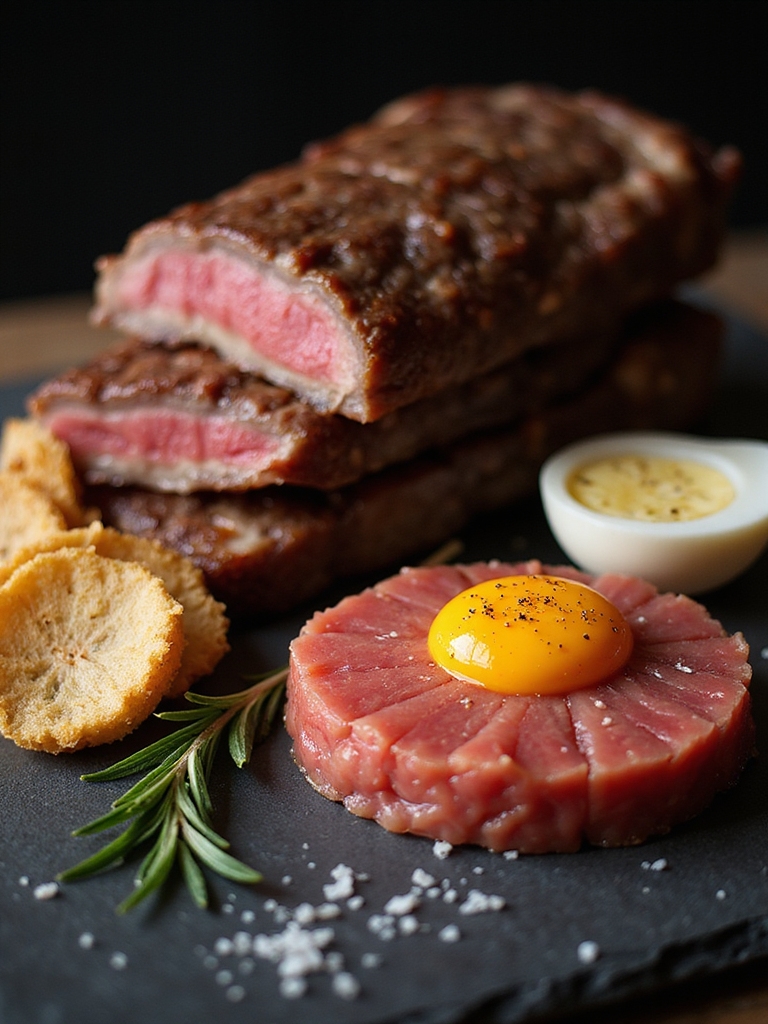


You could single-handedly solve dinner for the next week with a single pork shoulder. You’ll toss meat, a splash of bone broth, and coarse salt into the crockpot, set it on low, and go about your day while collagen and fat turn into tender, shreddable gold.
It’s lazy, reliable, and shockingly flavorful—keep going and I’ll show you the cuts, the timing, and the tricks that make this actually foolproof.
Why Crockpots Work for the Carnivore Diet
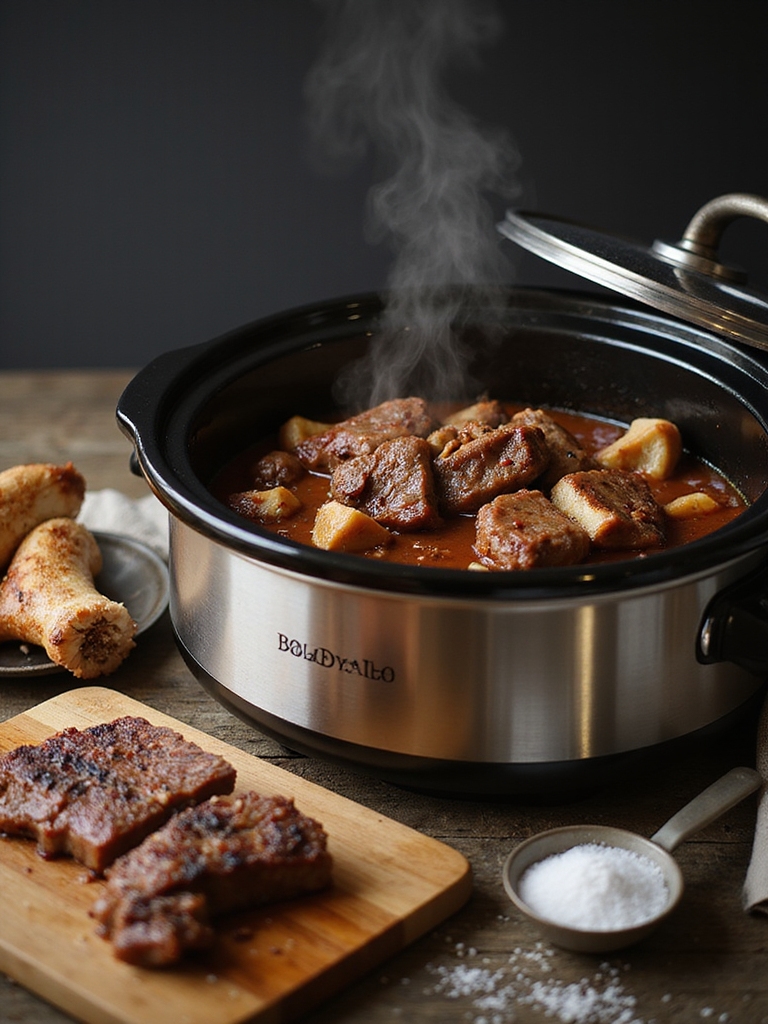
Crockpots make the carnivore diet surprisingly easy: you throw in big cuts of meat, set it, and let low-and-slow heat turn tough, fatty pieces into fork-tender meals without fuss. You’ll appreciate hands-off cooking when you’re short on time or patience.
Slow heat breaks down collagen and renders fat, concentrating flavor so beef, pork, or lamb taste rich with minimal seasoning.
It keeps meals moist, reduces overcooking, and stretches cheaper cuts into satisfying portions.
Cleanup’s simple, and leftovers reheat well. For busy days, a crockpot lets you stick to carnivore principles without sacrificing convenience or taste.
Slow cooking also helps stretch cheaper cuts into more servings, making it budget-friendly.
Quick Dump-and-Go Carnivore Crockpot Recipe
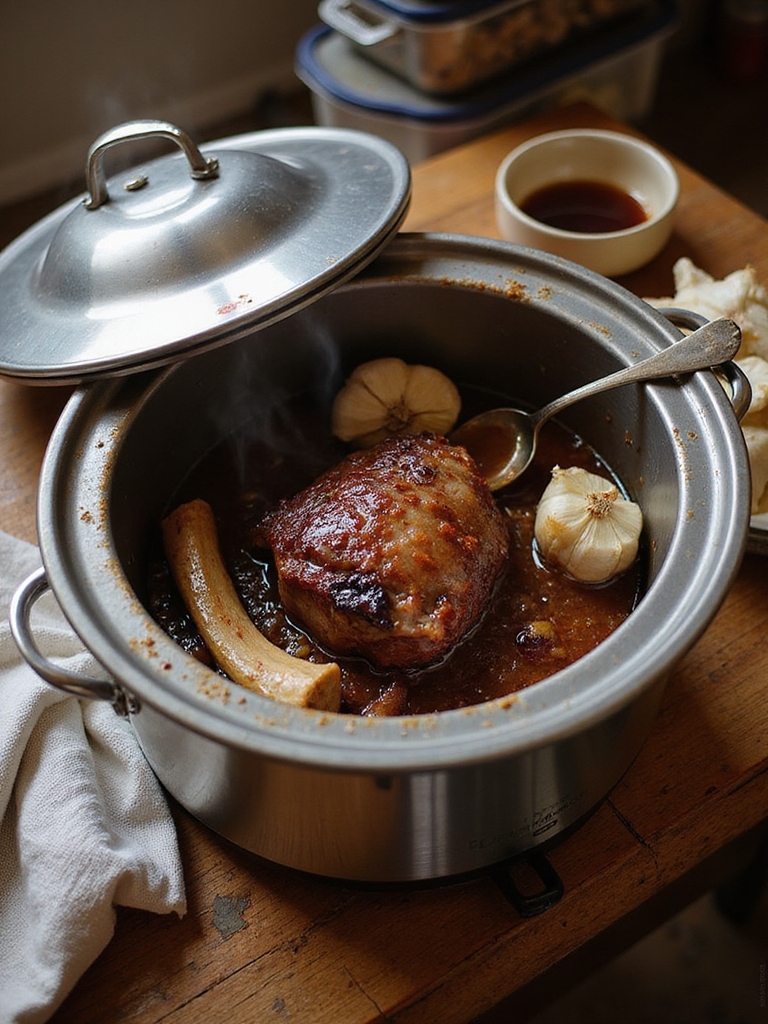
Grab your favorite cut, toss it in, and walk away — that’s the beauty of a quick dump-and-go carnivore crockpot recipe.
You’ll set it, forget it, and return to perfectly tender meat with minimal fuss.
Use fatty cuts, a splash of bone broth if you like, and coarse salt to amplify flavor without complicating things.
Timing’s forgiving, so you won’t overthink it.
- Chuck roast: rich, forgiving, melts into forkable goodness.
- Pork butt: inexpensive, juicy, excellent for shredding.
- Whole chicken: simple, versatile, yields bones for broth.
You’ll eat well and barely lift a finger. Recent personal experience shows that embracing carnivore-friendly staples helps explain why I never miss carbs on this way of eating.
How Dump-and-Go Works for Carnivore Cooking
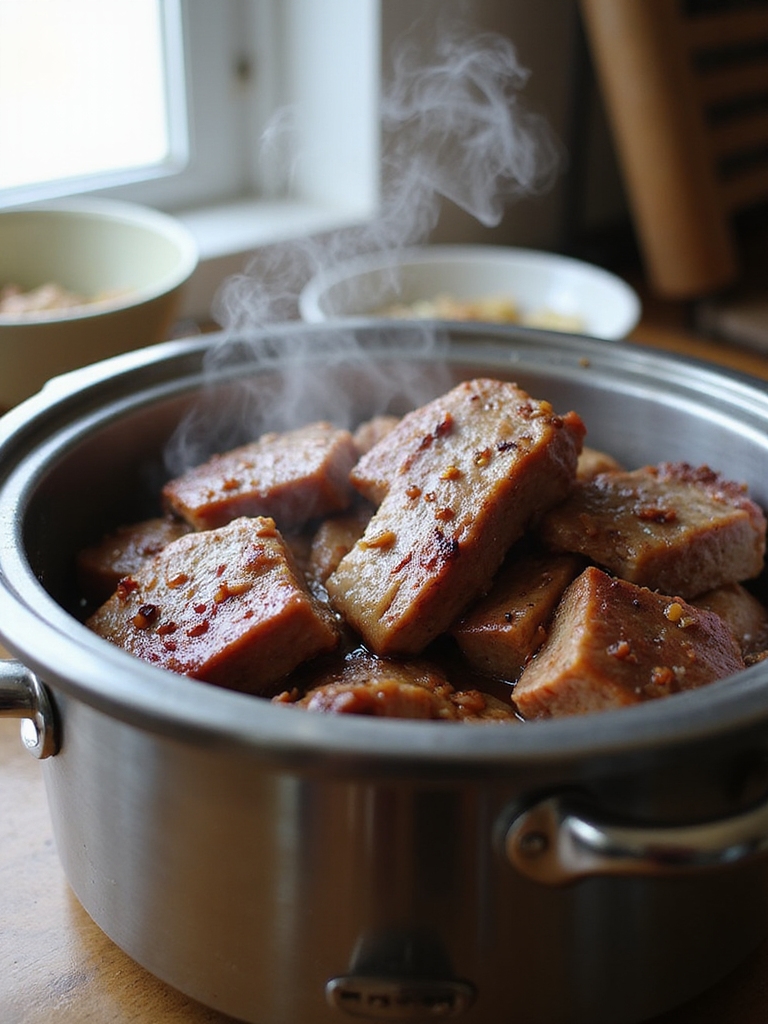
Set it and forget it — that’s the basic idea behind dump-and-go for carnivore cooking: you toss your chosen cut, a sprinkle of coarse salt, and maybe a splash of bone broth into the pot, set a low temperature, and let time do the work.
You’re relying on long, gentle heat to break down collagen, concentrate flavor, and produce tender meat with minimal fuss. The crockpot does the heavy lifting while you handle living.
Little stirring, no babysitting, and cleanup’s simple. Seasoning stays restrained—salt, perhaps pepper—so the meat’s natural taste leads.
It’s efficient, forgiving, and ideal for busy days. Slow cooking also helps extract nutrients from connective tissue and bones when using bone broth in recipes.
Best Cuts for Slow Cooking
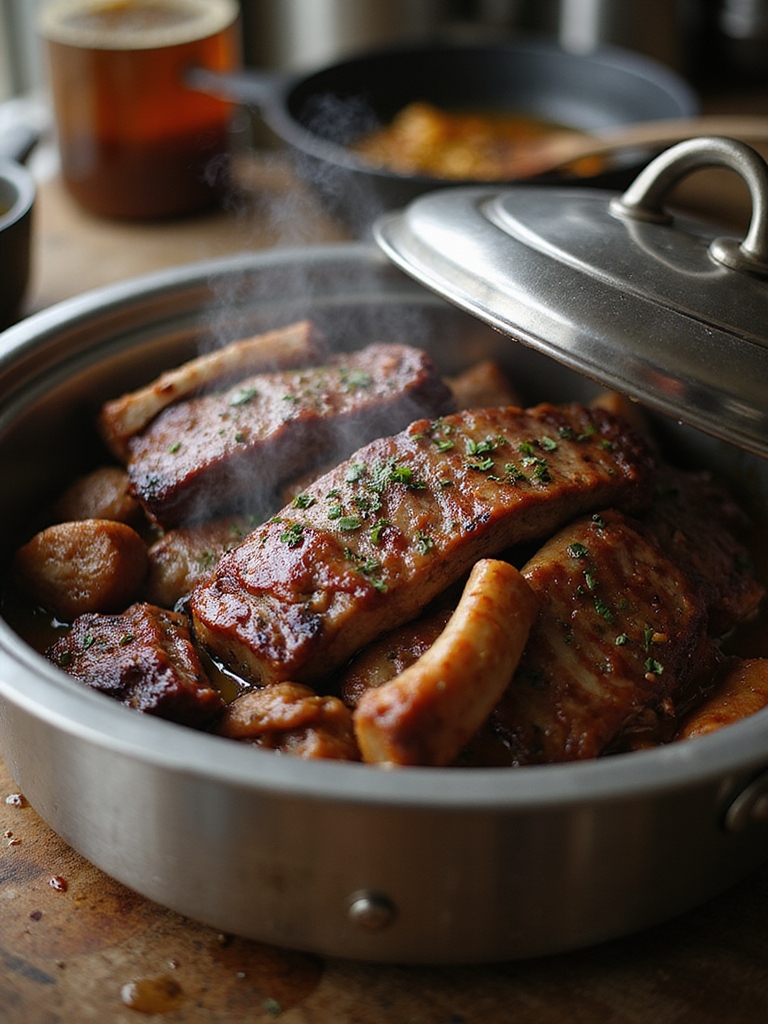
Choose cuts that laugh at long, gentle heat—those tough, collagen-rich pieces that become silky with time: chuck roast, brisket, short ribs, oxtail, and pork shoulder are your slow-cook superheroes.
You’ll pick meats that reward patience, not steaks that sulk under low temps. Fat and connective tissue melt into unctuous juices, turning fork-tough into fork-fall-apart.
You want marrow, ribboned fat, and a bit of bone for depth. Aim for budget-friendly slabs that scale easily for leftovers and meal prep. Try these reliable options:
- Chuck roast — versatile and forgiving.
- Pork shoulder — shreddable, fatty goodness.
- Beef short ribs — rich, decadent bites.
Many people starting a carnivore approach find simple, repeatable recipes work best for daily life, especially when using a slow cooker for easy meal prep.
Simple Seasoning Rules for Carnivore Crockpots
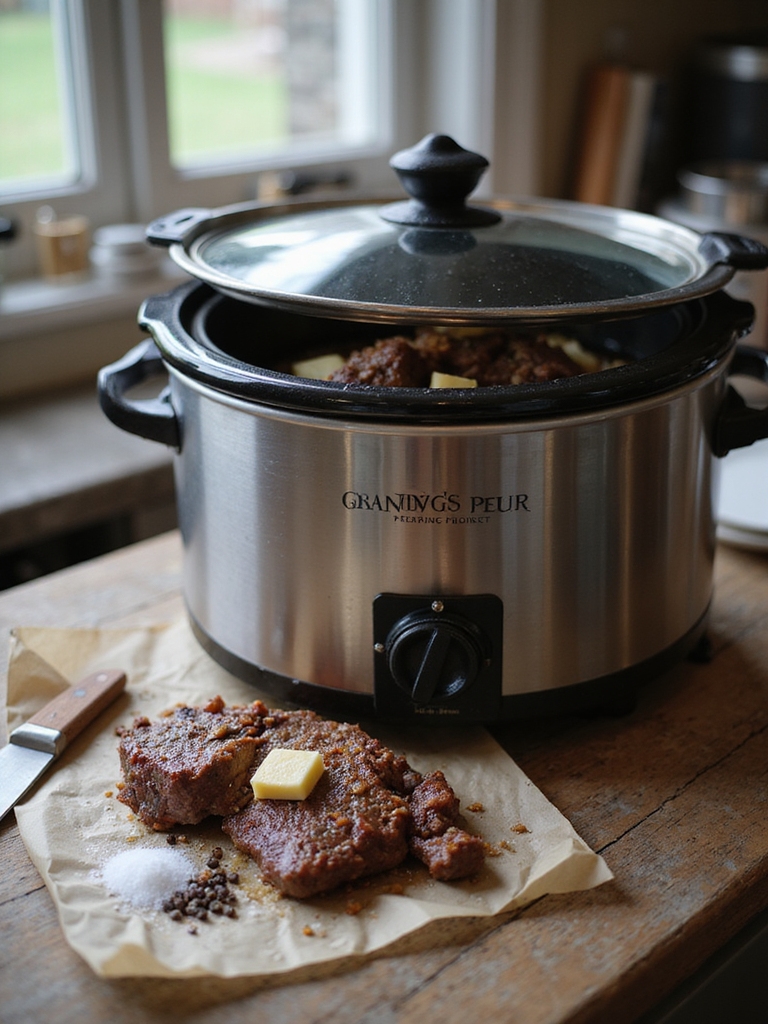
While slow cooking lets meat do most of the work, a few simple seasoning rules will make your crockpot results sing without masking the carnivore core.
Keep it minimal: salt early on tougher cuts, a finishing sprinkle for tender roasts. Use black pepper sparingly— it complements, doesn’t compete. Rely on garlic powder or onion powder if you want aromatics without plant bulk; a little goes a long way.
Don’t overdo herbs; stick to bay leaf or thyme for subtle depth. Taste by the end and adjust.
Finally, remember fat is flavor—use it confidently to boost mouthfeel and richness. For beginners who avoid cooking, try foolproof carnivore approaches that require almost no hands-on time and minimal ingredients.
Liquid Ratios: Broth vs. Water
Whether you use bone broth or plain water makes a big taste and texture difference, so think of your liquid as part seasoning and part cooking medium. You’ll choose broth for richness and mouthfeel, water for purity and lower sodium.
Match amount to cut: fattier meats need less liquid; lean cuts benefit from more. Don’t drown the pot — steam, don’t boil, preserves texture.
- Use 1/2 to 1 cup broth for short roasts or stews to concentrate flavor.
- Use 1 to 2 cups water for leaner cuts to prevent drying.
- Mix half broth, half water for balance.
Carnivore soups often rely on slow cooking to extract collagen and fat, which creates a fuller mouthfeel and depth of flavor (collagen extraction).
7 Beef Crockpot Recipes (Carnivore, Dump-and-Go)
Now that you’ve settled on how much broth or water to use, let’s talk beef: the backbone of carnivore crockpot cooking. You’ll love dump-and-go beef—short ribs, chuck roast, brisket—minimal prep, maximum flavor.
Salt, maybe a smear of butter, low heat, and forget it. You’ll shred or slice when it’s fork-tender. Leftovers become quick meals. Here’s a simple cheat sheet:
| Cut | Time | Result |
|---|---|---|
| Chuck roast | 8 hrs low | Shreddable |
| Short ribs | 7 hrs low | Fall-off-bone |
| Brisket | 10 hrs low | Rich, sliceable |
Trust the crockpot; you’ll come home to dinner, not drama. For budget-conscious cooks, choosing economical cuts like ground beef can stretch meals without sacrificing protein.
4 Pork Crockpot Recipes (Carnivore)
Pile pork shoulder, ribs, or loin into your crockpot, add a splash of broth or water (and a pat of butter if you like), set it on low, and let the slow heat do the work—no fuss, no extra ingredients needed.
You’ll come back to tender pork that shreds or chops with zero drama. Keep it simple, salt to taste, and reserve spice experiments for another day. These ideas keep dinner effortless and carnivore-friendly:
- Slow-shredded pork shoulder — fork it apart, serve hot.
- Bone-in ribs — cook low until meat slips.
- Loin roast — slice and enjoy juicy cuts.
Easy Carnivore Pork Chops are a great simple weeknight option for busy schedules, especially when you want a straightforward, protein-focused meal with minimal prep and cleanup and quick cooking.
3 Poultry Crockpot Recipes for Busy Nights
Set your crockpot, walk away, and come back to perfectly cooked poultry that makes busy nights feel effortless.
You’ll toss in bone-in chicken thighs or turkey breast, a slab of butter, salt, pepper, and optional broth—no marinades or carbs needed.
Let low heat coax juicy meat while you handle errands, work, or collapse on the couch.
Shred straight in the pot for fast salads or carnivore bowls, or serve whole with pan-seared skin crisped at the end.
You’ll love the minimal prep, the hands-off cooking, and leftovers that reheat without losing flavor.
Simple, reliable, delicious.
Whole Roasts & Ribs You Can Slow-Cook for Leftovers
Think of your crockpot as a slow, reliable oven that turns big cuts—whole roasts and racks of ribs—into tender, flavor-packed leftovers with almost no babysitting.
You’ll toss in fat, salt, maybe garlic, and let connective tissue melt into gelatin that makes reheats glorious.
Choose well-marbled roasts or meaty ribs; they reward patience and give you ready meals and snacks.
- Chuck roast: shred for sandwiches or plates.
- Pork ribs: fall-off-the-bone, great cold or warmed.
- Lamb shoulder: rich, goes fast in breakfast or dinner.
You get convenience, depth, and minimal cleanup.
Timing Guide: Low vs. High Heat and Durations
While low and high settings both get you to tender meat, they do it on very different timetables—and choosing the right one saves texture, flavor, and your patience.
Use low for long, gentle breakdowns: 6–8 hours for roasts, 4–6 hours for tougher cuts, and you’ll keep juices and avoid shredding into mush.
High speeds things up—3–4 hours for roasts, 2–3 for smaller pieces—but you risk drying edges and losing nuance.
If you leave early, pull and rest; if you’ll be gone all day, pick low.
Adjust for size and bone: bigger, longer; smaller, quicker.
How to Layer Ingredients for Best Texture
Now that you’ve matched cook time to cut and heat, layering takes over to protect texture and build flavor.
You’ll place dense, slow-cooking pieces (like shanks or brisket) on the bottom where heat’s strongest, then add fattier cuts and sausages above to baste as they melt. Delicate items get the topmost spot so they won’t overcook.
- Bottom: big, tough cuts to absorb steady heat and become tender.
- Middle: fattier cuts and bones to render and flavor the pot.
- Top: thin slices or quick-cook pieces to finish without falling apart.
Trust placement — it’s your shortcut to perfect texture.
Morning Prep Checklist for Hands-Off Dinners
Grab your list and a cold cup of coffee — a few smart morning moves turn your crockpot into an effortless dinner machine.
Check meat thawed or plan frozen-start recipes, trim excess fat, and season boldly.
Layer hearty cuts first, add a little water or bone broth, then tuck in butter or tallow for richness.
Set low for 8–10 hours or high for 4–6, and double-check seal and timer.
Prep simple sides (eggs, quick pancetta) or a finishing sauce you can stir in at the end.
Label the pot with time and contents so dinner’s worry-free.
Safe Cooling, Storing, and Reheating Carnivore Meals
When your crockpot finishes, don’t let meat sit at room temperature — cool it quickly so bacteria don’t get a head start.
Transfer to shallow containers, uncovered until warm, then seal and chill. Label with date; eat within 3–4 days or freeze for longer. Reheat only once, to a rolling simmer for stews or 165°F (74°C) for solid cuts.
- Portion into shallow containers within two hours to speed cooling.
- Cool in the fridge, not the counter; use ice baths for big roasts.
- Thaw in the fridge overnight and reheat thoroughly before serving.
Fixes for Dry Meat and Fatty Broth; Smart Carnivore Swaps
If your crockpot meat comes out dry, you can rescue it with a quick shred-and-simmer in a few tablespoons of broth or butter to restore moisture.
For greasy, fatty broth, chill it briefly and skim the hardened fat or toss in paper towels to blot excess oil. You’ll also learn smart swaps—leaner cuts, bone-in pieces, or adding marrow—that keep texture and flavor without the slick.
Preventing Dry Meat
Often you’ll overcook a roast or end up with greasy broth, but small swaps and timing fixes will save both texture and flavor.
You’re aiming for juicy, not jerky—so choose fattier cuts, reduce high heat, and skip long low-and-slow for lean steaks. Use bone-in pieces; they shield meat and add collagen. Rest meat before slicing to keep juices.
Trim big globs of external fat that puddle, but leave internal marbling. If you want structure, sear briefly to lock juices. Little adjustments make dump-and-go effortless and reliably succulent without fuss.
- Pick fattier, bone-in cuts
- Lower temp, shorter time
- Rest before slicing
Taming Oily Broth
Usually you’ll end up with a slick layer of fat on top if you don’t steer the crockpot tactics, but you can tame oily broth with a few simple swaps that keep meat juicy and the pot less greasy.
Trim excess fat, brown cuts briefly to render and discard runoff, then add bones or shanks for flavor without puddles of grease.
Use low liquid—just enough to cover—and lift solids with a slotted spoon into a warm, rested serving dish so fat separates in the pot.
Chill leftover broth, skim congealed fat, or save it for frying; less mess, same flavor.
Crockpots make carnivore cooking idiot-proof: set a fatty cut, bone broth, and salt, and come back to shreddable bliss.
You’ll save time—slow cooking frees up an average of 3–4 hours of active meal prep weekly—and still get nutrient-dense, budget-friendly meals that reheat like a dream.
Follow simple seasoning and layering rules, chill and store safely, and you’ll always have a flavorful, hands-off dinner ready for busy days.