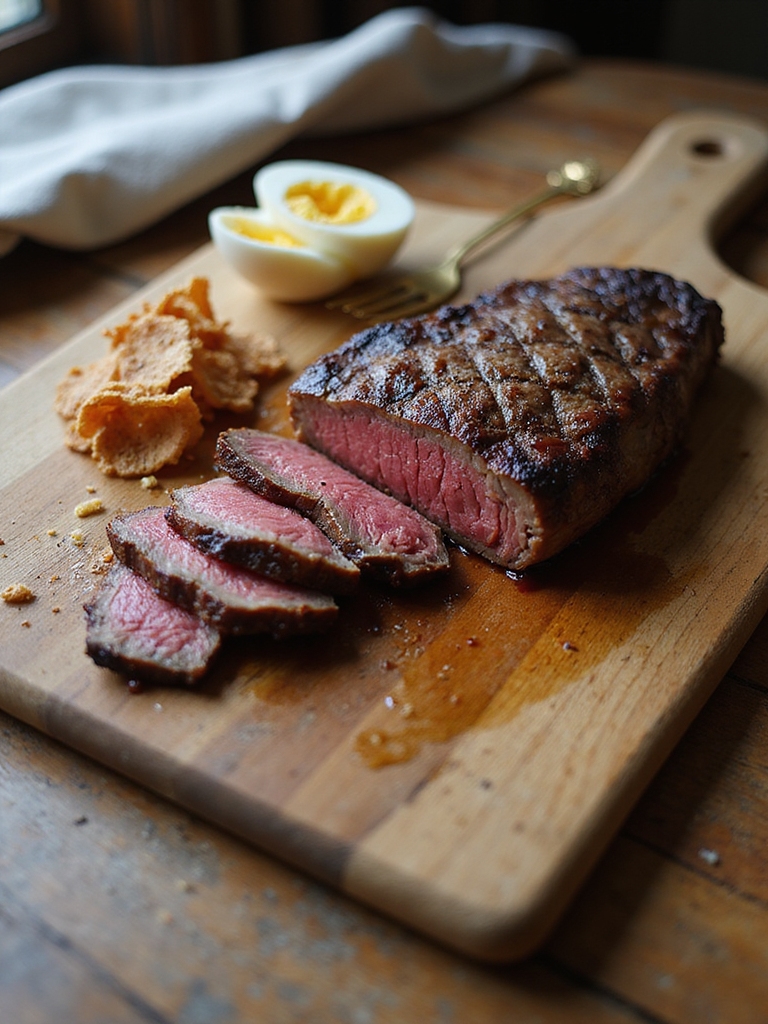


Funny coincidence: you tried a steak on a whim and suddenly your bloating eased — but there’s more beneath the surface. You’ll find steadier energy, fewer cravings, and sometimes clearer skin or gentler PMS, though your cycle can shift at first.
I’ll walk you through a cautious, practical path so you can spot wins and warning signs without guesswork — and decide if this actually fits your life.
Who This Guide Is For and What It Will (And Won’t) Cover

If you’re curious about trying the carnivore diet but tired of one-size-fits-all promises, this guide is for you: women who want clear, practical information about potential benefits and risks, not hype.
You’ll get focused evidence summaries, common female-specific concerns (hormones, menstrual changes, bone and reproductive health), and realistic expectations—not miracle claims.
I won’t give rigid meal plans, calorie charts, or the week-by-week startup roadmap; that’s covered elsewhere.
You’ll find troubleshooting tips, red flags warranting medical input, and questions to ask your clinician.
Read this to make an informed, cautious choice—not to chase perfection.
The guide also highlights practical considerations for female physiology, including hormone-sensitive effects and how they may differ from general population findings.
How to Start Carnivore Safely: A Stepwise 4-Week Plan

Because starting any new way of eating can feel overwhelming, this four-week plan breaks carnivore into small, manageable steps so you can see how your body reacts and adjust safely.
Week 1: remove processed carbs, focus on animal proteins and water; expect mild cravings.
Week 2: simplify to beef, pork, eggs; note digestion and energy.
Week 3: extend fasting window if it suits you, add organ meat for nutrients.
Week 4: assess symptoms, reintroduce one plant item if needed, and plan long-term approach.
Keep electrolytes up, track responses, and check with your clinician if anything feels off.
- Week 1
- Week 2
- Week 3
- Week 4
Remember to monitor electrolyte balance as you transition and adjust intake if you notice dizziness, headaches, or cramping.
How the Carnivore Diet Can Stabilize Energy and Mood

When you cut out refined carbs and rely mostly on meat, your blood sugar stops swinging like a roller coaster and you’ll likely notice steadier energy through the day.
You won’t be chasing snacks or caffeine as often; protein and fat keep you full and blunt cravings.
Mental fog lifts for many women — decisions feel easier, concentration improves, and mood dips become less dramatic.
That doesn’t mean you’ll be immune to stress, but your baseline becomes calmer. If you’ve struggled with afternoons that implode or emotional eating, this predictable fuel source can feel quietly liberating and surprisingly stabilizing.
Evidence also suggests women should consider specific hormonal considerations when adopting the carnivore diet.
Why Some Women See Clearer Skin and Fewer Breakouts on Carnivore

Steadier energy and fewer cravings can also change what shows up on your skin: swapping refined carbs and processed foods for meat often reduces blood sugar spikes and systemic inflammation, two common drivers of acne and redness.
You might notice calmer texture, less oil, and fewer surprise breakouts as hormones and inflammation settle.
- Reduced insulin swings — fewer clogged pores.
- Lower systemic inflammation — less redness and irritation.
- Nutrient density — zinc, B12, collagen support repair.
- Simpler immune triggers — fewer food sensitivities flaring skin.
It’s not magic for everyone, but many women report real, welcome changes. Many people also report other surprising benefits like improved mood and focus from the high-protein, nutrient-dense nature of the diet, which may be linked to steady energy.
How Carnivore Eating Reduces Cravings and Simplifies Choices

Often you’ll find cravings shrink fast on a carnivore plan, because eating satiating, nutrient-dense animal foods keeps blood sugar stable and lets your body stop chasing quick fixes.
You’ll notice decisions get simpler: fewer labels to read, fewer combos to weigh, and less mental energy spent planning snacks.
Hunger signals become clearer, so you eat when you truly need fuel, not out of boredom or stress. That predictability lowers impulsive binges and calms the afternoon snack panic.
It’s not magic — it’s reduction of choice overload and steadier physiology — which feels quietly liberating once you adjust. Many people also discover satisfying carnivore snacks that keep them full between meals.
What to Eat When Cravings Strike: Carnivore Snack and Meal Ideas
If a craving hits mid-afternoon or after a long meeting, reach for something quick, salty, and satisfying so you don’t derail your day.
You’ll want easy, protein-forward options that curb hunger and taste buds without fuss. Try these go-tos:
- Sliced roast beef or leftover steak—eat cold or briefly seared.
- Pork rinds dipped in soft cheese or bone marrow butter.
- Hard-boiled eggs with a sprinkle of salt and smoked paprika.
- Sardines or smoked salmon on cucumber slices (optional fatty mayo).
Rotate these, keep portions reasonable, and you’ll stay full, focused, and a little smug. Convenience is key on busy days, so stock up on snack-friendly carnivore choices that travel well.
What to Expect for Menstrual Regularity and PMS on Carnivore
You might notice your cycle shifting — some people see more regular periods, others get a little irregular at first as your hormones rebalance.
Many report PMS symptoms like bloating, mood swings, and cramps easing after a few weeks to months on carnivore.
Keep track, be patient with your body, and check in with your clinician if changes feel extreme or persistent.
Some women find that building the plan around daily ease makes long-term adherence and symptom tracking simpler and more sustainable.
Cycle Regularity Changes
Because hormonal balance responds to food, switching to a carnivore approach can change your cycle timing and PMS in noticeable ways — sometimes for the better, sometimes unpredictably.
You might notice shifts in cycle length, skipped periods, or more predictable timing; all are common as hormones recalibrate. Stay observant and patient.
- Shorter cycles initially
- Temporary amenorrhea or delayed return
- More consistent ovulation after adaptation
- Fluctuating mood swings during adjustment
Track symptoms, sleep, and stress. If periods stop for several months or you’re worried, see a clinician. You’re not broken—your body’s adjusting.
Many people also report subtle shifts in other areas like energy, digestion, and sleep as they adapt to the carnivore diet.
PMS Symptom Reduction
Often you’ll notice PMS symptoms ease once your body adapts to a carnivore approach, though timing and degree vary—some folks get relief in weeks, others after months.
You may see fewer cramps, less bloating, and mood swings softening as inflammation drops and blood sugar stabilizes.
Cravings that used to hijack your week might calm, making emotional peaks less dramatic.
Don’t expect perfection; some cycles still surprise you, especially during stress or shift.
Track symptoms, sleep, and energy so you can spot patterns.
If severe PMS or hormonal issues persist, consult a clinician while continuing careful dietary adjustments.
How Carnivore May Affect Autoimmune Symptoms and Inflammation
When inflammation and autoimmune flare-ups are stealing your energy, switching to an all-animal-foods approach can feel like a bold, hopeful experiment — and some people do report meaningful relief.
You might notice fewer gut irritants, simplified meal choices, and a calmer immune response, but responses vary.
Be cautious, track symptoms, and work with a clinician.
- Reduced antigen exposure can lower immune provocation.
- Stable blood sugar may ease inflammatory signaling.
- Collagen and omega-3s in animal foods can support repair.
- Elimination of triggers helps identify problematic foods.
You’re not failing if it doesn’t fix everything — it’s data.
Why Joint Pain and Exercise Recovery Can Improve on Carnivore
If you’ve been slogging through stiff joints and long recoveries, the carnivore approach can actually speed things up and dull the ache — for several practical reasons.
You cut processed seed oils and carbs that can fuel inflammation, so your immune system isn’t constantly on high alert. You get collagen, glycine, and easily absorbed heme iron that support connective tissue and repair.
Protein aids muscle recovery without excess plant antinutrients that can irritate some people. Sleep and energy often improve, too, letting you train smarter. It’s not magic, but many women notice tangible, steady gains.
Which Digestive Issues Commonly Calm on Carnivore
Less joint pain and faster recovery often mean you can focus on the gut next, because what you eat affects both inflammation and digestion.
You’ll notice several digestive complaints quiet down when you cut plant fibers and common irritants.
- Heartburn and reflux often ease as acid triggers drop.
- Bloating and gas can shrink when FODMAPs leave the table.
- Diarrhea from irritants or malabsorption may normalize.
- IBS cramping and urgency often become less frequent.
It’s not magic—changes take weeks.
You’ll want to watch symptoms, adjust slowly, and be realistic about individual differences.
How to Monitor Nutrient Gaps and Which Labs to Check
Because switching to an all-meat plan can shave out some nutrients you normally get from plants, you’ll want a short checklist to catch gaps early and avoid surprises. Track symptoms—fatigue, hair loss, palpitations, dizziness—and note menstrual changes.
Get baseline labs: CBC, ferritin, serum iron, B12, methylmalonic acid, vitamin D, zinc, magnesium, sodium, potassium, and basic metabolic panel. Consider thyroid panel (TSH, free T4) and lipid profile.
Recheck in 6–12 weeks after changes, then every 6–12 months. Work with a clinician to interpret values; don’t guess. Supplements can fill gaps, but monitor response and labs.
Medications, Tests, and Health Conditions That Need Extra Caution
If you’re on medications—especially blood thinners, blood pressure meds, or diabetes drugs—switching to a carnivore way of eating can change how those drugs act, so don’t guess.
You’ll need to check labs more often than usual to catch shifts in electrolytes, kidney function, glucose, and lipids.
Talk with your clinician before making big changes so they can adjust doses and schedule the right tests.
Medication Interactions Risk
When you switch to a carnivore diet, it’s smart to check how that change could affect any meds, lab tests, or health conditions you’re managing—some drugs interact with big shifts in protein, fat, or electrolytes and some tests can give misleading results on very low-carb plans.
You’ll want to talk with your clinician about risks specific to you. Common concerns include altered drug clearance, potassium shifts, and changes to thyroid or diabetes meds.
Quick checklist to raise with your provider:
- Blood pressure and diuretics
- Insulin and other glucose meds
- Statins and lipid changes
- Thyroid medication dose adjustments
Monitoring Labs Regularly
Although switching to a carnivore diet can feel liberating, you’ll want to monitor key labs more closely than usual—especially if you’re on medications or managing chronic conditions.
Check lipids, kidney function, electrolytes, thyroid, fasting glucose, and HbA1c regularly.
If you take blood thinners, diabetes meds, or blood pressure drugs, labs and dosages may need quick tweaks; don’t guess. Watch for creatinine changes with higher protein, and potassium shifts if you’re supplementing.
Bring lab results to your clinician, ask for frequency recommendations, and get copies. You’ll stay safer and enjoy benefits without unpleasant surprises.
Tailoring Carnivore for Fertility, Pregnancy, and Menopause
Because your body’s needs shift dramatically across fertility, pregnancy, and menopause, you’ll want a carnivore approach that adapts rather than stays rigid — not all animal-based plans suit every stage.
You’ll listen to symptoms, tweak macros, and lean on targeted nutrients.
- Prioritize iron and B12 for fertility and early pregnancy.
- Increase calories and healthy fats when pregnant; fetal demands aren’t optional.
- Focus on bone-supporting nutrients (calcium, vitamin D, collagen) around menopause.
- Monitor hormones and adjust protein vs. fat to manage hot flashes and mood.
Talk with your clinician, track labs, and trust adjustments that respect each phase.
Practical Meal Plans and Grocery Staples for Busy Women
Want something quick, nourishing, and strictly animal-based that still fits your chaos-filled week? Pack your cart with ground beef, chicken thighs, eggs, salmon, butter, and bone broth—versatile staples that won’t judge your schedule.
Batch-cook seasoned ground beef and hard-boiled eggs for grab-and-go breakfasts and salads. Roast a sheet pan of thighs for dinners you can reheat. Keep frozen steaks and fish for effortless dinners.
Use slow cooker beef short ribs for hands-off weekends. Salt, pepper, and rendered animal fats are your simple seasonings. Plan two proteins per day, double portions once or twice weekly, and simplify shopping with repeatable lists.
What to Track, Red Flags to Watch, and When to Stop
You’re going to want a short list of biomarkers to watch—think lipids, fasting glucose, electrolytes, thyroid markers, and menstrual cycle changes—so you know what’s actually happening.
Pay attention to clear warning signs like drastic fatigue, mood swings, heavy or missed periods, dizzy spells, or any new digestive problems.
If labs or symptoms worsen, don’t tough it out—stop the diet and check with your clinician.
Key Biomarkers To Monitor
Before you dive deep into the carnivore diet, it helps to know which biomarkers will tell you if it’s working—or if it’s time to pause—so you can act fast instead of guessing.
Track these core signs and check in regularly; they’re your body’s blunt instruments, not riddles.
- Lipids: LDL, HDL, triglycerides — watch for dramatic spikes.
- Glucose & HbA1c: fasting glucose and A1c show metabolic response.
- Electrolytes & kidney markers: sodium, potassium, creatinine, BUN — secure balance.
- Thyroid hormones and menstrual tracking: TSH, free T4/T3, cycle changes.
If trends alarm you, don’t tough it out—consult a clinician.
Warning Signs To Stop
If something feels off—sharp fatigue, dizzy spells, mood swings, or a stopped period—don’t chalk it up to “adaptation” and push through; these are concrete red flags that deserve immediate attention.
Track energy, sleep, menstrual changes, libido, hair loss, and mood daily. Check blood pressure, resting heart rate, electrolytes, ferritin, thyroid, and repeat lipids with a doc.
If you see worsening symptoms, fainting, palpitations, persistent constipation, or amenorrhea past a few weeks, pause the diet. Reach out to a clinician, get labs, and consider reintroducing carbs.
Your health trumps experimentation—no heroic suffering.
You can try carnivore with curiosity, not desperation: track your cycle, symptoms, and labs; prioritize nutrient-rich cuts, collagen, and omega‑3s; adjust meds with your clinician; and stop if energy, mood, or bleeding worsen.
Expect steadier energy, quieter digestion, and simpler choices — and watch for temporary shifts.
You’ll learn your body’s signals, tweak the plan, and decide whether this way of eating fits your life with clearer skin, calmer joints, and fewer cravings.