


About 10% of adults who’ve tried extreme diets say they’ve tried all‑animal eating at least once, which tells you it’s not just a fad for bros. You might be curious because it promises simplicity and quick results, or defensive because your glucose or gut’s been unruly.
I’ll walk you through what it actually does, who it helps, and where the risks hide — but first, a few practical realities you should know.
What the Carnivore Diet Means

Think of the carnivore diet as a strict RSVP to a meat-only dinner: you show up, and everything green gets politely shown the door.
You eat only animal products—meat, fish, eggs, and some dairy if you tolerate it—so carbs and plant fiber vanish from your plate.
It’s less about calorie counting and more about narrowing choices, which can feel liberating and oddly comforting when decision fatigue hits.
You’ll notice changes in taste preference, routine, and social meals.
People pick it for clarity, symptom experiments, or simplicity; you should consider lifestyle fit, practicalities, and how you’ll handle social situations.
Many successful followers focus on effective foods that support adherence and satiety.
Quick Take: Does the Carnivore Diet Work and Is It Safe?

So, does the carnivore diet actually work and is it safe? You might see quick wins—weight loss, fewer carbs, maybe clearer thinking—especially short term.
But “works” depends on your goals: metabolic markers can improve for some, while others miss fiber, variety, and micro-nutrients.
Safety varies too; short experiments are low risk for many, long-term exclusivity raises concerns about cholesterol, gut health, and nutrient gaps.
If you try it, monitor labs, listen to your body, and plan for supplements if needed. Talk with a clinician; don’t treat social media anecdotes as medical advice.
Early on, many people experience noticeable shifts in appetite and energy as the body adapts to a meat-only pattern of eating.
Who Tries the Carnivore Diet and Why

You’re not alone if curiosity or desperation leads you to try eating only animal foods — plenty of health-conscious experimenters and folks chasing weight loss do it to test boundaries or speed results.
Some people with autoimmune or metabolic issues report symptom relief and come hoping for real improvement when other diets failed.
Let’s look at who’s trying this and what they say they get out of it.
Life on the Carnivore Diet includes many personal stories shared over time, highlighting long-term dietary experiences that track changes and outcomes.
Health-Conscious Experimenters
Often out of curiosity or frustration with mainstream advice, people who care about their health try the carnivore diet as an experiment—you’re testing whether stripping food back to meat-only fixes stubborn issues like bloating, brain fog, or stalled weight loss.
You aren’t chasing fad status; you’re methodical, tracking symptoms, sleep, mood, and meds.
You expect clearer signals from a simplified diet and you prepare to pivot if it wastes time.
You also want to know how social life and nutrient gaps play out practically.
- elimination to find triggers
- controlled short-term trial
- medical supervision sought
- emphasis on whole foods
- realistic exit plan
Many women also monitor micronutrient status during the trial to catch any deficiencies early.
Weight-Loss Seekers
Why try an all-meat plan when calories and exercise seem simpler? You’re tired of slow progress, food tracking fatigue, and dieting that feels like punishment.
You try carnivore hoping appetite drops, cravings vanish, and weight follows. It’s not magic — it’s a bet on simplicity and satiety.
Simple Carnivore Meals Anyone Can Make can help you stick with it early on. Simple meals make adherence more likely by reducing decision fatigue.
| Reason | Expectation | Reality |
|---|---|---|
| Hunger control | Eat less naturally | Often true early on |
| Routine | Fewer choices = easier | Can feel restrictive |
| Results | Quick losses possible | Vary by person |
You deserve practical choices; test cautiously and track outcomes.
Autoimmune And Metabolic Patients
Because chronic inflammation and blood-sugar swings make life noisy and unpredictable, people with autoimmune or metabolic issues often try a carnivore approach hoping to quiet the system and gain control; they’re looking for fewer triggers, simpler decisions, and tangible symptom relief.
You might be drawn by stories of lost brain fog, steadier glucose, or fewer flares. You’ll experiment cautiously, track outcomes, and notice what changes.
Risks and individual responses vary, so you consult clinicians and monitor labs.
Quick reasons people try it:
- Reduce immune-provoking foods
- Simplify meal choices
- Stabilize blood sugar
- Test elimination fast
- Seek symptom clarity
Many people report noticing subtle shifts over weeks to months as their bodies adapt.
Short‑Term Benefits and Side Effects People Report

You’ll often hear people brag about fast weight loss on carnivore plans, and that sudden drop can feel thrilling — especially when your energy and focus sharpen in the first few weeks.
But don’t be surprised if your digestion shifts dramatically too, with constipation, diarrhea, or just a weird adjustment period.
Let’s look at what’s common, what’s temporary, and when you should ask a pro.
Starting the Carnivore Diet can bring a range of early symptoms as your body adapts, including shifts in digestion and energy levels, and many people report notable changes within the first days to weeks adjustment period.
Rapid Weight Loss
Seeing the scale drop fast can feel thrilling—and a bit disorienting—when you start a carnivore approach.
You’ll notice quick losses from water and glycogen, which isn’t the same as permanent fat loss, yet it motivates you.
Expect appetite shifts and brief bathroom-rule changes.
Stay alert for dizziness or mood swings; they’re common early.
- Rapid water-weight decline
- Temporary appetite suppression
- Possible constipation or loose stools
- Lightheadedness or sleep changes
- Quick motivation boost (not a long-term guarantee)
Be pragmatic: use the early wins for habits, monitor symptoms, and check with a clinician if issues persist. People also commonly report improved digestion and other surprising benefits over time.
Energy And Focus
When your body shifts away from carbs, expect a curious mix of clarity and wobble: many people report sharper focus and steadier energy between meals, while others hit a foggy, tired patch as their brain adapts to ketones and fat for fuel.
You might feel alert, confident, and oddly calm — or distracted and slow for days. Stick with hydration, salt, and consistent protein; they’ll shorten the fog.
Track patterns: time of day, meal size, sleep. The table below snippets common short‑term effects and quick fixes.
| Reported Effect | Quick Fix |
|---|---|
| Sharp focus | Keep protein steady |
| Brain fog | Hydrate, add salt |
| Midday slump | Adjust meal timing |
| Irritability | Sleep, electrolytes |
| Energy spike | Avoid overeating |
Digestive Changes
Although cutting carbs can feel liberating, your gut will probably send mixed signals at first: some people get less bloating and fewer sugar-induced cramps, while others wrestle with constipation, loose stools, or a transient slowdown as bacteria and motility adjust.
You’ll notice changes fast or slowly; that’s normal. Expect tweaks—hydration, salt, and collagen help. Pay attention, not panic.
- Less gas from fermentable carbs
- Harder stools as fiber drops
- Occasional diarrhea during adaptation
- Altered hunger cues and satiety
- Temporary cramping or discomfort
If symptoms persist beyond a month, check with a clinician.
Timeline: When Effects Usually Appear
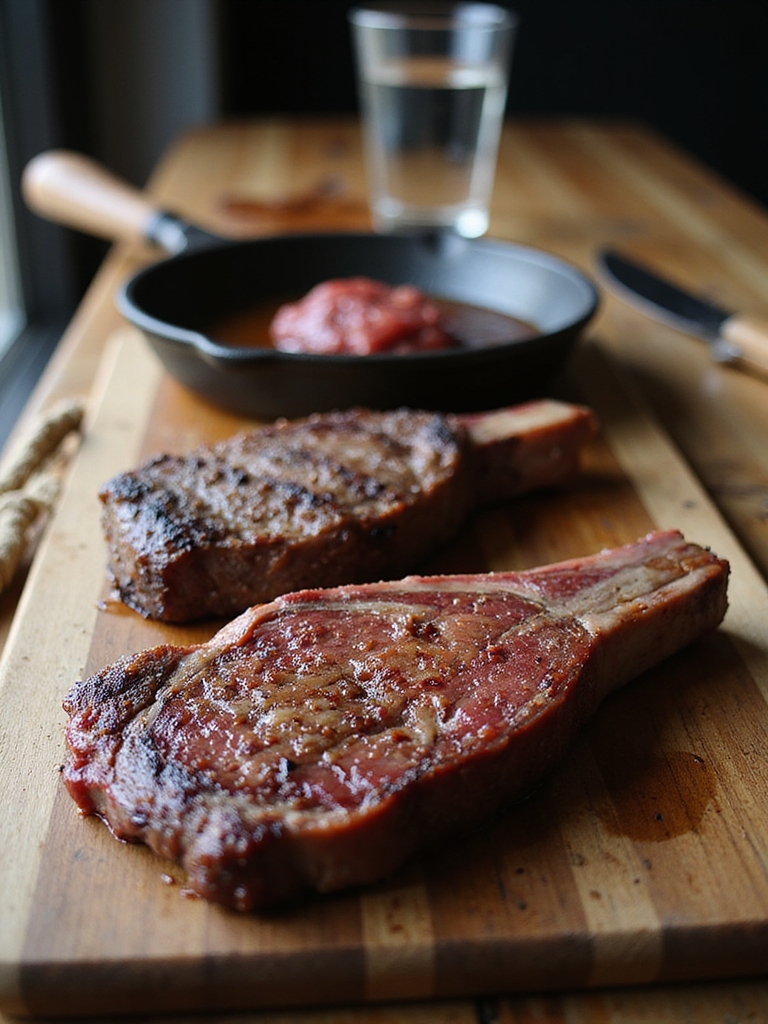
Once you switch to a carnivore approach, you’ll notice effects on very different timelines — some hit fast, others take weeks or months to show.
You might feel energy shifts in days, digestion in weeks, and body composition over months.
Track changes, not myths. Be patient, listen to hunger and mood, and adjust if something feels off.
| Timeframe | Common changes | What to watch |
|---|---|---|
| Days | Energy, cravings | Sleep, clarity |
| Weeks | Digestion, inflammation | Bowel patterns |
| Months | Weight, labs | Strength, labs, mood |
What the Science Says About Benefits and Harms
You’ll probably notice quick metabolic changes on a carnivore plan—weight shifts, satiety, and blood sugar effects show up fast—but that’s only part of the story.
Over months to years you may face nutrient gaps and other long‑term risks because eating only animal foods cuts out many vitamins, fiber, and phytochemicals.
And remember: the research is limited and mixed, so you should weigh short‑term signals against uncertain long‑term evidence before committing.
Short-Term Metabolic Effects
When you switch to a carnivore-style diet, your body often responds fast — within days to a couple of weeks — with noticeable metabolic shifts: dropping insulin and blood glucose spikes, rising ketones for many people, and a brisk diuresis that sheds water and salt weight.
You’ll likely notice energy changes and altered appetite as your metabolism adapts. Short-term pros and cons emerge quickly:
- Lower post-meal glucose variability
- Increased ketone production and fat oxidation
- Rapid water and sodium loss (temporary weight drop)
- Possible fatigue, headache, or “keto flu”
- Improved satiety, fewer cravings
Watch symptoms, test markers, and adjust.
Long-Term Nutrient Risks
Those quick metabolic wins and annoyances you felt in the first weeks tell only part of the story; over months and years, the nutrient picture can get more complicated.
You might enjoy simplicity, but cutting out plants risks deficits: vitamin C, fiber, magnesium, folate, and diverse phytonutrients often fall away.
Your B12 might be fine, yet iron overload or imbalance can happen.
Gut microbiome diversity may shrink without fermentable fibers, changing stool patterns and immune signals.
You can monitor labs and supplement, but that’s maintenance, not zero risk.
Weigh convenience and identity against the steady needs your body quietly demands.
Evidence Strength And Limits
Because the carnivore approach cuts out whole food groups, the research picture is uneven and often thin—you can find case reports and short-term trials showing weight loss, appetite suppression, or clearer skin, but long-term randomized trials and mechanistic studies are scarce.
You’ll want cautious skepticism: benefits reported are real for some people, but causality and safety over decades aren’t established. Consider these evidence gaps and considerations:
- Short trials, small samples
- Confounding lifestyle changes
- Lack of long-term cardiovascular data
- Minimal micronutrient mechanistic work
- Publication bias toward positive anecdotes
Treat promising signals as hypotheses, not guarantees.
Autoimmune and Inflammation Claims
If you’ve been told that cutting carbs and plants will “cure” your autoimmune problems, take a breath—claims about the carnivore diet and inflammation run hot and often oversimplify complex immune biology.
You might feel better on fewer foods; eliminating triggers can reduce symptoms for some people.
That doesn’t prove a universal anti-inflammatory miracle. Evidence is mostly anecdotal, short-term, or from small groups, so you should stay skeptical and curious.
Work with a clinician, track objective markers if possible, and watch for trade-offs. If improvement occurs, celebrate cautiously and keep monitoring rather than assuming permanent remission.
Nutrients Commonly Missing on a Strict Carnivore Diet
Feeling better on a strict carnivore plan is great, but let’s keep an eye on what you might be missing when plants and carbs disappear from your plate.
You’ll likely hit protein and fat easily, but several micronutrients and fiber commonly fall short. Consider these potential gaps and chat with a clinician before supplementing.
- Vitamin C — low in muscle/meat, needed for collagen and immunity.
- Fiber — absent, affects gut motility and microbiome.
- Magnesium — important for sleep, muscles, nerves.
- Potassium — critical for heart and electrolyte balance.
- Folate — key for cell division and energy metabolism.
How the Carnivore Diet Compares to Low‑Carb and Keto
When you’re choosing between carnivore, low‑carb, and keto, think of them as cousins who share a lot of DNA but swear by different habits; carnivore strips things down to animal foods only, low‑carb lets in plants and more carbs, and keto forces your body into sustained ketosis with strict carb limits.
You’ll notice practical differences: carnivore simplifies choices and may reduce fiber and phytonutrient intake; low‑carb gives flexibility for vegetables, nuts, and some fruit; keto demands tight carb counting and higher fats.
Pick based on how strict you want to be, your food preferences, and how sustainable the plan feels.
Weight, Metabolism, and Appetite on Carnivore Eating
Because the carnivore approach radically narrows your menu, you’ll notice fast, sometimes surprising shifts in weight, appetite, and how your metabolism feels — and not always in ways people expect.
You might lose water weight, then steady fat loss; hunger often quiets, but cravings can return unpredictably.
Energy can feel cleaner or crashy depending on sleep and activity.
Pay attention, not panic.
Practical patterns you’ll observe include:
- Rapid initial weight drop (mostly water)
- Reduced snacking and simpler hunger cues
- Variable energy tied to protein intake
- Occasional constipation or GI changes
- Easier meal planning, harder social eating
Cholesterol and Cardiometabolic Risk Data
Curiosity about cholesterol is unavoidable on a carnivore diet — and rightly so: you’ll see numbers move, sometimes a lot, and that can feel alarming.
You’ll want clear context: LDL, HDL, triglycerides shift differently among people. Short-term rises aren’t always doom; inflammation, particle size, and insulin sensitivity matter. Track labs, symptoms, and family history.
Discuss changes with a clinician who gets lipid nuance. Here’s a simple snapshot to guide conversations, not dictate choices:
| Marker | Typical change | Clinical note |
|---|---|---|
| LDL | ↑ variable | Check particle size |
| HDL | ↑ often | Protective sign |
| TG | ↓ often | Improves risk profile |
Common Approaches: Strict, Animal‑Heavy, and Rotational Carnivore
If you’re trying carnivore, you’ll quickly notice people mean different things by the same word: some stick to an austere, all-meat regimen (strict), others center meals on animals but add a few nonmeat items or drinks (animal-heavy), and a few cycle in and out of strict phases (rotational).
You’ll choose based on goals, tolerance, and social life. Expect tradeoffs: simplicity versus flexibility, strictness versus variety.
Consider these practical distinctions:
- Strict: only animal foods, predictable routines
- Animal-heavy: mostly meat, occasional coffee or fruit
- Rotational: strict blocks alternating with relaxed eating
- Social: picks that fit gatherings
- Practical: time, budget, preferences
Transitioning On and Off the Carnivore Diet Safely
When you switch onto or off the carnivore diet, expect your body and routine to send you a few candid texts—some inconvenient, some enlightening—and plan for them.
Start gradual: ease carbs down over a week or two, or reintroduce fiber slowly when exiting. Hydrate, prioritize electrolytes, and sleep; they’ll blunt headaches and cramps.
Track mood, digestion, and energy so you can tweak portions or timing. Get basic labs and consult a clinician if you have medical conditions.
Socially, rehearse short explanations and bring snacks to gatherings.
Be patient—your microbiome and habits adjust at their own pace.
Environmental and Ethical Trade‑Offs of a Carnivore Diet
Although you might appreciate the simplicity of meat-only meals, switching to a carnivore diet brings clear environmental and ethical trade-offs you should reckon with.
You’ll weigh animal welfare, resource use, and community impacts against personal benefits. You won’t be absolved by taste or tradition; choices have consequences.
- Higher greenhouse gas emissions per calorie
- Larger land and water footprints than many plant foods
- Ethical concerns about intensive farming and slaughter
- Reduced biodiversity from expanded pasture and feed production
- Social equity issues affecting food access and rural economies
You can care and choose thoughtfully; it’s not all or nothing.
Who Should Avoid the Carnivore Diet and When to Get Medical Advice
If you’re pregnant, breastfeeding, or managing conditions like diabetes, kidney disease, or heart issues, the carnivore diet isn’t something to try on a whim. Talk with your healthcare provider before making big changes, because nutrient needs and medication effects can shift quickly.
If you notice symptoms like dizziness, extreme fatigue, or swelling, get medical advice promptly.
Pregnancy And Breastfeeding Risks
Because pregnancy and breastfeeding change your nutrient needs and fetal/infant development is on the line, you shouldn’t treat the carnivore diet as a casual experiment during these times.
You’ve got extra needs for folate, iodine, DHA, fiber for digestion, and reliable calories—things a meat-only plan can miss or variably provide. Don’t wing it.
- Ask your OB or midwife before trying restrictive plans
- Get bloodwork for iron, B12, vitamin D, thyroid
- Consider a registered dietitian who knows perinatal nutrition
- Supplement only with professional guidance
- Switch back if you or baby show problems
Preexisting Health Conditions
When you’ve already got chronic conditions, a meat‑only plan isn’t a neutral experiment — it can make things worse fast, so check with your clinician before you change calories or cut plant foods entirely.
If you have diabetes, kidney disease, heart disease, autoimmune issues, or take medications like blood thinners or insulin, don’t wing it. Carb shifts and protein loads alter meds, electrolyte balance, and kidney stress.
Your clinician can monitor labs, adjust prescriptions, and suggest safer tweaks. If you notice dizziness, palpitations, severe constipation, or mood swings, stop and seek medical advice promptly — don’t suffer in silence.
You’re curious, maybe skeptical — good. Test the carnivore theory like any experiment: try it short-term, watch your labs, and note what actually changes versus the story you expected.
Some folks feel better fast; others hit nutrient or gut snags. Weigh your results, ethics, and environment, then decide. If anything worries you, get medical advice. No dogma, just data, and a little honesty about what you’re hoping to fix.