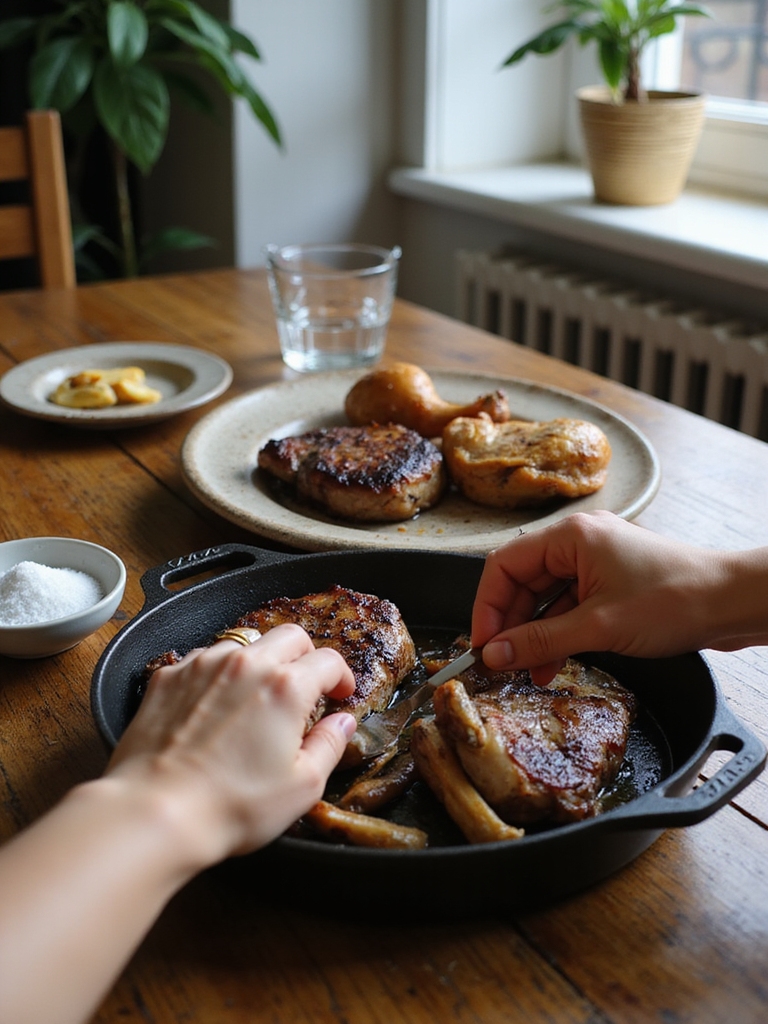


You want comfort without the carbs, and a carnivore meatloaf does it with pure, familiar meatiness—think juicy ground beef, pork shoulder, egg yolks and rendered fat holding it all together. It’s cozy, tactile, and just salty enough to calm the cravings.
I’ll walk you through a quick recipe, smart ingredient swaps, and tricks to keep it tender so you can make a loaf that feels like a hug—but much more practical for weeknight dinners.
Quick Carnivore Meatloaf Recipe (Ingredients + Bake Time)

Get dinner on the table fast with this no-fuss carnivore meatloaf that leans hard on meat and flavor — ground beef (or a mix of beef and pork), an egg to bind, a pinch of salt, and optional grated hard cheese if you want a richer bite; shape it, pop it in a 375°F oven, and expect about 45–55 minutes until the internal temp hits 160°F.
You’ll add no breadcrumbs or fillers, just salt, pepper, maybe garlic powder and Worcestershire if you’re feeling fancy.
Use a meat thermometer, rest five to ten minutes, then slice.
Simple, hearty, and zero regrets. Aiming for simplicity helps make this meal a reliably satisfying beginner-friendly option for people starting a carnivore routine.
Why This Carnivore Meatloaf Satisfies Comfort-Food Cravings
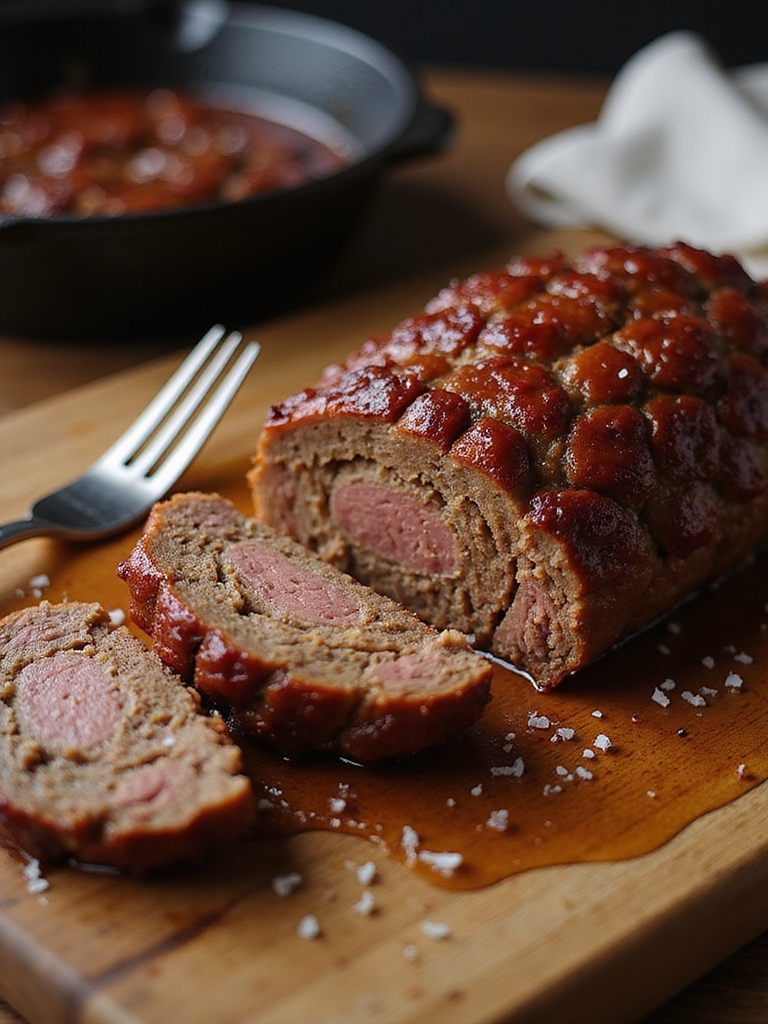
Comfort is a forkful away with this carnivore meatloaf — it’s all familiar textures and savory, meaty depth that hits the parts of your brain that remember Sunday dinners and cozy kitchens.
You’ll feel soothed by its hearty density and browned crust, the kind that makes you sigh and reach for a second slice.
It comforts without carbs, leaning on pure animal flavors and satisfying chew. Why it works for you:
- Deep, roasted meatiness that mimics slow-cooked nostalgia.
- Warm, aromatic edges that trigger appetite memory.
- Dense, sliceable texture that feels substantial.
- Simple, unapologetic flavor that lets you relax.
This recipe is approachable for anyone because it’s one of the simplest carnivore meals to prepare and customize.
Essential All-Animal Ingredients: Meat, Eggs, Fat, and Organ Options
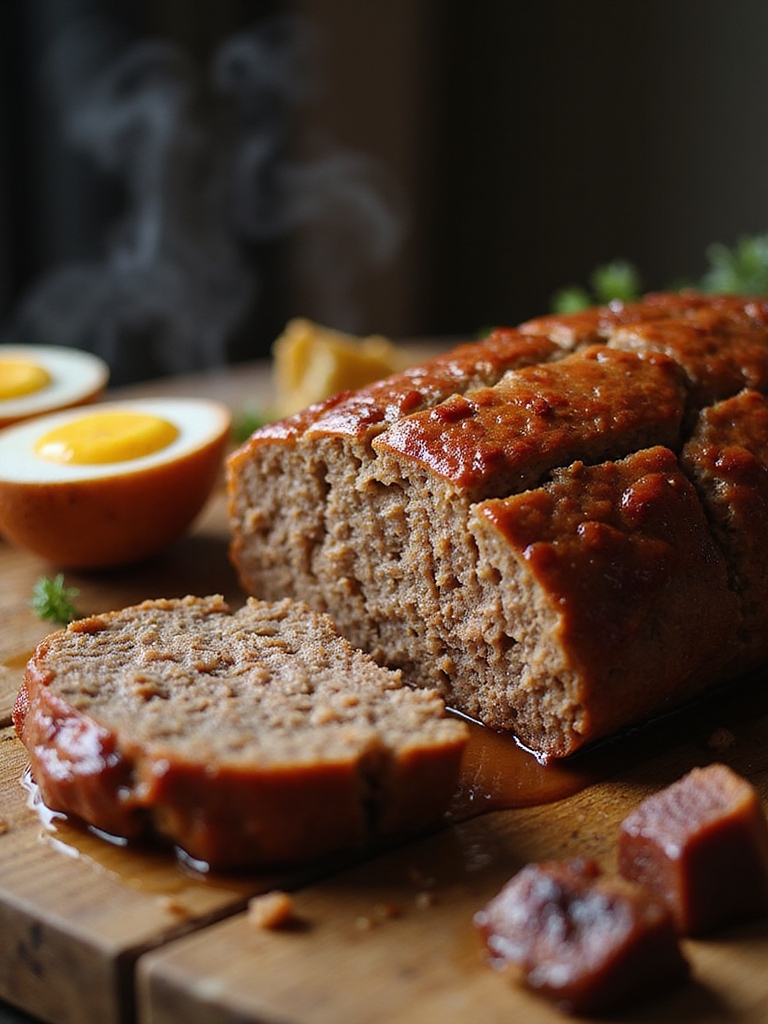
Although this meatloaf leans all-animal, you don’t need a butcher’s degree to choose the right components: ground beef or a blend of beef and pork forms the backbone, eggs bind and enrich, rendered tallow or butter adds juiciness, and a spoonful or two of finely minced organ meat—liver, heart, or kidney—gives a savory, nutrient-dense lift without shouting for attention.
You’ll want fresh eggs for structure, a little extra fat if your meat’s lean, and organs chopped fine so they mingle rather than dominate.
Season simply with salt, maybe a pinch of ground pepper, and trust the ingredients.
Affordable Ground Beef Meals for the Carnivore Diet include simple, budget-friendly options like ground beef patties and meatloaf that make the most of ground beef and other all-animal ingredients.
Choosing Meat Blends for Flavor, Fat, and Texture

Think about your meatloaf as a team: each cut brings a job to do, so pick blends that balance flavor, fat, and texture.
You want rich beef for depth, fatty cuts for juiciness, and a firmer muscle to hold shape. Mix ground chuck, brisket, and some short rib or pork for contrast.
Try these simple ratios:
- 70% chuck, 20% brisket, 10% pork
- 60% chuck, 30% short rib, 10% oxtail
- 50% brisket, 30% pork, 20% sirloin
- 80% chuck, 20% pork shoulder
Taste, feel, and adjust until it sings. Adding staples like bone broth or tallow can boost flavor and mouthfeel, especially on a carnivore diet, so consider keeping animal fats on hand.
Animal-Only Binders and Moisture Boosters That Actually Work
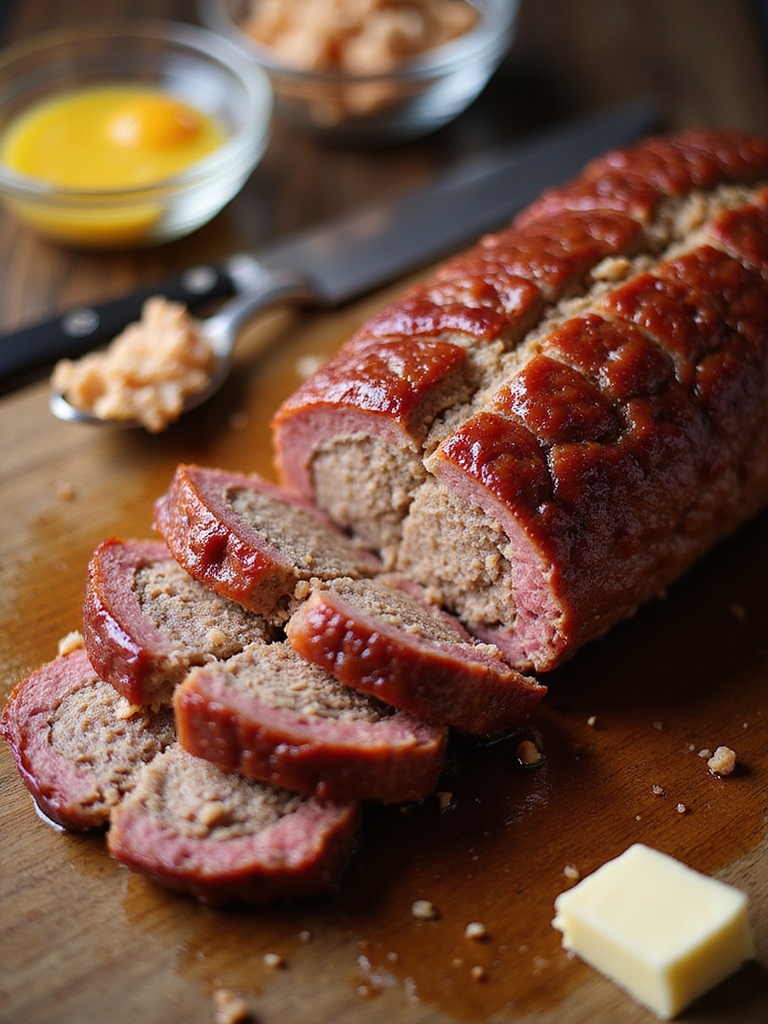
You’ll keep the loaf together and silky by using animal-only tricks like whipped egg yolks and a spoonful of gelatin.
Crushed pork rinds give you crumb texture without plants, and a glossy bone broth glaze adds moisture and flavor as it bakes.
Let’s test which combo gives you the juiciest, meatiest slice.
Many of these approaches are inspired by successful carnivore meatball techniques that emphasize texture and richness.
Egg Yolks And Gelatin
Reach for egg yolks and powdered gelatin when you want a meatloaf that holds together and stays juicy without any plant fillers — egg yolks add richness and emulsify fat while gelatin (bloomed and mixed into your meat) creates a tender, almost terrine-like set that rebounds when sliced.
You’ll love how simple ratios transform texture.
- Use 2–3 yolks per pound of meat.
- Bloom 1 tsp gelatin per pound in cold water, then warm.
- Mix gently to avoid toughness.
- Rest meatloaf 10–15 minutes before slicing.
They’re subtle heroes; you’ll notice the difference instantly. Unexpected animal-only sides like bone marrow or pork rind crisps can complement the meal and enhance mouthfeel, supporting the carnivore approach with animal-only binders.
Pork Rind Crumbs
If egg yolks and gelatin give your meatloaf silk and structure, pork rind crumbs bring crunchy cohesion and extra juiciness without touching a vegetable.
You’ll blitz roasted or fried pork rinds to a coarse crumb, then toss them into the mix to absorb and redistribute meat juices while keeping the loaf tender. They add a toasty, savory note and help slices hold together when you serve.
Use sparingly — too much makes the texture gummy — and season lightly since rinds can be salty.
They’re quick, carnivore-friendly, and give your meatloaf that satisfying bite everyone notices.
People on strict animal-only regimens often use pork rind crumbs as a bread substitute to maintain texture without plant ingredients.
Bone Broth Glaze
For a glossy, savory finish that also keeps slices from crumbling, think bone broth glaze: simmered-down, concentrated stock that binds, moistens, and layers in deep umami without a single plant in sight.
You’ll whisk it into a syrupy sheen, spooning warmth over loaf edges so every bite stays intact and juicy.
Use marrow or knuckle broth for richness; reduce until it coats a spoon.
Brush before the last 10 minutes of baking, or glaze after for shine.
Quick tips:
- Reduce low and slow.
- Skim fat to taste.
- Season with dissolved anchovy or fish sauce.
- Chill extras.
Carnivore-friendly soup ideas often pair well with meatloaf, so consider serving a rich bone broth alongside your loaf for a truly satisfying meal and to echo its meat-forward flavors.
Seasoning Strategies to Maximize Umami Without Plants
Think of seasoning on a carnivore diet as culinary engineering: you’re building deep, savory layers without leaning on herbs or veggies, so you’ll use meat-forward tools like aged cheeses, bone marrow, cured meats, broths, and concentrated animal extracts to amplify umami.
You’ll balance salt—preferably flaky or smoked—with powdered parmesan, anchovy paste if you tolerate fish, and reduced beef or veal jus for intensity.
Rendered fat carries flavor; mix in a spoonful of bacon grease or tallow.
Finish with finely grated aged cheese or a smear of marrow for gloss and richness that sings, not screams.
Step-by-Step Carnivore Meatloaf Method (Mix, Shape, Bake)
You’ll start by choosing the right cuts and grind for juicy texture, then mix in your binders and seasonings until it holds together without turning into glue.
Shape it into a compact loaf, pop it in the oven at a steady temperature, and let the heat work its magic until the crust browns.
Rest it briefly before slicing so the juices redistribute and you don’t lose a single savory drop.
Meat Selection And Grind
Start by choosing the right cuts—this is where your meatloaf wins or loses. You want rich flavor, moist texture, and a grind that binds without glue. Pick cuts with fat—don’t be shy—and think about how coarse or fine your grind will affect bite and juiciness.
- Chuck: classic, flavorful, balanced fat.
- Brisket: deep beefy notes, great for richness.
- Short rib: luxurious fat and collagen.
- Pork shoulder: adds fat and tenderness.
Grind once for texture, twice for smoother cohesion. Keep meat cold, work quickly, and enjoy the tasty control you’ve earned.
Binding And Seasoning
Get your hands ready—this is where the meat comes together. You’ll mix ground cuts with minimal binders: beaten egg, a splash of heavy cream or bone broth, and rendered fat if you like richness.
Season boldly but simply: salt, cracked pepper, maybe powdered garlic. Combine gently — don’t overwork — until cohesive.
| Binder | Purpose | Amount |
|---|---|---|
| Egg | Binds | 1 per lb |
| Fat | Moisture/richness | 1–2 tbsp |
| Broth/Cream | Texture | 1–2 tbsp |
Trust your feel; aim for tacky, not sloppy.
Shape, Bake, Rest
Now that the mix feels tacky and holds together, shape it without fuss. You’ll form a compact loaf that cooks evenly and stays juicy. Preheat, pat, and trust your hands—don’t overwork the meat.
- Shape: press gently into a loaf, tuck seams underneath.
- Bake: 375°F (190°C) until internal temp hits 160°F (71°C).
- Tent: foil loosely for five minutes to settle juices.
- Rest: carve after a short wait so slices stay proud, not puddled.
You’ll serve a confident, savory centerpiece—simple technique, maximum comfort.
Cooking Method Options: Oven, Slow Cooker, or Cast-Iron
Whether you like hands-off convenience, crisp edges, or a classic roast texture, you’ve got three solid ways to cook a carnivore meatloaf: oven, slow cooker, or cast-iron skillet.
You’ll use the oven for reliable even cooking and a browned top—perfect when you want straightforward comfort.
The slow cooker frees your hands and keeps the loaf super tender, ideal for busy days or meal prep.
Cast-iron gives you the best sear and caramelized crust; start stovetop, finish in the oven for drama.
Pick based on time, texture, and how theatrical you’re feeling in the kitchen.
Internal Temperature and Doneness Checks for Juicy Results
Aim for precision, not guesswork, when you’re checking doneness — a reliable meat thermometer is your best friend for juicy results.
You want even cooking and safe beef: aim for 160°F (71°C) into the center, let it rest so juices redistribute, and resist the urge to slice immediately.
- Insert thermometer into the thickest part; avoid touching fat or pan.
- Check in two spots if loaf shape varies.
- Pull at 155–158°F; carryover will reach target during rest.
- Rest 10–15 minutes under foil to hold moisture and finish gently.
Trust numbers, not guesses.
Simple Meat-Based Toppings and Glazes
When your meatloaf comes out hot, save those savory pan drippings — they’ll make an instant sauce that sings with meaty depth.
You can also whip up a quick bacon glaze by frying chopped bacon until crisp, stirring the rendered fat with a splash of its juices, and brushing it over the loaf.
Both options are fast, carnivore-friendly ways to boost flavor without fuss.
Savory Pan Drippings
Spoon warm pan drippings over slices of meatloaf and watch a basic dinner turn downright decadent—no fuss, no fillers. You’ll skim fat, deglaze the pan with a splash of stock, and reduce until glossy. Then pour, rest, and let flavor do the talking.
Simple steps, big payoff:
- Collect drippings after roasting.
- Skim excess fat, reserve a tablespoon for richness.
- Deglaze with hot bone broth, scrape browned bits.
- Reduce to saucy consistency, season with salt.
You’ll elevate each bite with savory depth, and nobody needs to know how little effort it took.
Quick Bacon Glaze
If you loved those glossy pan drippings, you’ll appreciate how a quick bacon glaze kicks that same meaty magic up a notch.
You crisp bacon, crumble it, then warm the fat with a splash of reserved drippings until it thickens slightly.
Stir in finely chopped bacon for texture and a pinch of salt if needed.
Brush the glaze over the meatloaf in the last ten minutes of roasting so it caramelizes without burning.
It adds smoky sweetness, savory shine, and a little crunch.
You’ll serve slices that glisten and make everyone reach for seconds.
Common Mistakes and Fixes for Dry, Dense, or Crumbly Meatloaf
Because meatloaf can go from comforting to chalky faster than you can say “leftovers,” let’s pinpoint the usual culprits and how to fix them so yours stays juicy and cohesive.
You’ll avoid dry, dense, or crumbly results by checking these common slip-ups:
- Over-working meat — mix gently; squeeze only to combine.
- Lean-only grind — add fattier cuts or bacon for moisture.
- No binder balance — use egg yolk or crushed pork rinds sparingly to hold shape.
- Overbaking — pull at slightly under target temp; carryover finishes it.
Follow those fixes and you’ll get tender slices that aren’t sad or sandy.
Portioning, Storing, and Reheating So It Stays Juicy
You’ll want to think about portion sizes so each slice heats evenly and you’re not over- or under-serving.
Let cool briefly at room temperature, then chill promptly in shallow containers to lock in juices and prevent bacterial growth.
When reheating, be gentle—low oven heat or a quick steam will warm slices through without drying them out.
Portion Sizes Guide
Think about your meatloaf the way you’d treat a good steak: plan portions up front so every slice stays juicy and satisfying.
You’ll want predictable slices for meals, so decide serving size by appetite and purpose — lunch, dinner, or meal prep. Try this quick guide:
- 4–6 oz: light eater or side dish.
- 6–8 oz: typical adult dinner portion.
- 8–10 oz: hearty appetite or protein-focused meal.
- 12+ oz: sharing, special treat, or big workout recovery.
Label portions when storing, stack with parchment, and reheat gently to keep juices intact.
Proper Cooling Techniques
When you’re done baking, don’t let that juicy meatloaf languish on the counter — cool and store it right so every slice stays tender and flavorful.
Slice into portions while still slightly warm so cuts stay clean; wrap each piece tightly in foil or butcher paper to lock moisture. Chill uncovered briefly to lose surface heat, then cover and refrigerate within two hours.
For longer storage, vacuum-seal or freeze flat in labeled bags. Thaw in the fridge to preserve texture.
When you handle portions, avoid repeated temperature swings — they dry meatloaf out faster than you’d think.
Gentle Reheating Methods
Portioning your meatloaf before you stash it saves time and keeps every slice juicy — cut into meal-sized pieces while it’s slightly warm, wrap each tightly, and chill or freeze flat so reheating is quick and even.
When you’re ready, gently bring slices back to life without drying them out.
- Microwave: low power, short bursts, flip halfway, rest covered.
- Oven: 275°F (135°C), covered, on a baking sheet for 15–25 minutes.
- Steaming: place in a sieve over simmering water until warmed.
- Skillet: low heat, lid on, a splash of broth or butter.
You’ll enjoy tender, flavorful meatloaf every time.
Strictly Carnivore Sides and Serving Ideas
Often you’ll want a simple, satisfying side that doesn’t distract from the meatloaf—think crispy pork rinds, butter-seared mushrooms (if you tolerate them), or a runny fried egg to crown each slice.
You can plate slices with brisk pickled eggs for tang, seared bacon strips for crunch, or a dollop of rendered beef tallow for richness.
Serve warm bone broth in small cups as a sipping starter.
Keep seasonings minimal—salt, pepper, maybe smoked paprika—so the meatloaf stays center stage.
Mix and match textures: creamy, crunchy, silky, and you’ll never miss carbs at the table.
Meal Prep and Batch-Cooking Strategies for Busy Eaters
With a little advance planning you’ll turn weekends into a steady supply of carnivore-ready meals that slide into your week like clockwork—no reheating dramas, no sad desk lunches.
You’ll love batch-cooking meatloaf: it freezes, slices, and behaves. Keep tools and timing simple, label portions, and rotate flavors so boredom doesn’t creep in.
- Cook large loaves, cool, slice into servings.
- Vacuum or wrap tightly; freeze flat for space.
- Reheat gently in foil or skillet to retain juices.
- Reserve drippings for quick pan sauces or fat boosts.
You’ll eat well, save time, and smile at your future self.
Adapting the Meatloaf for Keto, Nose-to-Tail, and Organ-Heavy Plans
If you want to squeeze every nutrient and keep carbs low, this meatloaf is your playground: swap ground beef for fattier cuts, fold in organ meats, and tweak binders so the loaf holds without breadcrumbs.
You’ll welcome liver, heart, and kidney minced fine—start at 10–20% organ, then increase as taste and tolerance allow. Use pork fat or chilled butter for juiciness on keto, and whisk an extra egg or collagen for structure.
Season boldly; acid like a splash of vinegar brightens organ flavors. Slice thinly, pan-sear, and enjoy leftovers cold or reheated for maximum convenience.
You’ll be surprised how comforting a carnivore meatloaf can be — juicy, rich, and simple. If you worry it’ll be dry or one-note, use fattier cuts, extra yolks, and a splash of rendered fat or bone broth; it fixes texture and amps flavor.
Make a batch, slice and reheat gently, and you’ve got cozy dinners or quick lunches that feel indulgent without fuss. Go on — savor the savory.