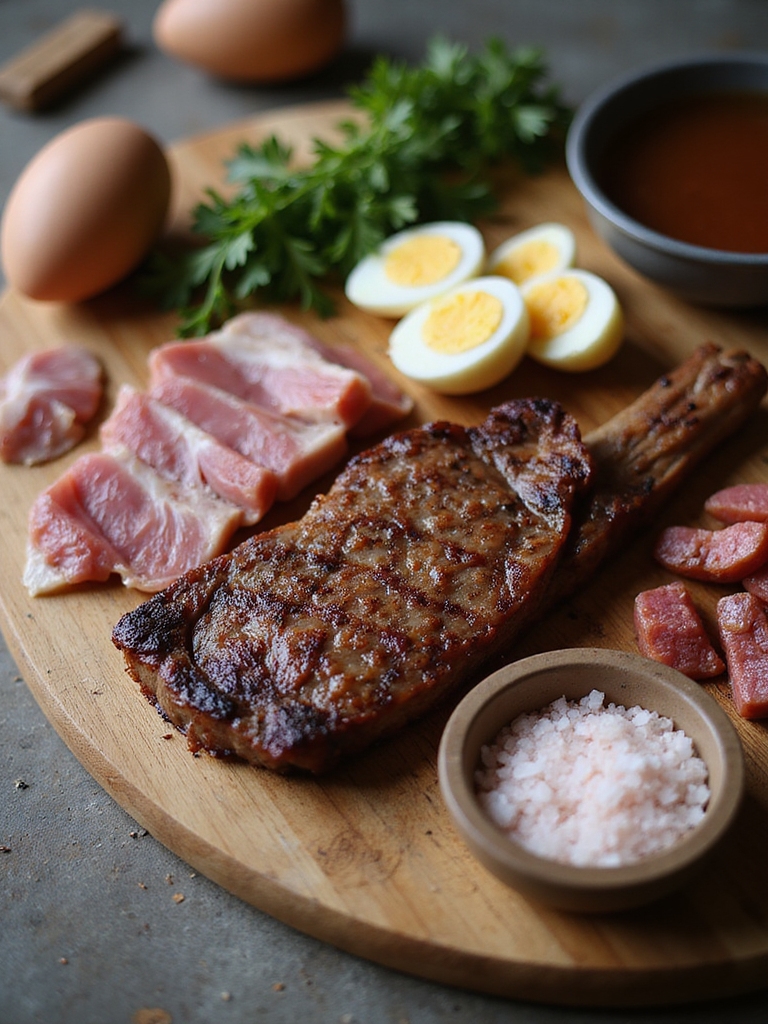


Think of this as culinary minimalism rather than dietary deprivation: you’ll keep meals boring on purpose so life gets easier. You’ll stick to a short roster of meats, fixed meal times, and a handful of fats and salts, which makes grocery runs and decision moments vanish.
You’ll still get full, flexible portions, and a clear way to tweak fat-to-protein for energy—so if you want to simplify without sacrificing results, keep going.
Who Benefits Most From a Simple Carnivore Meal Plan?

If you’re after simplicity and strict control over what goes into your body, a simple carnivore meal plan can suit you well — especially if you struggle with autoimmune flare-ups, severe food sensitivities, or chronic digestive issues that haven’t responded to conventional elimination diets.
You’ll benefit if complex ingredient lists and hidden additives derail you, or if tracking macros stresses you more than it helps.
Athletes seeking easy recovery, people who tolerate animal foods well, and those wanting predictable energy and fewer digestive surprises often see gains.
It’s not magical, but for targeted troubleshooting and fewer variables, it’s effective. Women may need to consider specific hormonal and nutrient considerations when adopting a carnivore approach.
Carnivore Basics: Allowed Foods and Strict Exclusions
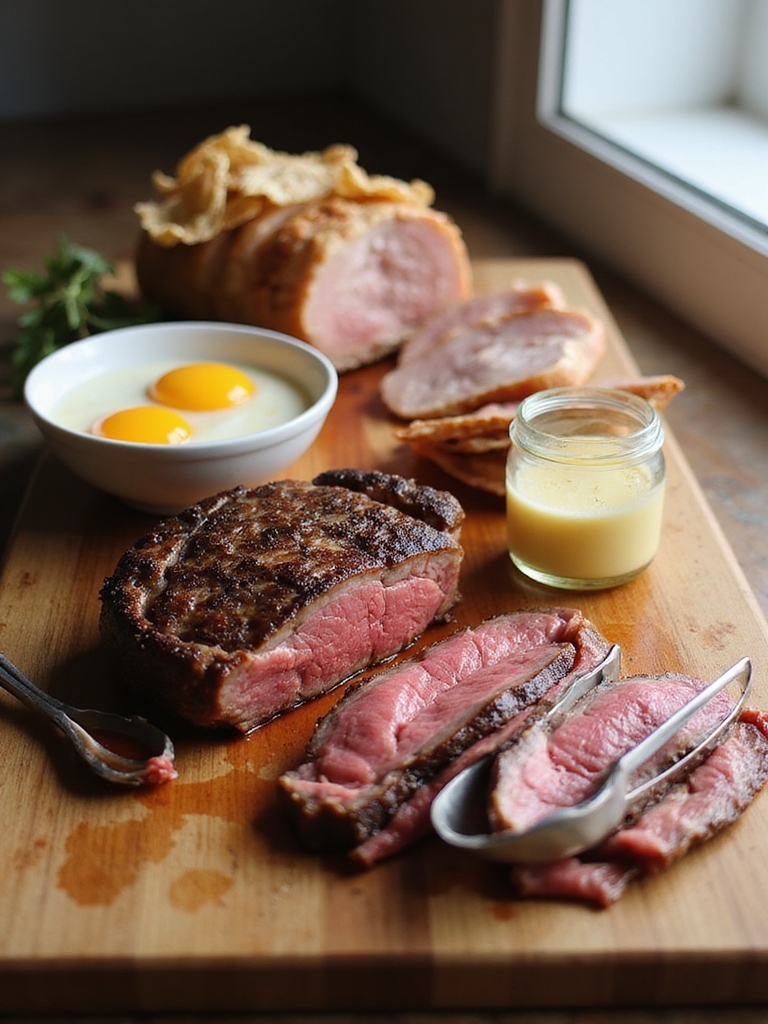
You’ll stick to animal foods — think beef, pork, poultry, fish, eggs, and animal fats — and nothing that pretends to be carnivore.
That means no fruits, vegetables, grains, legumes, or processed junk dressed up with labels and additives.
I’ll walk you through what’s allowed, what’s absolutely off-limits, and why those lines matter.
Many beginners find it helpful to keep a short list of shopping staples on hand to simplify meal planning and grocery trips.
Allowed Animal Foods
While the carnivore diet looks simple on paper, it hinges on strict choices about what animal foods count and what gets the boot, so you’ll want to know exactly what’s allowed.
You eat mostly muscle meats: beef, pork, lamb, game. Organ meats—liver, heart, kidney—are encouraged for nutrients. Poultry and eggs fit easily.
Seafood, including fish, shellfish, and oily options like salmon, are excellent. Butter, tallow, lard, and animal-based fats are fine; dairy can appear if tolerated, preferably full-fat and minimal. Bone broth and collagen are useful.
You avoid non-animal ingredients, additives, and mixed processed products. Many people start the carnivore diet with familiar options like beef, pork, eggs, and starter foods to ease the transition.
Excluded Plant & Processed
Now that you know what makes the cut, let’s be equally clear about what doesn’t: plants and processed foods are off the menu.
You won’t eat vegetables, fruits, grains, legumes, nuts, seeds, or refined products. That means no chips, breads, sauces, or sugary snacks dressed up as “healthy.” Stick to whole animal items, minimal seasonings, and avoid industrial oils and additives.
You’ll feel the difference in digestion and cravings. Be strict at first — adaptability comes later. Use this quick reference:
| Category | Examples to avoid | Why |
|---|---|---|
| Plants | Bread, rice, beans | Antinutrients, carbs |
| Processed | Sausages, snacks | Additives, fillers |
| Oils | Vegetable oils | Omega imbalance |
Essential staples like quality beef, fatty fish, and organ meats form the foundation of a reliable carnivore approach, so prioritize nutrient-dense foods when planning meals.
Quick 1‑Day Carnivore Sample You Can Copy

Eating nothing but animal foods for a day can feel both liberating and oddly simple, so here’s a tight, practical sample you can copy to get started: a hearty carnivore breakfast, a filling lunch, a protein-forward snack, and a satisfying dinner — all aimed at keeping prep minimal and muscle glycogen stable.
Breakfast: three fried eggs, two pork sausages, butter.
Lunch: 8–10 oz ribeye, salt, warmed bone broth.
Snack: cold canned sardines or leftover steak slices.
Dinner: roasted chicken thighs with skin, pan juices for dipping.
Drink water, plain sparkling water, or hot bone broth.
Adjust portions to hunger.
Many people find the approach especially straightforward when they focus on simple carnivore meals you can make repeatedly.
Daily Meal Structure That Minimizes Decisions
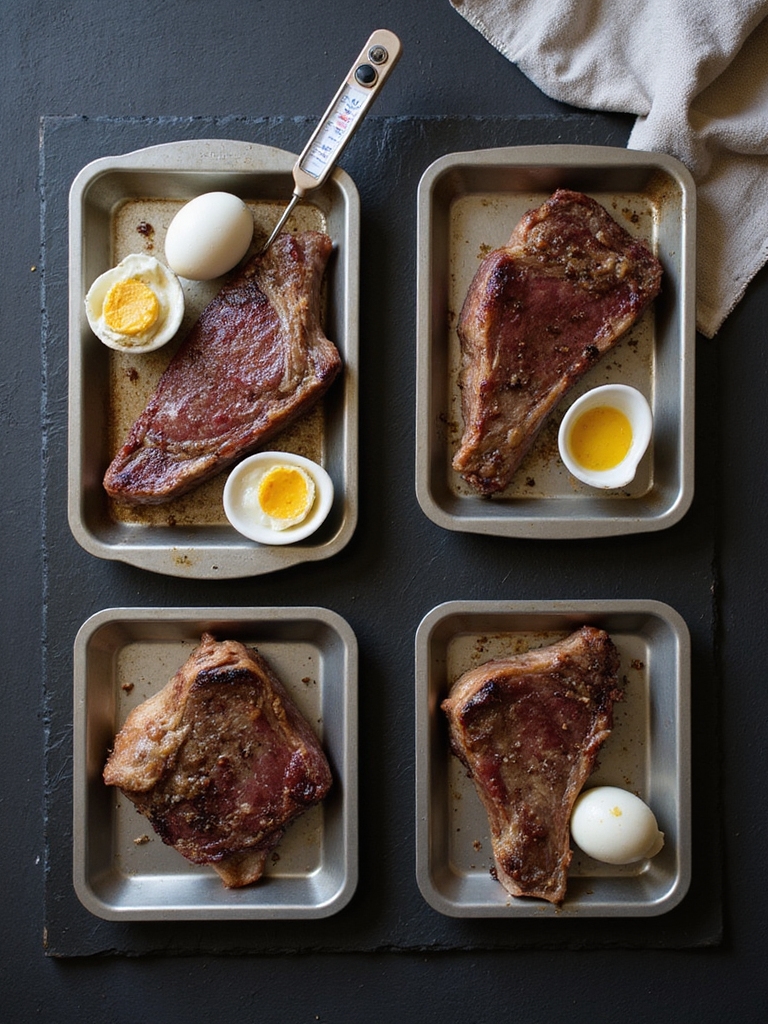
Often you’ll find the simplest routines are the ones you actually stick to, so set a predictable daily framework — fixed meal times, a go-to protein for each slot, and one repeatable snack — that trims decision fatigue and keeps shopping and prep straightforward.
You pick a reliable breakfast protein, a hearty lunch cut, and a predictable dinner roast.
Rotate spices or cooking methods weekly, not daily.
Batch-cook portions to reheat, label them, and stash extras.
Keep snack portions uniform — jerky, pork rinds, or cold rib slices.
This predictable scaffolding saves time, mental energy, and keeps adherence embarrassingly easy.
I also rotate through a set of staple meals each week to maintain variety without complexity.
Three Carnivore Breakfast Templates
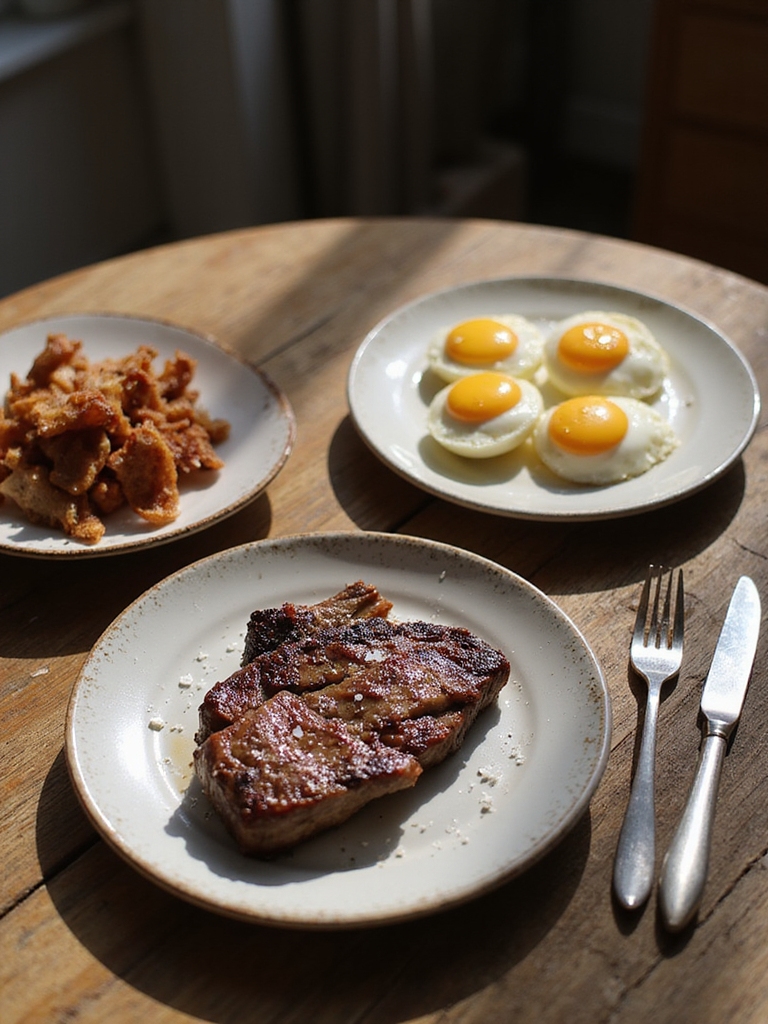
When you want breakfasts that require almost no thinking but still taste like something worth getting out of bed for, pick from three reliable templates: egg-forward, meat-forward, or fat-forward. You’ll rotate them to avoid boredom and simplify shopping.
| Template | Example |
|---|---|
| Egg-forward | Scrambled eggs, butter, salt |
| Meat-forward | Pan-seared steak, optional bone broth |
| Fat-forward | Pork belly slices, spoon of tallow |
| Quick add-ons | Salt, pepper, fermented dairy (optional) |
You’ll batch-cook or fry fresh. Portion by appetite, not rules. Keep seasonings minimal; flavor comes from quality animal foods.
A straightforward approach emphasizing meal templates helps keep mornings fast and consistent.
Three Easy Carnivore Lunch/Dinner Templates
Typically, you’ll stick to three dependable templates for carnivore lunches and dinners—grill-forward, slow-cooked, and skillet-focused—so you can eat well without overthinking every meal.
You pick one template, follow simple rules, and dinner appears like clockwork. Try these:
- Grill-forward: steak or chops, salt, high heat, rest five minutes.
- Slow-cooked: chuck roast or short ribs, low temp all day, minimal trimming.
- Skillet-focused: ground beef or thin-cut steaks, butter or tallow, quick sear, finish with a spoon of pan juices.
Rotate templates, vary cuts, and you’ll stay satisfied with zero drama. You can apply these templates to build effortless carnivore meals that work for everyday cooking.
Portion Guidelines for Energy, Satiety, and Maintenance
You’ll want to aim for a clear protein target each meal — think a palm-to-fist portion tailored to your activity and goals — so you’re meeting repair and maintenance needs.
Then adjust fat to hit your calorie and satiety marks: more if you need energy, less if you’re trimming.
Keep it simple and consistent, because predictable portions make tweaks and results easier to read.
Protein Portion Targets
Aim for protein portions that match your goals: bigger cuts and more frequent servings for energy and muscle maintenance, smaller, slower meals when you’re just chasing satiety or weight loss.
You’ll pick portions by intent, not habit. Keep it simple: measure by palm or ounce, adjust by activity, and monitor how you feel.
- 6–8 oz per meal: for regular training or higher energy days.
- 4–6 oz per meal: for maintenance and steady appetite control.
- 2–3 oz snacks: for light days or to stave off true hunger.
Track responses, tweak portions, and be consistent.
Fat And Calorie Balance
Because fat controls both your energy and how full you feel, dial it to match the day: add fattier cuts and cooking fat on heavy training or long-run days, trim back to leaner portions when you want steady weight or lower calories.
You’ll aim for protein first, then adjust fat to hit energy needs and satiety.
If you’re underfuelling, tack on butter, tallow, or ribeye; if you’re stalling, shave fat or drop a serving.
Track body weight and performance for two weeks, then set a fat rhythm that maintains energy without excess.
Think practical: predictable portions, simple swaps, consistent results.
Simple Snacks and Fasting Options for Appetite Control
When hunger creeps up between meals, reach for high-fat, low-carb choices that keep you full without breaking ketosis—think pork rinds, hard cheeses, or a spoonful of tallow. You’ll curb cravings and stay efficient.
- Pork rinds: crunchy, zero carbs, portable—eat slowly to boost satiety.
- Hard cheese: dense calories, savory satisfaction; slice, don’t nibble mindlessly.
- Bone broth or black coffee: liquid fasting helpers that calm appetite and extend fasting windows.
Use short fasts (16–18 hours) when you’re not truly hungry. Track how snacks affect energy and adjust timing; be pragmatic, not punitive.
Weekly Shopping List for a 7‑Day Carnivore Plan
You’ve handled snacks and fasting—now let’s get your fridge and freezer lined up for a full week of carnivore meals.
Start with the essentials: 6–8 lbs of fatty ground beef, four ribeyes or sirloins (about 2–3 lbs), a roast (3–4 lbs), and a dozen eggs.
Add 1–2 packs of bacon, a package of pork chops, and a tray of chicken thighs for variety.
Grab butter or tallow, salt, and optional organ meats (liver, heart) 1–2 lbs.
Buy bone broth or bones for stock.
Keep portions simple and label dates for rotation.
Batch‑Cook & Store Meat: Step‑By‑Step
Start by clearing and sanitizing a workspace so you can move efficiently; you’ll want clean counters, a sharp knife, and containers ready.
You’ll batch-cook to simplify meals: choose cuts, portion, and cook in predictable batches.
Follow this quick sequence.
- Trim, weigh, and portion into meal-size pieces.
- Salt, optionally season, then roast or slow-cook until done; don’t overcrowd pans.
- Cool quickly, label with date, and store in fridge or freezer.
Rotate older batches first.
Reheat gently to preserve texture.
You’ll save time, avoid daily prep, and stick to the plan without decision fatigue.
Fast Cooking Methods and Tools for Carnivore Meals
Cut through prep time with a few fast methods and the right gear, and you’ll have carnivore meals on the table in minutes instead of hours.
You’ll love a cast‑iron skillet for quick sears and crusty steaks; it heats fast and holds heat. An infrared or countertop broiler finishes steaks and chops in under five minutes.
Use a pressure cooker for bone broth or shredding tougher cuts while you shower. An air fryer crisps bacon and small cuts with less fuss.
Keep tongs, thermometer, and sharp knife handy—precision tools save time and rescue overcooked meals.
Five Simple Carnivore Swaps to Add Variety
If you’re bored of steak, swap some beef for lamb—same carnivore rules, just gamier flavor.
Rotate fats from tallow to butter or duck fat so your meals don’t taste like a broken record.
And don’t forget to sprinkle in seafood days for omega variety and a break from red meat.
Swap Beef For Lamb
When you swap beef for lamb, you keep the carnivore basics but wake your palate with gamier, more aromatic meat—think richer fat, brighter herbs even if you don’t cook with them, and a texture that melts differently on the tongue.
You’ll notice subtle seasoning needs and a willingness to embrace lamb’s natural perfume.
Try these quick swaps:
- Replace ground beef with lamb mince for burgers or meatballs.
- Use lamb chops where steaks usually sit on your plate.
- Swap roasts: shoulder or leg instead of chuck.
You get variety without complicating shopping or prep — just slightly different delicious.
Rotate Animal Fats
You’ve just given your meals a lamby twist; now give your fat a little personality too. Rotate animal fats—tallow, lard, duck fat, schmaltz, even pork fatback—to keep textures and flavors interesting without adding plants or complexity.
Use tallow for high-heat searing, lard for tender roasting, duck fat for silky pan-fried eggs, schmaltz when you want savory depth. Measure portions by eye, not guilt: a spoonful changes mouthfeel and satiety.
Rotate weekly or meal-to-meal to prevent palate fatigue. You’ll eat the same ingredients differently, stay satisfied longer, and keep routine decisions simple and enjoyable.
Add Seafood Days
Want to swap the same steaks for something a little brinier without breaking your carnivore groove? You’re smart to add seafood days: they change texture, pack omega-3s, and keep meals interesting without sauces or carbs. Pick simple swaps and stick to fat-forward choices.
- Fatty salmon fillet — pan-sear in butter, salt, eat confidently.
- Sardines or mackerel — canned, ready, scalp the bones for calcium.
- Shrimp or scallops — quick, sear-hot, finish with a pat of tallow.
Rotate these twice weekly. You’ll notice energy, satiety, and fewer cravings.
Salt, Water, and Electrolytes to Prevent Symptoms
Because switching to a carnivore diet shifts how your kidneys handle salt and water, you’ll likely need to actively manage sodium and electrolytes to avoid headaches, fatigue, and lightheadedness.
Drink to thirst but add salt—start with a teaspoon daily spread across meals, adjust by symptoms.
Consider bone broth, salted meat, or electrolyte powders without carbs.
Monitor urine color and frequency; pale straw is good, dark and scant means drink.
If you sweat heavily or exercise, up sodium and take magnesium and potassium supplements carefully—too much potassium can be dangerous.
Check with your clinician if you’re on meds or have blood pressure issues.
Troubleshooting: Digestion, Cravings, and Low Energy
You’ll likely hit snags—looser stools or constipation, snack cravings for carbs, or afternoons when your energy tanks—and you should know which tweaks actually help.
Start by easing the digestive shift with gradual meal changes and bone broth, manage persistent cravings with extra fat and routine, and boost low energy by checking sleep, electrolytes, and meal timing.
If problems persist, adjust portions or consult a clinician before assuming it’s the diet.
Ease Digestive Transition
When you switch to a carnivore meal plan, your gut will grumble, crave, or simply feel off for a few days to a few weeks, and that’s normal; this section walks you through practical fixes for bloating, constipation, ravenous cravings, and the low-energy slump without resorting to vague advice.
You can smooth the adjustment with clear tactics.
- Hydrate with salty bone broth and add a pinch of salt—helps stool bulk and electrolytes.
- Gradually increase fatty cuts and chew thoroughly to stimulate bile and digestion.
- Move daily: brisk walks or light activity accelerate transit and curb sluggishness.
Stick with this for two weeks.
Manage Persistent Cravings
If cravings keep hijacking your day, treat them like data, not drama: note timing, intensity, and what you ate last, then apply targeted fixes—extra salt and fat, a short walk, or an extra small snack of fatty meat—until you identify patterns.
You’ll learn whether cravings are real hunger, boredom, habit, or blood-sugar wobble. Swap lean cuts for fattier options, schedule tiny protein-rich bites, or change context (stand up, brush teeth).
Allow one controlled non-carnivore trigger test to confirm cause. Track results for a week; adjust meals and timing. You’ll outsmart urges with simple rules, not willpower theatrics.
Boost Low Energy
Cravings tell you a lot, but low energy plays by its own rules — it’s not just about eating more or smarter snacks.
You want steady fuel, not spikes and crashes. Start simple: prioritize protein, salt, and sleep before tinkering.
- Track energy patterns: note meals, sleep, workouts; identify dips and consistent fixes.
- Optimize meals: include fattier cuts, electrolyte-rich bone broth, and slightly earlier dinners to stabilize overnight glycogen.
- Test and adjust: try short caffeine windows, light resistance in mornings, or a targeted B12/iron check if fatigue persists.
You’ll troubleshoot faster when you observe, not guess.
Transition Tips and How to Personalize for Your Goals
Because your body didn’t grow attached to an all-meat menu overnight, you should expect a short adjustment period and plan for it — not panic over it.
Start slowly: drop carbs over several days, up your salt and water, and track sleep, mood, and stool.
If you feel weak, add bone broth or extra fat; if you want weight loss, tighten portions and prioritize leaner cuts.
Use simple metrics—energy, strength, waistline—to judge tweaks.
Reintroduce small plants later if needed to test tolerance.
Customize by activity, goals, and how your body actually responds, not what trends claim.
You’ll do best if you keep it simple: pick a short rotation, eat at set times, and stick to familiar animal foods. You’ll save time, avoid decision fatigue, and learn what your body needs.
You’ll dial fats and salt for energy, swap proteins for variety, and troubleshoot digestion with calm tweaks. You’ll measure progress, not perfection; you’ll personalize, not follow rules blindly; you’ll enjoy food, not wage war on it.