


You’re about to eat mostly meat, eggs, fish, and animal fat and cut carbs and fiber to near zero — simple, but not always comfortable at first. Expect hunger swings, weird energy shifts, and bowel changes while your body relearns fuel.
Salt, water, and fatty cuts make the changeover easier, and small, practical swaps keep it doable. Keep going a bit longer before you judge it, because the first week often lies.
What the Carnivore Diet Is and Who It Helps

Think of the carnivore diet as eating pared down to its meat-and-animal-products bones: you ditch plants and focus on beef, pork, poultry, fish, eggs, and some animal fats.
You’ll cut carbs to near zero, rely on protein and fat, and skip fiber.
People try it for weight loss, simpler meal planning, blood sugar control, or to calm autoimmune or gut issues that haven’t responded to other diets.
It’s blunt—no produce wiggle room—so it helps those who tolerate animal foods well and who want strict rules.
Expect changes in energy, appetite, and bathroom habits; monitor labs with your clinician.
Some people find the diet simplifies eating and can fit into modern eating patterns focused on animal-based foods.
Is the Carnivore Diet Right for You? Quick Verdict

If you want a blunt, simple eating plan and you’re willing to give up plants, the carnivore diet can work — but it’s not for everyone.
You should try it if you tolerate red meat, crave simplicity, and want strict rules to follow. Don’t try it if you need variety, have certain medical conditions, or rely on plants for social eating.
Expect adjustment, honest appetite shifts, and clearer rules than most diets offer. Some women find tracking micronutrient intake helpful when starting to ensure nutritional needs are met.
What to Eat on Day One: Easy Meals & Swaps
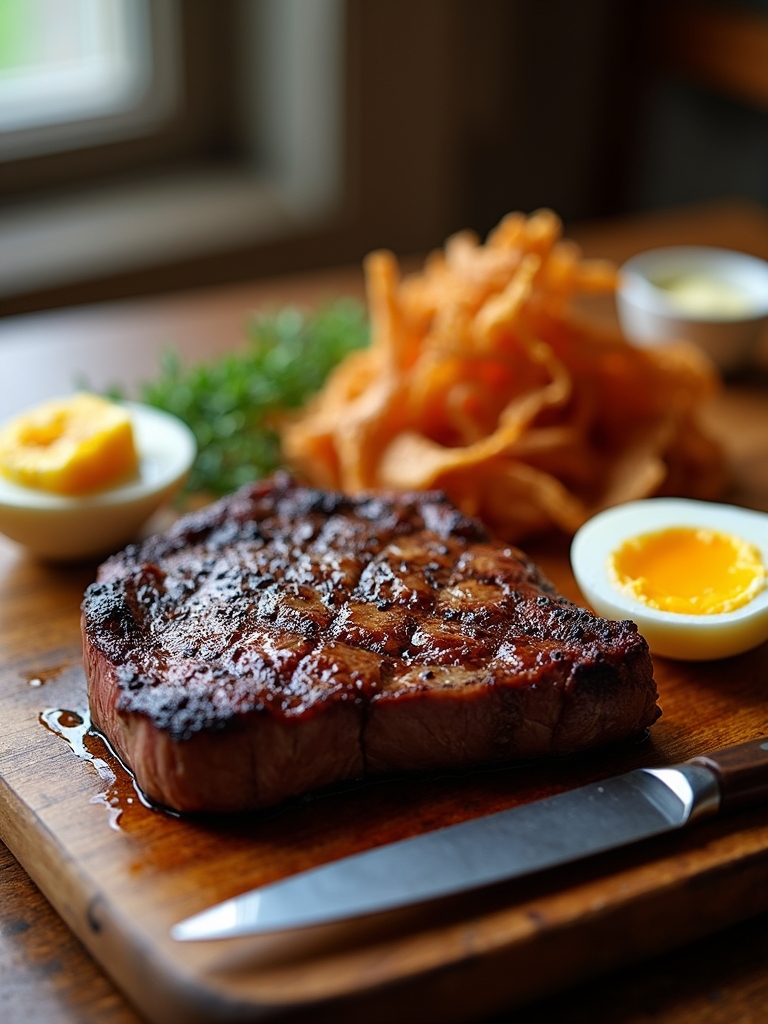
Start your first day with stupidly simple choices — eggs or bacon for breakfast, because you won’t regret cutting out the decision-making.
For lunch, swap sandwiches and salads for sliced roast beef or canned sardines and call it efficient.
Dinner can stay cozy: grilled steak or pan-seared salmon with a pat of butter, no garnish required.
Simple carnivore meals are often just meat and fat, which makes them easy to prepare and repeat, so expect to lean on simple recipes as you settle in.
Simple Breakfast Options
Wonder where to begin on Day One? Keep breakfast absurdly simple: eggs fried in butter, crispy bacon, or leftover steak reheated.
If eggs bore you, grab pork sausages or a tin of sardines — no shame in convenience. Drink black coffee or bone broth; fat-rich coffee (MCT or butter) helps satiety.
Salt generously; electrolytes matter. Plate size doesn’t need to change — focus on protein and fat.
Prep the night before if mornings are chaotic. Don’t chase variety yet; mastering straightforward, satisfying meals builds momentum. You’ll feel less frantic and more in control by noon.
Carnivore breakfasts can be truly satisfying and are among the most doable meals when starting this way.
Quick Lunch Swaps
Swap in something simple and satisfying for lunch so you don’t overthink Day One — think grilled chicken thighs, a rosemary steak slice, or a pile of tuna salad made with mayo and a pinch of salt.
You’ll want choices that require little prep and won’t derail your momentum. Keep portions sensible, salt generously, and accept that repetition is fine.
- Cold roast beef slices, mustard optional
- Hard-boiled eggs and crumbled bacon
- Sardines in olive oil on cucumber rounds
- Quick charred pork chops, leftover-friendly
- Sliced deli roast turkey wrapped around cream cheese
Stay practical, stay fed, stay smug about simplicity. Carnivore lunches are ideal for easy meal prep, so plan several protein-focused options ahead of time to streamline your week and reduce decision fatigue — think easy meal prep strategies like batch-cooking proteins and using simple reheating methods.
Easy Dinner Ideas
If you want dinner to feel effortless on Day One, pick meals that cook fast, clean up easy, and satisfy like a proper meal — think skillet-seared ribeye, roasted bone-in chicken thighs, or salmon fillets with a crisp skin.
You’ll rely on straightforward protein, salt, and fat. Swap rice or potatoes for a pat of butter, broil steaks instead of complex sauces, and turn pork chops into leftovers for tomorrow’s breakfast.
Use bones for quick broth, grill sausages when time’s short, and roast a whole chicken if you want hands-off dinner for days. Simple beats fancy.
Family-friendly carnivore meals can include easy choices like grilled sausages or roast chicken for everyday dinners that please picky eaters and busy families.
Foods and Drinks to Avoid on Carnivore

When you’re committed to a carnivore diet, you’ll need to cut a lot more than carbs—processed foods, vegetable oils, sugary drinks, and most plant-based staples will sabotage your goals and cause inflammation.
You’ll ditch obvious offenders and some sneaky ones, so be ruthless: read labels, question sauces, and skip “low-fat” traps that hide sugar.
- Bread, pasta, and grains
- Vegetable and seed oils (canola, soybean, corn)
- Sugary beverages and fruit juices
- Legumes, beans, and most soy products
- Vegetable-based snacks, chips, and crackers
Stick to meat, eggs, and salt; the rest is distraction. Consistency matters for success on the carnivore diet, so follow clear rules and avoid confusion by sticking to basic guidelines.
How Much to Eat: Portions & Timing

You’ve cut the junk and stuck to meat, eggs, and salt—now you need a practical plan for how much to eat and when. Start by listening: eat until satisfied, not stuffed.
Typical portions are bigger than you expect—think palm-sized steaks or several eggs with bacon. Protein and fat guide fullness; add fat if you’re still hungry.
Meal timing can be flexible: three meals, two, or one big meal works—find what fits your energy and schedule. If weight loss stalls, trim portions slightly or lengthen between meals.
Track loosely for a week, then trust your appetite. Consistency matters more than perfection, so focus on steady habits and regular meal patterns.
Simple 7-Day Carnivore Meal Plan
Get started with a simple, no-fuss 7-day plan that shows how to mix steaks, ground beef, eggs, and occasional organ meats so you’re never guessing what to eat.
You’ll rotate proteins, keep prep quick, and learn portions that suit you without obsessing.
Expect repeat meals, easy leftovers, and snacks like cold roast or hard-boiled eggs.
- Day 1–2: Ribeye dinner, eggs for breakfast
- Day 3: Ground beef bowls, buttered for flavor
- Day 4: Pan-seared liver, mild portion
- Day 5: Steak leftovers, quick eggs
- Day 6–7: Mix of favorites, hydrate, adjust portions
Days 1–7: Symptoms and Timeline
After a week of predictable meals and simple swaps, expect your body to start sending some clear signals — and a few odd ones.
You’ll notice appetite shifts: hunger may drop or come in weird bursts. Energy swings are normal; morning fog can give way to surprising midday pep.
Your digestion will adjust — more solid stools or temporary constipation for some, looser for others. Mild headaches, taste changes, and increased thirst are common as sodium and water balance shifts. Sleep might be restless a night or two.
Track symptoms, rest, hydrate, and don’t panic — this is your system recalibrating.
Weeks 1–4: Side Effects and Fixes
While your body keeps recalibrating over the next few weeks, expect a handful of repeatable side effects and simple fixes you can try right away.
You’ll see digestion shifts, thirst spikes, and occasional headaches — all normal. Address them directly: tweak salt, hydrate, and adjust meal timing. Don’t panic over temporary changes; be methodical.
- Drink water with a pinch of salt to ease headaches and cramps.
- Eat fattier cuts if you’re constipated; add bone broth for collagen.
- Chew more thoroughly to help digestion.
- Track symptoms to spot patterns.
- Rest when you feel wiped; recovery isn’t linear.
Energy, Mood, and Sleep Changes Early On
Because your body’s switching fuel sources, expect big swings in energy, mood, and sleep at first — some days you’ll feel buzzing and clear, other days flat or foggy.
You might wake wired after a meat-heavy dinner, or crash mid-afternoon when glycogen’s gone and ketones aren’t steady.
Mood can be spiky; irritability or inexplicable cheerfulness are both normal while hormones and brain chemistry adjust.
Sleep often fragments, then stabilizes; don’t panic if nights are restless for a week or two.
Stay hydrated, prioritize salt, keep consistent meal timing, and give your nervous system a couple of weeks to settle.
Digestion and Bowel Changes You’ll See
Expect your stool frequency to shift—some people go more often at first, others less—and that’s normal.
Texture will change too, from loose to firmer or sometimes oddly variable as your gut adapts.
You might get cramps or bloating early on, usually within days to a couple weeks, and then things often settle.
Initial Stool Frequency
How soon you’ll notice changes in stool frequency varies, but many people see a shift within the first week after switching to a carnivore diet.
You might poop less, more, or hit an awkward pause — all normal as your gut adapts. Pay attention, not panic.
- You may go from daily to every other day without alarm.
- Increased frequency can happen if your body flushes carbs and fiber.
- Expect fluctuations in week one and two as microbiome adjusts.
- Hydration and salt affect how often you need the bathroom.
- If nothing normalizes in a month, check in with a clinician.
Changes In Stool Texture
Stool frequency is only part of the story — texture tells you more about how your gut’s handling all-meat fuel. You’ll notice firmer, dryer stools at first, then occasional soft or loose ones as your microbiome shifts.
Don’t panic; it’s adaptation, not catastrophe. Watch for persistent watery output or blood — that’s different.
| What you might see | How it feels |
|---|---|
| Firmer, compact | Satisfying, normal |
| Dry pellets | Annoying, constipated |
| Softer logs | Adjustmentary, okay |
| Loose stools | Monitor, could need tweak |
Trust the pattern, adjust fat and electrolytes, and be a bit patient.
Digestive Discomfort Timing
Once you switch to an all-meat diet, your gut will send clear signals on its own timetable — sometimes within days, sometimes after a few weeks.
You’ll notice timing, intensity, and type of discomfort vary; cramps, bloating, or sudden urgency can pop up then fade as your microbiome adapts. Don’t panic — observe, adjust fat and meal size, hydrate, and give it time.
- First few days: transit shifts, possible constipation or loose stools
- Week one: gas and cramps may peak
- Weeks two–four: symptoms often settle
- Persistent pain: see a doc
- Track patterns, not panic
Handling Cravings, Social Eating, and Travel
When cravings hit or you’re staring down a menu with friends, remember that the carnivore approach isn’t about punishment—it’s about choices that keep you feeling steady; you can handle temptation without drama.
Plan: order meat-centric dishes, ask for substitutions, or eat beforehand so you don’t cave.
For travel, pack jerky, canned fish, or quick-cook steaks—airports and gas stations often surprise you.
Social pressure? Be brief and polite: “I’m sticking to meat right now,” then focus on conversation.
Cravings fade—usually within days to weeks.
If you slip, don’t dramatize it; resume and move on with confidence.
Electrolytes and Supplements: What to Consider
Switching to mainly meat can flip your electrolyte balance fast, so you’ll want to watch for dizziness, cramps, or weird fatigue.
Start with a simple plan — sodium, potassium, and magnesium are the usual suspects — and consider a basic supplement if your labs or symptoms suggest it.
Don’t guess blindly: test, track how you feel, and tweak rather than piling on pills.
Electrolyte Imbalance Risks
Because the carnivore diet changes how your body handles water and salts, you can run into electrolyte problems faster than you expect; low carbs mean less insulin, more diuresis, and a loss of sodium, potassium, and magnesium.
You’ll feel dizzy, weak, or foggy if you ignore it. Take it seriously—it’s not dramatic, just annoying and preventable.
- Watch for lightheadedness or racing heart.
- Notice muscle cramps or twitching.
- Track urine color and frequency.
- Don’t assume thirst equals balance.
- Adjust salt and food choices before symptoms worsen.
Act early; small fixes beat big disruptions.
Supplement Essentials Guide
Electrolyte hassles are the most common fixable snag on carnivore, so you’ll want a simple supplement plan before symptoms show up.
Start with sodium—salt liberally, use bouillon or mineral broth if you’re not into shaking a lot of salt.
Add potassium: potassium chloride or supplement tablets prevent cramps and fatigue.
Magnesium helps sleep, mood, and muscle recovery; take magnesium glycinate or citrate at night.
If you’re on meds or have kidney issues, consult your clinician before adding minerals.
Fish oil or vitamin D can be useful if you lack fatty seafood or sun.
Keep it minimal, consistent, and track how you feel.
Exercise and Recovery on the Carnivore Diet
Frequently, people wonder whether you can train hard while eating only animal foods — and the short answer is yes, but you’ll need to plan recovery differently.
You’ll notice shifts: glycogen feels lower, workouts might feel odd at first, and cravings for carbs are normal. Adjust intensity, prioritize sleep, and expect a few adaptation weeks. Track performance, not feelings alone.
- Eat enough calories; protein’s great but so is energy.
- Time meals around training for comfort.
- Prioritize sleep and manage stress.
- Use salt and electrolytes to aid recovery.
- Consider light carbs if performance drops.
When to Stop or Modify the Diet (Red Flags)
If things stop feeling right—your mood tanks, digestion worsens, or you’re losing strength—you should seriously consider pausing or changing the diet.
Listen to your body; persistent fatigue, hair loss, dizzy spells, or worsening mental fog aren’t “adaptation” and deserve attention. If social life, energy for workouts, or your bloodwork (discuss with your clinician) take a hit, don’t stubbornly double down.
Try short-term reintroductions (vegetables, fruit, or carbs at meals), increase fat or sodium, or consult a professional. You can experiment, but cut losses when quality of life declines or symptoms escalate.
Tracking Progress: Measurements, Symptoms, and Labs
Start by tracking simple body measurements — waist, hips, weight and maybe photos — so you actually see changes instead of guessing.
Keep a symptom log next to those numbers: energy, digestion, sleep, mood, and any weird new reactions you notice.
And get baseline and follow-up labs (lipids, CMP, thyroid, CRP) so you’ve got evidence if something needs fixing.
Body Measurements Tracking
Regularly tracking measurements, symptoms, and basic labs gives you a clear, no-nonsense picture of how the carnivore diet is actually affecting your body.
For body measurements, focus on simple, repeatable metrics so you won’t fool yourself — or a scale that lies.
- Waist at navel, measured same time weekly
- Hips and chest for clothing fit and proportion
- Neck and thigh for muscle changes
- Bodyweight recorded fasted, once weekly
- Photos: same lighting, same clothes, front/side/back
Stick to consistent methods.
Small, steady changes matter more than dramatic week-to-week swings.
You’ll thank yourself later.
Labs And Symptom Logs
Keep a simple, honest log of your labs and symptoms so you actually know what the carnivore diet is doing to you.
Note baseline bloodwork—lipids, fasting glucose, A1c, electrolytes, kidney and liver markers—and repeat per your clinician’s advice.
Track daily symptoms: energy, sleep, digestion, mood, cravings, skin changes, and any dizziness or muscle cramps.
Time-stamp entries and jot context (stress, workouts, supplements).
Don’t chase perfection; patterns matter more than day-to-day noise.
Share results with a healthcare pro, especially if you’re on meds.
Your log turns anecdotes into evidence, and helps you make smarter choices.
By giving the carnivore plan a fair shake, you’ll quickly learn what your body prefers and what’s just culinary bravado.
Expect wobbliness at first, so salt, rest, and patience are your polite companions. Track bites, moods, and labs; they whisper truths louder than internet hype. If things quietly misbehave, tweak or step back—no drama, just sensible rerouting.
You’re steering this experiment, and curiosity plus common sense will take you farther than stubbornness.


