


Think of keto and carnivore as dietary cousins who politely avoid carbs at family dinners — they overlap more than you’d expect, and that’s where the useful stuff lives.
You’ll learn how both shift your metabolism, tame cravings, and nudge weight down fast, but they differ in plant tolerance, fiber, and microbial effects. Stick around if you want a clear way to choose one, move between them safely, and track what actually matters.
Keto vs Carnivore: Which Should You Try First?

If you’re torn between keto and carnivore, start by asking what you actually want from the diet—weight loss, fewer carbs, simpler meals, or relief from specific symptoms—because that choice will steer everything else.
You’ll find keto offers more variety and easier social life tweaks; it’s flexible and can be gentler to start.
Carnivore is stricter, faster to eliminate plant irritants, and simpler to measure compliance, but it’s intense and less forgiving.
Think about sustainability, food preferences, and how strict you’ll actually stay.
Start with the one you can stick to, then adjust based on results and tolerance.
The two approaches can also be combined into a hybrid that emphasizes animal-based fats and very low carbs to balance flexibility and simplicity, sometimes called a Carnivore Keto approach.
Who Benefits From Keto or Carnivore?

If you’re chasing weight loss, managing metabolic syndrome, or trying to speed up recovery and performance, one of these low-carb approaches might be worth testing.
You’ll want to take into account your health history, goals, and how strict you can realistically be before choosing keto or carnivore.
Let’s unpack who tends to get the biggest wins and where each approach can fall short.
Both approaches focus on reducing carbohydrates and prioritize higher amounts of protein and fat, with the Keto Carnivore Approved Foods emphasizing animal-based options.
Weight Loss Candidates
When you’re trying to lose weight, choosing between keto and carnivore comes down less to ideology and more to what your body and lifestyle actually tolerate; both can work well for people who struggle with carb cravings, insulin resistance, or frequent hunger.
You benefit if you respond well to higher protein and fat, if calorie tracking bores you but hunger control matters, or if simple rules keep you consistent.
You might prefer keto for variety and easier social eating, carnivore for strict appetite suppression.
Be ready to adjust, monitor energy and mood, and ditch perfectionist thinking — consistency wins.
Women starting either approach should consider specific nutrient needs and practical adjustments for their life stage and hormones.
Metabolic Syndrome Patients
Because metabolic syndrome mixes stubborn belly fat, high blood sugar, and unfavorable lipids, you’ll want an approach that actually moves those numbers—not just promises quick fixes.
You’re looking for blood sugar stability, lower insulin, and a better lipid profile. Keto and carnivore both cut carbs hard, so they reduce glucose spikes and often drop weight, which helps insulin sensitivity.
Carnivore can simplify choices if you struggle with cravings; keto offers more plant variety for fiber and micronutrients.
Neither is magic—monitor labs, work with a clinician, and pick the one you can stick with long term for measurable change.
Some people also report unexpected benefits like improved sleep and reduced inflammation after switching to a carnivore-style approach.
Performance And Recovery
Think about sports, gym sessions, or long workdays where you need steady energy and faster bounce-back—keto and carnivore each offer tools, but they suit different needs.
If you chase endurance or want stable focus, keto’s fat-adapted fuel keeps blood sugar calm and lets you go longer without crashes.
If you prioritize raw strength, quick recovery, or you’re sensitive to carbs’ inflammation, carnivore’s protein and amino acids simplify repair and blunt gut issues that slow you down.
Both can reduce soreness when matched to your training and sleep.
Try one, monitor performance metrics, and adjust—your goals decide the winner.
Consistency matters for long-term results and to avoid yo-yo effects, which is why the Carnivore Diet emphasizes consistency over perfection as a practical approach.
How Both Diets Trigger Ketosis
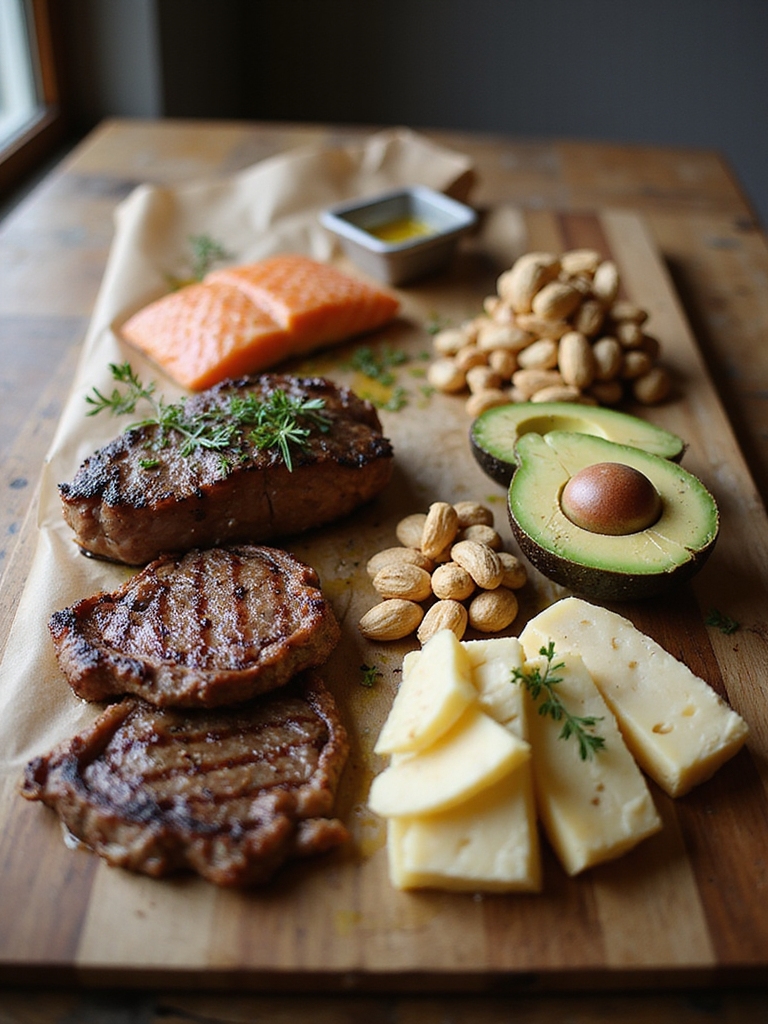
Although they come from different camps, both keto and carnivore push your body into ketosis by cutting carbs low enough that you stop relying on glucose and start burning fat for fuel.
You’ll reduce insulin surges, deplete glycogen, and prompt the liver to make ketones as alternate energy.
Keto lets you keep some fibrous plants and measured carbs; carnivore narrows choices to animal foods, often accelerating glycogen depletion. Either way, your mitochondria adapt to oxidize fatty acids and ketone bodies.
It’s not mystical — it’s metabolic economics: less carb inflow, more fat-burning output, and measurable ketone production. High-fat, animal-focused meals are commonly used to sustain this metabolic state and increase dietary fat intake for energy high-fat intake.
How Appetite and Weight Loss Work on Low-Carb

Shifting your metabolism into fat-burning mode changes more than just fuel — it reshapes hunger signals and how quickly you lose weight.
You’ll often feel less ravenous because stable blood sugar and ketones blunt cravings.
Early weight drops include water loss; after that, fat comes off more steadily if you maintain calorie deficit without constant hunger.
- Appetite: ketones and steady glucose lower ghrelin spikes, so you snack less.
- Early loss: glycogen and water leave fast — the scale loves that.
- Long-term: sustained low-carb reduces appetite, making calorie control easier.
Beginning the Carnivore Diet can bring pronounced shifts in energy and digestion early on, with many people reporting clearer mental focus and reduced bloating after the first few days of eating primarily animal foods and eliminating most plant carbohydrates — see metabolic shift.
Protein Targets: Keto vs Carnivore Explained

Dialing in protein is where keto and carnivore start to look similar — and then diverge in important ways. You’ll feel the tug: keto nudges moderate protein to protect ketosis, while carnivore often pushes higher protein for satiety and repair.
You’ll learn to balance goals, activity, and insulin sensitivity. Listen to hunger, performance, and mood rather than rigid numbers.
Consistency on carnivore comes from clear rules like focusing on animal-only choices and simple meal patterns, which many find easier to maintain when tracking protein targets.
Fat Sources and Macronutrient Balance Compared
You’ll notice the carnivore side leans heavily on animal fats — tallow, lard, fatty cuts — while keto often opens the door to butter, cream, and selected oils.
That changes how you hit protein-to-fat ratios, since more fat can mean fewer carbs and sometimes less protein per meal.
Let’s compare the practical trade-offs so you can pick a balance that fits your energy, satiety, and goals.
Animal Fats Emphasis
Often you’ll find the biggest practical difference between keto and carnivore comes down to which animal fats you prioritize, because they change both how you feel and how your macros add up.
You’ll notice keto-friendly choices lean toward fattier cuts to hit carb limits, while carnivore purists often favor tallow, suet, and fattier muscle for satiety and simplicity.
You’ll also adjust portioning and cooking methods to manage calories and texture.
Consider these practical swaps:
- Choose ribeye or pork shoulder for long satiety.
- Use rendered tallow to boost fat without carbs.
- Prefer fatty fish for omega balance.
Dairy And Oils
Think of dairy and cooking oils as the wildcard fats that bridge keto convenience and carnivore purism — they tweak flavor, texture, and macro math in ways meat alone sometimes can’t.
You’ll lean on butter, ghee, cream, and tallow to add silkiness and calories without carbs, and olive or avocado oil when you want plant-derived monounsaturated benefits.
Dairy adds calcium and culinary ease but can provoke sensitivities; oils offer neutral calories but vary in smoke point and omega balance.
You’ll judge choices by digestion, taste, and cooking needs, mixing pragmatism with the diet’s stricter ideals.
Protein-To-Fat Ratios
Butter and tallow helped you dress meals; now you’re deciding how much fat should ride alongside your protein. You want satiety without sluggishness, and you’re balancing energy, hormones, and taste. Keep it simple: aim for a ratio that matches goals, activity, and tolerance.
- If weight loss is prime, nudge protein up, fat moderate — preserve muscle, mobilize stores.
- If performance or low-carb endurance matters, raise fat for steady fuel and preserve glycogen.
- If digestion or cholesterol worries pop up, adjust sources: more omega-rich fats, less saturated, track responses.
Trust data, tweak kindly.
Fiber, Gut Microbes, and Digestion Differences
Because your gut microbes depend on what you feed them, switching between keto and carnivore can feel like changing roommates’ diets overnight — and your digestion notices.
You’ll lose fiber on carnivore, which trims fermentable substrates that feed beneficial bacteria; that can lower short-chain fatty acid production and alter stool frequency.
On keto, nonstarchy veggies and some resistant starch keep microbes happier, supporting regularity and mucosal health.
Expect adjustment-period constipation, loose stools, or gas as communities rebalance.
Move deliberately, hydrate, and consider modest prebiotic foods if you tolerate them.
Listen to bowel signals—adjust pace rather than punishing your microbiome.
Micronutrient Gaps to Watch on Each Diet
Don’t be surprised if you hit unexpected gaps on either plan — vitamin C can end up oddly scarce even when you’re eating lots of meat.
You’ll also need to keep an eye on electrolytes like sodium, potassium, and magnesium, because low-carb patterns (and strict carnivore choices) can strip them faster than you think.
Let’s look at practical ways to spot and plug those shortfalls without turning your plate into a science project.
Ironically Low Vitamin C
Even though both keto and carnivore emphasize cutting carbs, you can still end up short on vitamin C—particularly if you’ve cut out most fruits and vegetables and relied on meat and low-carb produce alone.
You might think meat covers everything, but vitamin C is scarce in muscle meat. That can leave you tired, bruise-prone, or healing slowly—subtle signs you’ll dismiss.
Consider these practical fixes:
- Eat vitamin-C‑rich low‑carb options like spinach, bell peppers, or sauerkraut occasionally.
- Include organ meats such as liver, which contain more vitamin C.
- Use a targeted supplement if food choices don’t cover your needs.
Potential Electrolyte Shortfalls
When you cut carbs and dial up meat and fat, your kidneys shed more water and with it key electrolytes like sodium, potassium, and magnesium—so you can feel dizzy, cramp, or foggy before you realize what’s missing.
You’ll want to salt food, sip bone broth, and include potassium-rich, low-carb options (avocado, leafy greens if you tolerate them) or consider supplements.
Magnesium helps sleep and cramps; take it at night.
Track symptoms and get labs if you’re lightheaded or have palpitations.
Don’t tough it out—electrolyte tweaks are an easy, practical fix that saves misery.
Short-Term Metabolic Changes: Glucose, Lipids, Ketones
If you shift onto a keto-carnivore hybrid, expect your body to readjust fast — blood glucose usually dips as carb intake falls, triglycerides often drop while HDL can climb, and ketone levels rise as your liver switches fuels.
You’ll feel energetic or a bit foggy depending on adaptation, and labs can swing quickly. Pay attention, not panic.
- Glucose: fasting numbers often fall; occasional lightheadedness suggests easing carbs or timing meals.
- Lipids: triglycerides usually drop; LDL may vary — watch trends, not a single test.
- Ketones: rising breath or blood ketones signal fuel shift; mild nausea can accompany adjustment.
Long-Term Risks to Watch For on Keto or Carnivore
If you stick with keto or carnivore long-term, you’ve got to watch for creeping electrolyte and mineral imbalances that can zap your energy and mood.
Keep an eye on lipid changes and cardiovascular markers, because some people see worrying cholesterol shifts over time.
Also watch for signs of nutrient deficiencies—fatigue, hair loss, or poor wound healing—and don’t shrug them off.
Electrolyte And Mineral Imbalance
Because cutting carbs shifts how your body holds water and electrolytes, you’ll often feel the effects quickly — headaches, dizzy spells, muscle cramps, or just plain fatigue — and those early signals matter:
left unchecked, persistent electrolyte and mineral imbalances on long-term keto or carnivore can lead to more serious issues like arrhythmias, bone loss, or chronic kidney stress, so it’s worth paying attention to sodium, potassium, magnesium, and calcium from the start.
You can manage this without drama:
- Salt more liberally and use broth for sodium.
- Eat potassium-rich foods or supplement cautiously.
- Replenish magnesium and monitor calcium via diet and tests.
Stay curious, not fearful.
Lipid And Cardiovascular Risk
While many people see dramatic weight and blood-sugar wins on keto or carnivore, you’ll want to watch your lipids closely over time — these diets can sharply raise LDL (“bad”) cholesterol in some folks even as they improve triglycerides and HDL.
| Metric | Typical change | Why it matters |
|---|---|---|
| LDL | Often up | Linked to plaque risk |
| HDL | Often up | Protective marker |
| Triglycerides | Often down | Better metabolic profile |
| ApoB | Variable | Particle number matters |
Get baseline tests, recheck periodically, and discuss tailored plans with your clinician if LDL rises markedly.
Nutrient Deficiency Signals
When you cut out whole food groups for months or years, your body will start giving subtle — and sometimes not-so-subtle — signals that certain vitamins, minerals, or fiber are low, so it’s worth learning to spot them early. You’ll want to notice patterns, not panic at every twinge.
Common red flags include fatigue, brittle nails, and digestive shifts. Track symptoms, check labs, and consider targeted supplements or strategic reintroductions.
- Hair loss, brittle nails — often zinc, biotin, or iodine.
- Constipation or loose stools — think fiber, magnesium.
- Unusual fatigue or mood swings — watch B12, iron.
Practical Meal Templates Between Keto and Carnivore
Often you’ll want templates that make mornings, lunches, and dinners almost automatic — especially if you’re juggling carb limits and animal-only rules.
Start with a protein-forward morning: eggs fried in butter or leftover steak, plus bone broth if you crave warmth.
Lunch can be a simple salad of grilled fatty fish or shredded rotisserie chicken (no greens if strict carnivore), dressed with animal fat.
Dinner is predictable: roast, stew, or pan-seared chops with a fatty sauce.
Snack on cured meats, pork rinds, or soft cheeses.
Rotate proteins weekly, keep portions consistent, and plan leftovers so you don’t overthink meals.
How to Transition Safely Between Keto and Carnivore
If you’ve been running on the meal templates above, you’ve already got a lot of what you need to move from keto toward carnivore without guessing every bite.
You’ll ease in, not sprint: reduce plant foods gradually, prioritize fatty, familiar cuts, and listen to hunger and digestion. Expect temporary shifts; they’re normal.
- Swap one plant side for extra meat per day, keep electrolytes steady.
- Cut processed low-carb treats first, lean into bone broth and fattier steaks.
- Give yourself two weeks per change, note energy and appetite, adjust pace.
Be kind to yourself—this isn’t all-or-nothing.
What to Track: Labs, Metrics, and Symptom Checks
Because changing your diet can shift more than your waistline, you’ll want a short list of labs, daily metrics, and symptom checks to tell you what’s actually happening inside, not just how you feel.
Track fasting glucose, lipids, and electrolytes; note weight, ketones, and sleep; watch energy, digestion, and mood. Use this compact table as a checklist—no drama, just data.
| Labs | Daily Metrics | Symptoms |
|---|---|---|
| Lipid panel | Weight | Energy levels |
| Electrolytes | Ketone readings | Digestion |
| Glucose/A1c | Sleep quality | Mood swings |
Log consistently, tweak slowly, and ask your clinician when numbers surprise you.
When (And How) to Reintroduce Plants or Carbs?
When you’re ready to bring plants or carbs back in, do it with a plan, not a panic: start by deciding your goal—performance, variety, gut tolerance, or social flexibility—then reintroduce one food group at a time over 3–7 days while watching your tracked labs, ketones, sleep, digestion, and mood for changes.
You’ll probably feel excited and nervous; that’s normal. Move slowly, note reactions, and don’t blame yourself for preferences.
- Start with low-FODMAP veggies or simple starches (rice, potato) for 3–7 days.
- Add fruits or legumes next, watch digestion and energy.
- Reassess labs, adjust based on goals and symptoms.
Pick Keto or Carnivore: Decision Steps Based on Goals and Labs
How do you choose between keto and carnivore without guessing? Start with your goal: weight loss, blood sugar control, inflammation, or performance.
Get baseline labs—A1c, fasting insulin, lipid panel, CRP, thyroid, and micronutrients—so you can track progress and safety.
If insulin resistance or diabetes tops the list, keto often wins; if autoimmune flares or severe gut issues dominate, carnivore can calm symptoms faster.
Try a time-boxed trial (4–12 weeks), monitor symptoms and labs, and adjust. If deficiencies or mood dips appear, reintroduce targeted plants.
Stay curious, not dogmatic, and let outcomes guide you.
You’ve got options: try keto if you want plants and fiber with steady ketosis, or go carnivore if you crave simplicity and rapid change. Pick based on goals, labs, and how well you tolerate restriction.
Track electrolytes, glucose, lipids, and symptoms, and shift slowly. Reintroduce carbs thoughtfully.
Trust your body — not every diet fits everyone — and be prepared: results can feel shockingly fast sometimes. Adjust, monitor, and be kind to yourself.


