


Most people don’t know that a perfect week of carnivore meals can be made with just three cuts of meat and a digital thermometer. You’ll learn how to pick fatty, forgiving proteins, salt and sear them fast, and stash portions so you never cook after Tuesday.
It’s practical, quiet, and made for people who’d rather do anything else—keep going and I’ll show you the exact staples, simple recipes, and a no-brainer weekly plan.
What This Guide Delivers for Beginners Who Hate Cooking
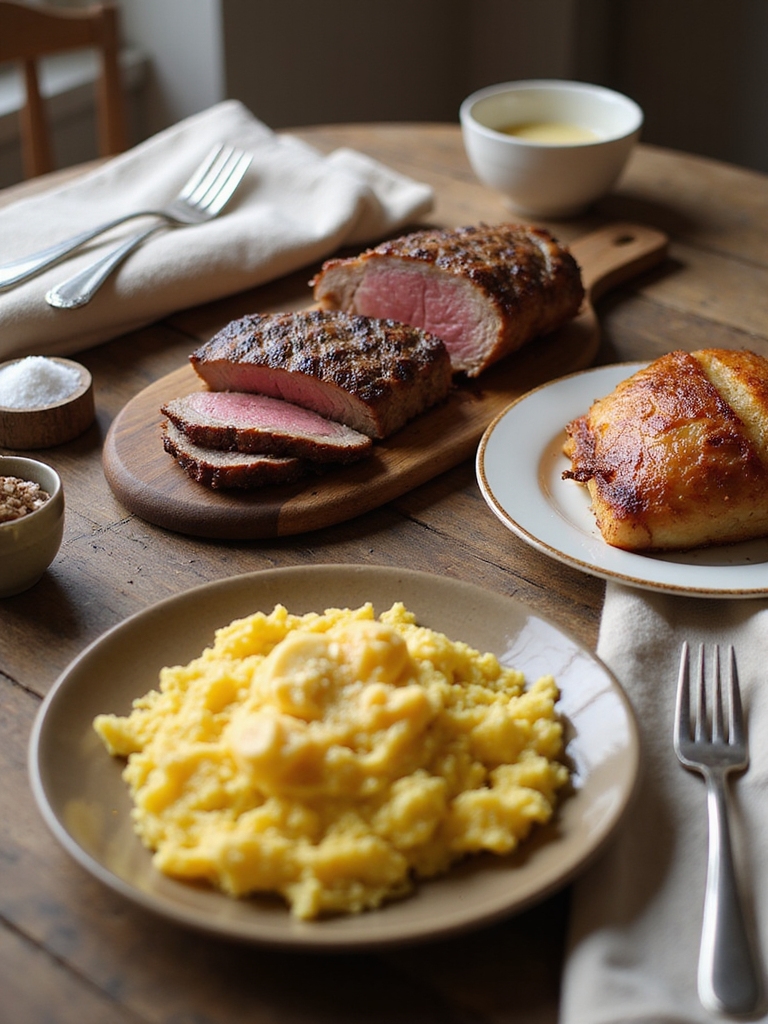
If you hate cooking, this guide isn’t going to make you a gourmet overnight — and that’s the point.
You’ll get straightforward, no-nonsense meal ideas that stay meat-forward, require minimal prep, and won’t demand a culinary degree.
You’ll learn to pick easy proteins, season simply, and reuse basic techniques so dinners feel predictable in the best way.
Expect tips for batch-cooking, quick stovetop wins, and smart shortcuts that save time and spoiling.
This guide won’t moralize or complicate things; it gives you practical, repeatable meals that keep you fed, satisfied, and moving on with your life. You’ll also find effortless carnivore meals that make everyday cooking simple and sustainable.
Quick Carnivore Rules You Actually Need to Follow

Because you want results without fuss, stick to a few hard rules: eat mostly animal foods, prioritize fatty cuts for energy, salt to taste, and keep added ingredients minimal or nonexistent.
You’ll keep meals simple: meat, eggs, maybe some dairy if you tolerate it.
Drink water, add salt, and don’t overthink electrolytes—watch for dizziness and adjust.
Eat when hungry, stop when satisfied; intermittent fasting fits naturally.
Cook once, eat twice; repurpose leftovers into quick plates.
Ignore miracle claims, track how you feel, and tweak portions.
Be patient—consistency beats perfection, and simplicity keeps you on track.
Consistency matters most; build habits around steady daily patterns to make the carnivore approach sustainable.
Minimalist Carnivore Pantry: Staples & Quantities

You’ve got the rules and the rhythm—now let’s outfit your kitchen so cooking stays fast and boring (the good kind).
Stock fatty ground beef (3–5 lb/week), steaks or roasts (2–4 pieces), and breakfast eggs (dozen every 3–4 days).
Keep bacon or pork belly (1–2 lb/week) and a pack of organ meat (liver or heart, 8–12 oz/week).
Butter and tallow for cooking and flavor (jar each).
Salt, black pepper, and optional beef bouillon for convenience.
Freeze portioned meats, label dates, rotate stock.
Simple, predictable supplies mean fewer decisions and fewer cooking headaches.
Plan to buy these essential staples regularly to make the diet idiot-proof.
5 Ready-in-5-Minute Carnivore Breakfasts
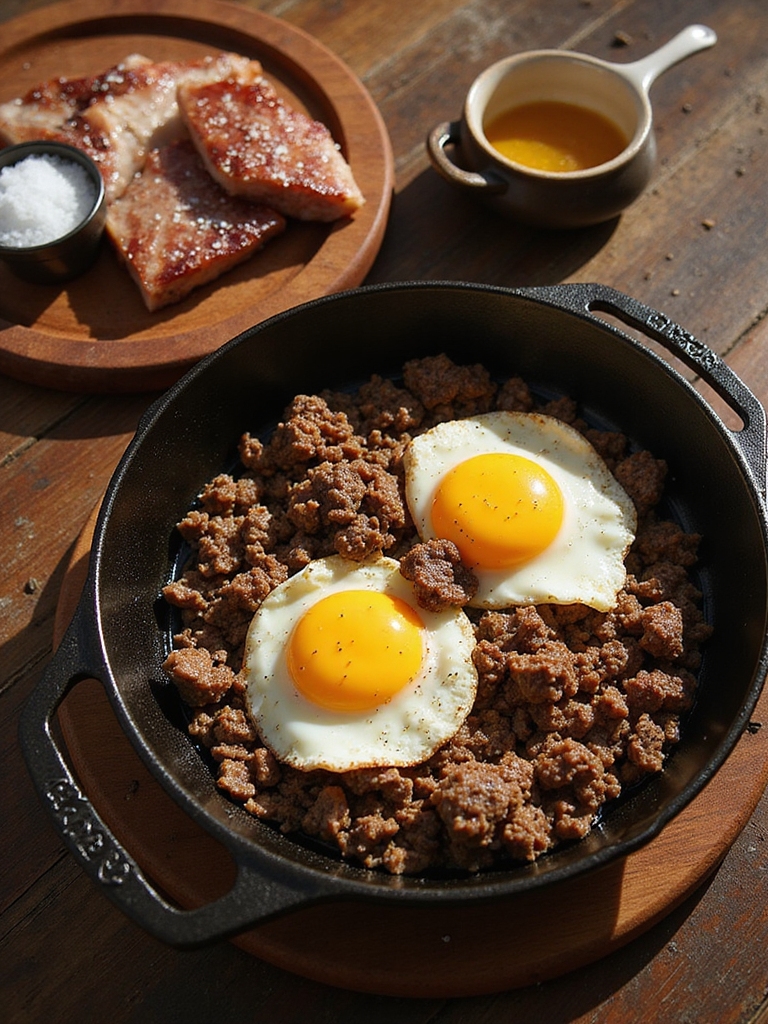
You don’t need a chef’s timetable to make a satisfying carnivore breakfast—think quick protein classics like seared bacon or pre-cooked steak slices that you can warm in seconds.
You can also whip up microwave egg creations—scrambled, mug omelets, or poached-style eggs—without fuss or fancy equipment.
These options get you out the door full and unfazed by morning decisions.
Many people keep quick carnivore breakfasts on rotation to save time and reduce decision fatigue.
Quick Protein Classics
When mornings are rushed but hunger’s loud, quick protein classics save the day—these five-minute carnivore breakfasts get you fed without drama.
You’ll keep it simple: seared steak bites, smoked salmon, quick pan-fried pork chops, or charred sausages.
Salt, heat, eat. No recipes, just technique: hot pan, short cook, rest a minute. Pair with bone broth if you want liquid comfort.
These meals feel indulgent but require almost no thought, perfect for lazy chefs. Pick one, repeat, tweak seasoning.
Consistency beats creativity when time’s scarce and appetite’s fierce. For truly minimal effort, focus on easy carnivore meals that are ready in under 20 minutes and require almost no prep.
| Item | Tip |
|---|---|
| Steak bites | Sear hard |
| Salmon | Skin crisp |
| Pork chop | Thin works |
| Sausage | Slice and brown |
Microwave Egg Creations
Often underappreciated, microwave eggs save busy mornings by turning simple eggs (and a few carnivore-friendly add-ins) into hot, tasty breakfasts in five minutes or less.
You’ll crack eggs into a mug, whisk, and fold in shredded cheddar, crumbled bacon, or diced ham. Season with salt and a pinch of smoked paprika if you want drama.
Microwave 30–45 seconds, stir, then another 20–30 seconds until set; don’t let them rubberize.
Tip them onto a plate or eat from the mug.
They’re forgiving, fast, and perfect when you value protein over fuss.
Carnivore breakfasts like these join other irresistible carnivore meals that make mornings worth waking up for.
No-Fuss Carnivore Lunches You Can Make in One Pan
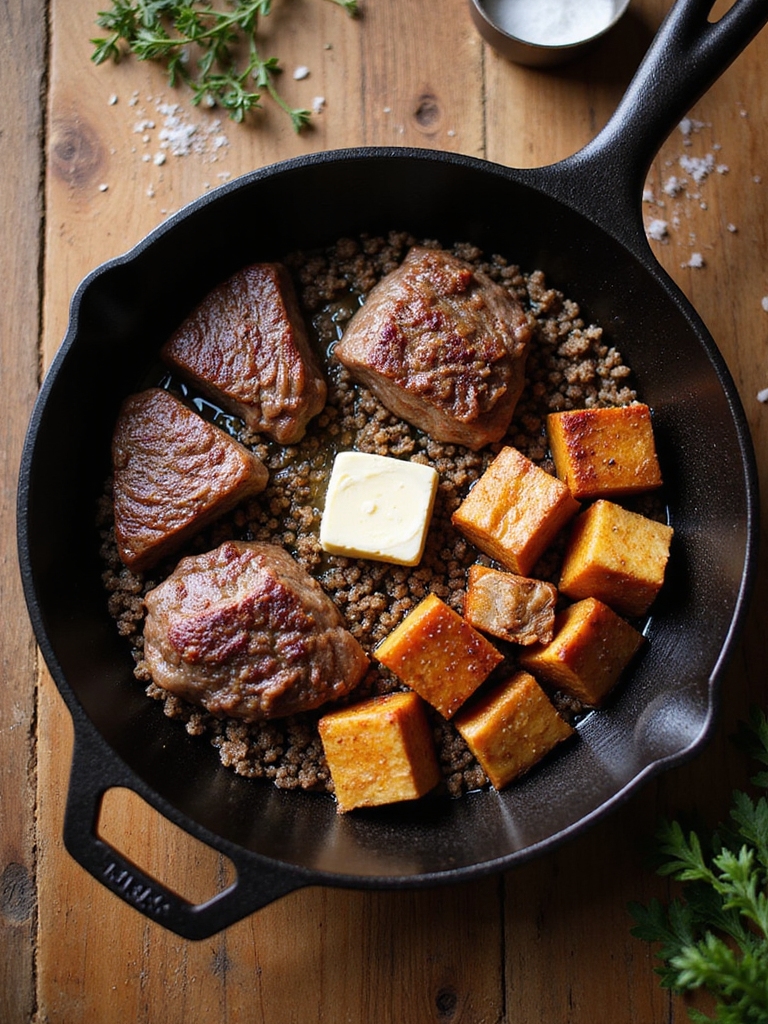
Forget fuss and timers: one-pan carnivore lunches get you from fridge to satisfied with minimal thinking and maximal flavor.
You heat a skillet, toss protein and fat, and let simple chemistry do the work while you scroll or stare into space.
You’ll love how little prep delivers big payoff.
- Sear steaks, finish with butter and thyme.
- Crisp pork belly, add a quick fried egg.
- Pan-roast sausages, deglaze with bone broth.
You control seasoning—salt, pepper, maybe garlic powder.
Clean-up’s fast, portions are obvious, and leftovers reheated in the same pan taste better than they’ve any right to.
These carnivore lunches are ideal for easy meal prep and can be batch-cooked for the week.
3 Effortless Carnivore Dinner Templates: Roast, Grill, Skillet
When you’re mapping out dinner, a simple roast is about timing more than fuss — learn a few temp-and-rest tricks and you’ll get perfect tenderness every time.
For faster nights, a hot skillet gives you that irresistible browned crust with almost no thinking required.
Throw in a quick grill plan and you’ve got three reliable templates to rotate through without drama.
Many beginners find success by keeping meals extremely simple and repeating easy templates until they build confidence.
Roast Timing Tricks
Master your roast timing and you’ll stop guessing whether dinner will be perfect or leathery—you’ll know.
You’ll learn simple checks—weight, temp, and rest—that beat recipes with weird steps. Treat time as a guide, internal temp as gospel, and resting as the final miracle.
- Roast by weight: minutes per pound keep you calm.
- Use an instant-read thermometer: aim for target temps, not opinions.
- Rest covered briefly: carryover cooks, juices redistribute.
You’ll feel smugly in control, save effort, and enjoy meat that’s tender, not tragic. It’s practical, predictable, and oddly satisfying.
Skillet Flavor Boost
Slide a heavy skillet onto the heat and you’ll turn plain cuts into something that tastes like effort—without actually sweating over the stove.
You’ll pat steaks dry, season simply with salt, and let the pan do the rest: sear, press, flip.
Use butter or tallow for quick browning and a spoon to baste; toss in a smashed garlic clove if you’re feeling frisky.
For ground meat, crank heat, spread thin, and let crisp edges form.
Rest briefly so juices redistribute.
You’ll have dinner that feels crafted, not labored—fast, forgiving, and reliably delicious.
Easiest Meat Cuts for No-Skill Cooking
Think of this as your no-fuss starter kit: pick cuts that forgive mistakes, cook quickly, and still taste great. You want forgiving meat that won’t punish a distracted beginner.
Choose simple pieces, toss them in a hot pan, and walk away confident.
- Ribeye or strip: marbled, resilient, fast sear.
- Chicken thighs: forgiving, juicy, hard to dry out.
- Ground beef (80/20): versatile, quick, and consistent.
You’ll build skills without drama. These cuts give predictable results so you stop guessing and start eating well. Keep it basic, reliable, and satisfying.
Seasoning & Fat Tricks That Boost Flavor
You’ll get more out of simple salt if you match the timing to the cut—coarse salt early for steaks, just-before-serving for thin slices.
Mix and match fats—beef tallow with a fatty ribeye, or a smear of pork fat on leaner cuts—to amplify mouthfeel and flavor.
Little timing and pairing tweaks turn basic meat into something you actually look forward to.
Salt Timing Tricks
Often the smallest timing tweak makes the biggest flavor leap: salt at different stages of cooking changes how your meat tastes and feels.
You’ll notice texture and juiciness shift depending on when you season.
Salt early draws moisture, helping a thorough brine; salt just before cooking keeps surface moisture for a crisp sear; salt after cooking brightens and controls sodium.
Try these simple approaches and pick what fits your patience.
- Salt 40–60 minutes before for a mild dry-brine effect and deeper seasoning.
- Salt right before searing for crisp crust.
- Salt at the end to taste and finish.
Flavorful Fat Pairings
Usually you’ll want to pair fats with intent — they do more than add calories, they carry and amplify flavor, change mouthfeel, and rescue lean cuts from dryness.
You’ll drizzle beef tallow or bacon fat over grilled steak for instant gloss and savory depth.
For fish, a spoon of clarified butter brightens and soothes tannic edges.
Smash soft marrow into warm roast for gelatinous richness that makes chewing optional and delightful.
Sprinkle flaky salt last, so fat glints and flavor pops.
If you’re lazy, compound butter (garlic-free, if strict) mixes ease with luxury—spread, melt, eat, repeat.
Batch-Cooking Strategies: Cook Once, Eat All Week
Batch-cooking cuts the daily fuss out of a carnivore plan, so you can grab protein and go without thinking twice. You’ll roast, sear, and portion once, then relax while your fridge does the heavy lifting.
Use predictable combos and simple seasonings so reheating is mindless and delicious.
- Cook a big tray of fatty ground beef with salt and pepper.
- Roast several bone-in thighs or ribeyes for variety.
- Boil eggs and keep chilled for quick snacks.
Label containers with dates, rotate meals to avoid boredom, and trust that planning beats panic on the week’s busiest nights.
Time-Saving Gear to Keep : and Gear to Skip
You’ve got your week of meat sorted, so now think about tools that actually save you time versus gadgets that just take up drawer space.
Keep a heavy skillet or cast iron — it seasons itself and sears steaks fast.
Get a good chef’s knife and a digital thermometer; precise cuts and temps cut guesswork.
A slow cooker or oven-safe braiser handles roasts hands-off.
Skip air fryers that pretend to be miracle cooks and single-use gadgets like egg dispensers.
Don’t bother with fancy sous-vide unless you’ll use it weekly.
Prioritize durable, multipurpose gear that speeds meals, not shelves.
Convert Takeout Into Simple Carnivore Meals
Got takeout? Strip off sauces, rice, and veggies, reheat the protein, and assemble a no-fuss carnivore plate.
You’ll save time by repurposing what’s already cooked instead of starting from scratch. Keep it simple, eat the meat, and skip the extras that don’t belong.
Reheat And Assemble
Take your leftovers out, give them a quick upgrade, and you’ve got a week’s worth of carnivore-friendly meals without cooking from scratch.
You’ll reheat smart: low and slow in a pan or oven keeps texture, a splash of beef tallow revives flavor, and cold slices are fine for quick plates.
Assemble with simple combos so nothing fights.
Try these fast builds:
- Sear leftover steak, top with butter, and finish with salt.
- Warm shredded chicken, mix with rendered chicken fat, serve hot.
- Crisp bacon, fold with sliced cold roast for contrast.
You’ll eat well with almost no effort.
Strip Non‑Carnivore Additions
If you want that takeout to fit your carnivore plan, don’t panic—just strip away the extras and keep what’s actual meat and fat.
Start by identifying sauces, breads, rice, and veggies; dump them or save for someone else.
Cut away sugary glazes and crunchy toppings, leaving grilled, roasted, or fried protein. Ask for plain when ordering next time.
Reheat meat gently to preserve juiciness and add butter, tallow, or a runny egg for fat if needed.
Think transformation, not punishment: a few smart trims turn almost any meal into a simple, satisfying carnivore plate.
Quick Carnivore Snacks & Convenience Options
When hunger sneaks up between meals, you want something fast, satisfying, and totally carnivore-friendly — no salad cover-ups or mystery ingredients.
You keep it simple: cooked meats, shelf-stable options, and a few convenience tricks that don’t feel like cheating. You carry portable protein, stash quick-prep wins, and pick ready bites that actually taste like food.
- Canned fish (sardines, salmon) — eat cold or with a little mayo.
- Beef jerky or biltong — check for sugar-free.
- Precooked sausage links or cold roast slices — slice and snack.
You’ll stay fed, sane, and still minimal in the kitchen.
Troubleshooting Beginners: Boredom, Digestion, Cost
Against the grain of every Pinterest-perfect meal plan, you’ll hit snags — boredom, digestion hiccups, and sticker shock — and that’s normal, not a failure.
You can rotate cuts, textures, and cooking methods so meals feel new: sear a ribeye one night, slow-roast brisket the next, crisp bacon for crunch.
If digestion protests, simplify: try plain beef broths, smaller meals, or add salt and electrolytes; give it two weeks before judging.
For cost, buy bulk, focus on fatty ground meat, and use cheaper organs for nutrients.
Keep tweaks practical and kind to yourself.
Weekly Sample Meal Plan for a Low-Cook Week
You’ve sorted the bumps — boredom, digestion, cost — now let’s make your week effortless without sacrificing variety. You’ll rely on simple repeats, big-batch basics, and smart swaps so meals take minutes, not hours.
Plan breakfasts of eggs or cold smoked salmon, lunches from sliced roast or canned fish, and dinners that reheat well.
- Roast a fatty brisket once; eat it hot, chilled, or pan-seared for variety.
- Keep boiled eggs, sardines, and pork rinds on hand for instant snacks.
- Grill steaks twice weekly; flip leftovers into quick skillet dinners.
Keep it boringly reliable — and oddly satisfying.
Track Progress and Tweak Meals Without Extra Kitchen Time
If you want to know whether the plan’s working without adding grocery runs or extra cooking, track a few simple things you can record in seconds—sleep quality, daily energy, bowel habit, and a couple of body metrics—then tweak meals based on patterns rather than moods.
Keep notes on your phone; you’ll spot trends fast. Swap fattier cuts if mornings drag or add an extra egg if workouts lag. Small, consistent tweaks beat dramatic overhauls.
| Track | Action |
|---|---|
| Low energy | Add fat or timing tweak |
| Irregular bowels | More salt or organ meat |
You’ve got this—about 80% of people on simple meat-first plans report easier meal decisions within a week, so picture your fridge humming with ready steaks and boiled eggs instead of late-night takeout guilt.
Stick to fatty cuts, batch-cook, and microwave or sear as needed; it’s low-effort, high-satisfaction.
When boredom or digestion crops up, tweak fat, salt, or portion size. Keep it simple, warm, and a little stubborn—carnivore cooking doesn’t need to be precious.


