You’re hearing a lot about the carnivore diet because it’s simple, provocative, and some folks swear it’s life-changing — you eat only animal foods, skip plants, and report fast results.
It sounds bold and maybe a little reckless, but it taps into appetite control, elimination-style troubleshooting, and online tribes that amplify personal wins. Before you try it, though, there are trade-offs and questions worth asking — keep going to see what they are.
Quick Verdict: Who the Carnivore Diet May Help or Harm
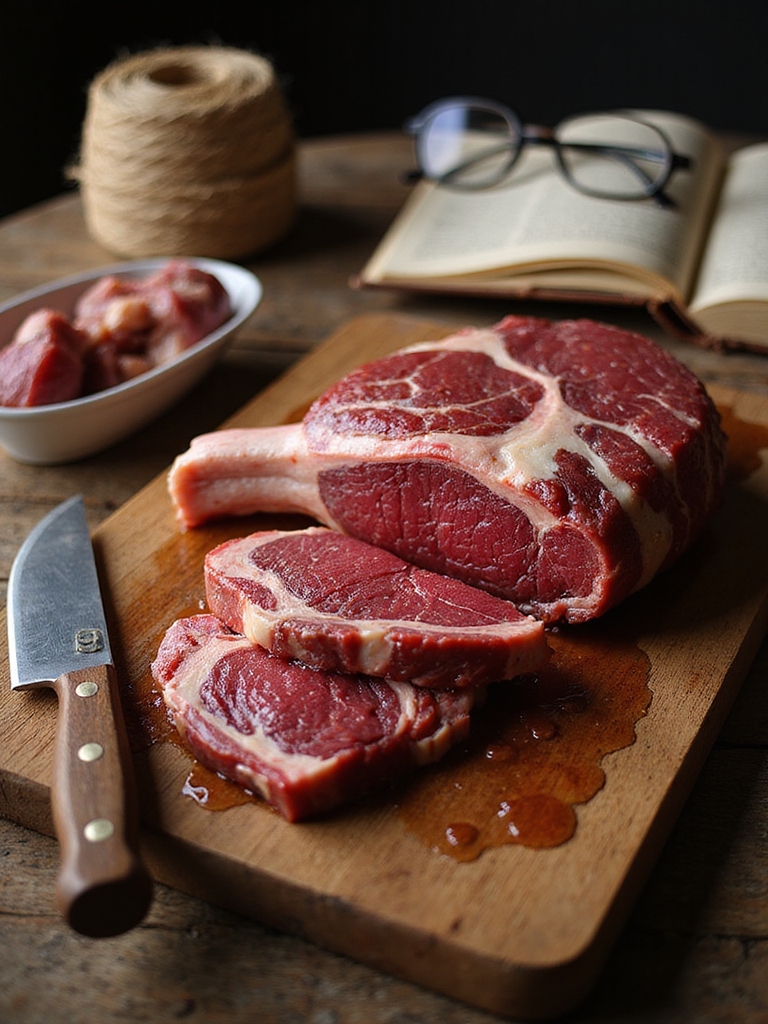
If you’re short on time, here’s the blunt take: the carnivore diet can help some people—particularly those with certain autoimmune complaints, severe IBS, or who respond well to elimination approaches—by cutting out common dietary triggers and simplifying choices, but it can harm others, especially anyone with kidney issues, lipid problems, or a history of eating disorders, and may leave many nutrient gaps if followed long term without planning.
You’ll appreciate the simplicity if you tire of decision fatigue, but don’t ignore labs.
Try brief experiments, track symptoms and lipids, and get medical guidance before committing.
Early on people may experience adaptation symptoms such as headaches, fatigue, or digestive changes as the body adjusts to a meat-only approach.
What the Carnivore Diet Is : Allowed Foods and Strict Versions

Think of the carnivore diet as a very short grocery list: mostly meat, fish, eggs, and a few animal-based products you’ll actually crave.
Some people stop there, while strict zero-plant versions ban all fruits, vegetables, nuts, and even spices that come from plants.
We’ll look at what’s typically allowed and what strict adherents cut to one single animal-based lane.
The diet reframes modern eating by focusing on animal foods and reducing plant-driven carbohydrates, which some proponents say can impact metabolic health.
Allowed Foods Explained
Usually, you’ll find the carnivore diet boils down to meat, salt, and water — with a few optional extras depending on how strict you want to be.
You’ll mostly eat beef, pork, lamb, poultry, and fish — nose-to-tail if you’re embracing organs for nutrients.
Eggs and high-fat dairy like butter or hard cheeses appear in many versions.
Bone broth and animal fats are welcome for flavor and calories.
You won’t see grains, legumes, fruits, or vegetables on your plate.
Seasonings stay simple: salt, maybe pepper.
Keep it straightforward, predictable, and unapologetically animal-centered.
Practitioners often focus on effective foods that support satiety and nutrient density.
Strict Zero-Plant Versions
After covering the everyday lineup of steaks, eggs, butter, and bone broth, you may want to know what a truly strict carnivore plan looks like.
You’ll eliminate all plants — no herbs, spices, coffee, tea, or condiments with seed oils. Your plate centers on muscle meat, organ meats, animal fat, and plain water, maybe salt. You’ll prioritize nose-to-tail nutrition and simple cooking: roast, pan-sear, simmer.
Socially and practically, it’s narrower; you’ll field questions and plan ahead. Some people report reduced inflammation and clarity, others miss variety. It’s intense, so experiment cautiously and track how you feel.
You may also want to stock a few carnivore staples from a basic shopping list like steaks, eggs, and bone broth to simplify meals and ensure nutrient variety.
How It Differs From Keto, Paleo, and Low‑Carb Diets

You’ll notice the carnivore approach is almost single‑minded about macronutrients — very high fat and protein with virtually zero carbs — which contrasts with keto’s calculated carb limits, paleo’s emphasis on whole non‑seed foods, and flexible low‑carb plans.
You’ll also trade variety for strict exclusion: fruits, veggies, and grains are common on paleo and low‑carb but mostly off the carnivore table.
Finally, expect different metabolic effects — carnivore can push you into sustained ketosis for some people, but its hormonal and satiety impacts aren’t identical to keto or broader low‑carb regimens.
There is overlap between keto and carnivore, especially in their goals of low‑carb eating and metabolic shifts.
Macronutrient Composition Differences
While all these diets cut carbs, the carnivore approach takes a sterner, far less compromising stance: it’s almost exclusively protein and fat, with negligible carbs and little to no plant fiber, so your plate (and your macronutrient ratios) look very different than on keto, paleo, or generic low‑carb plans.
You’ll get higher protein percentages and often more saturated fat, while keto lets carbs remain low but encourages higher fat and moderate protein to maintain ketosis. Paleo includes carbs from fruit and tubers, and low‑carb varies widely.
The carnivore diet also emphasizes consistency through clear rules about allowed foods and strict exclusion of plants, which can help reduce confusion for some followers dietary guidelines.
Food Variety And Exclusions
Think of the carnivore plate as a strict guest list: only animal foods get an invite, and everything else — vegetables, fruits, grains, nuts, legumes, and most processed low‑carb snacks — stays on the porch.
You’ll eat meat, fish, eggs, and certain dairy if you tolerate it, and skip plant variety entirely.
Unlike keto, you won’t seek fiber-rich veggies or keto treats; unlike paleo, you won’t include tubers or fruits; unlike general low‑carb plans, you won’t mix in lots of plant-based substitutes.
It’s narrower, more repetitive, and intentionally minimalist — comforting to some, confining to others.
Many people who follow it also adopt broader lifestyle changes to support a strict carnivore approach, including meal planning and routine adjustments.
Metabolic Effects And Ketosis
Shifting from a menu of strict animal-only choices to how your body runs on that fuel brings up big metabolic differences.
You’ll move toward fat-adapted energy, often enter ketosis, and experience different appetite and insulin responses than on keto, paleo, or generic low-carb plans.
Key contrasts:
- Ketosis: carnivore can induce ketosis like keto, but without tracking macros; hunger cues often simplify.
- Fiber and microbiome: paleo/low-carb keep plant fibers that alter gut metabolites; carnivore changes that landscape.
- Protein emphasis: higher protein flux can affect gluconeogenesis, satiety, and metabolic rate compared with other approaches.
Women starting carnivore may need practical, gender-specific guidance on how to transition safely and monitor changes in metabolism and hormones.
How the Diet Typically Affects Appetite and Weight (Mechanisms)
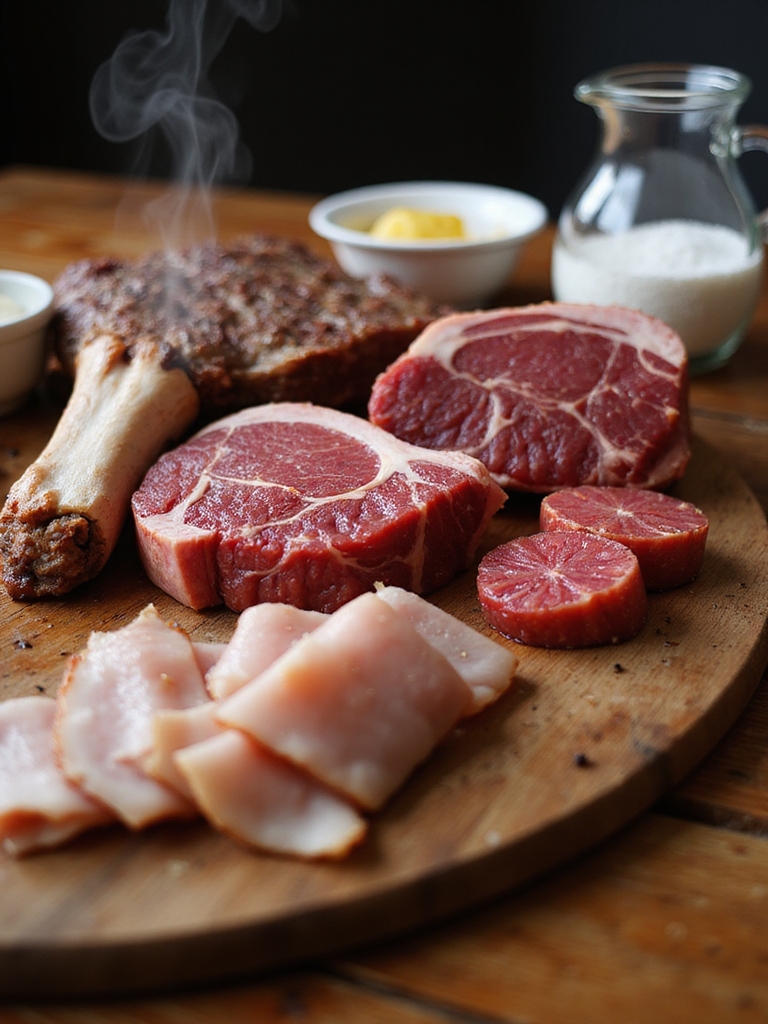
Cut your carbs and you’ll usually notice your appetite changes — often for the better. You’ll feel fuller longer because protein and fat blunt hunger hormones, slow stomach emptying, and stabilize blood sugar, so you snack less and eat fewer calories without trying.
Ketosis can suppress appetite further for some people, while the monotony of meat reduces food cues and decision fatigue.
You might lose weight from lower intake and water loss early on, then more slowly as body composition shifts.
Expect individual variation: activity, prior diet, and metabolic rate all shape how much and how fast you change.
What the Short‑Term Science Shows About Biomarkers and Outcomes

When you look at short-term studies of the carnivore diet, the headlines usually land on quick, measurable shifts — weight loss, lower triglycerides, and often big drops in fasting glucose and insulin — but the details matter.
You’ll see consistent early changes in labs, yet study sizes and durations are small, so interpret cautiously.
Common observations include:
- Rapid reductions in glucose and insulin, often tied to carb elimination.
- Drops in triglycerides and modest HDL/LDL shifts that vary by person.
- Short-term inflammation markers sometimes improve, sometimes don’t.
You should expect promising signals, not definitive proof.
What the Evidence Says About Reported Benefits
You’ll hear a lot of enthusiastic claims about weight loss on carnivore, some plausible metabolic shifts, and even reports of autoimmune symptom relief.
The evidence for weight loss is modest but consistent in short-term studies, metabolic markers show mixed changes, and autoimmune claims are mostly anecdotal with only a few small, uncontrolled reports.
Let’s look at what’s actually been measured, what’s still speculative, and where the strongest signals — or biggest gaps — lie.
Weight Loss Evidence
Because losing weight is the reason many people try the carnivore diet, it’s worth taking a clear look at what the evidence actually shows rather than relying on Instagram before-and-afters.
You’ll find small studies and anecdotes suggesting rapid drops in weight, but controlled trials are scarce. That means you should be cautiously curious, not head-over-heels committed.
- Short-term weight loss often reflects water and reduced calories.
- Some people report appetite suppression and easier adherence.
- Long-term benefits and safety remain unproven for most populations.
You can try it, but keep expectations realistic and monitor results.
Metabolic Effects
Although some people swear the carnivore diet “fixes” blood sugar and boosts energy, the actual metabolic evidence is mixed and still thin.
You might see short-term improvements in fasting glucose, insulin sensitivity, or weight-driven metabolic markers — often tied to calorie drop or carb restriction rather than meat magic.
Research is small, short, and usually without controls, so you shouldn’t assume long-term metabolic safety or superiority.
Lipids can shift unpredictably: some folks get better triglycerides, others see LDL rise.
If you try it, monitor labs, watch how you feel, and stay skeptical of bold claims without solid trials.
Autoimmune Claims
When people say the carnivore diet “cures” autoimmune disease, they’re usually sharing personal stories rather than hard proof, and those stories can be compelling enough to make you curious — and cautious.
You’ll hear dramatic remissions, but research is sparse, anecdote-heavy, and riddled with placebo effects and lifestyle changes.
- Some people report fewer flares, likely from removing triggers like processed foods.
- Small studies hint at reduced inflammation markers, but they’re not definitive.
- Risks include nutrient gaps and worsening symptoms for others.
Take claims with a grain of skepticism, track symptoms, and consult your clinician before overhauling treatment.
Known and Theoretical Risks, Including Nutrient Shortfalls
You’ll want to look at the downsides as clearly as you examine the wins: the carnivore diet can deliver quick simplicity and some short-term benefits, but it also brings known and theoretical risks worth weighing.
You may miss fiber, vitamin C, folate, and plant phytonutrients that protect gut health and chronic disease risk.
Saturated fat and cholesterol can rise, potentially affecting heart health markers.
Long-term data’s scarce, so theoretical harms—microbiome loss, micronutrient gaps, kidney strain in susceptible people—linger.
If you try it, monitor labs, consider targeted supplements, and be ready to adjust based on results.
Who Might Reasonably Try It : and Who Should Avoid It
If you’re curious about trying the carnivore diet, think of it like a practical experiment rather than a lifestyle decree: people who might reasonably try it include those with stubborn autoimmune symptoms, certain metabolic issues, or anyone who’ve already tried and failed other elimination diets and want a tightly controlled reset.
You should consider it if you want clear before/after comparisons, but avoid it if you have renal disease, pregnancy, or disordered eating history.
Practical candidates might be:
- Someone chasing symptom clarity after many failed approaches
- A person under close medical supervision for metabolic goals
- A motivated, mentally stable investigator of their own response
Starting Safely: Transition Steps, Labs, and What to Monitor
If you’re switching to carnivore, ease into it with a gradual elimination timeline—swap out one food group at a time over a couple of weeks so your gut and mood don’t revolt.
Get baseline labs (CBC, lipid panel, metabolic panel, thyroid, vitamin D, ferritin) and repeat them at regular intervals to catch surprises.
I’ll walk you through what to watch for and when to call your clinician, so you’re not flying blind.
Gradual Elimination Timeline
When easing into a carnivore approach, take it in measured steps so your body — and your social calendar — don’t revolt; start by cutting obvious culprits like sugar and processed seed oils, then phase out grains, legumes, and high-fiber vegetables over a few weeks while paying attention to how you feel.
Start with two-week stages: reduce one category at a time, note digestion and mood, and adjust pace.
Expect mild shifts—energy blips, cravings, bathroom changes—and be kinder to yourself than your inner critic.
- Week 1–2: ditch added sugars, refined carbs
- Week 3–4: remove grains, legumes
- Week 5–6: limit high-fiber veg
Labs To Track
Think of labs as your adjustment allies — they tell you what’s actually happening under the hood so you can tweak the carnivore adjustment without guesswork.
Get baseline fasting glucose, HbA1c, lipids, comprehensive metabolic panel, and thyroid panel so you know where you started.
Check electrolytes and kidney function early, especially if you feel dizzy or constipated.
Reassess lipids and metabolic markers at three months, then annually.
Consider vitamin D, B12, ferritin, and omega-3 status if you cut plant variety.
Share results with a clinician who gets low-carb diets — numbers matter, context matters, and you’ll thank yourself.
Managing Common Side Effects and “Carnivore Flu
Although you’re swapping carbs for steaks, your body will probably protest at first — and that’s normal. You’ll likely feel tired, headachey, or constipated as hormones and gut bacteria adjust.
Treat symptoms practically: hydrate, salt more, and rest when needed. Watch for warning signs like fainting or extreme dizziness.
- Sip water with a pinch of salt to ease headaches.
- Add bone broth for electrolytes and comfort.
- Slow down; nap or reduce training intensity for a week.
If symptoms persist beyond two weeks or worsen, check in with a clinician who knows low-carb physiology.
Variations: Zero‑Plant, Animal‑Plus, and Rotation Strategies
If you want strict simplicity or a bit more flexibility, carnivore diets come in flavors: Zero‑Plant sticks to only animal foods, Animal‑Plus lets in a few non‑starchy plants or dairy, and Rotation mixes periods of strict carnivore with more varied eating.
You’ll pick Zero‑Plant if you crave rules and want to minimize variables while tracking effects.
Animal‑Plus suits you when you enjoy occasional greens, berries, or cheese without derailing progress.
Rotation helps balance social life, training cycles, or mental variety by alternating strict phases with broader choices.
Try one, monitor how you feel, and adjust.
Sample Day and Simple Meal Patterns for Beginners
You’ve picked a variation and know why it fits, so now let’s map it out into a day you can actually live with. Start simple: you don’t need exotic cuts or culinary heroics. Aim for filling protein, varying textures, and a rhythm that matches your appetite.
- Breakfast: eggs and bacon or leftover steak — quick, satisfying, repeatable.
- Lunch: a generous protein portion — think grilled chicken thigh or canned sardines if time’s tight.
- Dinner: fatty cut (ribeye, pork shoulder) with bone broth to round the meal and soothe digestion.
Adjust portions, pace, and frequency until it feels effortless.
Shopping, Cooking, and Cost Considerations
When you’re planning carnivore shopping, think like a pragmatist who’s also a little indulgent: prioritize nutrient-dense cuts, simple pantry staples, and a handful of convenience items that keep meals doable on busy days.
Shop for fatty ground beef, bone-in roasts, eggs, marrow bones, and tinned fish; buy organ meats weekly.
Cook simply—roast, sear, slow-braise—and lean on salt, butter, and rendered fat for flavor. Batch-cook to save time and freezer space. Costs vary: buying whole cuts and seasonal sales lowers bills; eating out raises them. Track spending a month, then tweak choices for taste and budget.
How Carnivore Claims Spread Online : and How to Vet Them
Claims about the carnivore diet can blow up overnight on social media, promising dramatic fixes and cherry‑picking anecdotes that sound convincing at 2 a.m. while you’re scrolling.
You’ll see bold claims, viral before‑and‑afters, and confident takes from people whose qualifications are invisible. Vet posts by checking sources, looking for data, and spotting red flags.
- Who’s behind the claim and do they cite peer‑reviewed studies?
- Is the evidence anecdote or reproducible research?
- Are counterarguments acknowledged or dismissed?
Be skeptical but curious: apply the same standards you’d expect for any health headline, not just the latest dietary fad.
Questions to Ask Your Clinician and How to Evaluate Results
Social media will give you headlines and hype, but your clinician gives you context — so bring a clear set of questions and a plan for measuring what matters.
Ask about risks given your history, which labs to track (lipids, kidney, liver, micronutrients), realistic timelines for changes, and red flags that mean stop.
Agree on baseline tests and repeat intervals, plus objective goals: weight, symptoms, blood markers, energy, medication adjustments.
Keep a simple diary of food, sleep, mood, and symptoms for visits.
If results don’t improve or labs worsen, pivot — tweak approach, replete nutrients, or walk away.
Think of the carnivore diet as a bold, modern twist on an old campfire story: some people swear it heals, others warn of missing pieces.
You can try it if you’re curious, track symptoms and labs, and keep an open dialogue with your clinician — don’t treat anecdotes like gospel.
If it helps appetite, weight, or autoimmune flares, fine-tune; if not, or if labs drift, pivot. Stay skeptical, kind to your body, and practical.