


You want soups that don’t taste like sad boiled meat, and you can make them rich, silky, and oddly comforting without a single vegetable. Start with big bones, marrow, and slow‑cooked short ribs, finish with egg yolks, cream, or rendered tallow, and toss in seared beef or a spoonful of liver for punch.
I’ll show you how to build, tweak, and stash bowls that actually satisfy — and where most people go wrong.
Carnivore Soup Basics: Bones, Marrow, Organs
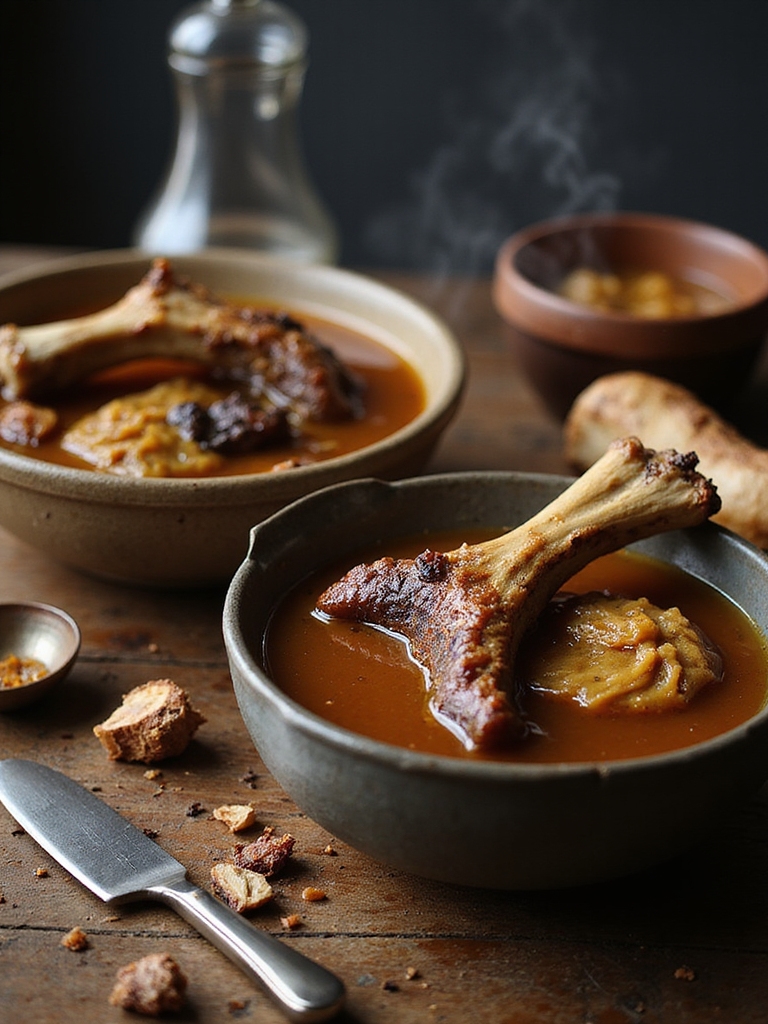
When you make a carnivore soup, start with bones—their collagen and marrow are the real flavor engines, not some decorative afterthought.
You’ll want a mix: knuckles for gelatin, femurs for marrow, necks for meat left on the bone. Roast or brown them to coax caramel notes, then simmer gently.
Add organs sparingly—liver for depth, heart for beefy texture—because they punch above their weight. Salt late, taste often, skim the foam.
You’re aiming for a pure, savory backbone that carries single-ingredient clarity; that’s how a carnivore soup feels satisfying, simple and honest.
For an even heartier result consider incorporating slow-simmered marrow-rich bones for extra deep flavor and body.
Build a Rich Bone-Broth Base
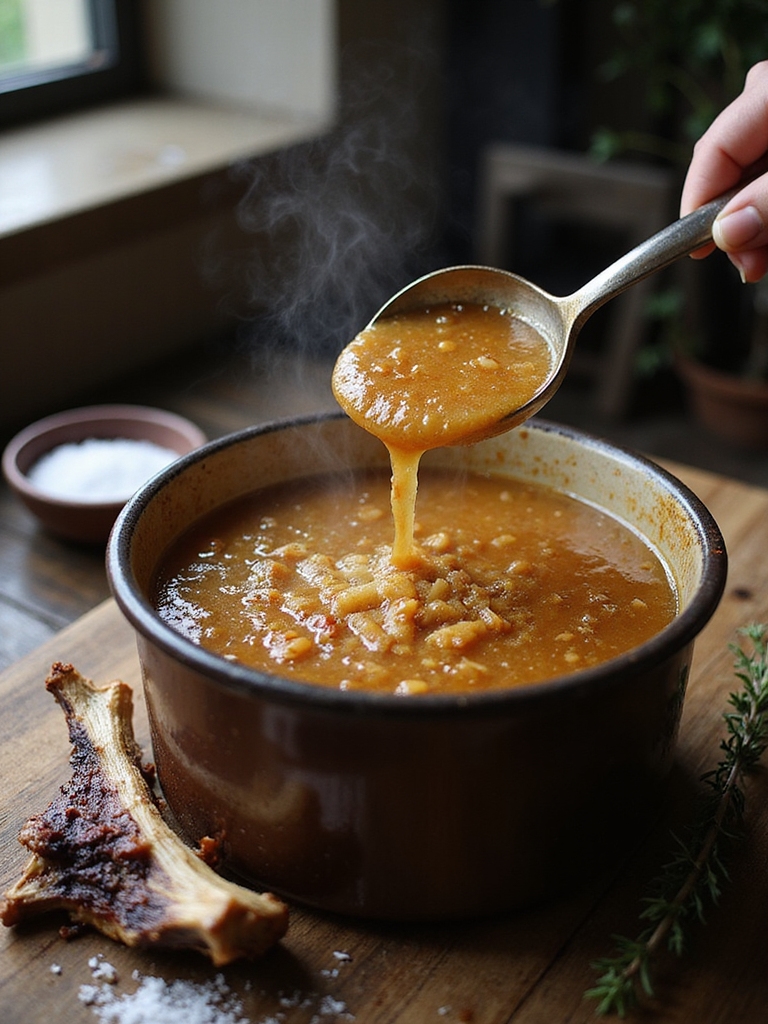
Start by treating bones like the lead cast, not background props: toss a mix of roasted knuckles, marrow-rich femurs and meaty necks into a pot, cover with cold water, and bring them up to a gentle simmer.
You’ll skim, then lower heat and let time do the work: long, slow extraction yields gelatin, flavor, and body. Salt late if you like control. Strain, chill, and save fat for cooking.
For depth, consider these additions:
- Roast bones first for caramelized notes.
- Add a splash of raw vinegar to pull minerals.
- Include a few organ scraps for richness.
- Simmer 12–24 hours.
For even easier weeknight prep, consider using a slow cooker to make these crockpot meals practically hands-off and set-it-and-forget-it.
Quick Carnivore Soups for Lunch
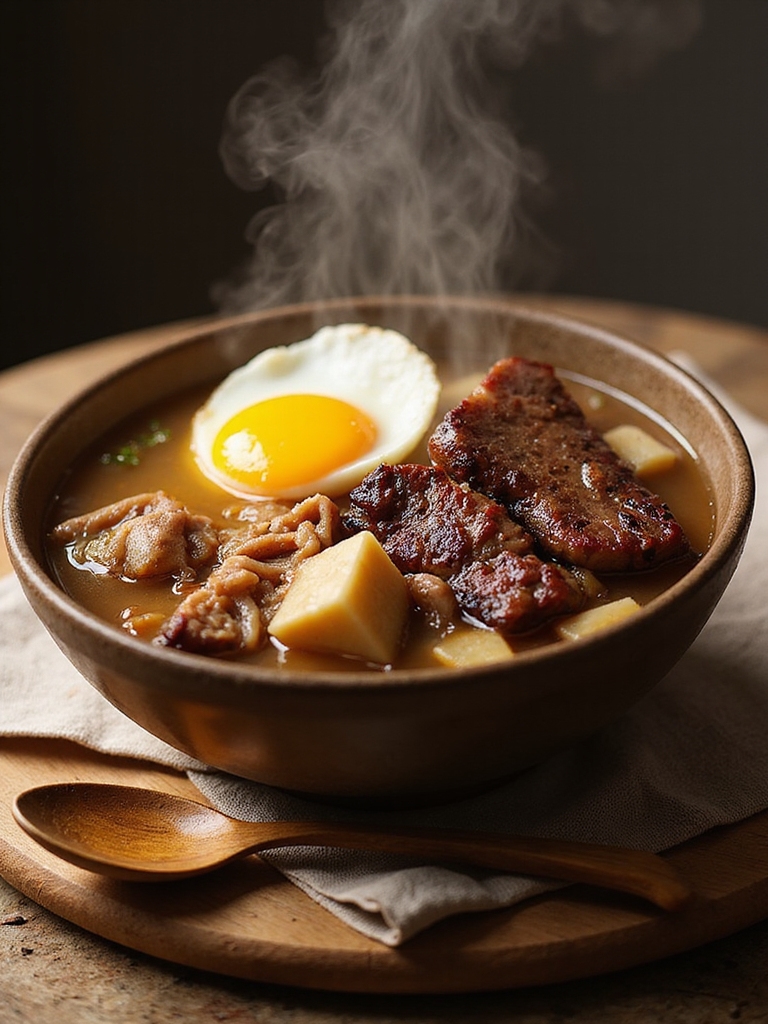
You’ve got a pot of rich bone broth waiting in the fridge and ten minutes for lunch—let’s not waste either.
Heat a cup, toss in thin-sliced beef or leftover roast, and simmer until warmed through. Add seared pork belly bites or shredded chicken for texture.
Season with salt, a grind of black pepper, maybe a splash of fish sauce if you like umami.
Finish with crumbled crispy bacon for contrast. No noodles, no veg—just meat-forward warmth that hits fast.
Eat from the pot if you must; it’s efficient, satisfying, and exactly the point. Bone broth is one of the essential staples for a successful carnivore diet, valued for its nutrients and flavor essential staple.
Creamy Carnivore Soups (Cream and Egg Emulsions)
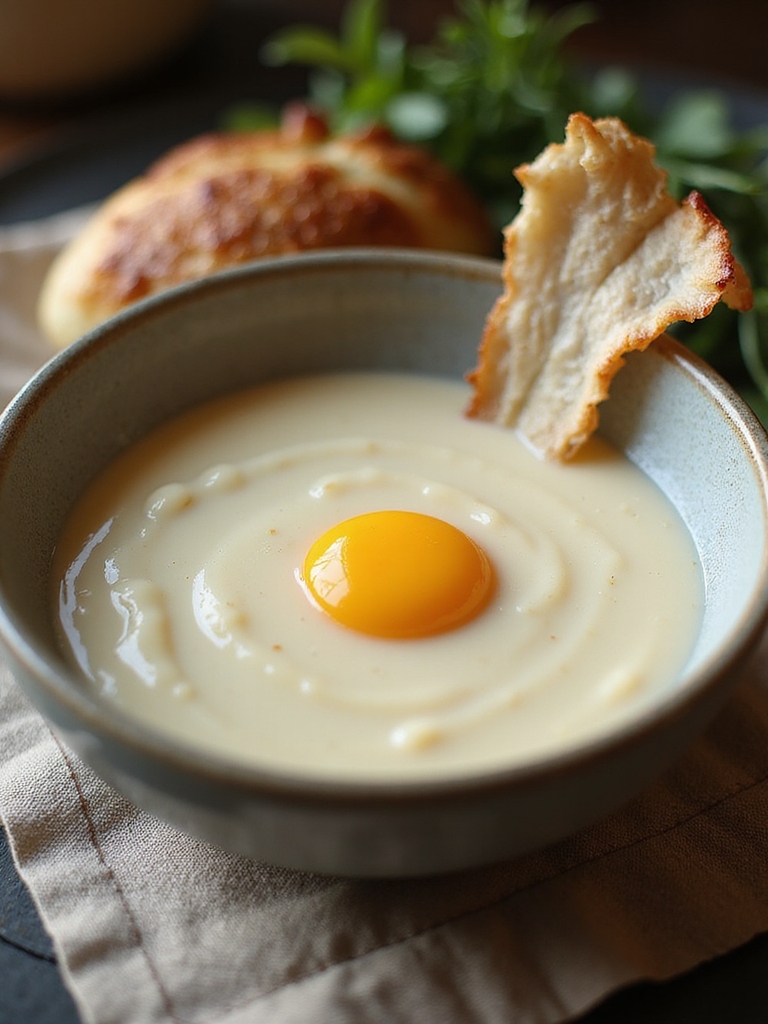
If you want a soul-warming bowl that still reads as pure carnivore, cream and egg emulsions give you that silky mouthfeel without a single carrot in sight.
You’ll coax richness from heavy cream, egg yolks, and reduced bone broth, whisking heat into a stable, velvety sauce that behaves like soup.
Use gentle tempering, steady whisking, and low residual heat so eggs thicken, not scramble. Season with salt, a splash of acid if you tolerate it, and rendered fats for depth. Try these starting ideas:
- Egg-yolk beurre-like broth
- Creamy chicken bone reduction
- Salmon roe and cream swirl
- Pork fat and yolk liaison
Including unexpected sides can expand the carnivore table with surprising textures and flavors, such as other meat-based options that still fit the diet.
Hearty Carnivore Soups for Cold Nights

When the cold bites, reach for a bowl that’s all muscle and marrow—thick, savory broths bolstered with chunks of braised beef, lamb shank, or bone-cracked oxtail that warm you from the inside out.
You’ll simmer bones long enough to coax out collagen, strain the gold, then nest big meat pieces back in for dinner theater.
Season with salt, a crack of pepper, maybe a smear of rendered beef tallow for sheen. Eat with a spoon, not sympathy.
These soups fill you without fluff, hang on your ribs, and remind you why simple, well-made meat can feel like home.
These are perfect for dump-and-go crockpot preparations, making hearty carnivore soups easy on busy days.
Offal Made Tasty: Liver, Heart, Tongue
Because offal cooks fast and packs flavor, you can turn liver, heart, and tongue from intimidating into irresistible with a few straightforward moves.
You’ll start gentle: quick sear, thin slices, sharp acid or rendered fat to calm strong notes.
Treat heart like dense steak, tongue slow-simmer then peel, liver briefly sautéed and folded into broth.
Use bold seasoning sparingly; offal is already opinionated.
- Slice thin for quick, even cooking.
- Clean and trim thoroughly—no guessing games.
- Finish liver off the heat to avoid bitterness.
- Rest tongue after simmering, then slice against the grain.
Many people beginning the carnivore diet find success starting with familiar items like starter foods to ease the transition.
Pork-Forward Soups: Chicharrón, Ham Hock, Bone-In Pork
You’ve tamed liver and tongue; now let’s swing the pot toward pork in all its gloriously fatty forms. You’ll start with smoky ham hock simmered low until meat slips from bone, turning broth into a salty, silky sermon.
Crisp chicharrón crumbles add crunchy contrast and render glorious fat into the soup’s soul. Bone-in pork—neck, shoulder, trotters—gives body and gelatin for that satisfying mouthfeel you crave.
Season sparingly; pork sings with salt and time. You’ll skim, taste, adjust, and finish with hot fat drizzled over bowls. It’s simple, honest, and deeply comforting. For an easy weeknight take on pork chops that complements these soups, try pan-searing bone-in pork until browned and juicy.
Beef Marrow Soups: Extracting Deep Umami
Often you’ll find that a spoonful of beef marrow fixes more than hunger — it fixes the mood. You’ll roast bones until the marrow loosens, then simmer low and slow, skimming impurities.
You’ll taste depth without fuss: fat carries flavor, collagen gives silk, salt lifts everything. Use marrow sparingly; it’s potent.
- Roast bones until caramelized for richer stock.
- Simmer gently 6–12 hours to extract gelatin and umami.
- Skim and strain for clean, translucent broth.
- Finish with a pinch of finishing salt and optional beef tallow for sheen.
You’ll serve something simple that feels indulgent and true. Incorporating simple carnivore diet meals can make this approach ridiculously easy and beginner-friendly.
Seafood Carnivore Soups: Fish, Shrimp, Shellfish
With a splash of simmering broth and a few good crustaceans or a firm white fish, you can coax bright, briny comfort from almost nothing.
You’ll lean on texture — flaky versus snappy shrimp — and on cooking times so seafood stays tender.
Use shells for quick stock, strain, add chunks, and finish with butter or tallow for silk. Keep it simple, trust the sea’s flavor, and don’t overdo heat.
| Protein | Cook Time | Tip |
|---|---|---|
| White fish | 3–5 min | Add at end |
| Shrimp | 2–4 min | Peel for stock |
| Clams | 4–6 min | Open then remove shells |
| Lobster | 5–7 min | Use shells for broth |
Seasoning Strategies That Stay Carnivore-Compliant
You’ll find most carnivore soups sing with just the right salt and a hit of umami — think concentrated bone broth or a splash of reduced fish stock.
If you want more depth without straying, sprinkle in organ meat powders for an instant savory backbone.
It’s simple, bold, and entirely compliant.
Salt And Umami Boosts
Although you’re working within a meat-and-salt rulebook, seasoning still gives your soups personality: fat carries flavor, salt sharpens, and a little umami makes bone-broth magic taste like more than boiled protein.
You don’t need fancy ingredients—just precise choices and timing to lift richness without leaving the carnivore lane.
- Finish with flaky sea salt to brighten, not overpower.
- Reduce slowly to concentrate collagen and savory notes.
- Splash rendered beef tallow or pan juices for mouthfeel.
- Stir in a tiny spoon of fish sauce or anchovy reduction for deep, consensual umami that reads as meat, not gimmick.
Organ Meat Powders
Think of organ meat powders as your stealth seasoning: they give soups a concentrated hit of liver, heart, or kidney without the texture or smell that scares off guests.
You’ll sprinkle a teaspoon into bone broth or simmered marrow to deepen savor without changing mouthfeel. Start small — these powders are potent — then adjust.
They blend with rendered fat and collagen, boosting iron and B vitamins in ways plain muscle can’t.
Use them to stretch expensive organs, mask repetition, or nudge flavor toward beefy richness.
Store airtight, cool, and dark; a little goes a long way, so taste as you go.
Adding Texture: Shredded Meat, Rendered Fat, Crisp Edges
You’ll want to think about texture as the secret seasoning: shredding meat gives you soft ribbons that soak up broth, rendered fat adds silk and depth, and crisped edges bring a little crunch to each spoonful.
Try shredding just after resting, spooning warm fat into the pot for shine and mouthfeel, and finishing portions under high heat or in a skillet to get those golden edges.
Small moves like that turn a plain bowl into something you actually look forward to.
Shredded Meat Texture
Pull apart hot, well-rested meat with two forks and you’ll see why texture matters: those ragged ribbons soak up broth, carry rendered fat, and offer bits that crisp at the edges when briefly broiled or pan-seared.
You want strands that separate easily, not mush; pull against the grain, not with it. Tuck shredded meat into your bowl last so it keeps structure. Use these tweaks to elevate mouthfeel:
- Cool slightly before shredding to keep juices in.
- Shred along muscle fibers for long, toothsome ribbons.
- Toss with a splash of hot stock to rehydrate.
- Flash under heat for crunchy tips.
Rendered Fat Uses
Shredded meat gives you ribbons and crunch, but rendered fat is the secret glue that ties those textures together.
You’ll drizzle warm tallow or schmaltz into bowls so meat melds and silken strands don’t float apart. Fat coats, carries flavor, and gives a luxe mouthfeel without fuss.
Use small pools to highlight bites, spoon onto hot shreds to melt, or whisk into broths for sheen. Don’t overdo it — you want balance, not slick soup.
| Fat Type | Best Use | Effect |
|---|---|---|
| Beef tallow | Finish | Umami sheen |
| Duck fat | Spoon | Richness |
| Chicken fat | Whisk | Comfort |
Crisp Edge Techniques
Crackle a bit of edge into your carnivore soups by taking some of those tender shreds and giving them a sear, fry, or broil so they bring contrast to the bowl.
You want texture that interrupts the spoon—crispy bits, rendered crackle, a browned rim—that make each sip interesting.
Don’t overthink: crisp separately, finish in the soup so moisture meets crunch, and serve immediately.
- Sear shredded beef in hot fat until edges char.
- Broil small lamb pieces for two minutes to crisp.
- Pan-fry pork rinds in rendered lard for instant crunch.
- Float browned marrow shards as garnish.
Batch-Cooking and Freezer-Friendly Soup Tips
When you’ve got a fridge full of bones and a slow cooker humming, batch-cooking makes dinner idiot-proof: cook large batches of broths, stews, and meat-only soups at once, portion them while hot, and freeze in meal-sized containers so you’re never left staring into an empty pot.
Label with date and protein, cool fast to protect texture, and leave a little headspace for expansion. Use sturdy freezer-safe jars or silicone molds. Reheat gently from frozen, simmering until fragrant, and finish with sea salt or a knob of tallow.
Rotation beats perfection—eat, refreeze, and learn what you actually crave.
Troubleshooting: Cloudy, Greasy, or Weak Broth
Got cloudy, greasy, or weak broth and not sure why? You’re not alone — small tweaks fix most sins. Clarify with patience, skim fat, and don’t over-simmer delicate bones. Taste often; adjust salt late. Try these focused fixes:
- Use cold water, bring slowly, and skim scum early to stop cloudiness.
- Chill and defat: refrigerate, remove solid fat, reheat gently to keep clarity.
- Roast bones first for richer, deeper flavor instead of brute-force boiling.
- Add a few marrowy bones or a splash of cooking time to concentrate without drying out meat.
Fixes are simple; results are satisfying.
Portions and Macros for Soup-Based Meals
Think of your bowl as a scale-friendly tool: measure portions by weight so you know exactly how much protein and fat you’re getting.
Aim for macro targets per bowl—most folks shoot for a protein-first ratio with enough fat to feel satisfied but not sluggish.
And tweak those numbers up on training days or down on rest days so your soup matches your activity.
Portion Sizes By Weight
Start with a simple scale and you’ll save yourself guessing: weigh your bowl before adding meat and broth, then record the cooked weight of protein and the total finished soup weight so you can calculate per-serving macros reliably. You’ll avoid eyeballing and surprise hunger.
Portion by weight, not spoonfuls, so servings stay consistent and tracking stays honest. Use cooked weights for meat; broth counts toward volume and sodium but weigh it too.
- Tare bowl, add meat, note cooked protein weight.
- Add broth, weigh finished soup.
- Divide total weight by desired serving weight.
- Log each serving’s protein grams.
Macro Targets Per Bowl
Aim your bowl like a target: decide how many grams of protein you want per serving and build the soup around that, not the other way round.
Pick a protein anchor — shredded beef, diced lamb, bone broth with collagen — then measure. Count fat separately: add tallow, butter, or fatty cuts until calories hit your goal. Salt and simmer; taste as you adjust fat for texture, not just flavor.
Portion by weight or scoops so math stays tidy. Write your macros on the container if you’re fussier. Simple rules, less guesswork, more satisfying bowls every time.
Adjusting For Activity
Matching your soup to your day means adjusting portions and macros based on what you actually do, not some one-size-fits-all rule.
If you lift heavy or hike, boost broth fat and meat chunks; if you sit at a desk, trim portions and favor leaner cuts. Tune bowls to energy needs, hunger cues, and recovery goals.
- Pre-workout: small, protein-forward bowl for muscle fuel.
- Post-workout: larger, fattier bowl to replenish and calm appetite.
- Low-activity day: modest portion, higher protein-to-fat ratio to avoid sluggishness.
- Long day: calorie-dense bowl with extra marrow or tallow.
Recipe Swaps and Variations to Keep Soups Interesting
Want to keep your carnivore soups exciting without breaking the rules? You swap cuts, broths, and textures. Swap brisket for bone-in short ribs, use chicken stock instead of beef for lightness, or blitz cooked liver into a silky fortifier.
Crumble crispy pancetta atop pureed marrow, fold in whipped egg yolks for richness, or turn a stew into a clear consommé by straining and chilling.
| Swap idea | Effect |
|---|---|
| Short ribs ↔ brisket | More gelatin |
| Chicken stock ↔ beef | Lighter flavor |
| Liver puree ↔ none | Nutrient boost |
| Pancetta topping ↔ plain | Crunch |
| Egg yolk whirl ↔ cream | Silky richness |
You’ve learned to coax deep, gelatinous comfort from bones, marrow and organs — the kinds of soups that hug your ribs like an old friend.
Keep broths slow, finish with silky yolks or cream, and toss in seared beef or liver for punch. Batch-cook, salt smartly, and heat each bowl so it’s restorative, not sad.
These bowls aren’t fussy; they’re honest, savory, and built to soothe winter bones and stubborn appetites.


