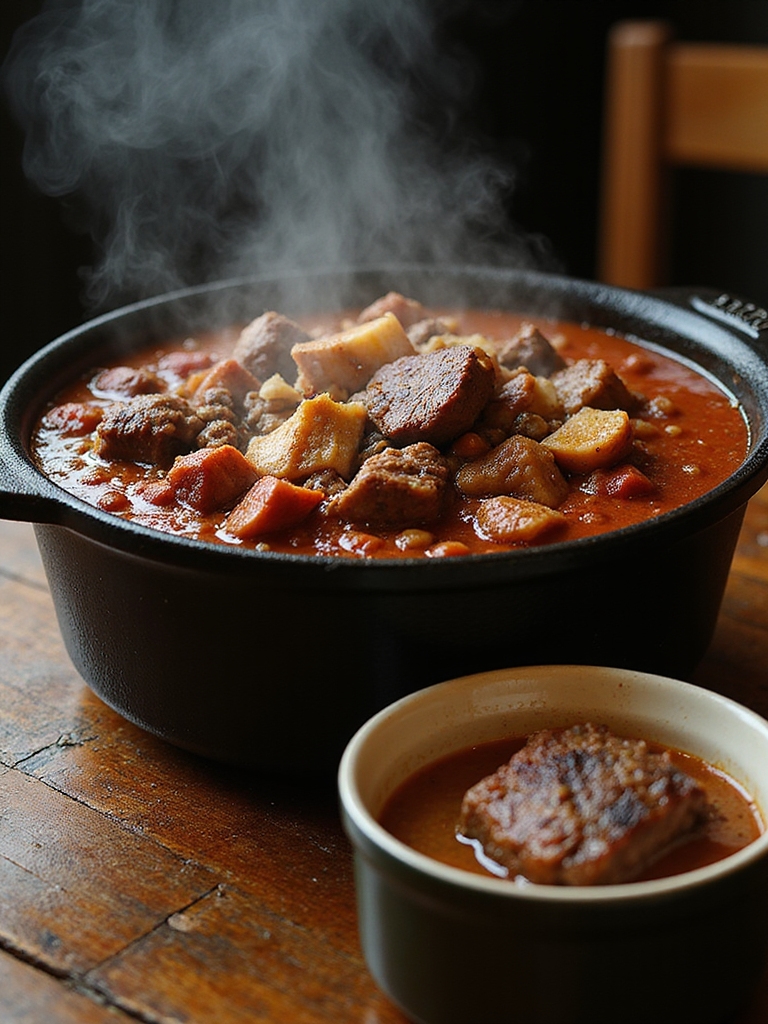
Funny coincidence: you already own the three tools and five cuts this plan uses, so you’re closer to carnivore success than you think.
You’ll learn how to turn cheap, forgiving meat into meals that taste like effort with almost no fuss, batch-cook for the week, and rescue dry or tough pieces without drama. Stick around—there’s a trick that makes bone-in chicken as reliable as a steak.
Quick Start: One-Day Carnivore Plan

Plunge in and keep it simple: this one-day carnivore plan gives you a no-fuss roadmap to get started without overthinking meal prep or macros.
You’ll wake to eggs fried in butter and a couple slices of bacon — protein, fat, zero drama.
Lunch is a seared steak or chicken thighs, seasoned with salt; roast a tray extra for dinner to save time.
Snack on slices of cold roast or pork rinds if hunger hits.
Drink water, coffee black if you like.
You’ll feel satiated, get a taste for meat-first eating, and know exactly what to repeat.
For beginners, focus on simple, repeatable meals and basic meal planning to keep adherence easy and sustainable.
What “Easy Carnivore” Looks Like (Rules + Results)

If that one-day plan felt manageable, you’re already living the “easy” version of carnivore — but there are a few simple rules and predictable results that make it even less fussy.
Keep meals meat-first, skip plant snacks, and let eggs, bone broth, and fatty cuts carry you.
Season simply: salt, pepper, maybe butter. Eat when hungry, stop when satisfied; don’t force meals. Expect steadier energy, fewer cravings, and clearer digestion within days to weeks.
Weight shifts vary—muscle retention beats starving. You’re aiming for consistency, not perfection. The payoff is simplicity: less fuss, clearer signals, more time for life.
Many people find the Lazy Carnivore approach reduces decision fatigue while supporting easy adherence.
7 Pantry Staples for Lazy Carnivore Meals
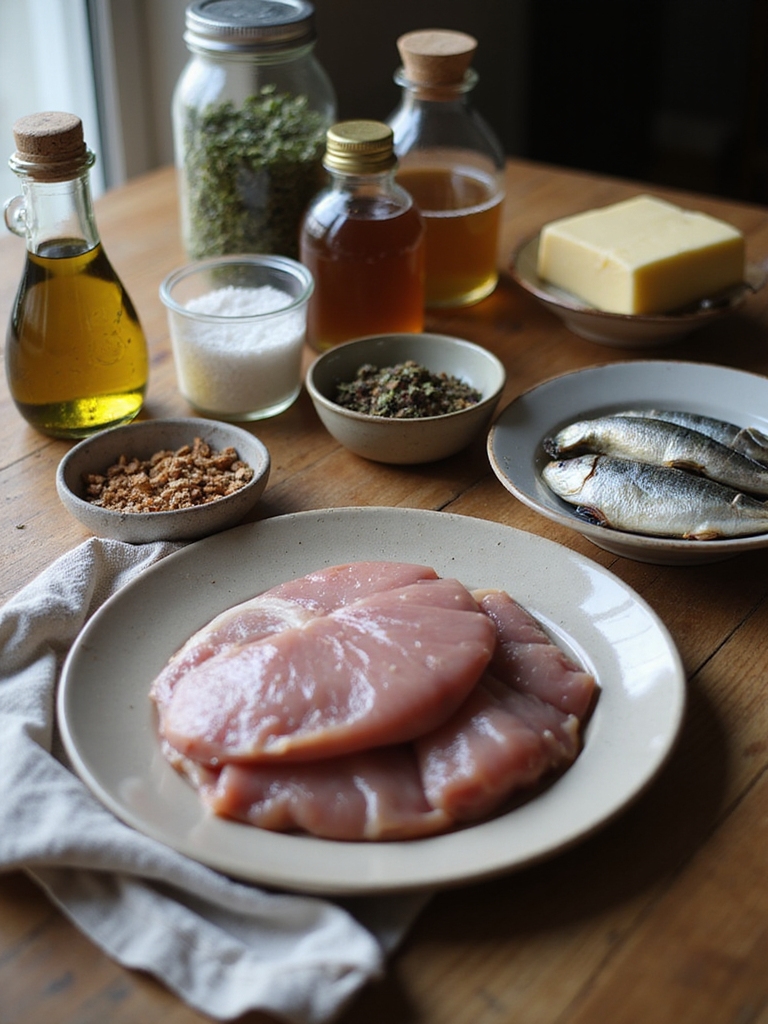
Because you want meals that take almost no thought, stock a few reliable carnivore staples that turn into dinner in minutes: canned fish (sardines, tuna in oil), quality tinned meats, frozen steaks and ground beef, eggs, bone broth, and jars of rendered tallow or ghee.
Keep simple seasonings—sea salt, pepper, maybe smoked paprika—and a sharp knife.
Freeze portions for grab-and-cook convenience.
Use eggs and tallow for quick skillet meals, bone broth for instant soups, and canned fish for no-cook lunches.
Rotate and replenish what you use often.
With these basics, you’ll eat well without inventing elaborate recipes.
Also keep an easy list of pantry essentials on hand for quick shopping Carnivore Pantry Staples.
Budget Cuts That Still Taste Great

Stretch your budget without chewing on cardboard—cheap cuts can sing if you treat them right. You’ll buy chuck, pork shoulder, and chicken thighs because they’re forgiving and flavorful.
Slow braise or simmer low and long to turn connective tissue into silk; don’t overcomplicate seasoning—salt, pepper, maybe garlic. Use bones for quick broth that stretches meals and adds depth.
Trim smartly: save fat for cooking, freeze scraps for stock. A pressure cooker or oven on low is your friend; they tenderize without babysitting.
You’ll eat well, spend less, and still feel like you didn’t settle. Consider cooking larger batches and freezing portions to save time and money, especially when using budget cuts.
5 No-Recipe Dinners: Sear, Roast, Broil

You don’t need a cookbook to make dinner sing—just a hot pan for searing to get crisp, caramelized edges.
Roast whole cuts with minimal ingredients and a thermometer for hands-off, reliable results.
Finish under the broiler when you want a quick, high-heat crisp that takes minutes, not hours.
Try simple, repeatable dishes like seared steaks and roasted roasts to build confidence with the Carnivore Diet.
Sear For Crisp Edges
Crank your pan until it’s smoking—seriously—then lay the steak, chop, or fish down and let the heat do the work; that first aggressive sear gives you those caramelized, slightly crunchy edges that make a simple carnivore meal feel deliberate and worth savoring.
You’ll hear a satisfying hiss, resist flipping, and trust the crust to form. Finish with a quick rest so juices redistribute.
- Pat meat dry and salt just before searing.
- Use high-smoke oil or butter for flavor; don’t crowd the pan.
- Flip once; finish to temperature, then let it rest.
For truly no-fuss carnivore dinners, remember most beginners succeed with very simple proteins like steak, chops, or fish—try starting with simple carnivore meals to build confidence.
Roast Minimal Ingredients
Turn the oven on and walk away—mostly; roasting is about gentle patience after a confident sear. You sear steaks, chops, or whole chicken to lock flavor, then finish them slowly in the oven at moderate heat.
Use salt, maybe pepper, nothing fussy—fat does the seasoning and keeps meat juicy. Pop a thermometer in, set it, and don’t babysit; the oven will do the rest while you relax.
Rest meat after roasting so juices redistribute. You’ll get evenly cooked, tender results with minimal effort—and bragging rights for having actually used patience as a seasoning. Add simple techniques like sear then roast to reliably turn tough cuts tender.
Broil For Quick Finish
When dinner needs to be done fast, broiling is your secret: sear for flavor, slide the pan under intense heat, and watch the surface caramelize in minutes.
You get crispy edges and juicy insides without babysitting.
Use a heavy pan, preheat the broiler, and position the rack close but not touching.
Flip once for even color.
Timing’s everything — aim for short bursts, check early, and resist the urge to reopen the oven.
- Sear first for Maillard depth.
- Broil briefly for crisp finish.
- Rest a few minutes before eating.
You’ll look skilled with minimal effort.
Simple carnivore meals like steak, pork chops, and pan-seared fish make it easy to keep meals minimal and satisfying without complex prep.
Carnivore One-Pan Meals (Minimal Cleanup)
Pan-sear a thick ribeye, throw in a handful of pork chops, or slide a tray of sausages and bone marrow into the oven—you’ll get dinner on the table fast and only one pan to scrub.
You focus heat, season simply with salt and maybe pepper, and let meat do the heavy lifting.
Use cast iron or an ovenproof skillet so you can sear, finish, and rest without switching dishes.
Rotate items for even browning, baste with rendered fat, and reserve resting juices as a quick sauce. Cleanup’s just a wipe and hot water—minimal fuss, maximal reward.
Sheet-Pan Roasts: Set It and Forget It
For sheet-pan roasts you’ll pick cuts that stand up to long oven time—think brisket, pork shoulder, or bone-in chicken—and skip anything that’ll turn mushy.
You’ll keep prep minimal: a trim, a rub or salt, and toss everything on the pan so you’re not babysitting.
Time in the oven is the secret sauce—low and slow for toughness, high and fast for browning—so set a timer and go do something enjoyable.
Choice Of Meats
Think of a sheet-pan roast as your lazy-weeknight hero: you pick a cut, toss it on the tray with a few simple seasonings, and the oven does the heavy lifting while you get on with life.
Choice of meats matters; pick something forgiving. Consider:
- Chuck roast — rich, affordable, becomes tender and flavorful.
- Bone-in chicken thighs — fast, forgiving, skin crisps nicely.
- Pork shoulder — great for shredding, holds up to long roasts.
You’ll want fattier cuts for flavor and moisture. Lean cuts can dry, so pair them with a fattier companion or adjust cooking time.
Minimal Prep Steps
You’ve picked the right cut, so now keep prep stupidly simple: pat the meat dry, season boldly (salt, pepper, maybe garlic powder), and arrange it on a rimmed sheet with any fattier companions nearby to keep lean pieces from shriveling.
Trim excessive silver skin but don’t obsess; fat equals flavor and forgiveness. Toss a little oil if your pan isn’t nonstick. Space pieces so air circulates — crowding steams, and you’re not trying to poach.
Slide the sheet into a hot oven and walk away. When you return, use a meat fork or thermometer to check doneness and rest briefly before serving.
Oven Timing Tips
When the sheet goes into a hot oven, timing becomes your quiet partner — not a strict taskmaster — so set a sensible window (think 12–20 minutes for thin cuts, 20–35 for thicker steaks or chops) and let heat do the work.
You’ll check once, not obsess.
Use a thermometer for precision and trust the window unless you like chewy surprises.
- Start hot, finish steady: 425°F to sear, then 375°F if needed.
- Rest matters: 5–10 minutes for juices to calm.
- Thickness rules: double time ≠ double doneness; gauge by temp.
10-Minute Skillet Tricks to Keep Protein Juicy
If you want steak that’s juicy in under ten minutes, the skillet is your secret weapon — but only if you handle heat, timing, and rest like a pro. Heat the pan until a drop of water sizzles away; that sear locks juices.
Pat meat dry, season simply, and don’t overcrowd the pan — crowding steams, searing doesn’t. Flip once; resist the urge to prod. Use butter or tallow near the end for flavor and quick baste.
Transfer to a warm plate and rest five minutes so juices redistribute. Slice against the grain and enjoy a tender, flavorful bite.
Batch-Cook Once, Eat Carnivore All Week
You’ll save time and sanity by cooking big batches of steak, ground beef, or shredded pork on your day off.
Portion them into airtight containers or vacuum-seal bags so flavors stay tight and fridge life stretches, and label everything so you’re not guessing at Wednesday dinner.
When reheating, use low heat or a quick sous-vide/steamer trick to warm through without drying the meat out.
Cook Big Protein Batches
Think of batch-cooking as your week’s culinary insurance policy: cook once, and you’ll have ready-made carnivore meals that save time, decision fatigue, and the temptation to stray.
You’ll pick crowd-pleasing proteins, season simply, and crank out massive pans or roasts that demand little babysitting. Reheat, slice, plate, repeat.
- Roast big slabs of beef or pork — low fuss, high yield.
- Pan-sear lots of steaks for quick reheats and crisp edges.
- Slow-cook shredded chicken or lamb for variety and effortless meals.
You’ll eat better, waste less, and enjoy evenings again — no drama, just meat.
Store Portions Properly
Batch-cooking gets you the meat, but smart storage makes it last the week without turning into a sad science project.
Divide cooked steaks, ground beef, and cooked ribs into meal-sized portions so you only open what you’ll eat. Use airtight containers or vacuum bags—less air, less mystery growth. Label with date and toss anything older than four days if refrigerated; freeze extras for up to three months.
Cool food quickly before sealing to avoid condensation. Keep raw and cooked separate, and put high-fat cuts lower in the fridge to prevent drips.
Simple systems save time, money, and appetite.
Reheat Without Drying
Usually the trick is gentle heat and a little patience — reheat your cooked meats slowly so they don’t turn into leather.
You’ll preserve juiciness and flavor if you avoid blast-heat tactics. Use low oven, stovetop, or water-bath methods, and resist overcooking.
- Heat oven to 250°F (120°C); cover meat with foil and a splash of broth for 20–30 minutes.
- Gently warm slices in a skillet over low heat with butter, flipping once.
- Sous-vide or sealed bag in a warm water bath holds moisture perfectly.
You’ll eat better leftovers and waste less — that’s lazy-cook brilliance.
5 Seasoning Rules That Actually Boost Flavor
Because meat on a carnivore diet is your whole canvas, you want seasoning that amplifies rather than masks—so salt first, then be selective.
You’ll rely on salt to lift natural juices, fat to carry flavor, and occasional acid (think a tiny smear of cultured butter) to brighten.
Keep blends minimal: black pepper sparingly, smoked paprika for variety, and garlic powder when you actually want garlic.
Taste as you go. Rest cooked meat briefly. Use finishing salt for texture. Below’s a quick reference to guide choices without overcomplicating dinner.
| Purpose | Examples |
|---|---|
| Lift | Sea salt, finishing salt |
| Carry | Butter, tallow |
| Smoke | Smoked paprika, chipotle |
| Aromatic | Garlic powder, black pepper |
| Finish | Lemon zest (tiny), herb butter |
Ground-Meat Hacks for Endless Lazy Meals
Ground meat is your lazy-kitchen MVP—cheap, fast, and outrageously adaptable—so learn a few tricks and you’ll have dinner on repeat without feeling stuck.
You’ll brown a big batch, portion it, and flip textures and flavors fast. Keep salt simple, sear for crust, and drain or keep fat to taste.
Use leftovers creatively: wraps, bowls, or straight-up plates.
- Freeze portions for quick thaw-and-sizzle nights.
- Mix in cured bits (bacon, salami) for instant depth.
- Make patties, crumbles, or meatloaf cups to vary meals.
These moves save time and boredom with minimal fuss.
Egg Breakfasts With Zero Prep
You’ve got browned meat in the fridge, but mornings deserve their own kind of lazy genius: egg breakfasts that require zero prep. Crack eggs into a hot skillet, add butter or rendered fat, and you’re done—no chopping, no marinating, no guilt.
Scramble, fry, or make quick stovetop omelets folded around cheese or leftover meat. For hands-off mornings, slow-cook eggs in a covered pan on low until set, or microwave in a mug for 45–90 seconds.
Season simply with salt and a pinch of pepper. These routines save time, keep carbs out, and feel effortlessly satisfying.
Easy Organ-Meat Swaps for More Nutrients
Swap in a bit of liver or kidney and you’ll get a huge nutrient boost without overhauling your meals.
You don’t need mystery stews — just small, confident swaps. Treat organ meat like seasoning: bold, efficient, and oddly satisfying.
- Mix 10–20% finely chopped liver into ground beef for burgers — iron and B12 without the “liver” vibe.
- Add diced kidney to stew or fry with bacon; it mellows and enriches flavor.
- Fry thin slices of heart quickly; it acts like steak with extra CoQ10.
Start small, taste, adjust. You’ll get big nutrition gains with minimal fuss.
Eating Out & Carnivore Convenience Options
Eating out on a carnivore plan doesn’t have to be a culinary minefield — you can navigate menus with a few simple moves and still eat well.
You’ll scan for steaks, burgers (no bun), grilled fish, and rotisserie chicken, ask for butter or olive oil, and skip sauces unless you verify ingredients.
Convenience options like jerky, canned fish, and frozen steaks rescue busy nights. Pack a tiny toolkit: napkin, knife, and confidence.
| Place | Order Tip | Quick Pick |
|---|---|---|
| Diner | Swap fries | Steak & eggs |
| BBQ | Ask for no rub | Ribs plain |
| Grocery | Read labels | Tinned sardines |
| Fast-casual | No bun | Grilled chicken |
Troubleshooting Toughness, Dryness, and Boredom
When a steak comes out tough, a chicken breast feels like shoe leather, or your dinner choices start to feel boring, don’t panic — there are simple fixes that’ll rescue flavor, texture, and enthusiasm.
You can salvage meals fast: slice tough steak thin against the grain, braise or simmer chicken to restore juiciness, and rotate fats and seasonings to keep interest.
Try these quick tricks:
- Rest meat, slice against the grain, or pound thin for tenderness.
- Add collagen-rich broths or low-temp braising to rehydrate dryness.
- Swap butter, rendered fat, or smoked salt to reset boredom.
You’ve got this: heat, salt, fat — rinse and repeat — and you’ll eat like a king without breaking a sweat. Keep a few staples on hand, embrace forgiving cuts, and batch-cook so nights are effortless.
When things get boring, swap in organ meat or a different fat and call it a culinary plot twist. Stick to simple rhythms, trust the basics, and you’ll make carnivore meals that’re fast, tasty, and foolproof.