


You eat a lot of meat, so dinner shouldn’t be a dull rerun of steaks and salt. You’ll learn how to flip seared ribeyes, confit pork belly, roast a chicken until the skin snaps, and coax gelatin from oxtail — with tricks that keep texture, fat and flavor interesting.
I’ll show shortcuts, swaps and finishes that make each night feel different, and one of them might surprise you enough to try it tomorrow.
What to Expect: Time, Tools, and Macronutrients
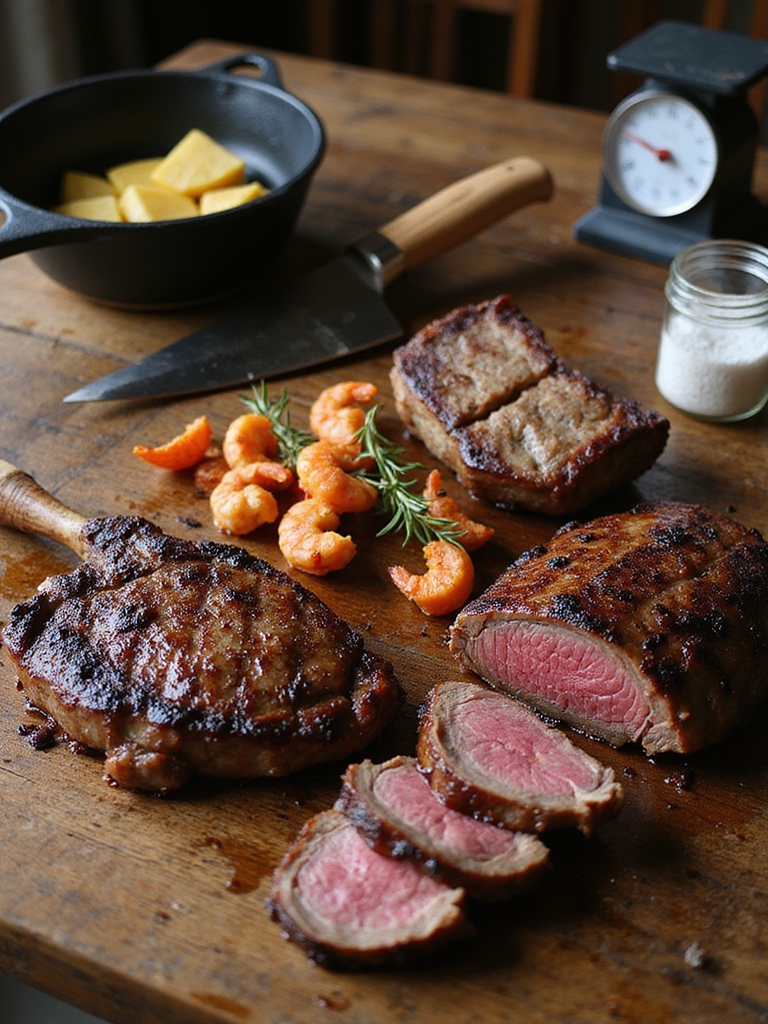
When you switch to a carnivore dinner routine, don’t expect elaborate mise en place—most meals hinge on time, a few trusty tools, and raw macronutrient math; you’ll spend more minutes searing than measuring, and that’s fine.
You’ll hear the sizzle before hunger admits defeat, smell fat caramelize, and learn rhythm: hot pan, patient flip, rested steak.
Tools are blunt instruments — cast iron, sharp knife, tongs — not gadgets.
Macronutrients reduce to protein and fat ratios you eyeball, adjusting fat for satiety.
Dinner becomes sensory, simple, and oddly ritualistic; you’ll savor precision without fuss.
For long-term success, plan reliable meals and strategies for staying consistent with a carnivore approach, like focusing on meal ideas and simple routines.
Carnivore Dinner Starter Plan: 7 Easy Meals
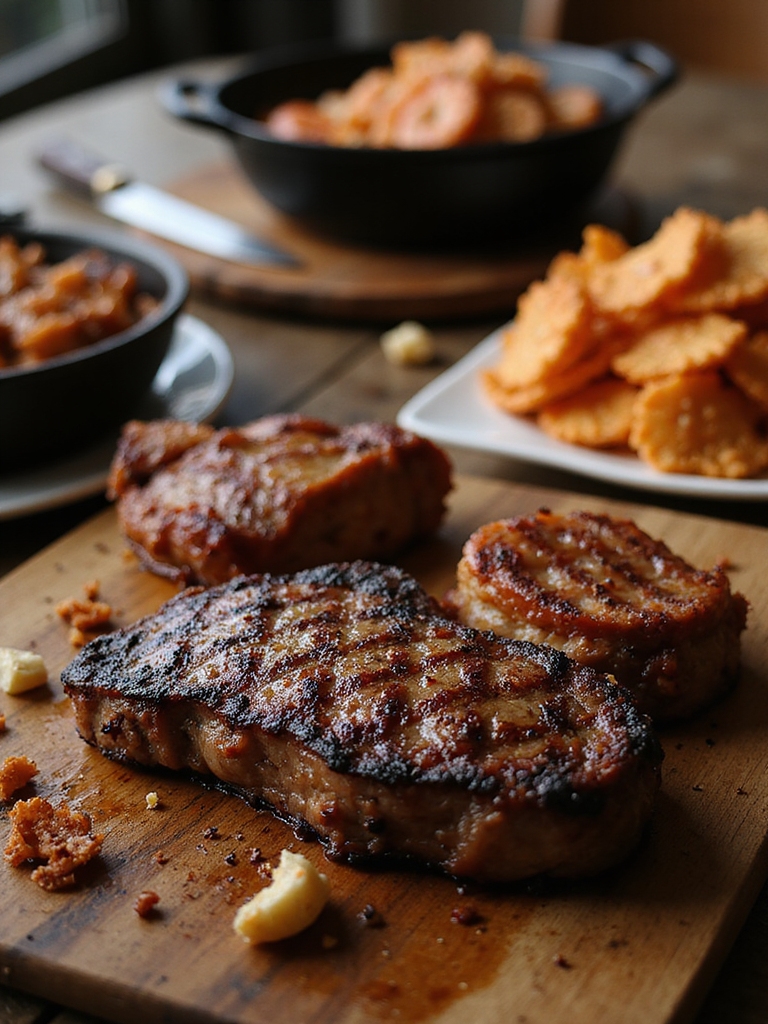
Ready to dig in? You’ll get seven simple carnivore dinners that feel decadent without drama.
Picture sizzling ribeye, butter pooling, edges crisping; roasted chicken skin crackling like applause; lamb chops sending rosemary-scented steam (optional herb flirtation); pork belly caramelizing into sticky gold; ground beef transformed into garlicky patties; seared salmon with briny, flaky bites; slow-braised oxtail melting into gelatinous bliss.
Rotate them, lean into fat, and let texture and aroma do the convincing—meat-centric, satisfying, and never dull.
Many home cooks find that repeating a handful of favorite recipes develops reliable cooking skills and makes meat-focused dinners effortless.
Quick 20-Minute Skillet Meals
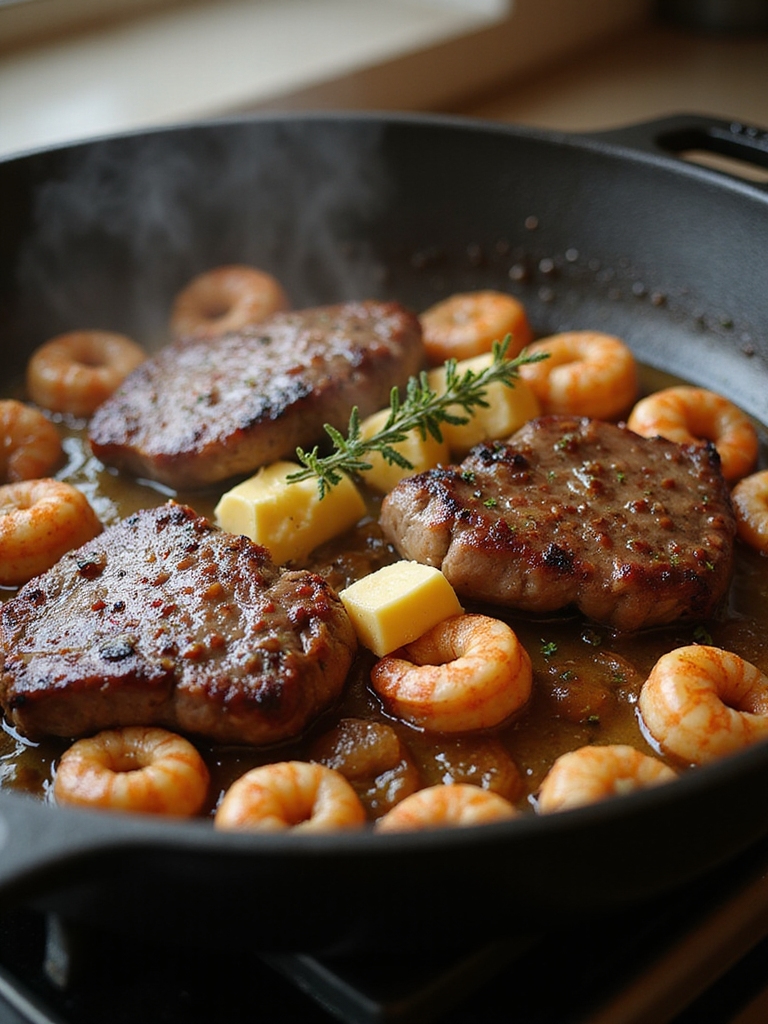
Grab a hot skillet, crank the heat, and let seared steaks, pork chops, or ground beef sizzle until you smell those caramelized edges—pure dinner triumph in minutes.
Toss in quick fat boosters like butter, tallow, or a drizzle of bacon grease to gloss everything and keep it juicy.
Finish with one-pan flavor tricks—crispy bone bits, a sprinkle of rendered cracklings, or a hit of browned marrow—and you’ve got a 20-minute carnivore feast.
For extra convenience and crunch, try making these into air fryer meals to get crispy results fast.
High-Heat Protein Picks
Crank up the heat and toss a few high-fat, quick-cooking proteins into a screaming-hot skillet—you’ll get dinner in about 20 minutes and a pan full of sizzling, browned goodness.
Reach for thin ribeye strips, pork belly medallions, shrimp, or chicken thighs sliced thin — they sear fast, caramelize, and sing.
Don’t fuss: pat pieces dry, salt, then let the Maillard magic happen; you’ll hear pops, smell nutty crust, see gleaming juices.
Flip sparingly, rest briefly, slice against the grain.
Plate immediately. You’ll eat something primal, charred, and supremely satisfying without a single boring chew.
Quick carnivore meals like these are perfect for busy days and especially well-suited to those following simple carnivore routines.
Fast Fat Add-Ins
Often you’ll toss a few buttery, salty, or fatty extras into the pan at the last minute to turn plain protein into something indulgent and fast — think tallow-dusted scallops, bacon crumbs, a knob of butter and grated pork rinds, or a slick of schmaltz on seared chicken thighs.
You want immediate richness: crisped fat that crackles, molten butter that glosses meat, and tiny crunchy pork rinds that sing against tongue and teeth.
You’ll finish with a sprinkle of flaky salt, a quick swirl to coat, then eat while it’s loudly perfect.
No fuss, just mouth-applause in twenty minutes. Add a finishing drizzle of robust savory sauce to elevate and tie the flavors together.
One-Pan Flavor Boosters
Slide a hot skillet onto the burner and you’ll have dinner in twenty minutes that actually sounds like you tried — seared steaks, golden chicken thighs, or salmon slicked with butter and pan juices that crackle and smoke at the edges.
You toss in sliced pork belly, a knob of butter, and a sprinkle of flaky salt; the fat renders, the pan sings, and you don’t miss carbs.
Finish with a splash of vinegar or a hit of crushed pepper for contrast — tiny shocks that make each bite vivid. It’s fast, loud, and impossibly satisfying; you’ll brag about it.
These are the kind of stupidly easy carnivore meals anyone can pull off, whether you’re new to the plan or just short on time.
One-Pan Whole-Animal Meals for Minimal Cleanup
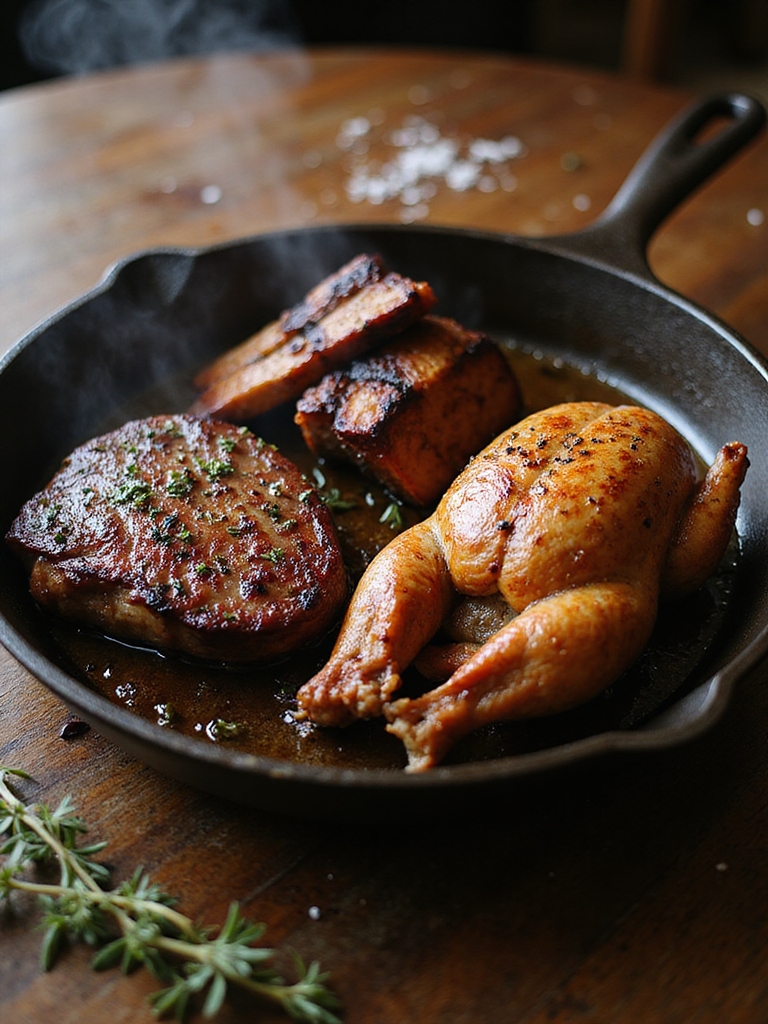
You’re going to love how a single roasting pan can turn a whole-animal roast into a crunchy, savory centerpiece with jus that’s begging for a spoon.
Toss in a quick pan-fry of organ mixes—sizzling liver, sweetheart kidneys—so the house smells like honest cooking, not a chemistry lab.
Best part: one pan, minimal cleanup, maximum smugness at the table.
The crockpot makes it easy to set-and-forget whole cuts while you prep sides or chores, and it’s perfect for slow-cooking to deepen flavors.
Whole-Animal Roasts
When you want dinner to feel like an event but don’t want to wash half the kitchen, roast a whole animal on a single pan and let the oven do the showmanship.
You’ll get crackling skin, savory steam, and a centerpiece that demands dramatic plating — without a sinkful of saucepans. Season simply, tuck limbs close, and let time work its magic while you pour a drink.
- Choose a forgiving bird or small piglet
- Use a rimmed sheet with a rack for even browning
- Save pan juices for spooning over slices
Serve proudly; the mess stays elegant and minimal. Many home cooks find that starting with proven recipes like pork chops helps build confidence before attempting whole-animal roasts.
Pan-Fry Organ Mixes
After the showy roast comes the weekday workhorse: a single sizzling pan where liver, heart, and sweetbreads mingle and sing without needing a cupboard of tools.
You heat butter or tallow until it shimmers, toss in aromatics if you like — salt, cracked pepper, maybe a whisper of garlic — then add organs cut into uniform pieces.
The sound is immediate, caramelizing edges, releasing a mineral, beefy perfume that makes you pay attention. Flip quickly to keep tenderness; rest briefly so juices settle.
One pan, minimal cleanup, maximum character: rustic, efficient, and proudly unapologetic.
High-Fat, Low-Prep Cuts for Instant Satiety

Reach for a ribeye or pork belly and feel the world get quieter—fat does that, coating your mouth with rich, slippery satisfaction so you don’t obsess over snacks later.
You want effortless fullness; pick cuts that arrive ready-made with flavor and heft. Heat, salt, and patience are your only tools.
Crisp edges, molten marbling, that guilty-but-honest aroma settle you faster than a grocery aisle panic.
- Ribeye: seared crust, buttery interior, zero regrets.
- Pork belly: crackle and unctuous layers, chew and sigh.
- Lamb shoulder: slowish char, gamey comfort, addictive juices.
Trust fat; it’s the original satiety hack.
Grill-Forward Favorites: Steaks, Chops, Kebabs
Fire up the grill and let meat do the talking—steaks, chops, and kebabs answer with char, sizzle, and that smoky, slightly cruel aroma that makes salad seem like an apology.
You’ll grab a ribeye or tomahawk, salt like you mean it, sear until the crust snaps and the fat melts into little rivers of joy.
Pork chops sing with a quick blast of heat; lamb chops flirt with rosemary if you insist.
Skewer cubes of beef or pork for kebabs—leave space so each piece chars, don’t steam.
Flip once, rest briefly, then bite into concentrated, unapologetic flavor.
Carnivore Seafood Nights: Fish & Shellfish Ideas
Think buttery, oily salmon or mackerel that slips off the fork and leaves your plate gleaming — those high-fat fish are your best friends on a carnivore night.
Learn quick shellfish tricks (steam, sear, or torch) so shrimp, scallops, and mussels stay tender instead of rubbery.
Skip sugary sauces and use butter, rendered tallow, flakey salt, citrus oil, or smoked salt for big flavor without carbs.
High-Fat Fish Choices
Slide a fatty fillet onto a hot pan and you’ll instantly see why high-fat fish deserve a regular spot on carnivore seafood nights: the sizzle, the glossy oil pooling at the edges, and that buttery mouthfeel that makes bacon feel shy.
You’ll want richness, texture, and zero guilt — and these candidates deliver, seared to golden, juicy inside.
Pick one depending on mood:
- Salmon: plush, oily, and forgiving if you wander from perfect timing.
- Mackerel: punchy, briny, excellent with a quick char.
- Arctic char: delicate yet decadently fatty, like salmon’s classy cousin.
You’ll eat with eyes closed, satisfied.
Shellfish Preparation Tips
When you toss shellfish into a hot pan or onto a grill, they’ll tell you exactly when they’re done — listen for a quick snap, watch for edges that go from glassy to opaque, and don’t let them shrink into rubbery sadness.
Pat shrimp and scallops dry so they sear, salt just before cooking to avoid weeping, and give mussels and clams a quick purge in cold water.
Flip once, resist fussing.
Finish with a knob of butter or cooking fat to gloss and lift flavors without masking brine.
Serve immediately — shellfish punish procrastinators with texture, not mercy.
Flavoring Without Carbs
Don’t mistake carnivore for flavorless — you’ve got a toolkit of salts, acids, and fats that wake fish and shellfish up without a single carb.
You’ll coax sweetness from scallops, smoke from salmon, brine from oysters, all by choosing the right boosts: crisp textures, hot pan edges, and finishing touches that sing.
- Diamond salt flakes: crunch and salt, no filler.
- Lemon oil or a splash of vinegar: instant brightness, use sparingly.
- Butter, tallow, or cultured cream: carry flavor, add silk and mouthfeel.
Use contrast—hot pan, cold sea—then sit back and savor the applause.
Slow-Braised Bone Broths and Braises
If you’ve ever wanted dinner to arrive like a plot twist—slow, inevitable, and deeply satisfying—braises and bone broths are your secret collaborators; they turn humble bones and fatty cuts into unctuous, savory elixirs that make your kitchen smell like a very serious restaurant.
You’ll toss marrow-rich bones or chuck roast into a pot, add water, salt, and patience, then let time do the heavy lifting.
The result: gelatinous, glossy broth and meat that falls apart with a prodigal fork. Sip it, spoon it over slices, or ladle warmth into your hands—comfort that’s all muscle and marrow, zero compromise.
Carnivore Comfort Classics: Meatloaf & Stews
Because nostalgia has a sneaky appetite, you’ll find meatloaf and stews somehow taste like home even when they’re stripped down to pure animal: browned crust, tender interior, and a gravy that clings to every forkful.
You’ll relish the simplicity — no filler, just texture and umami that smacks of Sunday afternoons.
Treat meatloaf like a crusted treasure and stews as aromatic baths for beefy chunks. Try these approaches to keep things interesting:
- Crisp exterior: sear before baking for contrast.
- Brothy depth: simmer bones for glossy, savory liquid.
- Herb wink: add dried rosemary or crushed pepperflakes.
Easing Into Organ Meats: Mild Prep Methods
Dip a toe in rather than diving headfirst — organ meats reward curiosity more than courage. You’ll want gentle introductions: thin slices, quick sears, or a low-and-slow braise that tames intensity.
Mask textures with creamy butter, crisp edges, or a whisper of smoked salt so flavors land like a friendly nudge, not a slap.
Try minced blends folded into ground beef or bite-sized cubes simmered with bone broth; aromas will be rich, warm, oddly comforting.
Pay attention to doneness — slight resistances, glossy interiors — and you’ll convert reluctance into culinary mischief without theatrical bravado.
Organ-Meat Starters: Liver, Heart, and Kidney Tips
Ready to move from gentle nudges to specifics, here’s how to make liver, heart, and kidney actually sing rather than scare.
You’ll want bold, simple moves: slice liver thin to sear fast and keep silk; treat heart like dense steak, pounding gently or cutting across the grain; soak kidney briefly to tame funk.
Focus on texture and timing — brown crust, tender interior, no linger of metallic surprise.
Try these starters to build confidence:
- Quick-seared liver: hot pan, butter, lemon squeeze.
- Marinated heart medallions: rest, salt, high heat.
- Pan-roasted kidney: rinse, dry, crisp edges.
Animal-Based Condiments & Finishing Tricks
When you’re plating nothing but animal products, a smart smear or bright drizzle can flip a dish from “brave” to “brilliant”—so think beyond salt and let fat, acid, and cured bits do the talking.
You’ll slick steaks with herby tallow, spoon silky bone marrow over roasted chops, or shave frozen suet into curls that melt like tiny suns.
A lick of aged fish sauce or concentrated bone broth adds umami thunder without plants.
Crisp pork crackling provides popcorn snap; a whisper of cured beef jam gives sweet-salty drama. Finish with crunchy fried collagen and your dinners feel deliberately decadent, never dull.
Weekly Recipe Swaps to Keep Dinner Fresh
Swap your proteins each week so your plate goes from predictable beef to flirtations with lamb, pork, or fatty fish, and you’ll wake up your taste buds without breaking the bank.
Change up cooking methods — sear, slow-roast, grill, or confit — to shift textures and aromas that make the same meat feel like a new experience.
Rotate your fat sources too; butter, tallow, and duck fat each bring their own sizzle and richness, so your dinners stay interesting and far from monotonous.
Swap Proteins Weekly
Every week, mix up the main protein so your dinners don’t start tasting like a broken record — you’ll keep textures, fats, and flavors interesting by rotating steaks, fatty fish, ground beef, lamb, and organ meats.
You’ll notice how salmon’s oily silk contrasts with a charred ribeye, or how liver slaps you awake with mineral punch.
Swap to shock the palate, not punish it. Try simple pairings, trust salt, and enjoy the show.
- Ribeye: buttery crust, beefy theater
- Sardines: briny, oily applause
- Liver: bold, umami curtain call
Vary Cooking Methods
If you want dinners that feel new without changing ingredients, change how you treat them — sear a steak until it flowers with a crust, confit pork belly low and slow until it melts, or blitz ground beef into crispy little shards in a hot skillet; the same cut, cooked differently, gives you different fat, texture, and personality at the table.
You’ll learn that roasting concentrates sweetness, braising makes collagen silk, and smoking adds that sultry, embered whisper.
Flip techniques weekly: broil, sous-vide, grill, pan-roast. You’ll eat the same meats but feel like you’re dining at constantly different, gloriously carnivorous restaurants.
Rotate Fat Sources
A few simple fat switches can make your usual dinner feel like a new mood: drizzle tallow instead of butter, render up lamb fat for roasting, or finish a steak with duck fat for that glossy, perfume-like lift.
You’ll taste how texture and aroma rewrite the same protein; fats carry flavor, mouthfeel, even memory. Rotate weekly to keep dinners interesting and to coax different reactions from your palate.
- Tallow: beefy, clean, great for high-heat searing.
- Lamb fat: floral, rich, perfect for roast veggies or chops.
- Duck fat: silky, aromatic, ideal for finishing and crisping.
Batch Cooking and Freezing Strategies
When you’re short on time but not on appetite, batch cooking and freezing let you summon a steak or roast with the efficiency of a microwave and the dignity of a chef—minus the fuss.
You brown big slabs, season boldly, then finish low and slow for tender, swoon-worthy texture.
Cool quickly, slice or portion into meal-sized bricks, vacuum or wrap tight to prevent freezer burn. Reheat gently—low oven or stovetop—so juices stay where they belong: in the meat and not on the paper towel.
Label dates, rotate stock, and you’ll always have something roaringly good ready to rescue dinner.
Dinner Plans by Goal: Weight Loss, Muscle Gain, Maintenance
Because your goals change what you plate, you’ll want dinner plans that trade vague good intentions for specific, delicious outcomes: for weight loss you’ll lean into lean cuts and strict portions that keep calories tight without tasting like sacrifice;
for muscle gain you’ll pile on fattier steaks, organ meats, and extra eggs to feed repair and growth; and for maintenance you’ll aim for a satisfying middle ground—solid protein, a bit of fat, and meals you actually look forward to eating.
You’ll cook with intent, savor texture, and avoid boredom.
- Weight loss: grilled flank, crisp edges, measured slices.
- Muscle gain: ribeye, marrow, three fried eggs.
- Maintenance: roasted chicken, pan juices, smart portions.
You’ll eat like someone who knows meat, not mystery; you’ll sear, slow-roast, or sous-vide with purpose; you’ll savor crackling skin, buttery pork, and lamb finished in rendered fat.
You’ll rotate organs for nutrients, batch-cook for ease, and revive frozen slices with hot pan juices.
You’ll aim for satiety, for simplicity, for variety — and you’ll do it with a wink, a splatter, and the satisfying clack of a well-seasoned cast iron.


