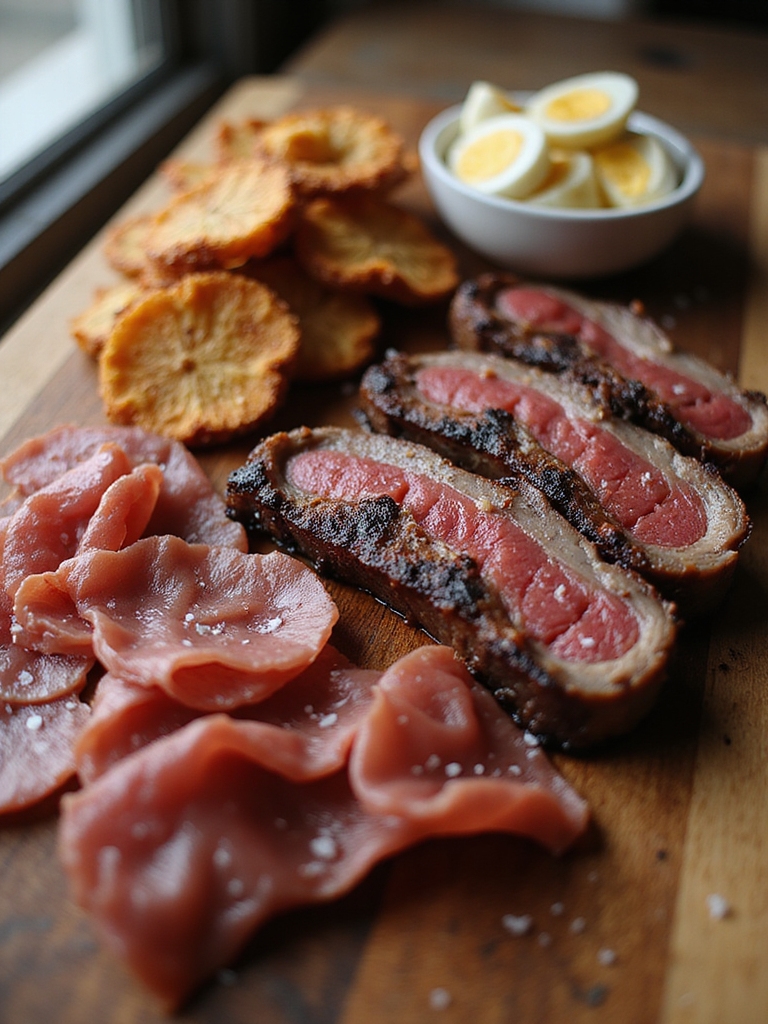

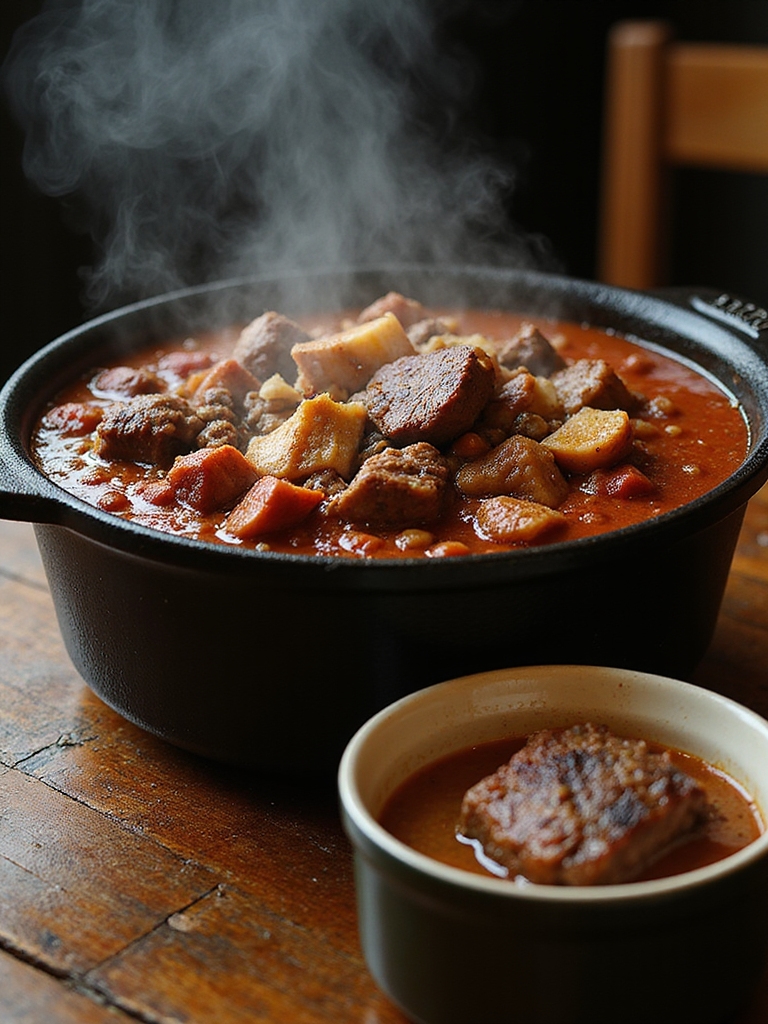
Last night you seared a pork shoulder until the crust snapped under your knife, then watched the pan fond glue to the pot—now imagine turning that into a single, silky carnivore chili that feeds you all week.
You’ll learn how to pick bold cuts, render fat like a pro, and coax deep, meaty sauce from nothing but bone broth and heat, with just enough salt and smoke to keep things interesting—stay with me and I’ll show you how to make every bite worth the effort.
Who This Guide Is For and How to Use It
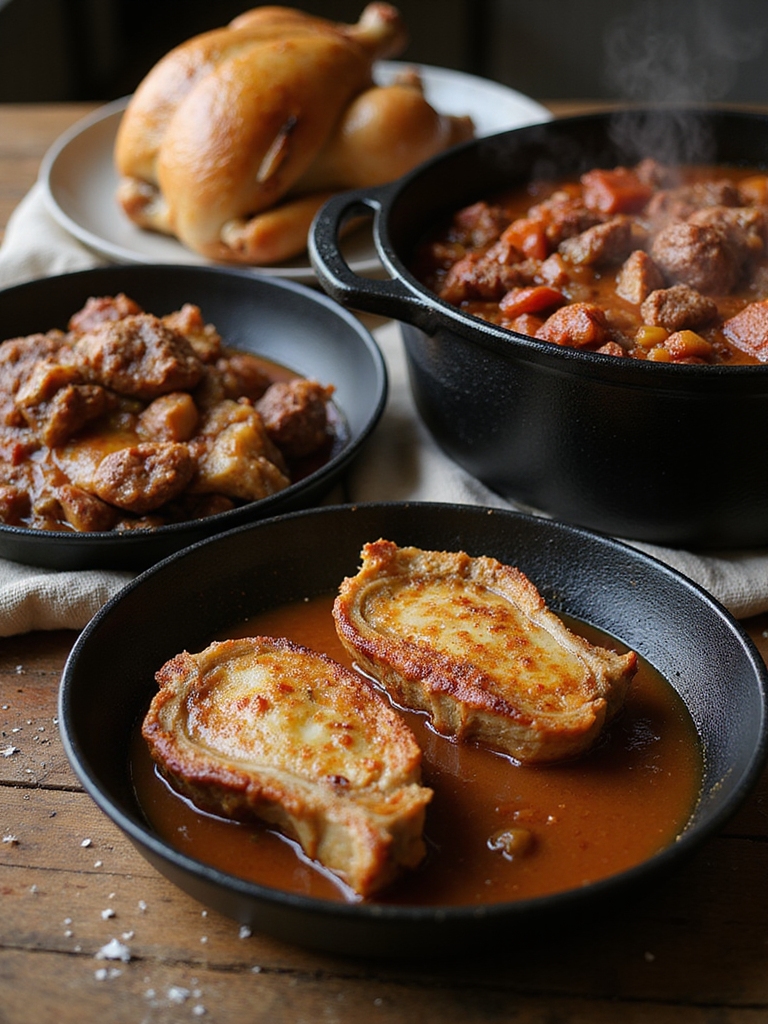
Who’s this for, and why should you keep reading? You’re someone who eats meat, likes simple kitchens, and wants bold flavor without plant fuss.
You’ll get practical notes on ingredient choices, tool-minimal methods, and timing so dinner isn’t guesswork.
You’ll learn to tailor salt, fat, and spice to your appetite, scale servings, and troubleshoot texture—and do it without weird gadgets.
Read this if you want confident, repeatable carnivore meals that free up time and taste.
Skip idealism; take usable tips.
Use the guide like a map: pick a route, adapt, cook, and enjoy.
These are stupidly easy recipes anyone can pull off in a regular kitchen.
Quick One‑Pot Carnivore Chili Recipe (Ready in Under 1 Hour)
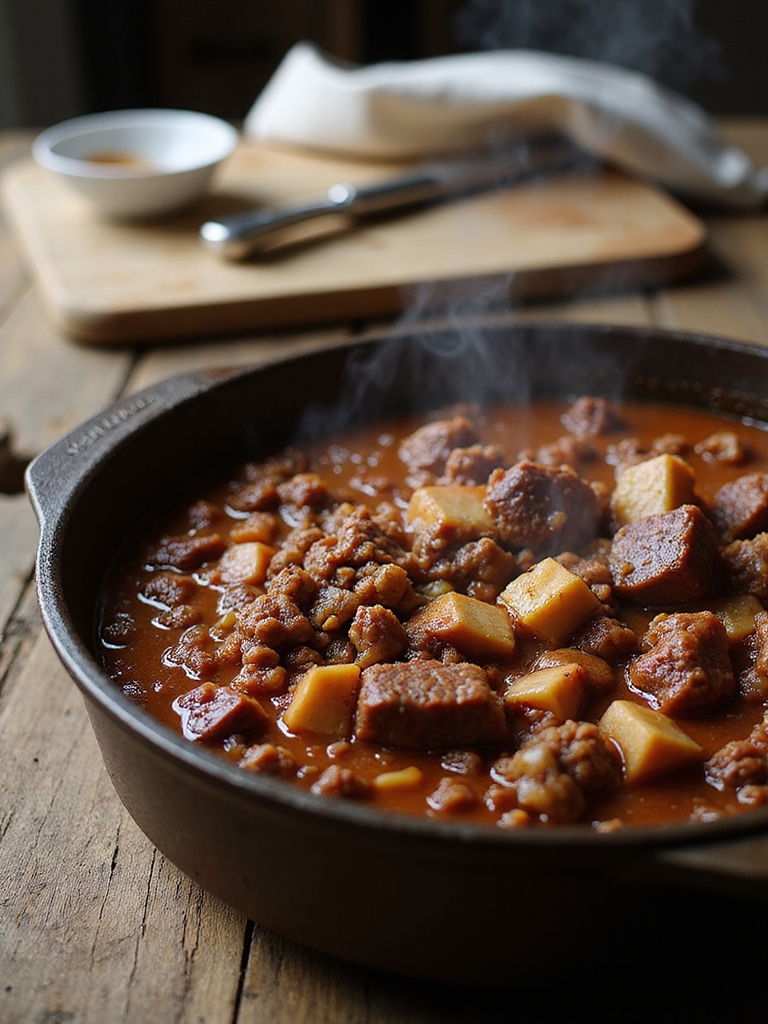
You’ll get this chili on the table fast if you keep prep tight and the timing ruthless — think 10 minutes chopping, 40 minutes simmering.
Start with bold core ingredients (ground beef, bone broth, maybe pork shoulder) and layer in flavor boosters like smoked salt, rendered tallow, and a hit of anchovy or Worcestershire for umami.
Stick to one pot, stay hands-off while it sings, and you’ll have carnivore comfort without the fuss. Many beginners find success by focusing on simple, repeatable meals that emphasize animal-based staples and easy techniques to keep cooking manageable.
Prep And Timing
When your schedule’s tight but your appetite isn’t, this quick one‑pot carnivore chili gets dinner on the table in under an hour with minimal fuss; prep takes just a few focused steps—browning, seasoning, and simmering—so you won’t be tied to the stove.
You chop nothing fancy, just trim and portion; you heat, brown until fond forms, and deglaze briefly to lift flavor.
Time blocks: 10 minutes prep, 15–20 minutes browning and seasoning, 25–30 minutes gentle simmer. Stir occasionally, skim fat if you like, and taste near the end.
Serve promptly — hot, efficient, satisfied. Simple carnivore meals like these are perfect for quick weeknight cooking when time is limited.
Core Ingredients
Once the timer’s set and the pan’s hot, let’s talk about what actually goes into the pot.
You want hearty ground beef — fatty, salty, melting into the pan. Add diced pork or stew meat for chew and depth. Use bone broth to simmer, not water; it’s collagen-rich and anchors the stew.
Cracked eggs? Optional finish — stirred in off heat for silk. Salt, freshly cracked pepper, and smoked salt will season; avoid herbs here since flavor boosters come later. Keep portions straightforward: meat first, broth second, eggs or collagen third — simple, robust, obedient to the carnivore rule.
These dishes are ideal for a slow-cooker approach because they practically cook themselves and develop deep flavor over time.
Flavor Boosters
Often a few bold additions are all it takes to lift a meat-only chili from hearty to unforgettable. You don’t need complexity—just smart, carnivore-friendly punches.
Add these sparingly, taste as you go, and let each one sing.
- Smoked paprika for campfire depth, a pinch at a time
- Anchovy paste for umami glue, dissolve into fat
- Beef bone broth concentrate to enrich the base without carbs
- Butter or tallow finish for silk and sheen
- A dash of cider vinegar to brighten heavy flavors
You’ll end up with chili that’s simple, muscular, and oddly graceful. The plan keeps daily decisions simple by emphasizing simple carnivore choices and easy, repeatable meals.
Essential Ingredients for Carnivore Chili (Meats, Fats, Seasonings)
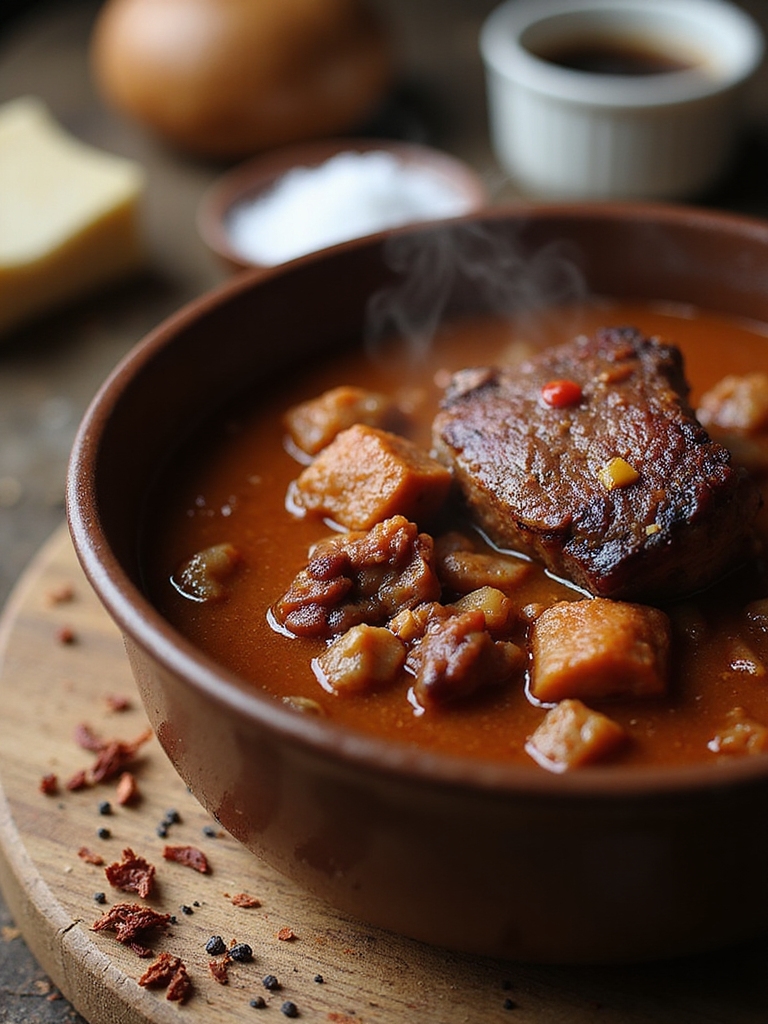
You’ll want to start by picking the right meats — brisket, chuck, or a mix of ground and stew cuts give texture and depth.
Use tallow, butter, or pork fat to carry flavor and keep things silky.
Then salt smartly and add bold spices so every bite sings without any filler.
Affordable ground beef can be stretched into satisfying meals with smart planning and budget-friendly cuts.
Choice Of Meats
Pick your meats like you’re assembling a muscle-bound jury: each one brings a vote — beef for body, pork for sweetness and fat, lamb for gaminess, and organ meats for depth and nutrients.
You pick cuts that stand up to long simmering, textures that sing, flavors that layer.
Think contrast and backbone; balance rich, lean, and funky.
Combine confidently, taste as you go, adjust ratios by preference.
- Ground beef for structure and comfort
- Pork shoulder for tenderness and subtle sweetness
- Lamb shoulder or neck for bold character
- Beef heart or liver for nutrient punch
- Short ribs for collagen and chew
Many people on a tight budget rely on ground beef meals as versatile, cost-effective staples that fit the carnivore approach.
Fats And Oils
After you’ve chosen the muscle and organ cast, think about the fats that’ll carry them—these are the slick narrators that make your chili sing and coat the palate.
You’ll pick fats for flavor, smoke point, and mouthfeel: beef tallow for depth, pork lard for silk, and butter or ghee for a browned, nutty finish. Render slowly, skim, and reserve drippings to deglaze.
Use oils sparingly; they’re accents, not anchors. Rotate fats by cut and mood, and trust texture over trend—fat transforms lean into lusty, and that’s the point.
Keep a few essential staples on hand to make consistent carnivore chili and one-pot meals, including rendered fats and preferred cuts for convenience and reliability essential staples.
| Fat | Flavor | Use |
|---|---|---|
| Tallow | Beefy | Braise/deglaze |
| Lard | Porky | Fry/finish |
| Ghee | Nutty | Sear/brown |
Salt And Spices
Usually, you’ll lean on salt and a tight handful of spices to turn plain meat into chili that hums—salt wakes flavor, while spices sing harmony without stealing the show.
You’ll taste as you go, add salt slowly, and remember fat carries those spices. Choose bold, minimal seasonings that boost beefy notes and keep the carnivore vibe.
- Kosher salt for even seasoning
- Black pepper for warmth, not heat
- Smoked paprika for smoky depth
- Ground cumin sparingly for earth
- Red pepper flakes if you want teeth
Trust restraint; let meat lead and seasoning follow.
Best Beef and Pork Cuts for One‑Pot Carnivore Cooking
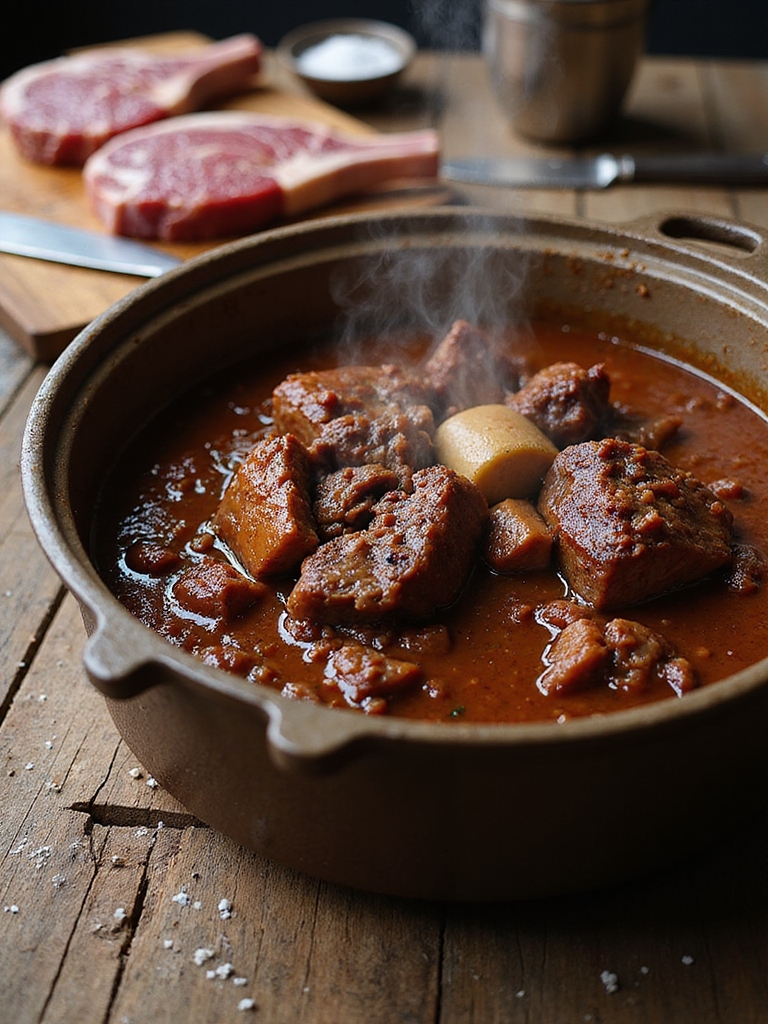
Think about cuts that stand up to long, single-pot cooking — chuck, brisket, short ribs and pork shoulder are your friends because they develop deep flavor and tender texture as collagen breaks down.
You’ll want marbling and connective tissue; they melt into silk, not mush. Trim smartly—leave fat for flavor, remove excess silver skin.
Pork picnic and country-style ribs behave like beef’s slow-cook cousins.
Ground beef works for quick stews, but don’t overdo lean; it dries. Brown well for fond.
Slice some pieces chunky, leave others to fall-apart.
You’ll end up with rich, unpretentious, gloriously meaty one-pot meals.
Adding Organ Meats: Liver, Heart, Kidneys – When and How
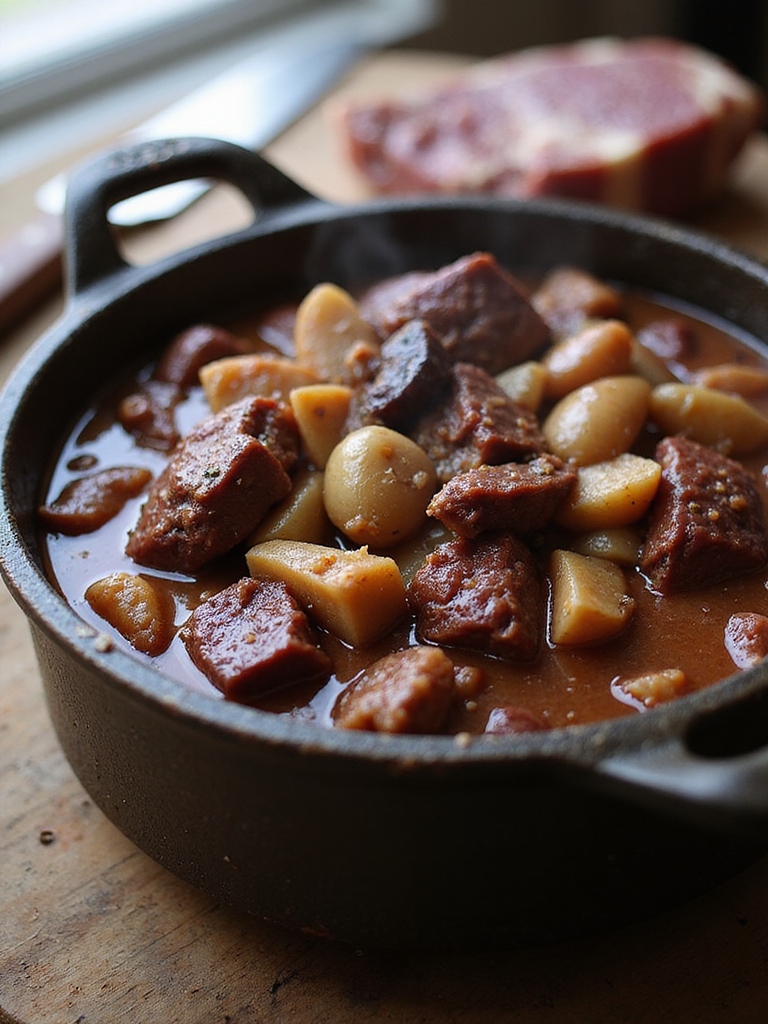
Turning to organ meats shakes up the one‑pot routine — you’ll get intense flavor, nutrient density, and textural contrast if you treat them right.
You’ll want to add organs thoughtfully, not haphazardly. Start small, balance strong tastes, and time additions so textures stay appealing.
- Use finely chopped liver for richness, sparingly.
- Slice heart into strips for meaty chew.
- Clean and soak kidneys to tame funk.
- Combine organs with milder muscle cuts for balance.
- Time organs later or finish quickly to avoid toughness.
You’ll learn by tasting; adjust portions until the pot sings, not screams.
Browning, Deglazing, and Simmering to Build Depth
You want browned meat, not gray mush — crank the heat, don’t crowd the pan, and let those crusty bits sing.
When the fond’s a dark promise, hit it with a splash of stock or vinegar to lift every savory scrap into the sauce.
Then simmer low and slow so the flavors knit together without shouting.
Proper Meat Browning
Start by searing meat hard and fast—don’t crowd the pan or you’ll steam instead of brown—because those crisp, dark bits are where deep chili flavor lives. You want Maillard, not mush. Watch heat, move pieces once, let a crust form, then flip.
Rest briefly before breaking up chunks so juices stay put. Use enough fat to prevent sticking; skim excess later.
- Pat meat very dry
- Use high heat and heavy pan
- Don’t overload; work in batches
- Let crust form before stirring
- Season late to avoid drawing moisture
That’s it: rhythm, restraint, and reward.
Effective Deglaze Techniques
Once the pan’s dark bits are singing, sweep them up with a splash of liquid—wine, stock, or even sizzle-worthy bone broth—and watch flavor lift off the surface.
You scrape with a wooden spoon, coaxing concentrated meatiness into the simmer. Don’t drown the pan; add just enough to dissolve fond.
Reduce briefly to concentrate, then introduce browned meat back in so those caramelized sugars marry with silky juices.
Simmer low and slow; patient heat turns sharp into rounded, deep into profound.
Taste as you go, adjust salt, and remember: deglazing is alchemy, not accident—control heat, timing, and liquid.
Fat Choices and Ratios (Tallow, Butter, Lard)
Think of fats as the seasoning and the fuel—tallow for depth and high-heat resilience, butter for creaminess and quick browning, lard for a neutral, silky mouthfeel—so you’ll want to balance them by cooking method and flavor goal.
You choose based on pan temperature and texture desire: sear with tallow, finish with butter, render with lard.
Ratios shift: heavier on tallow for browning, touch of butter for gloss, lard to round.
Keep portions practical and don’t overwhelm meat.
- Sear: 70% tallow, 20% lard, 10% butter
- Simmer: 50% lard, 40% tallow, 10% butter
- Finish: 60% butter, 30% tallow, 10% lard
- Crispy: 80% tallow, 20% butter
- Neutral: 70% lard, 30% tallow
Seasoning Strategy: Salt, Spice, and Smoke for Carnivore Chili
Those fat choices set the stage—now you’ll shape the taste. Salt is your baseline: cure the bland, coax beefy notes, and sprinkle cautiously as meat reduces.
Pepper adds snap; smoked paprika lends campfire warmth without plants. Cumin whispers earthiness—use sparingly so it doesn’t wander.
If you like heat, choose powdered chili or cayenne; avoid blends with sugar. Liquid smoke is potent—tap gently, taste, adjust.
Finish with finishing salt if needed. Taste at intervals, because reduction concentrates everything. Trust your palate, keep it simple, and let smoke, salt, and spice do the talking.
Best Cookware for One‑Pot Carnivore Meals (Dutch Oven, Cast Iron)
When you want a one‑pot carnivore meal that’s browned, braised, and barely fussed-over, reach for heavy cookware that holds heat and forgives mistakes: a well-seasoned cast iron skillet or a tight‑lidded Dutch oven.
You’ll rely on weight and even heat to build crust, render fat, and finish cuts without babysitting. Choose what fits your range and clean-up tolerance.
- Cast iron: unbeatable sear, lifetime seasoning, rustic vibe.
- Dutch oven: braises, stews, and keeps juices where you want them.
- Enamel: easier care, same heat retention.
- Size: match family portions.
- Handles: sturdy, oven-safe.
Timing and Temperature: Stovetop, Oven, and Slow‑Cooker Schedules
You’ll learn when to crank the stovetop for a fast, browned crust and when to ease off into a gentle simmer so your chili doesn’t scorch.
I’ll walk you through stovetop timing cues and the low/med/high slow-cooker settings that turn tough cuts into melt‑in‑your‑mouth meat.
Follow those schedules and you’ll get consistent results without babysitting the pot.
Stovetop Timing Guide
Although stovetop cooking feels improvisational, timing is the backbone—you’ll learn when to sear, simmer, and rest to get rich chili and one‑pot meals without guesswork.
You’ll move fast, then slow, and trust the pot. Sear for color, deglaze for depth, simmer for melding, and rest to settle flavors.
Follow this quick rhythm:
- Sear: 2–4 minutes per side on high to brown ground or steaks.
- Deglaze: 30–60 seconds with stock to lift fond.
- Simmer: 20–45 minutes low and steady for chili depth.
- Reduce: 5–10 minutes to concentrate.
- Rest: 5 minutes before serving.
Slow Cooker Temperatures
Often you’ll set it and forget it, but the slow cooker still demands respect: low, high, and keep‑warm each steer the texture and safety of your meat.
You’ll pick low for tender shredding, high for faster dinners, and keep‑warm for holding without overcooking. Temperature guides vary, so check meat temps—145–165°F for doneness depending on cut.
Don’t crowd the pot; liquids transfer heat. Stir sparingly. Use high for 3–4 hours, low for 6–8. Trust timing, trust a thermometer, but taste and texture decide.
| Setting | Typical Time |
|---|---|
| Low | 6–8 hrs |
| High | 3–4 hrs |
| Keep‑Warm | Indefinite |
| Tip | Thermometer rule |
Low‑Effort Variations: Ground Beef, Pork Shoulder, Shredded Chicken
Swap in ground beef, pork shoulder, or shredded chicken and you’ve got a fast, forgiving carnivore chili that hardly needs babysitting.
You’ll pick protein by mood: quick and crumbly, slow and shreddable, or tidy and lean. Season bold, simmer steady, and you’re done.
- Ground beef: brown, break up, finish in minutes.
- Pork shoulder: roast or slow-cook, shred for silky chunks.
- Shredded chicken: poach or rotisserie, fold in late to stay moist.
- Texture play: crumble, shred, or slice for contrast.
- Salt, fat, and time: your only trio of miracles.
Cook confident, eat satisfied.
Meal Prep, Batch Cooking, Freezing, and Reheating Tips
When you cook a big batch of carnivore chili, plan like you’re staging a five‑minute rescue: portion while it’s warm, cool quickly, and label clearly so reheating is painless.
You’ll chop into meal-sized packs, chill flat for fast freezing, and note dates. Reheat gently from thawed or straight from frozen in a covered pan; stir, don’t scorch.
Use beef tallow or butter to freshen texture. Rotate stock: eat oldest first. Quick notes:
| Step | Tip |
|---|---|
| Portion | Meal-sized, flat bags |
| Freeze | Lay flat, stack upright |
| Reheat | Low, covered, stir often |
Troubleshooting: Watery Chili, Bland Flavor, Tough Meat
You’ve prepped, frozen, and reheated like a pro, but even the best batch can suffer from three common sins: watery broth, flat flavor, and meat that fights back.
Fixes are simple, sharp, and unapologetic.
- Reduce: simmer down to concentrate juices, or brown uncovered to evaporate excess.
- Salt early and taste late: season through cooking, adjust at finish.
- Fat is friend: add suet, tallow, or butter for mouthfeel and flavor lift.
- Acid trick: a splash of vinegar or a smear of mustard brightens carnivore chili.
- Rest and reheat gently: tough cuts relax with low, slow warmth.
Carnivore‑Compliant Sides, Toppings, and Serving Ideas
Think toppings like punctuation: a little fat, a little crunch, a sharp counterpoint — and your carnivore chili sings.
You’ll crisp pork rinds for texture, shave cold butter for silk, scatter minced anchovy for umami, and nestle a soft‑poached egg to blur edges.
Serve with seared steaks, bone marrow, or sliced cold roast for contrast.
Pickles aren’t plant territory here, but quick salt‑cured fish or cured meats bring acid and bite.
Use warmed animal broth as a ladleable side.
Plate with intention, eat with gusto, and remember: simple, bold additions elevate every spoonful without straying from carnivore rules.
Scaling Recipes: Dinner for One to Family Batches and Meal Kits
For solo nights or weekend feasts, scale carnivore chili the way a butcher scales cuts — by weight, not whim — so you get consistent richness and cook times no matter the batch size.
You’ll eyeball less, measure more, and laughably simplify dinner math.
Multiply protein and fat by servings, keep spices steady, and adjust simmer time for volume.
Pack family-friendly meal kits or single-serve jars; freeze portions flat for fast reheats.
Follow this quick checklist:
- Weigh meat per person (200–300g baseline)
- Keep bone broth per cup ratios constant
- Preserve fat percentage
- Label and date packs
- Reheat gently to avoid toughness
You’ve got a one‑pot lifeline: sear hard, deglaze with bone broth, simmer until the sauce glazes the meat, finish with butter or an egg, and you’re golden.
Try organ scraps — a little liver ups nutrient density — and remember that 60–70% of carnivores report better energy on elimination plans, so this isn’t just tasty bravado.
Batch it, freeze portions, and reheat gently; you’ll eat better, faster, and with less fuss.