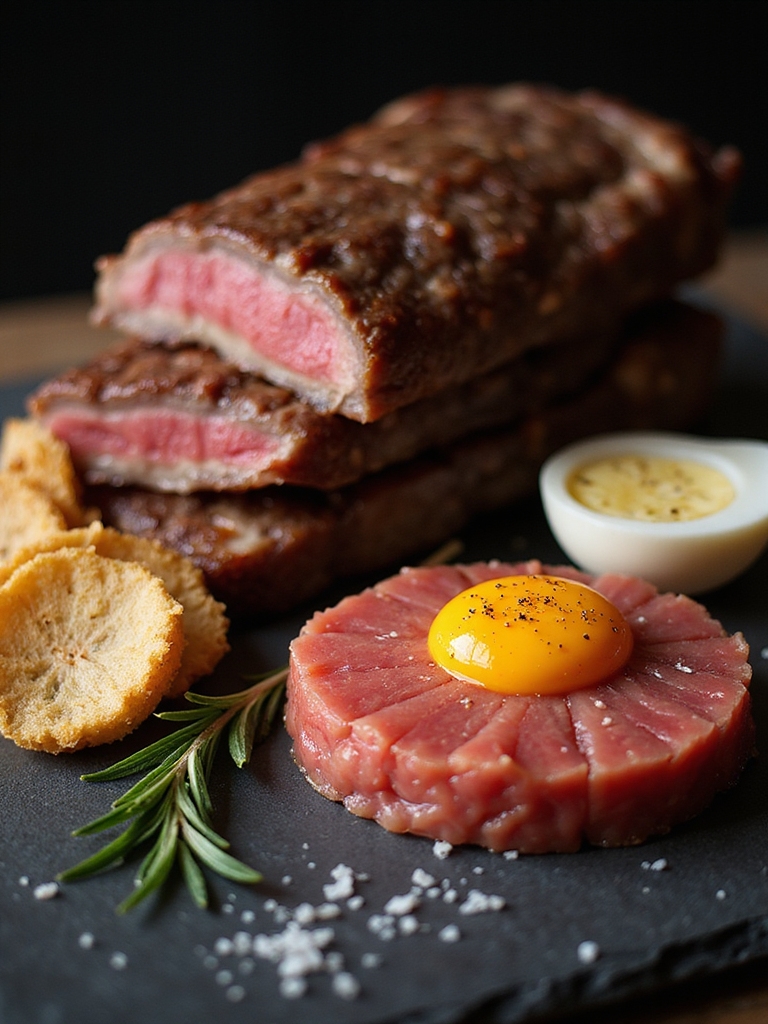
You think a carnivore meal is just meat and maybe eggs? Think again. You can have silky marrow butter, gelatinous bone‑broth cubes, crunchy pork rind shards, and tangy fermented fish bites—none of it needs plants.
I’ll show you how those textures and flavors come from pure animal ingredients and why they matter at the table, plus a few simple tricks that change everything…
Quick Criteria: What Makes a Side Carnivore‑Friendly
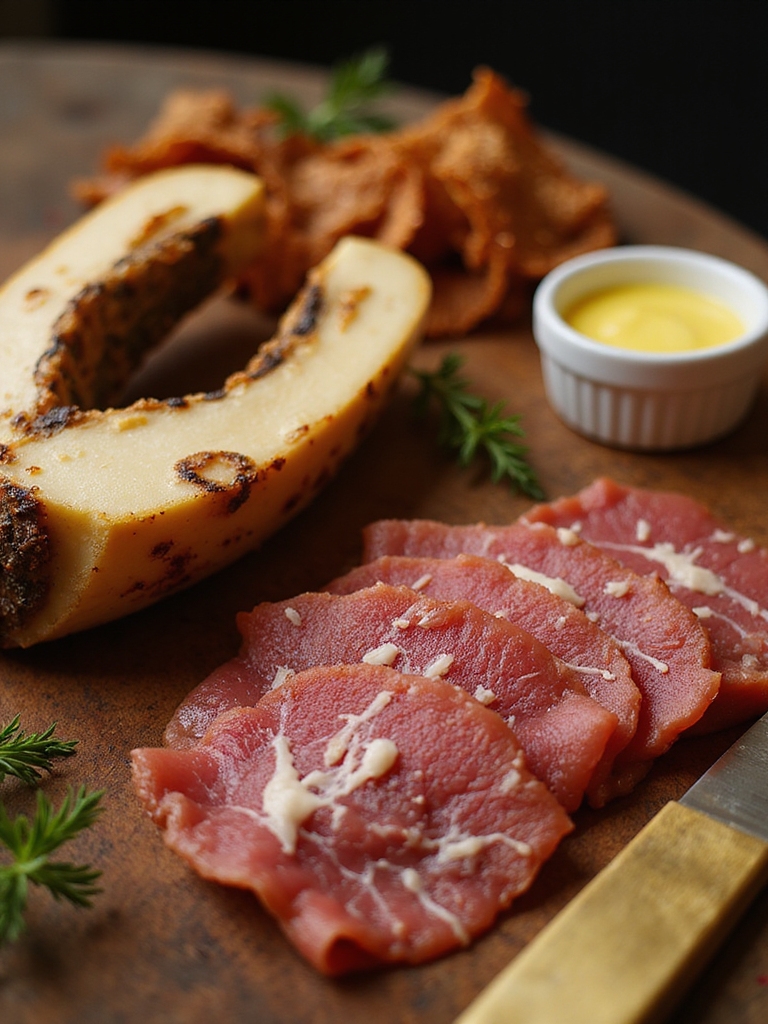
If you’re wondering whether a side dish deserves a spot on your carnivore plate, keep it brutally simple: does it come from an animal, and does it behave like one on your digestion and goals?
You scan labels, mentally subtract carbs and plant fillers, and ask whether the food supports satiety and energy instead of spiking glucose.
Think animal-derived fats, cured meats, eggs, and simple dairy if you tolerate it. Texture and flavor shouldn’t masquerade as plants.
If it provokes bloating or cravings, ditch it. Prioritize minimal processing, transparent sourcing, and ingredients you can pronounce — and trust your gut.
Consider stocking up on essential staples that make sticking to the diet easier and more satisfying.
Why Bone Broth Matters for Texture and Micronutrients

When you want a side that actually feels like food instead of a mouthful of disappointment, bone broth delivers — rich, savory, and gelatinous, it fixes texture on a carnivore plate the way gravy does for roast meat.
You’ll notice mouthfeel improves, sauces cling, and dry cuts suddenly behave. Beyond comfort, broth sneaks in collagen, minerals, and electrolytes you might miss on strict meat cuts. It’s not magic, just efficient nutrient rescue and tactile redemption.
Use it to sip, spoon, or meld components; it makes simplicity feel deliberate rather than sparse. It’s also a great base for satisfying soup ideas that keep a carnivore menu varied without adding carbs.
| Benefit | Why it matters |
|---|---|
| Texture | Enhances mouthfeel |
| Collagen | Supports joints |
| Minerals | Replenishes electrolytes |
| Versatility | Sips or sauces |
Gelatin‑Rich Bone Broth: A Quick How‑To
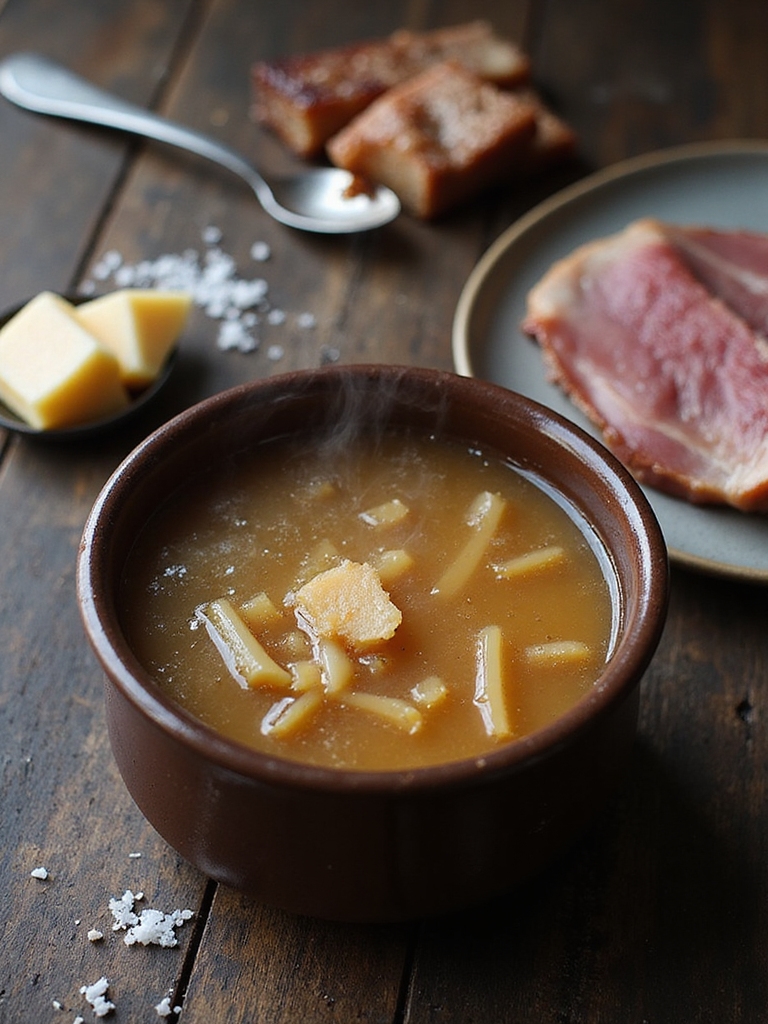
Usually you’ll want a pot of bone broth that gels in the fridge — it’s the easiest sign you actually extracted the collagen — and making one is simpler than you think: roast bones for color, cover with cold water, add a splash of vinegar to pull minerals, then simmer low and slow for 12–24 hours before chilling to set.
You’ll get rich mouthfeel and utility. Try this basic rhythm:
- Roast bones, toss aromatics if you like.
- Cover with cold water, vinegar, simmer gently.
- Strain, cool, skim fat, refrigerate to confirm gel.
Taste, adjust, and stash for soups. Slow-cooking in a crockpot is an easy way to maintain a low, steady temperature and hands-off time, which is why many people use crockpot cooking for rich bone broths.
Collagen Jellies & Meat Aspics for Portable Sides
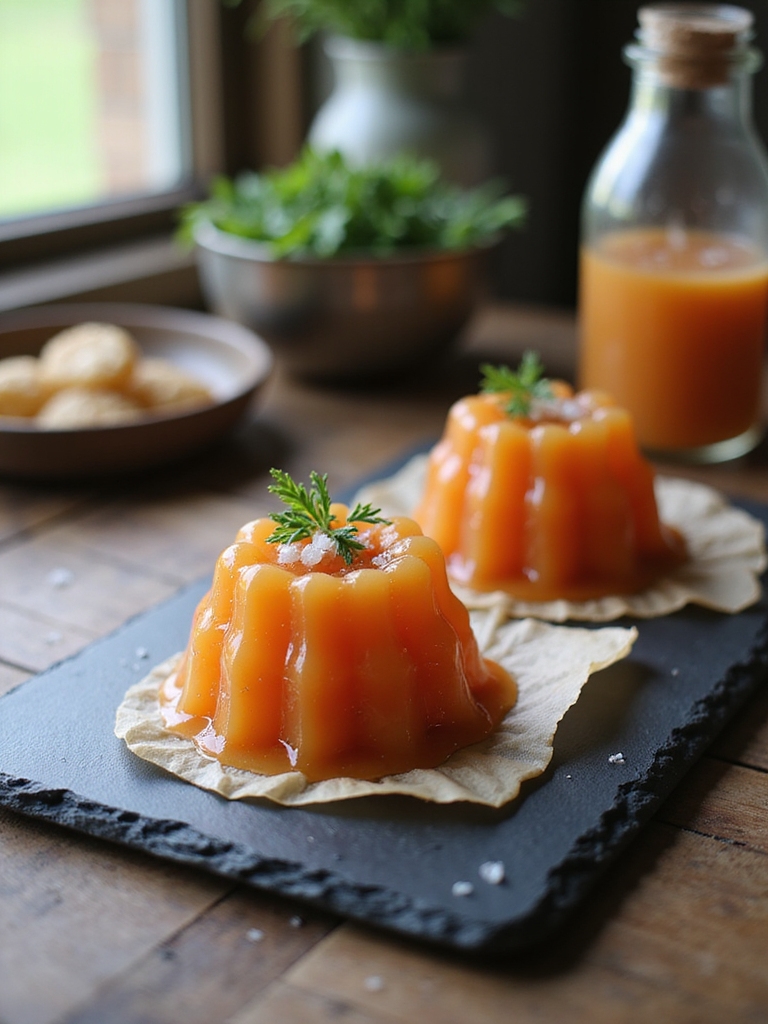
Because gelatin from bone broth sets firm and travels well, making collagen jellies or meat aspics gives you a portable, no-fuss carnivore side that actually tastes like food instead of air-dry protein.
You slice firm aspic cubes from a chilled pan, pack them beside cold roast or eggs, and nobody suspects you’ve smuggled savory gel.
Use concentrated bone broth, finely shredded meat, maybe a scatter of diced liver for interest.
Season boldly — salt, a whisper of ground pepper — because texture without taste is just chewy disappointment.
They keep in the fridge for days and behave admirably on the move.
Slow-cooking bones in a crockpot produces richly concentrated broths that make especially flavorful gelatinous aspics when chilled, which is why many people rely on concentrated bone broth for convenient batch cooking.
Crispy Pork Rinds (Carnivore‑Friendly): Store‑Bought vs DIY
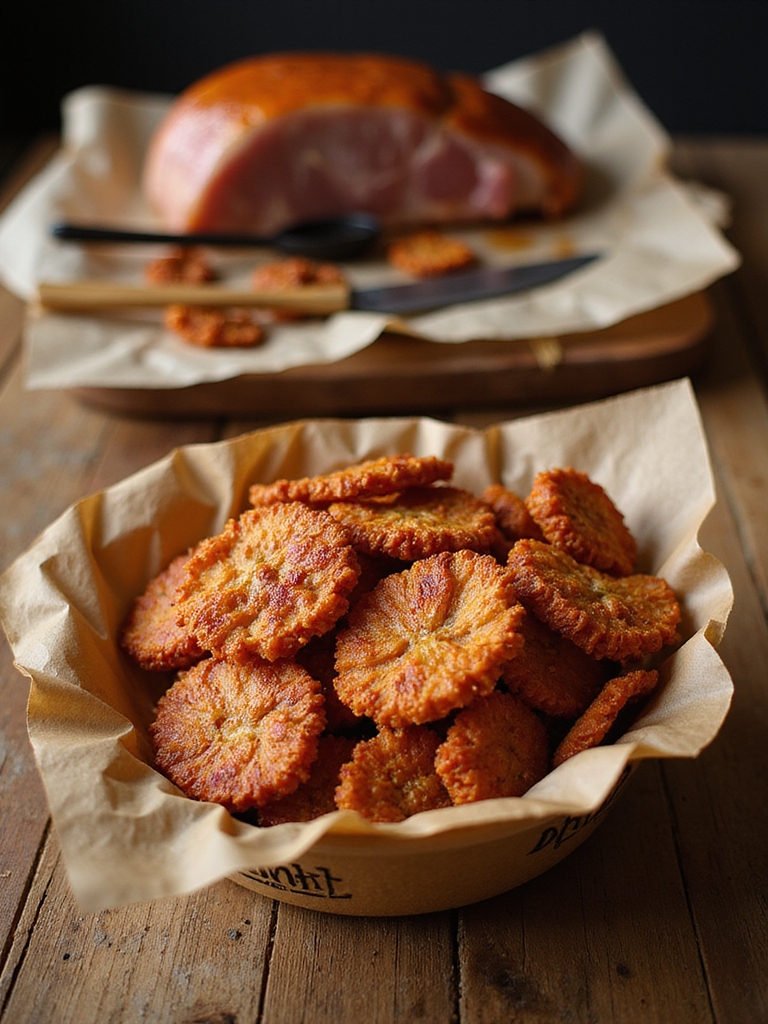
Pick up a bag of pork rinds or make your own, but don’t kid yourself — both routes give you that addictive crunch carnivores crave, and each comes with trade-offs.
You’ll notice store-bought is convenient, reliably seasoned, and shelf-stable, while DIY lets you control salt, smoke, and fat source.
Decide what matters: time, additives, budget.
- Cost — bags win for short-term convenience, DIY for bulk value.
- Flavor — factory mixes can be bold; homemade stays pure.
- Texture — uniform from brands, characterful if you craft them yourself.
Choose what suits your pantry and pride. Homemade versions also let you emphasize satisfying snacks for longer satiety.
Pork Rind Frying Tips and Crisping Methods
Heat your fat and pay attention — getting pork rinds perfectly crisp isn’t magic, it’s technique.
You’ll want neutral oil or tallow heated to a steady 375°F; too cool and they sog, too hot and they burn.
Pat rinds dry, then lower them in a single layer so each has room to puff.
They’ll sizzle, expand, and turn golden in seconds — watch, don’t wander.
Drain on paper, season immediately with fine salt and a pinch of smoked paprika if you like a whisper of smoke.
Cool briefly; they’ll crisp more as steam escapes.
Many people on budget-conscious plans enjoy ground beef for its versatility and affordability, a staple in Affordable Ground Beef meal planning.
Savory Organ Pâtés : Vitamin Boost Without Weird Textures
When you want the nutrient punch of liver without the “livery” look or texture, a savory organ pâté is your best friend — smooth, spreadable, and remarkably unthreatening.
You’ll find it’s stealthy: a spoonful masks metallic notes and delivers vitamins without fuss. Treat it like a condiment, not a meal.
Consider these simple advantages:
- Nutrient density: tiny portion, huge vitamin return.
- Texture control: blend, strain, chill — you decide velvet level.
- Pairing ease: smear on char, dollop on egg, crisp with rind.
It’s practical, bold, and oddly civilized — no apologies required.
Animal-based pâtés can be made from a variety of organs to maximize nutrient density and variety.
Three Simple Pâté Recipes: Liver, Heart, Mixed Organs
Though organ pâtés can sound intimidating, you’ll find these three simple recipes—liver, heart, and a mixed-organs blend—are straightforward, forgiving, and quick to pull together.
You’ll saute aromatic onion if you tolerate it, or skip to butter and salt; blitz seared liver with cream and a splash of lemon for bright balance.
For heart, treat it like dense steak: sear, chill, then puree with rendered fat for a firm, savory spread.
Mixed organs let you hedge bets—liver tempered by kidney or spleen gives complexity without dominance.
Chill, smooth, and serve cold; they keep well.
These variations pair especially well with rich, savory meatball preparations and other carnivore-friendly sides like savory carnivore meatballs.
Egg Sides That Add Texture: Salads, Custards, Folds
Alongside slabs of seared meat, eggs quietly rescue meals by adding texture you didn’t know you were missing—creamy custards that wobble, shredded salads that snap, and folded omelets that provide airy contrast.
You’ll see how simple egg tricks transform monotony into interest without plants.
- Soft custard: whisk yolks, cream, slow bake; serve warm for silkiness.
- Shredded egg salad: chop hard‑boiled whites, sprinkle salt, mayo, crunch from diced cured fat.
- Folded omelet: high heat, quick fold, hollow interior traps steam for lightness.
Try these and notice how texture becomes your secret seasoning.
Quick Zero‑Plant Egg Salad and Curd Recipes
Flip a few eggs and you’ll see how fast zero‑plant egg salads and curds come together to rescue a meat-heavy plate—no greens, no fuss, just yolk, fat, and a few clever techniques that punch up texture and richness.
You’ll mash yolks with mayo, melted butter, or cream for silk; fold diced whites for bite. Curd is just slow heat, patience, and straining—jar it, dollop it, watch jaws relax.
Play with smoked salt or crispy pork bits for contrast. Simple, smug, unapologetic.
| Comfort | Surprise |
|---|---|
| Creamy | Crunch |
| Warm | Tang |
Fermented Fish & Seafood for Salty, Probiotic Sides
If you’re skeptical about putting fish on the same pedestal as pickles, you’re not alone — traditional fermented fish recipes are oddly compelling.
They’re salty, funky, and full of seafood-based probiotics that can actually help your gut without any plants in sight.
Try a small taste first and you might be surprised how well these bold sides cut through rich, fatty mains.
Traditional Fermented Fish
When you think “carnivore side,” fermented fish probably isn’t the first thing that pops into your head, but it should be—its salty, umami punch and probiotic tang transform plain protein into something sharp and memorable.
You’ll meet textures and aromas that test your assumptions and reward curiosity. Try simple servings; a little goes a long way with rich meat.
- Lutefisk or gravlax-style bites for contrast.
- Fermented mackerel strips to cut fattiness.
- Salted roe or fish sauce pearls as finishing sparks.
You’ll sound worldly, eat boldly, and surprise your palate without fuss.
Seafood-Based Probiotics
Plunge into seafood-based probiotics and you’ll find a surprising way to add tang, funk, and gut-friendly bacteria to a carnivore plate without complicating prep.
You’ll encounter fermented fish like Scandinavian surströmming, Korean jeotgal, or simple salt-cured anchovies that deliver umami, acidity, and live cultures.
Use them sparingly as a condiment, chopped into rillettes, or melted into pan sauces to brighten rich meats.
They store long, keep prep minimal, and force you to confront flavor extremes with a smirk. If you value texture, salt balance, and digestive benefits, these salty, pungent sides quietly elevate the meat-only repertoire.
Safe Fish Fermentation + Quick Herring‑Style Recipes
Because fermented fish sounds intimidating but actually follows simple rules, you can add bright, preserved flavors to a carnivore menu without courting food-safety drama.
You’ll keep things safe by using fresh, cold fish, plenty of salt, and clean containers — then let time and low temps do the work.
Try quick herring-style fixes that aren’t fussy: cure, brine, slice, serve.
- Cure: rub salt, rest 12–24 hours, rinse, thin-slice.
- Quick brine: 4% salt, herbs optional, chill 24–48 hours.
- Rinse, pat dry, drizzle fat (butter or tallow), enjoy.
Dairy for Dairy‑Tolerant Carnivores: Ricotta, Mascarpone, Ghee
Skip the myths: if you tolerate dairy, ricotta, mascarpone, and ghee are your easiest shortcuts to rich, satisfying sides that fit a mostly-meat plate.
You’ll dollop fresh ricotta beside seared steak to soften each bite, smear mascarpone on warm pork for a silky contrast, and drizzle ghee to amplify crisp edges without milky residue.
Choose full‑fat, minimal‑ingredient versions and test tolerance with tiny amounts. Ricotta and mascarpone add creaminess and protein; ghee brings pure butter fat and high‑heat safety.
These aren’t salads pretending to be sides — they’re deliberate, indulgent accents that keep the plate unapologetically carnivorous.
Seared Bone Marrow and Marrow Butter for Richness
If you want serious richness on a plate, start by prepping the bones properly—soak, trim, and pat them dry so the marrow behaves.
You’ll sear or roast them until the edges caramelize and the interior stays glossy, and I’ll walk you through the simple temperature and timing tricks that make that happen.
Then we’ll mash the warm marrow into butter for a silky, savory spread that elevates everything from steak to eggs.
Preparing Bones Properly
When you’re ready to unleash true carnivore indulgence, start with bones—sear marrow-rich femurs or knuckles until the edges caramelize and the center runs like velvet.
You’ll treat bones with respect: clean, trim, and chill them so marrow stays glossy. Don’t over-salt before cooking; seasoning can wait until you taste that molten richness.
Prepare marrow butter by mixing warm marrow with cold butter, salt, and herbs—simple, decadent.
Three quick steps to follow:
- Rinse and pat dry, remove loose fragments.
- Chill upright to set marrow for easier searing.
- Sear hard, finish gently, serve immediately.
Roasting Techniques Explained
You’ve handled the bones like a pro—cleaned, chilled, and seared—so now you’ll focus on coaxing the marrow’s flavor the rest of the way with roasting techniques that play up caramelization and control rendering.
You’ll roast bones upright so marrow pools without spilling, use high heat briefly to brown edges, then drop temperature to finish gently.
Salt late to avoid drawing moisture. Tent with foil if tips brown too fast.
Watch closely — marrow moves from silken to oily fast. When it jiggles but still holds shape, it’s ready: spoonable, deeply savory, and utterly indulgent without fuss.
Making Marrow Butter
Start by scooping the still-warm marrow into a bowl — it’s silkier than you expect and melts under the smallest nudge — then fold in a little rendered fat and salt to make a butter that sings.
You’ll smear it on steak, spoon it over roasted bones, or let it dissolve on hot toast if you insist.
Keep it simple:
- Chill time: firm the butter briefly.
- Season: a pinch of flaky salt, maybe crushed pepper.
- Store: airtight in fridge, use within a week.
You’ll look superior, and the table will silently agree.
Pairing Cheat Sheet: Best Sides for Steak, Pork, Poultry
Because cuts of meat carry personalities—steak is bold, pork’s playful, poultry keeps things polite—you’ll want sides that either back them up or give them a little attitude.
You pick marrow butter or seared fat, but here’s a quick cheat sheet so you don’t overthink dinner.
Match textures and contrast flavors: richness with brightness, crispness with juiciness. Use pork to show off sweet-savory balance, steak to celebrate pure fat and smoke, poultry to stay light and herbal. Refer to the table for fast choices and stop fretting—cook confidently and eat well.
| Meat | Complement | Why it works |
|---|---|---|
| Steak | Marrow butter | Amplifies umami |
| Pork | Crispy rind | Balances sweetness |
| Poultry | Herb butter | Keeps things bright |
You’ve got gelatin jellies, marrow butter, crispy rinds and fermented fish to riff on—so why stick to boring plates?
Try one thing: turn bone broth into portable aspic, crisp a pile of pork rind shards, or spoon warm marrow over steak and watch it change the meal.
These animal‑only sides add texture, salt, fat and surprise without plants. Go on—mix, melt, and crunch; your carnivore meals just got interesting.