


Say you crave something cold after a ribeye — and not a popsicle of fruit juice. You’ll find here how to make frozen treats that stick to animal-only rules without tasting like refrigerated fat, and why eggs, cream, and bone broth pull it off.
I’ll show texture tricks, savory flavor ideas, and safety notes that keep things interesting — plus a simple custard you can actually justify sitting down to.
Who This Guide Is For and What You’ll Learn

If you’re here because you can’t imagine life without ice cream but you’re committed to a carnivore-style diet, this guide’s for you.
You’re someone who values meat-first eating but misses creamy, cold comfort. You want practical swaps, simple recipes, and rules-of-thumb that respect animal-based principles without pretending creamless sorbet will suffice.
You’ll learn which animal-derived ingredients fit, how to judge textures and sweetness without plants, and how to troubleshoot common pitfalls like freezer burn or gritty mixes.
Expect straight talk, a few clever tricks, and permission to enjoy frozen indulgence while staying true to your chosen way of eating.
This guide also draws on ideas from Cheesecake for Carnivores to explore dessert alternatives grounded in animal-based ingredients.
Ice Cream and the Carnivore Diet

Though ice cream feels like a forbidden pleasure on a carnivore plan, you can still have rich, creamy scoops that stay true to animal-only rules—you just have to rethink the usual suspects (sugar, fruit, starch) and lean on dairy, eggs, and animal fats for texture and flavor.
You’ll trade big-sweet cones for small, intensely satisfying bowls. Expect denser mouthfeel, subtler sweetness, and more focus on fat quality. You’ll experiment, learn what your palate tolerates, and maybe enjoy simple, savory spins.
Consider these quick mindset cues:
- Focus on texture over novelty
- Embrace restrained sweetness
- Prioritize full-fat dairy
- Use eggs for silkiness
- Keep portions modest
Decadent Carnivore Desserts sometimes aim to feel indulgent while staying minimal and animal-based, often relying on sugar-free techniques to achieve richness without carbs.
Carnivore-Friendly Ingredients That Mimic Ice Cream Texture
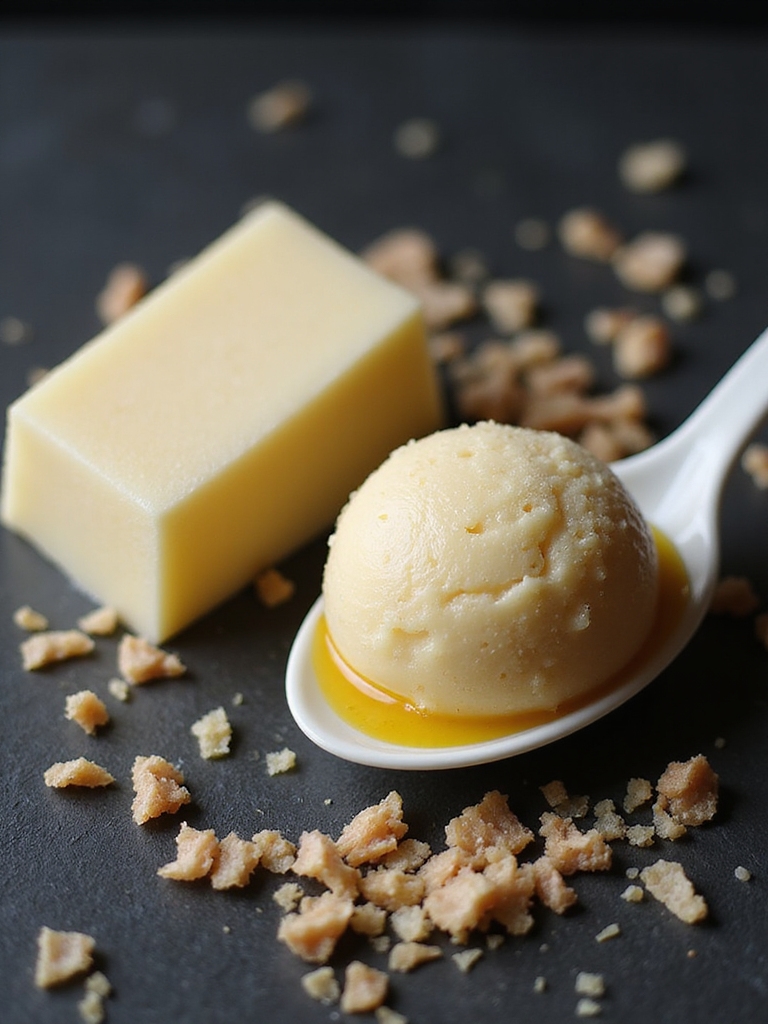
When you’re chasing that ice-cream mouthfeel on a carnivore plan, you’ll learn to love a very small cast of ingredients that do the heavy lifting: full-fat dairy for creaminess, egg yolks for silk and structure, and animal fats (butter, tallow) for weight and sheen.
You’ll lean on cream or mascarpone to deliver richness without plants, temper yolks into custards for stability, and add a spoonful of melted tallow or browned butter to round edges and prevent iciness.
Salt becomes your friend, whipping air into fat gives lift, and patience with chilling turns dense components into pleasantly scoopable treats.
Savory sauces can complement frozen carnivore desserts by adding rich, umami-forward notes through concentrated animal fats and reduced broths.
Single-Ingredient Frozen Treats to Start With

Because simplicity teaches you more than fancy recipes, start with single-ingredient frozen treats to learn how fat, texture, and temperature behave on their own.
You’ll notice subtle differences fast: frozen cream firms differently than frozen tallow, and that’s useful information.
Treat these experiments like tiny lab notes—taste, note mouthfeel, and adjust expectations. You won’t be tricking anyone into traditional ice cream yet, but you’ll learn control.
- Frozen heavy cream dollops
- Chilled beef tallow cubes
- Frozen duck fat spoons
- Pork lard slabs, thin-sliced and frozen
- Frozen bone marrow portions
To keep these gentle on sensitive digestion, favor dairy-free carnivore fats and small portions while observing how your stomach reacts.
Basic Carnivore Custard Recipe (No Sweeteners)
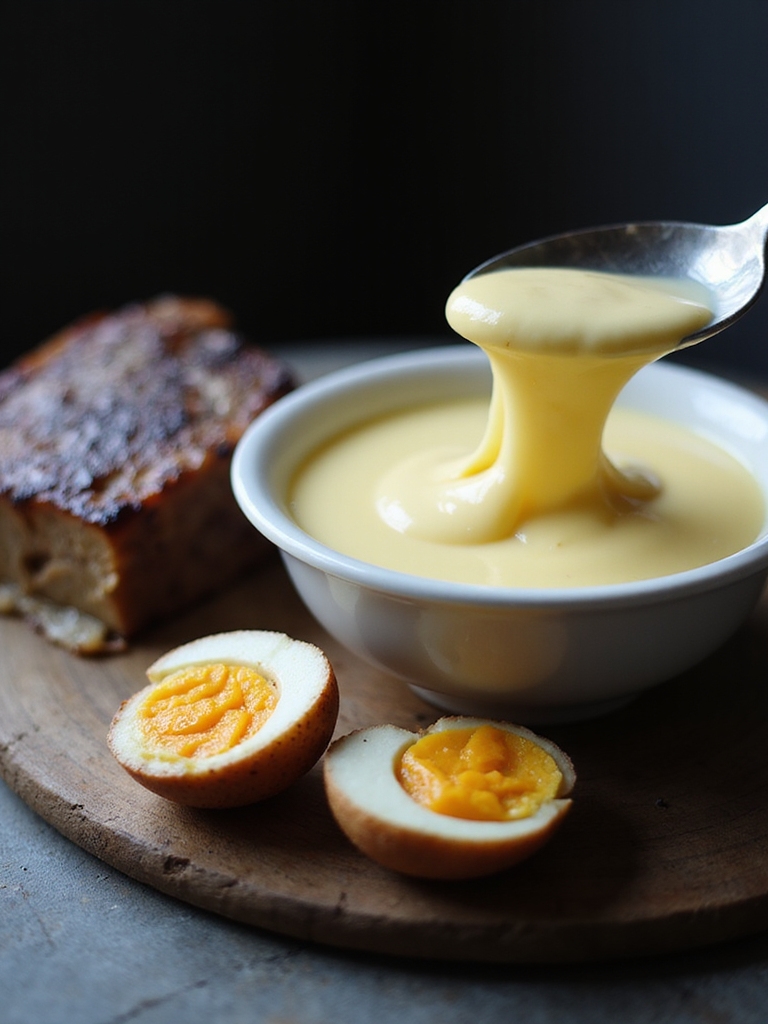
You’ll start with a simple ratio—eggs to heavy cream—so the custard sets silky without additives.
Pay attention to texture as you freeze: slow chilling and occasional stirring keep it creamy instead of icy.
I’ll walk you through exact amounts and freezing tricks so your carnivore custard behaves like real ice cream.
Many people find keeping the recipe limited to animal-based ingredients helps maintain simple adherence to the carnivore approach.
Ingredients And Ratios
Though it sounds decadent, the basic carnivore custard calls for just three reliable ingredients—eggs, heavy cream (or a fattier alternative like tallow-infused cream if you’re feeling medieval), and salt—measured to give a silky texture without sweeteners.
You’ll balance richness and structure: eggs set, cream carries fat, salt sharpens flavor. Typical ratio: about 4 large eggs to 2 cups heavy cream and a pinch to 1/4 teaspoon salt per batch, but tweak for taste. Keep proportions consistent to avoid rubberiness or runniness.
- Eggs: structure and flavor
- Heavy cream: fat and mouthfeel
- Salt: brightens
- Tallow option: richer
- Batch size: scale evenly
Many carnivore beginners find simple, repeatable recipes from Simple Carnivore Meals help build confidence in the kitchen.
Texture And Freezing Techniques
Nailing the texture comes down to controlling eggs, fat, and temperature so your custard isn’t icy or rubbery.
You’ll temper eggs, simmer gently, then cool fast; higher fat keeps silk, more egg gives body. Don’t over-churn — you’ll introduce air that makes it grainy when frozen. Blast chill before the machine, or freeze in a shallow pan and scrape periodically for a softer scoop.
Using richer cuts or added tallow can boost mouthfeel and satiety for winter recipes hearty fat sources.
| Technique | Effect |
|---|---|
| More yolks | Richer, custardy |
| Higher cream | Smooth, less icy |
| Rapid chilling | Finer crystals, firmer finish |
Gelato-Style Method With Heavy Cream and Egg Yolks
If you want dense, silky carnivore ice cream that isn’t all air and regret, the gelato-style method — heavy cream warmed with egg yolks and just enough sweetener or salt to coax flavor out — is your best play.
You temper yolks with warm cream, cook gently to coat a spoon, strain, chill, then churn slowly for minimal air.
It’s luxurious, keeps melt resistance, and highlights butterfat and egg richness without sugary theatrics.
You’ll taste depth, not gimmicks.
- Use ultra-fresh yolks
- Heat slowly, don’t scramble
- Strain for silkiness
- Chill thoroughly before churning
- Store airtight to avoid freezer burn
For those following strict animal-only approaches, remember that coffee can be included on carnivore plans and pairs well with this style of ice cream, especially when brewed to accentuate butterfat-forward flavors.
Savory Ice Pops From Bone Broth and Meat Concentrates
You might raise an eyebrow at the idea of frozen bone broth, but salt-rich ice pops can be shockingly invigorating and oddly satisfying after a long run of creamy desserts.
Try pouring concentrated meat reductions into silicone molds for bite-sized umami bombs that thaw into warm memories if you let them sit a moment.
They’re practical, low-fuss, and a clever way to stretch expensive broth and extracts into something playful.
Bone Broth Ice Pops
Often surprisingly satisfying, bone broth ice pops flip the idea of frozen treats on its head: savory, collagen-rich, and built from slow-simmered bones and concentrated meat reduction.
You’ll love how they’re simple, bracing, and oddly comforting—think mineral depth, gelatinous texture, and a clean savory finish.
They’re perfect for hot days, post-workout collagen boosts, or when you want something different from sweet ice cream.
You’ll make them by seasoning strained broth, pouring into molds, and freezing. Expect a firm, slightly chewy bite that melts into savory richness.
- Mineral-forward flavor
- Collagen benefits
- Low-carb, carnivore-friendly
- Quick prep
- Unexpectedly reinvigorating
Meat Concentrate Molds
Bone broth ice pops whet your appetite for something a little meatier, so let’s push past strained stock into the territory where concentrated cuts and reduced juices get frozen into snackable slabs.
You’ll render, reduce, and season — then pour into molds, expecting texture that’s firm yet yielding. Think tongue, lamb jus, or chicken confit liquified into portable umami. You’ll savor simplicity: salt, heat, chill. Serve as palate cleanser or bold snack. Below is a compact guide.
| Ingredient | Tip |
|---|---|
| Beef reduction | Chill before molding |
| Chicken confit | Shred finely |
| Lamb jus | Strain coarse |
| Gelatin | Adjust for firmness |
Fat Sources and Emulsifiers: Tallow, Butter, Collagen
Think of fat as the ice cream’s personality — tallow gives it a beefy, firm backbone; butter lends creaminess and a familiar dairy roundness; and collagen acts like a secret stabilizer that keeps texture silky without added carbs.
You’ll pick fats by intent: tallow for structure, butter for nostalgia, collagen to reduce iciness and bind water. Use them sparingly, tweak ratios, and taste like you mean it. Emulsification matters — even animal fats can separate if you’re careless.
Keep ingredients minimal, temperatures steady, and expectations realistic; carnivore ice cream is rustic, not sorbettery perfection.
- Tallow: structure
- Butter: richness
- Collagen: stability
- Ratios: everything
- Temp control: critical
How Freezing Changes Dairy, Eggs, and Collagen Mixes
When you freeze a mix that’s mostly dairy, eggs, and collagen, the real battle is over ice crystals and how they wreck—or spare—your mouthfeel.
You’ll notice proteins tighten up and expel water, which either makes the texture silky or turns it into a sad, icy brick depending on formulation and freezing speed.
Let’s unpack how crystal growth and protein structure interact so you can keep your carnivore ice cream enjoyable.
Texture And Ice Crystal Formation
Usually you notice the texture before you notice the flavor: freezing turns silky custards into a battlefield of ice crystals unless you control what’s in the mix.
You’ll learn how fat, sugar-free solids, egg yolks, and collagen behave when cold and why some batches feel grainy. You tweak fat ratios, churn speed, and freezing rate to avoid that icy surprise. Think of it as engineering pleasure, not chemistry class.
- Increase fat for creaminess
- Use yolks to emulsify and inhibit large crystals
- Add soluble collagen for mouthfeel
- Rapid freeze to limit crystal growth
- Store airtight to prevent recrystallization
Protein Structure And Freezing
Because freezing reorganizes more than just water, you’ll feel proteins—dairy-caseins, egg yolk lipoproteins, and added collagen—change their personalities as temperature drops.
You’ll notice casein micelles tighten, altering creaminess and binding fat differently, so your ice cream can go from silky to grainy if you misjudge fat-to-protein balance.
Egg yolk lipoproteins thicken and stabilize emulsions when cold, but over-freezing fractures those networks, yielding icy pockets.
Collagen-derived gelatin firms at low temps, smoothing melt and mouthfeel, yet too much makes chewiness.
You’ll adjust ratios and chill rates, treating proteins like temperamental collaborators rather than inert ingredients.
Temperature, Churn, and Churnless Techniques for Texture
Balancing temperature and motion is the secret sauce of creamy carnivore ice cream, and you’ll notice quickly that tiny changes make big texture differences.
You’ll manage freezing speed, stirring, and resting like a patient chef: colder and faster locks crystals small; gentle churn folds air and fat for silkiness.
Churnless methods rely on emulsions and layered freezes to mimic creaminess without a machine.
You’ll experiment: slow-freeze slices, blitz in a food processor, or use pre-chilled bowls.
Observe mouthfeel, not just appearance, and adjust temperature or agitation next batch.
- Fast freeze vs slow freeze
- Active churn timing
- No-churn emulsions
- Processor smoothing
- Pre-chill equipment
Troubleshooting: Iciness, Separation, and Graininess
If your carnivore ice cream turns into a block of tiny knives, you’re probably fighting ice crystal formation and uneven fat–water mixing.
Check how you’re chilling and emulsifying, because improper cooling or weak emulsifiers leads to separation and that sand-in-your-mouth graininess.
I’ll walk you through the likely causes and tidy fixes so you can rescue each batch.
Ice Crystal Formation
When your carnivore ice cream turns into a gritty, separated mess, it’s not a culinary mystery so much as predictable physics and fat chemistry doing their thing — and you can fix most of it without abandoning the recipe.
Ice crystals form when water molecules migrate and freeze into large, sharp chunks; you’ll notice that after slow freezing or temperature fluctuations. Chill base thoroughly, churn cold, and minimize air exposure.
Use higher fat and small amounts of glycerol or salt-tolerant sugars sparingly to depress freezing. Rapid freezing keeps crystals tiny; patience and speed together make scoopable, creamy results.
- Chill ingredients well
- Freeze fast
- Avoid thaw-refreeze
- Increase fat content
- Add small cryoprotectants
Fat And Water Separation
You’ve tamed the ice-crystal problem, but now you’re staring at a bowl where liquid fat has pooled on top and gritty water-ice sits below — the two just refuse to behave.
You’re not imagining an identity crisis: fat and water separate because they don’t mix and freeze at different temperatures.
Slow churns, warm ingredients, or too much free water let fat coalesce while ice crystals form beneath.
Fix it by emulsifying better (egg yolk, gelatin, or finely blended collagen), chilling thoroughly before freezing, and keeping churn speeds steady.
Temper your expectations: carnivore bases need disciplined technique, not culinary optimism.
Grainy Texture Causes
Often the first clue your carnivore ice cream‘s going gritty is a mouthful that feels like sand instead of silk — and that tells you something broke in the freezing or ingredient game.
You want creamy, not chewable. Graininess comes from large ice crystals, undissolved solids, or fat that won’t homogenize.
Fixes are precise: tweak sugar or glycerol equivalents, increase fat, chill base thoroughly, or blitz in a high-speed blender. Don’t torture it with slow churns.
- Under-chilled base before freezing
- Low soluble solids (no sweetener humectant)
- Large ice crystal growth
- Poor fat emulsification
- Overlong storage causing recrystallization
Animal-Only Flavoring Ideas (Eggs, Gelatin, Tallow)
Although the ingredient list looks like it wandered in from a butcher shop, eggs, gelatin, and tallow can do the heavy lifting for flavor, texture, and richness in carnivore ice cream.
You’ll lean on egg yolks for custardy depth and natural emulsification; they smooth and carry fat-forward flavors without sweetness. Gelatin adds scoopable body and prevents ice crystals, so your spoon doesn’t fight you.
Rendered tallow contributes savory backbone and luxurious mouthfeel, and it won’t taste like shoe polish if you use mild fat and balance proportions.
Experiment gently—tiny tweaks change creaminess and flavor in surprisingly dramatic ways.
Macros: Fitting Frozen Treats Into a Carnivore Plan
Those eggs, gelatin, and tallow you’ve been noodling with don’t just shape texture and flavor—they also dictate how that frozen treat fits into your daily macros.
You’re balancing protein, fat, and negligible carbs while keeping calories in check; a scoop can be a snack or a meal depending on ratios.
Track ingredients, weigh portions, and adjust meat or bone broth bases to hit targets. Be blunt: fat raises caloric density fast, eggs and gelatin boost protein. Use this checklist to plan servings realistically.
- Weigh portions
- Log ingredients
- Target fat:protein ratio
- Adjust serving size
- Count calories
Storage, Thawing, and Preserving Texture
When you’re dealing with carnivore ice cream, think less like a pastry chef and more like a lab tech: freeze fast, store smart, and thaw deliberately so texture doesn’t betray you.
You’ll want airtight, low-headspace containers to limit ice crystals; wrap tubs in plastic before sealing.
Freeze in a shallow layer for quick set, then consolidate.
Thaw in the fridge until scoopable, not melty; rushing it at room temperature wrecks structure.
If icy, a few stirs while softening redistributes fat and smooths mouthfeel.
Refreeze only after reshaping to avoid recrystallization.
Label dates — sooner is better.
Safety and Sourcing: Dairy Tolerance, Pasteurization, Eggs
Usually you’ll want to treat dairy and eggs like delicate instruments rather than casual toppings: they can make or break both safety and tolerability on a carnivore ice cream plan.
You’ll check lactose tolerance, favor high-fat butterfat options, and consider fermented or aged dairy if straight cream stirs up trouble.
Pasteurization matters—raw fans swear by it, but pasteurized reduces bacterial risk.
With eggs, use freshest, cook or temper to cut Salmonella risk, and source pastured when possible.
Be pragmatic: testing portions, noting reactions, and buying trusted suppliers keeps your frozen experiments enjoyable, not regrettable.
- Check lactose tolerance progressively
- Prefer high-butterfat cream
- Consider pasteurized for safety
- Temper or cook eggs
- Buy from trusted, pasture-raised sources
You’ve seen how frozen treats can be tamed to fit a carnivore life—rich cream, yolks, tallow and collagen doing the heavy lifting.
You’ll learn to nibble small, salt smartly and freeze fast to avoid iciness. It’s a weirdly luxurious swap: no sugar, just bone-deep flavor and velvet texture that’ll make you forget sorbet ever existed.
Try recipes cautiously, respect pasteurization, and savor each compact, satisfying spoonful like it’s culinary rebellion.


