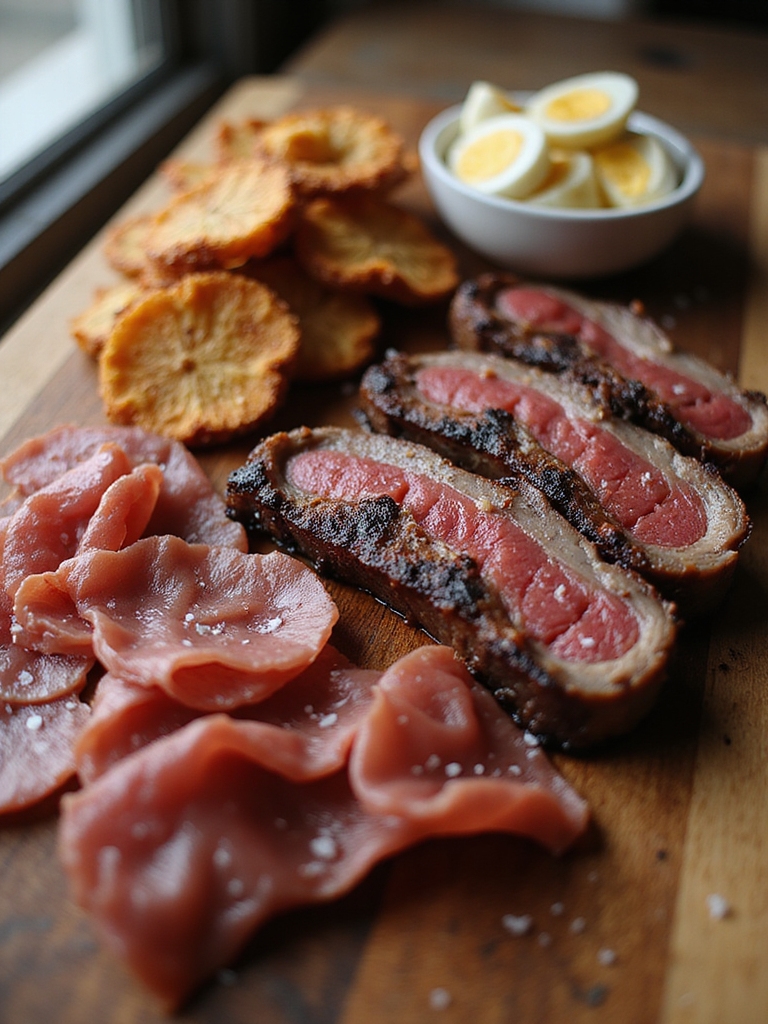


You might think a carnivore plan means endless steak and boredom, but you can eat with variety, rhythm, and real flavor without overthinking it. Start days with protein-forward plates, pace fats so you don’t crash, and pack reheatable leftovers that keep midday focus.
I’ll show you simple rules, swap ideas, and timing tricks that make this way of eating feel natural — and actually enjoyable — so you can build a routine that fits your life.
Structure a Carnivore Day: Protein + Fat Pacing
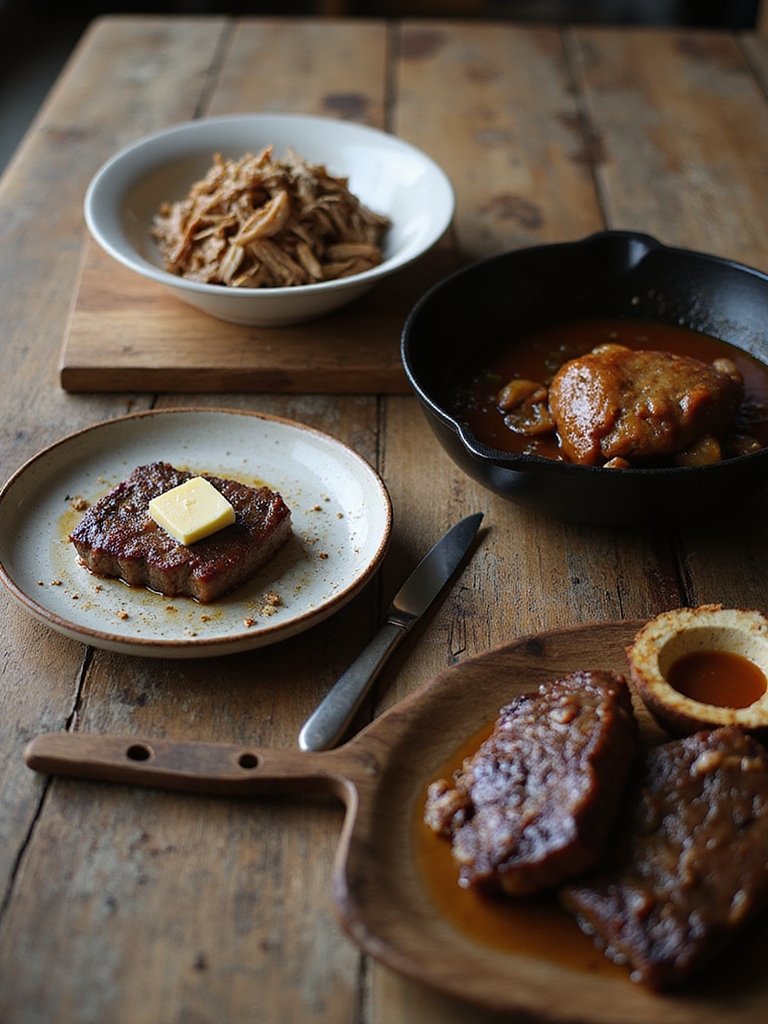
Think of your carnivore day like programming a simple, delicious loop: start with a protein-forward meal to kick metabolism into gear, then pace fats into the rest of the day so you stay satisfied without overeating.
You’ll begin with a solid steak, eggs, or sardines—lean protein signals fullness and preserves muscle.
After that, add fatty elements slowly: a pat of butter, slices of bacon, or a spoon of tallow with later meals.
You’re balancing appetite and energy, avoiding abrupt calorie dumps that lead to crashes.
Keep portions intuitive, tune fat timing to activity, and enjoy the rhythm.
Consider stocking up on essential staples like quality cuts of meat and animal fats to make this routine effortless and sustainable, including tallow and butter for cooking and added calories.
7 Simple Rules for Flexible Carnivore Meals
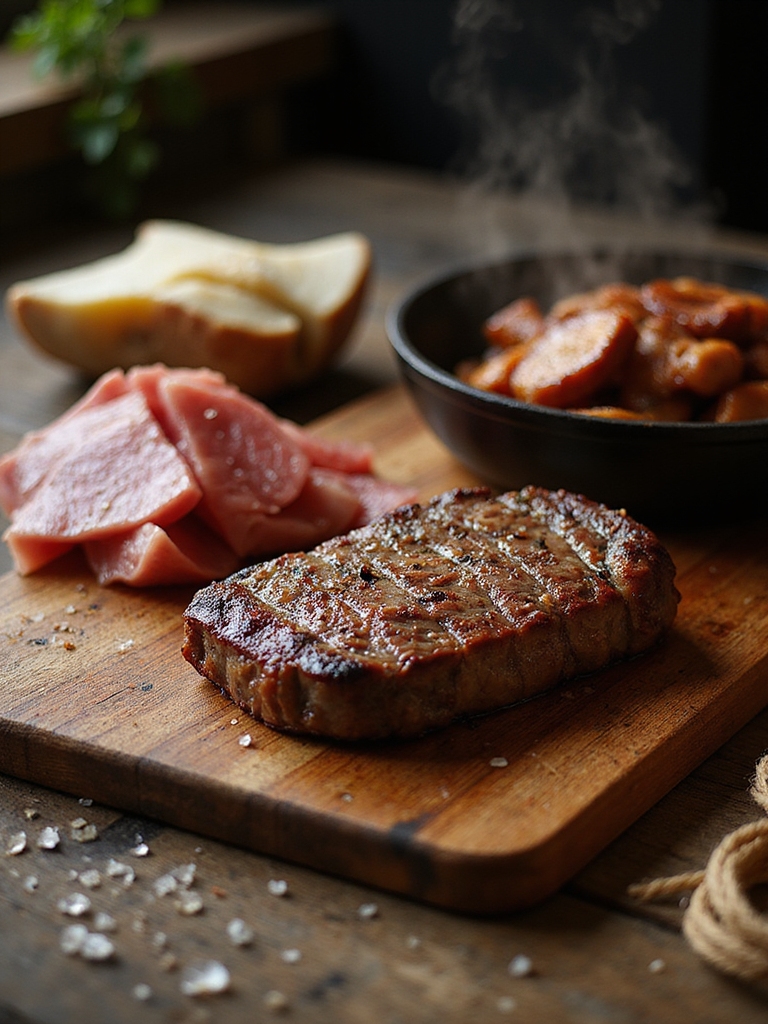
Because you’re keeping things strict but not sacred, set a few simple rules you can actually live with: prioritize animal-based foods, favor whole cuts over mystery-processed items, aim for at least one protein-forward plate early, and add fat to taste so meals hit satiety without dragging you down.
You’ll keep snacks optional, not habitual; rotate beef, pork, poultry, and fish for nutrients and boredom relief; treat organ meats as power-ups, not punishments; use salt, herbs, and acid sparingly for brightness; plan simple backups (cooked roast, hard-boiled eggs) so hunger doesn’t force poor choices.
Consistency matters more than perfection, so build a routine around reliable meals and simple rules that work for your life.
Carnivore Breakfast Ideas That Don’t Get Boring
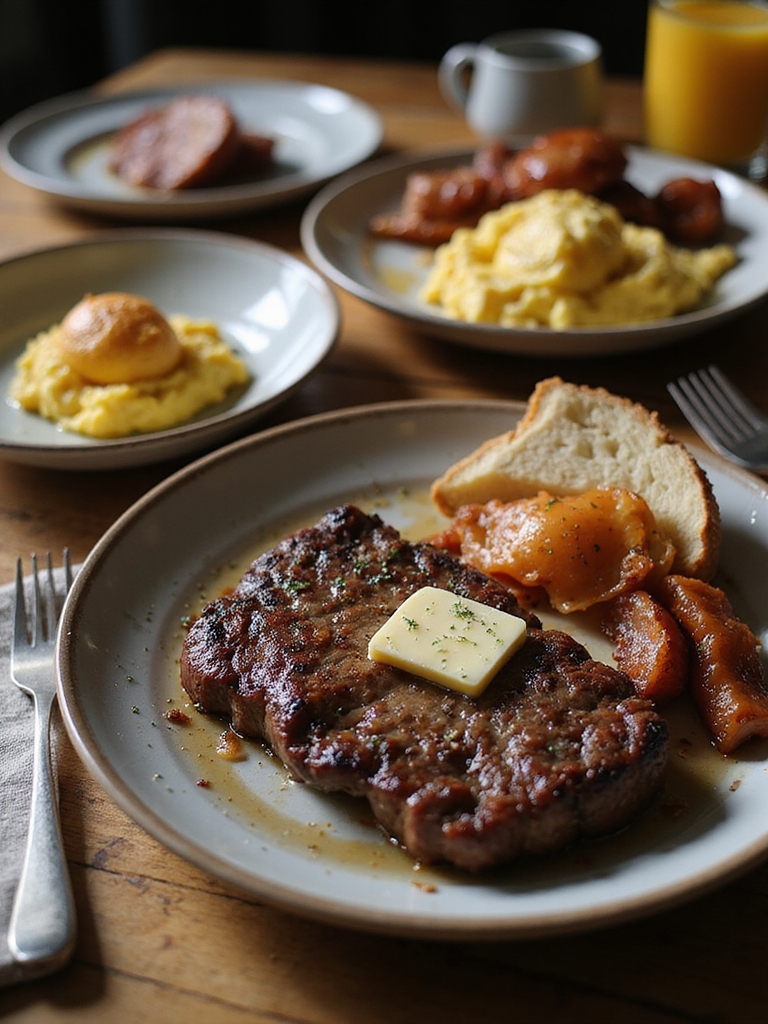
You can keep mornings exciting on carnivore with savory egg riffs—think cheesy folded eggs, herby omelets (use animal fats), or skillet eggs topped with crispy pancetta.
If you want something shakeable, try meat-first smoothies: blended bone broth, collagen, chilled cooked meat or tinned fish, and a touch of salt for texture and umami.
Mix and match those two approaches and you’ll never feel stuck eating the same breakfast twice.
Carnivore breakfasts can also be genuinely effortless when you prepare batches ahead and reheat quickly, making easy morning prep a real time-saver.
Savory Egg Variations
Crack a few eggs and don’t settle for plain scrambled—savory egg variations are your quickest route out of breakfast boredom on a carnivore plan. You’ll get rich yolks, sizzling fats, and clever swaps that keep mornings exciting without plants.
Tweak texture, amp umami, and use meat as seasoning; eggs respond like obedient little flavor sponges.
Try these simple riffs to rotate through weeks without thinking twice:
- Fried eggs in beef tallow, spooned with pan juices for glossy richness
- Soft-boiled, cracked over hot steak slices to make instant sauce
- Omelet folded around shredded pork belly and crisped edges
- Baked eggs nestled in bone marrow, spooned warm and decadent
Carnivore Diet Meals Worth Waking Up For include many of these egg-forward options to make mornings effortless and satisfying, especially when centered on rich yolks.
Meat-First Smoothies
If savory eggs have been your morning anchor, shake things up by turning meat into the base of a smoothie—yes, really.
You’ll blend cooked beef, pork, or deli slices with ice, bone broth, and a spoonful of cream for silky texture. Add collagen or egg yolk for richness, salt to taste, and a whisper of smoked paprika if you’re feeling adventurous.
It’s fast, portable, and oddly comforting. Start modestly — small batch, tempered expectations — then tweak ratios until the mouthfeel and flavor sing.
Breakfast that’s bold, nutrient-dense, and keeps you curious about carnivore mornings. Many beginners find success with ridiculously simple recipes and simple meals when starting the carnivore approach.
Midday Carnivore Meals for Energy and Focus
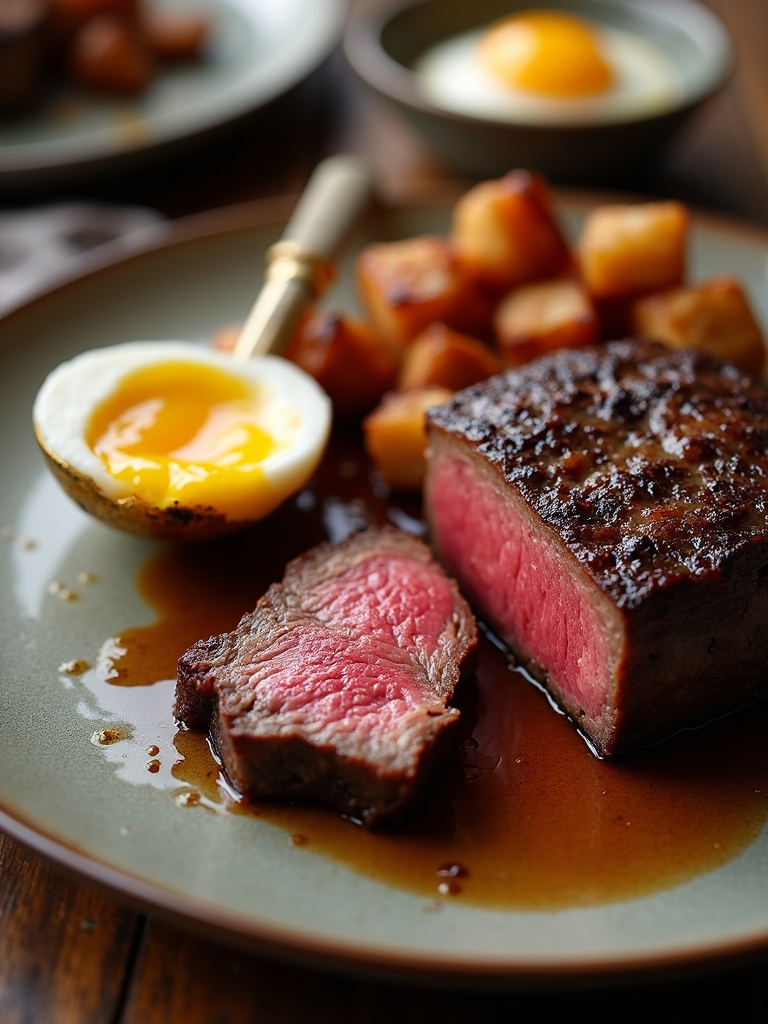
Power through the afternoon with meals that deliver steady energy and razor-sharp focus—think protein-forward plates, a little fat for satiety, and nothing that’ll send your blood sugar on a roller coaster.
You’ll want quick, savory options that keep you alert without floppy midafternoon vibes.
Packable bites and simple reheats make staying on plan painless, and a touch of seasoning keeps things lively.
- Sliced roast beef with pork rinds for crunch
- Pan-seared salmon and butter, lemon optional
- Hard-boiled eggs and leftover steak cubes
- Quick ground-beef skillet with minimal onion
Eat confidently, not apologetically. Carnivore lunches are ideal for easy meal prep because they rely on simple, repeatable components like roast beef and eggs that scale well for the week—see Carnivore Lunches.
Evening Carnivore Dinners for Satiety & Recovery
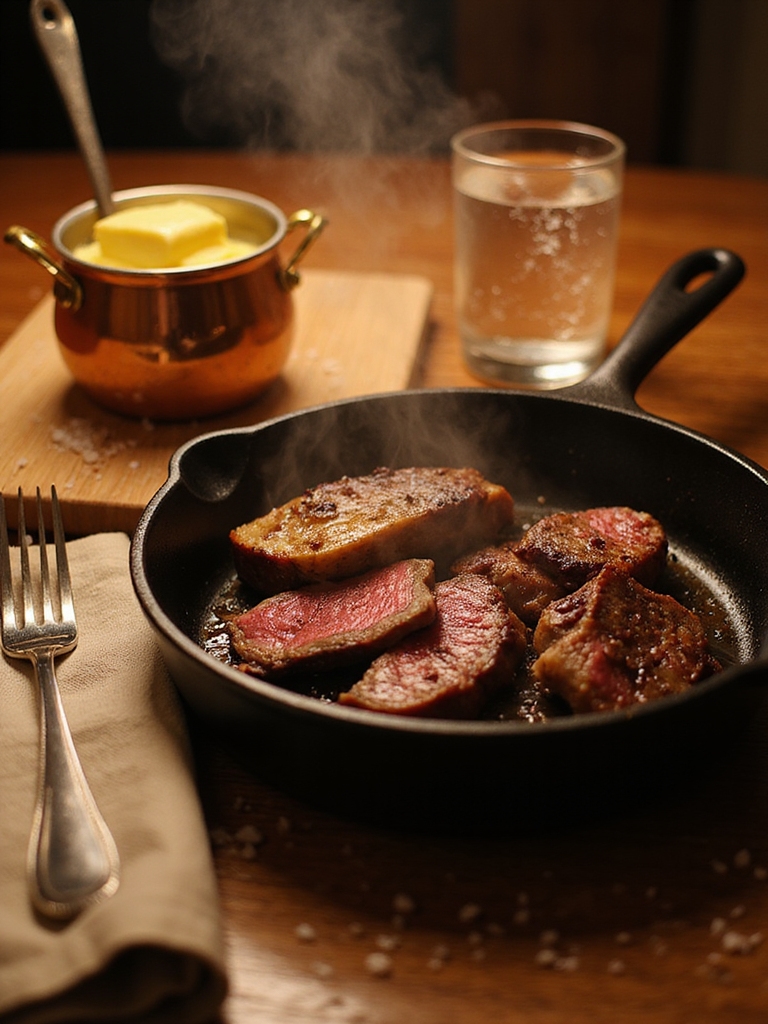
When night falls, choose dinners that rebuild your muscles and lull you into deep sleep—think generous portions of protein with enough fat to keep you full without feeling leaden.
You’ll want steak, roast chicken, or slow-braised beef paired with marrow, butter, or a crisp strip of pork belly for texture and calories that don’t weigh you down.
Aim for iron-rich cuts and a bit of collagen — short ribs, oxtail, bone broth — to aid recovery and joint comfort.
Eat slowly, savor fat as flavor, and stop when satisfied; tomorrow’s energy starts with tonight’s smart, simple feast.
Rotate meal themes weekly to keep variety and excitement, like alternating steak nights with roast and braise evenings for endless carnivore inspiration.
Snack Choices That Actually Keep You Full (Carnivore)
After a big, restorative dinner you mightn’t want anything more than a spoonful of bone marrow — but between meals you’ll still need snacks that actually stop the hanger without undoing all that restful recovery.
You want portable, satisfying bites that favor fat and protein, keep energy steady, and taste like something worth eating.
Reach for simple, bold options that won’t provoke cravings or digestion drama. Try:
- Pork rinds with a smear of tallow or rendered duck fat
- Cold smoked salmon slices rolled with cream cheese
- Hard-boiled eggs sprinkled with flaky salt
- Canned sardines in olive oil, eaten straight from the tin
These fill you. A quick stash of snack-friendly carnivore choices makes busy days manageable without compromising satiety.
Two-Week Sample Carnivore Meal Plan
If you want a practical way to try the carnivore approach without guessing every meal, this two-week sample plan gives you straightforward, flavorful templates for breakfasts, lunches, dinners and snacks so you can focus on cooking and enjoying rather than debating ingredients.
You’ll get rotating mains — steaks, brisket, sardines — simple prep, and snack cues to curb cravings. Use it as a scaffold: swap cuts, scale portions, relish the fat. Below is a tiny emotive menu map to spark appetite and confidence.
| Morning | Midday | Evening |
|---|---|---|
| Ribeye | Leftover brisket | Roasted chicken |
| Eggs & bacon | Sardines | Lamb chops |
| Bone broth | Pork belly | Salmon |
Low-Effort Weekday Carnivore Plan
You’ll keep mornings simple with quick, protein-packed breakfasts like eggs or cold steak so you’re fed fast and ready.
Pack leftover roasts or pan-seared chops for effortless lunches that taste even better the next day.
For dinner, stick to no-fuss staples—grilled sausages, ribeyes, or slow-cooked brisket—that require minimal hands-on time.
Quick High-Protein Breakfasts
Usually, mornings call for something fast, filling, and unapologetically meaty — and that’s exactly what these quick high-protein carnivore breakfasts deliver.
You want fuel, minimal fuss, and flavor that says “you mean business.” Pick a routine you actually like and rotate it so mornings feel enthusiastic, not fraught.
- Pan-seared ribeye bites with a soft-boiled egg for dipping.
- Cheesy omelet folded around finely chopped bacon.
- Smoked salmon slices rolled with cream cheese (if you tolerate dairy).
- Quick chorizo patties fried in their own fat.
These keep prep short and satisfaction very high.
Simple Leftover Lunches
Mornings are for firing up your day; afternoons are for reusing that momentum — and your dinner from last night makes the perfect low-effort lunch.
You’ll stash steak slices, roast chicken, or pork chops in the fridge, then plate them with a confident flick of the wrist. Warm leftovers in a pan or eat cold with a smear of butter; both feel deliberate, not lazy.
Toss in bone broth or shaved cured meats for variety. You save time, cut decision fatigue, and keep protein front and center. Simple, satisfying, and reliably carnivore-friendly — lunch done, day preserved.
No-Fuss Dinner Staples
When dinner time sneaks up on you, lean on a handful of fail-safe, hyper-protein staples that cook fast and ask for almost nothing in return.
You’ll keep hangry moments at bay with simple techniques: sear, roast, broil, repeat. Pick cuts that forgive impatience, season with salt, and let fat do the heavy lifting.
Rotate these basics and you’ll never stare blankly into the fridge again:
- Ribeye or sirloin, seared hot for a crispy crust and juicy middle
- Ground beef patties, quick and endlessly forgiving
- Bone-in chicken thighs, oven-roasted for hands-off comfort
- Pork chops, brined briefly, pan-roasted to golden perfection
Higher-Calorie Carnivore Plan for Active People
Fuel up: if you’re training hard or just naturally burn through calories, a higher-calorie carnivore plan lets you eat big without sacrificing simplicity.
You’ll prioritize energy-dense cuts — think marbled beef, lamb, fatty fish — and add frequent mini-meals like bone broth sips and tinned sardines to tide you between workouts.
Aim for protein plus fat at each sitting, and don’t fear extra butter or tallow when you need calories.
Meal timing centers on pre- and post-exercise refueling; snacks keep glycogen-ish feeling at bay.
Eat confidently, track how you feel, and tweak portions to match your output.
Spotlight Meals: Steak, Eggs, Pork Belly (How to Cook)
You’re aiming to eat big and feel strong, so let’s make those high-calorie heavy hitters taste as good as they perform: steak, eggs, and pork belly.
You’ll sear steaks hot for crust, rest them to keep juices, fry eggs in butter until edges crisp, and render pork belly slowly for crackling and silky fat.
Pair textures: tender meat, runny yolk, crunchy rind.
Season simply—salt, maybe pepper—so the meat sings.
- Sear steak 2–3 minutes per side for medium-rare.
- Fry eggs low and slow for glossy yolks.
- Roast pork belly at low, then blast high.
- Rest everything before slicing.
Simple Swaps to Change Flavor Without New Recipes
Mix and match a few tiny tweaks and your same steak-eggs-pork routine will feel brand new—no recipes, no fuss.
Swap finishing fats: spoon duck fat or ghee over eggs instead of butter for a caramelized lift.
Change texture by crisping pork belly under a broiler or slow-roasting for tender shredding.
Turn steak into something smoky with a quick char and a sprinkle of smoked salt, or slice thin and sear fast for bite-sized richness.
Add acid-free brightness with a few drops of aged vinegar on warm meat or a cold pat of bone marrow to melt into sauce.
Balancing Fatty Cuts and Lean Protein Across Meals
Think about your day like a flavor ledger: some meals should lean chase-the-richness while others need a lean reset so you don’t wobble into meat-coma.
You’ll balance fattier ribeyes or lamb chops at dinner with leaner morning options—think flank, turkey, or thin-sliced steak—so energy and digestion stay steady.
Rotate textures and fat loads so every meal feels intentional, not accidental.
Match cooking methods: quick sears for lean cuts, low-and-slow for fattier pieces.
Trust your appetite cues and adjust.
- Start lean in the morning
- Save tallow-rich cuts for evening
- Mix textures each day
- Track how you feel after meals
When to Fast or Eat: Intermittent Fasting vs. 3 Meals?
You can try time-restricted eating to tighten up energy and digestion, or stick to three steady meals if that keeps your day—and appetite—predictable.
Pay attention to hunger signals rather than the clock, because your body’s cues will tell you if a midafternoon steak actually sounds appealing.
For practicality, pick a schedule that fits work and social life (skip breakfast or set eating windows) and adjust as your cravings and performance indicate.
Meal Timing Benefits
Whether you fast or stick to three square carnivore meals, timing shapes how you feel, perform, and digest animal-based foods—so it’s worth a little strategy.
You’ll notice tighter energy, crisper workouts, and less bloat when meals match your routine. Try windows that suit sleep, training, and social life rather than chasing trends.
- Morning protein can fuel fasted training and steady mood.
- Compressed eating windows may simplify digestion and sharpen focus.
- Spacing three meals supports appetite control and stable strength.
- Nighttime feasts can harm sleep for some—test what preserves rest.
Tune timing like seasoning: subtle, personal, powerful.
Hunger Signal Listening
Because your body talks in grumbles, moods, and tiny sparks of energy, learning to listen beats following rigid rules—especially on carnivore, where fat and protein change the script.
You’ll notice long, satisfied stretches after a fatty steak, or a steady hum from eggs and butter that makes three meals unnecessary.
If hunger’s polite and spaced, lean into intermittent fasting; if it arrives sharp and relentless, honor three meals.
Trust appetite cues over clocks, but check for cravings masked as boredom. Keep it simple: eat when genuinely hungry, stop when pleasantly full, and let taste guide timing.
Practical Scheduling Tips
If your day runs on meetings and moods rather than meal bells, pick a rhythm that matches your life and your appetite: intermittent fasting suits mornings when you’re busy or not hungry, while three square carnivore meals work better if steady energy and ritual keep you sane.
You’ll test timing, tweak portions, and trust hunger signals. Choose simplicity and stay flexible.
- Try 16:8 fasts on busy days; eat larger protein-and-fat meals in the eating window.
- Schedule three meals when training or needing mental steadiness.
- Use coffee or bone broth to bridge fasts.
- Reassess weekly and adjust.
Common Hiccups and How to Tweak Your Carnivore Plan
When your hunger, energy, or bathroom habits go off-script, don’t panic—you can usually fix it with a few practical tweaks to what and how you eat.
If you’re ravenous, add fattier cuts or an extra egg; fat steadies appetite and keeps steaks from feeling like cardboard.
Low energy? Try organ meats or a bit more salt and broth for minerals.
Constipation often responds to more butter, bone broth, or slightly higher fat and gentle magnesium short-term.
If you crave variety, rotate textures—roast, grind, sear.
Tune portions and timing; small changes ripple into big, tasty improvements.
Shopping, Batch-Cooking, and Habits That Make It Effortless
Usually you’ll find that planning a carnivore week is less about sacrifice and more about strategy: stock your freezer with a few big, versatile cuts, buy eggs and organ meats in bulk, and keep marrow, bones, and tinned fish for quick meals.
You’ll save time and money if you batch-roast brisket, sous-vide steaks, or slow-cook pulled pork, then portion and freeze.
Build simple rituals—weekly shopping list, one-hour meal prep, labeled containers—and you’ll eat like a king without thinking.
- Roast a tray of bones for broth every other week
- Hard-boil a dozen eggs for grab-and-go
- Freeze meal-sized steak packs
- Rotate organ meats for nutrients
Stick to protein-first plates, pace the fat, and you’ll find meals that actually make life simpler. One neat stat: in a small 2020 survey, 72% of self-described carnivores reported improved energy or focus within weeks—so this approach isn’t just macho myth.
Rotate textures, batch-cook roast and organs, stash reheatable leftovers and snacks, and tune timing to activity. Eat when hungry, fast when not, and keep it tasty enough to stick with.