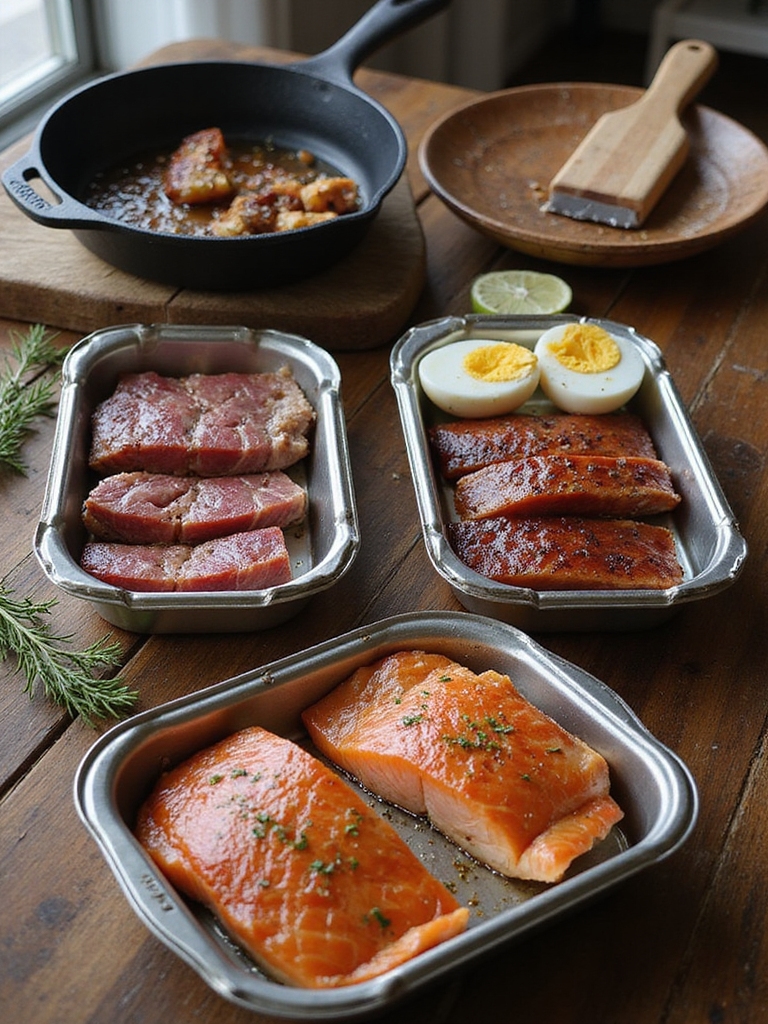
You likely want better energy, less decision fatigue, and food that actually fills you up — without turning every meal into a strict rulebook. The relaxed carnivore approach centers meat, fish, eggs, and fats while letting you plan small, practical flexes so you stay consistent instead of burnt out.
I’ll show you how simple rules, smart swaps, and honest troubleshooting make this way of eating doable long-term — and when to tighten up if progress stalls.
Who This Relaxed Carnivore Diet Helps
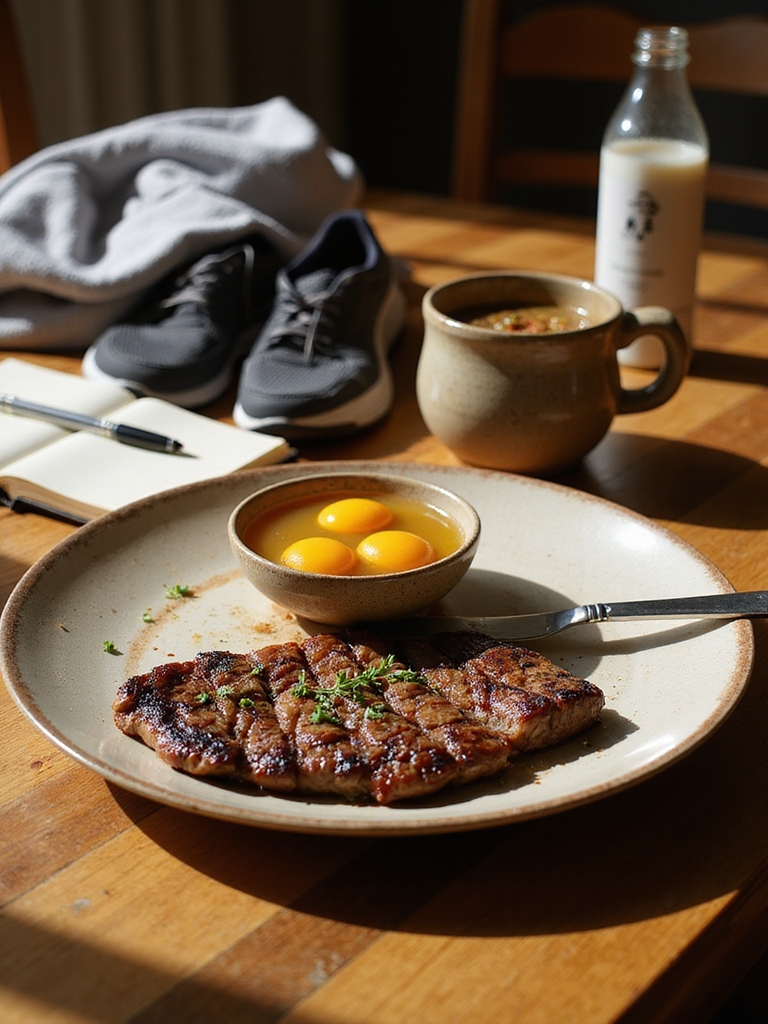
If you’re curious about the relaxed carnivore diet but don’t want to give up social meals or go full-on steak monk, this plan is for you: it’s aimed at people who want the benefits of a meat-centered way of eating without the strictness and drama.
You’ll find it suits folks juggling busy lives, athletes wanting simpler recovery, and anyone who’s tried rigid diets and burned out.
You still enjoy variety, occasional veggies, or shared dinners. You want clarity, fewer cravings, and fewer rules.
This approach keeps you consistent by being practical, sustainable, and unapologetically human-friendly.
Research on the carnivore diet suggests it can be adapted to different lifestyles with flexible guidelines to support long-term adherence.
What a Relaxed Carnivore Diet Is and Why It Works

Think of the relaxed carnivore diet as meat-first eating with common-sense flexibility: you center meals on animal foods—beef, pork, poultry, fish, eggs, and animal fats—while allowing occasional veggies, dairy, or carbs when it makes social sense or helps you feel your best.
You prioritize satiating, nutrient-dense animal proteins that simplify choices, reduce sugar cravings, and often stabilize energy and digestion.
You won’t obsess over grams; you’ll learn what foods actually make you thrive. That practicality boosts adherence.
In short, it’s a sensible default: animal-focused, humane to real life, and designed to keep you consistent without being rigid.
Consistency, not perfection, is the guiding principle of the carnivore diet and the key to long-term success consistency over perfection.
Start: Simple Rules for Your First Two Weeks
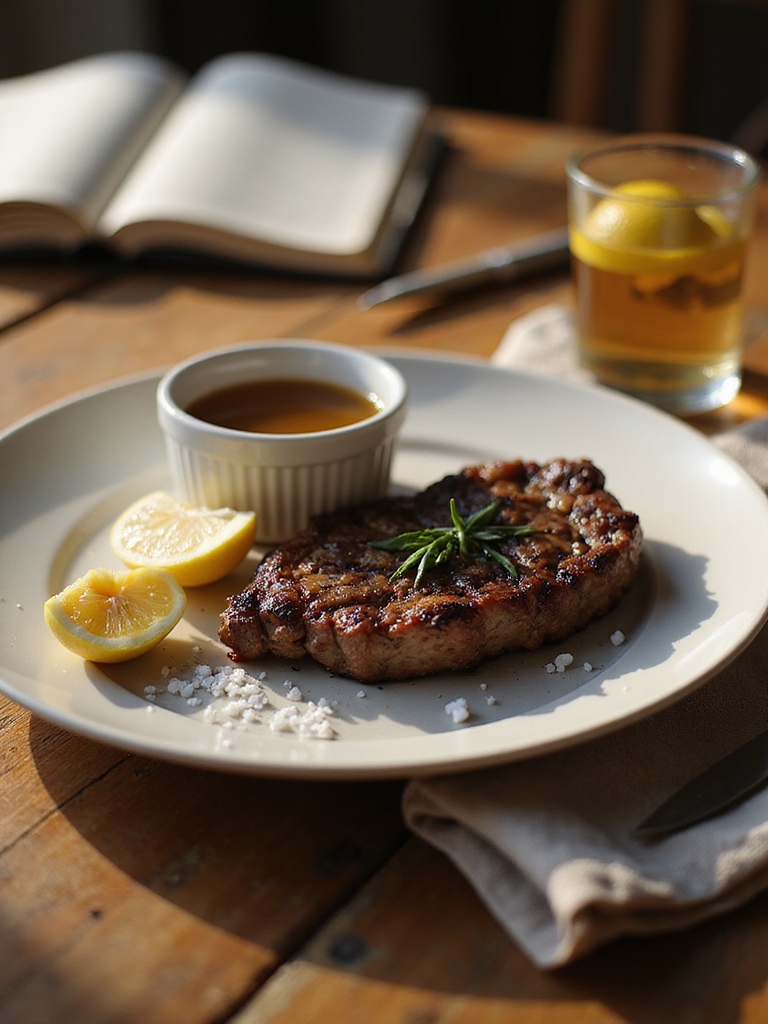
Once you commit to two weeks, treat it like a friendly experiment: eat animal-first at every meal, keep snacks simple (hard-boiled eggs, jerky, or a slice of cheese), and skip added sugars and obvious junk.
You’ll feel curious, proud, impatient, and energized—sometimes all before lunch. Keep rules small: prioritize protein, hydrate, sleep, and don’t overthink cravings. Track mood and energy; celebrate tiny wins. If you slip, reset without self-judgment.
This short reset teaches habits without cruelty. Use the table below as a playful reminder of feelings you’ll meet.
Many people notice early shifts in appetite and energy when they follow a carnivore diet for the first two weeks.
Two-Week Sample Meal Plan (Easy Swaps)

You’ll get a practical two-week plan with simple swaps to ease you in—think bacon for breakfast instead of cereal and steak nights that don’t require chef skills.
Week 1 focuses on gentle changes to replace carbs with familiar animal foods, while Week 2 gives bolder options and variations so you won’t get bored.
I’ll walk you through easy swaps that keep meals tasty and doable.
Many newcomers find that prioritizing simple animal foods makes the transition smoother.
Week 1 Swap Ideas
Ready to swap in simpler, carnivore-friendly options this week? You’ll keep meals familiar while trimming prep and decision fatigue.
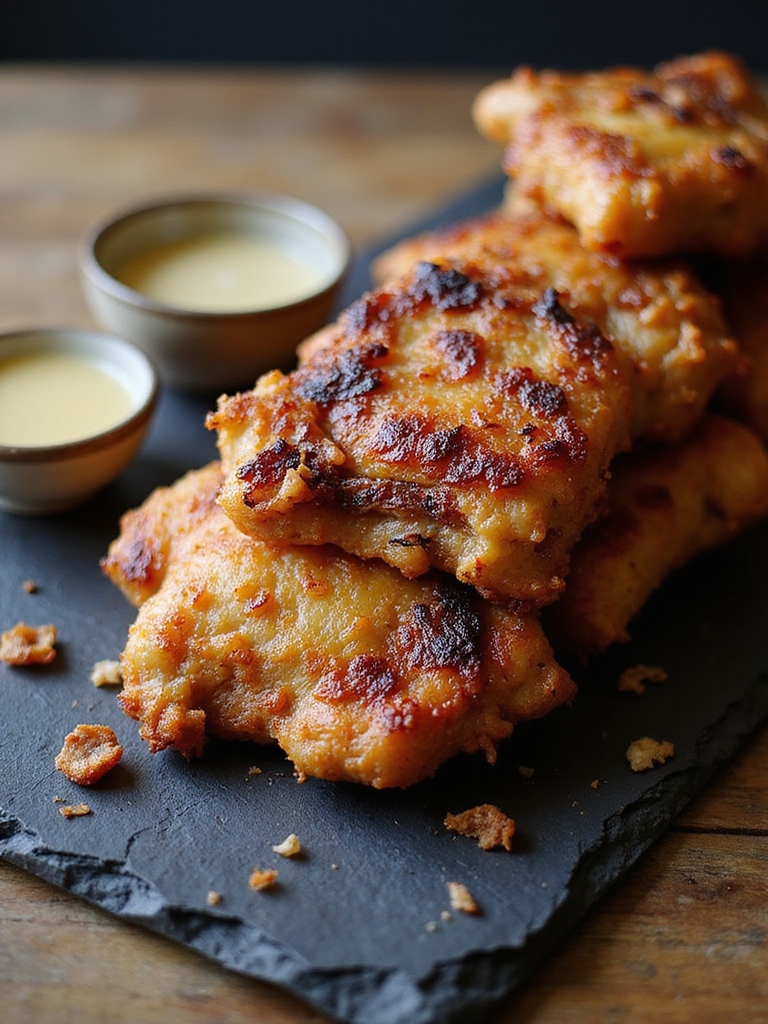
Swap weekday steak dinners for ground beef bowls—fast, versatile, and you can spice one portion for variety. Trade expensive ribeyes for bone-in chicken thighs on busy nights; they crisp and satisfy. Replace sugary sauces with compound butter or a splash of beef broth.
For breakfast, trade mixed omelets for plain fried eggs and bacon.
Snack smart: pork rinds or sliced deli roast instead of packaged bars. These swaps keep you consistent without feeling strict or bored.
Ridiculously easy meals like simple ground beef bowls and chicken thighs help maintain the diet with minimal fuss and quick prep.
Week 2 Swap Options
Week 2 ramps things up with easy, low-fuss swaps that keep meals interesting without adding time or stress—think simple twists on what you already ate in Week 1.
You’ll swap ribeye for flank steak one night, trade a morning egg for a quick smoked salmon plate, or replace bacon with pork belly for crunch.
Try seared liver once for nutrient boost, or mix bone broth into coffee for warmth and satiety.
Keep portioning familiar, vary cooking fats, and rotate herbs lightly if you want flavor.
These tiny changes stop boredom and help you stick to the plan.
Effortless options include simple recipes and rotation strategies to maintain variety and adherence with minimal effort.
Structuring Daily Meals for Satiety and Simplicity
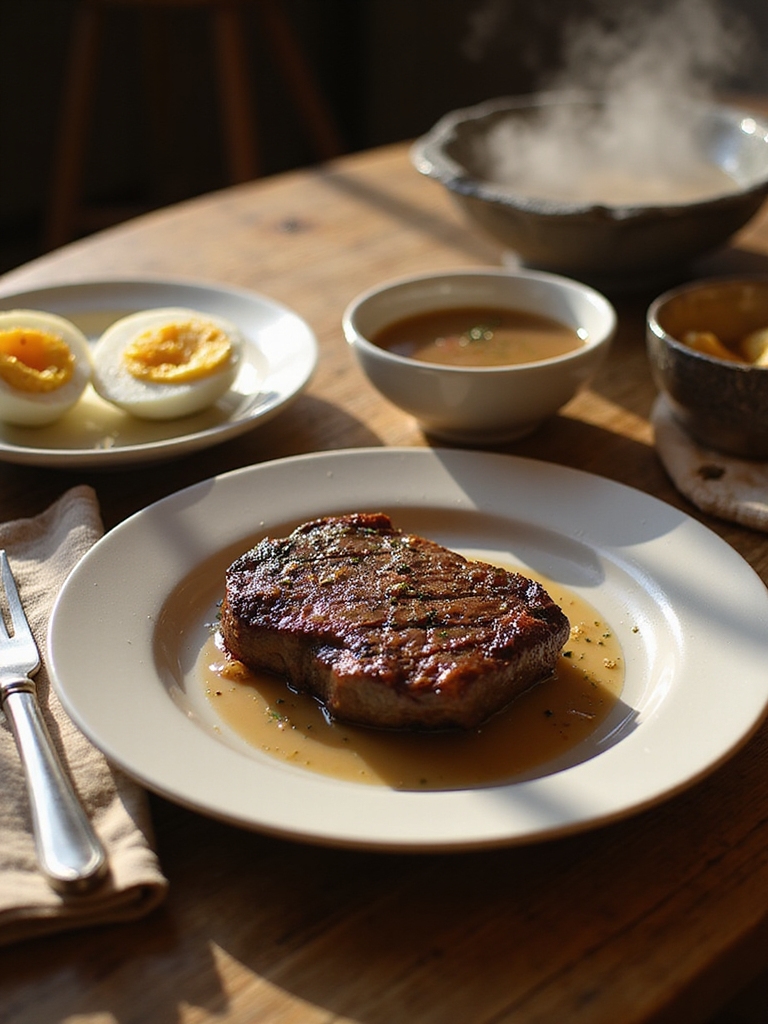
Often the simplest plate is the one that keeps you full and sane: focus each meal on a generous portion of animal protein, a source of fat, and minimal seasonings so you eat less, enjoy more, and don’t overthink grocery runs.
Build routines—breakfast could be eggs and bacon, lunch a steak or canned fish, dinner roast or slow-cooked ribs—so shopping’s predictable and cooking’s fast.
Portion to satiety, not perfection; add bone broth or a fattier cut when you need comfort.
Keep snacks simple—jerky or slices of meat. This approach keeps decision fatigue low and consistency high.
Try adopting a simple weekly template to make meal planning effortless and predictable, with repeatable meal patterns reducing shopping complexity and cooking time.
Safely Adding Small Non-Animal Foods
If you want to experiment beyond meat, start with tiny, portion-controlled plant additions so they don’t hijack your appetite.
Pick low-impact options like spinach, cucumber, or a few berries that won’t cause gut drama or cravings.
Keep it simple and track how each bite makes you feel so you can adjust confidently.
Research on vegetables and the carnivore diet shows ongoing debate about their effects and how people tolerate them.
Portion-Controlled Plant Additions
Though you’re sticking mostly to meat, you can still slide a few tiny plant items into your meals without derailing progress—think a sprinkle, not a salad.
You’ll keep focus by limiting portions, timing additions around meals, and choosing items that won’t stir cravings. Start with a pinch of herbs, a few slices of avocado, or a tiny dollop of mustard. Track how you feel.
| Item | Portion idea |
|---|---|
| Herbs | 1 teaspoon |
| Avocado | 1–2 thin slices |
| Mustard | 1/2 teaspoon |
Small tweaks, big peace of mind—yes, you can.
Choosing Low-Impact Foods
You’ve already seen how tiny plant touches—an herb pinch, a slice of avocado—can keep you grounded; now let’s pick items that won’t stir the pot.
Choose low-impact foods that add flavor and nutrients without provoking digestion or cravings: fresh herbs, microgreens, thin cucumber slices, small amounts of fermented veggies, and citrus zest.
Introduce one item at a time, in tiny doses, and watch how your body reacts.
Keep meals centered on animal proteins and fats, treating plants as accents, not mains.
If something bumps energy or digestion, drop it and try a milder option later.
Refeed Days on a Relaxed Carnivore Diet
When you’re doing a relaxed carnivore approach, refeed days act like strategic pit stops — they let you reset mentally and physically without wrecking the gains you’ve made.
You’ll use them to relieve strictness, boost enjoyment, and support training without derailing progress. Keep choices familiar, portion-conscious, and purposeful; think temporary variety, not a free-for-all.
Plan timing around workouts or social events, and treat refeed days as tools, not habits. You’ll notice better adherence and less anxiety when you’re intentional.
| Purpose | Example |
|---|---|
| Mental reset | Favorite steak night |
| Social ease | Family BBQ |
| Energy boost | Carb-inclusive meal |
| Reward | Celebratory feast |
Protein, Fat & Micronutrient Tips for Long-Term Carnivore Health
Because your body’s needs change over time, dialing in protein, fat, and micronutrients matters for long-term success on a relaxed carnivore plan — and you can do it without making meals miserable.
Track how you feel and adjust: more protein when you’re active, more fat when you need steady energy.
Rotate cuts—ribeye, brisket, liver—to vary vitamins and iron.
Don’t fear salt; sodium and electrolytes matter.
Consider occasional organ supplements if you dislike organ meats.
Watch vitamin D, omega-3s, and magnesium; test and supplement rather than guess.
Small tweaks, consistent monitoring, and tasty choices keep this sustainable.
Quick Recipes and Time-Saving Meal Swaps
Flip on the grill and get dinner done in under 15 minutes — relaxed carnivore cooking is about smart shortcuts, not sacrifice.
You’ll sear steaks, toss pork chops, or char salmon while veggies stay optional. Keep cooked anchor items—roasted chicken thighs, ground beef, crisped bacon—in the fridge for rapid plates. Swap a morning omelet for hard-boiled eggs and bone broth when time’s tight.
Use sliced deli roast or pre-cooked ribs for salads or quick plates. Sauces? Butter, rendered fat, and a squeeze of lemon. These swaps keep you consistent, tasty, and cruising through busy weeks.
Making Travel and Social Situations Carnivore-Friendly
When you’re on the road or heading to a party, plan meals ahead so you’re not guessing at every stop.
Scan menus confidently and ask for simple swaps—extra steak, hold the sauce—and you’ll be surprised how easy hosts and kitchens are to work with.
Pack portable protein (jerky, hard-boiled eggs, or tinned fish) so hunger never forces a compromise.
Plan Meals Ahead
If you’re heading out for a trip or a night out, a little meal planning will keep your carnivore groove intact and save you stress later.
You’ll feel confident packing smart snacks, scouting stores, and scheduling meals so hunger doesn’t hijack choices.
Prep simple options that travel well and won’t require elaborate reheating.
Keep portions reasonable, stash napkins, and expect delightful improvisations.
Here are quick, practical steps to plan like a pro:
- Pack cured meats, jerky, or portable cooked steaks.
- Bring shelf-stable bone broth or bouillon packets.
- Pre-portion tallow-packed snacks or hard cheeses.
- Map grocery stops near your route or venue.
Navigate Menus Confidently
Since menus are basically puzzles dressed as prose, you can solve them fast with a few simple tricks that keep you carnivore-comfortable and socially smooth.
Scan for obvious proteins first — steak, chicken, fish, pork — then ask for swaps: hold the carbs, extra butter or olive oil, double the meat.
Choose sauces on the side and skip sugary glazes.
When options are slim, order multiple small protein plates to share; it feels sociable and keeps you fed.
Be friendly but firm with modifications; servers usually appreciate clarity.
You’ll enjoy meals and company without fuss or judgment.
Bring Portable Protein
You’ve got the menu hacks down, but social plans and travel don’t always play by restaurant rules, so pack for success. Keep snacks simple, portable, and mess-free so you stay carnivore without awkward explanations.
Think compact protein that survives a day in a bag and still tastes great.
- Beef jerky or biltong — lightweight, satisfying, no refrigeration for short stints.
- Canned tuna or sardines — protein-dense, grab a fork and go.
- Hard-boiled eggs — cheap, familiar, easy to stash.
- Pre-cooked sliced steak or deli roast — minimal prep, maximal dignity.
Tracking Weight, Energy & Labs Without Obsession
When you start tracking weight, energy, and labs on a relaxed carnivore plan, aim for useful signals, not perfection — a weekly weigh-in, a simple energy log, and a handful of key lab markers will tell you more than daily scale drama or endless spreadsheets.
Keep notes brief: weight, sleep quality, and a one-line energy rating.
Check labs quarterly for lipids, fasting glucose, and electrolytes unless your clinician advises otherwise.
Use trends, not single numbers, to guide tweaks. Be curious, not punitive; small patterns teach more than frantic number-chasing. Celebrate consistency, adjust gently, and enjoy the process.
Managing Cravings, Stalls, and Boredom
Tracking weight and labs gives you a calm map of progress, but real life throws curves: cravings, stalls, and boredom will pop up and test your patience. You won’t panic—use simple tactics. Switch textures, tweak seasonings, and remember appetite ebbs.
When stalls happen, stay consistent a bit longer rather than panic-eating.
If boredom strikes, plan an enjoyable ritual around meals: music, a new cut, or a brisk walk.
- Rotate cuts and cooking methods.
- Use salt, herbs, butter for interest.
- Extend consistency; avoid reactive changes.
- Add rituals to make meals rewarding.
Transitioning Between Strict and Relaxed Phases
Because life isn’t flat and neither is your appetite, switching between strict and relaxed phases is about intention, not punishment — you decide the rules, tempo, and return plan.
You set clear cues: events, energy, or goals. Shift gradually — add one relaxed meal or remove a rule for a week — then reassess.
Track how you feel, sleep, and cravings. Plan a simple re-entry so you don’t rely on willpower alone. Picture choices like a menu:
| Phase | Signal |
|---|---|
| Strict | Goal-driven |
| Gentle Relax | Social |
| Full Relax | Celebration |
| Re-entry | Pre-planned checkpoints |
Red Flags: When Flexibility Becomes Inconsistency
Watch for when your relaxed rules start to blur so much you can’t tell carnivore days from cheat days.
If you’re making frequent exceptions or your cravings keep snapping back, that “flexibility” is quietly wrecking consistency. Catching these signs early keeps you in control instead of letting the diet control you.
Blurred Dietary Boundaries
If you mean to follow a relaxed carnivore plan, it’s easy to let “flexibility” creep into full-on inconsistency — and that shift usually shows up before you notice. You start swapping meals, rationalizing snacks, and suddenly the borders blur.
That doesn’t mean you’re failing; it means you need clearer cues and kinder guardrails so choices align with goals.
- Notice patterns, not one-off treats.
- Define non-negotiable meals or ingredients.
- Use simple rules for social situations.
- Track deviations briefly to spot trends.
Keep it playful, set limits, and protect progress without turning strict.
Frequent Rule Exceptions
Often you’ll tell yourself “just this once” and then notice those onces stacking up into a new default — that’s the red flag. You’ll drift from intention when exceptions feel harmless.
Notice patterns: are weekends morphing into weekdays? Are social situations always the excuse? Catching yourself lets you decide if flexibility serves you or hides avoidance.
Use clear rules with planned exceptions, not habitual escapes. Keep it kind: curiosity beats guilt. Track slips briefly, adjust triggers, and protect core habits that matter most to results and wellbeing.
| Trigger | Typical Response |
|---|---|
| Weekend | Relax |
| Social | Indulge |
| Travel | Abandon |
| Stress | Seek comfort |
| Habit | Repeat |
Persistent Cravings Return
When cravings keep creeping back despite your flexible plan, that’s a signal—not failure but useful feedback—telling you the loosened edges are letting old habits reassert themselves.
You can treat cravings as data: note timing, triggers, and emotions. Don’t shame yourself; adjust structure instead. Tighten one habit at a time, not everything.
- Track when and why cravings appear.
- Reinforce morning protein and predictable meals.
- Swap one flexible treat for a carnivore-friendly alternative.
- Reintroduce small rules (no grazing, set portions).
You’ll regain control by responding calmly and iteratively, not by punishing slips.
Building a Personalized Maintenance Plan for Sustainability
Because long-term success comes down to what feels livable, your maintenance plan should fit your life, not force your life to fit a diet.
You’ll pick rhythms that match your schedule—meal timing, portion cues, occasional cooked veggies or a social flex—and set simple rules you’ll actually follow.
Track energy, mood, sleep, and weight for tweaks, not punishment. Plan for travel, celebrations, and slip-ups with easy recoveries: return to protein-first meals and water. Celebrate consistency over perfection.
You’re crafting a sustainable groove, not a sentence—so keep it practical, forgiving, and distinctly yours.
You’ve got this: prioritize protein, keep meals simple, and treat slips like useful data rather than doom.
The relaxed carnivore approach—think steak, eggs, smart fats, and the occasional dairy or social carb—lets you live life (yes, even like a Victorian at a tea party once in a blue moon) while making steady progress.
Stay consistent more than perfect, tweak habits to fit your life, and build a plan you actually want to stick with.