


Most people don’t realize liver can cover a surprising chunk of your vitamin needs in just a few bites. You’ll learn which cuts give you the most nutrients per dollar, which pantry items save dinner on busy nights, and how to shop without wasting cash—so you can eat mostly meat and still feel balanced.
Stick around and I’ll show the staples worth prioritizing and the little tricks that make the carnivore life simpler.
Carnivore Starter Shopping List : 10 Essentials
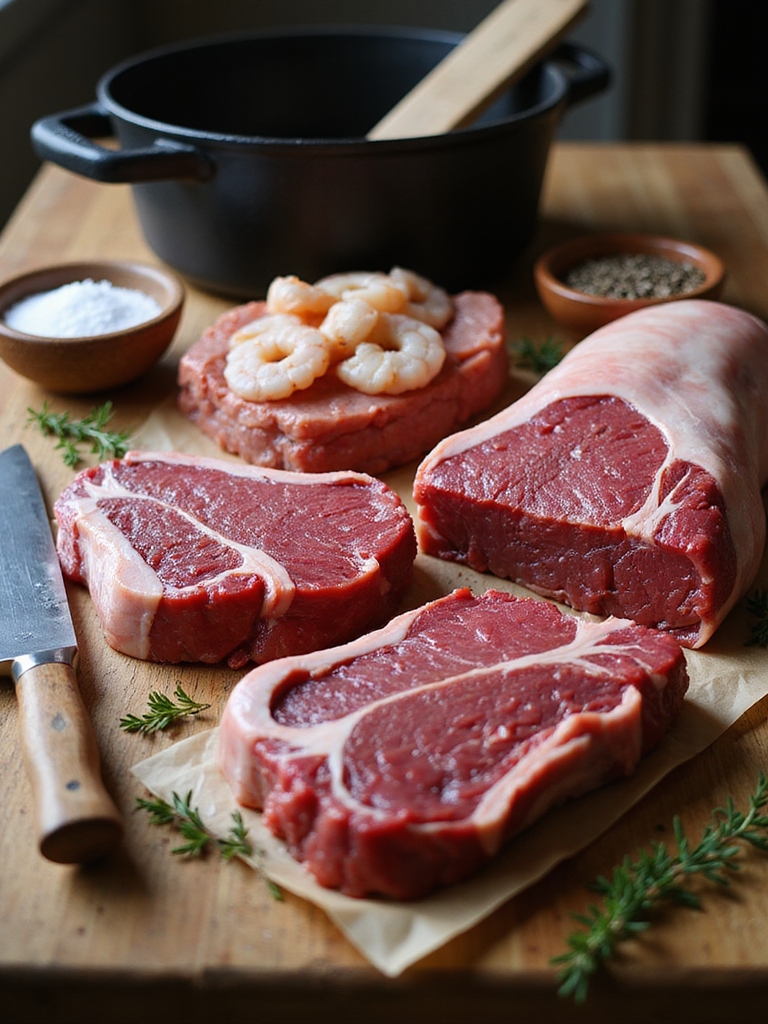
Ready to jump in? You’ll want ten reliable staples to make the carnivore shift painless: ground beef, ribeye, chuck roast, chicken thighs, pork shoulder, eggs, bacon, bone broth, organ meats (liver, heart), and tallow.
Buy fatty cuts for satiety, rotate organs weekly for nutrients, and keep bone broth for electrolytes and comfort.
Stock extras you actually like so you won’t cave.
Don’t overcomplicate seasoning — salt, pepper, maybe garlic powder.
You’ll cook more, waste less, and feel steadier.
It’s simple, surprisingly cozy, and doable with a short, focused list.
Many people find starting with Carnivore Diet Foods from a short list makes the transition easier and more sustainable.
How to Prioritize Purchases: Budget, Convenience, Nutrients
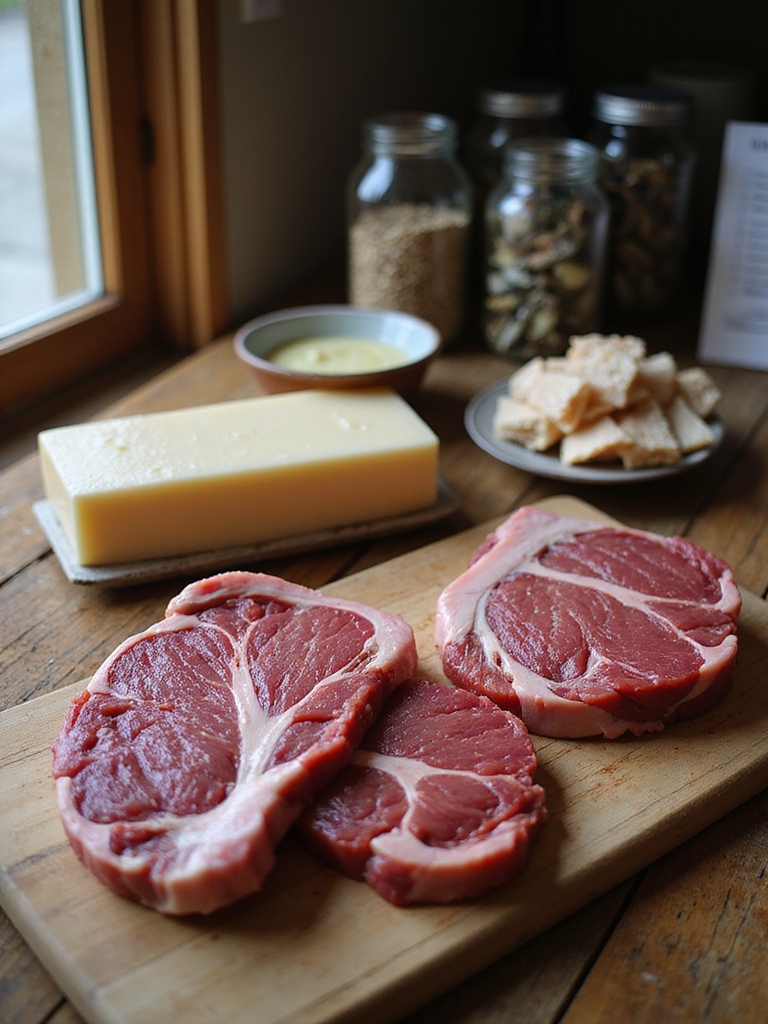
You’ve grabbed your ten staples, but now you’ve got to make them stretch without turning shopping into a part-time job.
Prioritize by pocket, then by pantry life: buy fattier cuts if you need calories cheap, leaner if you’re tracking macros.
Favor versatile items—ground meat, bones for broth, and eggs—so meals won’t feel boring. Convenience matters: frozen portions save time and spoilage.
Nutrients come from variety over perfection; rotate organ meats weekly and include some fish for omega-3s. Keep a simple list, shop with a calculator, and let practicality beat perfection every trip.
Affordable carnivore approaches often mean choosing cuts and formats that maximize calories and minimize waste, like buying in bulk or choosing fattier cuts when appropriate.
Must-Have Staples: Beef, Pork, Chicken, Fish
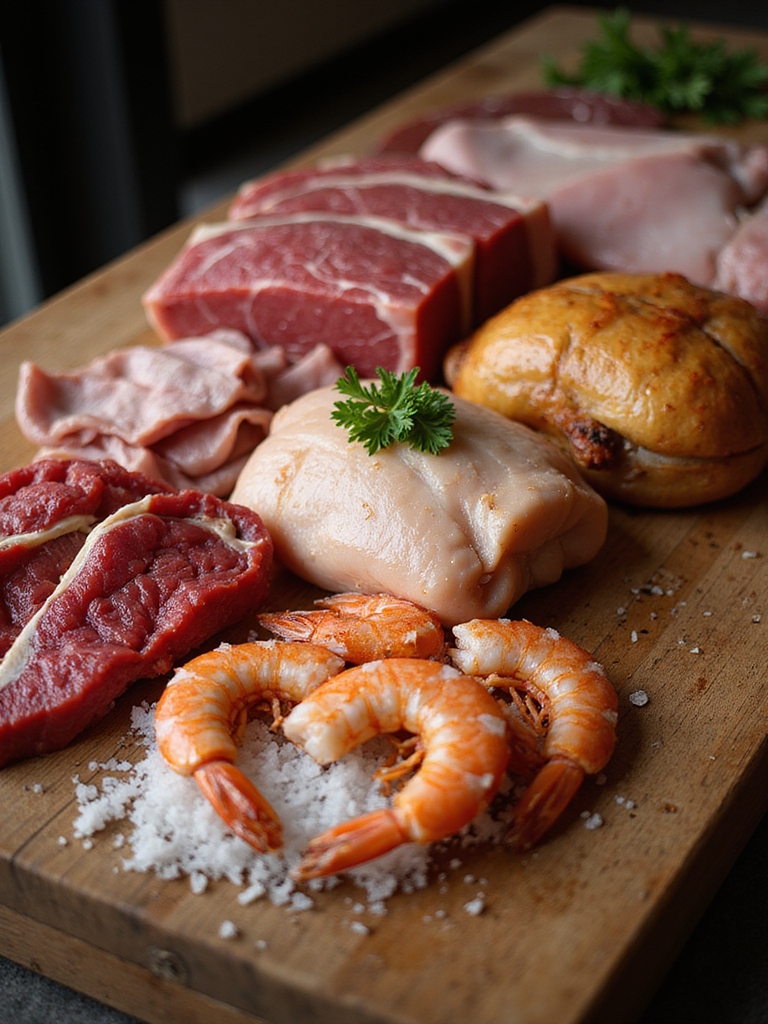
Start with reliable beef cuts like chuck, ribeye, and brisket — they’re flavorful, forgiving, and stretch your dollar.
For fish, pick versatile options such as salmon, sardines, and cod that you can grill, pan-sear, or fold into quick meals.
You’ll thank yourself later for choosing staples that make cooking easy and satisfying.
Beef, pork, chicken, and fish are the core staples to stock up on for a simple Carnivore Diet meal plan.
Best Beef Cuts
Think of beef as the backbone of a carnivore pantry: versatile, flavorful, and the cut you’ll reach for when you want a reliable hit of protein and fat.
You’ll want ribeye for indulgent, well-marbled steaks; chuck for affordable roasts and ground beef; brisket for slow-cooked, melt-in-your-mouth meals; and short ribs for rich braises.
Top round and sirloin give leaner options when you’re trimming calories but not flavor.
Buy whole cuts to control grinding and trimming.
Rotate choices based on budget and cooking time, and don’t fear fat—it’s your friend for satiety and taste.
Ground beef is a staple for many because it enables a range of affordable meals and easy portioning into burgers, meatballs, and skillet dishes with budget-friendly versatility.
Versatile Fish Choices
A few well-chosen fish will round out your carnivore pantry and keep meals interesting without fuss: salmon for its fatty, omega-rich punch; mackerel and sardines when you want bold flavor and convenience; cod and haddock as neutral, flaky workhorses for quick dinners; and tuna for fast protein that travels well.
You’ll appreciate variety when beef routines get boring. Buy fresh when possible, frozen when not — both freeze well. Canned oily fish are lifesavers for flavor and nutrients.
Grill, pan-sear, or broil; don’t overcomplicate it. Fish keeps meals simple, nutritious, and slightly indulgent.
Restaurant-style shrimp preparations can elevate weeknight meals with bold flavor and quick cooking.
Budget-Friendly Cuts That Stretch Your Dollar
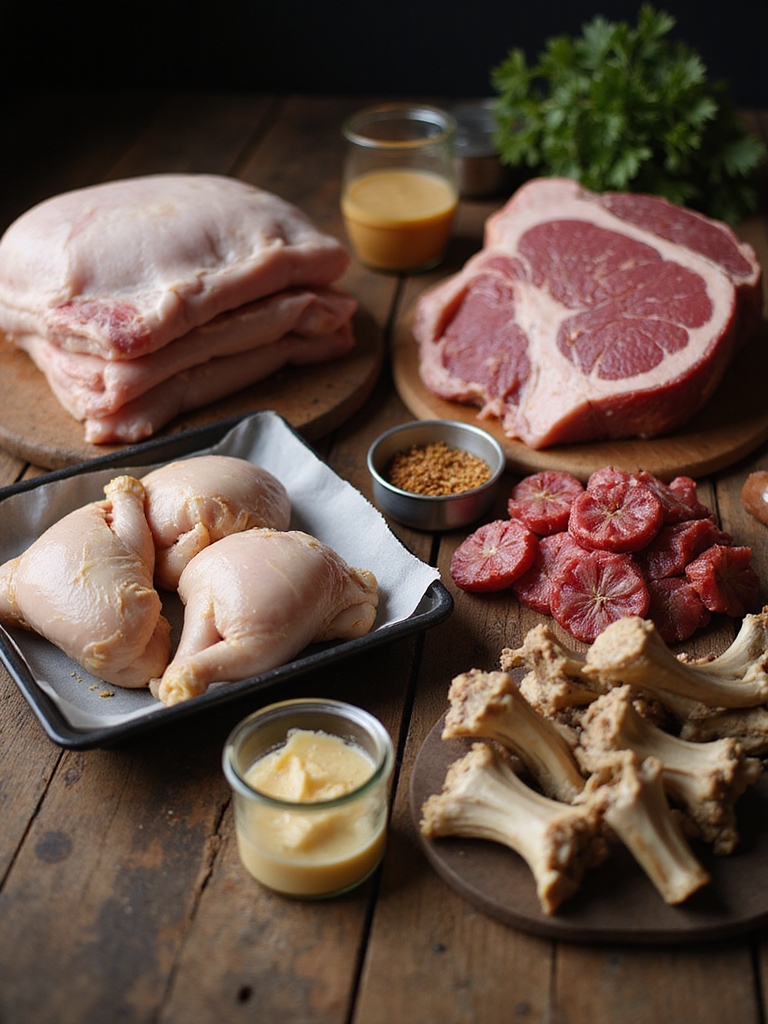
Stretch your grocery budget without sacrificing flavor by choosing humble cuts that get tastier with time and technique.
You’ll learn to love slow-cooked magic: tougher muscles soften, fat renders, and flavor concentrates. You don’t need fancy labels to eat well—just patience, salt, and a skillet or slow cooker.
Treat these cuts like investments that pay back in hearty stews, crisped pan-sears, and leftovers that rehearse into even better meals.
- Chuck roast – braise low and long for fork-tender beef.
- Pork shoulder – shredded, seasoned, endlessly versatile.
- Beef shank – rich marrow, great for soups.
- Whole chicken – roast, debone, repeat.
Slow-cooking ground beef into sauces or casseroles stretches servings and boosts flavor.
Why Organ Meats Matter for Nutrients
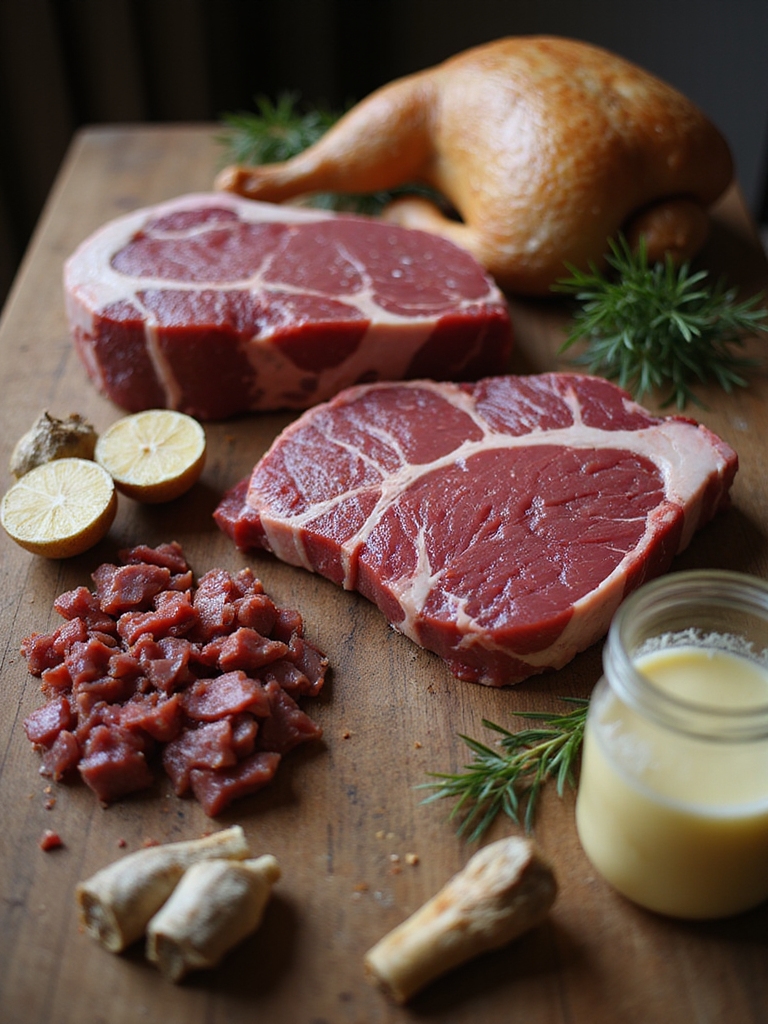
Don’t skip the organ bin — you’ll get a micronutrient jackpot in a tiny package. Organs deliver highly bioavailable iron and zinc so your body actually uses what you eat, plus Vitamin A and CoQ10 that support energy and healing.
I know they can be intimidating, but a little liver or heart goes a long way for nutrition. Eating a variety of organs ensures you get a wider range of nutrients, including key micronutrient diversity found in many animal-based foods.
Dense Micronutrient Profile
Because you want the most nutrients per bite, organ meats deserve a starring role on a carnivore shopping list.
You’ll get vitamins A, D, K2, B12 and folate densely packed so you don’t have to eat endless steaks to hit targets.
They feel small-budget powerhouses—tiny portions, big returns.
If texture or taste worries you, start slow; mix liver into ground meat or try pâté.
You’re not weird for preferring efficiency.
Here are practical organ choices to add:
- Liver (beef or chicken)
- Heart
- Kidney
- Bone marrow
Organ meats also tend to be among the most cost-effective protein sources, offering a dense micronutrient return per dollar.
Bioavailable Iron And Zinc
While muscle meat can get you some iron and zinc, organ meats hand you those minerals in their most absorbable forms, so your body actually uses them instead of letting them sit like expensive garnish.
You’ll notice steadier energy, fewer cravings, and bloodwork that thanks you quietly.
Liver and kidney deliver heme iron and zinc with cofactors that boost uptake — not the muffled, less bioavailable stuff in plants.
If you’re prone to fatigue or have higher needs, a little organ meat goes a long way.
Start small, cook simply, and your body will do the grateful heavy lifting.
Vitamin A And CoQ10
Think of liver as your nutrient multitool: it hands you preformed vitamin A and a healthy dose of CoQ10 in forms your body actually uses, so you won’t be chasing supplements or guessing at labels.
You get potent retinol for vision, immunity, and cell signaling plus CoQ10 for mitochondrial energy and heart support. That’s efficiency.
- Liver: concentrated vitamin A + CoQ10.
- Heart: extra CoQ10, B vitamins, taurine.
- Kidney: nutrient variety, useful textures.
- Bone marrow: fat-soluble nutrients, collagen precursors.
Eat organ meats occasionally, dose carefully, and consult if pregnant or on meds.
Which Organs to Buy First: Liver, Heart, Kidney
If you’re new to organ shopping, start with liver, then heart, then kidney — they’re the easiest to source, cook, and get nutritional bang for your buck.
You’ll find liver dense with vitamin A and iron; slice thin, sear quickly, and don’t overcook.
Heart is muscular, beefy, and behaves like steak — briskly marinate or slow-roast for texture that surprises you.
Kidney has a stronger flavor; soak in milk or saltwater briefly, then pan-fry to mellow it.
Buy small amounts, rotate them into meals, and listen to your body — organs add potent nutrition without much fuss.
Bone-In Cuts and Marrow for Flavor & Nutrition
Don’t skip bone-in cuts — you’re missing out on deep, savory flavor and concentrated nutrients from the marrow.
Marrow’s rich in calories, fat-soluble vitamins, and collagen precursors that’ll help round out a strict meat-only plan.
Roast, simmer for stock, or slow-braise bones to release that richness and turn ordinary meat into something you actually look forward to.
Rich Bone Marrow Benefits
Reach for a bone-in ribeye or a marrow-packed femur and you’ll instantly upgrade flavor and nutrition — marrow adds a silky, beefy richness that water or fat alone can’t match.
You’ll notice a deeper mouthfeel and a satisfying, unpretentious comfort that feels like cooking wisdom.
Marrow’s fat carries fat-soluble nutrients and supports satiety, which helps if you’re keeping carbs out.
It’s also cheap luxury: marrow bones are often affordable and stretch meals.
Try slow-roasting or spooning straight from the bone when warmed.
- Flavor concentration
- Satiety and energy
- Fat-soluble nutrients
- Economical indulgence
Flavor From Bone-In Cuts
When you cook bone-in cuts, the bones do more than look impressive on the plate—they actively deepen and concentrate the meat’s flavor, giving you a richer, more complex bite with minimal effort.
You’ll notice the marrow melting into jus, boosting savory notes you didn’t know you were missing.
Choose short ribs, osso buco, or ribeyes on the bone for immediate payoff; they’re forgiving and reward patience.
The marrow also adds nutrients and a silky mouthfeel that feels indulgent without guilt.
If you’re shopping, prioritize quality bones—fresh, meaty, and marrow-rich—and let them carry the dish.
Cooking Methods For Bones
Think of bones as flavor engines—you just need the right method to get them running. You’ll lean on slow and hot techniques to extract marrow, collagen, and umami without fuss.
Roast marrow bones to caramelize edges, simmer knuckles for gelatinous stock, or sear and finish bone-in chops for depth. Use marrow sparsely on toast or folded into pan sauces — it’s rich.
- Roast marrow bones — 15–20 minutes, high heat.
- Simmer bones low — 6–12 hours for stock.
- Sear bone-in cuts — high heat, finish gently.
- Broil marrow — quick, watchful caramelization.
Bone Broth: Buy or Make – Quick Guide
Although you can grab a carton at the store and call it dinner insurance, making your own bone broth gives you control over flavor, collagen content, and cost — and it’s not as fussy as people make it sound.
You’ll need bones (roasts, knuckles, marrow), water, a splash of vinegar to pull minerals, and patience.
Roast first for depth, simmer low for 12–24 hours, skim occasionally.
Strain, cool, and skim fat if you want leaner broth.
Store in jars, freeze portions.
Buying saves time and guarantees consistency; making rewards you with richer taste and thrift.
Add Fat: Tallow, Lard, Duck Fat – When to Use Each
Frequently, you’ll hit a flavor or texture wall on a strict carnivore plan unless you add deliberate fat — tallow, lard, or duck fat each bring distinct strengths you can use like seasoning.
You’ll want options: stable tallow for high-heat sears, neutral lard for everyday frying, and fragrant duck fat for finishing or roasting. Use them deliberately to rescue dry meat, boost satiety, or add crunch.
- Tallow — best for searing and stovetop browning.
- Lard — versatile, neutral, great for pan-frying.
- Duck fat — finish roasts, potatoes, or veggies if included.
- Blend fats to balance flavor and smoke point.
Canned and Preserved Animal Products to Keep on Hand
Stock up on canned and preserved animal products so you’ve always got a no-fuss meal or emergency backup when fresh meat isn’t an option. Keep canned sardines, anchovies, and smoked oysters for quick omega-3 hits and flavor boosts.
Grab quality canned tuna and salmon for versatile salads or warm bowls. Don’t forget canned chicken, corned beef, and potted meats for comfort and convenience.
Jarred bone broth and concentrated meat stocks rescue sauces and soup cravings. Look for BPA-free tins and minimal additives.
Rotate stock, label dates, and accept that convenience sometimes trumps perfection—especially on hectic days.
Eggs: Types, Buying Tips, and How Many to Store
Eggs are one of the simplest, most versatile staples you’ll want on your carnivore list, and knowing the types — from standard white to pasture-raised — helps you pick what fits your budget and values.
Store them cold in their carton, use the freshest first, and expect a dozen to last one to two people several days depending on how egg-centric your meals are.
I’ll walk you through the pros and cons of common labels and a practical stocking plan so you don’t run out mid-week.
Egg Types Overview
Think of eggs as your kitchen’s multi-tool: they’re simple, versatile, and surprisingly varied, so you’ll want to know what you’re buying.
You’ll see sizes, colors, and labels that pretend to mean more than they do. Focus on freshness, shell integrity, and reputable source; pasture-raised or omega-3 eggs cost more but can suit your preferences.
If labels confuse you, prioritize clean cartons and sell-by dates.
Match egg type to use—baking, frying, or quick breakfasts—and don’t overthink it.
- White vs brown: no nutrition difference, just breed.
- Size: recipes care.
- Organic: feed standards.
- Pasture-raised: welfare preference.
Storage And Quantity
If you buy in bulk because they were on sale, don’t shove cartons in the back of the fridge and forget them—rotate so you use the oldest first and keep cartons on a middle shelf where temperature is steady.
Store eggs in their carton; that protects them and prevents odors.
Hard‑boiled eggs last about a week peeled, two weeks unpeeled.
If you eat eggs daily, a dozen every three to five days is practical; otherwise buy two dozen weekly.
Check sell‑by dates, sniff if unsure, and freeze extra whites or whole eggs (beaten) for cooking.
You’ll waste less and stress less.
Seafood Staples: Fatty Fish, Shellfish, and Canned Options
Often overlooked, seafood can make the carnivore plate feel less monotonous while packing in omega-3s and a different texture profile you’ll actually enjoy.
You don’t need to be fancy: aim for fatty fish for richness, shellfish for variety, and canned options for convenience when life gets chaotic.
Rotate to avoid boredom and watch inflammation markers appreciate the upgrade.
Buy sustainably where possible, but don’t fret perfection.
Here are practical staples worth considering:
- Salmon (fresh or frozen fillets)
- Sardines (olive oil canned)
- Shrimp or prawns (frozen, peeled)
- Mussels or clams (fresh or canned)
Carnivore-Friendly Seasonings, Sauces, and Condiments
Seafood brightens a lot of carnivore meals, but spices and sauces keep them from becoming a one-note affair — and you don’t need a pantry full of mysterious jars to get there.
Stick to salt (flaky sea or kosher), freshly cracked pepper if you tolerate it, and smoked paprika for char without plants’ drama.
Mustard powder, anchovy paste, and beef tallow mixed with garlic-infused oil add umami and richness.
Simple cream-based sauces, butter, and aged cheeses dress steaks and fish beautifully.
Look for single-ingredient vinegars or omit them; keep labels short, flavors bold, and prep painless.
Shopping, Sourcing, and Label-Reading Tips
When you’re stocking a carnivore pantry, think like a detective: check labels for hidden carbs, favor whole cuts over mystery mixes, and buy fat-forward items that actually taste like meat.
Shop local but don’t worship labels — pasture-raised is great, grass-fed can be marketing.
Ask the butcher for trim options, organ rotation, and hidden seasonings.
Buy frozen steaks when sales happen.
Keep a list of trusted brands and avoid anything with sugar, dextrose, maltodextrin, or plant oils.
- Ask your butcher for recommendations.
- Inspect ingredient lists closely.
- Prioritize fatty cuts on sale.
- Rotate organs and proteins.
Storage, Batch-Cooking Hacks, and Weekly Carts (By Budget)
If you want to make the carnivore way sustainable and stress-free, get ruthless about storage and batch cooking: prep big fat-forward roasts, portion organs into meal-sized packs, and freeze with labels and dates so nothing becomes freezer roulette.
You’ll save time, money, and sanity. Rotate stock, use airtight bags, and thaw in the fridge overnight.
Weekly carts vary by budget: buy bulk primal cuts if possible, mix ground meat and cheaper organs, and treat yourself to a steak if funds allow. Be practical, not perfect — consistency beats perfection.
| Budget | Staples | Tip |
|---|---|---|
| Tight | Ground, liver | Freeze portions |
| Moderate | Roasts, ribs | Batch-cook |
| Flexible | Steaks, bone marrow | Rotate treats |
You’re stocking more than a cart—you’re building a pantry fortress: ribs like bricks, marrow as mortar, and tin cans of sardines as wary sentries.
Keep liver and eggs close; they’re the lanterns when your energy dims. Buy smart, cook in batches, and treat salt and tallow as trusted tools.
This list isn’t about deprivation—it’s about choice, comfort, and practical survival dressed in steak—hands-on, honest, and a little bit defiant.


