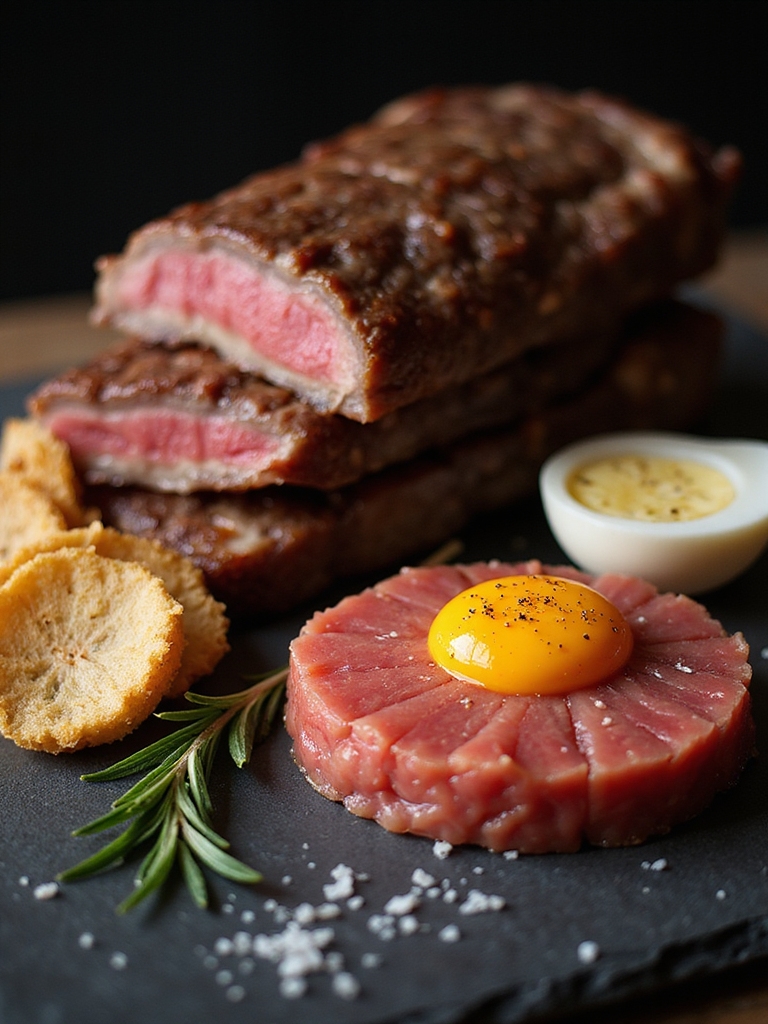

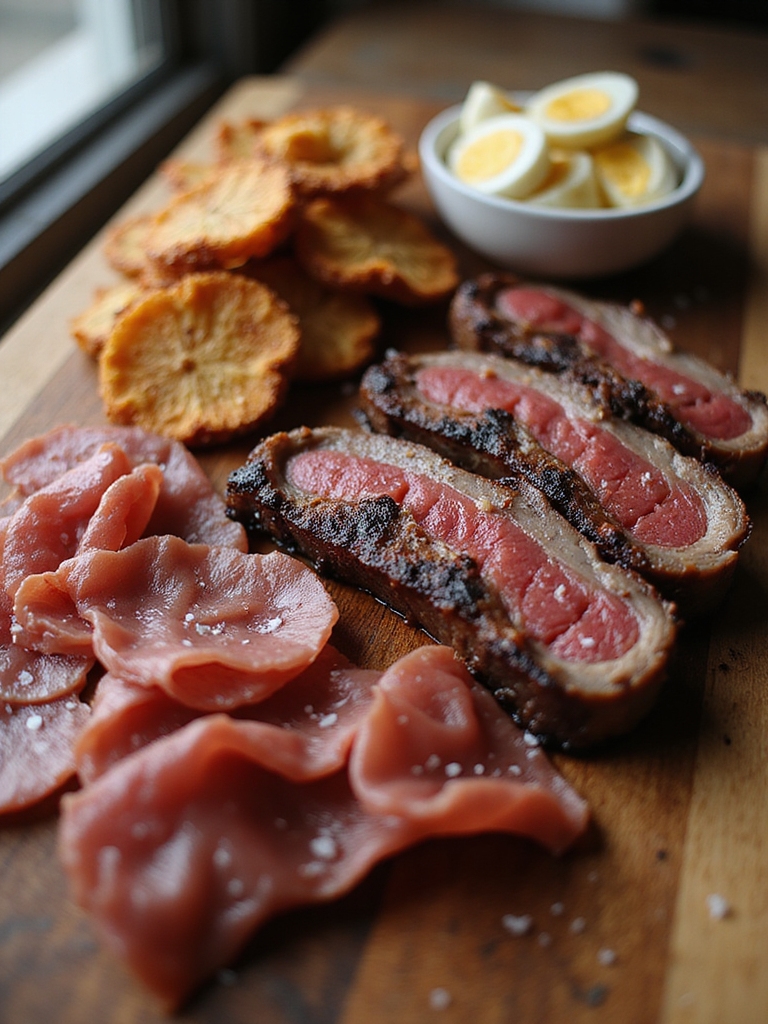
You want snacks that actually stop the hanger, not just taste good for five minutes, so focus on protein plus fat and simple prep. Think fatty jerky, canned fish in oil, hard-boiled eggs, pork rinds with liver pâté, or quick-seared ribeye bites—portable, filling, and real food.
I’ll show what works, what to avoid, and how to pack portions so you’re satisfied until your next proper meal.
How to Choose Carnivore Snacks That Keep You Full

Think in relation to protein, fat, and convenience: pick snacks that combine a solid protein hit with enough fat to slow digestion so you don’t snack every hour.
You’ll favor dense options—thin-sliced roast beef, sardines in olive oil, or slices of hard cheese—over airy, sugary bites that fool you into thinking you’re satisfied.
Aim for high-protein portions paired with fatty accompaniment so blood sugar and appetite stay steady.
Pack single-serve portions, avoid crumbly messes, and rotate textures so eating doesn’t get boring.
When you choose this way, snacks support meals instead of undermining them.
Include portable, shelf-stable items like cured meats or canned fish to make busy days easier and more reliable for staying on plan with snack-friendly carnivore options.
Top Portable Carnivore Snacks

Portable-protein options make it easy to stay satisfied on the go, and you don’t need fancy prep to keep hunger at bay.
Pack thinly sliced roast beef or turkey rolls, hard-boiled eggs, and pre-cooked shrimp—each travels well and heats nothing.
Freeze a few pork rinds or cheese crisps for crunchy distraction.
Canned salmon, sardines, or oyster packets open fast and pair with cucumber or celery if you tolerate it.
Small tins of pâté or liver mousse offer nutrient density without fuss.
Keep single-serve butter or tallow tubs to add fat where needed and stay fueled.
Meal-prep routines with simple protein portions can make snacking effortless and consistent on busy days, especially when you include portable-protein choices.
High-Fat Jerky and Biltong (Choose Fatty Cuts)

Reach for high-fat jerky and biltong when you want snackable meat that actually sustains you; choosing fattier cuts changes the texture and boosts calories so you stay satisfied between meals.
You’ll notice a softer chew, richer mouthfeel, and longer satiety compared with lean strips.
Salt, smoke, or coriander complement natural beef fat without masking it. Pack small portions so you don’t overdo calories, and pick minimally processed options.
- Pick skirt, flank, or brisket trimmed to leave some marbling.
- Opt for biltong cured with vinegar and coarse salt.
- Avoid sugary marinades.
- Store airtight, cool.
For budget-friendly options, consider using ground beef in recipes as it’s an affordable way to incorporate high-fat cuts into meals.
Cheese Snacks That Actually Fill You (If You Eat Dairy)

If you like the satisfying chew of fatty jerky, cheese can offer the same staying power with less fuss — and it’s ready to eat straight from the pack.
You get rich fat, protein, and instant satiety; pick aged, higher-fat varieties for longer fullness.
Snack slices, cubes, or waxed rounds travel well and don’t need reheating. Pair with cured meat if you want contrast, but cheese alone often does the job.
Below is a quick cheat-sheet to guide choices. Many people with sensitive stomachs find dairy-free alternatives from Gentle Dairy-Free Carnivore Meals gentler while still providing fat and protein.
| Type | Fat% | Best for |
|---|---|---|
| Aged cheddar | 33% | Bold bites |
| Gouda | 31% | Creamy travel |
| Blue | 28% | Strong flavor |
Hard-Boiled Eggs and Easy Flavor Variations

Hard-boiled eggs are your no-fuss, protein-packed go-to when hunger hits between meals.
You can keep them plain or punch them up with quick flavor twists—think flaky salt, smoked paprika, or a dab of mayo for richness.
They’re portable, cheap, and satisfyingly meaty without any fuss.
They’re also an ideal staple for beginners starting a carnivore approach because they’re simple to prepare and versatile, making them a great basic meal option.
Protein-Packed Snack
Crack a few eggs, boil them to your preferred doneness, and you’ve got an incredibly portable, protein-rich snack that fits the carnivore plan.
You’ll grab one between meetings or toss a few in your bag for a road trip; they fill you without fuss.
Keep them chilled, peel when hungry, and savor the creamy yolk.
- Hard: firm white, crumbly yolk — classic satisfaction.
- Slightly soft: tender yolk, richer mouthfeel.
- Extra firm: for slicing on cold plates.
- Peeled and salted: immediate, no-prep gratification.
Many people starting a carnivore diet find staples like eggs and meat are among the Starter Foods they return to most often.
Simple Flavor Twists
You already know boiled eggs are handy — now let’s make them interesting. You’ll grab peeled eggs and flip simple, carnivore-friendly tweaks: crunchy salt, rendered bacon bits, or a swipe of mayo. They’re fast, filling, and you’ll never get bored.
I also like to keep a few go-to foolproof carnivore ideas on hand to make snacking even simpler.
| Twist | Flavor | How to |
|---|---|---|
| Bacon crumble | Smoky, fatty | Sprinkle warm bits |
| Anchovy mash | Umami, briny | Mash into yolk |
| Herb butter | Savory, soft | Dollop melted butter |
Try combos: anchovy plus bacon, or herb butter solo. These tiny upgrades keep protein satisfying and snack time clever.
Canned Fish Picks for On-the-Go Protein
Grab a can, pop the lid, and you’ve got a pocket-sized protein punch that fits in a backpack or a glove compartment.
You’ll love how tuna, sardines, mackerel, and salmon deliver fat and muscle fuel without fuss. Keep a small fork and napkin; you don’t need a plate to feel satisfied.
- Tuna in oil — meaty, mild, mixes with a little salt.
- Sardines — bony in the best way; rich calcium and omega-3s.
- Mackerel — bold, oily, great for appetite control.
- Salmon — buttery, familiar, slightly sweet.
Restaurant-style shrimp recipes for the carnivore diet can pair well with canned fish as quick sides or protein boosts, especially when you consider the omega-3 content that both provide.
Deli Meats & Cold Cuts: What to Buy and What to Avoid
When you’re picking deli meats for the carnivore diet, think quality over convenience: choose minimally processed cuts with recognizable ingredients and skip slices that hide sugars, starches, or mystery binders.
You’ll want roast beef, turkey breast, and thinly sliced pastrami from a reputable butcher or label that lists only meat, salt, and maybe spice.
Avoid deli blends, honey-glazed ham, and anything labeled “natural flavors” without clarity.
Look for nitrate-free options if that eases you, and check sodium — some are edible bricks.
Pack slices with hard cheese or a boiled egg for a satisfying, portable protein hit.
Pork Rinds and Crispy Animal Snacks for Crunch
Often a crunchy craving is what sends people off the strict carnivore path, but pork rinds and other crispy animal snacks let you stay the course without sacrificing texture.
You’ll love the instant satisfaction and salty snap that feels indulgent but stays pure-protein. Pick high-quality, minimally seasoned rinds and try dehydrated chicken skin or baked fish skins when you want variety.
Portion-control matters; they’re calorie-dense. Use them for crunch on their own or as crumbs for hot bites.
- Pork rinds (plain, air-popped)
- Dehydrated chicken skin
- Baked salmon or cod skins
- Fried beef cracklings
Make-Ahead Beef or Lamb Meatballs
Make a batch of beef or lamb meatballs and you’ve got a savory, protein-only shortcut that holds up all week—reheat, pop cold into a salad-free plate, or wrap in crispy pork rind crumbs for a crunchy bite.
You’ll season simply: salt, pepper, maybe a whisper of dried rosemary or crushed garlic if you tolerate it. Brown them for flavor, finish in the oven, then cool and stash.
Portion into snack-ready containers so reaching for dinner is effortless. They’re fatty, filling, and travel well; pair with a smear of rendered butter or sliced aged cheese for variety without leaving carnivore territory.
Liver & Organ Pâtés for Nutrient-Dense Snacking
Think of liver and other organ pâtés as tiny nutrient bombs you actually want to eat — they pack vitamins and minerals your body’s craving without any fuss.
You’ll see how simple methods—quick pan-sears, a blender, and butter or tallow—turn organs into spreadable snacks in minutes.
And because they keep well in the fridge or tuck into jars for on-the-go, pâtés make portable, shelf-stable options for busy carnivores.
Nutrient Density Explained
Because your body can’t make many micronutrients on demand, choosing foods that deliver a lot of vitamins and minerals per bite matters — and that’s where liver and organ pâtés shine.
You get concentrated iron, B12, vitamin A, and folate without chewing through pounds of steak. That matters when you’re after efficient, satisfying nutrition.
- Iron: supports energy and oxygen transport.
- Vitamin B12: keeps nerves and red cells happy.
- Vitamin A: aids vision and immune response.
- Folate: assists cell repair and DNA synthesis.
Treat pâté as targeted nutrition — small portions, big payoff.
Simple Preparation Methods
When you want nutrient-dense snacking without fuss, liver and organ pâtés are forgiving and fast to make—sear, season, blend, and chill, and you’ve got concentrated vitamins in a spoonable format.
Start with cold liver, pat dry, and slice; hot pan, quick sear to caramelize edges, keep centers tender.
Add rendered fat, a splash of broth, salt, and a tiny onion or garlic if you tolerate it; don’t overpower.
Pulse to desired texture—silky or rustic. Taste, adjust salt, and let flavors settle.
You’ll have a rich, savory spread that feels indulgent and purposeful.
Storage And Portability
Packed into a small jar or wrapped in parchment, liver and organ pâtés keep their punchy nutrition ready for the day. You stash them in a cooler, tote, or fridge drawer and grab a spoon when hunger hits.
They chill well, won’t weep, and travel without drama if you cold-pack them. Reheat gently if you prefer warm; otherwise enjoy straight.
- Refrigerate up to 5 days in an airtight jar.
- Freeze in portions for 2–3 months; thaw overnight.
- Use parchment-wrapped cakes for picnic-friendly slices.
- Pack with an ice pack for long commutes.
Bone Broth and Savory Sippables for Quick Satiety
If you’re short on time but want something that actually fills you up, bone broth and other savory sippables are your best go-to—they’re quick, warming, and built to curb hunger without fuss.
You’ll sip collagen-rich broth straight from a thermos between meetings or after a workout, enjoying deep, beefy flavor that soothes the gut and steadies cravings.
Add a pinch of salt, whisk in rendered tallow, or stir in a soft-boiled egg for texture and protein.
These drinks warm you faster than a snack, pack electrolytes, and keep you satisfied until your next real meal.
Quick Pan-Fried Steaks and Ribeye Bites
You’ll get the best results by using a hot pan and a quick sear technique that caramelizes the outside while keeping the inside juicy.
Pick cuts like ribeye or sirloin tips for quick cooking and bold flavor, then let the meat rest briefly so juices redistribute.
Slice into bite-sized pieces and serve simply—salt, maybe butter—and enjoy immediate, snackable steak satisfaction.
Quick Sear Technique
Grab a hot pan, season simply, and you’ll have intensely flavored steaks or ribeye bites in minutes—this Quick Sear Technique is all about heat, timing, and restraint.
You’ll crave that crust and juicy interior without fuss. Work fast, don’t overcrowd, and let meat rest briefly.
- Preheat pan until shimmering.
- Pat pieces dry, salt just before sear.
- Sear on high without moving 1–2 minutes per side for small bites.
- Rest 3–5 minutes; slice against the grain.
You’ll get contrast: crisp exterior, tender center — snack-ready, satisfying, no extra garnish needed.
Best Cut Choices
After mastering the quick sear, pick cuts that play to speed and flavor — think marbled ribeye, strip, or sirloin tip for fast, pan-fried snacks.
You’ll want thin steaks or bite-sized cubes: they brown quickly and give you that crust-to-fat ratio that screams satisfaction.
Choose ribeye for indulgent, forgiving bites; strip for a beefy, leaner snap; sirloin tip when you want budget-friendly chew that still hits.
Trim minimally — fat equals flavor and carry-through heat.
Slice against the grain for tenderness.
Season simply with salt and maybe pepper; let the pan and cut do the talking.
Resting And Serving
Let the steaks rest for a few minutes — that short pause keeps juices where you want them and finishes the crust without overcooking the center.
You’ll resist slicing immediately, but patience rewards you with tender, concentrated flavor.
For ribeye bites, toss them in fat and let carryover heat mellow the sear. When serving, cut against the grain, salt lightly, and offer rendered fat for dipping. Keep plates simple so meat sings.
- Slice against the grain for tenderness.
- Rest whole pieces 5 minutes, bites 2–3.
- Finish with flaky salt.
- Serve warm, not hot.
Simple Meat-and-Fat Skewers for Travel
Thread thin slices of cured beef and cubes of tallow on short skewers, and you’ve got a travel-ready snack that won’t betray you when hunger hits.
You’ll appreciate how the beef’s chew and tallow’s silky melt play together—protein steadies, fat satisfies.
Pack them in a small airtight container with parchment to prevent sticking.
Keep cool if you can, but cured cuts tolerate brief warmth.
Eat straight from the skewer or slide components into your mouth for tidy snacking.
Variety keeps it interesting: swap in smoked pork, lamb fat, or a peppered strip for contrast without complicating prep.
Budget-Friendly Carnivore Snacks That Still Satisfy
You don’t need to blow your budget to eat well on a carnivore plan—cheap animal fats like tallow or schmaltz add calories and flavor without fuss.
Try economical organ meats (think liver or heart) thinly sliced and pan-seared for nutrient density that won’t empty your wallet.
And keep a stash of reasonably priced cured meats for fast, satisfying bites when hunger hits.
Cheap Animal Fats
Often overlooked, cheap animal fats can be the secret weapons in your carnivore snack arsenal, delivering rich flavor, satiety, and calories without blowing your budget.
You’ll grab what’s affordable—tallow, lard, duck fat—and turn them into quick, satisfying bites that keep cravings at bay.
- Tallow-fried pork rinds: ultra-crispy, deeply savory.
- Spoonfuls of rendered lard: great straight or smeared on cold meat.
- Duck fat pan-seared bacon: luxe taste for little cost.
- Beef suet chunks: handy, dense energy for busy days.
Use small portions; a little fat goes a long way.
Budget-Friendly Organ Meats
A few inexpensive organ cuts — liver, heart, and kidneys — can transform your snack game with dense nutrition and bold flavor without wrecking the grocery bill.
You’ll slice thin, sear quickly, and season minimally so the meat sings.
Liver spreads on crisp pork rind chips feel luxurious and keep you full; thinly sliced heart grilled on skewers offers steak-like chew with iron-rich payoff; sautéed kidneys, properly cleaned, bring a bright, sharp note between bites.
Buy frozen bargains, trim at home, and treat organs as pantry staples — small effort, big nutritive return and serious satisfaction.
Economical Cured Meats
Reach for cured meats when you want something shelf-stable, satisfying, and cheap—think thin slices of salami, rustic pepperoni, or simple country ham that deliver big flavor with almost no prep.
You’ll grab a bite that’s portable, protein-dense, and forgiving if you’re low on time or stove space.
Watch sodium and additives; pick traditional curing or short-ingredient labels when you can.
Pair slices with hard cheese or a boiled egg for variety.
Here are budget-friendly picks to rotate through:
- Genoa salami
- Pepperoni sticks
- Country ham slices
- Pancetta crisps
Storage, Portioning, and Reheating Tips
When you plan your snacks with storage, portioning, and reheating in mind, you’ll save time and keep flavors sharp—plus avoid that sad, rubbery surprise at 3 PM.
Store cured meats wrapped in paper inside airtight containers to breathe without sweating; freeze portions of cooked beef or pork in meal-sized packs. Label dates, rotate older snacks forward.
Portion by intended snack—two slices, a palm-sized steak—so you don’t overeat or waste.
Reheat gently: low oven or covered skillet with a splash of broth to restore juiciness; avoid microwave blasts that toughen fibers. Cool quickly and refrigerate within two hours.
Think of your snack stash as a tiny larder on a windswept road: pick the fatty, sturdy provisions that won’t sog or betray you.
You’ll want chewy jerky, oily sardines, melty cheddar or ribeye bites—simple, honest things that keep your engine humming.
Pack portions, keep cold items chilled, and salt boldly. When hunger hits, reach for the little pantry that’s been built to last, and you’ll keep moving without fuss or frayed nerves.