


You probably don’t know that most people on a strict carnivore plan still use at least a few processed items — and that’s okay if you do it right. You’ll want clear rules so convenience doesn’t become chaos: pick whole cuts first, allow canned fish and simple sausages, rotate brands, and limit sneaky carbs.
Keep your labs and symptoms in mind, because there’s a point where “dirty” has to get cleaner — and you’ll want to spot it.
Decide When to Use a Dirty Carnivore Approach : Quick Rules
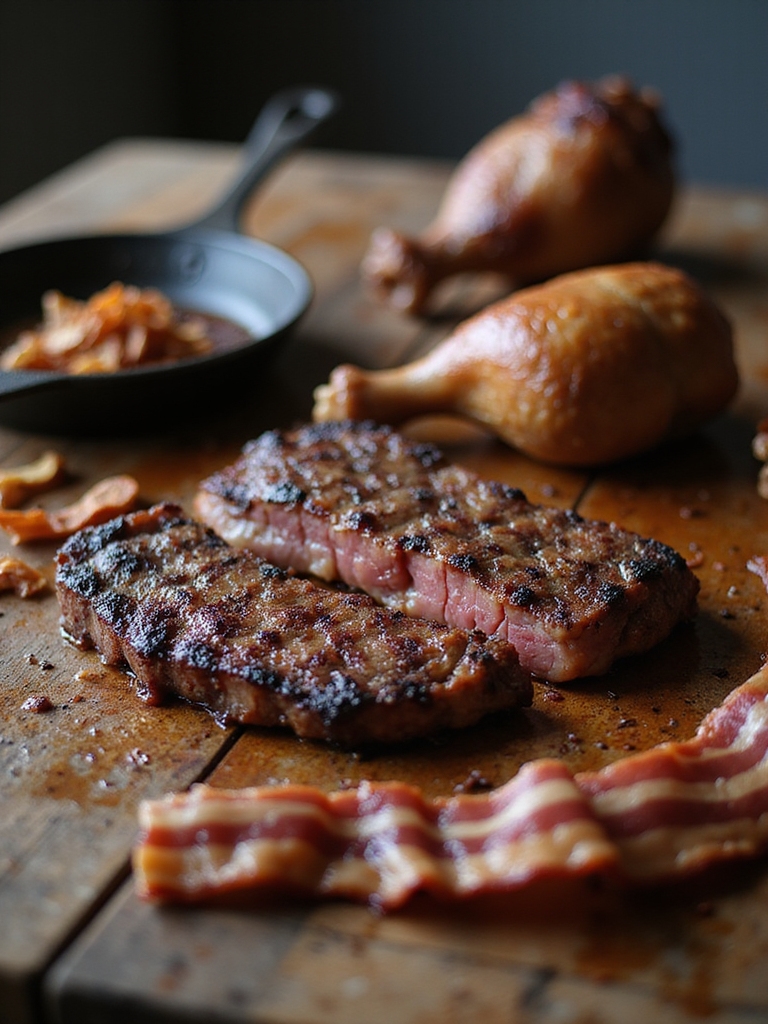
When you decide to go “dirty” on carnivore, think of it as a tactical choice, not a lifestyle surrender: use it for short-term goals like breaking a plateau, tolerating social events, or easing into stricter carnivore without wrecking progress.
You pick moments where convenience or sanity outweigh pristine rules. Set clear limits: duration, frequency, and which concessions you’ll allow.
Track how you feel, sleep, and digestion; if anything backslides, pull the leash. Be honest about motives—habit or necessity—and don’t let “temporary” creep into forever.
Use dirty days sparingly, purposefully, and with an exit strategy. This approach recognizes that the dirty carnivore diet is a variation people try for practicality and adherence.
Practical Rules for Using Processed Meats

If you’re going to lean on processed meats during a dirty-carnivore phase, do it with a little strategy instead of blind convenience: pick products with short ingredient lists, minimal sugar, and clear animal sources, and treat them as tactical additions rather than staples.
You’ll favor single-animal items, avoid mystery fillers, and rotate brands to limit consistent exposures.
Use them for convenience—travel, stress meals, or emergency calories—rather than daily fuel. Read labels fast but actually read them.
Portion consciously; processed is calorie-dense. Store properly, don’t over-rely on nitrated varieties, and listen to how your digestion and energy respond.
Keep a few satisfying snacks on hand that actually hold you over so you don’t reach for something less appropriate.
Sausages & Hot Dogs on Carnivore: Tolerable Brands

Scan labels like a detective and you’ll find a surprising number of sausages and hot dogs that fit a dirty-carnivore phase without wrecking your digestion or patience.
You’ll favor short ingredient lists, minimal fillers, and recognizable meat sources. Pick uncured or sea-salt cured options, avoid sugary glazes and mysterious “natural flavor” catches.
Try brands with single-meat recipes and sensible fat ratios. Grill, pan-sear, or broil—skip sugary buns. Below is a quick reference to compare options.
| Brand | Notes | Best Use |
|---|---|---|
| All-beef link | Short list | Grill |
| Pork brat | Sea salt cure | Pan |
| Chicken frank | Low additives | Boil |
Affordable ground beef can pair well with these sausage choices for budget-conscious meal planning, especially when focused on ground beef meals.
Deli Meats: Picks, Pitfalls, and Easy Swaps
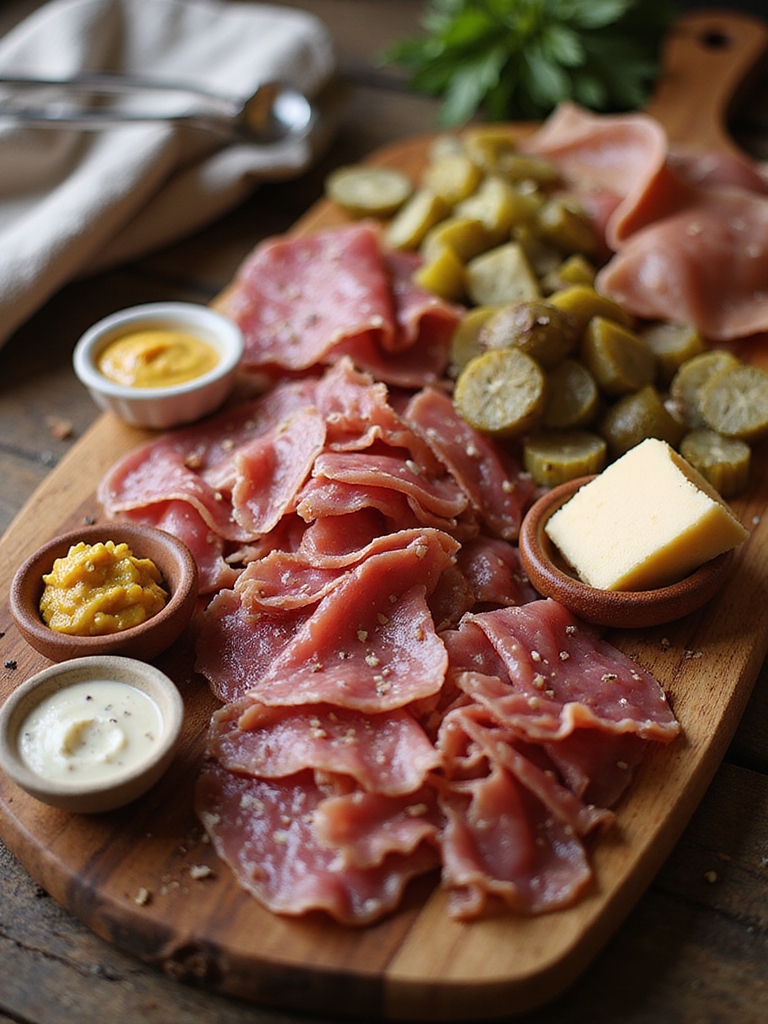
Frequently, deli meats feel like the easiest shortcut on a carnivore plan — and also the one most likely to blow your progress if you don’t read labels.
You want quick protein, but many slices hide sugars, starches, soy, and mystery additives.
Pick simple roast beef, turkey, or ham from a trustworthy butcher or brands listing just meat, salt, and maybe water.
Avoid honey-glazed, seasoned, or “natural flavor” mystery mixes.
If you’re tempted by convenience, buy larger roasts and slice them yourself, or swap deli slices for leftover cooked steaks or chops.
Your digestion and results will thank you.
Staples like quality roasts and whole cuts make it easier to stay strict on a carnivore plan, so prioritize simple whole meats when shopping.
Canned Seafood for Carnivore Convenience

Canned seafood pulls double duty on a carnivore plan: it’s cheap, shelf-stable, and gives you protein and healthy fats without fuss.
You can stash tins of tuna, salmon, sardines, and mackerel for emergency meals, road snacks, or lazy dinners. Look for simple labels — fish, salt, maybe oil — and skip bizarre additives.
Drain or keep the oil for extra calories; the gravy’s fine if you tolerate it. Rotate brands to avoid flavor fatigue.
Use it straight from the can, on eggs, or warmed with butter. It’s practical, honest, and exactly the kind of convenience you need. Restaurant-style shrimp recipes can elevate canned seafood with simple techniques and flavorful sauces.
Jerky & Meat Sticks: Spot Sugar and Fillers
Jerky and meat sticks can save you when you’re stuck without a grill, but you’ve got to read labels like a detective — many are packed with sugar, dextrose, or mystery binders that turn a carnivore snack into a processed treat.
You’ll learn to spot sneaky carbs: sugar, corn syrup, maltodextrin, and words ending in “-ose.” Favor short ingredient lists: meat, salt, maybe spices. Beware “seasoned” or “natural flavors” hiding starches.
If texture’s rubbery or sweet, pass. Pick brands that list only beef or pork and salt, or make your own—simple, honest, and actually carnivore-friendly.
You can also choose shelf-stable options designed for travel that contain only meat and salt, like many high-quality meat sticks.
Stretch Meals With Ground Blends and Cheap Cuts
You can stretch expensive cuts by bulking ground meat with cheaper trimmings and clever seasoning so meals still feel satisfying.
Mix in a bit of liver or heart for nutrients without the “offal” price tag, and don’t be shy about disguising it if you’re squeamish.
Save scraps and simmer them into gelatinous bone broth to stretch soups, sauces, and stews for days. Budget Carnivore Diet recipes often rely on ground beef blends to make meals filling while keeping costs low.
Bulk Ground Meat Strategies
Think like a chef on a budget: blending fatty ground beef with cheaper pork or organ trimmings lets you keep meals satisfying without breaking the bank.
You’ll buy big tubs, portion and freeze; thaw only what you’ll cook.
Season lightly — salt, cracked pepper, maybe smoked paprika — since fat carries flavor.
Brown in batches to get fond for sauces or pan juices to spoon over plates.
Use meatballs, patties, ragu, or stuffed peppers to disguise cheaper textures.
Track cost per pound and rotate suppliers.
You’ll eat well, waste less, and still wink at thrift without tasting thriftiness.
Plan meals around bulk purchases to maximize savings and quality.
Offal And Organ Mixing
If you’ve been happily blending ground beef and pork, stretch that same idea into offal and organ mixes to keep costs down and flavor up.
You’ll learn to mask textures and boost nutrition by chopping liver, heart, or kidney into familiar patties and meatballs. Don’t be precious; treat organ meat like a spice rather than a star.
- Start with 10–20% liver for nutrient density without iron bomb taste.
- Use heart for muscle texture; grind with fatty cuts for juiciness.
- Add kidney sparingly; its assertive tang plays well with bacon fat.
Rotate varieties, label batches, cook confidently.
Bone Broth Stretching Techniques
With a good pot of bone broth in the fridge, you can make cheap cuts and ground blends feed twice as many mouths without pretending you’re serving filet; simmer leftover marrow bones into a rich base, then stretch it with diced cheap roast, ground pork or beef, and pulled chicken for soups, stews, and braises that taste expensive.
You’ll brown scraps, deglaze with broth, and let low heat marry flavors. Add fat for silkiness, salt late, and shred meat into the pot. Here’s a quick visual:
| Protein | Role |
|---|---|
| Ground beef | Body |
| Pork shoulder | Fat |
| Rotisserie chicken | Texture |
| Bones/marrow | Glue |
Organ Meats, Mixes, and Desiccated Supplements
If you want the real nutritional bang for your buck, organ meats give you vitamins and minerals muscle won’t.
You can stretch them into mixes with ground meat or grab desiccated supplements if you can’t stomach liver every week.
Either way, you’ll be covering nutrient gaps smarter than just eating steaks.
Organ Meat Benefits
Though you might wrinkle your nose at the sight of liver on a plate, organ meats deliver a nutritional knock-out that muscle meat just can’t match: they’re outrageously dense in vitamins A, B12, folate, iron, and coenzyme Q10, plus unique compounds like heme iron and bioactive peptides that support energy, cognition, and hormonal health.
You’ll get clinical-level micronutrients in tiny portions, and that efficiency matters when you eat meat-first.
Consider these practical perks:
- nutrient density: tiny serving, huge payoff for deficiencies
- bioavailability: you absorb more iron and B12 than from plants
- variety: rotating organs prevents monotony and balances intake
Don’t fear flavor; learn simple prep.
Desiccated Supplement Options
Because you don’t always want to wrestle a liver at dinner, desiccated organ supplements give you the same micronutrient punch in pill form—concentrated, shelf-stable, and idiot-proof.
You pop them when you want organs’ B12, choline, and heme iron without texture trauma. Look for single-organ capsules or blends that specify source, drying method, and minimal fillers.
Start small to gauge tolerance; some folk report vivid dreams or stomach grumbles. Match doses to real food equivalents, and rotate brands if you worry contaminants.
They’re not glamorous, but they’re efficient—practical insurance for keeping your carnivore base nutritionally sound.
Rotisserie Chicken & Takeout That Fits Carnivore
When you’re short on time or willpower, snagging a rotisserie chicken or ordering carnivore-friendly takeout keeps you on plan without drama.
You can rip off skin, carve thighs, and call it dinner — no guilt, just protein. Choose places that won’t glaze with sugar or hide sauces.
- Ask for plain roasted, no seasoning or glaze.
- Pick sides like extra meat or hard-boiled eggs if available.
- Skip bread, rice, and anything saucy; request clarified butter or extra skin.
You’ll stay sane, fed, and compliant. Convenience doesn’t have to be culinary betrayal.
Dairy Options on Dirty Carnivore (Cheese, Cream, Yogurt)
If you grabbed rotisserie chicken on the run, don’t feel bad about adding a slab of cheese or a splash of cream to your plate — dirty carnivore accepts tasty shortcuts.
You’re allowed hard cheeses, melty cheddar, creamy mascarpone and butter to boost calories and satisfaction.
Full‑fat yogurt can work if it’s plain, strained, and tolerated—think texture, not fruit‑cup.
Watch carbs in flavored or low‑fat versions; sneaky sugars derail simplicity.
If dairy gives you bloating, stick to aged cheeses and butter, which often lack lactose.
Use dairy as a condiment or snack, not the meal’s main act.
Eggs and Egg-Based Convenience Shortcuts
Eggs are your go-to grab-and-go protein on dirty carnivore — crack one open, scramble, or nuke a couple for instant fuel.
You’ll lean on eggs when you want cheap, portable, and reliably filling food without fuss.
Use them plain, salted, or jazzed with leftover meat scraps if you’re feeling generous.
- Hard-boiled stash for a week in the fridge — peel when you need speed.
- Store-bought egg bites or mini frittatas save prep time; check ingredients for additives.
- Powdered eggs or pre-cooked trays work in a pinch, but expect different texture.
They’re forgiving, efficient, and honest food.
Cooking Fats: Lard, Tallow, Butter, and When to Use Them
You’ll want to pick your fat like you pick your fight—based on smoke point, flavor, and how much you’re actually using.
Lard and tallow stand up to high heat and give meat a savory boost, while butter adds richness and a lower smoke point for finishing or low-temperature cooking.
Think in tablespoons per pan: heavy sear gets a couple, finishing or basting gets a smear.
Smoke Point Differences
When you want a sear that’s actually brown and not sad, picking the right fat matters: lard and tallow stand up to high heat, butter browns fast and then burns, and clarified butter (ghee) gives you butter flavor with a higher smoke point.
You want predictability: less smoke, steadier heat, fewer ruined pans. Match fat to task and don’t pretend butter can do everything.
- Lard/tallow: high smoke point, sturdy for frying and searing.
- Butter: low smoke point, best for low-heat finishing.
- Ghee: higher smoke point, retains buttery notes without flaring up.
Flavor And Texture
Feel the difference: lard and tallow give meat a clean, beefy mouthfeel and a crisp exterior without greasy cling, while butter (and ghee, to a lesser extent) layers in milk solids and caramel notes that make things taste richer and rounder.
You’ll notice tallow’s savory backbone shines with steaks and roasts, lending depth without fuss. Lard hugs pork and eggs, smoothing texture and boosting juiciness. Butter courts tenderness and golden browning but can brown faster; ghee keeps the flavor sans milk proteins.
Use your nose and tongue—fat isn’t neutral, it’s seasoning with texture, and you should treat it like it.
Practical Uses And Quantities
Because fat does more than lubricate a pan, you should match lard, tallow, butter, or ghee to the job and portion it like an ingredient, not a shrug.
You’ll cook differently when you treat fat as flavor, texture, and fuel. Use smaller pats of butter for eggs, a spoonful of lard for high-heat frying, and a smear of tallow for searing or roasting.
Measure by function, not guilt: tablespoon for sautés, teaspoon for finishing, tablespoon-plus for braises. Think in meals, not macros, and adjust until it tastes right.
- Butter: finishing, low heat, richness
- Lard: frying, flakiness, neutral flavor
- Tallow: high heat, deep sear, longevity
When Breaded, Battered, or Glazed Animal Foods Are OK
If you crave the crunch of breading or the shine of a glaze, you can still enjoy those textures—just pick your moments and choices wisely.
You’ll treat them as occasional cheats, not daily staples. Opt for light, meat-first coatings: thin panko on chicken or a whisper of tempura on shrimp, keeping breading under control.
Prefer glazes that center on reduced stock, butter, and a touch of honey rather than sugary lab-made syrups. Buy single-ingredient batter mixes or make your own. Savor one glazed cut or fried fillet at a social meal; then go back to plain, solid protein.
Budget & Time Hacks: Batch Buys and Meal Prep Tips
Want to save cash and hours in the kitchen? Buy in bulk, cook big batches of ground meat, roasts, or ribs, and portion them for the week so you’re not staring at the fridge at 6 p.m.
Store everything in airtight containers or vacuum bags and reheat gently so your meals don’t turn into leather.
Buy In Bulk
When you buy meat and pantry staples in bulk, your wallet and your calendar thank you — eventually; at first you just have more freezer Tupperware than counter space.
You’ll save per-pound, dodge late-night grocery runs, and tolerate boredom meals because you’ve got options. Be smart: label, date, rotate.
- Buy family packs and split into meal-size portions.
- Choose versatile cuts that freeze and reheat well.
- Stock basic fats (tallow, butter) for cooking and flavor.
You’ll feel smug during lean weeks. Just don’t hoard like it’s the apocalypse — use what you store, or your thrift becomes waste.
Batch Cook Strategies
Often you’ll find that a two-hour cook session on Sunday saves you a week of staring blankly into the fridge; batch-cooking turns chaos into predictability.
You pick cheap cuts, roast a tray of bone-in thighs, sear ground beef into seasoned crumble, and boil eggs until the yolks look smug.
Portion into simple containers so decisions vanish—protein first, garnish optional.
Use slow cooker and oven together to maximize output while you do something human.
Label plainly with dates.
Rotate spices and fats so meals don’t feel like punishment.
Replenish weekly; treat prep like an investment, not a chore.
Store And Reheat
You’ve spent the Sunday sweat on roast pans and bubbling pots, so now treat storage and reheating like the encore — not an afterthought.
You’ll keep texture and flavor if you cool quickly, portion smart, and label like a tiny, ruthless librarian. Don’t reheat repeatedly; do it once and do it right.
- Chill hot trays uncovered briefly, then seal airtight for 2–3 days in fridge.
- Freeze single meals; thaw overnight in fridge or in a cold-water bag.
- Reheat gently: skillet with a splash of broth, or low oven to revive crust.
Plan for one solid reheating, not punishment.
Track Nutrients and When to Clean Up Your Choices
Since this diet narrows your palette, you’ll want to track key nutrients so nothing sneaks up on you—iron, vitamin D, B12, omega-3s, and a watchful eye on sodium and saturated fat.
You’ll log intake, spot gaps, and tweak choices: swap fatty fish for steak if omega-3s lag, add liver or a reliable supplement for B12 and iron, and cut processed salty meats when blood pressure creeps up.
Test labs every 3–6 months, adjust based on results, and be honest about cravings versus needs.
Clean up your plate when numbers or how you feel tell you to.
You’ll know when dirty carnivore works for you because you’ll feel the wins—more energy, fewer hunger pangs—and the losses—stomach fog, weird skin days—often on the same week.
Use rules and brand swaps to keep convenience from becoming default, rotate foods, and treat processed picks as occasional tools, not staples.
Track labs, set clear exit plans, and clean up when symptoms or numbers nudge you back to plain roast, egg, and bone broth.


