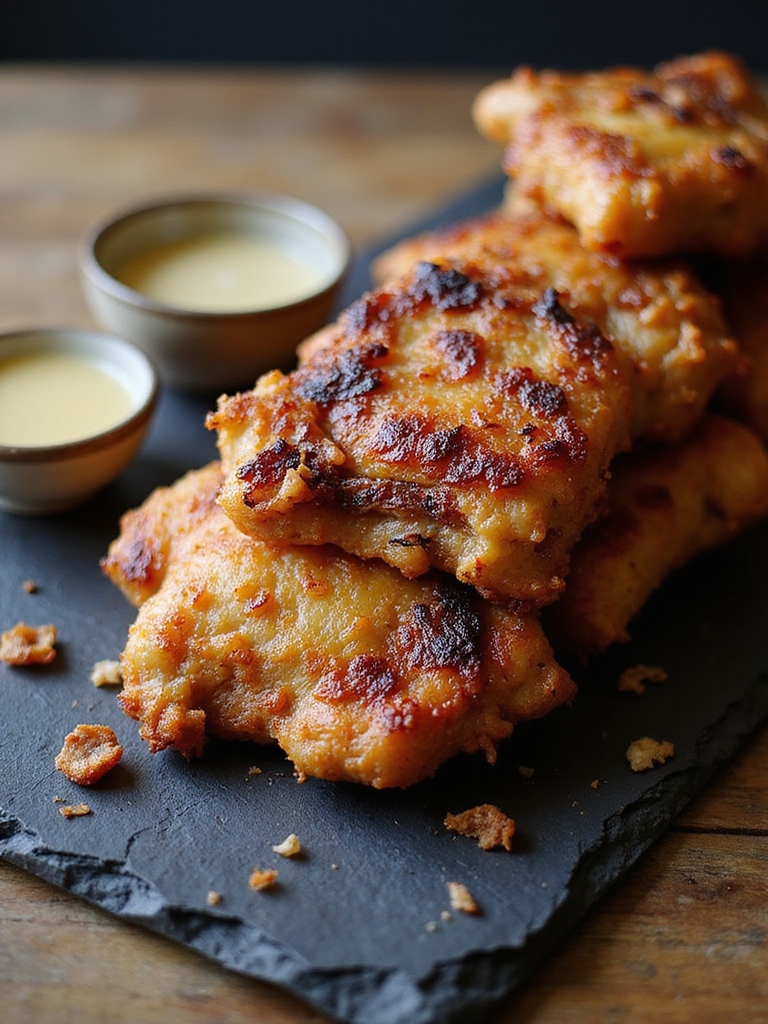


About 60% of people say they’d like simpler meals, yet most plans demand time you don’t have. You can still get steady energy and fewer decisions with a meat‑first, low‑effort approach that leans on eggs, ground beef, canned fish and smart batch cooking.
It’s practical, salty, and forgiving — and it solves more daily meal problems than you expect, as long as you follow a few very easy rules.
Start Today: Day‑One Lazy Carnivore Checklist

If you’re ready to try the Lazy Carnivore, start simple: clear out the snacks, pick two reliable proteins (think ground beef and eggs), and plan three meals you can repeat all week.
Next, make a short shopping list: fats (butter, tallow), salt, and maybe cheese.
Batch-cook one protein, scramble or fry the other fresh each morning. Portion into easy containers, label with dates, and stash in the fridge.
Set a realistic eating window and drink water or bone broth.
Keep a tiny notebook to track how you feel—sleep, energy, cravings—and tweak the plan tomorrow.
Many beginners find a simple, repeatable routine helps with adherence and transition to a carnivore-focused meal plan.
What the Lazy Carnivore Means : Who It’s For

Because you want the benefits of a meat‑focused way of eating without turning your life into a culinary boot camp, the Lazy Carnivore is for people who value simplicity over ritual: busy parents, time‑poor professionals, anyone tired of endless meal prep or restrictive rules.
You don’t need gourmet skills or strict tracking — just reliable choices that fit real life. You like food that’s straightforward, filling, and forgiving when plans derail. You want rules that free you, not shame you.
If you prefer practical habits, minimal shopping lists, and meals that travel, this approach was made to fit your day.
Many people succeed with simple, repeatable meals like carnivore staples, which are easy to prepare and scale.
3 Quick Benefits: Appetite, Simplicity, Compliance

You’ll notice your appetite calms down — protein and fat keep you satisfied so you’re not grazing all day.
Meal planning gets delightfully simple when your options shrink to a few reliable cuts and cooking methods. The simplicity makes sticking with it way easier over the long haul, no heroic discipline required.
Many people find this Simple Carnivore Meal Plan reduces decision fatigue and makes long-term compliance more achievable.
Reduced Hunger Signals
Want to eat less without feeling like you’re starving? You’ll notice hunger calms down on a carnivore approach because protein and fat sit in your stomach longer and stabilize blood sugar.
You won’t be chasing snacks or constantly eyeing the clock; meals feel finishing, not flimsy. That steady satiety makes it easier to skip mindless nibbling and stick to fewer, simpler meals without drama.
Your appetite signals become more predictable, so you plan less and live more. It’s not magic—just biology working in your favor—letting you comply with a low-effort eating rhythm that actually feels good.
Studies and many anecdotal reports also note reduced hunger signals as a common benefit observed over time.
Streamlined Meal Planning
Since your hunger’s calmer and meals feel satisfying, planning gets a lot easier — and that’s the whole point of streamlined meal planning.
You pick a few reliable proteins, rotate simple preparations, and stop overthinking snacks.
Appetite is steadier, so you don’t need elaborate timing or ingredient lists. That simplicity saves mental energy and fridge space, and you’ll find compliance rises because choices are obvious and cooking stays quick.
You’ll still get variety through different cuts and seasonings, but not complexity.
The result: fewer decisions, fewer skipped meals, and a practical routine that fits a busy, low-effort life.
This approach works especially well for women juggling schedules because the Carnivore Meal Plan prioritizes quick, repeatable meals and minimal prep.
Easier Long-Term Adherence
Because the diet trims decision fatigue and tames constant cravings, sticking with it becomes oddly easy — you’ll eat when you’re hungry, feel satisfied faster, and spend less time dithering over meals.
You’ll appreciate the simplicity: predictable choices, fewer grocery headaches, and a routine that actually fits your life. That reliability builds confidence, so you’ll keep going without drama.
Over time, habits replace willpower; compliance feels normal, not noble. You’ll worry less about peaks and troughs and more about living.
- Relief when cravings fade
- Quiet pride in steady progress
- Joy in reclaimed time
- Calm around food choices
Consistency matters most on the Carnivore Diet because small, regular choices build lasting results and reduce the need for perfection, especially when you focus on consistency over perfection.
Lazy Carnivore Rules You Can Actually Follow
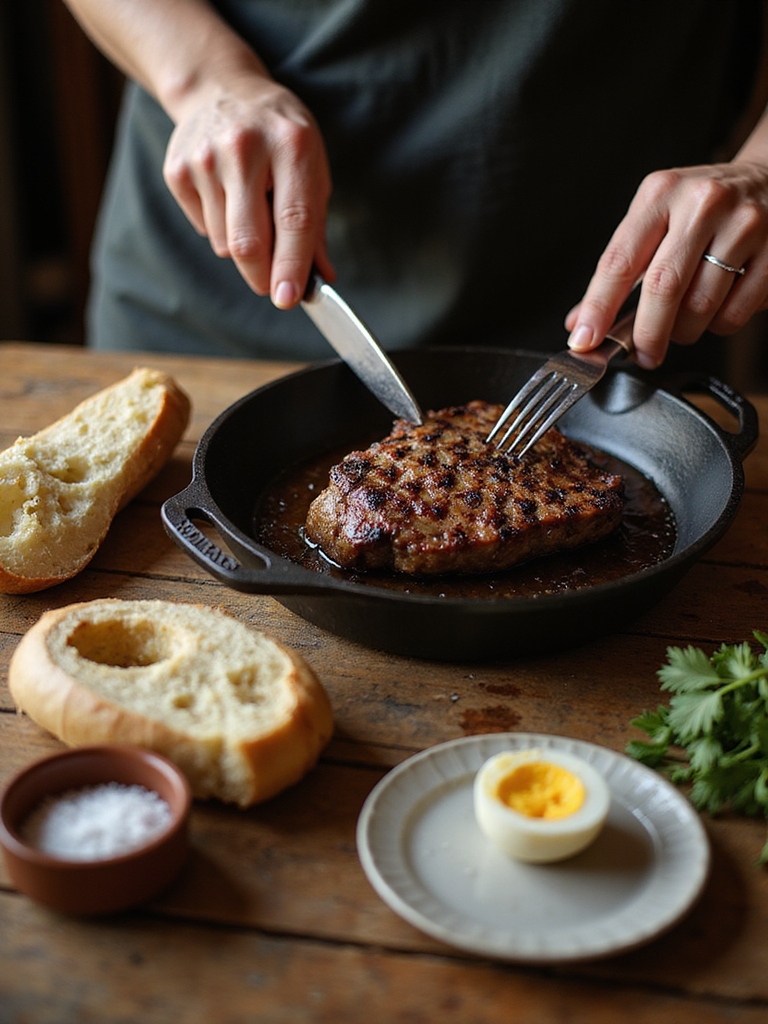
Cut through the noise: the Lazy Carnivore isn’t about perfection, it’s about simple, repeatable rules you can stick to without turning cooking into a full-time job.
Keep meals meat-first, savor fat for satisfaction, and let eggs or bone broth rescue you on chaotic mornings.
Eat when you’re hungry, skip the guilt if you miss a meal, and favor minimal seasoning—salt, pepper, and confidence.
Batch-cook a couple of protein options, rotate them, and accept leftovers as glamour.
Drink water, listen to hunger cues, and be patient; changes stack slowly.
These rules keep things doable, not doctrinaire.
Plan effortless, repeatable meals around a few staple proteins to make the approach sustainable meal ideas.
Easy Staples to Keep on Hand (Meat, Eggs, Fats)
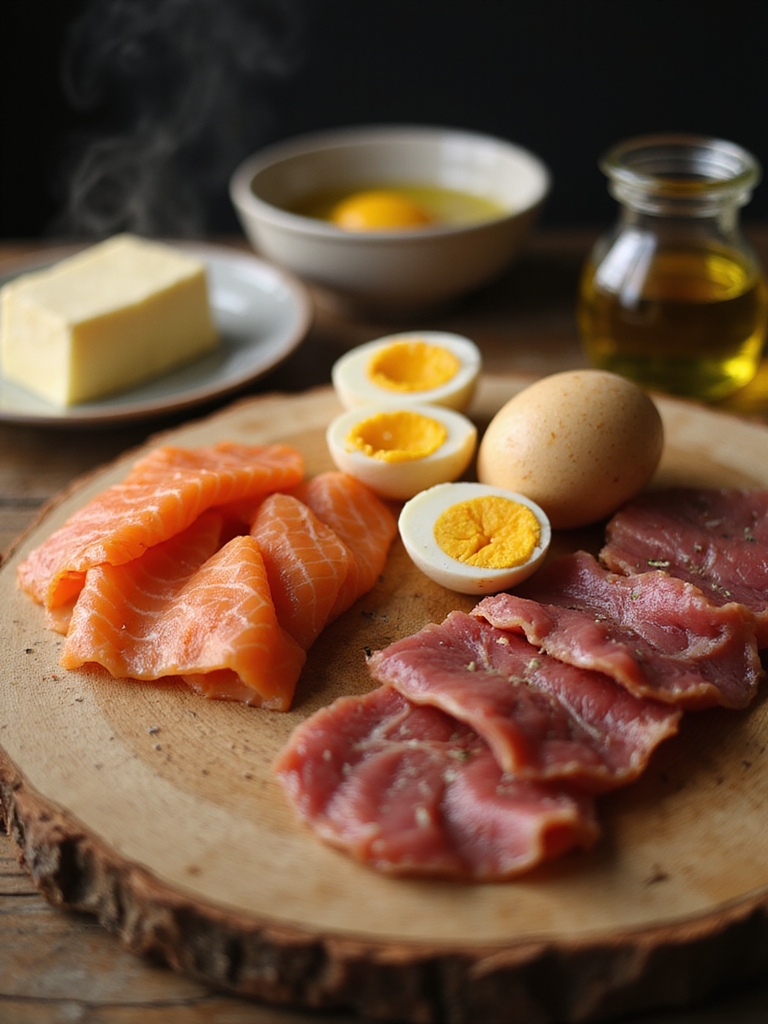
Now that you’ve got the simple rules down, make your life easier by keeping a predictable set of staples on hand. You want reliable, low-fuss foods that rescue you from hanger and decision fatigue.
Stock basics that cook fast, store well, and taste like comfort when you’re tired. Rotate them so nothing goes sad in the back of the fridge. Keep portions sensible, because simplicity isn’t about excess—it’s about dependable nourishment.
- Thick-cut bacon that crisps to happiness
- Ground beef for instant skillet dinners
- Pasture-raised eggs for anything, always
- Grass-fed tallow or butter for rich, forgiving fat
Stock basics like these form the core of a successful carnivore routine and make staples worth buying when planning meals and shopping.
Smart Shopping List for Lazy Carnivores
Stocking up should feel like setting up a small, reliable rescue squad for your fridge—pick items that slap together fast, keep well, and need almost no thought when hunger hits.
You’ll want canned tuna, smoked salmon, and pate for instant protein; rotisserie chicken or pre-cooked sausages for grab-and-go meals; steaks, ground beef, and pork chops for simple pan-cooks; bacon and tallow for flavor and fat; eggs in abundance; bone broth cartons for sipping or quick sauces; frozen shrimp and fish fillets for variety; and hard cheeses for low-effort snacks.
Keep reusable bags, labels, and a mini thermometer for safe storage.
Budget Tips for Carnivore Eating
You don’t need to break the bank to eat mostly meat — pick cheaper proteins like ground beef, chicken thighs, and canned fish that still hit your macros.
Stretch each cut by using bone-in options, cooking low-and-slow for yield, and turning scraps into broth so nothing goes to waste.
With a few smart swaps and minimal fuss, you’ll eat well without feeling guilty at checkout.
Cheap Protein Choices
Frequently, the cheapest paths to sticking with a carnivore diet aren’t glamorous — they’re ground beef, eggs, canned fish, and organ meats — and they’ll keep you full without wrecking your wallet.
You’ll shop smarter when you favor fatty, versatile cuts and bulk buys.
Train your palate to love simple seasoning, low-effort cooking, and repurposing leftovers into quick meals.
You won’t miss variety if you rotate staples and embrace nutrient-dense organ meat now and then.
- Relief: cheap eggs that comfort you on tough days
- Pride: turning bargains into satisfying dinners
- Courage: trying liver once, surprise liking it
- Calm: predictable, cheap staples you trust
Minimize Waste Strategies
Stretch your buys farther by treating every scrap as a meal-building opportunity: trim fat and bones into broth, crisp leftover patties for breakfast, and freeze portions in meal-sized packs so nothing spoils.
You’ll save money and time when you plan meals around versatile pieces — chuck roast becomes stew, bones become stock, and odd cuts get marinaded then seared.
Rotate freezer stock with clear labeling, use silicone trays for single-serve portions, and embrace reheating rather than perfect presentation.
Shop with a loose list, buy whole birds, and turn trim into flavor. Waste less, eat better, and feel smug about it.
Cook Fast: 3 Minimal‑Cleanup Methods
Cut back on dishes and you’ll eat better without making dinner a production. You want fast, tasty carnivore meals and almost no cleanup.
Do the clever, lazy things: batch-sear and reheat, use foil-lined pans, employ the trusty cast-iron you wipe and oil, and embrace stovetop one-skillet tricks that don’t require sauce saucing or extra bowls.
These methods get food on the table fast, free up your evening, and spare you elbow grease.
You’ll eat more consistently when cooking feels easy, not like a chore, and you’ll actually enjoy both the food and your free time.
- Relief: fewer dishes, more chill
- Pride: decent meals, zero fuss
- Freedom: evenings back for living
- Satisfaction: simple, reliable flavor
3 One‑Pan / Sheet‑Tray Lazy Carnivore Meals
Sheet-tray dinners are your kitchen’s best lazy trick: toss protein, a little fat, and any hardy extras on one pan, slide it into the oven, and you’re done—no multiple pots, no fiddly steps.
You pick sturdy cuts—rump, bone‑in thighs, sausages—season simply, and let heat do the work while you ignore the rest of the day.
Crisp edges, juicy centers, minimal babysitting.
Use foil or a silicone mat for easy cleanup and rotate items once for even browning.
Portion straight from the tray, serve with a pat of butter, and feel smug about feeding yourself well without trying.
Batch‑Cook, Freeze, and Reheat Meat With No Fuss
Pick cuts that freeze well—think ground beef, brisket, and pork shoulder—so you won’t cry when you thaw.
Cool cooked meat quickly before you bag it to keep texture and safety intact.
Reheat slowly and evenly so everything’s hot through without turning into shoe sole.
Choose Freezable Cuts
When you’re stocking your freezer for lazy-week meal rescues, choose cuts that handle being cooked, frozen, and reheated without turning into sad shoe leather.
You want forgiving, flavorful pieces: brisket, chuck, pork shoulder, and bone-in thighs. Cook them slowly with fat and salt so they stay juicy, then portion into meal-sized packs. Freeze flat for easy stacking and quicker thaw.
When reheating, add a splash of broth or fat to revive texture. These choices save you time, money, and dignity on tired nights—meat that comforts, not disappoints.
- Satisfaction: warm, rich bites
- Relief: dinner ready fast
- Pride: smart prep
- Comfort: reliable flavor
Cool Rapidly Before Freezing
Usually, you’ll want to cool cooked meat quickly so it doesn’t sit in the danger zone where bacteria throw a party — and you can do it without drama. Pat portions dry, spread them on a shallow tray, and pop the tray in an open fridge spot to drop temp fast.
Don’t cram hot pans into deep containers; trapped heat slows cooling and ruins texture. Once chilled to fridge-temp within a couple hours, portion into freezer bags, press flat for space, and label.
Quick cooling keeps safety and quality high, so your future self gets tasty, ready-to-go meals with zero fuss.
Reheat Safely And Evenly
If you want leftovers that taste like they just came off the grill, you’ve got to reheat with a plan — not a microwave panic. You’ll thaw in the fridge overnight, pat meat dry, and let it come close to room temp.
Use a hot skillet, oven, or sous‑vide for even warmth; finish with a quick sear for texture. Internal temp matters — aim for safe, not overcooked. Don’t skip resting after reheating so juices redistribute. Pack portions before freezing to avoid repeat thawing.
- Relief: dinner that feels intentional
- Pride: you didn’t ruin the steak
- Comfort: warm, steady flavor
- Ease: minimal fuss
Minimal Seasonings and Simple Flavor Hacks
Think of minimal seasonings as your shortcut to tasting great without fuss — you don’t need a spice rack to make meat sing. You’ll rely on salt, pepper, and maybe garlic powder, applied confidently.
Fat is flavor: a pat of butter, a drizzle of rendered tallow, or the crust from searing transforms simple cuts.
Acid’s subtle: a quick swipe of lemon or a splash of vinegar brightens without drama.
Finish with crunch—crispy skin or fried bits—for texture that feels fancy. Keep measurements casual, taste as you go, and let ingredients do the talking while you stay delightfully lazy.
Eating Out and Social Situations: Pragmatic Strategies
Eating out doesn’t have to derail your carnivore vibe — you just need a few simple moves. You can pick protein-first, skip sauces, and ask for swaps without drama.
Lean into confidence: order steak, burger without bun, or grilled fish. Bring appetite, not apology.
When friends push, deflect with humor or own it — people respect conviction.
- Feel proud ordering meat simply, like you mean it.
- Savor the texture and quiet triumph of a clean plate.
- Laugh off curiosity with a zinger; social pressure melts.
- Enjoy the company; food choices don’t define your worth.
Simple Tracking: Hunger, Weight, and Energy (No Apps)
Before you grab a plate, check in with how hungry you actually are — a quick “not hungry / kinda hungry / ravenous” will do.
Weigh once a week instead of compulsively staring at the scale every morning, and jot a one-line note about your energy each day so patterns start to show.
You’ll be surprised how little tracking you need to steer this thing.
Track Hunger Before Meals
If you want reliable feedback without apps or spreadsheets, start by noting how hungry you feel right before each meal — a quick, honest 1–5 scale works fine (1 = stuffed, 5 = ravenous).
Do it for a couple weeks and you’ll spot patterns: overeating after boredom, true hunger after workouts, or your body settling into fewer meals.
You’ll avoid emotional grazing and learn when carnivore meals actually satisfy. Keep it simple, private, and judgment-free. The scale is your gentle referee.
- You’ll feel empowered, not punished.
- You’ll laugh at past myths.
- You’ll trust your body more.
- You’ll eat less stress.
Weigh Weekly, Not Daily
Usually once a week is plenty: step on the scale the same day, same time, wearing similar clothes, and note the number. You don’t need daily drama; weight fluctuates with water, salt, and last night’s steak.
Weekly checks reveal real trends, not noise. Write the figure in a notebook or a phone note—no fancy app, no graphs screaming at you.
If the number drifts where you don’t like it, tweak portions or meal timing, then wait another week. Consistency and patience beat obsession. Treat the scale like feedback, not judgment, and keep going.
Note Energy Patterns Daily
Weekly weigh-ins give you the long view, but you’ll learn more day-to-day by noting how you actually feel. Jot simple notes: when hunger hits, when energy spikes, and when you lag. No apps, just a notebook or sticky note.
You’ll spot patterns—meals that power you, ones that drag you down. Use this to tweak timing, portion, or meat choice. It’s small effort, big insight.
Over weeks you’ll predict your best work hours and avoid hangry mistakes. This is practical self-knowledge, not obsession; it keeps the diet lazy and the results honest.
- Relief when you find a reliable rhythm
- Pride in small, steady wins
- Amusement at predictable cravings
- Calm from knowing what fuels you
Common Pitfalls and Easy Fixes (Gut, Satiety, Variety)
When you switch to a lazy carnivore approach, you’ll probably hit a few predictable snags — digestion quirks, midday hanger, and the dreaded sameness — but none of them are deal-breakers once you know the simple fixes.
If your gut protests, ease in: chew more, add bone broth or a spoonful of yogurt if tolerated, and space meals. For satiety, prioritize fattier cuts, eggs, and slow-cooked collagen; protein alone can leave you hungry.
To avoid boredom, rotate proteins, experiment with simple seasonings, and change textures (grill, braise, or mince). Small tweaks, big payoff — and fewer grumbles.
Who Should Avoid or Modify the Lazy Carnivore Plan and How
Most people can patch the small issues above and enjoy a lazy carnivore rhythm, but some folks should steer clear or tweak the plan rather than plunge in headfirst.
If you have kidney disease, pregnancy, type 1 diabetes, severe eating disorder history, or rigid nutrient needs, don’t wing it—consult a clinician. You’ll need targeted monitoring, supplement strategies, or a blended approach (meat-forward but not exclusive).
Listen to labs and your mood. If fatigue, dizziness, or obsessive thoughts crop up, pause and adapt.
Here are common reasons to modify, in human terms that matter to you:
- Fear of losing control, anxiety
- Medical fragility, fragile kidneys
- Social isolation, missing rituals
- Persistent low energy, brain fog
You don’t need culinary heroics to get started — just sensible shortcuts and a fridge that does the heavy lifting. Think of this as friendly minimalism for your meals: more fat, more protein, fewer decisions.
If you treat the Lazy Carnivore as a polite nudge rather than a strict edict, you’ll find steadier energy, fewer snack attacks, and a routine that quietly works for you. Tweak it when your body asks — no drama, just pragmatism.