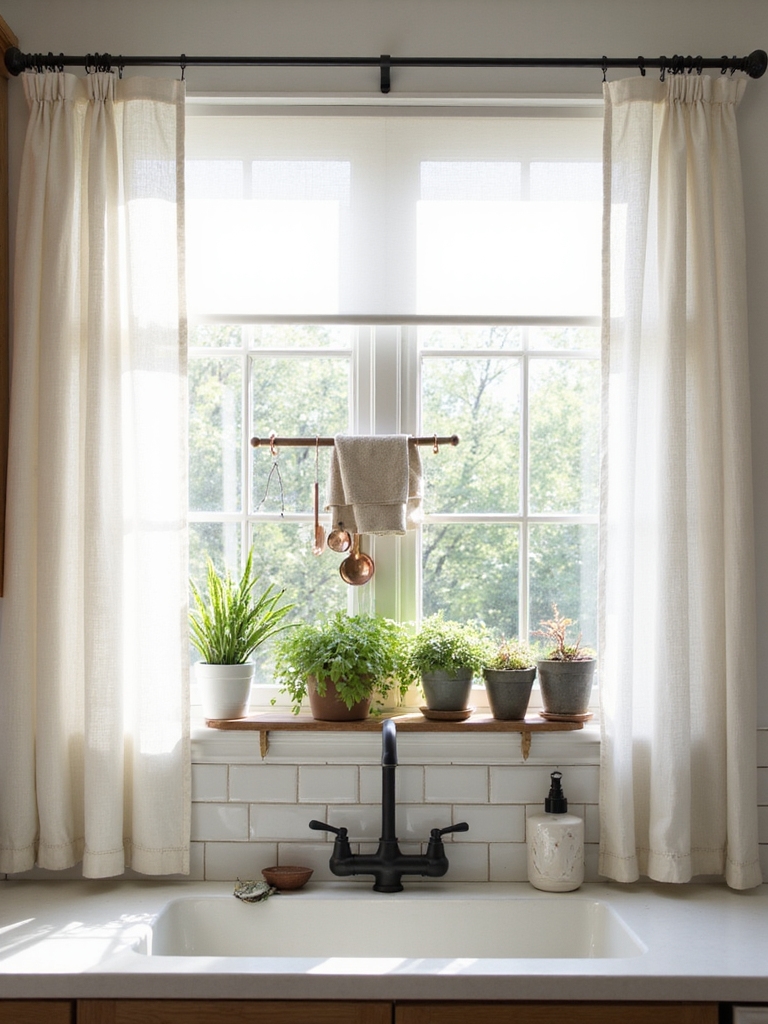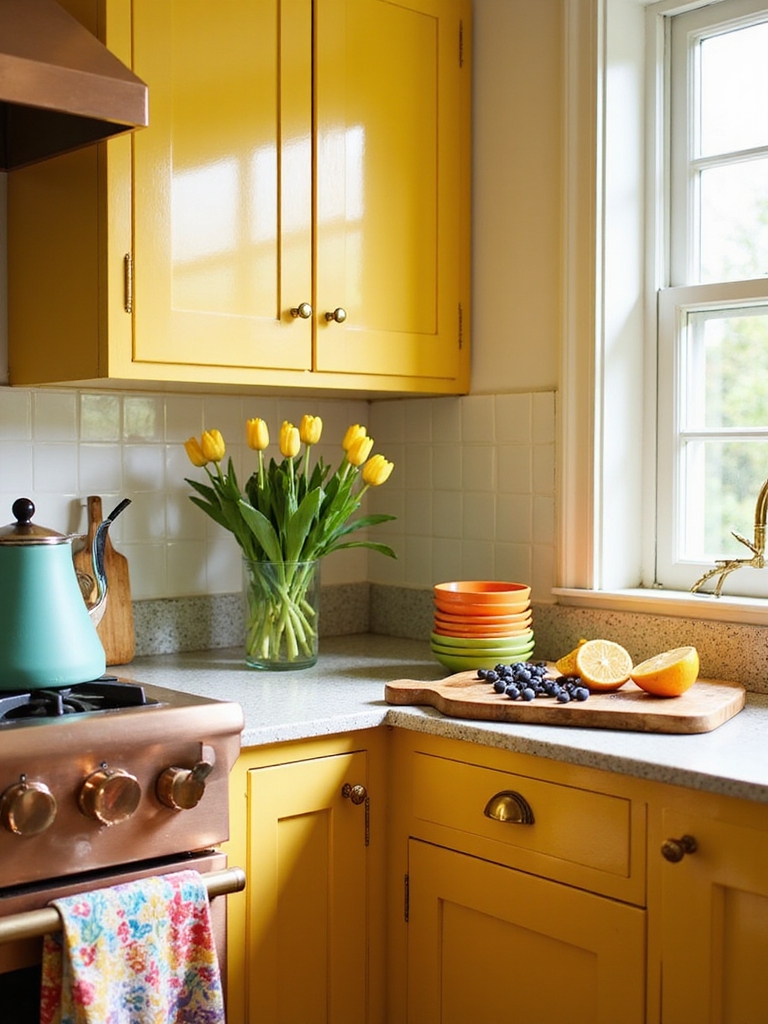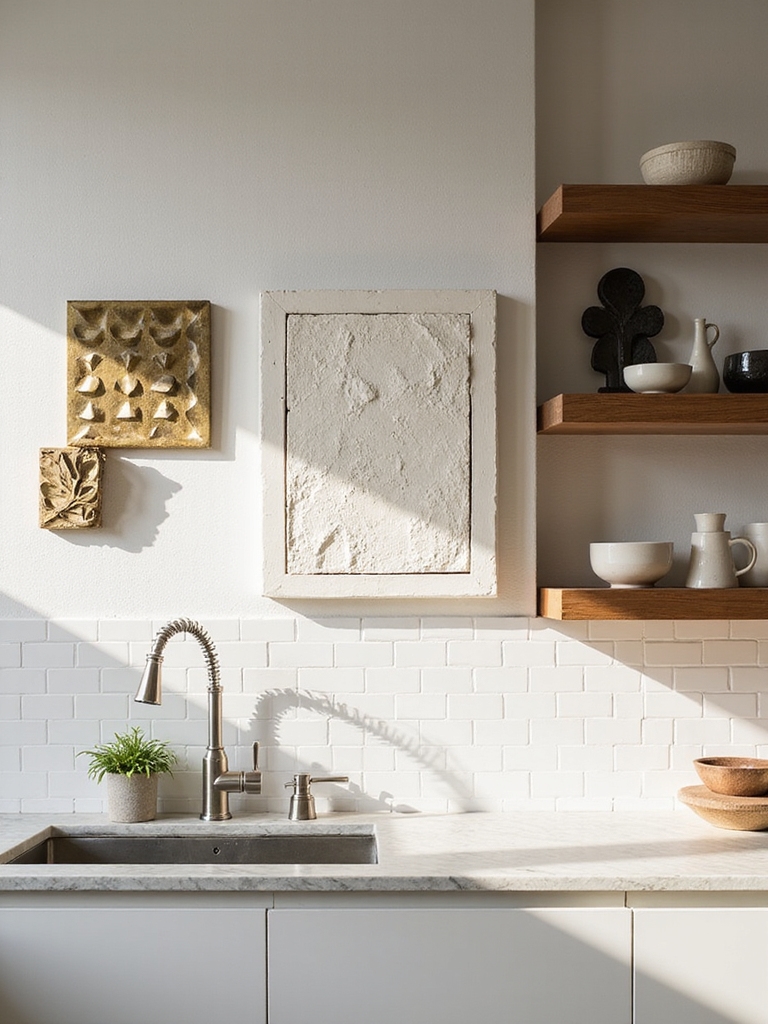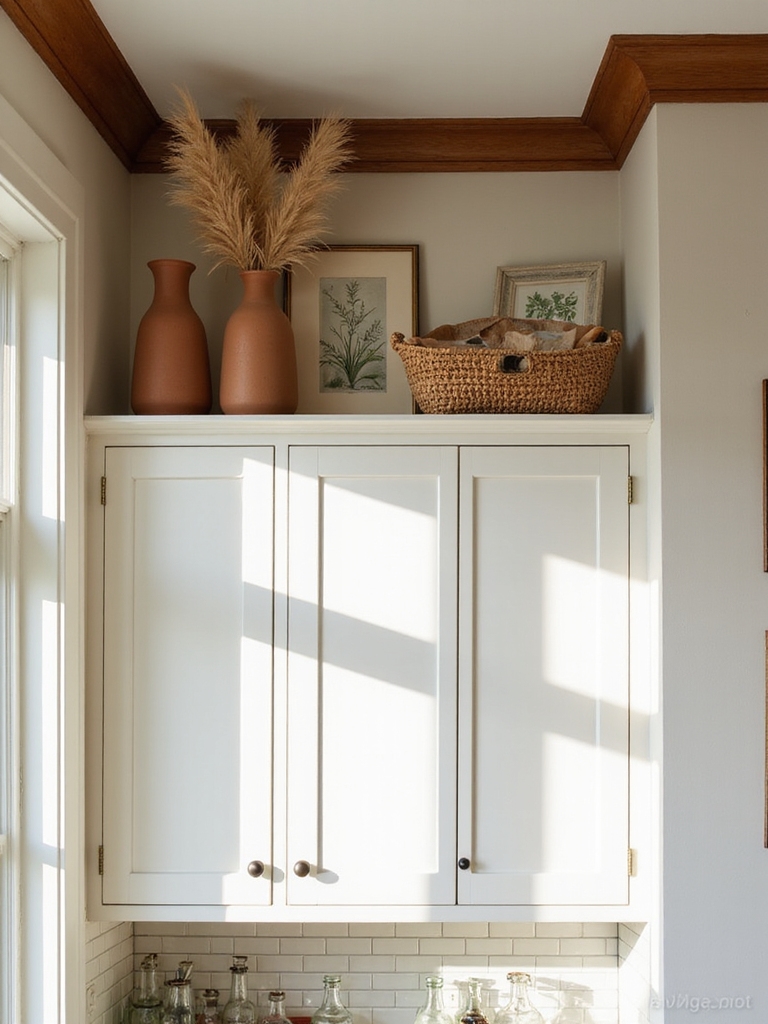

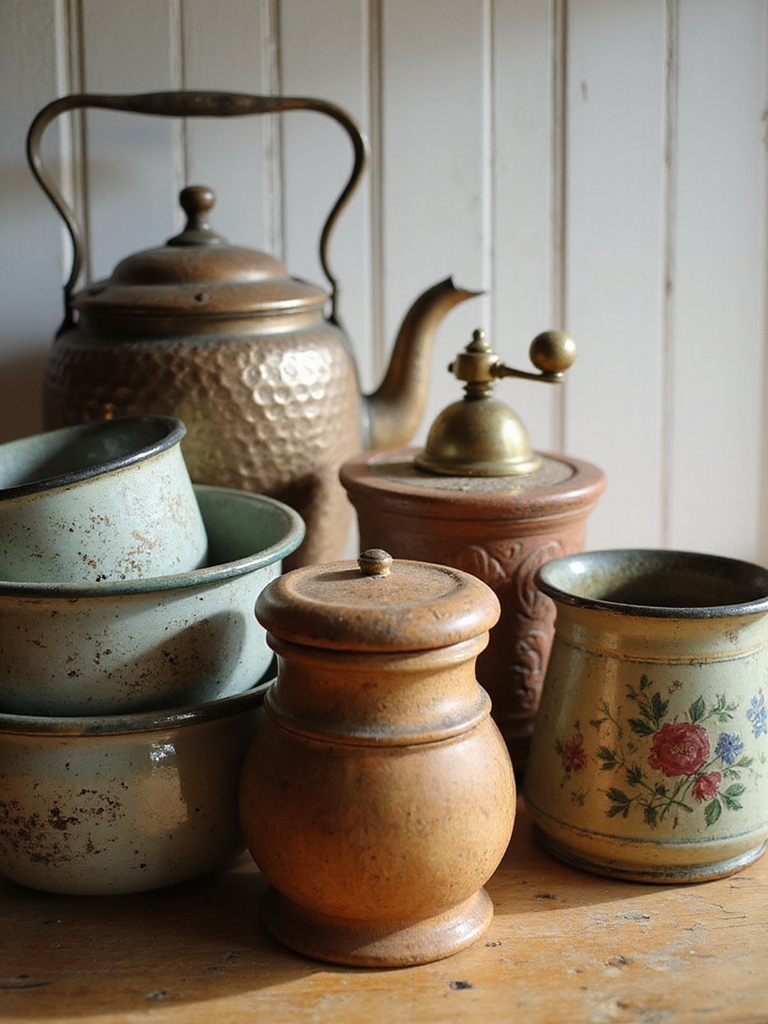
I love finding rare antique kitchen pieces that make a room sing—an oak dough bowl with worn patina, rosy copper molds hung like art, or a hand‑carved butter paddle that feels lived in. These items add warmth, texture, and a story you won’t get from mass‑produced goods.
I always check maker’s marks, joins, and patina before buying and favor pieces that stay useful. Keep going and I’ll show you how to spot, style, and care for them.
Why Antique Kitchen Decor Beats Mass‑Produced Items
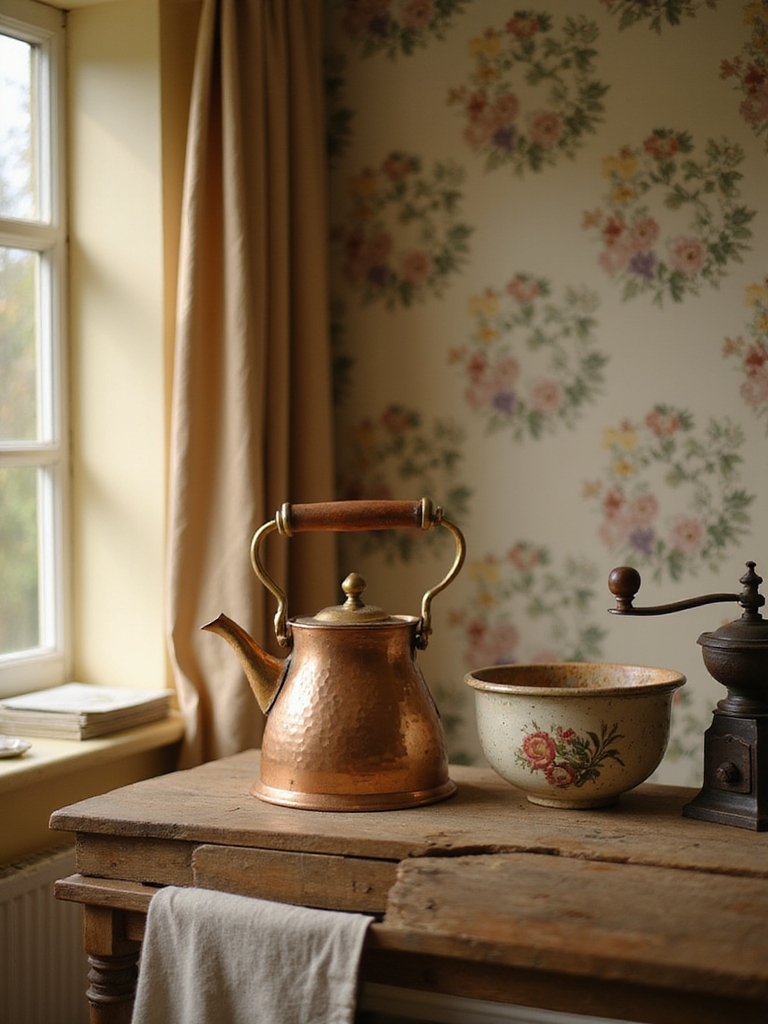
I’ll tell you straight: antique kitchen pieces bring personality and history that mass‑produced items just can’t match.
I love how a worn wooden bowl or brass scale carries stories and craftsmanship—each flaw is honest.
They add warmth, texture, and a lived‑in comfort that new things often lack. Pick pieces that speak to you and your kitchen feels like home.
Timeless pieces like curated vintage decor can elevate a space and become focal points in any kitchen, especially when you focus on vintage kitchen decor that’s worth the investment.
How to Spot Authentic Antique Kitchen Pieces
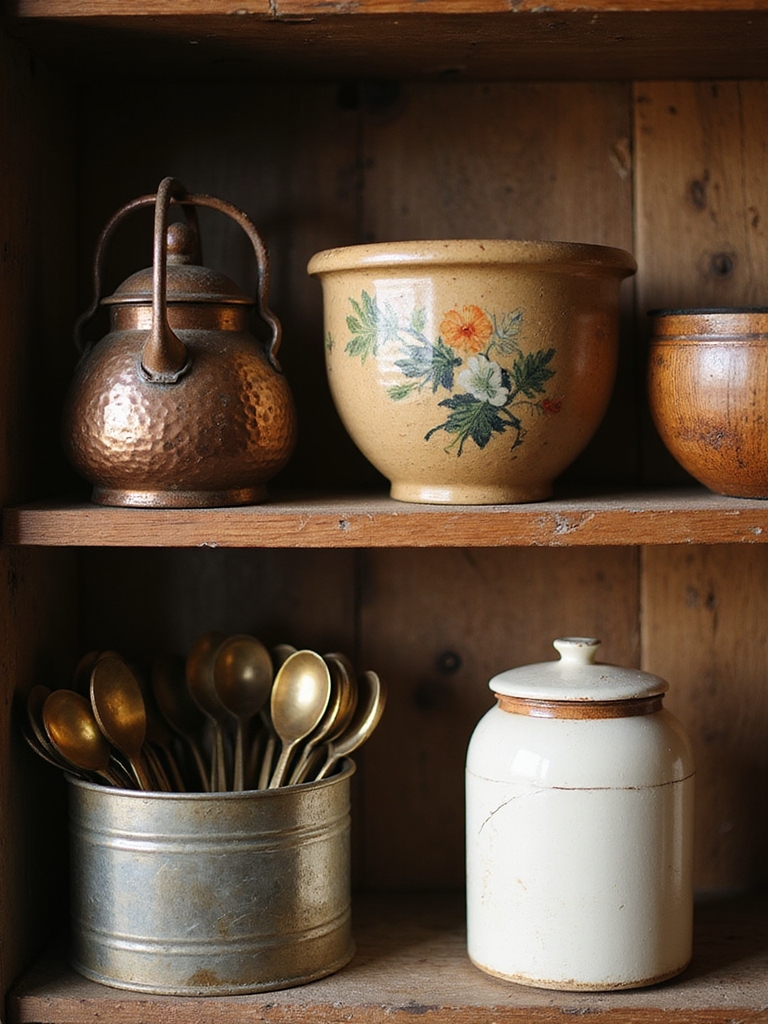
When I’m hunting for authentic antique kitchen pieces, I look beyond pretty patina and ask a few practical questions: does the joinery, wear pattern, or maker’s mark match the piece’s claimed age, and has it been altered or rebuilt?
I also tap wood density, check for hand-tool marks, and confirm hardware types. Trust your eye, cross-check provenance, and don’t rush a purchase.
I sometimes blend authentic finds with global-inspired accents to give the kitchen a curated, worldly feel.
Antique Kitchen Treasures to Hunt: Copper Molds, Butter Paddles, Sifters
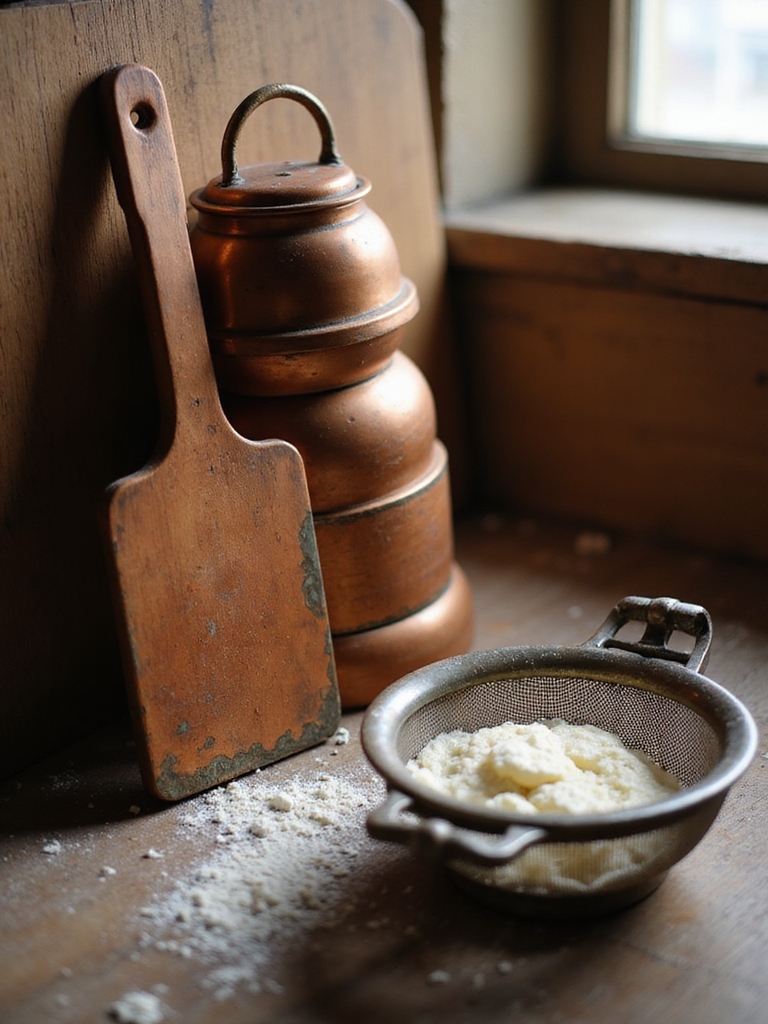
I love digging through flea markets and attic trunks for small kitchen pieces that tell a story—copper molds with their rosy patina, hand-carved butter paddles worn smooth by years of churning, and metal sifters whose mesh still rattles when shaken.
I bring them home to display on shelves, hang molds as art, and use paddles as tactile reminders of slower, hands-on cooking traditions.
These are true investment-worthy decor pieces that can finish and elevate your kitchen style.
Art Deco & Mid‑Century Kitchen Pieces That Make Focal Points
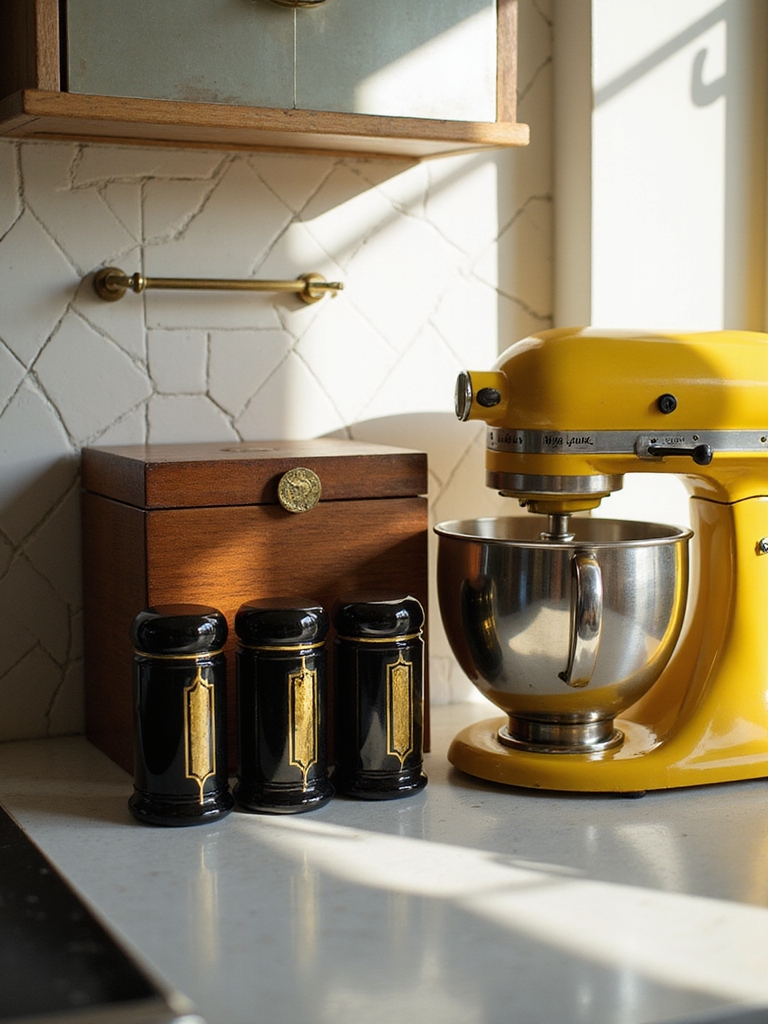
I love how a bold geometric light fixture can anchor a kitchen and make everything feel intentional.
Pairing vintage chrome appliances with a few streamlined teak pieces adds shine and warmth without cluttering the space.
Let me show you how those three elements—lighting, chrome, and teak—work together as true focal points.
Splurge on pendant lighting fixtures that are worth the investment for your island, especially those with geometric designs that create a strong visual anchor.
Bold Geometric Lighting
Bring a splash of drama into your kitchen with bold geometric lighting that nods to Art Deco and mid‑century styles—I always reach for pieces that act like jewelry for the room.
I love brass or aged bronze pendants with clean angles, faceted glass shades, and layered silhouettes. They anchor rustic wood and worn tiles, casting warm, sculptural light that invites conversation and slow, cozy meals.
Sculptural kitchen vent hoods that double as art can elevate the look while improving ventilation, creating a focal point that’s both beautiful and functional with high-performance hoods.
Vintage Chrome Appliances
Chrome does something special in a kitchen — it catches your eye and makes everyday appliances feel like curated treasures.
I love hunting for Art Deco to mid‑century chrome mixers, toasters and kettles that become focal points.
They add gleam against worn wood, spark conversation, and blend practicality with charm.
I’ll show you how to display and care for them without losing their lived‑in appeal.
Architects often recommend bold wall decor pieces to complement chrome appliances and tie the room together, emphasizing bold kitchen wall as a cohesive design strategy.
Streamlined Teak Furniture
Let’s pull a teak sideboard into the center of the room and see how its clean lines change everything: those warm, honeyed tones and simple, tapered legs turn a utilitarian kitchen into a calm, crafted space.
I love pairing it with matte ceramics, raw linen, and vintage copper—each piece highlights teak’s grain and restraint, creating a focal point that feels lived-in, elegant, and utterly inviting.
You can achieve a custom look using standard cabinet sizes and clever placement from IKEA’s system to make the teak piece feel integrated as a true kitchen focal point, especially when combined with standard IKEA units.
Small Vintage Accents for Open Shelving

I tuck a few small vintage pieces onto my open shelving to give the kitchen a lived-in, welcoming feel. I mix chipped enamel cups, tiny milk bottles, a brass spice scoop, and a threadbare linen napkin.
They add stories without clutter, inviting conversation and cozy charm. I arrange items by color and scale so each piece breathes and feels intentional.
I also choose pieces that reflect different custom kitchen shelf styles to maintain an organized, cohesive look.
Checking Condition, Patina, and Restoration Needs
When I’m bringing a vintage piece into the kitchen, the first thing I do is inspect it closely — checking for cracks, loose handles, rust, and how the patina sits on the surface.
I imagine its story and decide gently what needs care:
- Faded paint and worn edges
- Surface rust and loose joints
- Original patina worth preserving
I choose repairs that honor the piece.
Budget Guides: Finding Rare Antiques at Every Price Point
After checking a piece for cracks, rust, and patina, I start thinking about cost—how much I’m willing to spend to keep its story intact.
I set tiers: thrifty finds for charm, mid-range for rarer makers, splurge for true heirlooms. I prioritize condition and provenance, negotiate kindly, and balance sentiment with practicality so each purchase feels right for my kitchen and wallet.
Where to Buy Antiques: Estate Sales, Flea Markets, Auctions, Online
You’ll find treasures in different places, and I’ve learned to match the hunt to what I want: estate sales for well-preserved, storied pieces; flea markets for quirky, budget-friendly finds; auctions for those rare, competitive items; and online for convenience and a broader reach.
I stroll, haggle, and sift:
- sunlit stalls
- dusty attics
- bidding paddles
Each trip feels like bringing home a small, rustic story.
Evaluating Provenance, Maker Marks, and Stamps Quickly
When I’m shopping for kitchen antiques, I first scan for maker’s marks tucked under lids or along seams and compare them to trusted references.
I also check any stamped dates or patina clues that help confirm age, and I’ll look for provenance hints like labels, receipts, or distinctive repairs.
If something feels off, I’ll pass or ask a seller for more history rather than guessing.
Check Maker’s Marks
I like to start by turning pieces over and squinting at stamps, because a clear maker’s mark is often the quickest clue to age and origin.
I run through a few visual checks to imagine the workshop and hands that made it:
- crisp impressed logo
- worn hand-stamped initials
- kiln glaze variations
Those tiny marks tell stories; I trust them first.
Verify Stamp Dates
After checking marks for maker and wear, I flip pieces over again to read any date stamps and see if they match the style and patina.
I note font, depth, and ink fading—those tell age.
If a crisp modern stamp sits on weathered wood, I’m suspicious.
I trust consistency: era-appropriate stamps reinforce authenticity and calm my collector’s heart.
Trace Provenance Clues
Although provenance can feel like detective work, I start by lining up maker marks, stamps, and any handwritten notes to see if they tell the same story; mismatched details usually mean something’s been added or altered.
I picture:
- a faded label,
- a stamped logo,
- a scribbled name.
I compare wear patterns, ink aging, and tool marks, trusting consistency over charm.
Safe Cleaning and Preservation by Material
When I’m caring for antique kitchen pieces, I treat each material as its own patient—wood needs gentle oils, metal often wants careful rust removal, and ceramics usually just need a soft touch—because using the wrong method can do more harm than good.
I clean softly, test hidden spots, avoid harsh chemicals, store dry, and wrap fragile items in breathable cloth to preserve patina and soul.
How to Mix Antiques With Modern Cabinetry and Appliances
If I want antiques to feel like part of a modern kitchen rather than museum pieces, I blend them in with intention:
I let a reclaimed farmhouse table anchor the space, set a vintage copper pendant over a sleek island, and repeat materials or colors so the old and new talk to each other.
- Warm wood beside matte cabinetry.
- Patina against stainless.
- Antique knobs on flat-front drawers.
Creative Displays: Gallery Walls, Floating Shelves, Counterscapes
I like to carry the same idea of intentional blending over to displays, because how you show antiques makes them feel lived-in, not staged.
I arrange a gallery wall of small trays and frames, mount weathered shelves for mismatched ceramics, and craft counterscapes with a few chosen pieces grouped by color and scale.
It feels cozy, honest, and quietly curated.
Styling by Function: Decor Pieces That Are Also Usable Tools
I lean into pieces that pull double duty — a worn wooden dough bowl that holds fruit and doubles as a centerpiece, a patinated copper kettle that brews tea and glints on the range, or a stack of enamelware that’s as useful for serving as it’s for display.
- Hand-forged ladle for stirring and hanging.
- Mason jars storing herbs, also vases.
- Cast-iron pan cooked in, showcased proudly.
Avoiding Pitfalls: Fakes, Over‑Restoration, and Safety Hazards
While I love the thrill of finding a perfect antique, I’ve learned to stay sharp about fakes, heavy restorations, and hidden safety issues that can turn charm into trouble.
I inspect patina, joints, and maker’s marks, ask questions, and request provenance.
I avoid overly rebuilt pieces, test electrical items safely, and trust gut instincts—better a small, honest find than a costly mistake.
Investment Outlook and Resale Tips for Rare Kitchen Antiques
I’ll walk you through how market values for rare kitchen pieces have shifted and what that means for holding or selling them.
I’ll also explain how solid authentication and clear provenance boost price, and where to find trustworthy appraisals.
Finally, I’ll outline the best selling channels and timing so you can turn a cherished find into a fair return.
Market Value Trends
Because markets shift with taste as much as rarity, I look at antique kitchen pieces the way I do small farms—steady value if well cared for, sudden spikes when a trend catches fire.
I watch demand, condition, and provenance signals, then act. Picture:
- a sun-warmed enamel sign,
- a worn wooden dough bowl,
- a brass coffee grinder—each telling resale timing and appeal.
Authentication And Provenance
When I’m vetting a rare kitchen piece, I start by asking three simple questions—who made it, when, and how has it been used—because those answers steer both value and buyer trust.
I trace maker’s marks, check materials and wear patterns, and gather any paperwork or family lore.
Clear provenance eases appraisal, reduces buyer hesitation, and protects your investment over time.
Selling Channels And Timing
I often time my sales to the rhythms of the market and my own patience, because selling a rare kitchen piece is as much about timing as it’s about venue.
I choose channels that suit story and buyer:
- Auction house — hushed room, competitive bids.
- Vintage fairs — handshake sales, warm faces.
- Online niche platforms — broad reach, careful listings.
I hope you’ll let a few of these rare finds whisper stories into your kitchen — like old friends gathered around the table.
I’ve learned that choosing authentic, useful pieces turns rooms into living histories, not museum cases.
Start small, hunt with patience, and balance beauty with safety so your collection feels warm, practical, and utterly yours.
Happy hunting — and don’t be surprised if your next cup of tea tastes a little richer.