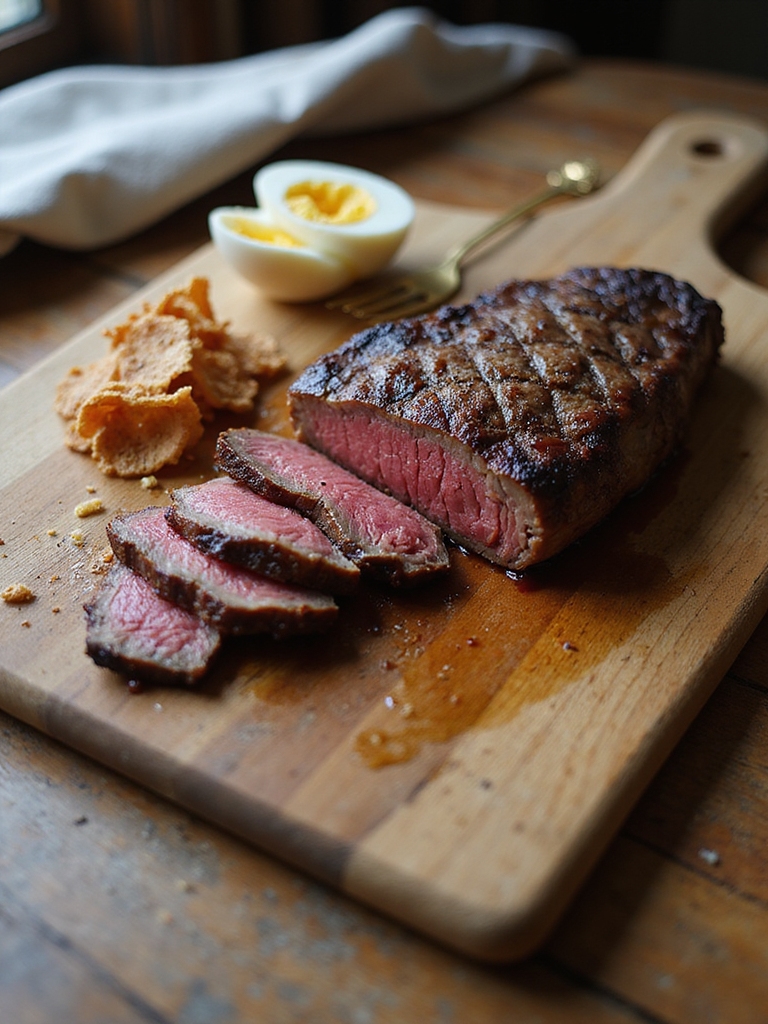


Like Odysseus eyeing land after a long voyage, you’ll want something solid and familiar to step onto—think ribeye, roasted pork shoulder, and buttery eggs. You’ll stick to fatty cuts, organ rotations, tinned fish, bone broth and rendered cooking fats, so meals stay simple, filling and affordable.
I’ll show you how to keep variety low-effort, manage electrolytes, and handle digestion or boredom without reinventing every meal—so you can actually keep this up.
Carnivore Diet: What to Eat First (Quick Starter)
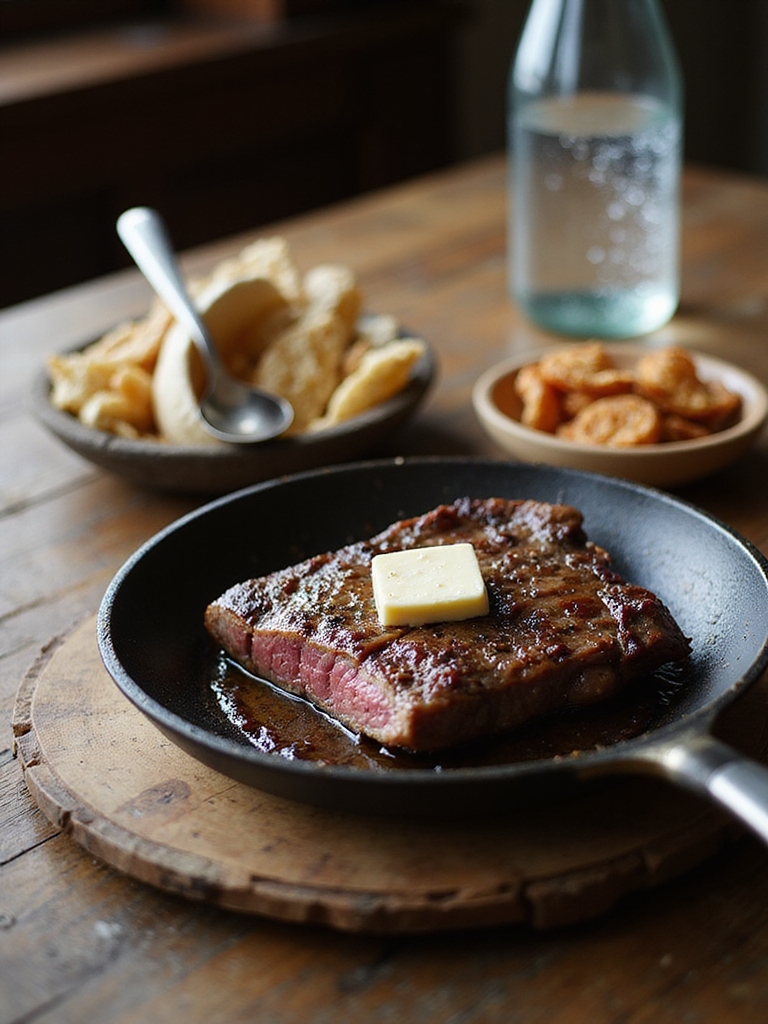
Often the easiest move is to start with what’s familiar: fatty, well-seasoned cuts of meat you actually like. You’ll pick ribeye, brisket, ground beef — whatever feels satisfying and uncomplicated.
Eat nose-to-tail if you can: organ meats give sharp, potent nutrition that keeps you steady. Keep meals simple: salt, heat, and time do most of the work. Drink water, maybe bone broth when appetite wanes.
Expect thrift-store practicalities — cheap cuts slow-cooked into tenderness. You’ll notice appetite and cravings shift; lean into satiety cues. Start small, adjust portions, and let taste guide sustainable choices.
Try incorporating nose-to-tail eating to boost nutrient intake and variety.
Best Animal Fats and Cooking Fats

You’ll want to pick animal fats that actually taste like something and hold up when you cook—think beef tallow, duck fat, and pork lard.
Use those for frying and roasting, and keep butter or ghee for gentler heat and finishing.
I’ll walk you through which fats suit which dishes and why they matter for flavor and satiety.
Be sure to stock a variety of rendered fats like beef tallow and pork lard to provide both cooking versatility and concentrated caloric density for satiety.
Best Animal Fats
Think about fat as the flavor engine of a carnivore plate — it carries taste, keeps meat juicy, and defines how you cook.
You’ll favor tallow, lard, duck fat, and schmaltz for their deep, savory notes and high smoke points. Beef tallow gives roast beef that beefy echo; pork lard renders silky succulence into chops; duck fat crisps skin into golden bliss; chicken schmaltz brightens stews.
You’ll also keep marrow and suet handy for richness and nutrient density. Choose unprocessed, grass-fed when possible, and trust your palate — fattier bites mean more satisfaction and fewer cravings. Learn more about effective animal-food choices with carnivore diet foods.
Cooking Fat Choices
Frequently, your frying pan will tell you which fat to reach for long before a recipe does — it’s the scent, the sizzle, and whether the meat slides or sticks.
You’ll prefer tallow for high heat, butter for flavor, and pork fat for crisp edges. Use drippings to amplify taste and save money; rotate fats to avoid monotony.
Trust nose and texture. Below, a quick table to help you match fat to task and mood.
Carnivore pantry staples like various animal fats make for an easy kitchen setup and simplify meal prep.
| Fat | Best use |
|---|---|
| Beef tallow | High-heat searing |
| Butter/ghee | Finish, flavor |
| Lard | Pan-frying |
| Drippings | Sauces, richness |
Most Filling, Budget-Friendly Meat Cuts

You’ll get the most bang for your buck by choosing cheap, high‑calorie cuts—think chuck roasts and pork shoulder—that stick to your ribs without emptying your wallet.
Don’t ignore bone‑in options like short ribs and marrow bones; they add flavor, calories, and stock for bunless meals.
And if you want a nutrient-packed boost, organ meats like liver and kidneys give you vitamins and minerals regular cuts can’t match.
Ground beef meals can be stretched into multiple fillings and dishes by using budget-friendly recipes that maximize yield and flavor.
Cheap High-Calorie Cuts
Stretch your budget farther by choosing high-calorie, inexpensive cuts that fill you up and keep you satisfied—think brisket, pork shoulder, chuck roast, and bone-in chicken thighs.
You’ll braise, slow-roast, or sear until fat renders and flavor concentrates. These cuts give you calories, collagen, and real mouthfeel so you won’t crave snacks. Cook low and slow, salt liberally, rest well, and enjoy leftovers that reheat beautifully.
Affordable carnivore cooking often focuses on high-calorie cuts that deliver both calories and collagen without breaking the bank.
| Cut | Calories per 100g | Best method |
|---|---|---|
| Brisket | 300 | Slow-smoke/braise |
| Pork shoulder | 350 | Slow-roast |
| Chuck roast | 320 | Braise/stew |
Bone-In Value Choices
If those fatty roasts filled your plate and wallet, bone-in cuts take that value up another notch—more flavor, more collagen, and often a lower price per pound.
You’ll grab marrow-rich femurs, country-style ribs, and whole chicken legs that feed you longer and keep cooking juices you actually want.
Bones mean gelled braises, savory drippings for pan-sauce, and heftier portions without hiking cost.
Roast a shank low and slow, grill bone-in chops to crusty glory, or simmer soup from leftover bones for days.
Eating simple doesn’t mean boring—these cuts give satisfaction, texture, and thrift in every bite. You’ll also stock up on pantry basics that support the plan, like staple meats kept for easy meals and savings.
Organ Meats For Nutrients
Think of organ meats as the no-nonsense multivitamin of the carnivore table: cheap, dense with nutrients, and oddly satisfying once you get past the idea of eating them.
You’ll find liver, heart, kidneys—each punches well above its price. Liver gives iron, B12, and vitamin A so you won’t chase supplements. Heart delivers muscle-friendly taurine and a meaty texture that behaves like steak’s soulful cousin. Kidneys and spleen add variety and micronutrient breadth.
Cook gently, slice thin, or blend with ground beef to mask intensity. Eating organs keeps meals filling, budget-friendly, and biologically efficient—no guilt, lots of payoff.
Organ meats are practical staples for an animal-based approach and provide concentrated sources of essential nutrients like B12 and iron.
Easy Seafood Choices for Carnivores
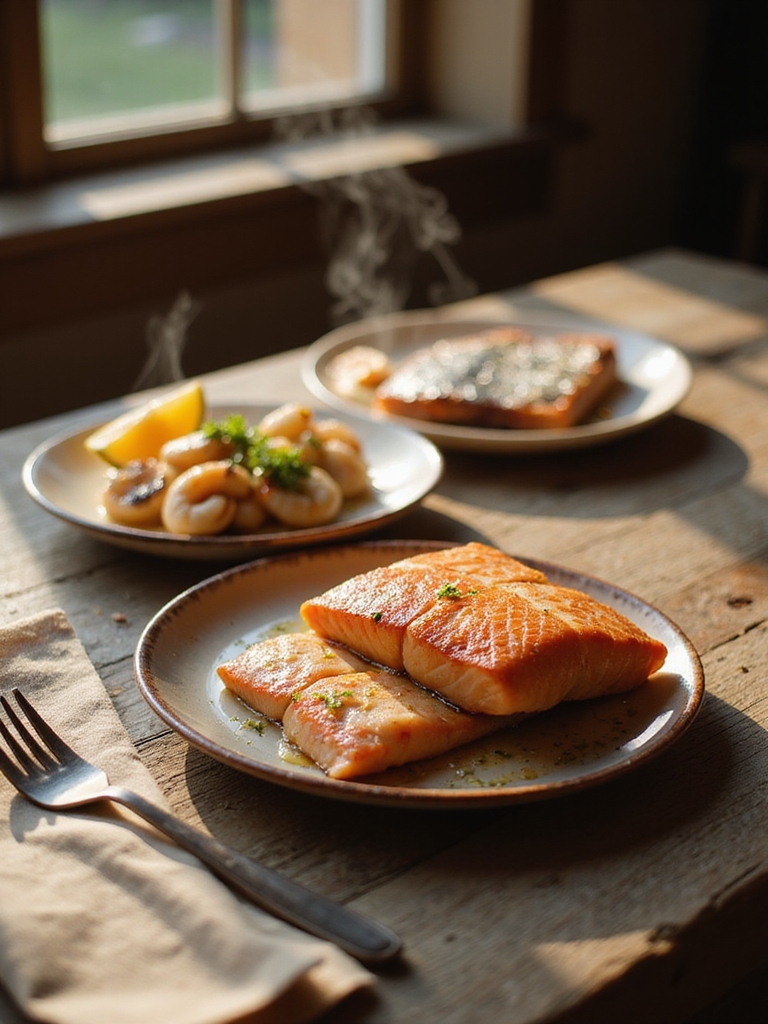
Often you’ll reach for steak first, but seafood deserves a spot in your carnivore rotation — it’s quick, nutrient-dense, and delightfully simple to prepare.
You can grill salmon fillets, sear scallops, or broil whole mackerel in minutes; each gives rich fats and iodine without fuss.
Canned sardines and tuna are pantry heroes — open, drain, and eat cold or warm.
Shrimp sautés hit when you want something light but protein-packed.
Keep seasoning minimal: salt, pepper, maybe butter.
Seafood adds texture and variety, keeps meals interesting, and delivers micronutrients meat alone sometimes misses.
Using Eggs Daily: Simple Variety Ideas
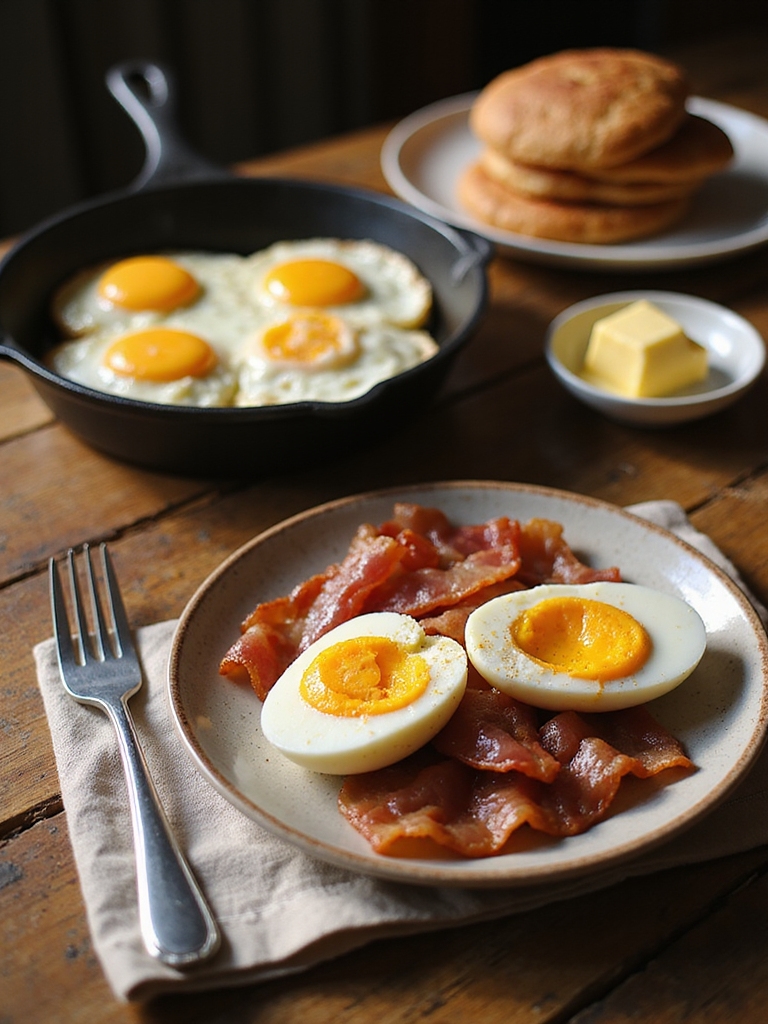
Regularly eating eggs makes the carnivore menu feel anything but monotonous — you can scramble, fry, or soft-boil them in minutes and still get dramatically different textures and moods at the plate.
You’ll relish the ritual: a runny yolk for comfort, a crispy edge for contrast, a slow-cooked custardy egg for decadence. Rotate preparations to stave off boredom and pair with bacon, sardines, or steak for heft.
Play with salt, pepper, and heat to shift the mood without adding carbs. Simple, cheap, and satisfying — eggs let you eat well every day, without thinking too hard.
| Preparation | Emotion |
|---|---|
| Soft-boiled | Cozy |
| Sunny-side | Bright |
| Scrambled | Homey |
| Poached | Refined |
Carnivore-Friendly Dairy: What to Try and Avoid
Stick with full‑fat hard cheeses and heavy cream if you want rich, low‑carb dairy that plays nicely with the carnivore approach.
Watch out for milk and other lactose‑rich products — those sugars can sneak carbs and gut trouble back in.
Try a bite of aged cheddar or a splash of cream in coffee and see how your body responds.
Full-Fat Hard Cheeses
Hard, aged cheeses are a carnivore’s secret weapon: dense, fatty, and low in carbs, they give you savory satisfaction without derailing a strict meat-and-fat focus.
You’ll find Parmesan, aged cheddar, and pecorino pack flavor and calories, so a little goes a long way.
They crisp under heat, sprinkle like treasure, and tame cravings between steaks.
Pick varieties with minimal additives and longer aging to cut lactose.
Avoid soft spreadable cheeses if lactose bothers you.
Trust your digestion — some tolerate these, others don’t.
Use them sparingly to amplify meals, not replace real meat.
- Bold flavor, small portion
- Low lactose when aged
- Check ingredient lists
Heavy Cream Options
Often overlooked, heavy cream can be a stealthy ally on carnivore plans when you know what to pick and what to skip. You’ll want full-fat, minimal-ingredient jars — cream and maybe an inert stabilizer — nothing sugary or plant-based sneaking in.
Use it to enrich sauces, finish steaks, or fold into whipped butter for cheeky richness. Grass-fed versions offer deeper flavor and a hint of seasonality.
Beware flavored or ultraprocessed creams that dilute animal-only intent. Keep portions sensible; heavy cream is dense and indulgent, but when chosen smartly it elevates meals without derailing disciplined carnivore simplicity.
Avoid Milk Sugars
If you liked the way heavy cream fattens sauces, don’t let dairy’s sweet side sabotage those gains — milk sugars (lactose) can sneak into otherwise animal-only meals and trigger symptoms or stall progress for some people.
You want richness without the rebound: choose aged cheeses, butter, and clarified butter/ghee, which shed most lactose. Test tolerance slowly; tiny amounts can be fine or foul. Watch labels—whey and milk solids hide everywhere.
Be pragmatic: if bloating, brain fog, or cravings return, cut lactose completely for a while and reassess.
- Prefer: butter, ghee, aged hard cheeses
- Avoid: milk, sweetened yogurts
- Test: small, controlled trials
Organ Meats to Prioritize and How to Cook Them
Because organ meats pack more nutrients per bite than most muscle cuts, prioritizing the right ones will give you the biggest health return on your plate.
Start with liver — it’s a vitamin bomb; sear thin slices quickly so it stays tender and slightly pink.
Heart is dense, meaty, and forgiving; slice, marinate briefly in salt, then grill or slow-simmer.
Kidneys need soaking to tame flavor; pan-fry with butter and a splash of acid if you tolerate it.
Tongue rewards long, gentle braises.
Rotate these three for variety and nutrient coverage, and treat them like prized ingredients, not afterthoughts.
Pantry Staples and Animal-Based Condiments
You’ve stocked your plate with liver, heart, and tongue — now think about what stays in the pantry to make those stars sing. You want bold, simple shelfmates: tinned fish, rendered fats, and cured meats that rescue tired meals and boost flavor without breaking carnivore rules.
Keep tools small and potent — a jar of bone marrow, anchovy tins, and pork rinds for crunch. They’re not gimmicks; they’re flavor scaffolding.
Use them sparingly to highlight textures and richness, not to disguise food. You’ll eat cleaner if your pantry collaborates, not competes, with the real protein on your plate.
- Bone marrow jars
- Anchovy tins
- Pork rinds
Simple Meal Templates: Breakfast, Lunch, Dinner
You’ll wake up to breakfasts that’re done in minutes — think pan-seared steaks or eggs fried in butter if you tolerate them — so hunger never gets a vote.
For lunch, grab a no-fuss hunk of roast or cold sliced brisket and call it a win while you get stuff done.
Dinner’s where you slow down a little: braises, roasted bones, or a skillet of ground meat that comforts without ceremony.
Quick Protein-Focused Breakfasts
Kick-start your morning with protein-first breakfasts that get you out the door satisfied and clear-headed instead of grazing till lunch.
You’ll favor speed and muscle fuel: eggs, cured meats, and quick pan-seared steaks that don’t fuss. Think practical rituals — salt, sear, eat — that leave you energized, not weighed down.
- Eggs scrambled in butter for fast, fluffy protein and fat.
- Leftover steak warmed and sliced for instant hearty fuel.
- Pork belly or bacon roasted for crispy, savory bites that keep cravings away.
You’ll feel sharper, stay full, and spend minimal time cooking.
No-Fuss Meat Lunches
For a lunch that gets you back to work without a second thought, reach for simple, sturdy meats that eat like a meal and clean up in minutes: think sliced roast beef or warmed pork chops, cold smoked salmon on its own or with a dab of mayo, and cans of sardines or tuna you can open at your desk.
You’ll grab protein that won’t wilt or sulk in transit. Pack a few hard cheeses if you tolerate them, stash cooked bacon for crunch, and keep a boiled egg or two for heft. Eat deliberately, chew well, and move on — satisfied, not sluggish.
Easy Carnivore Dinners
Often you’ll want dinners that feel effortless but still satisfy like a real meal — and carnivore templates deliver just that. You pick a protein, add texture, and you’re done; no kompromat between hunger and willpower.
Picture seared ribeye, butter, a whisper of salt. Or roasted chicken with skin turned golden. Or quick pork chops that sing when caramelized.
- Protein: bold centerpiece that anchors the plate.
- Fat: adds flavor, satiety, and cooking ease.
- Texture: crisp skin, char, or silky fat for contrast.
Rotate those three elements and you’ll never stare blankly at the fridge.
Pick-and-Cook Proteins for Busy Days
Stash a few ready-to-cook proteins in the fridge or freezer and you’ll turn frantic evenings into five-minute wins.
You grab steak strips, pork chops, or pre-formed burger patties, season simply, and sear—crispy edges, juicy centers. Keep bone-in cuts for flavor, ground meat for speed, smoked sausages for lazy nights.
Rotate proteins so you don’t get bored; label and date packages. Use sheet-pan roasting or cast-iron sears to finish fast. You’ll feel smug, fed, and oddly triumphant. Quick prep beats hangry decisions every time.
| Protein | Prep | Cook time |
|---|---|---|
| Steak strips | Salt | 3–5 min |
| Pork chops | Dry rub | 8–10 min |
| Burgers | Patty | 4–6 min |
Quick Snacks and On-the-Go Mini-Meals
Usually you’ll want something tiny and reliable to keep hunger from hijacking your evening plans—think dense, protein-forward bites that travel well and don’t need reheating.
You grab portable snacks that satisfy sharp cravings without drama. Keep a stash of chewy, savory morsels and a plan so you’re not rummaging for carbs.
- Beef jerky or biltong: concentrated, flavorful, long shelf life.
- Hard-boiled eggs or smoked fish: immediate protein, no prep needed.
- Mini meatloaf or cold steak slices: hearty, satiating, feels like a proper bite.
These choices keep you sharp, in control, and oddly content.
Hydration, Salt, and Basic Electrolytes
When you cut out carbs and load up on meat, your body dumps water and sodium fast, so you’ll need to replace both to keep headaches, cramps, and that foggy “keto flu” at bay.
Drink water steadily — not gulps only when thirsty — and add a pinch of salt to your glass or meals.
Broth, bone broth especially, is a savory shortcut for sodium and collagen.
If you sweat a lot, consider lite salt or an electrolyte mix without sugar.
Listen to thirst, watch urine color, and don’t treat salt like the enemy; it’s your shortcut to feeling human.
How to Tell If the Carnivore Diet Is Working
If you stick with it for a few weeks, you’ll start to notice clear signals that the carnivore approach is doing something — better energy, steadier mood, fewer cravings, or your clothes fitting differently.
Pay attention to tangible signs: sleep quality, digestion, mental clarity. Track them without obsession.
- Morning energy that doesn’t crater by noon
- Cravings fading; you don’t reach for snacks out of habit
- Waistline or clothing changes without calorie-counting
If several boxes check, the diet’s working for you. If not, tweak proteins, fat ratios, or timing, and reassess after another couple weeks.
Common Hurdles (Boredom, Cost, Digestion) and Fixes
Noticing results is great, but you’ll still hit bumps—boredom, wallet shock, or digestive hiccups—that can make sticking with the carnivore plan harder than the first week.
You’ll tire of steak? Rotate textures: organ meats, slow‑cooked shanks, crispy chicken skin.
Worried about cost? Buy fatty cuts, bulk ground meat, and freeze portions; shop sales and local butcher deals.
If digestion rebels, slow your reintroduction, add bone broth, or up salt and water; try digestive enzymes briefly.
Cravings? Focus on ritual—nice pan, sharp seasoning, deliberate eating.
Small tweaks keep the plan livable, not tedious.
Minimal Shopping List + Week‑1 Meal Plan
Grab a shopping list that actually gets you eating well without overthinking it: think fatty ground beef, a couple cheap roasts, bone-in chicken thighs, eggs, bacon, a small stash of organ meat (liver or heart), bone broth, and salt—plus butter or tallow for cooking.
You’ll shop once, cook simply, and sleep through cravings. Sample week: repeatable, practical, forgiving.
- Morning: eggs or leftover roast, coffee optional
- Lunch: warmed ground beef or thighs, bone broth
- Dinner: roast, bacon, or organ meat with butter
This keeps costs low, boredom down, digestion steady, and habits forming fast.
Stick with fatty, well‑seasoned staples—ribeye, brisket, pork shoulder, chicken thighs, whole fish, eggs and tins—rotate liver/heart, cook in tallow or butter, sip salted bone broth, and repeat meals you actually like.
Think of this as pruning a jungle: simplicity lets the best plants thrive. If you stay practical, salty, and patient, you’ll dodge boredom, control cost, and see whether energy, sleep, and digestion actually improve—then adjust from there.