


Funny coincidence: you happen to love meat and to believe complexity is overrated, so you’re here to eat like a very particular predator. You’ll keep it animal-only, salt-forward, and obsessively fatty, swapping ribeye for brisket, liver for bone broth, eggs for late-night cravings.
I’ll give practical plates, quick breakfasts, budget tricks and travel hacks — but first, let’s sort the essentials so your meals actually keep you satisfied.
What “Strict Carnivore” Means: Rules and Allowed Foods
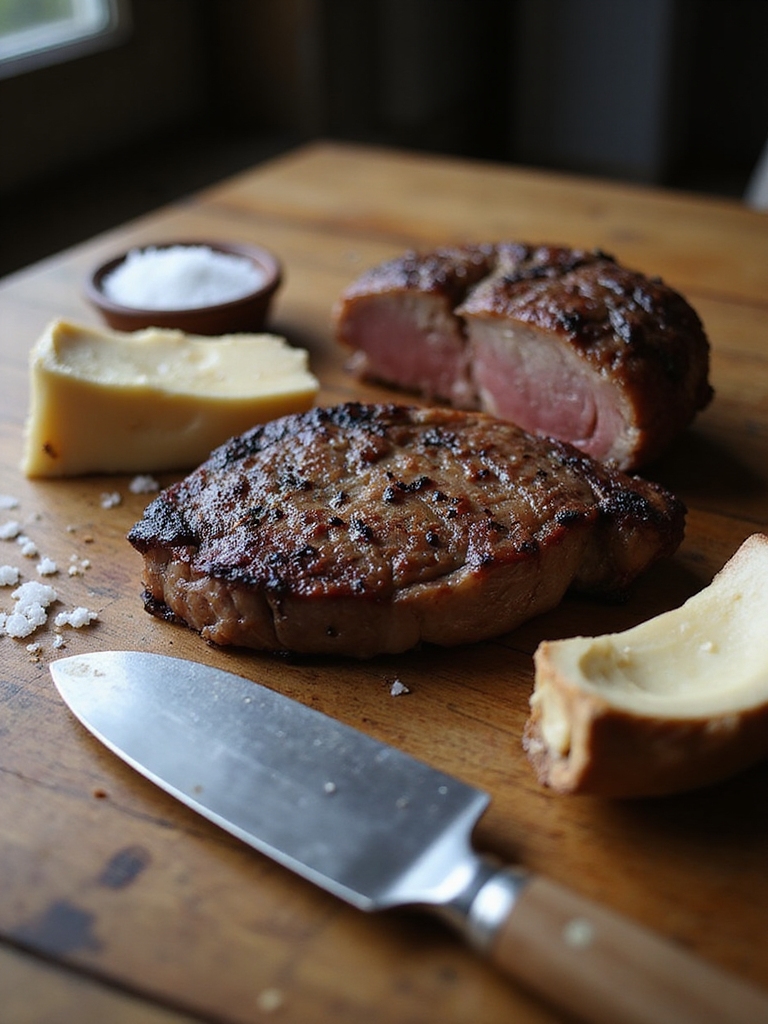
If you’re committing to a strict carnivore diet, you’re cutting almost everything that isn’t animal flesh or its direct derivatives—so say goodbye to plants, grains, legumes, and most processed foods.
You’ll stick to meat, fish, eggs, and select animal fats; some purists include ruminant organs and bone broth for micronutrients.
You won’t add spices, sweeteners, or plant-based oils, and you’ll limit or omit dairy unless it’s tolerated and minimal. Hydration, salt, and electrolyte attention matter.
Expect sharper cravings, clearer satiety signals, and a need to monitor how you feel—this approach isn’t casual, it’s categorical. For consistency and clarity, many purists follow specific guidelines to reduce confusion and stay strict.
Build a Strict Carnivore Plate: Meat, Fish, Eggs, Dairy

You’ve already agreed to ditch the plant stuff, so now think of your plate as a tight little lineup of animal products where every piece earns its spot.
Start with fatty steak or lamb for depth, add a fillet of oily fish for iodine and omega kick, slide in eggs for versatility, and include cultured dairy if you tolerate it — butter, heavy cream, aged cheese.
Vary textures and cooking: sear, slow-roast, poach, smoke.
Salt strategically.
Rotate species to avoid boredom and micronutrient gaps.
Keep portions intentional: animal-foods first, garnish only with more animal foods.
Include organ meats occasionally for extra vitamins and minerals, especially liver and kidney to help cover micronutrient needs.
Quick 10-Minute Carnivore Breakfasts

Start the day fast and fierce with protein-packed breakfasts you can toss together in ten minutes or less — think skillet-seared pork belly strips, soft scrambled eggs folded with grated aged cheddar, or quick pan-fried sardines served with a knob of butter.
- Crispy pork belly and a fried egg — crack, sizzle, eat.
- Quick scrambled eggs with cream cheese folded in for silkiness.
- Seared salmon steaks reheated in butter; finish with a squeeze of lemon if you like.
- Sardines warmed, buttered, and topped with cracked pepper.
You’ll move from sleepy to satisfied without fuss, sticking strictly to animal foods. Start with effortless carnivore options to make mornings easier.
High-Fat Carnivore Lunches for Steady Energy

With a slab of fatty ribeye or a tangle of pork shoulder on your plate, lunch becomes the anchor that keeps your afternoon steady rather than sending you hunting for snacks; rich animal fats digest slowly, stabilize blood sugar, and keep your brain humming without the midafternoon crash.
You’ll favor slow-rendering cuts—short ribs, duck confit, brisket—served warm and unadorned so flavor and fat do the talking.
Add egg yolks or bone marrow for silk and satiety.
You won’t miss carbs when calories come from joyfully greasy bites.
Pack leftovers, chew deliberately, and watch productivity replace snack panic.
Slow-rendering cuts like brisket and short ribs are especially satisfying because they provide sustained energy from slow-rendering fats and collagen.
Hearty Carnivore Dinners: Steaks, Roasts, Whole Birds

You’ll want to pick cuts that match your patience—ribeye for quick bliss, chuck roast for slow, satisfied chewing, and a whole bird when you want theater.
Mastering temps and methods—sear, low-and-slow, or high-heat roast—turns meat into triumph instead of chewy regret.
Let things rest and carve with purpose so juices stay where they belong and every bite delivers.
Pork chops can be an excellent simple option for busy nights when you want hearty meat without fuss, especially if you choose cuts and cook them properly for easy carnivore meals.
Choosing The Right Cut
Pick your cut like you’re choosing a weapon—each one has a job: tender ribeye for quick, luxurious sears; a chuck roast for slow, gelatin-rich stews; whole birds when you want hands-off roasting and crispy skin rewards.
You’ll think about fat, flavor, and how much elbow grease you’ll tolerate. Fat equals forgiveness and mouthfeel; lean equals chew and thrift.
Bone brings depth; ground meat brings speed and economy. Match cut to meal ambition and appetite, not trends.
Here’s a quick checklist to make choices painless and proudly carnivorous:
- Ribeye — rich, forgiving.
- Chuck — gelatin, comfort.
- Brisket — long-value flavor.
- Whole bird — crisp skin, easy crowd.
Simple Carnivore Meals Anyone Can Make is a helpful resource for quick, practical recipes and techniques, especially for beginners looking to get started with the carnivore approach; see Simple Carnivore Meals for ideas.
Cooking Methods And Temps
When heat meets meat you get magic, but only if you match the method to the cut: high, direct flames for a ribeye’s quick caramelized crust; low, slow oven or braise for a chuck or brisket to turn collagen into silk; and a steady roast for whole birds so the skin goes crisp while the interior stays juicy.
You’ll sear hot steaks, then finish gently if they’re thick. Roast legs and breasts at moderate temps, basting sparingly. Braise tougher pieces in bone broth or tallow, long and patient.
Use a thermometer, trust feel, and let the fat do the talking. Try to build a few Irresistible Carnivore dinners you’ll make often to simplify shopping and meal planning.
Resting And Carving Techniques
Even after the last hiss of the pan you’ve still got work to do: let steaks, roasts, and whole birds rest so their juices redistribute instead of puddling on your cutting board.
You’ll resist, but patience rewards you with tender, juicy slices. Tent loosely, time by weight, and don’t skip the carryover-heat window.
When carving, slice against the grain for steaks and roasts; for birds, follow the natural joints, freeing legs and breasts cleanly. Use a sharp knife and confident strokes — sawing bruises meat.
Serve immediately after carving so those rescued juices don’t wander back into the pan. Learn more about resting times to get consistent results.
- Rest by weight/time
- Tent loosely
- Slice against grain
- Follow joints
Seafood Carnivore Meals: When to Choose Fish
Why reach for fish tonight? You want lightness after beef’s heaviness, omega kick without plant baggage, or something that cooks fast and feels elegant on a carnivore plate.
Pick oily salmon for richness and vitamin D, white fish when you crave clean texture, and shellfish for briny variety.
Grill, pan-sear, or slow-poach in butter; don’t smother delicate flesh. Season simply with salt and maybe lemon—skip crumbs or sauces full of sugar.
Fish fits when you need quicker digestion, micronutrient variety, or a break from red meat without betraying strict carnivore rules.
Carnivore Egg Meals and Templates for Variety
Seafood’s lightness gives you a break from big red flavors, but eggs are the real Swiss Army knife of a strict carnivore kitchen — cheap, fast, and endlessly adaptable.
You’ll lean on them for breakfasts, protein boosts, and quick dinners. Think texture, doneness, and fat pairing: runny yolks, fried in beef tallow, or hard-boiled for portability. Use these templates to mix it up without straying.
- Soft-scrambled + butter or tallow
- Fried yolk-over-steak + pan sauce
- Omelet folded around shredded pork
- Hard-boiled egg salad with rendered bacon bits
Rotate confidently.
Minimal-Dairy Choices That Keep You Strict
If you want to stay strictly carnivore without feeling punished, stick to zero-dairy animal fats like tallow, lard, and butter clarified until it’s just pure fat.
You can still make meals decadent with those fats, but keep an eye on how your body reacts — some folks tolerate small amounts of fermented dairy like kefir or aged cheese as exceptions.
We’ll sort practical swaps and strict-versus-flex rules so you know exactly when dairy crosses the line.
Zero-Dairy Animal Fats
When you strip dairy out of the equation, animal fats become your boldest, simplest tools—beef tallow, pork lard, duck fat—each bringing its own aroma, cooking profile, and texture without tipping you back into milk-bound territory.
You’ll use them to sear steaks, roast root veg (if you sneak plants), and crisp pork skin with utter confidence.
They store well, flavor fiercely, and let you control smoke points.
Treat them like seasoning and weaponry—no butter substitute apologies.
- Beef tallow — high smoke, beefy depth.
- Pork lard — neutral, silky fry.
- Duck fat — rich, indulgent crisp.
- Bone marrow — spreadable, savory boost.
Fermented-Dairy Exceptions
Though you’re aiming for strict carnivore lines, you can still make tiny, strategic allowances for a few fermented dairy products without collapsing the whole plan.
Pick cultured items that lower lactose and carbs: plain full-fat Greek yogurt, skyr, and aged kefir-type cheeses.
You’ll favor high-fat, low-sugar options that add creaminess and tang without provoking gut drama.
Use a spoonful to finish a steak, dollop on organ pâté, or blend into bone broth for silk.
Buy minimal-ingredient, traditionally fermented goods, note how your digestion responds, and treat them as tactical tools, not staples.
Bone Broth, Organ Meats, and Nutrient Boosts
Because your body demands more than muscle meat can deliver, bone broth and organ meats become the secret weapons of a strict carnivore—rich, gelatinous, and oddly comforting.
You’ll sip marrow-laden broth that soothes joints, and you’ll nibble liver that hits like a multivitamin. Start small with organ portions; your palate adapts faster than you think.
Rotate organs to avoid monotony and nutrient gaps. Treat bone broth as daily ritual, not garnish.
- Beef marrow for collagen and fat-soluble nutrients
- Beef or chicken liver for vitamin A and iron
- Kidney for B vitamins
- Heart for taurine and muscle co-factors
Seasoning and Cooking Methods for Strict Carnivore
Think of seasoning on a strict carnivore plan as minimal choreography: you’re accenting the meat, not masking it.
You’ll rely on salt, maybe a whisper of pepper if you’ll tolerate it, and rendered animal fats for flavor.
Use high heat sears, low-and-slow roasts, and brisk pan-basting to coax crust and juices.
Vinegars, sauces, or plant oils are off the table — so lean into technique: dry the surface, score thick fat, rest cuts properly.
For organ meats, quick flash-cooks or gentle braises work best.
Taste often, adjust salt, and let the animal’s natural character do the talking.
Batch Cooking and Carnivore Meal Prep Strategies
Batching your carnivore cooking saves time and keeps dinners reliably satisfying, so plan to cook once and eat well all week.
You’ll char, roast, and chill like a pragmatic carnivore: big trays of ribeye, slow-roasted brisket, pork belly slices, and hard-boiled eggs ready to reheat.
You want textures and quick assembly — sear steaks for freshness, shred meat for bowls, reserve fat for cooking.
Store portions in clear containers, label dates, and rotate meals so nothing limps into mystery.
Stay ruthless with freshness checks; throw away anything odd.
Enjoy predictable, glorious meat.
- Roast grandes piezas
- Sear for crisp edges
- Shred for variety
- Save rendered fat
Eating Carnivore on a Budget Without Sacrificing Quality
You’ve prepped the week’s meat like a general stockpiling rations, now let’s make those trays work harder without draining your wallet.
Hunt sales, bulk bones for broth, and embrace cheaper cuts—chuck, shank, neck—braised until silk. Freeze portions in meal-sized bricks; thawing once saves cash and flavor. Trim smart: render fat for cooking, crisp it for texture, and toss scraps into a simmering pot for mineral-rich stock.
Rotate proteins—beef, pork, offal—so boredom doesn’t send you reaching for pricier temptations.
Shop local farmers late-week, barter for bulk, and remember: quality in strategy beats impulse splurges every time.
Dining Out and Travel Tips for Strict Carnivores
When you’re eating out or on the road, scan the menu for straightforward protein stars—steaks, chops, rotisserie chickens—and imagine swaps that strip away sauces and sides.
Speak up early and plainly with servers about no-veg, no-sauce requests so they don’t guess; a short, firm line saves you from surprises.
Pack a slim kit of jerky, tallow packets, and a travel fork so you’re never stuck hungry or scrambling for acceptable food.
Menu Item Scouting
Scouting a menu as a strict carnivore feels a bit like treasure hunting — you’re scanning for gold among platters of impostors — and with the right eye you’ll spot legit options faster than a server can ask about allergies.
You’ll learn to read euphemisms, ignore sauces, and favor obvious cuts. Think texture, doneness, and minimalist prep.
When travel shrinks choices, prioritize protein density and ask crisp, specific questions without lecturing.
- Seek roasts, steaks, chops, and grilled whole fish.
- Skip anything labeled “crispy,” “battered,” or “glazed.”
- Prefer bone-in for flavor and fat.
- Order simple, no-veg preparations.
Communicating Dietary Needs
Once you’ve learned to spot the meat among the decorative sides, the next skill is saying what you want without sparking a lecture or getting a Frankenstein dish.
You’ll be direct, polite, and oddly charming: “Just the steak, please—no buttered veg, no sauce.” Ask how it’s cooked, request separate plating, and thank them when they get it right.
Keep replies short if they probe. On travel, scout steakhouses and butcher shops ahead. Use the table below for quick lines and signals.
| Situation | Phrase |
|---|---|
| Ordering | “Plain steak, please.” |
| Follow-up | “Serve separate, no garnishes.” |
Portable Carnivore Essentials
Pack smart and travel light: you’ll want a pocket-sized toolkit that keeps you fed and sane away from home.
You’ll rely on planning, confidence, and a few trusty items to dodge salad-speak and mystery sauces.
Know nearby butcher shops, scan menus for plain proteins, and call ahead when you must. Keep smells discreet and choices unmistakable.
- Vacuum-sealed cooked steak slices
- Hard cheeses or frozen marrow sticks
- Compact travel cooler with ice packs
- Small trowel of ghee or clarified butter
You’ll eat like a monarch, even in transit.
Troubleshooting: Satiety, Cravings, and Digestion
If your stomach’s still growling after a “perfect” carnivore meal, don’t assume something’s wrong with you—small tweaks usually fix the problem.
You can tweak fat ratio, meal timing, or organ inclusion to curb hunger, calm cravings, and ease digestion.
Chew slowly, add bone broth for electrolytes, and vary textures so your brain stops craving novelty. If bloating hits, reduce dairy and processed charcuterie. Track patterns; your body speaks.
| Issue | Quick Fix | Why it helps |
|---|---|---|
| Persistent hunger | More fat | Slower gastric emptying |
| Sugar cravings | Add liver | Nutrient density |
| Bloating | Drop dairy | Less lactose burden |
Sample 7-Day Strict Carnivore Meal Plan With Swaps
You’ll get a straightforward 7-day plan that shows smart meal pairings so every plate feels balanced without plant filler.
I’ll note portion and timing guidelines so you’re not guessing when to eat or how much to stack on your plate.
Plus, expect easy ingredient swaps—same flavor, fewer shopping headaches.
Meal Pairing Options
When planning a strict carnivore week, think of pairings like a butcher with taste buds—simple, bold matches that keep meals interesting without straying from the rules. You’ll mix textures and fat levels so meals never feel flat.
Aim for contrast: crisp skin against creamy bone marrow, salty char with silky liver, crunchy pork rind with soft brisket. Rotate animal sources to avoid monotony.
Here are quick pairing ideas to swap through your 7-day plan:
- Ribeye + beef bone marrow
- Pork belly + pork rind
- Roast chicken thigh + chicken liver
- Lamb chop + lamb tallow
Portion And Timing
Because appetite and activity change across the week, plan portions and timing like a performance—bigger, fattier plates on heavy-workout or cold days, lighter, leaner meals on rest days. You’ll eat when you’re hungry, not by a clock worshiped by office cultures.
Schedule larger breakfasts pre-sprint or long shift; save a dense, fatty dinner for recovery. Fast if you’re not hungry, but don’t punish yourself—fat slows digestion and keeps you satiated longer.
Track how much protein fuels your strength and how fat fuels your calm. Adjust portion sizes upward when energy dips, downward when you feel bloated or sluggish.
Easy Ingredient Swaps
If your pantry’s slimmer than you’d like, don’t panic—swap like a chef who’s had one too many late-night shifts. You’ll keep meals strict carnivore by thinking texture and fat, not fancy labels.
Replace, simplify, and sizzle: swap similar cuts, lean toward fattier options, and treat bones as flavor gold. You’ll avoid cravings and boredom with tiny, smart moves that taste deliberate.
- Ribeye instead of sirloin — more fat, more forgiveness.
- Pork belly for bacon — twice the crisp, same thrill.
- Beef broth for stock cubes — control salt, amplify collagen.
- Eggs for dairy in sauces — silk without lactose.
You’ll walk away with a plate that’s honest and unapologetic — a seared ribeye glistening like wet stone, a slow-braised shoulder that falls apart in your fingers, a warm cup of bone broth fogging the air.
Stick to salt, rotate species, and listen to your body; the rules aren’t a prison, they’re a lens that sharpens taste and simplicity. Stay curious, be patient, and let rich, animal-only meals do the heavy lifting.