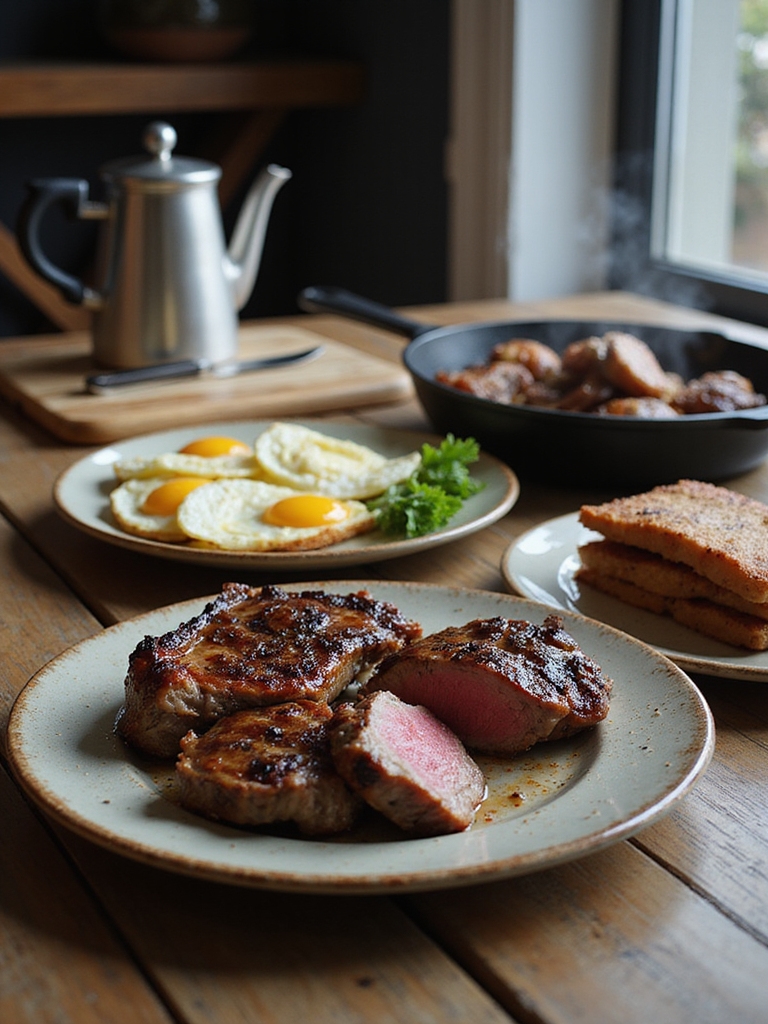
You probably don’t know that a hot skillet and a pinch of salt can make chicken feel like the centerpiece of a meat-only diet. You’ll learn how simple techniques—roasted thighs for fat, seared breasts in warm bone broth, quick-skillet liver—turn humble cuts into satisfying, nutrient-dense meals.
Stick around to see how batch-cooking, crisp skin tricks, and a few organ options keep things interesting without fuss.
Fast Carnivore Chicken Wins: 3 Simple Weeknight Recipes

Crank up the skillet—these three carnivore chicken recipes get dinner on the table fast without pretending you’re doing anything fancy: juicy pan-seared thighs, a cheesy skillet bake, and a lightning-quick lemon-garlic breast that all lean on fat and salt, not hours or weird ingredients.
You’ll hit bold flavor with minimal fuss: brown skin until it snaps, don’t nurse the heat, and let rendered fat do the seasoning job.
The cheesy bake feels indulgent without complexity, and the lemon-garlic breast brightens without citrus theatrics.
Weeknight cooking becomes tactical, satisfying, and oddly charming.
These recipes are ideal for people who prefer minimal prep and simple techniques that align with Foolproof cooking principles.
Quick Cook Times and Temps for Common Chicken Cuts

You’re going to want clear timing for bone-in thighs so they finish juicy without overcooking.
Learn the ideal internal temps for boneless breasts to stop dryness in its tracks.
I’ll also lay out simple whole-roast guidelines so you can get a reliably crisp skin and even cook every time.
For family-friendly meals, I’ll include a few easy recipes everyone will devour and note how to scale them for more servings and leftovers.
Bone-In Thighs Timing
Think of bone-in thighs as the indulgent, forgiving sibling of the chicken family: they handle higher heat and a bit of time without throwing a tantrum, and they reward you with juicy meat and rich flavor.
You’ll roast at 425°F for 30–40 minutes, skin crisping while fat renders; pan-sear then finish in a 375°F oven for 25–30 minutes if you like extra char.
Aim for 175°F internal at the bone for tender, pull-apart texture — yes, higher than breast.
Rest 5–10 minutes to redistribute juices.
Timing varies by size, so use an instant-read thermometer.
For a simple, reliable dinner option that pairs well with pork or other meats, consider tried-and-true weeknight pork chops as an alternative easy carnivore.
Boneless Breast Temps
Handle boneless breasts like a sprinter: they’re fast, unforgiving, and ruinously easy to overcook.
You’ll want a quick plan: 6–8 minutes total for thin cutlets in a hot skillet (turn once), 10–12 minutes for 1-inch breasts, and 18–22 minutes if you bake at 375°F.
Target 150°F pulled early—carryover will reach safe 165°F without drying.
Use a probe for accuracy; eyeballing is amateur hour.
Rest 5 minutes under foil to redistribute juices.
If you brine or butter-baste, shave a minute off cooking time.
Simple, predictable, and merciful to your dinner.
Starting your carnivore journey often begins with familiar proteins like chicken and beef, which many people start with when transitioning to this way of eating.
Whole Roast Guidelines
Roast confidently: whole birds and large cuts cook differently than breasts and call for predictable timing and temps so dinner doesn’t become a lesson in dried-out regret.
You want juicy, browned skin and meat that slides off the bone. Trust temperature over clock, rest properly, and tent when needed. Visual cues help: wobble, juices, and thigh looseness tell truth.
- Whole chicken: 20 min/lb at 425°F, finish to 165°F, rest 15 min.
- Spatchcock: 12–15 min/lb at 425°F, 160–165°F target, rest 10 min.
- Legs/thighs: 35–45 min at 400°F to 175°F.
- Breast on bone: 30–40 min at 375°F to 160°F.
For easy weekly planning and batch cooking, consider pairing these cuts with high-protein, low-prep sides to build simple carnivore lunches.
Why Chicken Fits the Carnivore Diet: Key Nutrients

Look at chicken the way a carnivore would: simple, protein-rich, and surprisingly versatile on a meat-only plan. You’ll notice muscle protein for repair, essential amino acids for balance, and fat to fuel satiety — all without plant noise.
It’s practical: cooks fast, stores well, and plays nice with salt and time. Here’s a quick nutrient peek:
| Nutrient | Role | Why it matters |
|---|---|---|
| Protein | Repairs tissue | Keeps you full |
| Amino acids | Metabolic building blocks | Prevents deficiency |
| Fat | Energy source | Sustains ketosis |
| B12 | Nervous system | Prevents fatigue |
Use it, don’t overthink it. A well-stocked pantry with carnivore staples makes meal prep faster and more consistent.
Pick Cuts for Flavor and Fat (Thighs, Legs, Breasts, Organs)

You’ll want to start by choosing cuts that actually taste like something — thighs and legs bring the rich, juicy fat that keeps carnivore cooking from being boring.
Don’t shy away from organs; their intense nutrient density means a little goes a long way and your body will notice.
Mix them thoughtfully and you’ll get both flavor and the vitamins you’re after without pretending breast meat alone does the job.
Ground beef is an affordable option for stretching meals and maintaining variety with budget-friendly cuts.
Thighs: Rich And Juicy
Usually, you’ll reach for breasts when you think “chicken,” but thighs quietly steal the show for a carnivore diet—more fat, deeper flavor, and forgiveness in the pan.
You’ll notice how a golden crust cushions juicy meat, how rendered fat slicks the skillet and your patience pays off.
Thighs forgive timing and seasoning mistakes; they reward simple salt, heat, and confidence.
You cook less, enjoy more, and wonder why you ever raced for bland white meat.
- Crispy skin, glossy fat.
- Deep mahogany sear, steam rising.
- Tender pull-apart flesh.
- Leftovers that thrill.
Choosing fattier cuts like thighs, legs, and organs helps maintain energy and satiety on an animal-based diet, making them staples for many following the carnivore approach — see fatty cuts.
Organs: Intense Nutrient Density
Surprise: organs aren’t culinary oddities so much as concentrated engines of nutrition and flavor, and once you start treating them like deliberate cuts rather than leftovers, they change the way you think about chicken.
You’ll find liver rich, iron-forward, and silkier than you expect; hearts are muscular, beefy, and keep you honest about texture; gizzards give chew and gelatin that elevates broths.
Cook them simply — high heat for liver, slow braise for gizzard — and you get maximum payoff.
On a carnivore plan, organs plug nutrient gaps effortlessly, add depth to fat-forward meals, and make every bite purposeful.
How to Get Crispy Skin Without Breading (High‑Heat Searing)

Crank the heat and don’t apologize: high‑heat searing is the simplest way to get that coveted crackle on chicken skin without any flour or crumbs. You’ll pat skin bone‑dry, salt it like you mean it, and let a screaming pan do the rest — no batter, no guilt.
Watch for amber spots and listen for that loud, righteous sizzle. Flip once; don’t babysit. Rest briefly so juices redistribute and the skin keeps its attitude.
- Sheet of bronzed skin, fat rendered like lacquer.
- Tiny popping beads of oil.
- Deep mahogany edges.
- A confident, crispy snap.
Pan‑Roasted Chicken Thighs That Stay Juicy (Step‑by‑Step)
Pick thighs with a little fat and skin-on so you’ve got flavor and forgiveness, not cardboard.
Get a fierce sear—don’t baby the pan—and finish in the oven so the outsides are crisp while the inside stays tender.
Let them rest a few minutes off the heat; that’s the quiet trick that keeps every bite juicy.
Choose The Right Thighs
Which thighs will actually give you that crisp skin and juicy interior? You want bone-in, skin-on pieces that look plump, not sad and dehydrated.
Pick thighs with a bit of fat cap and good color — they carry flavor and protect the meat. Don’t overthink provenance, but avoid paper-thin supermarket specials.
- Plump, bone-in skin-on thigh with visible fat
- Evenly colored skin, no bruising or gray patches
- Slightly springy to the touch, not mushy
- Reasonable size—too big cooks unevenly; too small dries out
Trust touch and appearance, then cook confidently.
Master Sear Technique
Start hot and decisive: you want skin that sizzles the moment it hits the pan, and a sear is the shortcut to that golden, crackling armor that keeps the thigh juicy.
You heat a heavy pan, pat thighs dry, salt, and press skin-side down until the aroma ditches any doubts. Flip briefly, then finish in the oven if you like.
Watch color, not time; feel confident, not frantic. Don’t crowd the pan. You’ll get blistered skin and rendered fat that flavors everything.
| Tip | Why it matters |
|---|---|
| Dry skin | Promotes browning |
| High heat | Fast Maillard crust |
| Space | Prevents steaming |
Rest For Juiciness
While the pan did the heavy lifting, you’re not done the instant you pull those thighs from the oven—resting is where juice redistribution and texture happen, so don’t skip it.
You tent loosely with foil, resist poking, and let connective tissue loosen while the surface cools a touch.
Ten minutes will turn tight, sizzling flesh into something forgiving; too long and you lose warmth, too short and you get drainage. Picture the afterlife of heat:
- Steam pooling under foil like a tiny silver lake.
- Muscles easing, fibers relaxing.
- Juices migrating inward, not onto your plate.
- Skin settling to crisp, not leathery.
Crispy Chicken Liver Sautés for Texture and Nutrients
Flip the script on bland organ-meal stereotypes by frying chicken livers until their edges are crisply bronzed and the insides stay luxuriously tender.
You’ll pat them dry, season lightly, and let hot fat do the talking so textures contrast—silky center, crackling rim.
You’ll notice how iron-rich tang punctuates each bite, how quick cooking preserves delicate flavor without toughness. Serve immediately; cold livers mourn their crunch.
Pair with a squeeze of acid if you want brightness, but don’t overcomplicate: this is about honest nutrient density and surprising pleasure, a tiny rebellion against predictable protein routines.
Bone‑Broth Braised Chicken for Collagen‑Rich Meals
Think of bone‑broth braised chicken as your slow‑cooking shortcut to more collagen for joint, skin, and gut support — and yes, you’ll notice the difference.
I’ll walk you through the braising basics so your thighs stay tender and the broth extracts maximum gelatin without turning to mush.
Then we’ll talk smart flavor pairings (fatty drippings, a smear of salt, a hint of acid) that keep the dish carnivore‑friendly and anything but bland.
Collagen Benefits Explained
Because your joints, skin, and gut all talk to each other, feeding them collagen-rich foods like bone-broth braised chicken makes practical sense rather than being culinary superstition.
You notice firmer skin, quieter creaks, and a calmer belly when you eat connective tissue and gelatinous broth.
It’s not magic; it’s targeted protein, amino acids, and a little culinary humility.
- Glossy sheen on thighs that signals glycine at work.
- Tendons yielding, a reminder of structural support.
- Warm broth that coats and soothes the gut lining.
- Slow-braised collagen turning humble scraps into resilience.
Braising Technique Tips
Braised low and slow, bone-broth chicken rewards patience with glossy thighs and a broth that actually does some work for your joints.
You’ll brown skin for flavor, then skim fat and keep the liquid barely simmering so collagen melts without turning rubbery.
Use a snug pot, don’t drown the meat — you want steam and gentle convection.
Check doneness by texture, not time; probe the thigh and feel wiggle, not resistance.
Finish uncovered to tighten skin if you like a sheen.
Save the strained broth: it’s concentrated, unshowy, and exactly the point of this method.
Flavor Pairing Ideas
You’ve coaxed collagen out of the bird and saved the glossy broth—now you’ll want flavors that play nice with that gelatinous backbone.
Think bold, simple partners that respect richness: sharp acid to cut, smoke to echo, herbuous notes for lift, and a creamy finish to mirror body.
Pairings:
- Lemon zest and a splash of vinegar — brightens without fuss, cuts through silk.
- Smoked paprika and roasted garlic — warms the broth, adds savory depth.
- Fresh thyme and bay leaf — earthy lift that nods to classic braise.
- Soft butter or ghee finish — glossy, rounded, utterly satisfying.
Chicken “Meatballs” and Binder‑Free Texture Tricks
Tackle chicken “meatballs” like a texture puzzle: without breadcrumbs or egg you’ll rely on cooking technique and ingredient selection to get them to hold and feel satisfying.
You press cold ground dark meat, not mushed white, so proteins align and stick; chill the formed balls before cooking to firm them.
Sear in a hot pan to create a crust that welds the exterior, then finish gently so interior stays tender.
Slightly coarse grind and a touch of finely minced cartilage or skin gives chew and glue. Salt early, taste as you go, and don’t overwork the meat.
Cook With Rendered Chicken Fat for Flavor and Crisping
Rendering fat from chicken is one of those tiny, obvious moves that makes everything you cook taste like you actually cared; when you heat skin and trimmings slowly you get a clear, savory liquid that browns beautifully, crisps skin to a satisfying crackle, and carries flavor into whatever you fry or finish.
You’ll skim, taste, and save jars like a miser with better reasons. Use it instead of butter for searing, brush on thighs before roasting, or shallow-fry pieces for impossibly crisp edges.
Visualize:
- Golden droplets sizzling on a pan.
- Skin lifting, bubbling, snapping.
- Meat glistening, not greasy.
- A jar labeled “treasure.”
Seasoning Tricks That Stay Strictly Carnivore
Now that you’ve got jars of golden chicken fat ready to rescue anything dull, let’s talk about how to make strictly carnivore food sing without sneaking in herbs or spices from the plant world.
You’ll use smoke, salt technique, rendered fat, and temperature to coax flavor. Play with browning, resting, and acid-free finishing like raw egg yolk or aged animal fat. Be bold: crust, brine lightly in salt, finish with warm butter. Small tricks, big payoff.
| Technique | Purpose | Quick Tip |
|---|---|---|
| Salt bloom | Texture, flavor | Apply early |
| Smoke | Depth | Low & slow |
| Fat glaze | Shine | Spoon while hot |
| Resting | Juiciness | Tent briefly |
Batch‑Cook and Store Carnivore Chicken for the Week
Batch-cook once, eat well all week: plan your pieces, temperatures, and timeline so you’re not reheating mystery chicken at 2 a.m.
You’ll roast thighs for fat, sous‑vide breasts for tenderness, and sear leftovers to revive texture. Label containers like a forensic chef and chill promptly.
- Golden thighs cooling on a wire rack, skin crisp as intent.
- Vacuumed breasts in clear bags, plump and precise.
- Shredded meat in shallow tubs, ready to toss or top.
- Stock in a jar, gelatin wobbling like culinary reassurance.
Reheat gently, eat confidently.
Quick Fixes: Common Chicken Problems and How to Fix Them
If your chicken turns out dry, rubbery, or mysteriously bland, don’t toss it—fix it. You can revive dry breasts by slicing thin and bathing them in warm bone broth or melted butter so they rehydrate and pick up flavor.
Rub rubbery skin with hot oil in a screaming-hot pan to crisp immediately. Bland meat benefits from salt, a splash of acid like vinegar, or a punchy reduction of pan drippings and collagen-rich broth.
Overcooked legs? Shred and simmer gently to soften. Keep seasonings simple, taste as you go, and treat mistakes like flavor experiments, not failures.
Rotate Cuts, Organs, and Methods to Avoid Boredom
Because eating the same cut every night turns even the boldest carnivore into a bored one, rotate cuts, organs, and cooking methods to keep dinner interesting and nutrient-rich.
You’ll notice texture, fat, and flavor vary wildly — thigh versus breast, liver versus heart — and that variety keeps you fed and curious.
Try simple swaps, crisp skin, slow-braised richness, or quick pan-sears.
You won’t need sauces to feel adventurous; change is seasoning.
- Roast thighs with rosemary-scented fat.
- Quick-seared breasts, paper-thin and golden.
- Gently braised wings, fall-off-the-bone.
- Pan-fried liver, iron-bright and silky.
Eating Out: Order Carnivore‑Friendly Chicken Dishes
Eating out doesn’t have to mean surrendering to sauces, grains, or awkward explanations — you can order carnivore-friendly chicken with confidence.
Scan menus for roast, grilled, or rotisserie chicken and ask for no glaze, rub, or sauce. Request butter or rendered chicken fat on the side.
Swap fries or rice for extra meat or a simple boiled egg. At steakhouses, order a bone-in breast or thigh; they’ll often oblige.
If asked about dietary needs, be brief: “Just plain chicken, thanks.” You’ll eat like a person who planned ahead, not like someone apologizing for their appetite.
You’ll find chicken keeps the carnivore life unexpectedly generous: thighs that render like sunrise fat, breasts bathing in quick bone-broth warmth, liver flashing darkly like a secret.
Cook a batch, crisp a leftover, and you’ve got weekday rescue and weekend indulgence in the same pan.
Rotate cuts and organs so meals don’t go flat, and you’ll keep discovering small, stubborn pleasures—salt, heat, and time turning simple flesh into something that feels like luck.