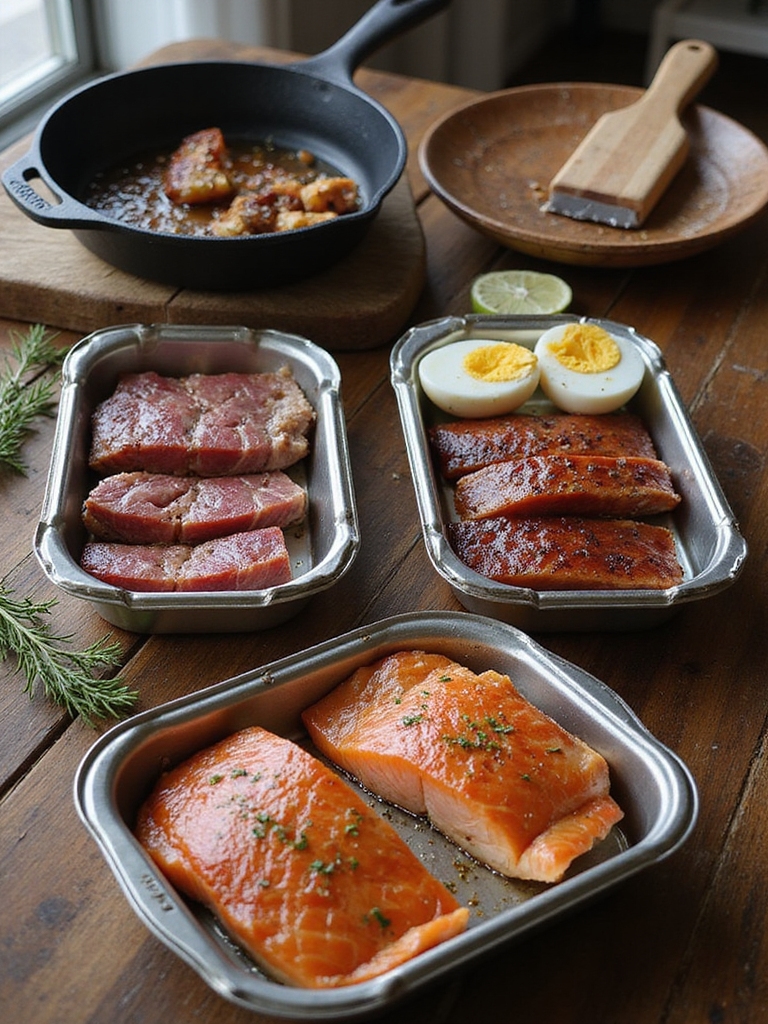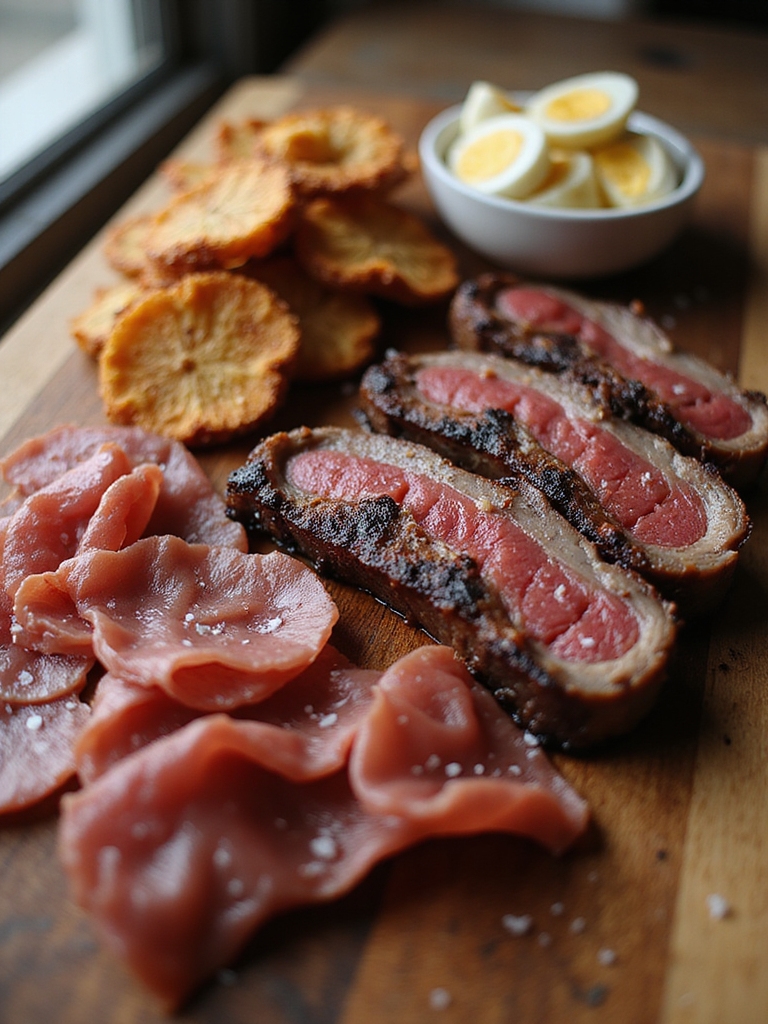


You’ll buy fatty cuts, you’ll buy organ meats, and you’ll buy seafood that keeps carbs out and calories up. You’ll get practical staples like ribeye, pork belly, sardines, eggs, bone broth, and tallow, plus a few convenience items for busy days.
I’ll show you which choices truly fit a keto-carnivore approach and which hidden carbs to dodge—so you can shop smart and eat well, not guess.
Quick Buying Guide: What to Buy for Keto-Carnivore

Ready to stock your kitchen for a keto-carnivore lifestyle? You’ll focus on high-quality animal proteins: fatty cuts of beef, pork shoulder, lamb, and poultry with skin.
Add organ meats—liver, heart—for micronutrient diversity, and fatty fish like salmon and sardines for omega-3s.
Keep eggs handy and butter, ghee, or tallow for cooking and added calories. Salt, pepper, and minimal herbs are fine; avoid packaged sauces.
Buy bone broth and marrow for collagen and satiety.
Shop frozen portions for convenience, prioritize grass-fed or wild when possible, and rotate proteins to keep meals interesting and nutritious.
Consider stocking up on bone broth for easy meals, hydration, and joint-supporting nutrients.
How We Decide Keto-Carnivore Approval (Carbs, Insulin, Nutrients)
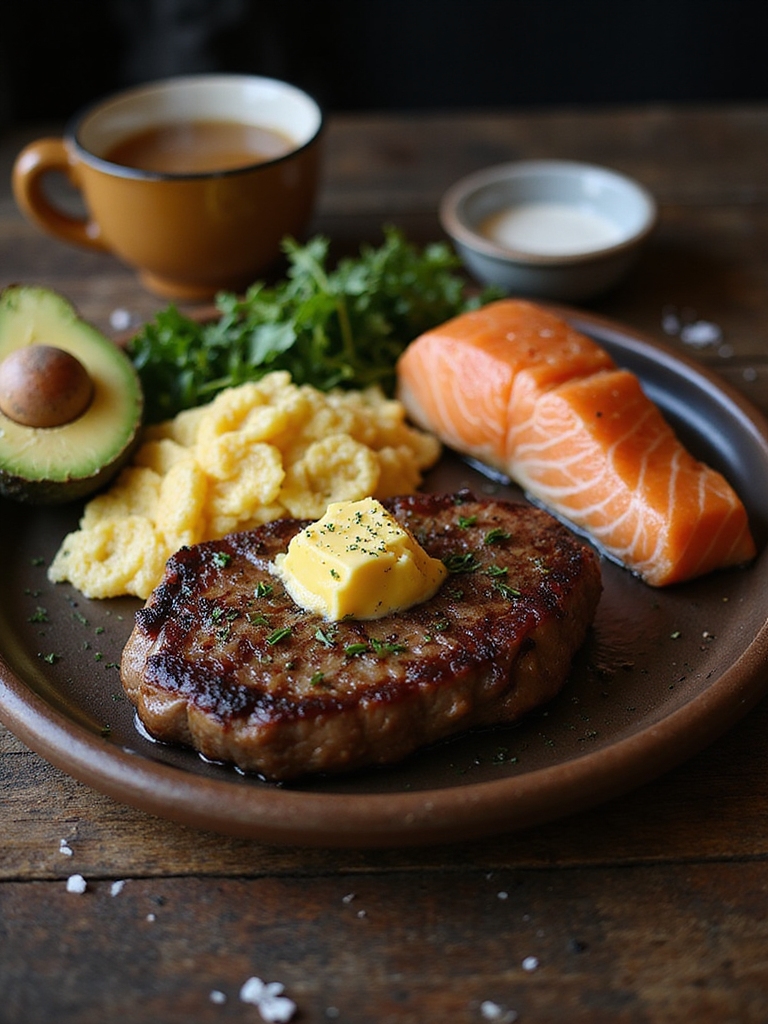
Because what you put on your plate mostly dictates your metabolic response, we evaluate foods for keto-carnivore approval by looking at three clear criteria: net carbs and their impact on ketosis, how the food influences insulin and blood sugar, and the nutrient density it brings (especially bioavailable vitamins, minerals, and amino acids).
You’ll see foods pass when they keep carbs low, blunt insulin spikes, and supply usable nutrients. Animal-based choices tend to provide higher bioavailable nutrients than most plant sources.
| Criterion | Why it matters | Quick test |
|---|---|---|
| Net carbs | Preserve ketosis | <5–10g/day item |
| Insulin effect | Stable energy | Minimal glucose rise |
| Nutrients | Support health | Bioavailable profile |
Beef Cuts for Keto-Carnivore Diets
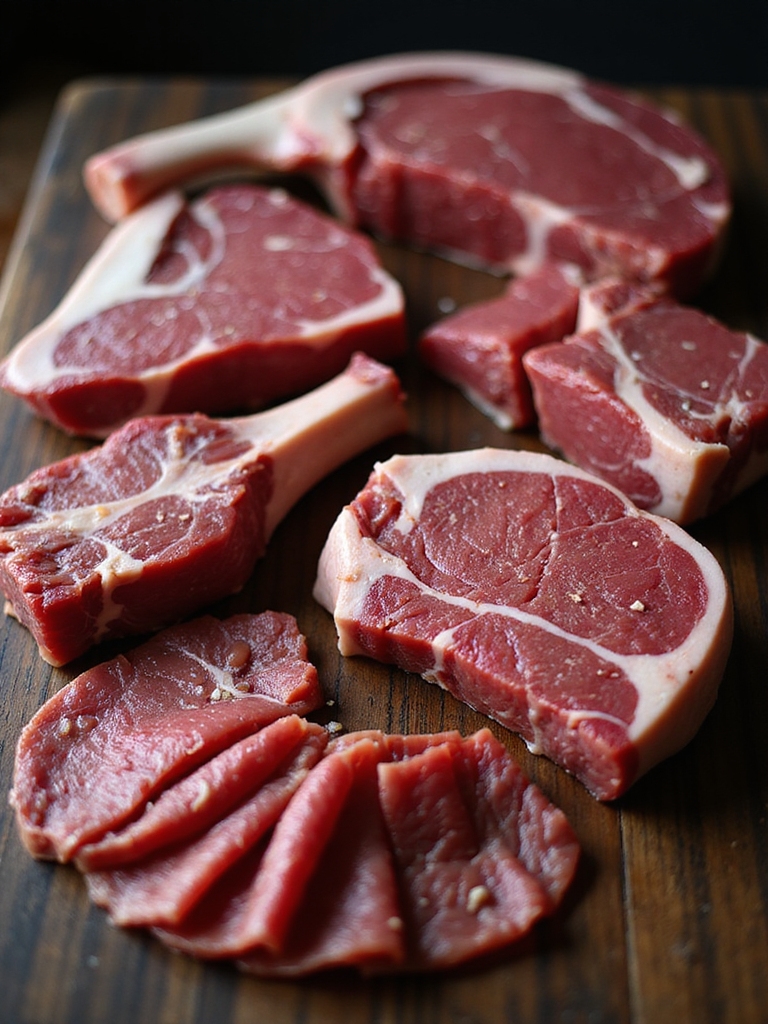
Pick cuts that work for your goals: on a keto-carnivore plan you’ll lean toward fattier, well-marbled steaks and roasts that keep calories dense, carbs negligible, and satiety high.
Choose ribeye, chuck, brisket, and short ribs for flavor and staying power. Strip steak and hanger offer balance when you want less fat but plenty of protein.
Ground beef labeled 80/20 is a reliable go-to for burgers, meatballs, or skillet meals.
Cook low and slow for tough cuts, sear fast for steaks, and salt generously. Swap cuts seasonally to avoid boredom, and enjoy the simplicity — it’s deliciously efficient.
Consider affordable ground beef options like 80/20 for budget-friendly, high-fat meals ground beef meals.
Organ Meats to Rotate for Micronutrients
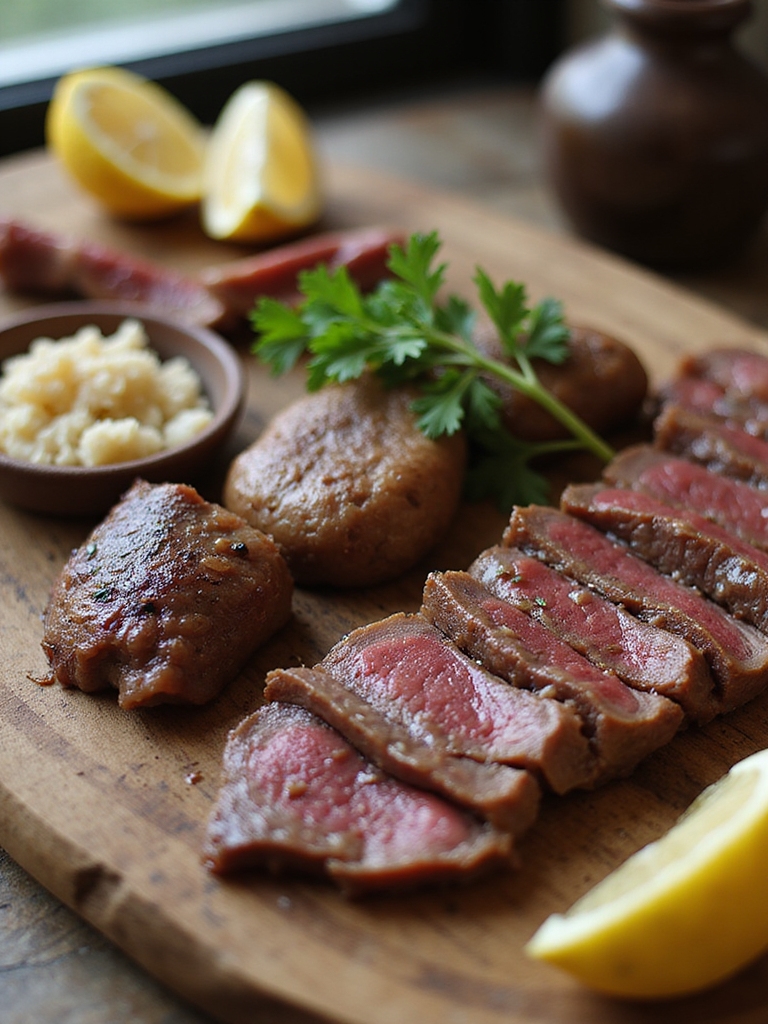
While you focus on steaks and roasts, don’t sleep on organ meats — they’re the micronutrient powerhouses that keep a keto-carnivore diet balanced.
Rotate liver (vitamin A, B12), heart (coQ10, iron), and kidney (selenium) weekly to cover bases. Try sweetbreads for a gentle texture switch and bone marrow for collagen and fat.
Start small—think pâté spoonfuls—so your palate adapts without protest. Source grass-fed or pasture-raised when possible; freshness matters.
Cook simply: sear, braise, or slow-roast to preserve nutrients. Rotate, don’t rely on one organ, and you’ll avoid gaps while keeping meals interesting.
Incorporating more high-fat cuts and preparations can help maintain ketosis and satiety, especially when emphasizing high-fat choices.
Pork, Lamb, and Game Options That Fit Carnivore
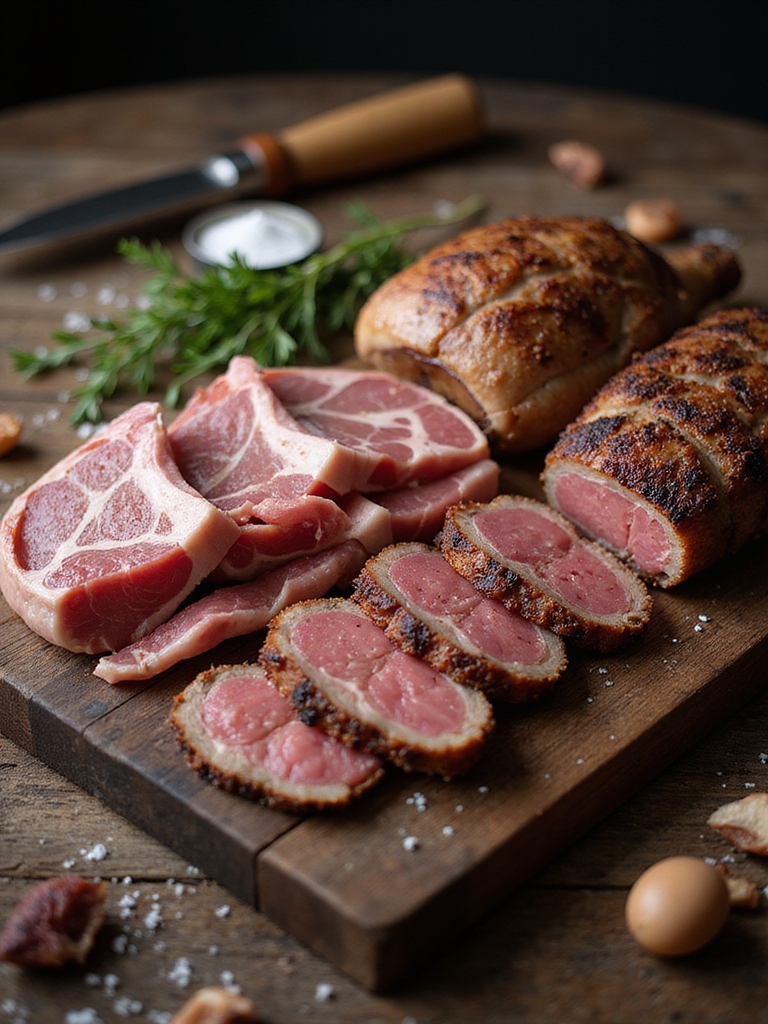
You’ll love pork chops, belly, and shoulder for versatile, satisfying fat; cure some bacon for a flavor punch.
Lamb offers richer, tangy profiles—shoulder, chops, and leg deliver omega fats and variety.
Game meats like venison, elk, and wild boar are leaner, mineral-dense, and add adventurous texture. Cook game gently to avoid dryness.
Rotate cuts, prioritize pasture-raised or wild sources when possible, and season simply to highlight true meat character.
Consider cost-saving strategies like buying in bulk or choosing economical cuts to maintain quality on a budget and support affordable carnivore eating.
Poultry Tips: When to Eat Skin and Dark Meat
When you’re eating poultry on a keto-carnivore plan, grab the skin for extra fat — it’s where the calories and flavor hide.
Choose dark meat more often, since thighs and drumsticks pack higher fat and tend to be juicier.
Together they keep you satiated and make chicken actually worth eating.
A simple shopping routine is to stock up on versatile staples like beef, pork, and chicken for easy meals and consistent options.
Eat Skin For Fat
You’ll usually want to save poultry skin and dark meat when you’re aiming for fat-forward, satisfying meals, because they deliver the calories and flavor that keep you full on keto-carnivore plans.
Eat the skin crisped for texture and melt-in-mouth fat; roast, pan-sear, or broil it to render flavor and protect leaner meat.
Choose skin-on portions when you need extra calories without carb fillers.
Trim excess if you’re tracking strict macros, but don’t toss the crackling—use it as a crunchy garnish or snack.
Enjoy dark, savory bites with skin for easy, tasty satiation.
Crisp them quickly in an air fryer for crispy carnivore results that save time and cut excess oil.
Prefer Dark Meat
Because dark meat packs more fat and flavor, reach for it when you want meals that stay satisfying on a keto-carnivore plan.
You’ll get richer mouthfeel and longer satiety from thighs and drumsticks than from lean breast meat. Keep the skin if you tolerate it — it crisps, adds calories, and boosts keto-friendly fat.
Roast, sear, or slow-cook to render connective tissue into gelatin and deepen taste.
Use dark meat for stews, broths, or quick pan-frys when you need convenience plus decadence. Swap white meat when you’re low on fat; your meals will feel less like deprivation and more like strategy.
Carnivore diets often rely on pantry staples like bone broth and tallow for easy meal prep and added fat, so stock up on Carnivore Pantry.
Seafood Picks & Mercury Safety
Frequently, seafood will be one of your best bets on a keto-carnivore plan—it’s high in protein and healthy fats and keeps meals interesting—yet you’ll want to pick varieties low in mercury so you don’t trade short-term gains for long-term risk.
You’ll enjoy seafood more when you choose smartly: opt for smaller, shorter-lived fish and rotate types to limit exposure.
Cook simply, use salt and butter, and trust your taste.
- Sardines: tiny, fatty, and low-mercury
- Anchovies: punchy, shelf-stable protein
- Salmon: rich omega-3s, generally safe
- Trout: freshwater, low mercury
- Shrimp: versatile, low mercury
Dairy & Eggs: Strict vs. Flexible Rules
When it comes to dairy and eggs on a keto-carnivore plan, you’ll need to decide whether you’re strict (no milk, creams, or cheese) or more flexible with high-fat cheeses and butter.
Eggs are your best friend and you can vary how strict you are—whole eggs, yolks only, or even more liberal egg-based dishes depending on tolerance.
I’ll walk you through which dairy to exclude, which egg options work, and sensible flexible choices so you can pick what fits your goals.
Strict Dairy Exclusions
If you’re leaning toward a strict carnivore or zero-carb keto approach, you’ll likely need to drop most dairy and rethink eggs—no exceptions for cream-laden sauces or cheese boards.
You’ll miss some comforts, but clarity and digestion often improve. Stick to animal flesh and minimal additives. Be strict about hidden dairy in charcuterie, marinades, and deli slices.
- Avoid milk, cream, yogurt, and kefir
- Skip hard and soft cheeses, even aged varieties
- Reject butter blends and ghee with additives
- Watch processed meats for lactose or milk powder
- Ditch flavored or protein-added dairy products
Trust the rules; they simplify choices.
Permitted Eggs Variations
You’ll usually find eggs are the most flexible animal-food on a strict carnivore or zero‑carb keto plan, and you can tailor them to fit either strict or more relaxed rules.
You’ll pick plain hard‑boiled, fried in animal fat, or soft scrambled if strict; if you’re flexible, add bone broth or cured bacon bits.
Watch additives and oils. Rotate chicken, duck, quail for variety and nutrient spread. Enjoy yolks—they’re gold.
| Strict | Flexible |
|---|---|
| Hard‑boiled | Herb‑studded omelet |
| Fried in tallow | Butter omelet |
| Plain scramble | Bacon bits |
| Raw (policy permitting) | Cream‑enriched |
| Duck eggs | Quail eggs |
Flexible Dairy Options
A little dairy can stretch your carnivore menu without derailing ketosis, so think of soft cheeses, heavy cream, and cultured yogurts as tools you can dial up or down depending on how strict you are.
You choose how dairy fits: strict carnivores skip it, flexible eaters use it strategically for texture, fat, and convenience. Listen to hunger, cravings, and digestion when deciding.
- Brie, camembert: soft, low lactose
- Heavy cream: for coffee or sauces
- Greek/cultured yogurt: watch carbs
- Aged hard cheeses: concentrated fat, minimal lactose
- Butter/ghee: almost universally tolerated
Fats and Oils That Support Ketosis and Flavor
Because fats are your primary fuel on a keto-carnivore approach, pick ones that keep you in ketosis and make meals taste irresistible — think clarity and flavor in equal measure.
You’ll favor animal fats like tallow, lard, and duck fat for high smoke points and rich mouthfeel; butter and ghee add buttery bliss and minimal lactose.
Olive oil works for low-heat drizzles, though it’s less carnivore-pure. MCT oil speeds ketone production when you need a boost, but use it sparingly to avoid digestive drama. Rotate fats for nutrient variety and to keep every bite decadently satisfying.
Zero-Carb Helpers: Bone Broth & Collagen
Think of bone broth as your savory, zero‑carb multitasker: it hydrates, supplies minerals, and supports gut repair while tasting like comfort in a cup.
Collagen comes in different types — I and III for skin and connective tissue, II for joints — so you’ll want the right form for your goals.
Make a cup of broth part of your daily routine or stir collagen into coffee or soups to keep protein intake up without touching carbs.
Bone Broth Benefits
Often you’ll reach for bone broth when you want something warming, filling, and completely zero-carb—it’s the unsung multitasker of keto-carnivore kitchens.
You’ll love how it hydrates, comforts, and supports goals without carbs. Sip it plain, use it to cook, or nurse a sore day; it’s practical and cozy.
- Electrolyte support for low-carb shifts
- Gentle gut-soothing amino acids
- Joint-friendly minerals and gelatin
- Low-calorie, high-satiety warm drink
- Versatile base for sauces and stews
Keep it homemade when you can; store-bought varies.
You’ll enjoy its utility and subtle, meaty warmth every day.
Collagen Types Explained
If bone broth is your go-to for warmth and electrolytes, collagen is the quiet partner that keeps that goodness working for you long-term.
You’ll meet type I (skin, tendons, bones) for structural strength, type II tucked in cartilage for joint glide, and type III supporting softer tissues and blood vessels.
Gelatin is cooked collagen — handy in sauces — while hydrolyzed collagen powders break down for fast absorption.
Mix sources: marrow, skin, connective tissue.
You won’t need to memorize every peptide; focus on variety and consistency.
Collagen complements a carnivore keto approach, quietly patching and supporting your body’s framework.
Using Broth Daily
Regularly sipping bone broth or stirring collagen into your day gives you a simple, zero-carb way to support hydration, electrolytes, and tissue repair without fuss.
You’ll notice steadier energy and happier joints when you make broth a ritual — morning cuppa, midday pick-me-up, or evening cozy-up.
Keep it practical and tasty.
- Warm bone broth for hydration and minerals
- Collagen powder mixed into coffee or soups
- Use slow-simmered stocks for richer gelatin
- Add a pinch of sea salt for electrolytes
- Sip between meals to curb cravings
Make it habitual; your body will thank you.
Compliant Packaged Items & Label Flags
Because packaged foods can save you time without wrecking your macros, you’ll want to know which items actually fit the keto-carnivore framework and which labels are hiding carbs or seed oils.
You’ll favor simple ingredient lists: meat, salt, maybe collagen. Avoid “natural flavors,” vegetable oils, dextrose, maltodextrin, and anything with sugar alcohols you don’t recognize.
Look for sodium content and added preservatives. Trust cans of tuna in oil (olive or tallow) and shelf-stable smoked sausages without fillers.
| Good Signs | Red Flags |
|---|---|
| Single-ingredient meat | “Natural flavors” |
| Tallow/olive oil | Seed oils (canola) |
| Low carb per serving | Dextrose/syrups |
| Clear preservatives listed | Maltodextrin |
Portioning Rules to Hit Protein and Calories
When you plan portions, think like a chef and a scientist: aim for the protein target first, then top up fat and calories to hit your energy needs.
You’ll weigh cuts, eyeball fattier pieces, and use simple math to avoid under- or over-eating.
Focus on protein grams per meal, then add butter, tallow, or fatty cuts until calories match your goal.
Use these quick rules:
- Weigh cooked protein for consistent grams.
- Prioritize lean protein for accuracy.
- Add fat boosts in tablespoons, not vague “a bit.”
- Track totals with a simple app or notebook.
- Adjust portions every few days based on energy.
Simple Swaps to Add Variety Without Breaking Ketosis
Often you’ll want more variety than steak and eggs without jeopardizing ketosis, and simple swaps let you keep things interesting with minimal fuss.
You can rotate cuts, swap butter for tallow, trade pork rinds for cheese crisps, or add sardines for convenience. Small shifts prevent boredom and keep meals effortless.
| Swap | Why it works |
|---|---|
| Ribeye → Chuck roast | Same fat, different texture |
| Butter → Beef tallow | Deeper flavor, stable heat |
| Pork rinds → Cheese crisps | Crunch, zero carbs |
| Salmon → Sardines | Omega boost, cheap pantry |
| Egg yolks → Duck eggs | Richer, more fat |
Hidden Carb & Insulin Pitfalls to Avoid
If you’re strict about macros but still hit a weight-loss plateau or blood-sugar wobble, small hidden carbs and insulin triggers are usually to blame.
You’ll want to spot sneaky culprits and tweak habits without drama. Watch sauces, drink choices, and “keto-friendly” labels — they lie sometimes. Test ketones, note patterns, and don’t assume zero-carb packaging means zero effect.
- Salad dressings with maltodextrin
- Bone broths with added dextrose
- Alcohol mixers and flavored spirits
- Dairy blends with whey concentrates
- Hidden carbs in processed sausages
Catch these, adjust, and your progress will resume.
One-Week Sample Shopping List and Meal Ideas
Ready to stock your kitchen and make dinner effortless? Start with a tight shopping essentials list — think fatty cuts of beef, bacon, eggs, butter, bone broth, and a few low-carb cheeses — then batch-cook a couple of roasts and hard-boiled eggs for grab-and-go meals.
With those staples you’ll have quick meal prep ideas (pan-seared steaks, egg-and-bacon breakfasts, and broth-based soups) that keep you full and on plan all week.
Shopping Essentials List
A simple, well-planned shopping list makes a week of keto-carnivore meals easy and satisfying, so you can skip grocery-store stress and focus on tasty, high-fat, low-carb choices.
You’ll want reliable staples that keep meals simple and flavorful. Buy quality, fatty cuts, organ meats for nutrients, and a few convenience items to stay on track without fuss.
- Ribeye or chuck roast (fatty cuts)
- Ground beef or lamb (versatile)
- Pork belly or bacon (crispy fat)
- Eggs and ghee (breakfast and cooking)
- Canned sardines or bone broth (easy nutrients)
Pack should fit your appetite and fridge.
Quick Meal Prep Ideas
When you get the shopping done, you’ll find prepping a week of keto-carnivore meals is mostly about simple routines—batch-cook a couple fatty roasts, fry up a big tray of bacon or pork belly, hard-boil eggs, and portion out organ meats and sardines for quick snacks.
You’ll map mornings to eggs or sardines, lunches to reheated roasts, and dinners to steaks or skillet pork. Snacks are cheese, bone broth, or jerky. Keep spices minimal. Rotate textures so you don’t get bored.
| Item | Meal Idea |
|---|---|
| Roasts | Lunch portions |
| Bacon | Breakfasts |
| Eggs | Quick meals |
| Sardines | Snacks |
You’re set to shop smart and eat rich on the keto-carnivore plan—stick to fatty cuts, organ rotation, and simple seafood, and you’ll keep carbs and insulin spikes at bay.
Mix in bone broth and butter for comfort, and swap cuts to avoid boredom.
Remember, balance beats perfection; don’t throw the baby out with the bathwater if a slip happens. Keep it tasty, practical, and sustainable—you’ve got this.