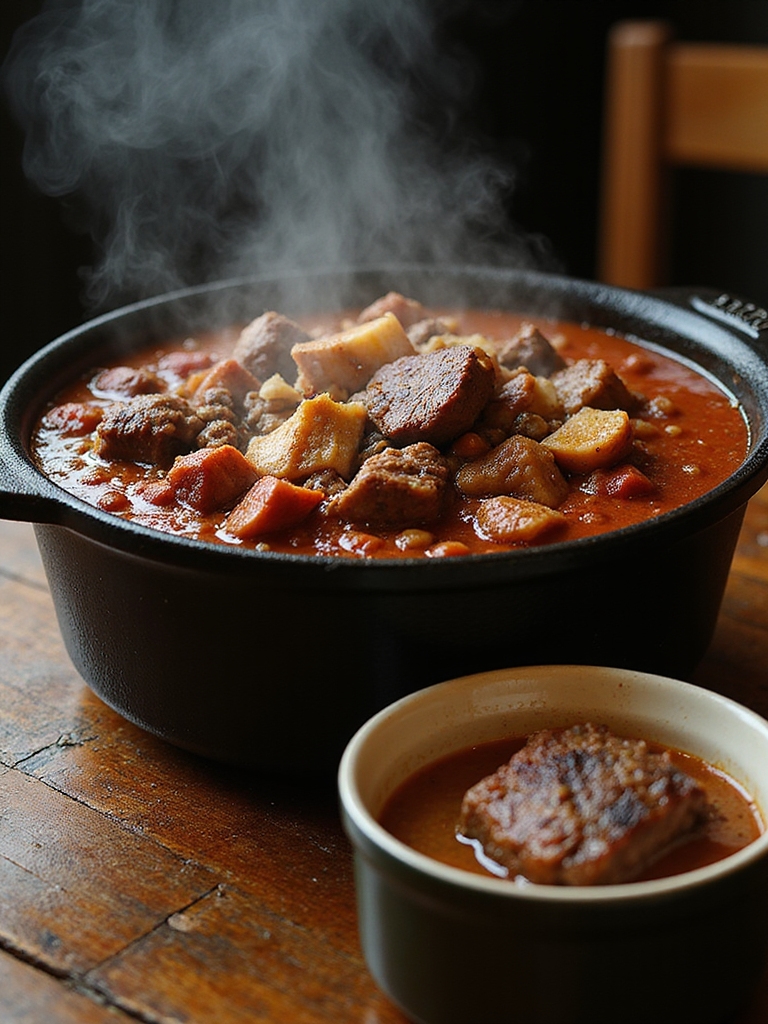
You might wonder whether piling on fat really keeps you full and cruising in ketosis longer than just cutting carbs — it often does, but there’s nuance. You’ll learn practical swaps, fatty cuts, and easy tricks to boost calories without getting bored.
Stick around and you’ll get concrete, make-ahead ideas that save time and stabilize energy, plus the when-to-adjust rules so you don’t overshoot your goals.
Why Prioritize Fat on a Keto‑Carnivore Diet
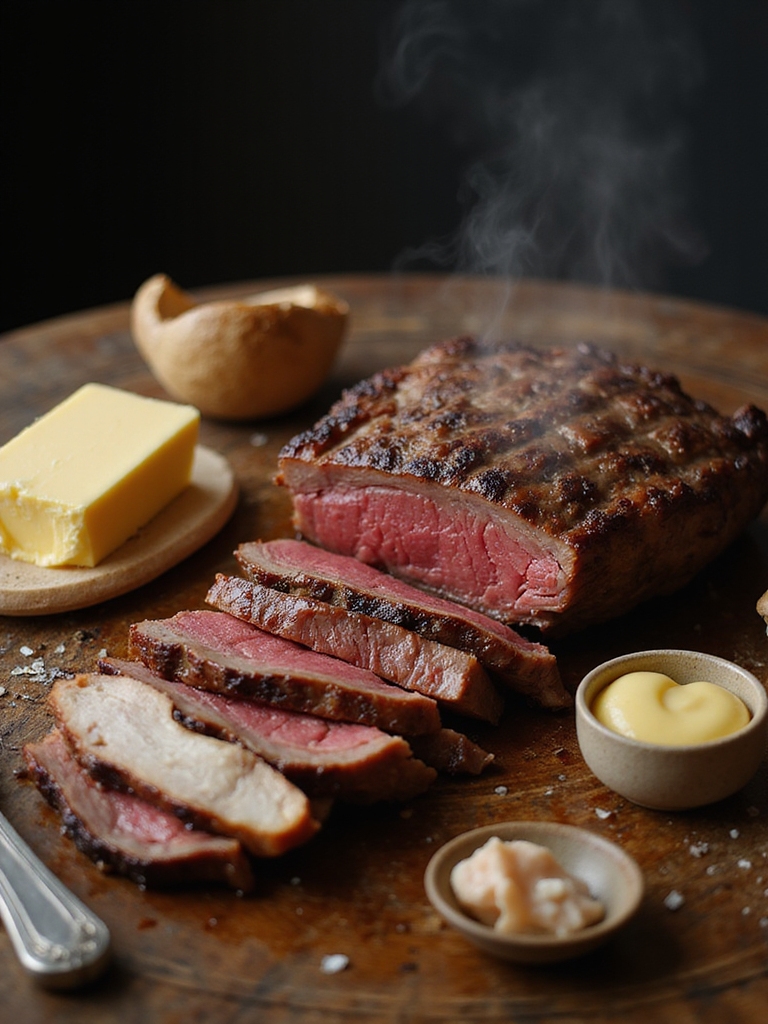
When you follow a keto‑carnivore approach, fat becomes your primary fuel because it’s the clean, steady energy your body runs on when carbs are out of the picture.
You’ll notice steadier moods, fewer energy crashes, and a natural appetite reset as your body adapts to burning fat.
Prioritizing fat also helps you stay satiated between meals, making strict meal planning less punishing and more practical. Think butter, tallow, and fatty cuts that make meals enjoyable rather than a chore.
You’ll eat with intention, savor textures and flavors, and find that satisfying fat anchors the whole eating experience.
Essential staples like tallow and fatty cuts are worth stocking for consistent high‑fat meals.
Keto‑Carnivore Basics: Fats, Protein Targets, Carb Limits
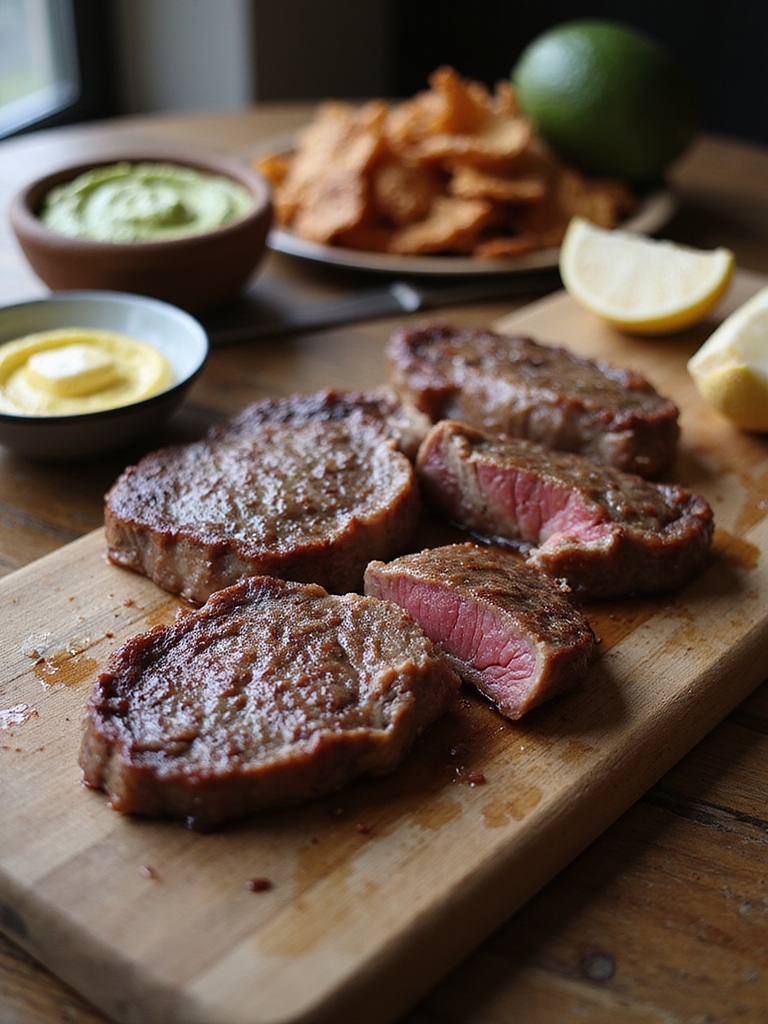
Now let’s get practical: you’ll aim for higher fat to fuel ketosis and moderate protein to preserve muscle without kicking you out of metabolic state.
Keep protein targets based on your weight and activity—enough to feel strong, not stuffed—and use fatty cuts, butter, and tallow to hit your calories.
Carbs stay very low, fundamentally a strict ceiling, so treat veggies and hidden sugars like tiny landmines.
Choose foods from an approved list like fatty meats and animal fats to simplify shopping and meal prep and reduce the chance of hidden carbs in processed items, focusing on fatty cuts for most meals.
Macros: Fat And Protein Targets
Because your body runs best on predictable inputs, dialing in fat and protein targets is the secret to making a keto‑carnivore plan work for you.
Aim for fat to supply most calories — think 65–75% — so you stay satiated and ketones stay humming.
Protein should be moderate: enough to maintain muscle and function, roughly 0.6–1.2 grams per pound of lean body mass, adjusted for activity.
Track both, not just intuition; fat is your fuel, protein is the repair crew.
If weight or performance stalls, tweak fat upward first, then nudge protein while watching how you feel.
Consistency comes from following clear carnivore diet guidelines that reduce confusion and help you adjust reliably.
Carb Ceiling: Strict Limits
Although you’re prioritizing fat and protein, you’ve still got to hold carbs to a firm ceiling—think 20–30 grams a day for strict keto‑carnivore starters—because even small amounts of glucose can kick you out of ketosis or wake cravings you don’t want.
Keep snacks and sauces minimal, read labels, and choose leafy or negligible-carb options if needed.
You’ll notice steady energy and fewer cravings when you respect that limit. Starting a carnivore approach often brings an adjustment period with symptoms like headaches or fatigue as your body adapts to burning fat for fuel, sometimes called keto flu.
| Food Type | Typical Carb | Note |
|---|---|---|
| Beef | 0g | Safe staple |
| Egg | 0.6g | Track if many |
| Cheese | 1–2g | Watch portions |
Portioning Without Tracking: Hit High Fat, Moderate Protein
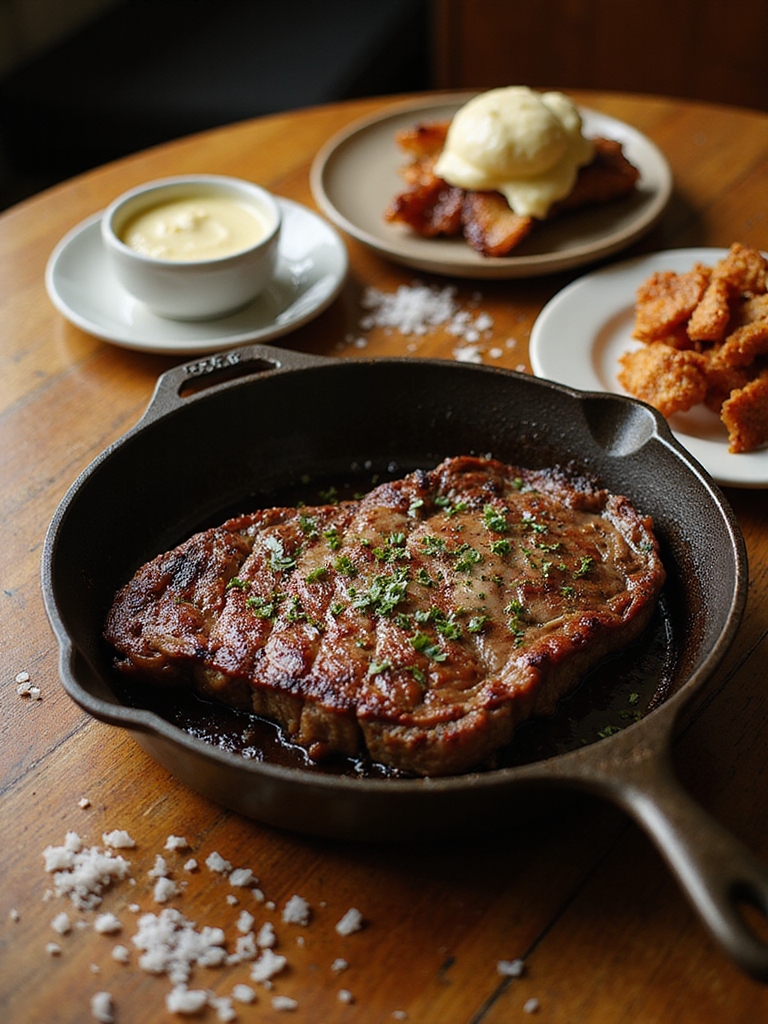
Think of your plate like a simple pie chart: half fatty cuts or added butter/cream, a third moderate protein, and a sliver (if any) for greens.
Reach for high‑fat protein choices — ribeye, pork belly, salmon with skin — and let added fats bridge the gap.
You’ll eat intuitively, stay satiated, and skip the spreadsheet. Try simple recipes anyone can make at home, like pan-seared steaks or roasted pork belly with minimal ingredients.
Visual Plate Ratios
When you plate your meals by eye, aim for a simple visual rule: make fat the star, protein the supporting actor.
You’ll want roughly a palm-sized protein, a generous dollop of fat, and a tiny garnish if desired. Trust your eyes, not apps.
A successful carnivore approach often centers on choosing effective foods that support high fat intake and satiety.
| Plate Section | Look For | Quick Tip |
|---|---|---|
| Fat | Biggest portion | Butter, tallow, mayo |
| Protein | Moderate | Steak, fish, eggs |
| Extras | Small touch | Bone broth, salt |
This keeps meals satisfying, keeps carbs out, and makes life deliciously simple.
High-Fat Protein Choices
You’ve got the plate proportions down, so now swap the focus to what fills those sections: high-fat proteins that keep you full and fuel ketosis.
Choose ribeye, pork belly, lamb chops, salmon, and fatty ground beef—those deliver effortless calories and mouthfeel.
Aim for visible marbling and skin-on cuts; don’t shy from butter, ghee, or tallow for cooking.
If you eat organ meats, try liver fried in bacon fat sparingly for nutrients. Portion by eyeballing fat coverage rather than counting grams: protein the size of your palm, fat taking up a similar or larger space on the plate.
Affordable ground beef can be a budget-friendly staple for high-fat carnivore meals, especially when bought in bulk and cooked with added fats like butter or tallow and ground beef offers versatility for many recipes.
Best Fatty Cuts and Organ Meats for Calories
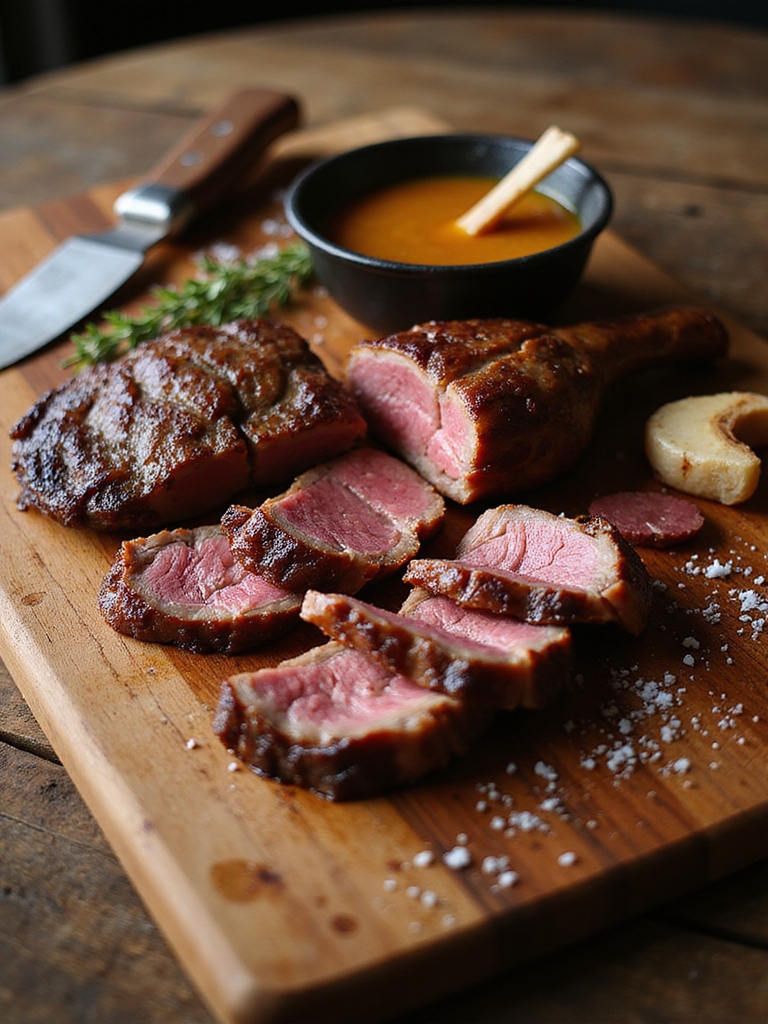
If you’re after dense calories on a keto-carnivore plan, fatty cuts and organ meats are your secret weapons — they pack energy, flavor, and micronutrients without forcing you to eat huge volumes. Go for ribeye, chuck, brisket and pork belly for marbled fat and satisfying meals.
Lamb shoulder and duck confit offer rich taste and dense calories per bite. Don’t skip organ meats: liver delivers vitamins A and B12, heart gives iron and coenzyme Q10, and sweetbreads are luxurious and calorie-dense.
Rotate cuts to avoid boredom, and cook simply to let natural fat and flavor shine. Many people starting a carnivore approach begin with familiar choices like beef, pork, and chicken to ease the transition and ensure satiety with starter foods.
Fat‑Boosting Add‑Ins (Butter, Tallow, Lard, Cream, Eggs)
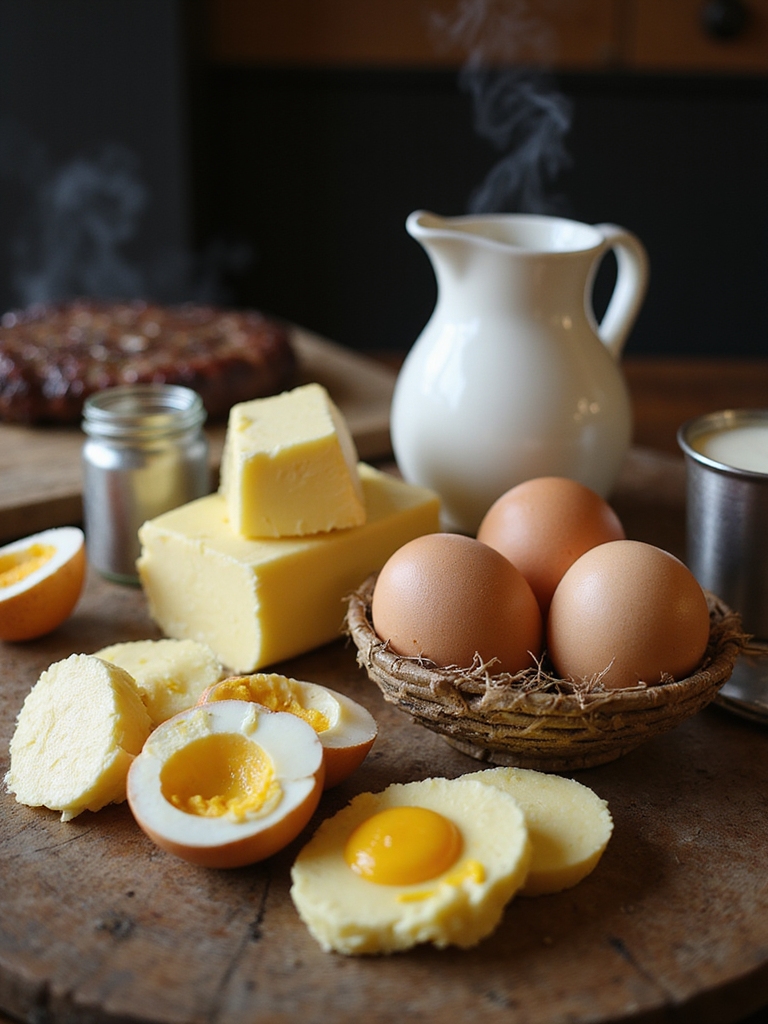
Ready to make every bite richer and more satisfying? Throw butter, tallow, or lard into the pan and you’ll get crispy sear and a boost of calories without fuss.
Stir cream into sauces or fold soft‑scrambled eggs into chopped steak for silky, calorie‑dense plates that keep you full.
Cooking With Animal Fats
Often, you’ll find that a simple spoonful of butter, a drizzle of rendered tallow, or a pat of lard transforms a lean cut into something silky and satisfying — and that’s the point: fat is flavor, texture, and satiety on the keto‑carnivore plate.
You’ll brown steaks in tallow for crisp edges, spoon melted lard over pork chops for shine, and baste roasts with butter for a golden finish.
Use animal fats for frying, pan sauces, and finishing touches. They tolerate heat, carry savory notes, and keep you full—so cook boldly and season sparingly.
Adding Cream And Eggs
Boost richness by folding cream and eggs into your dishes—they’re the easiest way to up the fat content without fuss.
Whisk whole eggs into scrambled beef or drizzle cream over roasted pork to create silky, satisfying bites.
Use egg yolks to make quick hollandaise for steak or fold whipped cream into chilled pâté for luxuriously smooth texture.
You’ll get protein plus concentrated fat, minimal carbs, and maximum flavor.
Don’t fear the calorie count—this plan wants fats.
Rotate heavy cream, double cream, and pasteurized eggs for variety.
Keep eggs properly cooked when needed and enjoy the decadence.
Fat‑Preserving Cooking Methods
When you want to keep every luscious bit of fat in your meal, choose cooking methods that seal in juices and avoid high, drying heat; techniques like slow roasting, braising, sous-vide, and gentle pan-searing lock fats and flavor so your food stays rich without extra effort.
You’ll favor low-and-slow for tougher cuts, letting collagen melt into silk. Use tight lids, foil, or vacuum bags to stop evaporation. Finish with a quick sear to crisp without losing the fat you fought for.
Rest meats so juices redistribute, and skim rendered fat for later flavor-packed use.
Flavor Boosters: Salts, Umami, and Creamy Dairy
Salt, umami, and a spoonful of creamy dairy are the tiny hacks that turn plain meat into something you’ll savor; use them deliberately and your meals will sing.
You want bold, simple flavors that keep fat front-and-center. Sprinkle finishing salts, melt butter or ghee, and add cheese or crème fraîche sparingly to lift richness without diluting carnivore purity.
Taste as you go, balance richness with a pinch of acid if needed, and favor ingredients that complement beefy, porky, or fishy profiles.
- Finish with flaky salt and pepper.
- Use bone broth or anchovy paste for umami depth.
- Stir in heavy cream, crème fraîche, or aged cheese.
High‑Fat Keto‑Carnivore Breakfast Ideas
If you loved how a pat of butter or a sprinkle of flaky salt made dinner sing, mornings can get the same treatment—only richer and faster.
You’ll reach for sizzling bacon, egg yolks bathed in hot butter, or fatty sardines with lemon oil. These wake you gently and keep you full.
| Scene | Bite |
|---|---|
| Crispy bacon | Butter-dipped, crackle |
| Soft eggs | Yolk-rich spoonful |
| Pork belly | Caramelized fat |
| Sardines | Olive-bright oil |
You’ll eat deliberately, smile at the richness, and skip midmorning cravings without fuss.
Easy Fatty Lunches: Bowls and Skillet Templates
Build a quick lunch bowl or toss a skillet together and you’ll have a satisfying, high‑fat meal in minutes—no calorie counting, no guilt.
You pick the proteins, you choose the fat, and you rule the skillet. Keep it simple, bold, and gloriously greasy.
- Crispy pork belly bites, soft‑set egg, and a drizzle of rendered fat for instant comfort.
- Pan‑seared salmon chunks, butter, and a smear of cream cheese for silky richness.
- Ground lamb sautéed in tallow, crumbled feta (optional), and plenty of warm, peppery juices to spoon up.
Lunch, solved.
Rich Dinners: Roasts, Braises, and Pan‑Seared Builds
When dinner’s the main event, you’ll want a high‑fat roast that comes out glossy and unapologetic.
Try a butter‑basted braise to keep the meat silkily moist while you sip something strong and smug.
Stick a steak in a hot pan for a few minutes and you’ve got a pan‑seared build that’s all texture and zero fuss.
High‑Fat Roasts
Sear a slab of beef or slide a pork shoulder into the oven and you’ll see why high‑fat roasts are the cornerstone of rich, satisfying carnivore dinners: they’re effortless, deeply flavored, and melt-in-your-mouth tender.
You’ll rely on slow heat and rendered fat to carry flavor, not sauces or carbs.
Salt boldly, tuck aromatics if you like, and let time do the work.
Crisp edges and silky interiors reward patience.
- Choose fatty cuts: brisket, pork shoulder, lamb shoulder.
- Low and slow: 225–275°F until probe tender.
- Rest long enough to keep juices and fat intact.
Butter‑Basted Braises
Turn a sturdy chuck or short rib into something decadent by braising it low and finishing it with butter-basting — you’ll get deeply concentrated meat flavor topped with glossy, herb‑kissed fat.
You’ll braise until fork-tender, skim, then sear in butter with thyme and garlic, spooning fat repeatedly so each bite shines.
This technique maximizes fat intake and mouthfeel on keto carnivore nights; it’s simple, forgiving, and impressively rich.
Serve with pan juices spooned over. Try variations: smoked paprika, anchovy, or lemon zest for brightness.
| Cut | Time | Finishing fat |
|---|---|---|
| Chuck | 3–4h | Butter |
| Short rib | 3–5h | Butter |
High‑Fat Snacks and Mini‑Meals for Extra Calories
Because calorie needs on a keto-carnivore plan can climb fast, packing high‑fat snacks and mini‑meals into your day makes hitting targets easy and tasty.
Keep things simple: think spoonable fats, salty proteins, and portable bites that won’t fuss.
You’ll stay satisfied and energized between meals without leaving ketosis.
- Pork rinds with cream cheese scoops — crunchy, creamy, instant.
- Hard‑boiled eggs drizzled with melted butter and flaky salt.
- Cold sliced steak rolled with slices of aged cheddar and a smear of tallow.
Rotate these to avoid boredom and keep calories up with minimal effort.
Batch‑Cook and Meal‑Prep Shortcuts
Batch out a week’s worth of meals in one go and you’ll rescue evenings from last‑minute scrambling; with a few smart shortcuts you’ll have hearty, keto‑carnivore plates ready in minutes.
Start by roasting large trays of fatty cuts—short ribs, chicken thighs, pork belly—then portion into airtight containers.
Crisp bacon and sear steaks fast on a hot pan, then slice for salads or quick reheats. Use rendered tallow or butter for flavor and frying.
Hard‑boil eggs and make bone broth in a slow cooker for soups and sauces. Label, stack, and rotate: grab, heat, eat, and enjoy stress‑free, high‑fat meals all week.
Troubleshooting: Satiety, Energy, and Constipation
Those make-ahead trays and jars save you time, but they won’t fix every bump you meet on a strict keto‑carnivore plan—especially when hunger, low energy, or stubborn constipation shows up.
You can tweak fat, timing, and habits to feel better fast.
- Eat fattier cuts, add tallow or butter, and pace meals so calories and satiety last; snacks of pork rinds or cheese help without carbs.
- If energy dips, increase electrolytes (salt, magnesium) and consider short fasting adjustments; prioritize sleep and gentle movement.
- For constipation, up fluids, magnesium citrate, and include small amounts of fibrous low‑carb veg or psyllium if needed.
Sample Keto‑Carnivore Days at Three Calorie Levels
If you want practical, day-to-day examples that keep you in ketosis without guessing portions, here are three sample days — low, moderate, and higher calorie — that show how to mix fatty meats, eggs, dairy, and a few carnivore-friendly extras so you can hit your energy and satiety goals while keeping carbs negligible.
Low: scrambled eggs in butter, pork belly slices, bone broth.
Moderate: ribeye with tallow, soft cheese, 2 eggs, sardines.
Higher: lamb chops, duck fat potatoes substitute (mashed cauliflower optional), cream, extra egg yolks.
Snack smart with pork rinds or more cheese; hydrate and salt to taste.
When to Adjust Fat vs. Protein (Goals, Activity, Labs)
Because your goals and activity level change over time, you’ll want to tweak the fat-to-protein ratio rather than treating your meals like set-it-and-forget-it recipes.
Listen to performance, hunger, and lab signals: bump fat for steady energy and appetite control, increase protein for muscle repair or weight loss.
Check lipids, kidney markers, and ketones; adjust conservatively and re-test.
- Low activity/weight maintenance: higher fat, moderate protein for satiety and stable ketones.
- Strength training/muscle gain: raise protein, keep fat sufficient for calories.
- Abnormal labs or persistent fatigue: consult, modestly shift ratios and re-evaluate.
Think of fat as your campfire—steady, warm, and it keeps the night from biting. You’ll cook fatty ribs, sear buttery steaks, and spoon marrow like kindling, all to keep ketones glowing and hunger quiet.
Trust simple portions, batch‑cook smart, and tweak fat vs. protein like tuning a lantern. Stay curious, listen to your body, and enjoy the sizzle; this way of eating can feel less like a diet and more like coming home.