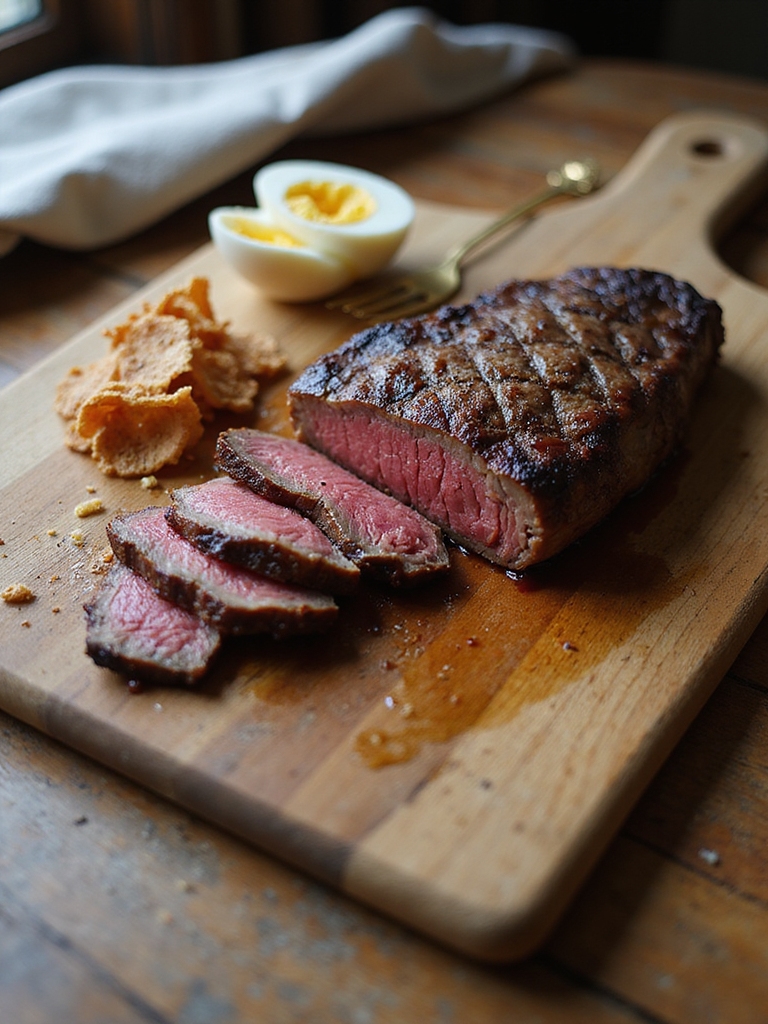


You’re starting a carnivore plan and want it simple, practical, and sustainable — not a culinary siege. I’ll show you a short shopping list, easy two‑ingredient meals, and batch‑cook tricks so you don’t spend hours at the stove or obsess over macros.
Expect a few adjustment days, useful tips for cravings and digestion, and how to add liver or eggs without drama — and then we’ll map out a week you can actually follow.
Who This Simple Carnivore Meal Plan Is For

If you’re tired of counting carbs, stressing over meal prep, or chasing complicated diets that don’t stick, this simple carnivore meal plan is for you.
You’re likely someone who wants fewer decisions, clearer rules, and real food that’s easy to source.
Maybe you’re curious about reducing carbs, managing appetite, or simplifying grocery runs.
You’re not necessarily an extremist — you value practicality and gradual tweaks.
This plan suits busy professionals, parents, or anyone who prefers a meat-forward approach without fuss.
It’s not for people needing strict medical diets; check with your clinician if you have health conditions.
The plan emphasizes practical guidance tailored for beginner women transitioning to a carnivore approach.
What to Expect: Energy, Cravings, Digestion (Weeks 1–4)

In the first week you’ll likely feel energy spikes and dips as your body switches fuel sources, and that’s totally normal.
Cravings start loud but usually quiet down by weeks two to four as your appetite settles.
Expect digestion to recalibrate too — some bloating or changes at first, then more regularity as you adapt.
Many people also experience temporary changes in electrolyte balance as they transition, so staying hydrated and replenishing minerals helps.
Energy Fluctuations Early
As your body shifts from carbs to mostly meat, expect your energy to ride a short, bumpy roller coaster—you’ll have bright, focused bursts one day and sluggish afternoons the next. You’ll feel unpredictable as your hormones and mitochondria adapt; that’s normal.
Nap, walk, or sip broth when energy dips—don’t chase caffeine binges. Prioritize salt, electrolytes, and steady protein to smooth swings. Sleep quality and hydration matter more than massive meals.
Track patterns: note time of day, meals, and mood so you can adjust portions or timing. Within two to four weeks, those peaks and troughs usually settle into steadier hums.
Also, many beginners find that keeping meals simple and consistent helps reduce cravings and supports steady protein intake.
Cravings Scale Down
When your body stops riding glucose spikes, your cravings quickly quiet down — you’ll notice the mid-afternoon sugar pull and nightly snack urges shrinking within days to a couple of weeks.
You’ll find hunger simplifies: more steady, less frantic.
Meals full of protein and fat keep you satisfied longer, so impulsive reach-for-the-cookie moments fade.
You might still get a memory craving—habit knocking at the door—but it’ll be easier to ignore.
Hydration and salt help blunt false hunger signals.
Celebrate small wins: fewer cravings mean clearer choices, less mental chatter about food, and more trust in your body’s new rhythm.
Consistency is key for long-term results, as the Carnivore Diet emphasizes consistency over perfection in building sustainable habits.
Digestion Adjustment Phase
You’ve already felt cravings quiet and meals settle into steadier hunger — next comes the digestion adjustment phase, where your gut catches up with your new fuel.
Expect shifts: some days you’ll feel lighter and energized; others might bring slowed bowels, bloating, or louder digestion as enzymes and microbes adapt.
Drink water, keep salt handy, and don’t fear extra fat if you need it — your body signals what it wants.
Move gently, rest when tired, and track patterns so you can tweak portions or meal timing.
Most issues settle by week four; if not, consult a clinician.
Many people find that following clear carnivore diet guidelines helps maintain consistency and reduce confusion, especially during this adjustment period consistent rules.
Staple Carnivore Foods to Keep in Rotation

Keep a few trusty staples on hand so meals stay fast, flavorful, and forgiving.
Stock fatty beef cuts for calories, rotate organ meats for micronutrients, and add eggs or dairy for variety and convenience.
You’ll eat better and get bored less when those four categories become your go-to.
Also consider including a short list of essential shopping items like fatty beef, organs, eggs, and dairy to simplify meal planning and ensure nutrient coverage.
Fatty Beef Cuts
Regularly rotating fatty beef cuts into your meal plan makes the carnivore diet satisfying and simple to sustain. You’ll favor ribeye, chuck, brisket and short ribs for flavor, calories, and ease—fat keeps you full and cooking forgiving.
Cook simply: salt, hot pan or low-and-slow, rest, eat. Swap cuts across the week to prevent boredom and hit different textures. Listen to your hunger; leaner days are fine but don’t fear fat. Below is a quick reference to balance taste, effort, and cost.
Affordable ground beef meals are a helpful budget option for keeping the diet practical with variety and calories ground beef cost.
| Cut | Strength |
|---|---|
| Ribeye | Flavor |
| Brisket | Slow-cook |
| Chuck | Versatile |
| Short ribs | Rich |
| Flank | Economical |
Organ Meat Variety
A few well-chosen organs will turn a plain meat rotation into a nutrient powerhouse you’ll actually enjoy—think liver for vitamins, heart for iron and muscle-building coenzyme Q10, and kidneys for a distinct, mineral-rich hit.
Rotate liver weekly—its creamy punch covers vitamin A, B12, and folate needs.
Treat heart like dense steak: slice, sear, and savor its meaty texture and zinc.
Try kidneys in stews for a savory, bold note.
Start small if organ flavors intimidate you, mix with familiar cuts, and keep portions modest.
Variety keeps meals interesting and your micronutrient profile balanced.
Many people begin with familiar cuts like ground beef and ribeye before adding organs to their routine, which helps ease the transition to including starter foods in a carnivore diet.
Eggs And Dairy Options
Often overlooked, eggs and dairy give your carnivore rotation texture, convenience, and a fast hit of calories and nutrients you’ll actually look forward to.
You’ll want eggs daily — scrambled, fried, or hard-boiled — for quick protein and choline.
Full-fat dairy like heavy cream, Greek yogurt (if tolerated), butter, and aged cheeses add calories, fat-soluble vitamins, and variety.
Watch reactions; some people handle dairy poorly.
Rotate types, keep portions sensible, and favor minimal-ingredient options.
Enjoy the ease: these foods save cooking time and keep meals interesting without straying from carnivore basics.
- Soft-scrambled eggs
- Hard cheeses
- Grass-fed butter
- Heavy cream in coffee
- Plain Greek yogurt
7-Day Carnivore Meal Plan Shopping List

Stock your fridge and freezer with the essentials that make a day on the carnivore diet simple, satisfying, and fast — think fatty steaks, ground beef, pork chops, bacon, whole eggs, and a variety of organ meats if you’re into getting extra nutrients.
Add butter, ghee, and tallow for cooking and flavor.
Pick bone-in cuts for marrow and collagen, and grab canned sardines or mackerel for convenience.
Keep a supply of deli-style roast meats for quick bites.
Salt, pepper, and optional beef broth round things out.
You’ll shop once, eat well all week, and waste less time deciding.
Easy Breakfast Options With Minimal Prep

Now that your fridge and freezer are loaded, mornings can be ridiculously easy — you won’t need to think much beyond heat, eat, and repeat. You’ll grab protein, skip carbs, and feel satisfied fast.
Keep staples that reheat, crisp, or slice without fuss. Rotate textures so breakfast feels fresh: crunchy pork, silky eggs, fatty fish, or cold slices straight from the fridge.
Here are simple go-tos you can rely on when time’s tight:
- Crispy bacon or pork belly, oven-warmed
- Pan-seared ribeye leftovers
- Soft-boiled eggs, batch-cooked
- Sardines or smoked salmon, no cooking
- Cold sliced roast beef or ham
10-Minute Two-Ingredient Recipes
You’ll love how many meals you can throw together in under ten minutes with just two ingredients. Pick a star protein and pair it with a simple complement for fast protein prep that still tastes satisfying.
No fuss, no filler — just quick, delicious combos that keep your carnivore plan on track.
Ready-In-Under-Ten
Often you’ll want a full meal without fuss, and these two-ingredient, under-ten-minute recipes deliver—no shopping lists, no complicated prep, just pure carnivore simplicity that gets food on your plate fast.
You’ll love how quick protein plus fat becomes satisfying fuel.
Keep timing tight, use hot pans, and trust simple salt.
Rotate textures so meals don’t feel samey.
- Sear steak + butter: crusty, rich, five minutes.
- Pan-fry pork chops + ghee: golden, juicy.
- Canned tuna + mayo: cold, effortless.
- Scrambled eggs + cream: silky, weekday hero.
- Lamb chops + salt: primal, fast.
Two-Ingredient Combos
Those five-minute plates prove how little you need to eat well on carnivore, and Two-Ingredient Combos take that idea further: pair a single protein with one complementary fat or seasoning and you’ve got a full meal that’s fast, flavorful, and hard to mess up.
You’ll roast steak with butter, pan-sear salmon with lemon-infused ghee, or crisp pork belly with a dusting of flaky sea salt.
These duos highlight texture and natural taste, cut prep and decision fatigue, and let you eat like you mean it.
Keep it simple, experiment sparingly, and enjoy dependable meals without drama.
Fast Protein Prep
Think of Fast Protein Prep as your culinary fast lane: grab two ingredients, heat, and you’re eating in minutes.
You want simple, satisfying meals without fuss. Pair bold proteins with one companion—fat, herb, or cheese—and you’ll have flavor, fuel, and zero drama. These pairings suit busy days, travel, or late-night hunger. Try them, tweak timing, and enjoy reliable results.
- Seared steak + butter
- Pan-fried salmon + lemon
- Ground beef + grated cheddar
- Pork chop + mustard
- Chicken thigh + ghee
You’ll eat well, save time, and stay on plan.
Simple Lunch and Dinner Templates to Repeat
Regularly lean on simple templates for lunch and dinner so you don’t waste time deciding what to eat—pick a protein, pick a cooking method, and pick a fat or seasoning, then repeat.
You’ll rotate steaks, ground beef, chicken thighs, and fish; grill, pan-sear, or simmer; finish with butter, tallow, or a sprinkle of salt and pepper.
Keep portions predictable, cook extra, and stash servings for effortless reheats.
Use eggs as a flexible bridge between meals.
Temptation to overcomplicate fades when you trust this trio-choice formula. Eat well, save time, and enjoy repetition—it’s efficient, not boring.
One-Pan and Sheet-Pan Dinners for Busy Nights
When nights are hectic, you’ll love one-pan and sheet-pan dinners that get protein on the table fast with minimal fuss.
Skip the veggies and learn simple fat-searing and roasting techniques that keep pans clean and flavors bold.
Cook once, batch the extras, and you’ll have ready-to-go carnivore meals for the whole week.
Quick Protein Prep
Toss a few cuts of meat, a drizzle of fat, and a sprinkle of salt onto a single pan and dinner’s practically solved—no fuss, no extra dishes, just fast, hearty carnivore meals that hold up on busy nights.
You’ll prep proteins that cook evenly, rest properly, and taste great without overthinking. Keep tools minimal, season bold, and time your pan so everything finishes together.
Rotating cuts prevents boredom. When you plate, slice against the grain and serve straight from the pan.
- Sheet-pan steaks or pork chops
- Cast-iron roasted chicken pieces
- Butter-basted ribeye
- Sausage medley, seared
- Fast broiled salmon
Veg-Free Pan Techniques
Lean into simplicity: one pan, a few cuts, and you’ve got a complete carnivore dinner that’s fast, flavorful, and cleanup-free.
You’ll sear steaks, toss in bacon, nestle sausages, or roast bone-in chicken with butter and herbs (optional).
Use high heat for a crust, then finish low to tenderize.
Sheet pans handle larger batches—space proteins so they brown, not steam.
Flip once, baste with rendered fat, and rest briefly before slicing.
You’ll love how minimal tools maximize taste.
No sauces, no sides—just salt, smoke, and satisfaction, all on one pan and out the door.
Batch Cooking Tips
You’ve mastered one-pan dinners; now let’s scale that same simplicity for busy weeks. Batch cook big protein sheets, chill portions, and you’ll never overthink dinner again.
Use sturdy pans, simple seasonings, and predictable timing so reheats stay juicy. Label containers and rotate flavors—smoky, herby, peppery—so meals feel fresh.
- Roast multiple steaks or chicken thighs together for easy portions.
- Bake ground beef tray with spices for tacos or bowls.
- Use foil racks to separate fats from meat while cooking.
- Cool quickly, portion into airtight containers, refrigerate or freeze.
- Reheat gently to avoid drying; add a dab of fat.
Structuring Meals for Intermittent Fasting (16:8, 24h)
When you pair the carnivore way with intermittent fasting, timing becomes as important as what’s on your plate; the goal is to make your eating window simple, satisfying, and sustainable.
Choose a consistent window — 16:8 usually means lunch and dinner; 24-hour fasts stay occasional.
Break fast with protein and fat to avoid blood sugar swings: steak, eggs, or tinned fish.
Keep meals hearty so you’re not grazing.
Hydrate and sip bone broth during fasts.
Plan your workout near eating times for recovery.
Listen to hunger, but respect the clock; consistency beats perfection for results.
Portions and Serving Guides for Beginners
Because getting portions right makes the carnivore diet practical, start by thinking in portions you can see and feel rather than calories: aim for palm-sized servings of steak or fatty fish (about 4–6 oz per palm), 2–3 whole eggs, and a thumb-sized knob of butter or tallow for added fat if a cut’s lean — and double those amounts for big eaters or active people.
Keep it simple, adjust by hunger, and match fat to your goals. Practical cues save guesswork.
- One palm protein per meal
- Two–three eggs for quick eats
- Thumb of fat if lean cut
- Extra palm after heavy activity
- Stop when satisfied, not stuffed
Budget Swaps to Keep the Plan Affordable
Now that you’ve got portion cues down, let’s make those servings fit your wallet. Swap pricey ribeye for ground beef or chuck roast—same protein punch, less guilt at checkout.
Buy whole chickens, roast and shred for several meals. Use bone-in, skin-on cuts: more flavor, cheaper per pound. Trim fat yourself; render it for cooking to stretch oil-free meals.
Shop frozen: steaks and organ meats store well and often cost less. Hunt sales and freeze bulk. Learn simple seasoning—salt, pepper, maybe garlic powder—so cheap cuts taste great. You’ll eat well without breaking the bank.
Managing Cravings, Energy Dips, and Constipation
Cravings will show up, energy will wobble, and bowel patterns may shift — and you can handle each one without panic. Notice signals, adjust portions, and remember fat heals hunger faster than willpower.
Hydrate, salt, and rest; don’t treat dips like failure.
- Drink salty bone broth or water with added salt to restore electrolytes.
- Increase fatty cuts or snack on tallow to blunt cravings.
- Space meals by hunger, not a clock, to steady energy.
- Move gently—walks and light lifting boost digestion and mood.
- If constipated, add more water, electrolytes, and mildly increase natural laxative fats.
Stay curious, not harsh.
When and How to Add Eggs, Dairy, and Organ Meats
When you’re ready to expand beyond steak and tallow, adding eggs, dairy, and organ meats can boost nutrition and keep meals interesting without derailing progress.
Start slowly: introduce eggs daily or every other day, cooked how you like. Add full‑fat plain dairy (cheese, heavy cream, cultured butter) once tolerance is confirmed—watch digestion for a week.
Try organ meats twice weekly: begin with small amounts of liver mixed into ground beef, then increase as you tolerate the flavor. Rotate items to avoid monotony and detect sensitivities.
Stay pragmatic—measure effects by how you feel, energy and digestion.
How to Track Progress and Know If It’s Working
Tracking progress on the carnivore diet is simpler than you think: pay attention to measurable signals—energy, sleep, digestion, body composition, and mood—and jot them down so you can spot trends.
Keep short notes, weekly weigh-ins, and photos if you want visual proof. Don’t obsess over day-to-day swings; look for sustained changes over 2–6 weeks.
- Energy: more steady, fewer crashes
- Sleep: falling asleep faster, waking refreshed
- Digestion: less bloating, regular stools
- Body composition: clothes fit differently, photos show shifts
- Mood: calmer, less hangry
Adjust based on trends, not noise.
Simple Weekly Sample Carnivore Meal Plan to Copy
Now that you know what signals to watch for, let’s turn that feedback into a practical plan you can follow all week.
You’ll get three simple meals daily: hearty breakfasts, protein-first lunches, and satisfying dinners. Rotate steaks, ground beef, eggs, and fatty fish. Add organ meat twice weekly.
Keep snacks optional—think cold roast or pork rinds. Adjust portions by hunger and progress.
| Day | Breakfast | Dinner |
|---|---|---|
| Mon | Eggs + bacon | Ribeye |
| Wed | Sardines + egg | Ground beef |
| Fri | Omelet | Salmon + butter |
Use this template to copy, tweak, and repeat.
You’ve got a simple roadmap: fatty beef, eggs, bone‑in chicken, a bit of liver, and broth to steady you.
Try batch cooking, eat when hungry, and tweak based on energy and digestion — what’s easier than fewer choices and better fuel?
Expect shifts in week one, steadier energy by week four, and clearer signals from your body. Keep it practical, stay curious, and treat this as an experiment you’re allowed to change.