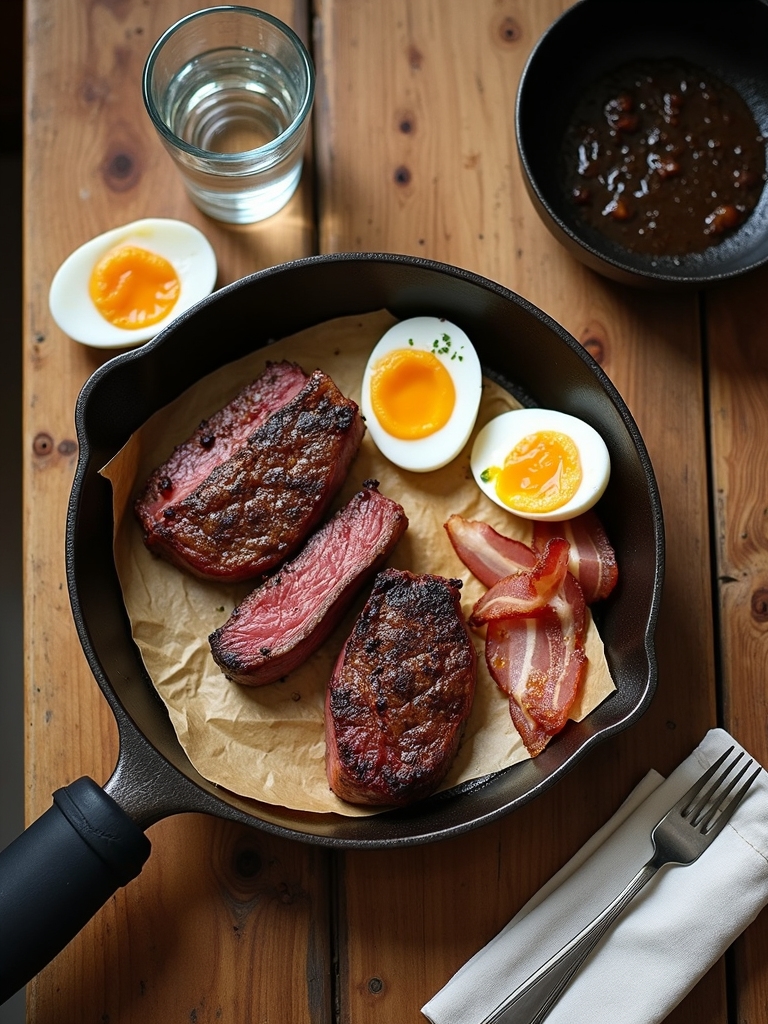


You want meat that’s cheap, meat that’s real, and meat that actually keeps you full — and you can have all three without selling out.
You’ll learn how to pick the cuts that stretch, use bones and trim to boost flavor and nutrition, and make simple batch cooking actually save you time and money. Stick with me and you’ll stop overpaying for packaging and start eating smarter.
Quick Plan: Eat Carnivore on a Budget (3 Steps)
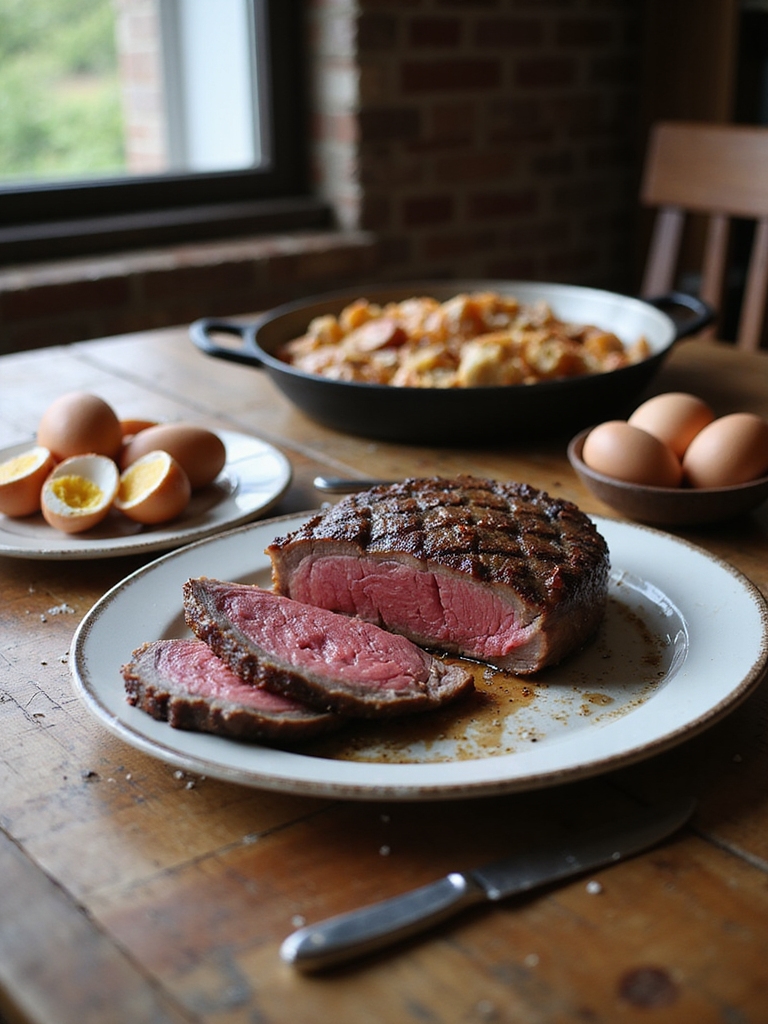
If you want to do carnivore without draining your wallet, start simple and stay ruthless about priorities: pick three steps—buy smart, cook once, repeat meals—then execute them every week.
You’ll scan sales, grab bulk, and skip fancy cuts without feeling deprived. You’ll cook large batches—roast, braise, or slow‑cook—to save time and avoid daily decision fatigue.
You’ll portion and rotate meals so dinner feels familiar, not boring. When cravings hit, you’ll adjust seasoning or swap textures rather than hunting expensive substitutes.
It’s practical, a little stubborn, and totally doable if you stick to the plan. Consider relying on ground beef as a versatile, budget-friendly staple for many of your meals.
Choose Cheap, Nutrient‑Dense Cuts
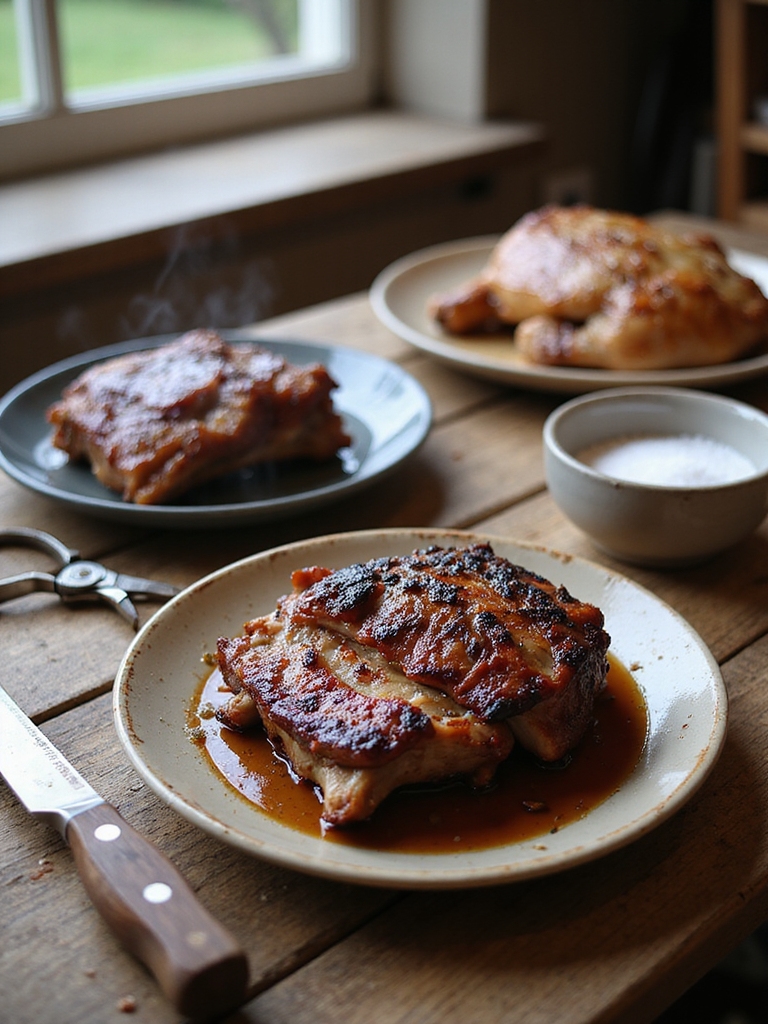
Don’t ignore bone‑in cuts — they’re cheaper per pound and give you marrow, collagen, and flavor for nothing extra.
You’ll also want to prioritize organ meats like liver and heart; they’re tiny price tags for massive nutrient payoff. I won’t pretend they’re glamorous, but your body will thank you.
Try buying a mix of primal cuts and organs to maximize both cost and nutrition, and check local butchers for bone‑in bargains.
Buy Bone‑In Cuts
Look for bone-in cuts at your butcher or supermarket—they’re usually cheaper per pound and pack more nutrition than boneless equivalents. You get marrow, gelatine, and flavor that stretch meals and morale.
Cook slowly, roast, braise, or make a simple bone broth; you’ll feel richer without spending more.
| Cut | Use |
|---|---|
| Beef shank | Stew, braise |
| Pork shoulder | Roast, slow-cook |
| Chicken thighs | Roast, grill |
| Short ribs | Braise, broil |
You’ll save money, up your nutrient game, and enjoy deeper flavor. Treat bones like culinary allies, not waste.
Buying ground beef and other affordable cuts can further lower costs while keeping meals satisfying and nutrient-dense, especially when combined with bone-in cuts for broth and flavor.
Prioritize Organ Meats
Think of organ meats as your budget superfoods: they’re cheap, crazy nutrient-dense, and will fix gaps that muscle meat alone can’t.
You’ll get vitamins A, B12, iron, zinc, and more in tiny packages — liver, heart, kidney — for far less cash than steak.
Start slow if taste throws you; blend liver into ground meat, dice heart like steak, fry kidneys briefly.
Rotate organs weekly to avoid overload and enjoy variety.
Buy frozen or from local butchers; ask for discount packs.
Eating organs lets you stay nutrient-rich on a tight budget without sacrificing food quality.
Local butchers often sell discount packs or surplus organ meat at lower prices.
When to Pick Ground Meat vs. Whole Cuts
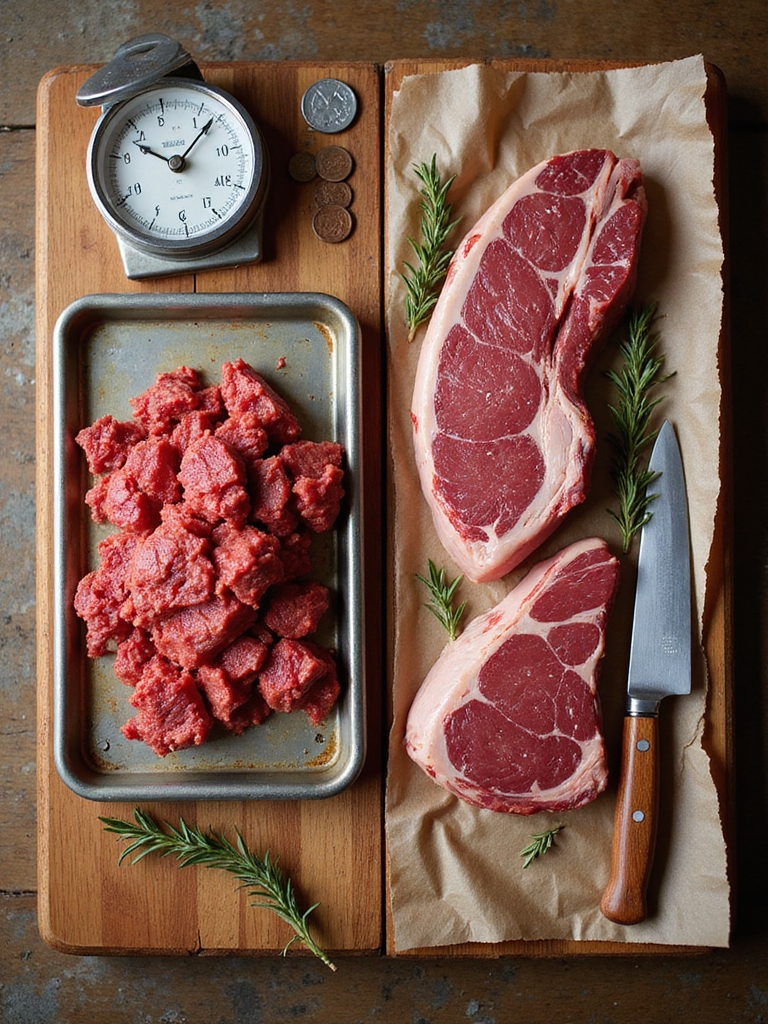
Choose ground meat when you’re chasing versatility and savings, and pick whole cuts when texture and satiety matter more.
Ground meat stretches meals — burgers, meatballs, quick sautés — and it hides cheaper grinds with seasoning so you won’t feel deprived.
Whole cuts give you that chew, crust, and slower cooking reward; they sit in your stomach and your psyche like a proper meal.
Buy ground in bulk for stovetop efficiency, and choose whole cuts when you can grill or roast affordably.
Balance both: use ground for weeknights and whole cuts for weekends or when you want to impress yourself.
Beginners often find success starting with simple recipes and focusing on ridiculously easy preparations to build confidence.
Use Organ Meats to Boost Nutrition Affordably
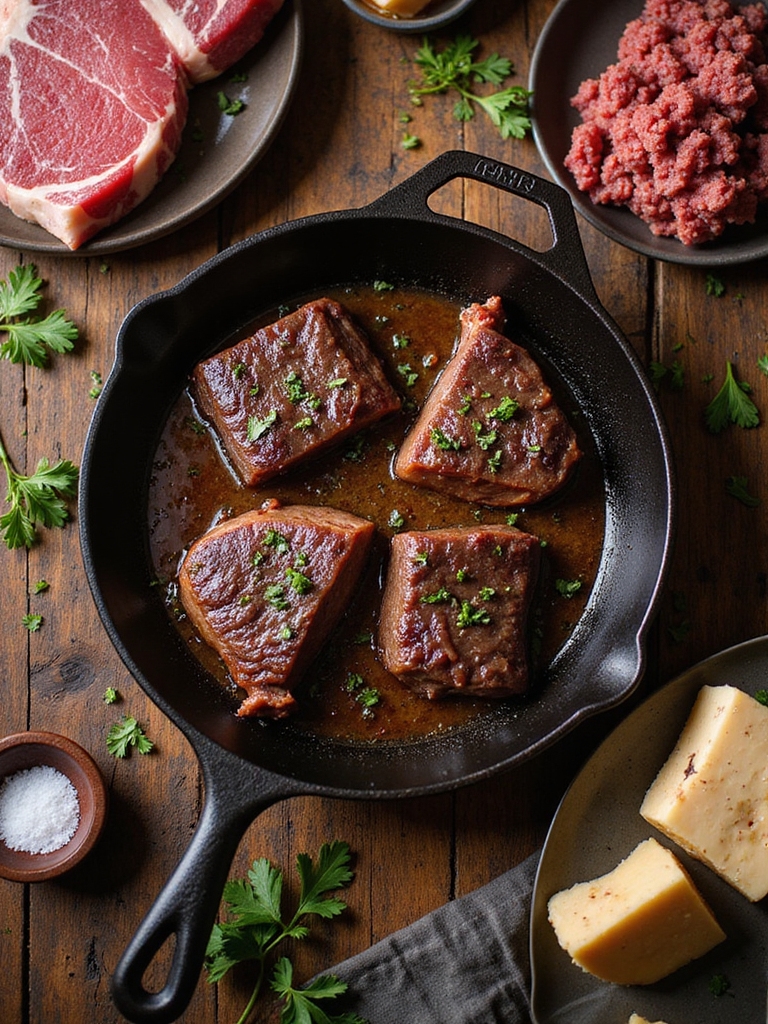
Don’t skip organ meats just because they sound intimidating — they’re the cheapest way to pack vitamins and minerals into every meal.
With a few simple tricks you’ll make liver, heart, or kidney taste great, and I’ll share quick prep tips to make them actually enjoyable.
I’ll also point out how to source them safely so you’re getting quality without overspending.
Cost-Effective Nutrient Density
Start by embracing organ meats—they’re the cheapest way to pack your carnivore plate with vitamins and minerals you might otherwise miss.
You’ll get iron, B12, vitamin A, and choline in small portions, which stretches your budget while keeping nutrient intake high.
Buy liver, heart, and kidney in bulk when prices drop, freeze portions, and rotate them into meals so you don’t rely solely on expensive steaks for nutrition.
Think of organs as concentrated insurance against deficiencies; they’re affordable, potent, and efficient.
You’ll feel the benefit without blowing your food budget, and that’s a win.
Many people begin with starter foods that include organ meats to simplify transition and ensure adequate nutrients.
Preparation And Palatability
While organ meats can seem intimidating, you can make them taste great with a few simple tricks so you actually look forward to eating them.
You’ll start small: mix finely chopped liver into ground beef, mask strong notes with butter and salt, and fry quickly to avoid dryness.
Try pâté or blendering with cream for spreadable, familiar textures. If texture bugs you, mince and hide organs in meatballs.
Be bold with seasoning but stay carnivore-friendly—salt, pepper, and rendered fat work wonders.
Unexpected side dishes can pair well with organs to increase variety and satisfaction, especially when you include meaty accompaniments that complement rich flavors.
| Method | Benefit |
|---|---|
| Mince/mix | Familiar texture |
| Pâté/blend | Spreadable, mild |
| Quick sear | Tender, less bitter |
Safe Sourcing Tips
Because organ meats pack so much nutrition per dollar, you’ll want to be picky about where they come from—contamination and poor handling can erase their benefits. Look for reputable butchers, local farms, or co‑ops that disclose sourcing and handling practices.
Prioritize grass‑fed, pasture‑raised, or certified organic when possible; they often mean fewer antibiotics and better nutrient profiles.
Ask when organs were slaughtered and how they were chilled—freshness matters. Buy frozen if supply is inconsistent.
If price drives you to bargain basement options, cook thoroughly and consider rotating suppliers. Trustworthy sourcing keeps your budget wins from backfiring on your health.
Consider using organ meat rotation to get a broader nutrient spectrum and reduce exposure risks.
Turn Bones, Fat and Trim Into Broth and Tallow

Scrounging bones, fat and trim from your butcher or last night’s dinner does more than prevent waste — it gives you rich, nourishing broth and tallow that stretch your grocery dollars and upgrade every savory dish.
You simmer bones long for collagen, render fat low and slow for tallow, and season sparingly. Store broth in ice cube trays for quick sauces; keep tallow for frying or rubbing into steaks.
You’re saving money and getting flavor and satiety. Small effort, big payoff.
| Component | Use | Shelf tip |
|---|---|---|
| Bones | Broth | Freeze cubes |
| Fat/trim | Tallow | Jar refrigerated |
Buy in Bulk and Portion to Save Money
You’ve already stretched every bone and jarred fat like a pro — now think bigger: buying meat in bulk cuts your per-pound cost and gives you control over portions.
Buy larger roasts, whole birds, or slabs and portion at home to match hunger and goals. Label packs with weight and date, freeze flat for easy stacking, and trim into meal-sized pieces so you won’t defrost more than you need.
Use a digital scale and vacuum bags or freezer paper to reduce waste. You’ll spend less per meal, eat fresher servings, and feel smugly efficient — without sacrificing quality.
Where to Shop: Sales, Butchers, Co‑ops and Farmers
Shop smart and you’ll shave serious cash off a carnivore grocery bill — start by hunting sales at supermarkets, building relationships with your local butcher, joining a co‑op for bulk buys, and checking nearby farms for direct sales.
You’ll find cuts that supermarkets ignore and rack up loyalty discounts if you ask. Talk to butchers — they’ll trim, portion, and tell you when ground or offal hits the floor price.
Co‑ops lower per‑pound costs and cut packaging waste. Farmers can offer seasonal deals and transparency you’ll love.
Be friendly, flexible, and patient; smart sourcing beats frantic, expensive shopping every time.
Fresh vs. Frozen: What Saves Money and Keeps Quality
You’ll want to weigh prices against how long you can keep cuts without losing flavor or nutrients. Fresh meat often tastes better but can cost more and spoil faster, while frozen options usually save you money and lock in most of the nutrition if frozen quickly.
Let’s look at which cuts and freezing methods give you the best value without sacrificing quality.
Fresh Versus Frozen Costs
When you’re trying to stretch a carnivore budget, deciding between fresh and frozen makes a bigger dent than you might think: fresh often looks nicer but frozen usually wins on price and shelf life, so you’ll want to balance quality with waste.
You can save by buying frozen in bulk, avoiding spoiled produce, and stretching meals without panic. Be realistic about your cooking habits and storage space.
- Buy frozen steaks or ground meat when sales pop.
- Use freshest cuts for immediate meals.
- Rotate frozen stock first-in, first-out.
- Compare unit prices, not pretty packaging.
Preserving Nutrient Quality
Although frozen meat can feel like a compromise, it often preserves nutrients just as well as fresh if you handle it right, and that reality can save you both money and worry.
You’ll get protein, iron, and B vitamins intact when freezing is swift and packaging airtight.
Thaw in the fridge, not on the counter, to avoid nutrient loss and bacterial growth. Flash-frozen cuts from reputable sources can outperform fresh that’s been sitting out.
Buy in bulk, divide into meal portions, and label dates. Treat frozen like deliberate stock—not second-rate—and you’ll eat well without overspending.
Batch‑Cook and Freeze for Busy Weeks
Batch-cook once or twice a week and you’ll save time, money, and the temptation to grab something off-plan.
You’ll portion, freeze, and reheat without losing much quality if you choose fattier cuts and cool quickly. Label containers with dates and use airtight packaging to prevent freezer burn.
When weeks get chaotic, you’ll be grateful for ready meals that still feel like effort paid off.
- Roast big trays of bone-in chicken or pork shoulder
- Make ground beef batches or meatloaf, sliced before freezing
- Freeze bone broth in portions for sauces and sipping
- Keep a stash of seared steaks, vacuumed and frozen
Cheap Carnivore Meal Templates (Fast & Flexible)
If you want cheap, fast carnivore meals that still feel satisfying, think in templates instead of recipes: a protein + fat + minimal seasoning, swapped and scaled depending on price and time.
Pick a base: ground beef, chicken thighs, canned fish, or pork shoulder.
Add fat: butter, tallow, or olive oil.
Keep seasoning tiny — salt, pepper, maybe garlic powder.
Prep methods swap: pan, oven, or slow cooker.
Scale portions for appetite or budget.
Mix and match to avoid boredom: taco-style beef one night, sardine salad the next.
You’ll eat well without fuss or overspending.
Season and Cook Cheap Cuts Like a Pro
Those simple templates get you out of meal-planning purgatory, but cheap cuts need a little more know-how to sing. You’ll coax flavor with time and technique, not money.
Salt early for depth, low-and-slow braises for tenderness, and high heat finishes for crust. Embrace patience; a fork should glide, not wrestle.
- Salt generously ahead to draw flavor and improve texture.
- Braise tough cuts with bone, aromatics, and a splash of broth.
- Sear hot at the end for color and mouthfeel.
- Rest meat to let juices redistribute—don’t rush the payoff.
Snacks and Small Meals From Trim and Offal
A few scraps and oddments can turn into knockout snacks and tiny meals, so don’t let trim or offal intimidate you — they’re flavor powerhouses if you treat them right.
You can crisp pork trim for crunchy bites, pan-sear liver thinly and finish with salt for a rich, fast plate, or simmer bones into a sipping broth that feels like a hug.
Keep portions small, season simply, and rotate textures so you don’t tire of richness.
Treat offal with confidence: quick cookages, gentle charring, and bold salt transform humble cuts into satisfying, budget-friendly snacks.
Small Appliances That Pay for Themselves
You’ll get more bang for your buck by picking a few small appliances that actually save time and cut waste.
An Instant Pot turns cheap cuts into tender meals, an air fryer crisps up leftovers without extra oil, and a vacuum sealer stretches meat by keeping it fresh longer.
They cost upfront but quickly pay for themselves if you cook at home and avoid food spoilage.
Instant Pot Value
Usually an Instant Pot pays for itself faster than you’d expect: it slashes cooking time, reduces energy use, and turns tougher, cheaper cuts of meat into tender, flavorful meals with almost no fuss.
You get restaurant-worthy stews, shredded beef, and bone broths without babysitting. It frees up your time and tightens your grocery budget — win-win when you’re prioritizing quality on a carnivore plan.
- Use cheaper cuts (chuck, shank) for rich results.
- Make big batches and freeze portions.
- Set-and-forget meals cut wasted takeout.
- Bone broth extracts nutrients affordably.
It’s pragmatic, not flashy, and reliably economical.
Countertop Air Fryer
Think of a countertop air fryer as your shortcut to crispy, no-fuss carnivore meals that won’t blow your grocery budget.
You’ll crisp bacon, chicken thighs, and pork chops with minimal oil, saving fat without losing flavor. It speeds cooking, so you buy in bulk, portion, and rotate meals instead of resorting to expensive convenience foods.
Cleanup is quick — less grease, fewer pans — so you actually use it.
Choose a compact model with reliable temperature control; it pays for itself in reduced waste and energy compared to ovens.
You get tasty, repeatable results without culinary drama.
Vacuum Sealer Benefits
Seal in freshness and savings: a vacuum sealer turns bulk meat buys into meal-sized bargains that last, cuts freezer burn, and makes portioning painless.
You’ll stop staring at freezer mystery bags and start cooking confidently, saving cash and avoiding waste.
It’s simple: seal, label, freeze.
- Keeps steaks, ground beef, and bones fresher longer
- Lets you portion by meal or recipe to prevent overeating
- Speeds thawing and improves marinades by infusion
- Reduces plastic waste compared to constant rewrapping
You’ll recoup the cost quickly if you buy in bulk and value consistent quality.
Common Budgeting Mistakes and Quick Fixes
Because budgeting for a carnivore diet feels simple on paper but gets messy in real life, you’ll probably hit a few predictable pitfalls — overbuying specialty cuts, ignoring pantry math, or skipping prep that saves money later.
You’ll waste cash buying pristine steaks for every meal; rotate cheaper proteins and save steaks for special nights.
You’ll ignore bulk prices; do quick unit-price math.
You’ll toss leftovers because you “don’t feel like it”; embrace reheating and reinvention.
You’ll forget timing sales; set simple alerts.
Small habits fix big leaks — plan, calculate, batch-cook, and let leftovers become your secret weapon.
Sample Weekly Shopping List and Budget Meal Plan
You’ve fixed the leaks in your budget, so now let’s make shopping and meals almost effortless. You’ll buy versatile cuts, plan simple repeats, and cook once for multiple meals. Stick to what’s affordable and satisfying; you don’t need fancy to eat well.
- Ground beef, bulk (stews, patties, skillet)
- Whole chicken (roast, bone broth)
- Pork shoulder or cheap roasts (slow-cook slices)
- Eggs and tinned fish (quick breakfasts, snacks)
Set two cooking days: roast and batch-cook. Portion into meals, freeze extras, rotate flavors with salt, butter, and occasional spice. You’ll save time and money.
You can eat carnivore without breaking the bank by choosing versatile cuts, stretching bones and trim into broth and tallow, and rotating organ meats for nutrients.
Want to spend less and still eat well? You’ll save time and money by batch cooking, buying frozen or bulk on sale, and teaming up with a butcher for deals.
Keep it simple, seasoning generously, and you’ll eat richer, not poorer—one smart swap at a time.