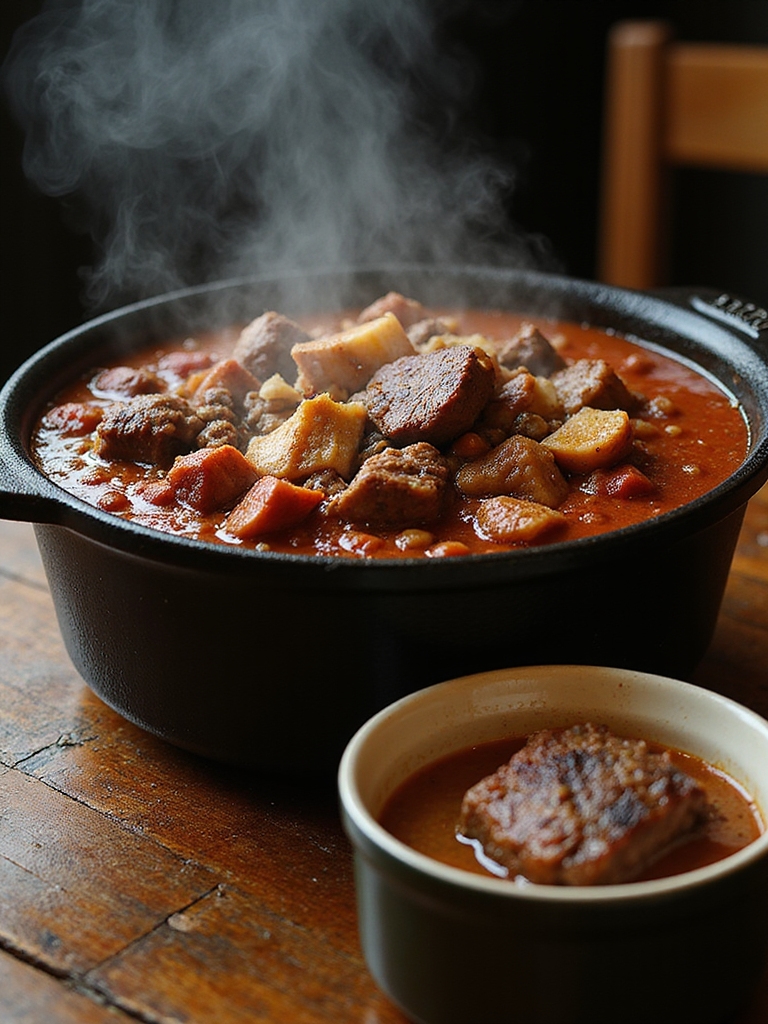


You’re about to simplify meals, ditch carbs, and eat like a pragmatic carnivore without turning into a sad, flavorless steak robot. I’ll give you the fatty cuts that actually keep you full, the organs that save you from weird deficiencies, and quick tricks for time, money, and digestion.
Stick around—there’s a surprisingly sane way to do this that doesn’t involve raw liver for breakfast (unless you want to).
Who This Guide Is For and How to Use It

If you’re reading this, you probably want to simplify eating, try a new approach, or see if meat-first living helps your energy or symptoms — and that’s exactly who this guide is for.
You’ll get practical, no-fluff options whether you’re curious, overwhelmed by diets, or ready to try carnivore for focus, digestion, or weight. Use it as a shopping and planning shortcut: pick staples, rotate proteins, and test what feels sustainable.
You won’t find rigid rules or miracle claims—just straightforward choices, swap ideas, and realistic tips so you can experiment without drama or culinary guilt.
Many beginners start by stocking up on core shopping staples to make the transition easier.
Start: 8 Carnivore Staples to Buy First

Start by stocking your fridge with three no-fuss winners: high-fat ground beef for speedy meals, bone-in ribeye steaks for when you want to feel fancy, and pasture-raised eggs for breakfasts that actually stick to your ribs.
You’ll thank yourself when dinner is ready in minutes and your grocery bill stops being a cryptic puzzle. Keep it simple, tasty, and reliably meaty.
Affordable ground beef meals are great for stretching your budget and staying on plan with cost-effective protein.
High-Fat Ground Beef
Grab a pound of high-fat ground beef and you’ve got one of the most versatile, satisfying staples on the carnivore shopping list.
You’ll appreciate its forgiving nature: it won’t sulk if you overcook a bit, and it browns into crispy, savory bits that make eggs, patties, or meat bowls feel celebratory.
Fat keeps you full longer, eases cooking, and delivers flavor without drama.
Buy 80/20 or 70/30 for richness; mix beef cuts if you like texture.
Store in portions, freeze what you won’t use, and remember: simple seasoning often wins—salt and confidence.
Budget-minded cooks often rely on ground beef for multiple easy meals, making it a go-to for the Budget Carnivore Diet when shopping on a plan.
Bone-In Ribeye Steaks
Sear a bone-in ribeye and you’ll hear what carnivore cooking is all about: fat crackling, meat breathing, and that bone giving flavor like a tiny, stubborn stockpot.
You’ll want thick cuts, little fuss, and a blunt joy in slicing into marbled richness. It’s dinner and therapy in one steak; salt, heat, patience.
Serve simply, savor slowly, and don’t pretend you’re not proud when the crust’s perfect.
Choose cuts with good marbling and bone for consistent flavor and fat content, which are essential carnivore staples like ribeye and short ribs fat for flavor.
| Feature | Why it matters |
|---|---|
| Bone | Adds depth |
| Marbling | Fat for flavor |
| Thickness | Controls doneness |
| Crust | Texture contrast |
| Simplicity | Keeps purist joy |
Pasture-Raised Eggs
After you’ve worshiped the bone-in ribeye, eggs become the humble encore — fast, forgiving, and endlessly useful.
Pasture-raised eggs pack richer yolks, more flavor, and better fats, so you get nutrition that actually tastes like effort.
You scramble, fry, or soft-boil them between heavier meals, and they rescue busy mornings without guilt.
They stay affordable, versatile, and satiating: breakfast, snack, or protein boost for any meal.
Buy from trusted sources, check colorless cartons for “pasture-raised” labels, and trust your nose.
If convenience earns loyalty, pasture-raised eggs will become your easiest, most reliable carnivore ally.
A minimal setup of carnivore pantry staples makes stocking a simple kitchen effortless.
Best Fatty Cuts for the Carnivore Diet

Think of fatty cuts as your culinary comfort blanket—you want them rich, forgiving, and unfussy, because on a carnivore diet fat isn’t just flavor, it’s fuel.
You’ll favor ribeye for marbling that forgives overcooking, brisket for slow-cooked bliss, pork shoulder for shreddable satisfaction, and lamb neck or shoulder for gamey richness.
Don’t ignore short ribs or beef cheeks — they melt into luxury.
Cook low and slow or sear hot and rest; both reward you.
Salt well, skip elaborate marinades, and enjoy how simple fat-forward cuts keep you full, satisfied, and oddly cheerful about dinner.
If you’re short on time, stick to easy proteins and techniques like pan-searing steaks or shredding slow-cooked pork shoulder for quick meals that require minimal fuss and cleanup, which is perfect for lazy cooks.
When to Choose Lean Cuts (For Weight Goals)

If you’re aiming to drop pounds, swapping some fatty cuts for leaner steaks and chicken can help reduce overall calories without making you miserable.
Keep protein high so you preserve muscle while the scale moves in the right direction. You’ll still feel satisfied — just pick smart portions and prioritize protein timing around workouts.
A practical approach for many women is to focus on maintaining adequate protein intake and monitoring calorie balance while choosing nutrient-dense animal foods like beef, pork, and poultry with attention to muscle preservation.
Weight Loss Focus
When you’re aiming to lose weight on a carnivore plan, choosing lean cuts more often can help you cut calories without sacrificing protein or satiety.
You’ll still feel full — fat’s not the only thing that keeps you satisfied — and lean beef, pork loin, chicken breast, and fish give you protein with fewer calories.
Time meals around activity, prefer simple seasoning, and use cooking methods that don’t add hidden fat. Track portions until you learn your hunger cues.
Be patient: weight loss isn’t instant, but deliberate choices and consistent portions get you there without misery.
Affordable carnivore eating can be achieved by focusing on staple cuts and smart shopping for budget-friendly options.
Muscle Preservation
Keep your muscle while trimming fat by timing lean cuts around workouts and keeping total protein high — you don’t need to eat fatty steaks every meal to protect gains.
Choose lean beef, pork tenderloin, or skinless poultry for pre- and post-workout meals so calories stay controlled while amino acids flood your muscles.
Eat fattier cuts later if you need satiety or more calories.
Aim for consistent protein across the day, roughly 0.7–1.0 grams per pound of body weight, and prioritize resistance training.
You’ll keep strength, lose fat, and avoid the myth that only marbled steaks preserve muscle.
Organ Meats: Highest-Nutrition Picks and How to Eat Them
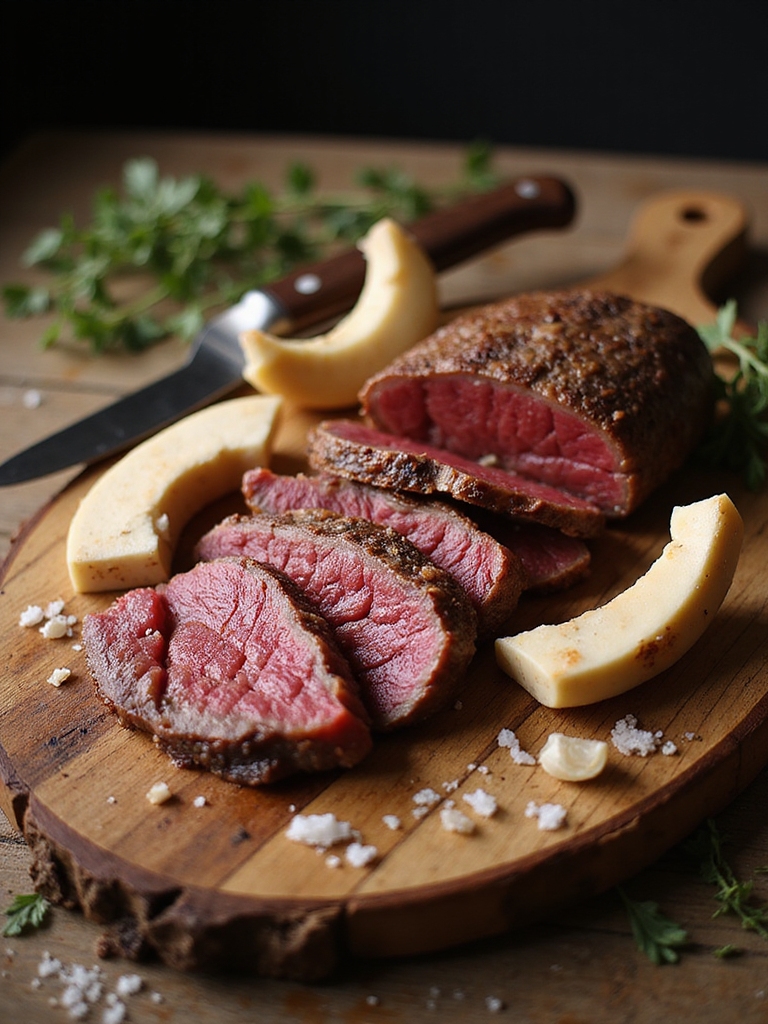
Often overlooked, organ meats pack more nutrition per bite than almost anything else on a carnivore plate, and you’ll want to get comfortable with them fast.
You’ll get vitamins, iron, and healthy fats in tiny packages that act like nutritional cheat codes. Start simple, chop small, and pair with familiar textures so your brain signs off.
- Rich, deep beef liver seared until just browned
- Silky chicken livers folded into pâté or mixed with ground meat
- Crunchy fried kidneys or heart strips for meaty novelty
Taste adapts. Rotate organs weekly to avoid monotony and maximize nutrients.
Seafood to Include on Carnivore (Why and How Often)
Don’t write off seafood — it packs iodine, omega-3s, vitamin D and other nutrients that meat alone can miss.
Include a mix of nutrient-dense fish and shellfish for variety, aiming for a couple of smaller seafood meals per week or a larger portion once weekly depending on your goals.
You’ll feel better balancing portions (think palm-sized fillets or a cup of mussels/shrimp) so you get benefits without overdoing calories or cost.
Nutrient-Dense Fish
Frequently, adding nutrient-dense fish to your carnivore menu gives you a powerful shortcut to vitamins, minerals, and omega-3s that steak alone doesn’t provide. You’ll want oily, small, and wild options a few times weekly—practical, not precious.
They bolster brain clarity, inflammation control, and micronutrient gaps without demanding culinary theatrics.
Rotate salmon, sardines, and mackerel for variety; keep portions modest if you monitor calories or mercury. Preserve simplicity: pan-sear, broil, or enjoy canned for convenience.
You’re not betraying beef; you’re supplementing it smartly, like hiring a tiny, salty, highly qualified intern.
- Pink salmon fillet sizzling
- Tin of oily sardines
- Shiny mackerel whole
Shellfish Benefits
If you liked how small, oily fish plug nutrient gaps, shellfish are the secret handshake of the sea that get you the rest — zinc, copper, iodine, selenium and a boatload of B12 — with very little fuss.
You’ll find clams, mussels, oysters and scallops punch well above their weight: dense micronutrients, low-ish calories, and protein that’s actually pleasant to eat.
They taste like brine and sunshine, and they patch deficiencies you didn’t know you had.
You’ll feel sharper, recover faster, and get iron without beef fatigue.
Try them simply prepared; your body will thank you, with fewer complaints.
Frequency And Portions
Regularly including seafood on a carnivore plan keeps your micronutrients honest without turning every meal into a science project.
You don’t need daily oceanside feasts; aim for two to four seafood meals weekly, mixing oily fish for DHA with shellfish for zinc and B12.
Portion sizes match hunger: palm-sized fillets (3–5 oz) or a cup of shrimp/clams feel right, more after big workouts.
Rotate choices so your body gets variety, and treat fish like a targeted supplement, not dessert.
- Seared salmon, glossy and slick, for brain fuel
- Quick shrimp skillet, bright and snappy
- Steamed mussels, briny and effortless
Dairy on Carnivore: What to Try (Only If You Tolerate It)
While many people thrive on plain meat and water, dairy sits in a gray area on carnivore — and you should only add it if you tolerate it.
You’ll test gently: start with high-fat, low-lactose options and watch digestion, mood, and skin. If you react, drop it without guilt. If it works, use it for variety and satiety.
| Type | Lactose | Use |
|---|---|---|
| Hard cheese | Low | Flavor, snacks |
| Butter/ghee | Negligible | Cooking, fats |
| Heavy cream | Low-moderate | Coffee, sauces |
Trust your gut; keep it simple and evidence-driven.
Shop Affordably: What to Prioritize
If you want to eat carnivore without breaking the bank, prioritize high‑fat cuts that keep you full and stretch your calories further.
Buy in bulk when you can—freezer space is the diet’s best friend and saves you a bundle per pound.
And don’t skip seasonal organ meats; they’re nutrient powerhouses that’re cheap when they’re in season.
Prioritize High-Fat Cuts
You’ll want to reach for the fatty cuts first — they’re tastier, more satisfying, and they keep your calories up without needing a second plate of side dishes you won’t be eating anyway.
You’ll save money and stay full when you pick ribeyes, pork shoulder, or lamb neck over lean filets.
Fat carries flavor and patience: slow-cooked fat renders into buttery bites, and you won’t miss carbs when your mouth is happily lubricated.
Shop with intent, ask the butcher for marbling, and don’t panic if a cut looks fatty — that’s the point.
- A sizzling ribeye seared to bronze
- Slow-braised pork shoulder falling apart
- Lamb neck melting into rich ribbons
Buy In Bulk
Stock up smart and skip the sticker shock—buying meat in bulk is the cheat code for making the carnivore diet affordable and annoyingly simple.
You’ll save serious cash per pound, reduce weekly shopping stress, and always have a fallback for hangry evenings.
Prioritize sale-friendly staples: ground beef, whole chickens, pork shoulders, and frozen steaks. Portion and freeze in meal-sized packs, label clearly, and rotate stock so nothing surprises you with freezer burn.
Buy from wholesalers, local farms, or co-ops to score better cuts and support sources you trust. Your future self will thank you between bites.
Shop Seasonal Organ Meats
Often overlooked, organ meats are the wallet-friendly secret that keep your carnivore rotation interesting and nutrient-dense — and buying them seasonally makes them even cheaper and fresher.
You’ll shop smarter when you prioritize liver, heart, and kidneys from animals raised locally; they peak after harvests, price-drop, and taste better.
Treat them like bargains, not curiosities: marinate, slice thin, or blend into pâté to hide the ego-bruising texture until you love it.
Remember, freezer space is your friend—stock up when prices fall. Enjoy the thrill of a culinary score that feeds your body deeply.
- Coppery seared liver
- Dense, meaty heart steaks
- Braised, tender kidneys
Simple Carnivore Meal Templates (Breakfast, Lunch, Dinner)
Think of these meal templates as cheat codes for cooking on carnivore: they keep mornings quick, lunches portable, and dinners satisfying without making you overthink ingredients or timing.
For breakfast, fry fatty eggs in butter, add a strip of bacon or seared liver slices if you’re feeling noble.
Lunch says: leftover roast beef rolled around cheese or a tinned fish and mayo tub, eaten on the go.
Dinner is simple—pan-seared steak, roasted bones for marrow, a side of bone broth.
Rotate proteins, keep seasoning minimal, and let simplicity do the heavy lifting so you actually enjoy eating.
How Much to Eat: Portions and Macro Adjustments
Because everyone’s energy needs and appetite differ, you’ll need to tune portions rather than follow a one-size-fits-all rule.
Start with protein-dense meals: aim for a palm-sized steak or a couple of eggs, then adjust based on hunger, performance, and weight goals.
Track simple metrics — energy, sleep, waist change — and tweak calories before blaming the diet.
If you need more fat, add butter or fatty cuts; if you need less, trim or shorten meals.
Think in practical swaps, not math anxiety.
- A ribeye sizzling, fat glistening
- A plate with two thick eggs and bacon
- A gloved hand measuring a cooked chop
Basic Cooking Methods That Make Meat Taste Great
Fire up a hot pan or preheat your grill—cooking great meat isn’t sorcery, it’s timing and a few reliable moves.
Season simply with salt, maybe pepper; let thick cuts rest at room temp before searing to nail crust without overcooking.
Sear, then finish in oven or lower heat for even doneness.
Low-and-slow suits tougher cuts—braise or roast until collagen becomes silk.
Use butter or tallow for flavor, baste for gloss.
Fish and shellfish need brief, high heat.
Rest cooked meat so juices redistribute.
Taste, adjust, and don’t fret—practice makes reliably delicious carnivore meals.
Common Nutrient Gaps on Carnivore and Simple Fixes
Great cooking gets your steaks and chops to their best, but even the tastiest carnivore plates can miss a few nutrients you need to feel great day-to-day.
You’ll likely lack vitamin C, fiber for gut motility, and maybe some potassium or magnesium — not apocalypse, just common shortfalls. Fixes are simple: organ meats, seafood, and strategic salts or supplements.
Rotate liver weekly, add shellfish for iodine and zinc, and use magnesium glycinate if cramps nag.
Imagine this:
- A seared liver slice with a lemon squeeze
- Plump oysters on ice
- A salt shaker and a tiny supplement bottle
Transitioning Plants: How to Phase In or Out Safely
If you’re easing plants back into your plate or quietly phasing them out, do it like you’d introduce a new roommate: slowly, with check-ins and a willingness to adjust.
Start with one vegetable or fruit, monitor digestion, then tweak portions over weeks. Swap meals—one carnivore, one mixed—so you learn patterns without drama.
Keep a log, note energy and sleep, and don’t shame yourself for favorites. If cutting plants, taper portions and reintroduce electrolytes. Small, deliberate steps beat crash changes.
| Week | Focus | Action |
|---|---|---|
| 1-2 | Test | One plant/day |
| 3-4 | Adjust | Modify portions |
Troubleshooting: Cravings, Constipation, and Low Energy
You’ve eased plants in or out and kept notes — now let’s tackle the annoyances that show up next: cravings, constipation, and low energy.
You’ll likely be fine, but when one of these pops up, try simple, practical fixes: increase fatty cuts, hydrate with salts, and gently move your body.
Track patterns so you know if it’s hunger, habit, or electrolytes.
- A sizzling ribeye and butter melting into cracks
- A brisk walk that nudges the gut like a polite elevator
- A hot bone broth cupped between your hands, salty and soothing
Small changes beat dramatic overhauls.
Weekly Shopping List and 5-Day Meal Plan Examples
Because planning removes guesswork and keeps cravings from hijacking your cart, this weekly shopping list and five-day meal plan will give you a lean, simple roadmap for the carnivore week ahead — easy swaps, clear portions, and a few flavor tricks so you don’t feel punished.
You’ll grab grass-fed ground beef, ribeyes, chicken thighs, pork chops, eggs, butter, bone broth, and salmon; add salt, pepper, and optional organ meat.
Day samples: steak + eggs; chicken thighs + marrow; pork chop + fried eggs; salmon + butter; burger patties.
Cook larger batches, repurpose leftovers, and season boldly so monotony quits early.
Think of this diet as a well-tuned old pickup: sturdy ribeye and brisket in the bed, a toolbox of sardines and liver in the glovebox, eggs for quick jump-starts — you’ll get where you’re going if you keep it simple and greasy.
You’ll fumble sometimes, swap parts, and learn the routes; that’s okay. Use the lists, plan your runs, and treat setbacks like flat tires — fixable, mildly annoying, and absolutely survivable.