


You can coax a sensitive gut into calm with meat, marrow, and eggs done the right way — no butter or cream required. I’ll show you gentle, nutrient‑dense animal dishes and easy swaps that keep richness without the dairy, so you can eat simply and feel better fast.
If you’ve been bruised by bloating or brain fog, stick around for practical plans and tolerance tests that won’t overwhelm you.
What This Guide Delivers: Recipes, Swaps, Meal Plans
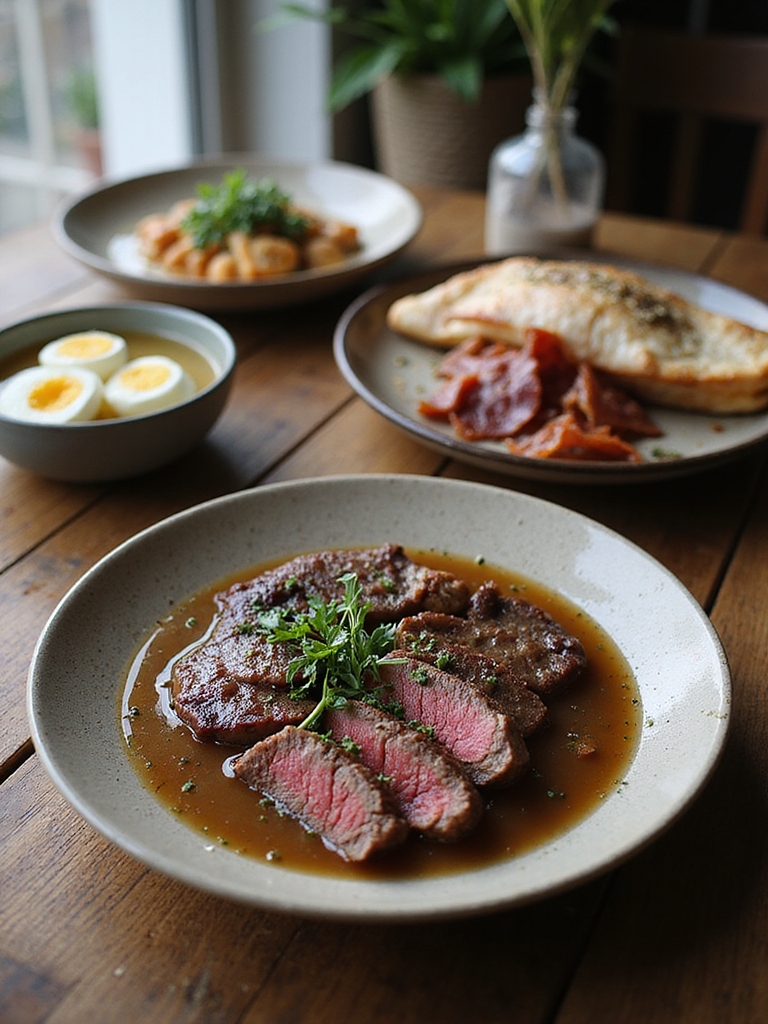
When you open this guide, you’ll find practical, no-nonsense recipes, smart swaps for dairy ingredients, and straightforward meal plans you can actually follow — not week-after-week guesswork.
You’ll get simple breakfasts, satiating mains, and quick snacks that stick to meat-first principles without dairy’s drama.
I’ll show swaps that preserve texture and flavor while keeping ingredients minimal, plus batch-cooking tips so you’re not chained to the stove.
Meal plans map days and portions so you’ll know what to eat and when.
You’ll leave armed with realistic options that respect taste, time, and your stomach’s needs.
This guide also includes foolproof carnivore meals designed for beginners who avoid cooking, so you can start easily and confidently.
Why Dairy-Free Helps Sensitive Stomachs on Carnivore

If your stomach’s been sending you SOS after milk or cheese, cutting dairy on a carnivore plan can calm things down fast. You’ll lower lactose exposure, reduce the casein load your gut has to handle, and simplify the overall digestive workload.
That doesn’t mean flavor goes away—just that your gut gets a break while you keep the meat-focused meals you like.
Research on vegetables and the carnivore diet continues to explore how non-meat foods interact with strict meat-based eating patterns.
Reduced Lactose Exposure
Because many adults lose most of their lactase after childhood, cutting dairy on a carnivore plan often means fewer bloating episodes, less gas, and calmer digestion overall.
You’ll notice meals feel lighter when lactose isn’t lurking in sauces or snacks.
Your body stops sending warning signals and you stop bracing for post-meal discomfort.
Practical swaps keep things tasty without the tummy trouble.
- Choose plain cooked meats over creamy preparations.
- Use animal fats and broths to add richness.
- Test tolerance gradually; some trace lactose hides in processed items.
- Track symptoms to confirm improvements and adjust.
Many carnivore shoppers prioritize buying staples like high-quality meats and broths for flavor and nutrition, including animal fats to replace dairy-based richness.
Lower Casein Load
Cutting lactose often soothes bloating, but cutting casein can quiet a different set of stomach protests. Casein is a persistent protein that lingers in the gut and sometimes triggers inflammation or immune fussiness in people sensitive to dairy.
When you remove casein, you often notice fewer cramps, less reflux, and calmer bowel behavior even if you tolerate lactose fine.
You’ll also avoid hidden casein in processed animal fats and flavorings, so scan labels or stick to plain cuts of meat.
Going dairy-free on carnivore isn’t dramatic — it’s a small, steady step toward gentler digestion. Many beginner women find simpler meal plans help maintain adherence and reduce symptom flares.
Simpler Digestive Workload
When you drop dairy from a carnivore plan, your gut gets a simpler job: fewer proteins and sugars to break down, less enzymatic juggling, and a smaller parade of immune triggers passing through your intestines.
You’ll notice meals feel lighter, digestion runs smoother, and bloating or cramping often eases.
That doesn’t mean digestion’s effortless, but it removes common culprits so your system can focus.
- Reduced enzyme demand — less lactase/peptidase strain.
- Fewer fermentable substrates — less gas and osmotic pull.
- Lower antigen exposure — calmer immune reactions.
- Streamlined nutrient absorption — more predictable digestion.
You may also experience an adjustment period similar to what people report when starting a carnivore diet, including shifts in bowel habits and energy as your microbiome adapts and your body transitions to alternative fuel sources like ketones and fatty acids, see starting a carnivore diet.
Essential Animal-Only Ingredients to Replace Dairy

If you’re swapping out dairy on a carnivore plan, don’t panic—there are simple animal-only ingredients that fill the texture and flavor gaps plenty well.
Use rendered tallow and schmaltz for richness and mouthfeel; they brown beautifully and carry flavor without dairy.
Try collagen or gelatin to thicken sauces and mimic creaminess in savory dishes.
Canned fish and oily cuts lend moisture and umami where butter would’ve gone.
Pork rinds crushed add crispness as a breadcrumb stand-in.
Fresh bone broth adds silkiness and depth.
A few pantry basics from a simple carnivore grocery list, like organ meats and quality fats, make stocking an easy kitchen setup pantry staples and keep meals varied without dairy.
Dairy-Free Carnivore Breakfasts (Eggs, Organ Meats, Bone Broth)

Start your morning with gentle egg preparations—soft-scrambled or slow-poached—to keep textures easy on your digestion while still packing protein.
Add a spoonful of finely chopped organ meat or a few slices of liver for nutrient density without overwhelm.
Sip rich, homemade bone broth alongside for warmth and gut-healing minerals that set the tone for the day.
Many people beginning a carnivore approach often start with familiar meats like beef and pork to ease the transition to an animal-foods-only regimen and focus on starter foods that are widely recommended.
Gentle Egg Preparations
You’ll often find that gentle egg preparations—soft-scrambled, coddled, or slow-poached—make the kindest breakfast companions on a dairy-free carnivore plan, especially when you want something soothing after a heavy organ-meat night or a restorative bone-broth sip.
You’ll get protein without agitation, and eggs temper strong flavors while staying simple. Try small tweaks to find your comfort zone.
- Soft-scrambled with a pinch of sea salt, cooked low and slow.
- Coddled eggs in a jar, steamed gently to custardy texture.
- Slow-poached eggs in barely simmering water, yolks runny.
- Gentle omelet folded thin, minimal browning.
Soft, nutrient-dense carnivore breakfasts can be truly irresistible when you focus on texture and simplicity, drawing on classics like Irresistible Carnivore Breakfasts to build satisfying meals.
Healing Bone Broth Benefits
Sipping bone broth in the morning feels like giving your gut a gentle handshake—warm, reassuring, and quietly effective—especially on a dairy-free carnivore plan where simplicity matters.
You’ll find collagen and gelatin soothe inflamed lining, ease digestion, and support joint recovery without dairy’s drama.
It’s hydrating, mineral-rich, and easy on sensitive stomachs, so you can skip heavy fats until you’re ready.
Make it long-simmered, skimmed, and lightly salted; sip slowly.
Use marrow bones for richness or knuckle bones for gelatin.
Keep portions modest and consistent—small daily bowls add cumulative calm and predictable comfort.
Dairy-Free Carnivore Lunches (Steak Bowls, Tinned Fish Plates)
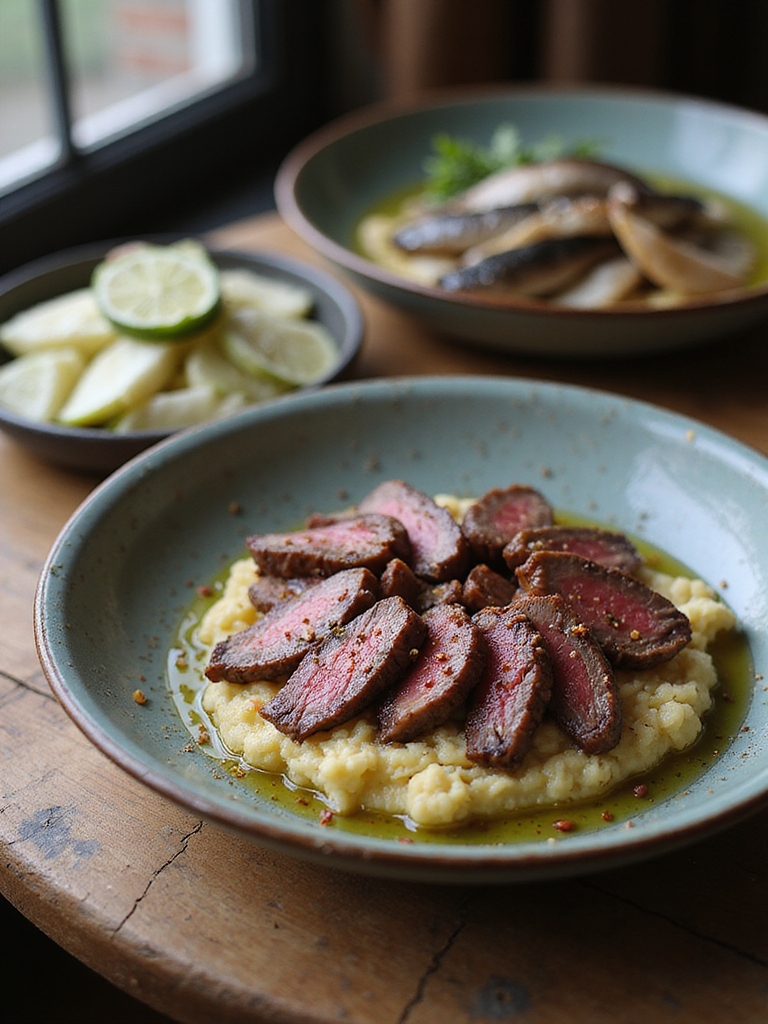
Build a satisfying midday meal around hearty animal proteins—think seared steak bowls and well-seasoned tinned fish plates—that keep things simple, flavorful, and completely dairy-free.
You’ll focus on tender steak slices or oily fish, a drizzle of good fat, and crisp pickles for contrast. Keep spices minimal if your stomach’s sensitive, and test sardines, mackerel, or tuna in olive oil to see what agrees.
Packable, quick, and forgiving, these lunches let you eat boldly without dairy drama.
- Seared flank steak with rendered beef tallow
- Sardine plate with lemon and capers
- Canned mackerel salad, mayo-free
- Leftover steak slices, warm or cold
Comfort Dinners for Sensitive Stomachs (Slow-Cooked Cuts, Roast Poultry)
When your stomach’s feeling sensitive, you want meals that melt instead of fight back, and gentle slow-cooked cuts do exactly that.
You’ll learn simple braising and low-and-slow tricks that break down collagen into silky, easy-to-digest bites.
For roast poultry, I’ll show how modest temps and resting time keep meat tender without upsetting your gut.
Gentle Slow-Cooked Cuts
If your stomach protests rich meals, you can still enjoy deeply comforting, dairy-free carnivore dinners by choosing slow, low-and-slow cuts and gentle roast poultry that break down into tender, easy-to-digest bites.
You’ll favor connective-tissue-rich cuts that gelatinize, cooking them long and low until they practically apologize for being so soft.
Season simply—salt, a bay leaf, maybe a whisper of garlic—so flavors support digestion.
You’ll skim fat if needed and serve small portions to avoid overload.
Try these approachable options:
- Beef chuck braise
- Pork shoulder confit
- Lamb neck stew
- Oxtail pot roast
Roast Poultry Techniques
Roast poultry can feel like a gentle, reliable friend when your stomach’s on edge—you’ll want techniques that keep meat moist, skin restrained, and spices minimal so every bite goes down easy.
You’ll truss lightly, tuck wings, and roast at moderate heat so juices stay put. Pat skin dry, but skip heavy rubs—salt, a little pepper, maybe a bay leaf in the cavity.
Baste once or twice with pan juices, not butter. Rest the bird well before carving so flavors settle and acids don’t flare.
Serve modest portions; let tenderness, not heat or spice, comfort you.
Simple Dairy-Free Snacks and Travel Options
Often you’ll want snacks that’re portable, require no refrigeration, and won’t trigger cravings—so pack simple, protein-forward choices like pork rinds, jerky (look for no-sugar, no-spice varieties), hard-boiled eggs, and canned fish in olive oil; they travel well, keep you satisfied, and stay totally dairy-free.
You’ll also want easy combos and emergency options that don’t fuss with prep or stomach upset.
- Packed pork rinds (single-serve)
- Beef jerky strips, plain
- Hard-boiled eggs, peeled
- Canned sardines or tuna, single-serve
Keep portions sensible, trash minimal, and choices predictable.
Bone Broth & Collagen as Dairy Replacements for Calories and Electrolytes
Those grab-and-go snacks are great when you’re out and about, but when you need a warm, hydrating option that replaces dairy calories and boosts electrolytes, bone broth and collagen step up.
You’ll sip savory, mineral-rich broth that soothes sensitive stomachs, replenishes sodium and potassium, and delivers gentle protein without lactose.
Collagen powder mixes into warm broth or coffee to add calories and support gut lining, joints, and skin.
Keep homemade batches with marrow and vinegar for depth, or choose clean store versions.
Rotate flavors, drink slowly, and treat broth as a steady, comforting staple rather than a novelty.
Herbs, Spices, and Animal Fats for Flavor Without Dairy
You can coax gentle herbal notes—think parsley, thyme, and mild oregano—into meat dishes without overpowering the animal flavors.
Match those herbs with animal fats like tallow, duck fat, or schmaltz to carry and deepen the taste.
Let the fat do the heavy lifting and the herbs whisper the rest.
Gentle Herb Choices
Frequent small additions of fresh herbs and a slick of rendered animal fat can turn plain meat into something you actually look forward to eating.
You’ll want gentle, low-odour herbs that won’t rile a sensitive stomach but will lift flavor. Use tiny amounts, taste as you go, and trust subtlety.
Here are four easy choices to try:
- Fresh parsley — bright, calming, and very digestive-friendly.
- Chives — onion-like top notes without the harshness.
- Dill — soft lemony hints that pair well with fish and pork.
- Marjoram — warm, mild, and less pungent than oregano.
Animal Fat Pairings
Think of animal fats as your flavor vehicle—use them to carry herbs and spices where dairy used to, and they’ll bloom without overpowering the dish.
You’ll render beef tallow or lamb fat gently, then stir in rosemary, thyme, or a hint of sage for earthy lift.
Pork lard loves garlic and fennel; duck fat embraces citrus zest and cracked pepper. Heat fat slowly to coax aroma, not burn it.
Use small amounts of concentrated flavors—anchovy, smoked paprika, or mustard seed—to deepen taste. Taste as you go; subtlety wins with sensitive stomachs and keeps meals comforting.
Cooking Tricks to Reduce Bloating and Improve Digestibility
Although meat-based meals are naturally simpler than mixed diets, small cooking tweaks can make them much easier on your gut and cut bloating fast.
You’ll coax softness and break down connective tissue so digestion’s gentler: slow-braise tougher cuts, trim excess fat that sits heavy, and rest meats after cooking so juices redistribute.
You can also pre-sear to reduce surface fats and burn-off irritants. Try quick ferment-ish marinades (salt, acid from citrus sparingly) to tenderize briefly.
Here are practical steps:
- Slow-braise tougher cuts low and long.
- Trim visible fat before cooking.
- Rest meats 10 minutes after cooking.
- Quickly sear, then finish gently.
Meal Templates and Portion Guides for Sensitive Stomachs (Example Days)
When your stomach’s on edge, simple, predictable meal templates take the guesswork out of eating and help you avoid triggers — so you’ll feel safer and more in control.
Start with easy breakfasts: soft-boiled eggs and thinly sliced roast beef, or bone broth with poached chicken.
Lunches can be grilled salmon with a mild fat like tallow, or ground lamb patties, modest portions.
Dinner: slow-cooked brisket or shredded pork shoulder, keep servings consistent.
Snack small: a few slices of turkey or a warm cup of broth.
Track portions (protein 3–4 oz, fat 1–2 tbsp) and repeat routines daily.
Assessing Dairy Sensitivity Safely: A Step-by-Step Plan
You’ve built predictable, gentle meal routines — now let’s figure out whether dairy belongs in them.
Start by eliminating all dairy for two weeks to establish a symptom baseline and journal meals, sleep, and digestion. When stable, proceed slowly and mindfully.
- Pick a single dairy item (butter or ghee are exceptions) and note portion.
- Eat it once mid-day and avoid other new foods for 48 hours.
- Track immediate and delayed symptoms for three days.
- If symptoms appear, stop and return to baseline; if none, you’ve likely tolerated that product.
Trust patterns, not panic; repeat cautiously.
How to Reintroduce Low-Lactose Dairy and Interpret Reactions
Starting slowly will give you the clearest answers: pick one low-lactose item (yogurt, aged cheddar, or lactose-free milk) and try a small measured serving mid-day after a few symptom-free days, then keep everything else the same for 48–72 hours.
Note time of ingestion, portion size, and any mild shifts — bloating, stool changes, fatigue, or skin twinges.
If nothing appears, try a slightly larger portion once more, same tracking.
If symptoms arise, stop and wait until they resolve, then reassess later or consult a clinician.
Use this curious, methodical approach to learn your true tolerance.
Supplements & Simple Labs to Check Nutrient Gaps on Dairy-Free Carnivore
Once you’ve finished your careful low-lactose trials and learned what your gut tolerates, it’s smart to look at where dairy-free carnivore eating might leave gaps and how to check them.
You’ll want a few targeted labs and sensible supplements, not a pharmacy’s worth.
Consider baseline tests, then add supplements if levels are low. Be pragmatic: prioritize nutrients commonly lower without dairy or plant variety.
- Vitamin D — 25(OH)D level; supplement if <30 ng/mL.
- B12 — serum B12 or methylmalonic acid.
- Iron — ferritin and CBC.
- Zinc — plasma zinc or dietary assessment.
Discuss dosing with your clinician.
Troubleshooting: Constipation, Low Energy, Cravings, and Fixes
If you hit constipation, low energy, or intense cravings on a dairy‑free carnivore plan, don’t assume it’s permanent — most issues are fixable with a few targeted tweaks. Tweak salt, hydrate, add collagen or gelatin, and try sardines or organ meat for micronutrients.
Move more, sleep better, and stagger meals if blood sugar dips. If cravings persist, increase fat at meals briefly.
| Problem | Quick Fix |
|---|---|
| Constipation | More water, bone broth, magnesium citrate |
| Low energy | Salt, organ meats, check B12/iron |
| Cravings | Add fat, rule out boredom |
You’ve got a practical, gentle plan you can actually live with — not a fad that makes your stomach revolt.
Stick with slow‑cooked meats, poached eggs, bone broth and rendered fats, add a little liver or sardines for oomph, and test reintroductions slowly while tracking symptoms.
You’ll likely feel steadier, with fewer surprises. If problems persist, get simple labs and tweak meals — you’re steering this ship, and it’s going to be smoother than silk.