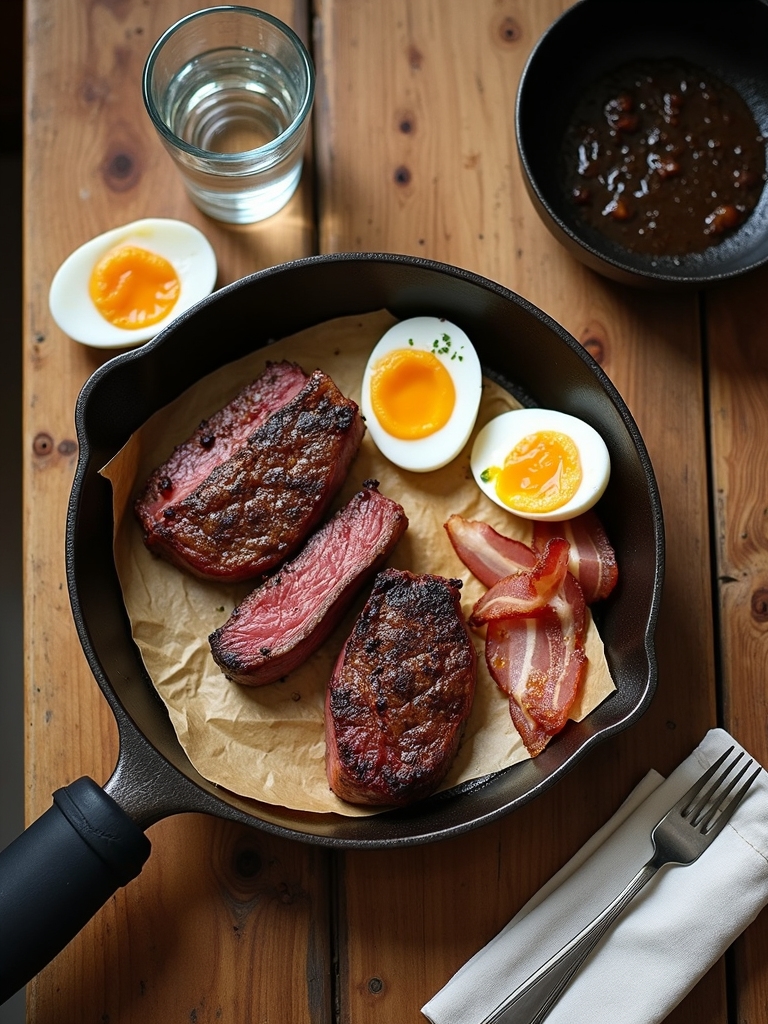
You don’t have to live on dry jerky and lettuce to do carnivore on the go. With a bit of planning you can grab savory, high‑fat bites that feel indulgent — pork rinds, tallow bombs, canned fish, hard salami and cheese — and actually enjoy them.
I’ll show simple swaps, smart storage tricks, and flavor hacks that keep variety high and fuss low so your snacks stop feeling like punishment and start feeling like freedom.
Quick Answer: Best Carnivore Snacks for On-the-Go
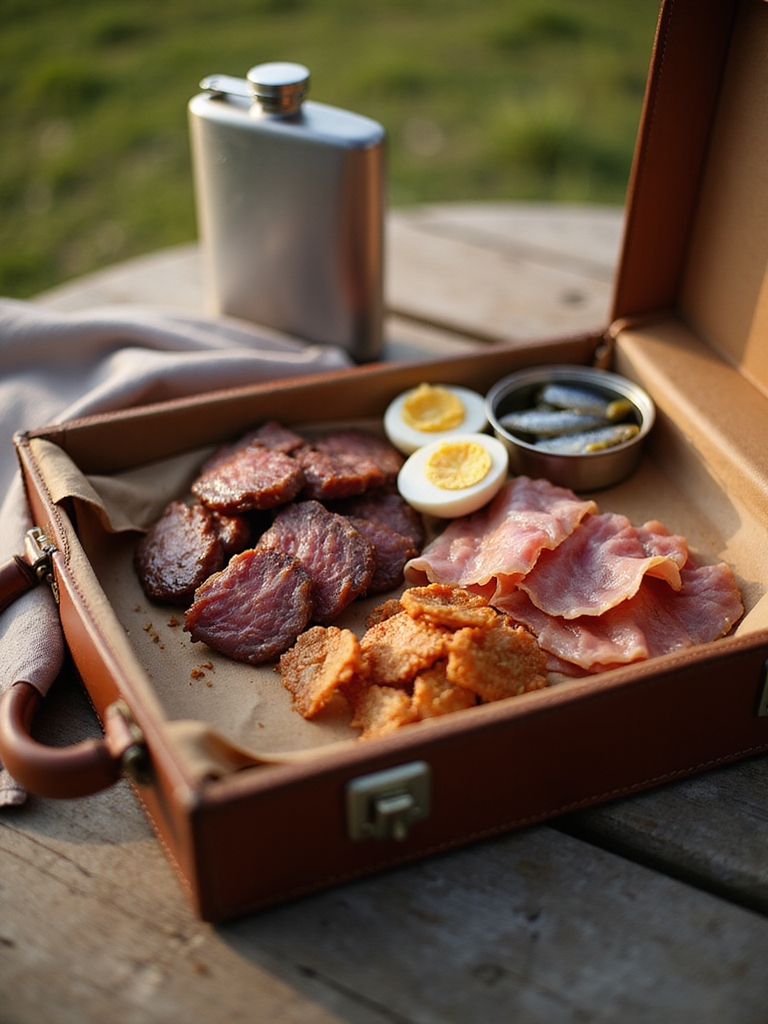
Got a minute? You’ll want portable, no-fuss protein: beef jerky (watch sugar), pork rinds, hard sausages, and canned fish.
Pick fatty cuts so you’re not starving an hour later.
Cheese cubes or slices work if you tolerate dairy; look for minimal additives.
Bone broth in a thermos soothes and counts.
Cold leftover steak or shredded chicken is surprisingly satisfying.
Keep portioned packets of tallow or ghee to add calories and flavor.
Aim for convenience, real meat ingredients, and easy storage.
These choices keep you full, flexible, and cheating-feeling far from your snack bag.
Also, think about practical everyday options like pre-cooked packaged meats for on-the-go convenience.
How to Pick Portable Zero‑Carb Carnivore Snacks
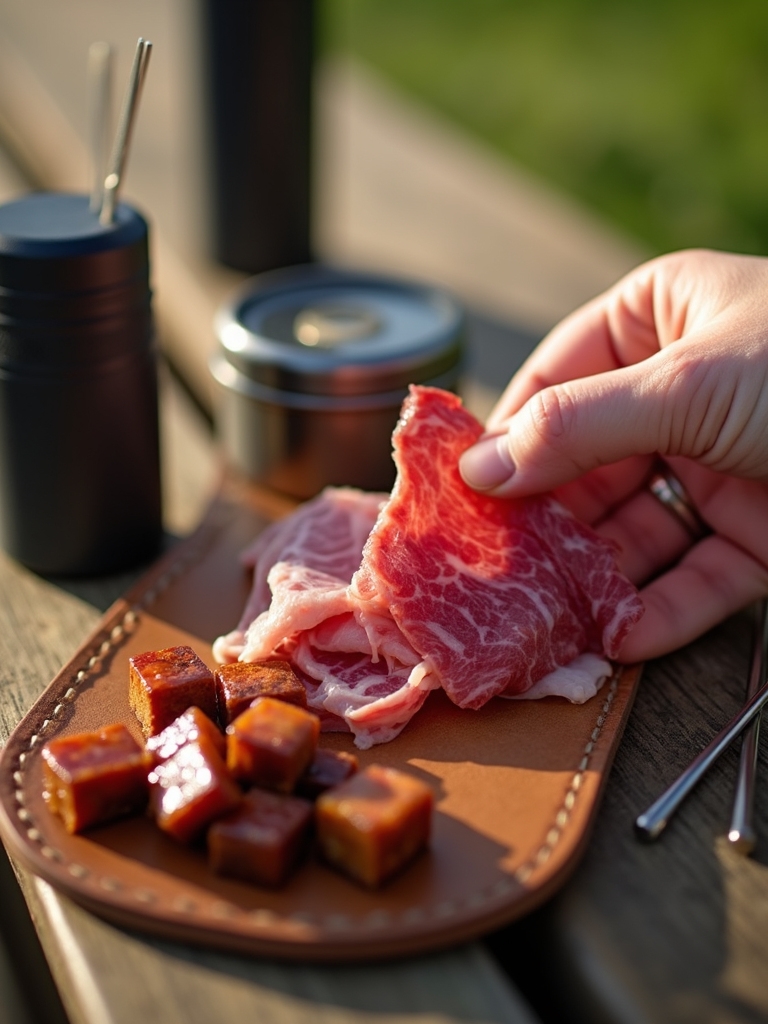
You want snacks that actually fill you up, so pick options with high protein density like cured meats, jerky, or concentrated tinned fish.
Think shelf‑stable prep methods — drying, curing, and canning keep things zero‑carb and travel-friendly without refrigeration.
Keep it simple: more protein per bite, less fuss on the road.
Try to include shelf-stable varieties like cured meats when planning longer trips.
Protein Density Matters
Think about how much protein you’re actually getting per bite when you’re choosing a portable zero‑carb snack—because not all meaty options are created equal.
You want density: more grams of protein, less filler like fat or water that leaves you hungry sooner. Pick lean jerky, canned fish packed in oil sparingly, or thin-sliced roast beef over puffy processed sticks that promise “meat” but deliver air.
Check labels for protein per serving and compare serving size honestly.
High protein density keeps cravings down, energy steady, and makes snacking efficient — which, let’s face it, is the whole point.
Consider also choosing snacks based on protein density to maximize satiety and portability.
Shelf‑Stable Preparation Methods
Start by eyeballing how each snack was put together, because shelf‑stable doesn’t mean indestructible or nutritious—it’s just about preservation.
Check for rendered fat, salt, and minimal additives; long‑cooked jerky or confit keeps protein and fat without carbs, while cured products with sugars don’t.
Prefer single‑ingredient tins or vacuum‑sealed slices.
Think texture: crisp pork rind stays stable, pâté in a sealed jar travels better than a soft tub.
Avoid emulsions that separate in heat.
You want predictable taste, safe storage, and simple labels—so you won’t end up trading convenience for mystery ingredients.
Use quick, practical options from the Quick Carnivore Snacks for Long Days list like tins, rinds, and jerky to stay fueled on busy schedules with minimal fuss and predictable macros portable snacks.
Spot Hidden Carbs and Additives in Convenience Snacks
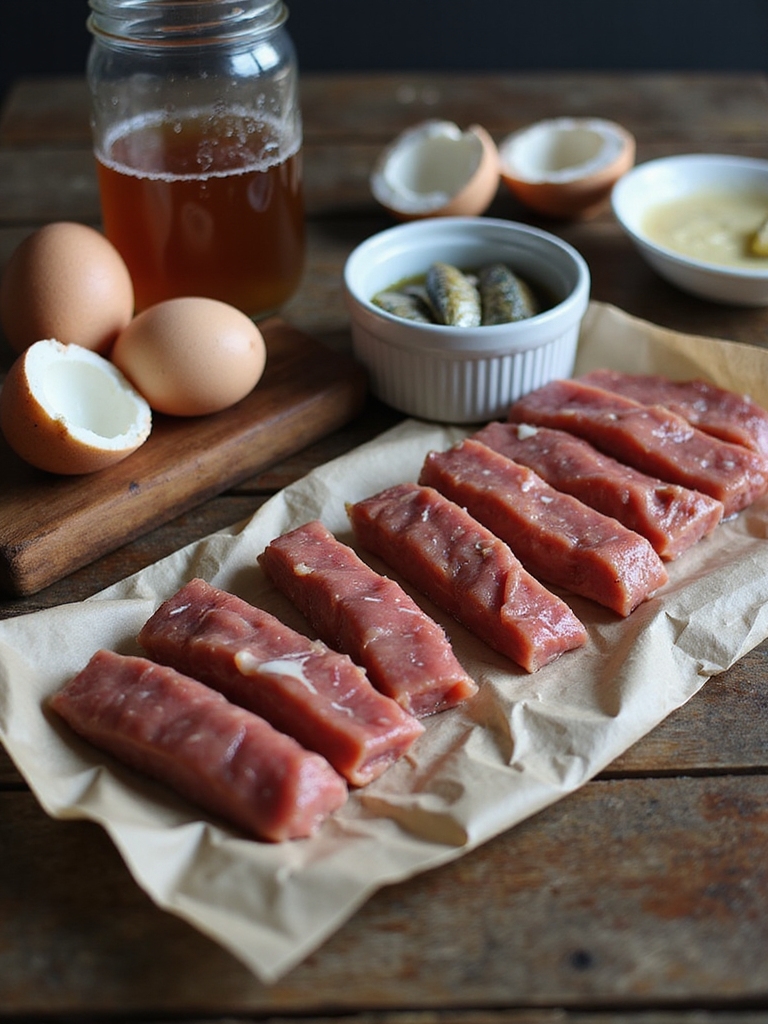
When you grab a packaged snack, don’t trust the picture—read the label like you mean it. Look for sneaky carbs and fillers (dried sugar, starches, or mystery “seasonings”) hiding in the ingredient list.
If the bag lists anything you can’t pronounce, it probably isn’t pure meat. Carnivore-friendly choices often come from a flexible food list that allows some minimally processed animal products.
Read Labels Carefully
Because convenience foods often hide carbs and junk in sneaky places, you’ve got to read labels like a detective. Scan ingredients top to bottom: if you see sugar, maltodextrin, dextrose, starches, or vegetable oil blends, put it back.
Check carb counts per serving and be realistic about portion sizes—packages lie by serving. Look for single-ingredient animal items or short, familiar lists.
Watch sodium and preservatives if you’re sensitive, but don’t freak over trace ingredients. Your eyes beat marketing claims; “keto” or “high-protein” can be misleading. Read, compare, and choose the cleanest option you can carry.
Consider stocking a few reliable shopping staples from a carnivore basics list to make on-the-go choices easier.
Watch For Hidden Fillers
If you eat convenience snacks, assume someone snuck carbs and weird additives into them and make a habit of checking — you’re more likely to dodge hidden fillers that masquerade as “meaty” or “protein-packed.”
Scan ingredient lists for things that don’t belong on a carnivore plate: powdered cellulose, soy protein isolate, dextrins, starches, maltodextrin, and vegetable oil blends are red flags; ingredients like smoke flavor, natural flavors, or “seasoning” can hide sugar or starch, so don’t let vague terms lull you.
Trust short lists with real meat, salt, and maybe pepper. When in doubt, skip it. Follow clear carnivore diet guidelines and prefer whole-animal options when possible consistency rules.
Carnivore-Friendly Ready-to-Eat Meats (Jerky, Biltong, Deli)
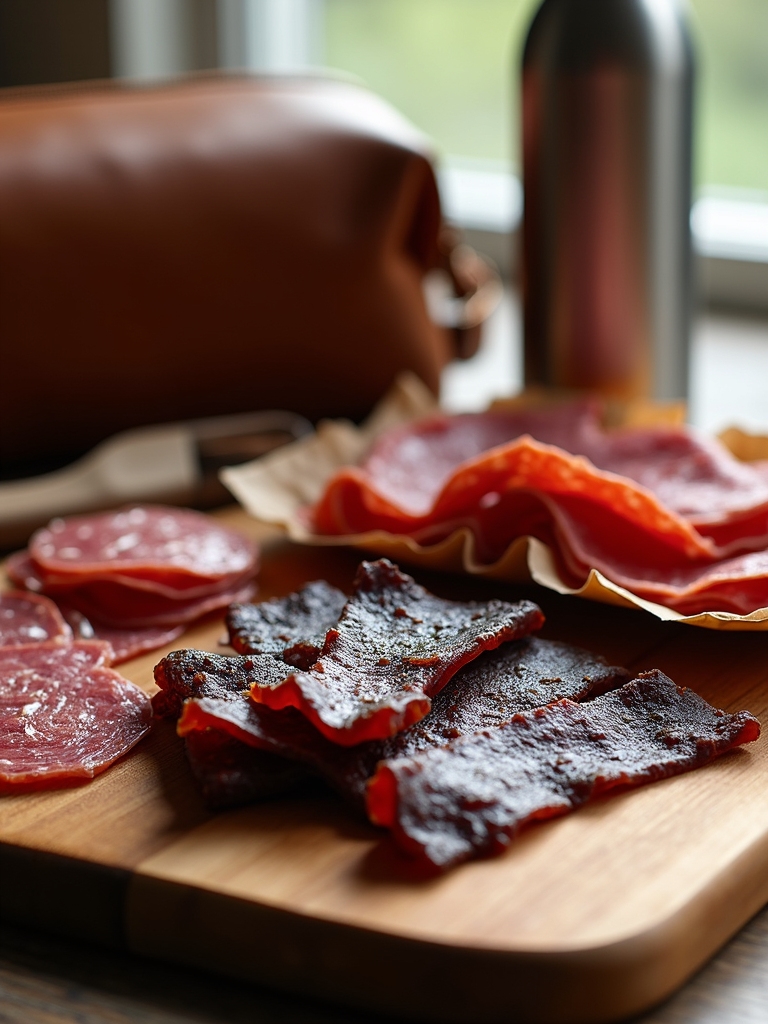
You’ll often rely on ready-to-eat meats when hunger hits and you don’t want to cook—jerky, biltong, and good deli slices are the quick, no-fuss backbone of a carnivore snack stash.
You’ll want pure meat, minimal sugar, and readable ingredients. Pick wind-dried biltong for tender flavor, jerky for chew and portability, deli for speedy bites. Rotate types so you don’t get bored and check sodium if you’re sensitive.
| Type | Best use |
|---|---|
| Jerky | Long trips, quick protein |
| Biltong | Flavor variety, slower chew |
| Deli slices | Sandwich-free convenience |
Budget carnivore cooks often turn to simple ground beef meals for variety and cost savings, so keep some easy ground beef meals in mind for quick, satisfying eats.
Shelf-Stable Carnivore Snack Options to Buy
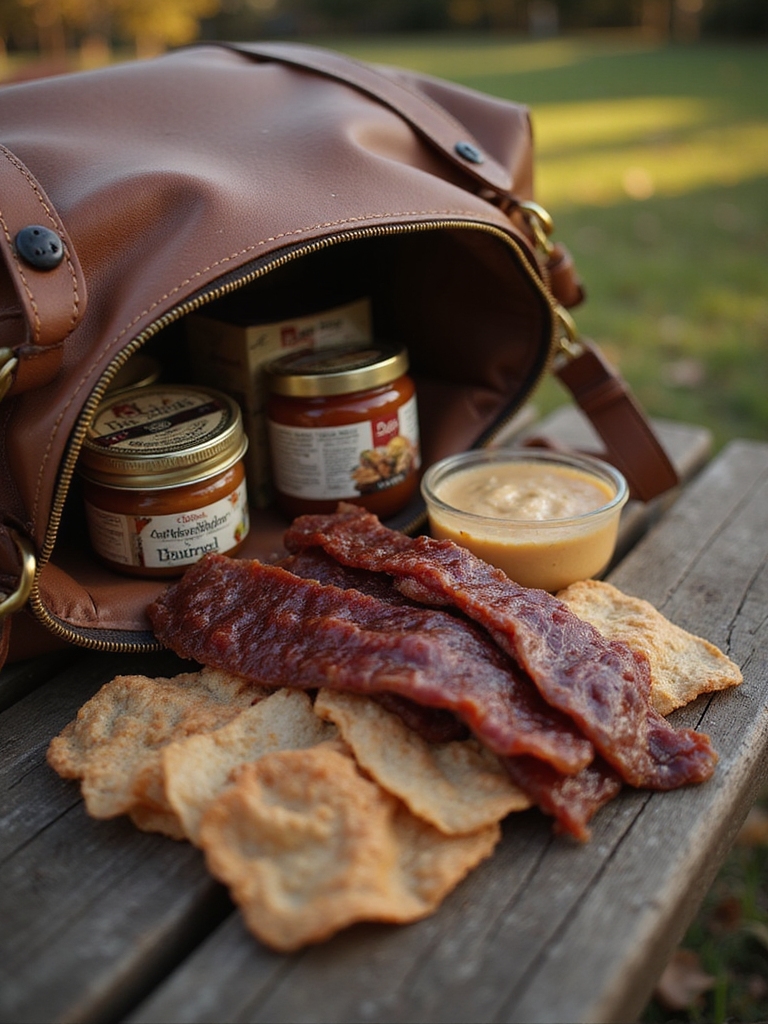
Ready-to-eat meats are great, but sometimes you want snacks that sit in the pantry for weeks without refrigeration. Reach for canned fish—sardines, salmon, tuna—packed in oil or water; they’re nutrient-dense, portable, and zero fuss.
Shelf-stable pâtés and rillettes travel well and feel fancy when you want it. Pork rinds give crunchy satisfaction and pure fat-protein fuel.
Freeze-dried meat bites and meat bars are lightweight emergency snacks that won’t melt in summer. Bone broth powder mixes hydrate and soothe on the road.
Check ingredients, avoid hidden carbs, and rotate stock so nothing gets stale or regrettable.
Refrigerated Carnivore Snacks That Travel Well
If you need cold snacks on the go, portable cold cuts are your easiest win — roll them, stack them, and they stay tasty in a cooler.
Pair them with hard cheese packs for a little fat and flavor that won’t melt into a mess. You’ll keep things simple, satisfying, and perfectly travel-ready.
Portable Cold Cuts
Reach for a stack of refrigerated cold cuts when you want something fast, familiar, and totally carnivore-friendly on the go.
Keep slices of roast beef, turkey, or pastrami folded in wax paper or in a small airtight container — they stay tidy and don’t flop all over your bag.
Choose minimally processed options with few additives; read labels like a detective.
Bring a little squeeze of mustard or mayo if you like, but the meat stands on its own.
Snack straight from the container, pair with hard-boiled eggs, and move through your day satisfied and unbothered.
Hard Cheese Packs
Cold cuts are great, but when you want something a little sturdier that won’t wrinkle, we reach for hard cheese packs — they travel well, keep their shape, and won’t make a mess in your bag.
You can toss individually wrapped wedges or pre-sliced blocks into an insulated lunchbox with an ice pack, and they stay snack-ready for hours. Pick aged cheddar, parmesan bites, or Manchego for punchy flavor and low lactose.
They pair with crisp pork rinds or a slice of salami if you’re feeling fancy. Easy, satisfying, and zero crumbs to shame you on the subway.
Easy Homemade Carnivore Snacks: Fat Bombs & Meat Sticks
Crank up the grill or grab your mixing bowl — making carnivore snacks at home is simpler than you’ve probably convinced yourself it is.
You’ll love fat bombs for quick energy and meat sticks for portable protein.
Keep flavors straightforward: salt, rendered fat, maybe a whisper of dried liver if you like.
- Mix tallow, cream cheese, and salt; chill into bite‑size fat bombs.
- Season ground beef or pork, form into sticks, slow‑cook or smoke.
- Slice leftover roast into jerky‑like strips for instant grab‑and‑go.
You’ll save money, control ingredients, and feel smugly prepared.
Batch-Friendly Minimal‑Prep Recipes for Weekly Prep
You’ll love recipes that you can crank out on Sunday and forget about until snack time all week. Focus on meal‑prep friendly options—think large batches of seasoned pork rinds, baked bone marrow cups, or oven‑roasted salami chips—that hold up in the fridge.
They save time, cut decision fatigue, and actually taste better after a day or two.
Meal-Prep Friendly Recipes
Make a batch, stash it in the fridge, and relax — meal-prep on a carnivore plan is more about smart shortcuts than sacrifice.
You’ll save time and stay on track when you make simple, repeatable recipes that taste good cold or reheat fast. Think roasted pork shoulder, seared steak slices, and hard-boiled eggs as building blocks.
- Roast pork shoulder: low effort, shred for snacks.
- Steak slices: quick sear, slice thin for grab-and-go.
- Hard-boiled eggs: portable protein, no fuss.
Rotate flavors with salt, butter, and rendered fat so variety won’t feel like work.
Long-Lasting Snack Options
If batch-cooked mains are your fridge’s backbone, long-lasting snacks are the convenient limbs that keep you moving between meals—no reheating, minimal fuss, big payoff.
You’ll batch-make beef jerky, pork rinds, and slow-baked bone marrow tallow cups that solidify into grab-and-go fat bombs.
Cook a sheet of seasoned meat crisps, portion into zip bags, and stash in the pantry.
Hard-boiled eggs and cold smoked salmon keep well in the fridge for days.
Rotate flavors—smoky, spicy, herbed—to avoid boredom.
Label dates, freeze extras, and you’ll have reliable, zero-waste snacks that actually feel satisfying.
High-Fat vs High-Protein Carnivore Snacks: When to Choose
When you’re choosing between high-fat and high-protein carnivore snacks, think about what you need right now: steady energy and satiety, or muscle repair and quick recovery.
You’ll want fat when you need lasting calm—think pork rinds with schmaltz vibes or a slice of fatty salami. Reach for protein when you’ve trained hard or face an intense afternoon.
Quick rules to follow:
- Choose high-fat for long meetings, travel, or to curb cravings.
- Choose high-protein after workouts or before activity that needs strength.
- Mix modestly if you want both without feeling stuffed.
Trust your appetite; it usually knows.
Packing for Commutes and Flights (Temps, Containers)
Packing carnivore snacks for commutes and flights means thinking like a tiny, hungry survivalist: keep things cool, compact, and leak-proof so you’re not that person wrestling with a soggy cooler at TSA.
Choose insulated lunch bags or small soft coolers with a reusable ice pack — they’re slim, flexible, and tuck under a seat. Use airtight containers for jerky, pork rinds, or tinned fish to prevent odors and spills.
For short trips, vacuum-sealed portions or thick silicone bags work great. Label anything perishable with a time; you’ll stay fed, discreet, and unbothered on the move.
Storage & Food-Safety Rules for Meat-Based Snacks
Because meat spoils faster than most snacks, you’ve got to treat storage and handling like a small, serious operation: keep things cold, dry, and clearly separated. You’ll avoid tummy trouble and judgmental looks by following simple, sensible rules.
- Chill: use insulated bags, ice packs, or a cooler; keep perishable bites under 40°F.
- Separate: store raw and ready-to-eat meats apart; use sealed containers to stop cross-contamination.
- Time: eat refrigerated snacks within 2 days, or within 4 hours if unrefrigerated at room temp.
Label, clean surfaces, wash hands — basic habits that keep your snacks safe and your day easy.
Flavor Boosters That Stay Carnivore-Friendly
If you want snacks that actually taste like something without leaving the carnivore lane, reach for simple, animal-based flavor boosters you can trust.
Sprinkle grated Parmesan or aged cheddar on cold slices of roast beef for instant umami; dab pork rinds with bone marrow or a smear of pâté for richness.
Use anchovy paste sparingly on tuna bites for savory depth.
Chill hard-boiled egg yolks with a pinch of smoked salt for a portable punch.
These keep ingredients minimal, prep fast, and let meat stay the star.
You’ll snack like a grown-up, not a condiment junkie.
Kid-Friendly Carnivore Bites for School and Outings
Often parents scramble for lunches that won’t revolt in the school cafeteria, so keep kid-friendly carnivore bites simple, portable, and familiar.
You want snacks that survive backpacks, picky palates, and inspections, so pack protein kids recognize and will eat without drama.
Try these easy options:
- Mini meatball skewers — stickable, handheld, no utensils.
- Sliced deli roast beef rolls — roll cheese inside for extra appeal.
- Hard-boiled eggs with a tiny salt packet — classic, tidy, and filling.
Rotate textures and flavors, label clearly, and expect one or two rejections.
You’ll win more lunches than you lose.
Budget-Friendly Carnivore Snacks That Don’t Feel Boring
On a tight grocery budget you can still eat like the main character of a meat-lover’s story — just pick smart cuts, stretch them, and add simple tricks to keep snacks interesting.
Shop sale ground beef, chicken thighs, and pork shoulder; turn them into seasoned meatballs, patties, or shredded packs you portion and freeze.
Use bone broth for quick egg scrambles or to flavor warmed morsels. Hard cheeses, tinned sardines, and pork rinds add variety without cost drama.
Rotate spices, sear for crust, and pack dips like mayo or mustard. You’ll save cash and skip snack boredom.
Troubleshooting: Spoilage, Sogginess, and Hunger Crashes
When you’re lugging tubs of cooked meat and jars of mayo around, you’ll run into three predictable annoyances: spoilage, sogginess, and hunger crashes — and knowing which is which saves you time, money, and dignity.
You can prevent all three with small habits and better gear.
- Rotate and label: eat oldest first, use insulated bags and ice packs to stop spoilage.
- Pack textures separately: crunchy jerky and creamy egg salad join at snack-time, not in transit, to avoid sogginess.
- Prioritize fat and protein: add tinned fish or pork rinds for satiety so you dodge midafternoon crashes.
You’ve got this—snacking carnivore-style doesn’t mean eating like a monk. Keep a rotation of jerky, pork rinds, tinned fish, hard cheeses and boiled eggs, batch‑prep meat sticks or tallow bites, and stash flavor boosts (salt, smoked paprika) for variety.
Read labels like a detective to dodge hidden carbs, pack insulated for perishables, and keep portions fun for kids and cheap for your wallet. Treat snacks like trusty sidekicks: small, loyal, and always ready.