


Funny coincidence: you’ve probably met someone who swears by bacon for breakfast and another who treats keto like gospel, and here you are wondering if you can have both.
You’ll find carnivore keto pares everything down to animal foods and fat-first meals so ketosis becomes simpler, but it also asks more of your electrolytes, planning, and common sense. Keep going if you want practical tradeoffs and quick rules to try or skip.
What Is Carnivore Keto?

Think of carnivore keto as keto with its sleeves rolled up: you cut carbs to nearly zero and limit your food to animal products only.
You’ll focus on meat, fish, eggs, and selective dairy, aiming to keep carbs negligible so your body leans into fat and ketones for fuel.
You’ll skip plants, snacks, and sauces that sneak in carbs, simplifying choices and planning. It’s about satiety, fewer ingredients, and a metabolic shift rather than culinary deprivation.
You’ll notice sharper food rules and fewer decisions — which many find liberating — but it’s still a deliberate, strict eating pattern you follow.
This approach highlights where keto and carnivore overlap in prioritizing very low carbohydrate intake and animal-based foods.
Who May Benefit : And Who Should Avoid It

Now that you know the basics of carnivore keto, let’s talk about who it actually helps—and who should steer clear.
If you’re seeking weight loss, simpler meal decisions, or relief from certain autoimmune or digestive issues, it might suit you—especially if you respond well to higher protein and fat and tolerate little to no plant fiber.
But if you have kidney disease, type 1 diabetes, a history of disordered eating, or need nutrient variety for growth, pregnancy, or athletic performance, avoid it.
Always check with your clinician; personalized context matters more than trendy rules or internet zealotry.
Many beginner women find practical benefits from a focused plan that includes guidance on meal composition and micronutrient needs, such as protein-focused planning.
How Carnivore And Keto Combine In Practice

When you put carnivore and keto together, you end up with a diet that doubles down on animal foods while keeping carbs so low your body stays in ketosis — which shifts fuel use toward fat and ketones instead of glucose.
You’ll eat steak, eggs, and fatty fish, prioritize satiety, and simplify choices. Hunger cues often normalize, and cooking becomes glorified meat prep.
Expect fewer snacks and more solid meals. Here’s a quick snapshot:
| Focus | Example |
|---|---|
| Protein & Fat | Ribeye, salmon, butter |
| Minimal Plants | No salads, occasional spice |
| Practical Tip | Hydrate, salt, track changes |
Effective carnivore-friendly options include nutrient-dense animal foods like organ meats and fatty cuts to support satiety and nutrient intake.
Target Carbs And Macros
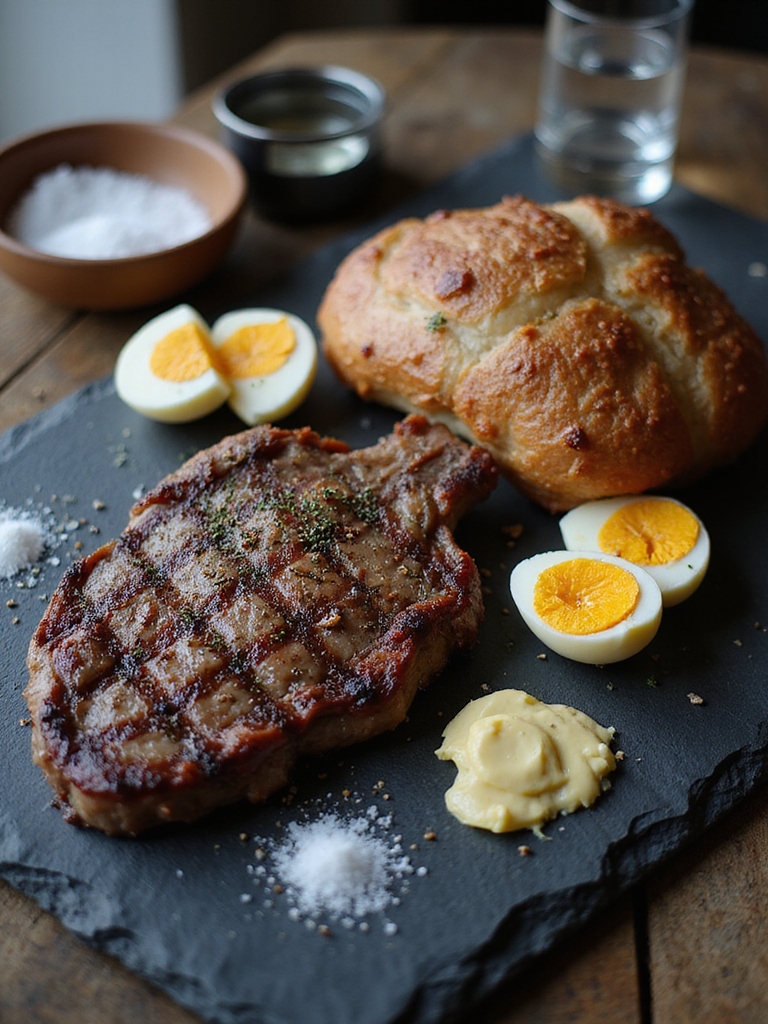
Because carbs determine whether you stay in ketosis, you’ll keep them extremely low — typically under 20–30 grams a day — and focus the rest of your calories on protein and fat.
Aim for moderate protein to preserve muscle: roughly 0.6–1.0 grams per pound of lean body mass, depending on activity.
Let fat fill the gap to meet your energy needs and keep you satisfied. Track carbs from hidden sources like dairy or seasonings.
If weight loss stalls, shave fat slightly or modestly reduce protein. Test ketones, listen to hunger cues, and tweak macros until you feel sharp and steady.
Choose from Keto Carnivore approved foods to simplify meal planning and stay within your macros.
Best Animal Foods For Nutrients
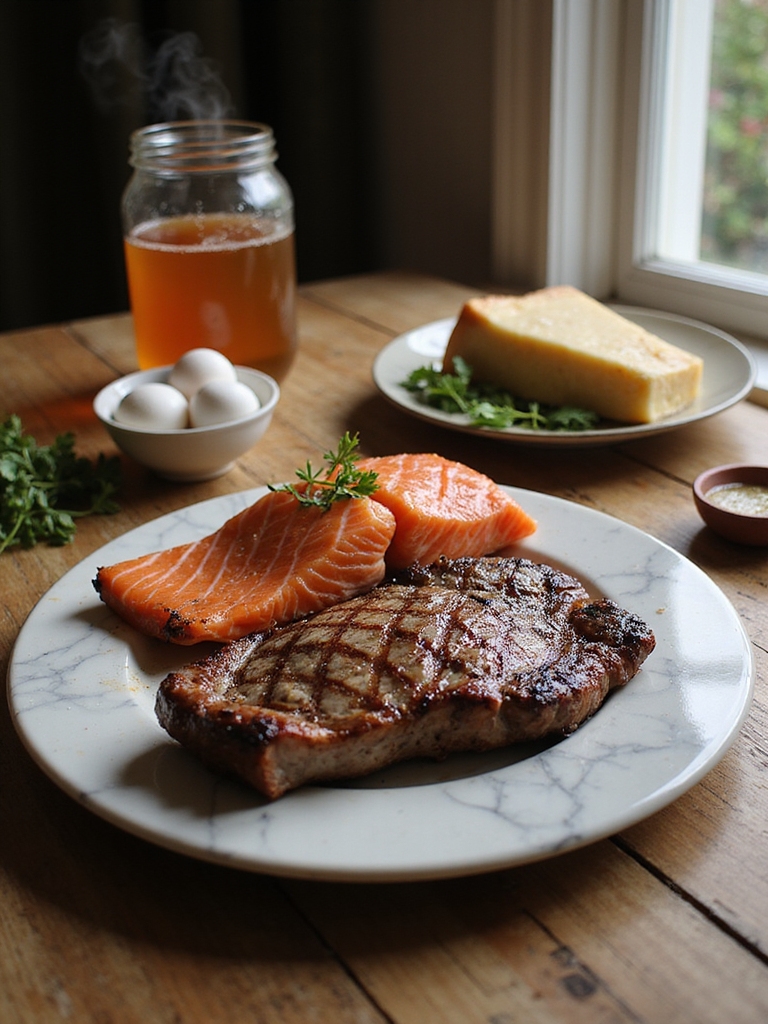
When you’re stocking your carnivore keto plate, don’t sleep on organ meats — they’re tiny nutrient powerhouses packed with vitamins and iron.
Add fatty fish for anti-inflammatory omega‑3s and bone broth for easily absorbed minerals and collagen.
Together they cover the micronutrient gaps that plain muscle meat can miss.
Essential staples like eggs, butter, and well-sourced ruminant cuts provide calorie and fat density for sustained energy and satiety, so prioritize nutrient-dense staples when planning meals.
Organ Meats For Micronutrients
Think of organ meats as your nutrient powerhouses—small in volume but packing vitamins and minerals you won’t easily get from muscle cuts alone.
You’ll love liver for iron, B12 and folate that support energy and cognition, and heart for coenzyme Q10 and connective tissue nutrients that help performance.
Kidneys bring selenium and unique antioxidants.
Use them sparingly, mix with ground beef, or start with pâté if texture scares you — flavor adapts fast, taste buds follow.
- Liver: dense B vitamins and bioavailable iron
- Heart: muscle-building amino acids and CoQ10
- Kidneys: selenium and antioxidant support
Animal Based Carnivore Diet Food List Options Explained is a helpful guide to specific food choices and preparation tips, including best practices for sourcing organ meats and incorporating them into meals.
Fatty Fish For Omega‑3s
After you’ve got organ meats on the roster for vitamins and minerals, don’t forget fatty fish — they bring the omega‑3s your brain, heart, and inflammation response love.
Think salmon, mackerel, sardines: oily, flavorful, and nutrient-dense. You’ll get EPA and DHA that support cognition, mood, and cardiovascular health while keeping carbs out of the picture.
Canned options are convenient for busy days; fresh or grilled fish feels celebratory. Rotate species to avoid contaminants and maximize variety.
Pair with a sprinkle of salt or a squeeze of lemon if you like brightness. Fatty fish make the carnivore keto plate smarter and kinder.
Try restaurant-style shrimp recipes for a celebratory seafood option and to expand your menu with shrimp dishes that still fit the carnivore approach.
Bone Broth For Minerals
Usually, you’ll reach for bone broth when you want big mineral bang with almost no fuss: simmered bones release calcium, magnesium, phosphorus, collagen, and trace minerals into a savory, sip-able base that supports joints, digestion, and electrolyte balance on a carnivore keto plan.
You’ll love how it makes meals richer and keeps you hydrated without carbs. Make batches, freeze portions, and use broth as a cooking liquid or a restorative drink after workouts or fasting.
It’s economical, nourishing, and oddly comforting — like a hug in a mug that’s also smart nutrition.
- Beef marrow bones: deep flavor, lots of collagen
- Chicken carcasses: light, versatile mineral mix
- Fish heads: iodine and trace elements
You can also experiment with richer, meat-forward additions to create satisfying soup variations that fit the carnivore approach.
Setting Protein And Fat For Satiety & Ketosis
When you balance protein and fat the right way, you’ll stay full longer and keep your body in ketosis without feeling like you’re starving yourself; it’s a practical mix of appetite control and metabolic strategy.
Aim for enough protein to preserve muscle—think moderate, not excessive—and let fat supply most calories so ketones stay steady.
If you feel ravenous, nudge up fat before piling on protein; if you’re tired or losing strength, raise protein slightly.
Track how you feel and adjust.
Use fatty cuts, eggs, and organ meats for satisfaction and nutrients.
Trust your appetite as a useful feedback tool.
Sample 7‑Day Carnivore Keto Meal Plan
Plunge into this 7‑day carnivore keto meal plan designed to keep you satisfied, in ketosis, and sane—think simple rotations of fatty cuts, eggs, and organ meats with easy swaps day-to-day so you won’t feel trapped by monotony.
You’ll eat boldly, aim for fatty steaks, pork belly, and egg breakfasts, and fold liver or heart into a couple meals for nutrients without drama.
Portions adjust by hunger; electrolytes and fat help you cruise through.
Here’s a playful week skeleton to riff on:
- Ribeye breakfast or dinner; scrambled eggs and tallow morning
- Pork belly lunch; pan‑fried liver evening
- Ground beef bowls with bone broth and optional egg
Simple Shopping List And Meal Prep Tips
You’ve got your week of steaks, pork belly, and liver planned—now make the week painless by shopping and prepping smart. Buy bulk, favor fatty cuts, grab marrow and tins of sardines.
Cook big batches, portion by weight, and label containers so you don’t guess at dinnertime. Rotate reheated roasts and fresh-seared steaks to keep things interesting.
| Meat | Quantity |
|---|---|
| Ribeye | 4 steaks |
| Pork belly | 2–3 lbs |
| Ground beef | 3 lbs |
| Liver | 1 lb |
Use a thermometer, keep tongs handy, and stash freezer-ready meals for busy days.
Supplements And Tests To Monitor Nutrient Gaps
You’ll want a few key blood tests to keep tabs on things like B12, iron, vitamin D, and lipid markers so you’re not guessing.
If gaps show up, practical supplements—think electrolytes, magnesium, and a quality B-complex or vitamin D—can plug them without overcomplicating your plate.
Keep an eye on sodium, potassium, and magnesium levels and adjust intake or supplements accordingly to avoid fatigue, cramps, or brain fog.
Essential Blood Tests
Even if you’re feeling great on carnivore keto, don’t skip testing—blood work catches sneaky gaps and confirms what your body actually needs.
You’ll want baseline labs, periodic checks, and honest conversations with your clinician so tweaks are evidence-based, not guesswork. Know what to watch and why.
- Complete metabolic panel, lipids, and fasting glucose — basic health and organ function.
- CBC, ferritin, and iron studies — prevent hidden anemia or overload.
- Vitamin D, B12, and magnesium — common status markers on restrictive diets.
Use results to guide food shifts and targeted supplementation, not panic.
Recommended Supplements
Now that you’ve got a testing plan to spot gaps, let’s talk about what to add when labs show them — and what many people add proactively.
If your B12 or iron is low, supplement with methylcobalamin or targeted iron under doc guidance.
Vitamin D is common; take D3 with periodic 25(OH)D checks.
Omega-3s (EPA/DHA) balance heavy red-meat intake and support inflammation control.
Consider magnesium for sleep and muscle function, and a low-dose multivitamin if you avoid organ meats.
Get periodic labs to confirm corrections.
Don’t guess blindly — supplement to fill measured, not imagined, holes.
Monitoring Electrolyte Levels
While tracking macros matters, electrolyte monitoring matters more when you’re on a carnivore keto plan, so make it part of your routine: sodium, potassium, magnesium, and calcium each influence energy, cramps, sleep, and heart rhythm, and deficits show up as fatigue, palpitations, or stubborn muscle tightness.
You can prevent surprises by testing and supplementing smartly. Get baseline blood work, recheck after dietary shifts, and listen to symptoms.
Use targeted supplements, salty broths, and mineral-rich animal foods to rebalance. Be cautious with dosages and consult a clinician if you have health conditions.
- Serum electrolyte panel and CMP
- Magnesium RBC or serum
- Urine potassium spot test
How To Transition Safely From A Mixed Diet
Before you overhaul your plate, take a breath and plan a phased switch so your body—and your tastebuds—aren’t shocked.
Start by swapping one carb meal a day for animal-focused dishes, then increase protein-and-fat meals over two to four weeks. Keep familiar flavors: use butter, herbs, and broths to ease the shift. Track portions and hungry cues so you don’t overcompensate.
Shop with a short list: quality meat, eggs, fish, and a few dairy options if you tolerate them.
Learn simple recipes and batch-cook.
Check in with your healthcare provider, especially if you have chronic conditions.
Common Side Effects And Quick Fixes
You might hit the keto flu in the first week—headache, fatigue, and brain fog—but a few simple tweaks will usually get you back on your feet fast.
Boost your sodium, drink more water, and consider broth or electrolytes to quiet those symptoms.
If constipation shows up, add magnesium, hydrate, and try small amounts of low-fiber animal fats or a gentle stool softener to keep things moving.
Keto Flu Remedies
Expect a few bumps as your body switches fuels — the keto flu can hit you with headaches, fatigue, brain fog, and muscle cramps — but most symptoms are short-lived and very manageable.
You’ll feel off for a few days; here’s how to speed recovery without drama. Prioritize salt and fluids, nap when you need, and eat enough fat for steady energy. Simple tweaks help you stay on track without surrendering to cravings.
- Drink salty broth or add extra salt to meals for electrolytes.
- Rest, light movement, and naps ease brain fog.
- Increase dietary fat to curb headaches and fatigue.
Constipation And Relief
After handling the keto flu’s electrolyte and energy tweaks, you might notice your stools have gone on strike — constipation is a common side effect as your body adjusts to higher fat and lower fiber.
Don’t panic. Increase water and sodium, sip bone broth, and add magnesium citrate at night to soften things up. Try gentle movement: walking or yoga stimulates bowels.
If you tolerate it, sprinkle psyllium or finely ground chia for bulk, or enjoy a few bites of low-carb fermented vegetables to nudge your microbiome.
If constipation persists beyond a week, consult your clinician — don’t suffer in silence.
Tracking Progress: Biomarkers, Weight, Mood, Digestion
When you track progress on a carnivore keto plan, think of biomarkers, weight, mood, and digestion as a quartet that tells the real story — not just the scale or a single blood test.
You’ll want simple, regular checks and honest notes about how you feel. Celebrate small wins, tweak food or electrolytes, and don’t obsess over daily swings.
- Biomarkers: check lipids, glucose, ketones, and electrolytes periodically.
- Weight: trend over weeks, not day-to-day; focus on body composition if possible.
- Mood & digestion: journal energy, sleep, cravings, stool form, and bloating.
Cost, Convenience, And Long‑Term Sustainability
Keeping an eye on biomarkers, weight, mood, and digestion gives you the data to tweak your plan — but you’ll also want to reckon with cost, convenience, and whether you can actually keep this up long term.
You’ll find quality meats cost more, but simple meals cut prep time and mental load. Batch-cook, buy bulk, and learn inexpensive cuts to balance your budget.
Eating primarily animal foods suits busy schedules but can feel socially isolating; plan restaurants or bring portable options.
Ask whether this pattern fits your life, goals, and relationships — sustainability isn’t just calories, it’s livability.
When To Stop Or Modify The Plan
If you start feeling persistently tired, foggy, constipated, or just not yourself, it’s a clear cue to reassess the carnivore keto approach.
Stop or change course immediately if a healthcare provider flags medical contraindications like kidney issues, uncontrolled lipid problems, or nutrient deficiencies.
And remember: if your life or goals shift—training for a marathon, pregnancy, or social needs—it’s totally fine to modify the plan to fit where you are.
Signs You’re Not Thriving
Although many people feel great on a carnivore keto plan, you shouldn’t ignore clear red flags that mean it’s time to pause or tweak things. If you’re constantly exhausted, losing strength, or your mood tanks, those aren’t temporary bumps — they’re signals.
Pay attention to digestion that worsens, persistent headaches, or sleep that collapses. Track symptoms for a week before changing anything drastic.
- Sudden, unexplained energy crashes or weakness
- New or worsening digestive pain, constipation, or diarrhea
- Persistent low mood, brain fog, or insomnia
Listen to your body; adjust portions, food variety, or seek guidance.
Medical Contraindications Arise
You’ve learned to notice when the plan isn’t working for you; now let’s talk about when it’s actually unsafe to keep going.
If you have kidney disease, uncontrolled diabetes, heart rhythm issues, or are pregnant, this plan can create serious risks.
Stop or modify immediately if you get severe dizziness, fainting, chest pain, breathlessness, or sudden swelling—don’t debate it. If medications change (especially blood pressure or insulin), work with your clinician before tweaking intake.
Acute gout flares, marked electrolyte disturbances, or new neurological symptoms also warrant pause. Your safety comes first; get medical guidance and document changes.
Lifestyle or Goal Changes
When your priorities shift—whether you’re training for a marathon, trying to get pregnant, or simply craving more variety— it’s smart to rethink a strict carnivore keto approach rather than stubbornly sticking to it.
You’ll want flexibility when goals demand carbs, phytonutrients, or social ease. Listen to your body, consult pros, and adjust before frustration or setbacks sneak in.
Consider phased adjustments that preserve benefits without extremes.
- Add targeted carbs around workouts or cycles.
- Reintroduce colorful plants to support fertility, hormones, or recovery.
- Shift to a balanced low-carb plan for long-term sustainability.
Quick Decision Checklist: Is Carnivore Keto Right For You?
Before you plunge in, ask yourself a few simple questions to see if carnivore keto actually fits your life and goals: do you tolerate red meat well, can you handle strict meal monotony, are you prepared to track electrolytes and watch for short-term side effects, and do you have medical support if you’re on medications or have chronic conditions?
If you answer mostly yes, you’ll likely adapt faster and enjoy clearer results.
If not, consider tweaks: cyclical carnivore, targeted carb windows, or consulting a dietitian.
Be realistic about social life, cooking energy, cost, and long-term sustainability before committing.
If you’re curious, carnivore keto can be a clear, simple way to chase ketosis and cut carbs — but it’s not a one‑size‑fits‑all magic fix.
You might worry about missing nutrients; include organ meats, salt, and supplements and check labs with your clinician, and you’ll cover most bases.
Try a short, monitored trial to see how you feel: you’ll get real data, not promises, and decide whether this bold approach fits your life.


