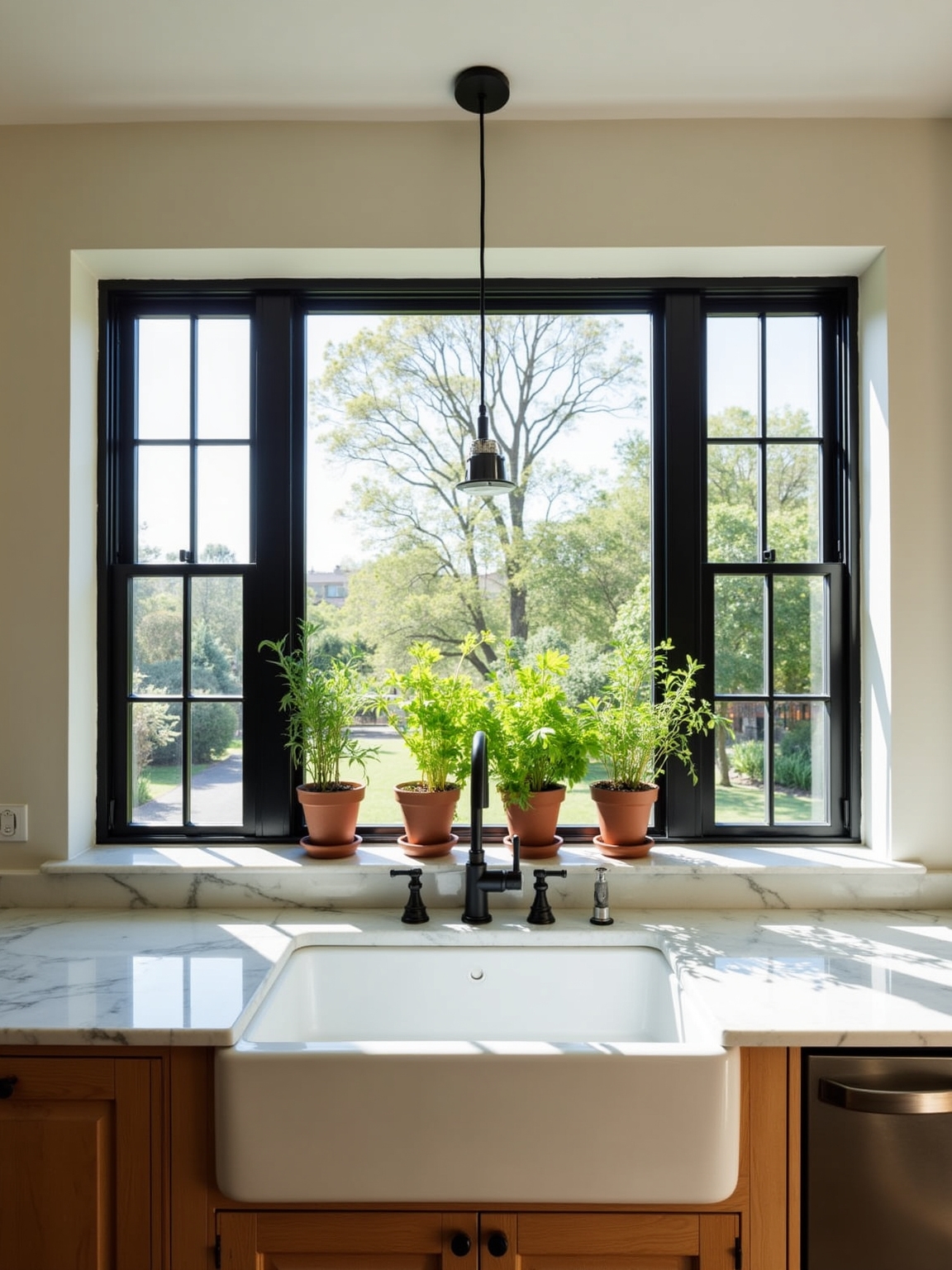

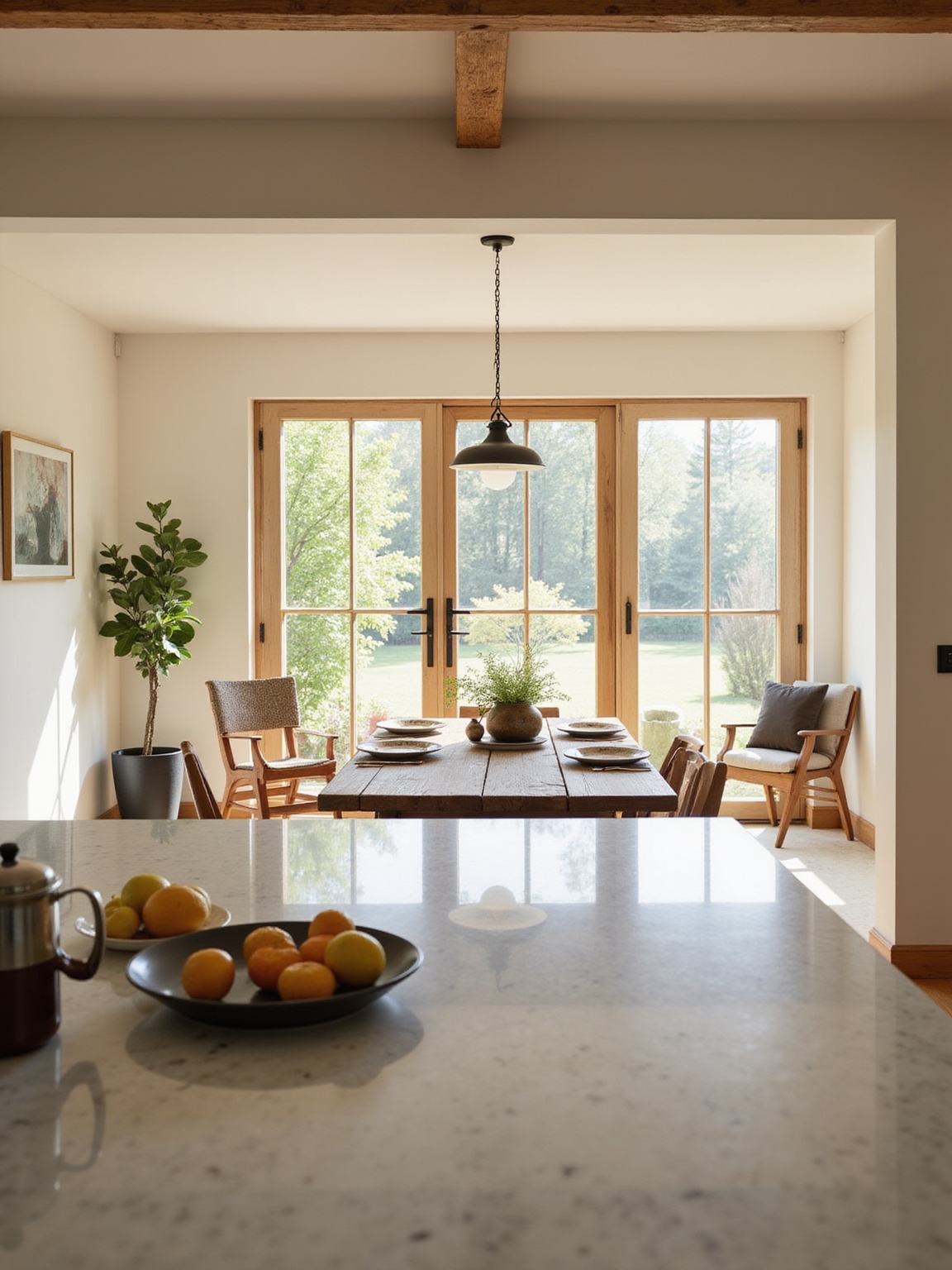
I’ve found that a few thoughtful shifts — landing stations, a short plate‑prep zone halfway between stove and table, and clear three‑foot lanes — cut kitchen‑to‑table steps in half and keep meals effortless.
I aim for warm lighting over the table, a slim mobile island for staging, and hidden drawers for linens so clutter stays out of sight. Make serving a clockwise loop and position the table to shorten the route, and you’ll see immediate gains as you explore more ideas.
Quick Checklist to Evaluate Your Kitchen–Dining Flow
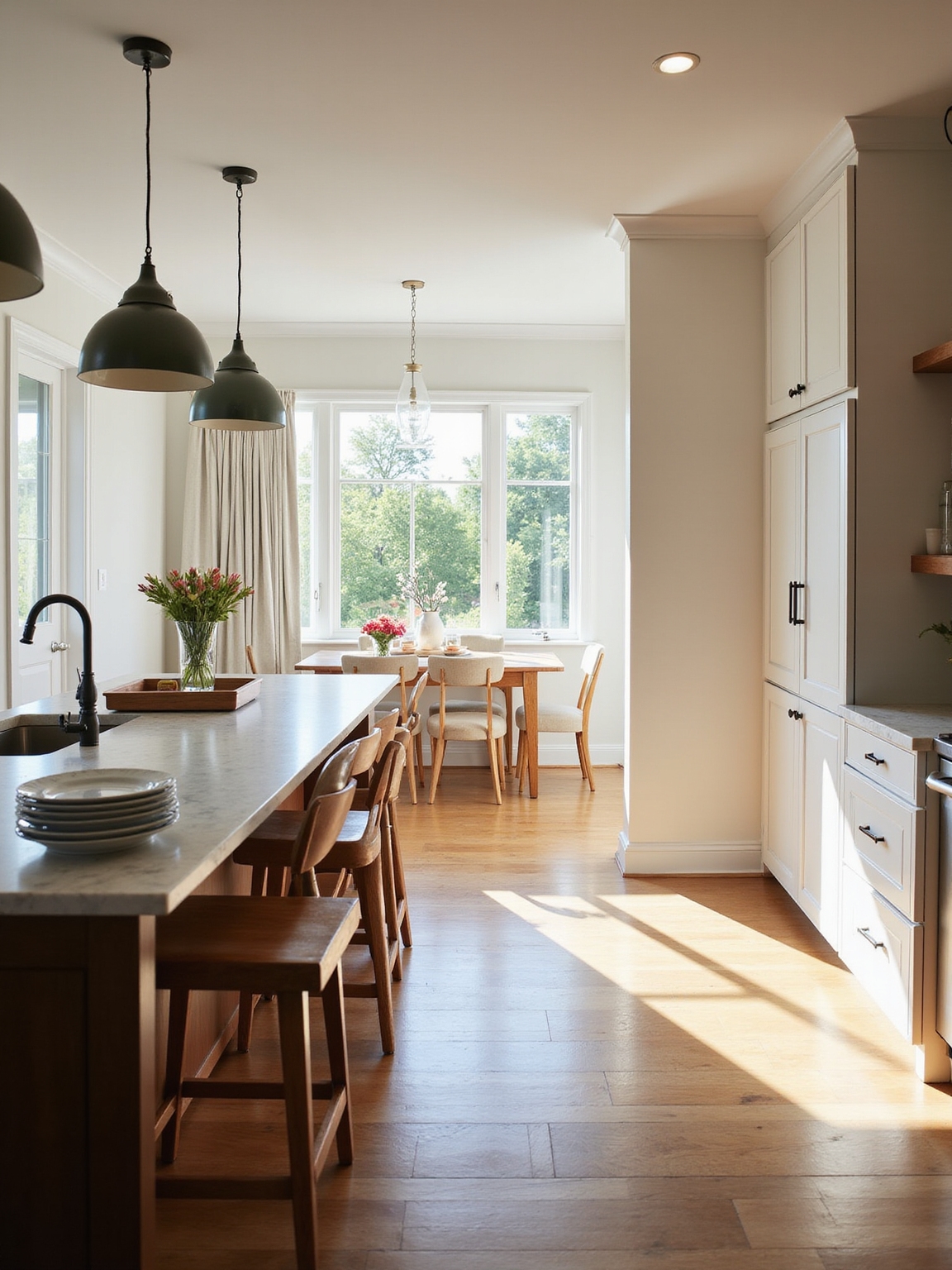
If you want to know whether your kitchen and dining areas really work together, start with a quick checklist I use to spot the big issues fast.
I note paths between stove, sink, and table, clearance for chairs, lighting zones, and where dishes land.
I listen for bottlenecks during prep, check storage placement, and make certain serving feels natural, not forced.
Architects also look for work triangle efficiency to maximize movement and minimize steps.
Top 3 Changes to Reduce Steps Now
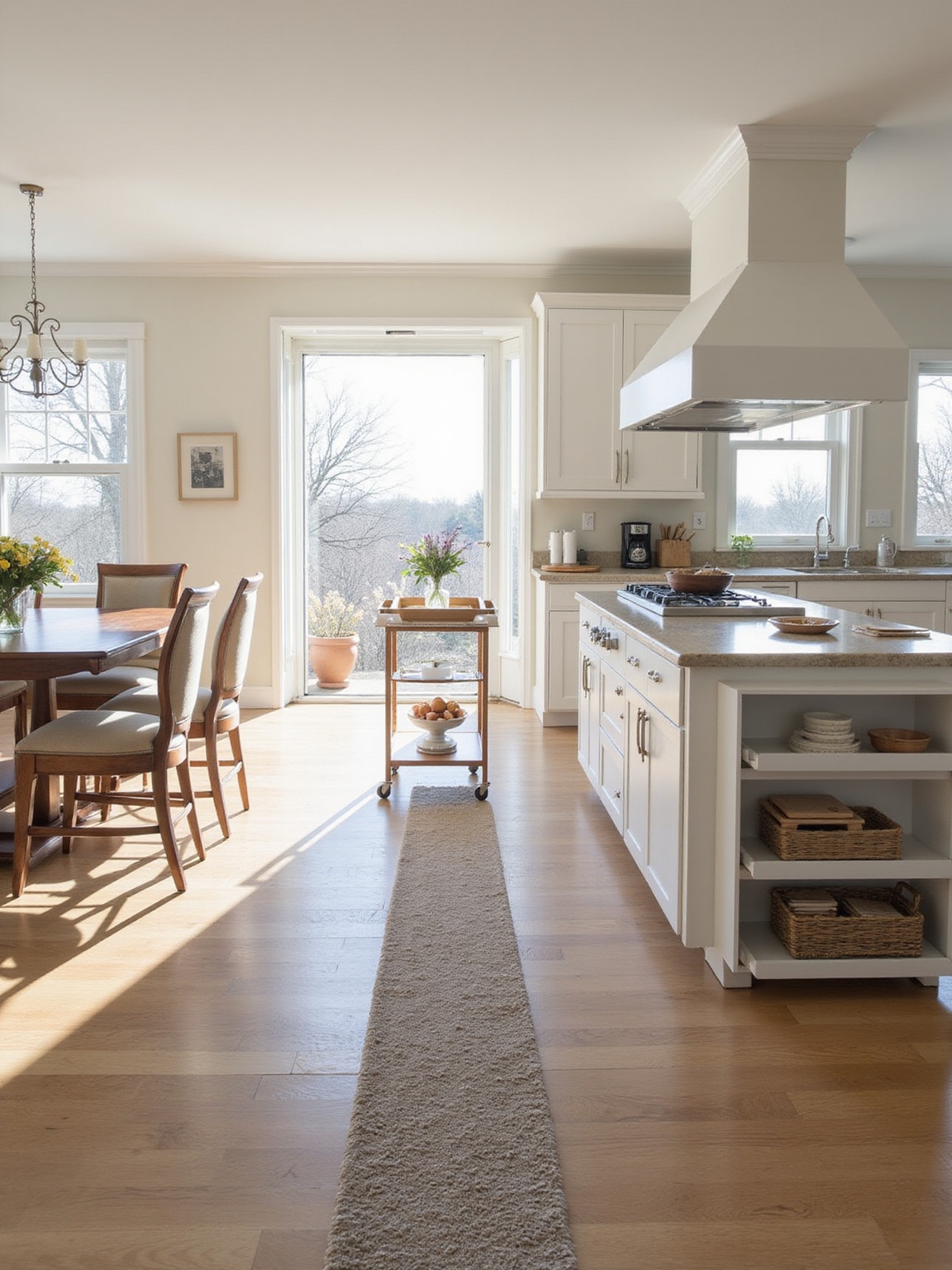
Let’s cut down the wandering: I’ll show three simple changes you can make right away that shave steps from cooking and serving without a full remodel.
First, create a landing station by the pass-through for plates and utensils.
Second, stash commonly used dishes and napkins in a nearby cabinet.
Third, keep warming trays or a small server close to the dining edge for quick transfers.
Consider adding a compact multifunctional island with storage and workspace to centralize prep and serving.
Traffic Patterns for Better Kitchen–Dining Flow
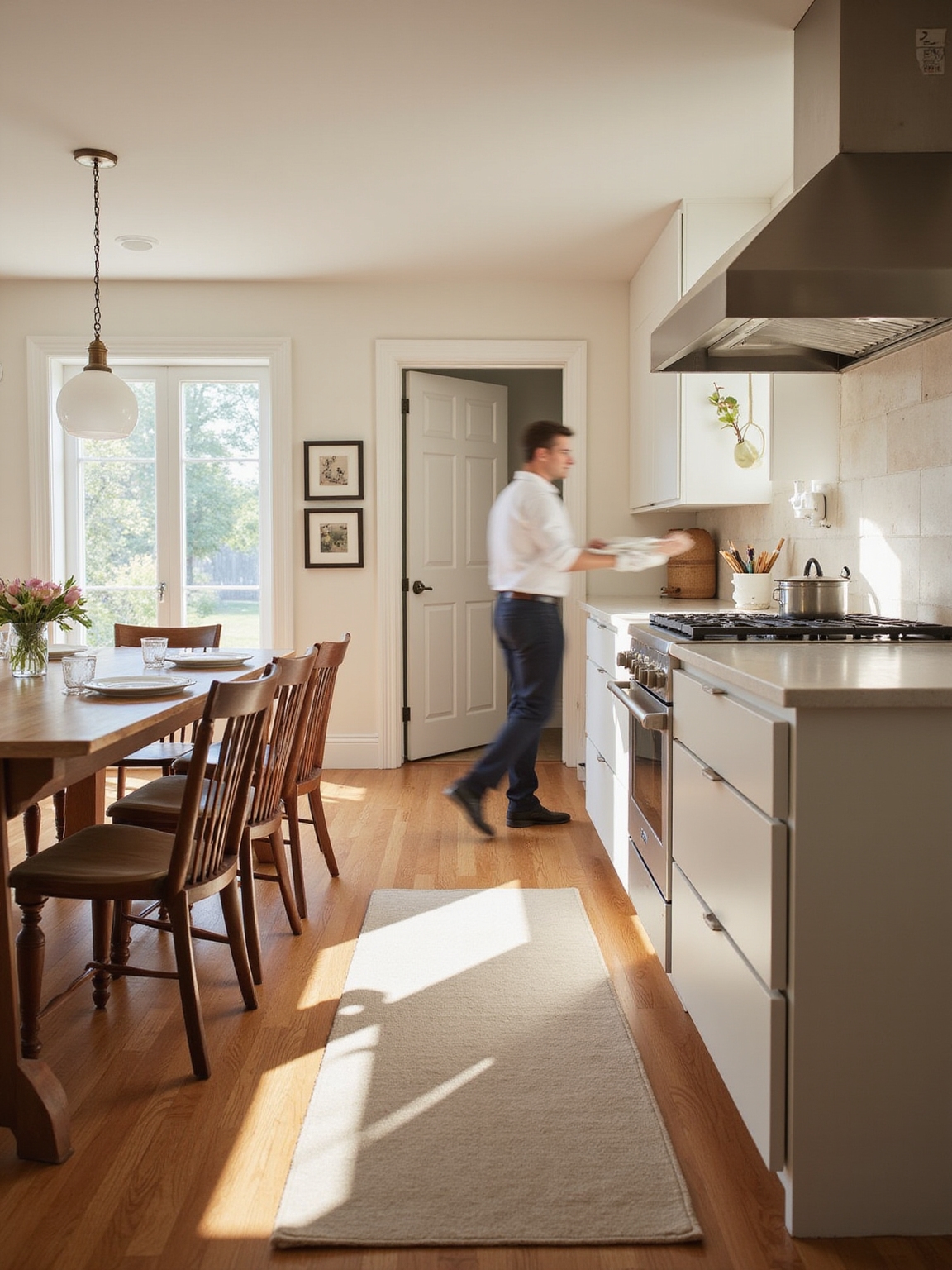
I like to keep clear pathways between work zones so everyone can move without bumping into each other.
I’ll talk about aligning prep areas with serving spots to shave time and steps off every meal.
Then we’ll look at simple ways to keep traffic unobstructed so the kitchen and dining room flow like a well-loved farmhouse.
An effective approach is creating integrated dining zones that maximize kitchen square footage without sacrificing comfort.
Clear Pathways Between Zones
When I move through a kitchen and into the dining room, I want the route to feel natural and effortless, not like I’m threading through a maze of chairs and islands.
I clear sightlines, keep a consistent three-foot walking lane, and nudge furniture to create gentle flows.
Rustic charm meets purpose: rugs, lighting, and unlittered counters guide guests without fuss or formality.
A well-planned peninsula layout also helps maintain work zones and maximize efficiency by keeping prep, cooking, and serving areas connected.
Align Prep With Serving
Because cooking and serving are two halves of the same rhythm, I arrange prep stations so the shortest, clearest path leads straight to the table.
I keep plating space, warmed plates, and serving utensils nearby. Bowls and garnishes sit within easy reach.
That small choreography trims seconds, keeps conversation flowing, and turns practical movements into a welcoming, lived-in ritual.
I also use proven storage hacks like designated zones and clear containers to keep tools visible and accessible, which maintains a constantly tidy kitchen and supports that flow.
Unobstructed Traffic Flow
If we want guests and cooks to move easily between stove, table, and doorway, I clear a simple path and keep it honest—no island clutter, no stacked chairs in the walkline.
I favor clear sightlines, narrow focal obstacles, and rugs anchored aside from traffic.
I position serving stations off the main lane and teach family to respect the flow so evenings feel smooth and warm.
Architects often rely on space-saving layout strategies to maintain unobstructed traffic and multifunctional rooms.
Where to Place the Dining Table for Easy Serving
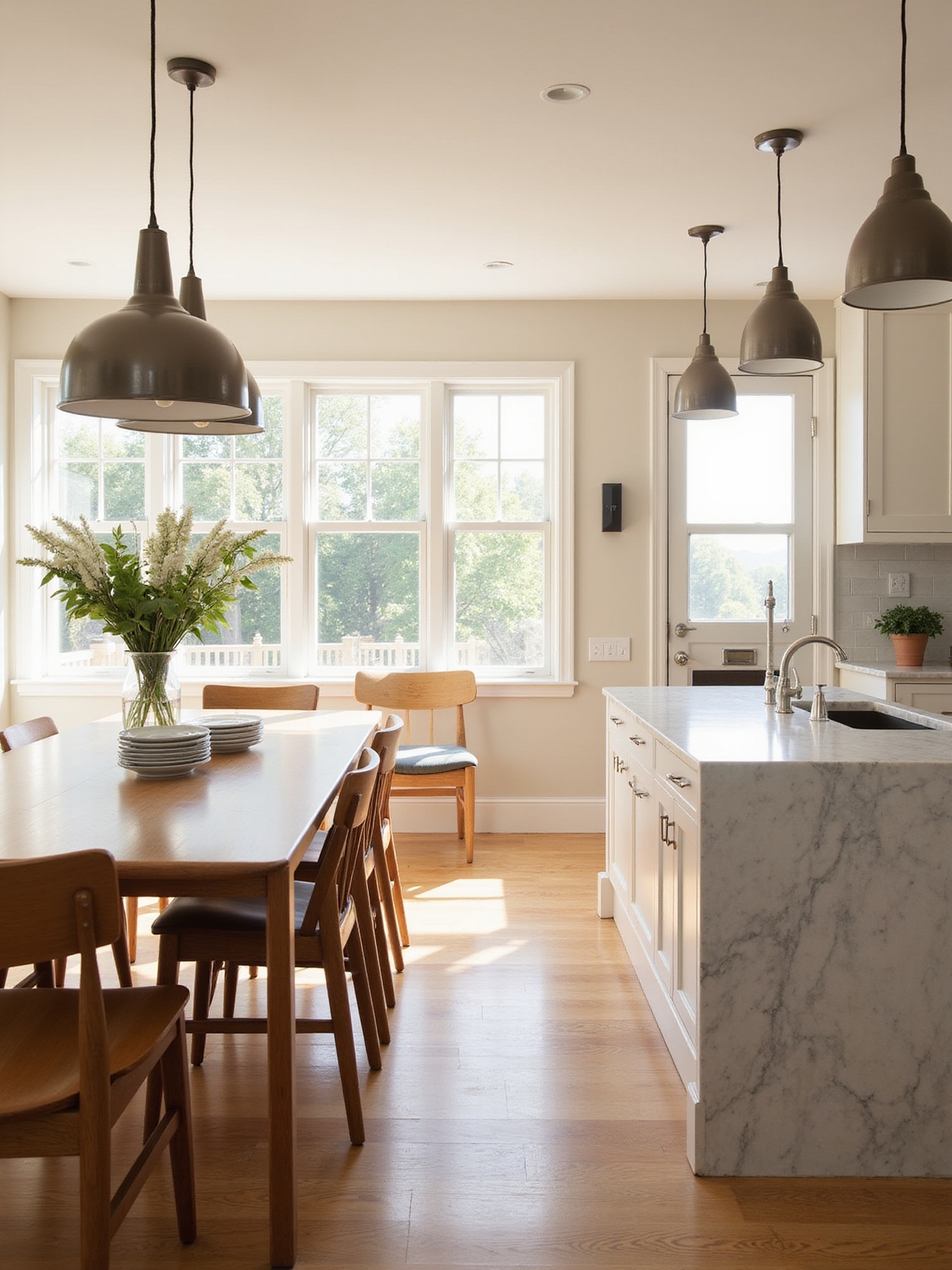
I like to set the dining table where it’s easy to move dishes from kitchen to plate without stepping around islands or bar stools; that usually means placing it within a clear 3–4 foot path from the main prep area or pass-through so I can carry platters straight across.
I prefer a simple wooden table positioned parallel to the counter, keeping chairs tucked while leaving room for servers to pivot comfortably.
High-end kitchens often benefit from including an island with unique island designs that both anchor the space and streamline serving.
Staging Zones: Plate, Serve, and Clear With Fewer Trips
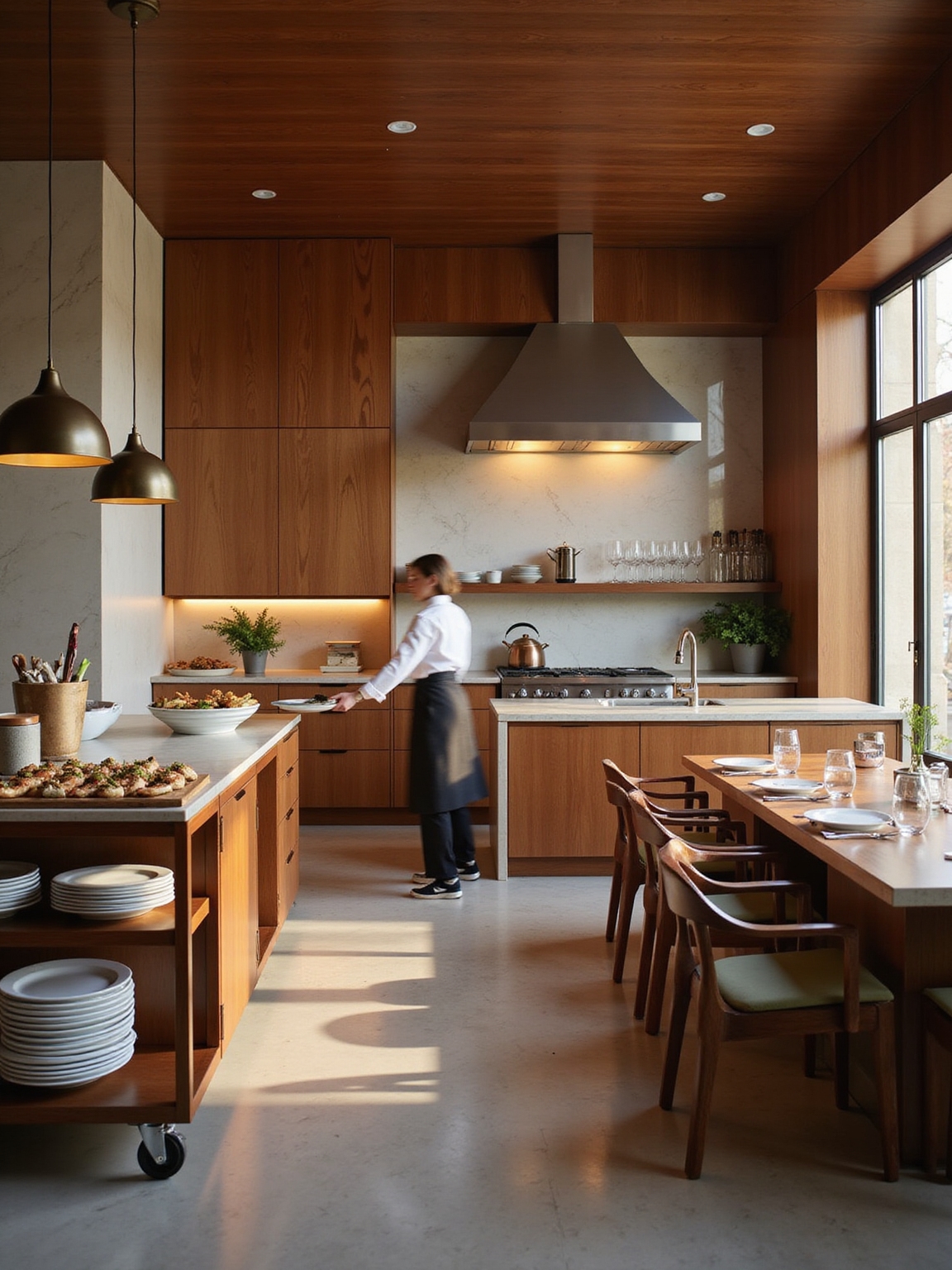
I like to set up a plate prep station near the stove so everything’s ready before I move to the table.
I plan a simple serve route that keeps my steps straight and my hands free, and I’ll point out how a clear-and-return zone by the sink saves trips.
Let’s walk through small staging changes that cut the back-and-forth without fuss.
Daily habits like clearing counters and returning tools to designated spots make it easier to keep the kitchen orderly, especially when staging zones are in use; think of it as maintaining everyday ways so the flow stays smooth.
Plate Prep Station
Let’s set up a plate prep station that keeps you moving without backtracking: I place clean plates, serving utensils, and a small tray for cleared dishes in a compact triangle so I can plate, serve, and clear in a few smooth steps.
I tuck napkins and condiment jars nearby, keep a small towel for spills, and position the station halfway between stove and table for easy reach.
Serve Route Planning
I’ll map out the serve route so I move in a tidy loop: plate, serve, clear.
I position plated dishes near the doorway, stack extras on a small tray, then walk clockwise through the dining room, placing plates and refills with minimal crossings.
I leave cleared plates near the same entry point so I can gather them in one easy pass back to the kitchen.
Clear-and-Return Zone
I’ll carve out a small clear-and-return zone just inside the kitchen door where I can drop used plates and pick up cleared trays without backtracking across the floor.
I keep a low cart, a basket for linens, and a tray stack there. It saves steps, keeps the serving line flowing, and feels like tending a simple, welcoming hearth during meals.
How to Size Pass‑Throughs and Doorways for Smooth Service
When I lay out a kitchen and dining flow, I measure pass‑throughs and doorways as if every second saved between stove and table matters—because it does.
I aim for at least 36–42 inches for single traffic, 48 inches where two people pass, and wider if trays or carts move through. Keep thresholds low, sightlines clear, and hardware simple for effortless service.
Islands and Peninsulas as Serving and Staging Buffers
After sizing openings for fast, unobstructed service, I look to islands and peninsulas as the workhorses that catch the flow from stove to table.
I use them for plating, resting hot dishes, and holding platters while guests gather.
A sturdy surface, a little overhang for passing, and clear walkways make them humble staging areas that keep chaos out of the dining space.
Built‑In and Portable Storage That Bridges Kitchen and Dining
I love how a seamless built‑in buffet can make the kitchen and dining room feel like one cozy, practical space.
A mobile serving island lets me wheel platters and drinks right where guests gather, then tuck everything away when the meal’s over.
I also keep an eye out for hidden storage—pull‑out drawers and lift‑top cabinets that hide clutter but keep what I need within arm’s reach.
Seamless Built‑In Buffets
I love how a built-in buffet ties the kitchen and dining room together, giving both a practical landing spot and a bit of rustic charm.
I use ours for dishes, linens, and a coffee station, keeping surfaces tidy and traffic smooth.
Thoughtful shelving, drawers, and a wood countertop make serving effortless and invite lingering conversations around shared meals.
Mobile Serving Islands
With a rolling island between the kitchen and dining room, I get the best of both worlds: extra prep space when I’m cooking and a welcoming buffet when guests arrive.
I love a sturdy, wood‑grained cart with open shelves and drawers—it feels homey, moves where I need it, and stores linens and serveware. It ties rooms together without feeling permanent.
Hidden Storage Solutions
That rolling island is great for visible storage and serving, but I also like things that tuck away—built‑in nooks and portable cabinets that keep clutter out of sight while staying handy for both kitchen and dining.
I favor deep drawers for linens, hidden wine racks, and a slim buffet cart that slides under a counter. They feel cozy, practical, and quietly tidy.
Flooring and Level Changes That Guide Movement
Picture me walking from the cozy kitchen into the dining room, my feet moving almost on instinct because the floor subtly tells me where to go.
I love using mixed textures—worn hardwood to define the kitchen, a slightly raised plank or rug edge to announce the dining area—so movement feels natural.
Small level shifts and grain direction guide steps without shouting, warm and intuitive.
Lighting That Supports Serving and Dining Flow
When the floor guides my steps, I want the light to do the same—softly marking where I serve and where we sit.
I hang warm pendants over the table, add adjustable task lighting near the prep zone, and tuck low-glow fixtures along changes.
That layered, dimmable approach keeps plates visible, feet safe, and the mood cozy without stealing attention from conversation.
Sightlines That Keep the Dining Room Inviting From the Kitchen
I like to keep a clear visual pathway from the kitchen to the dining room so people feel naturally drawn to the table.
Framing the dining area with a doorway, rug, or light fixture creates a welcoming view that says “come sit” without shouting.
I also make sure sightlines stay cozy—no cluttered counters or tall screens blocking the warm, inviting scene.
Clear Visual Pathways
Standing at the kitchen island, I always aim to keep a clear line of sight into the dining room so conversations flow as easily as the coffee.
I remove visual clutter, choose low-profile lighting, and arrange furniture to invite eye contact.
Simple windows, open shelving, and a tidy pass-through make the spaces feel connected, cozy, and welcoming without sacrificing function or warmth.
Framed Dining Views
Shifting from clear sightlines to a more framed perspective, I like to treat the view into the dining room as a living picture—one that invites rather than overwhelms.
I position furniture, lighting, and an entry rug to create a cozy aperture.
Treated beams, a simple doorway trim, and a focal centerpiece draw the eye gently, making the space feel intentionally welcoming from the kitchen.
Maintain Cozy Sightlines
While keeping a clear line of sight matters, I make sure those views feel cozy, not exposed, by arranging low-profile furniture and warm lighting that gently guide your eye into the dining room.
I tuck a wooden bench, layer a soft runner, and position pendant light over the table so the space reads inviting from the kitchen — familiar, intimate, and ready for conversation.
Chairs and Furniture Choices That Simplify Circulation
I like to keep chairs and furniture lean so people can move through the kitchen and dining area without bumping into corners or each other.
I choose slim-profile chairs, open-legged tables, and low-backed benches that tuck neatly.
Natural wood tones and simple lines keep things cozy and unpretentious, while sturdy, easy-to-pull pieces invite movement and casual gatherings.
Small‑Space Solutions for Narrow and Galley Kitchens
Narrow kitchens can feel tight, but with a few clever swaps I keep them feeling roomy and welcoming.
I choose slim, open shelving, a narrow island on casters, and wall-mounted racks to free floor space. Light wood tones, a runner rug, and warm pendant lighting stretch the room visually. Every element earns its keep, so movement stays easy and cozy.
Zoning an Open‑Plan Kitchen and Dining Area Without Walls
Those same space-saving choices that open up a galley kitchen can make an open-plan kitchen and dining area feel intentional and cozy without adding walls. I use rugs, lighting layers, and varied cabinet finishes to define zones.
A reclaimed wood table anchors dining, pendant lights mark the prep area, and a low bookcase or rug subtly separates traffic flow while keeping the space warm and connected.
Quick Fixes and Common Mistakes to Undo Immediately
When a kitchen and dining area feels off, it’s usually because a few easy-to-fix mistakes are steering traffic and light the wrong way; I’ll walk you through the quick fixes that give the whole space immediate relief.
Start by clearing sightlines, angle rugs to guide movement, lower cluttered counters, swap harsh bulbs for warm ones, and move seating to open conversational zones. You’ll feel it instantly.
I’ve walked you through practical tweaks that make kitchen-to-dining flow feel like second nature, and you can start with small changes that pay big dividends.
Keep pathways clear, create simple staging zones, and pick furniture that lets people move easily — it’s the little things that pull everything together.
Trust your gut, try one change at a time, and soon your space will work like a well-oiled machine; home feels better when it flows.