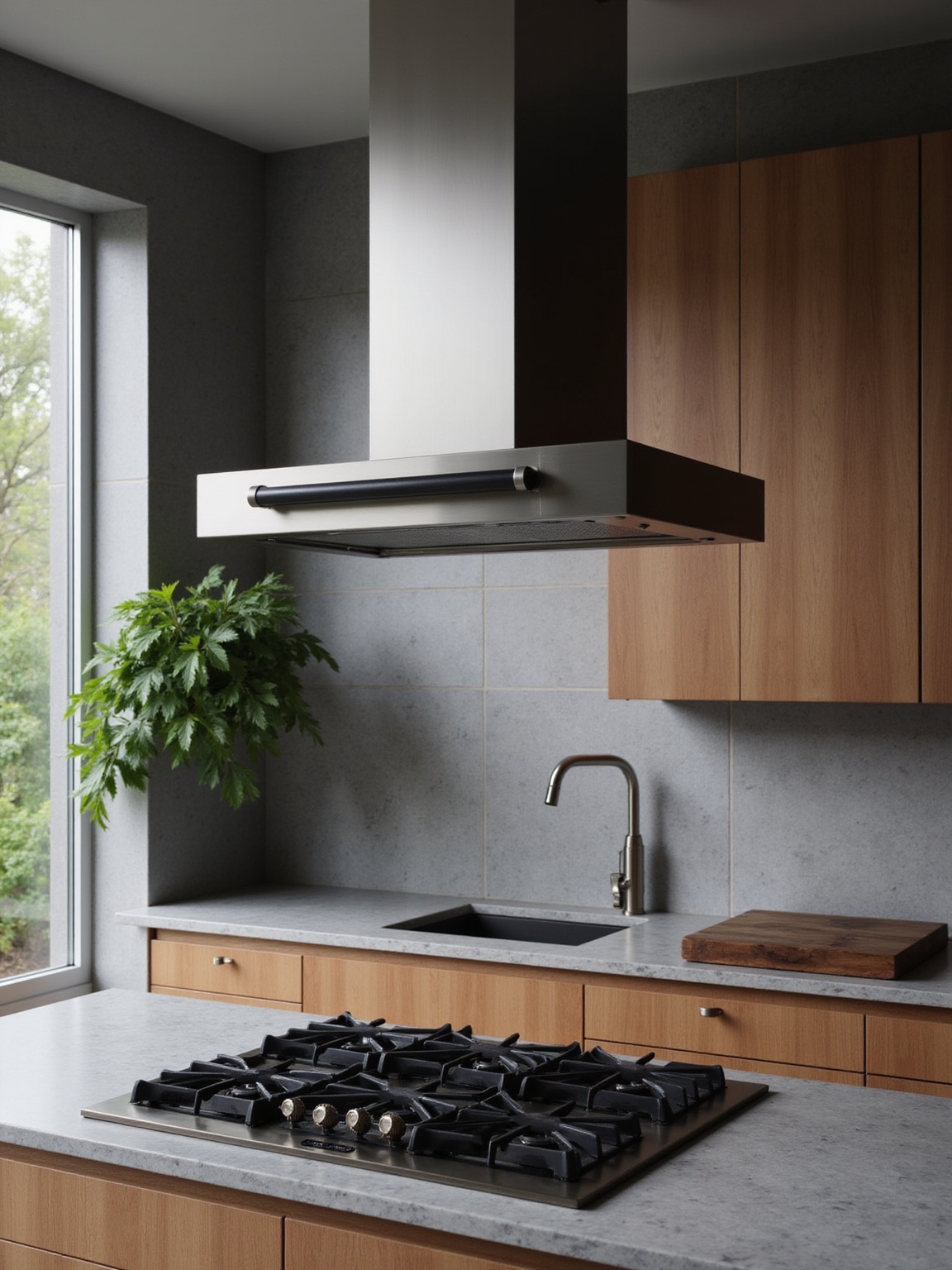
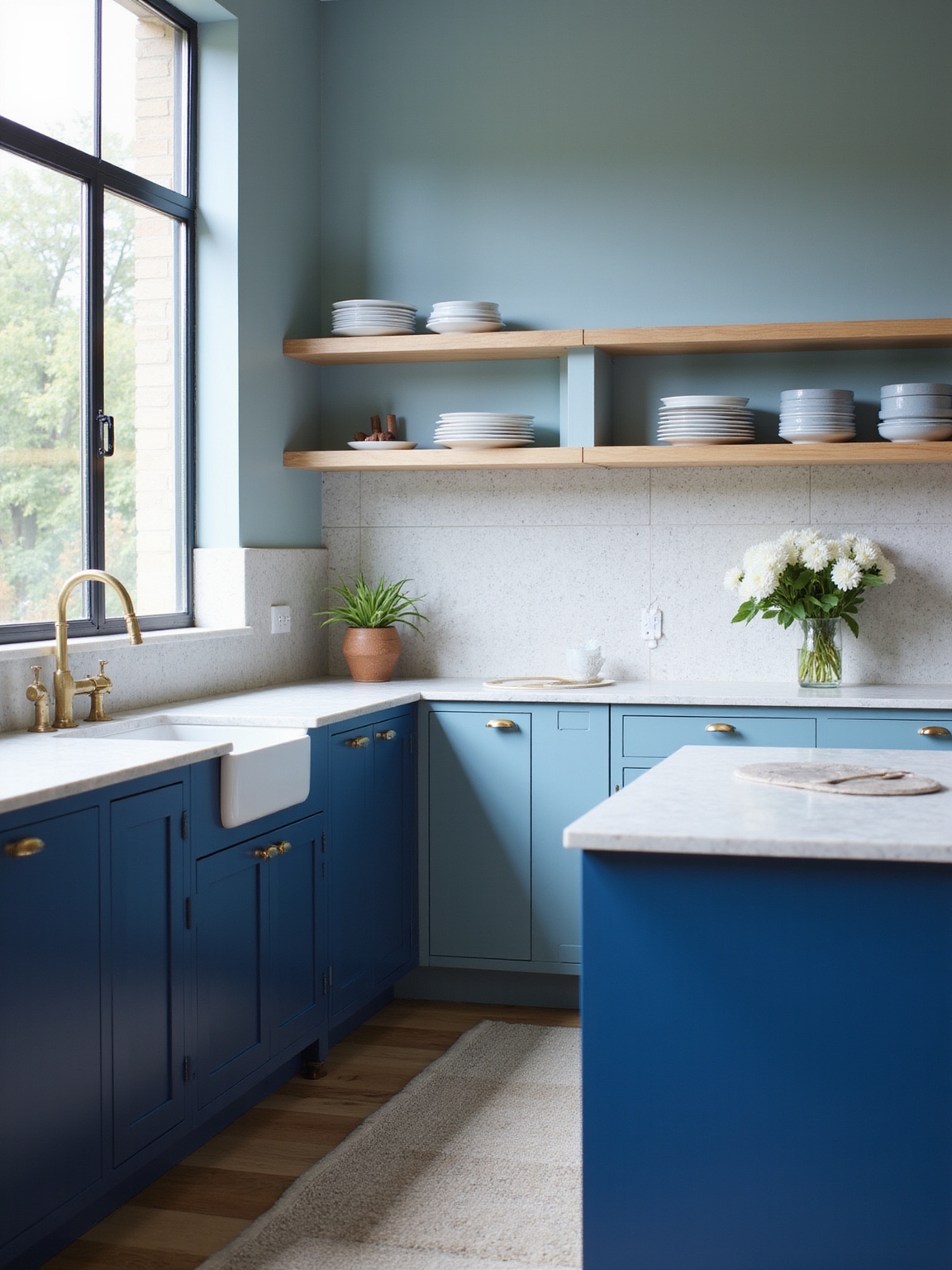
I keep mornings simple with a five-minute checklist—wipe counters, load overnight dishes, set out breakfast—then cook with a clean-as-you-cook mindset so spills and bowls don’t pile up. Each night I run a quick tidy: load the dishwasher, stash leftovers, wipe surfaces and set out essentials for morning.
I use zones, clear containers with labels, drawer dividers, a magnetic knife strip and small sorting bins for waste. Keep going for easy routines, tools, and a weekend reset that lock it in.
Quick Morning Checklist to Set Your Kitchen for the Day
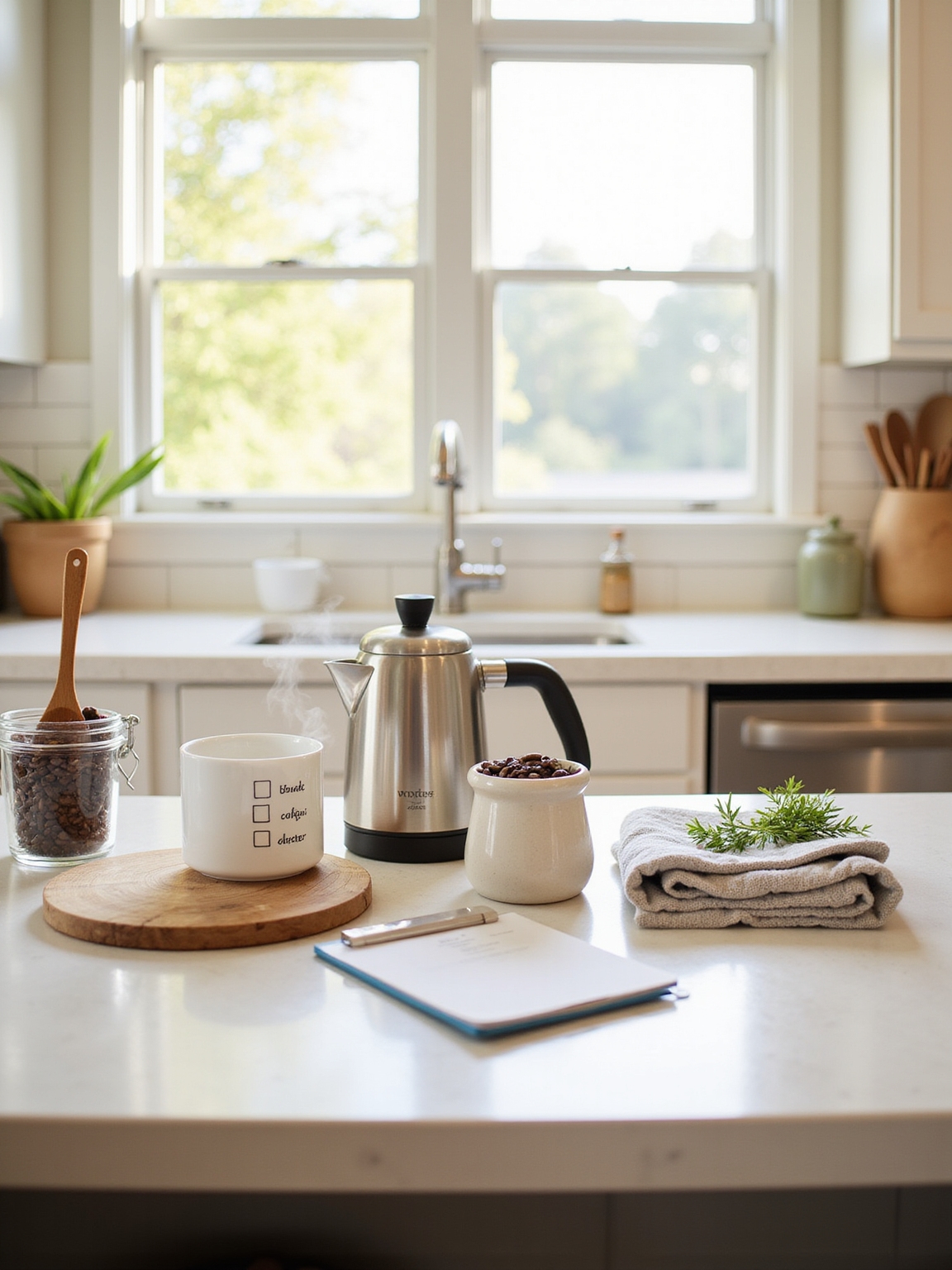
If I want the day to run smoothly, I start with a five-minute kitchen checklist each morning: wipe counters, load any overnight dishes into the dishwasher, set out the coffee maker or kettle, sweep crumbs from the floor, and put away items left on the table.
Then I check the trash, clear the sink, organize a small prep station, and note anything that needs restocking.
I also use simple storage hacks like designated zones and clear containers to keep things tidy and easy to find.
Clean-as-You-Cook Habits That Save Time Later
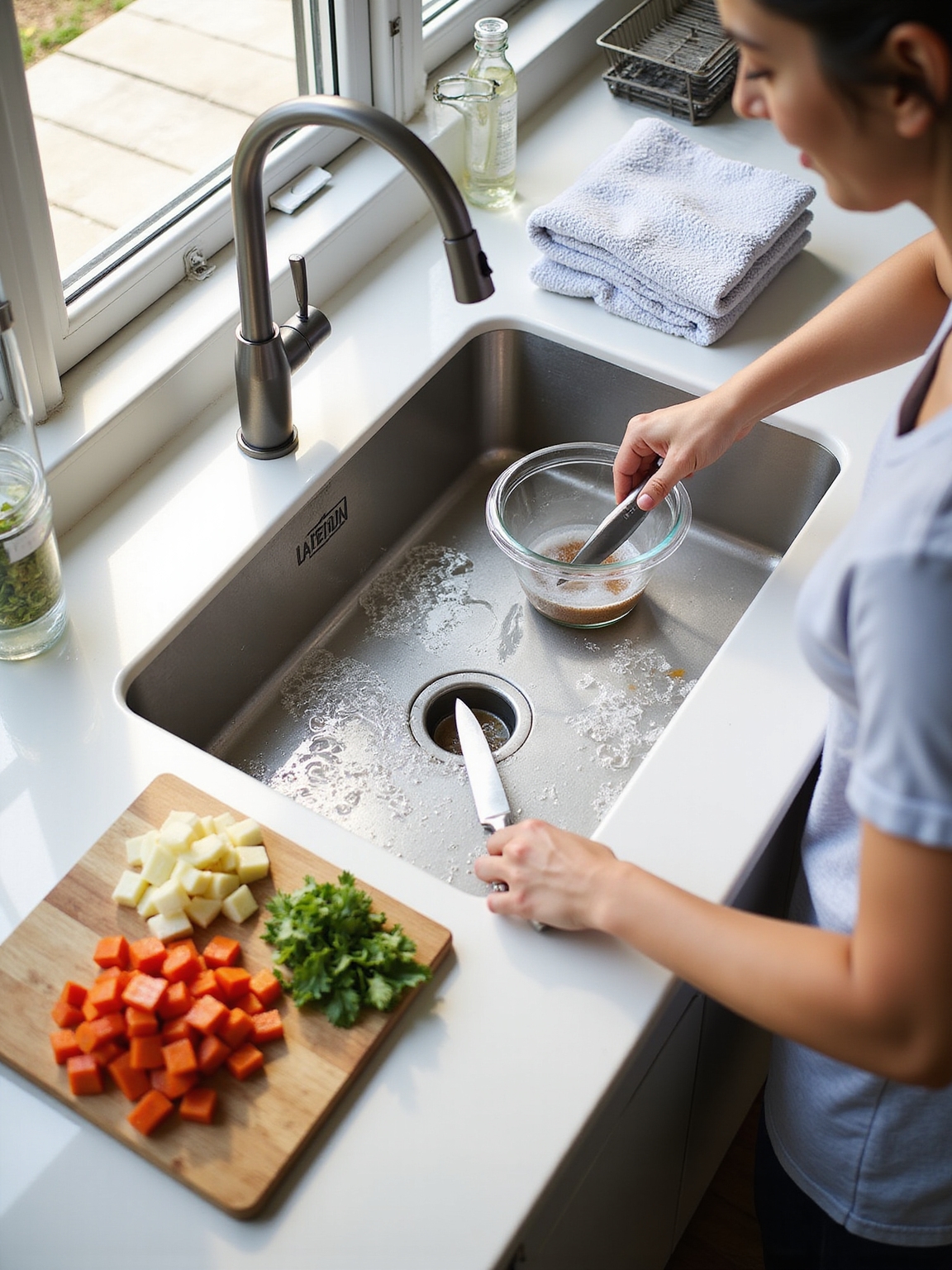
When I cook, I clean as I go so the mess never multiplies into an evening-long chore; I wipe spills immediately, swap dirty bowls into the sink, and reuse measuring cups instead of piling them.
That small rhythm keeps counters clear, reduces stress, and makes dinner cleanup fast. Little consistent actions save time later and help the kitchen feel welcoming every night.
I also rely on smart storage solutions to keep countertops free and items easy to find.
A 5-Minute Nightly Tidy to Keep an Organized Kitchen
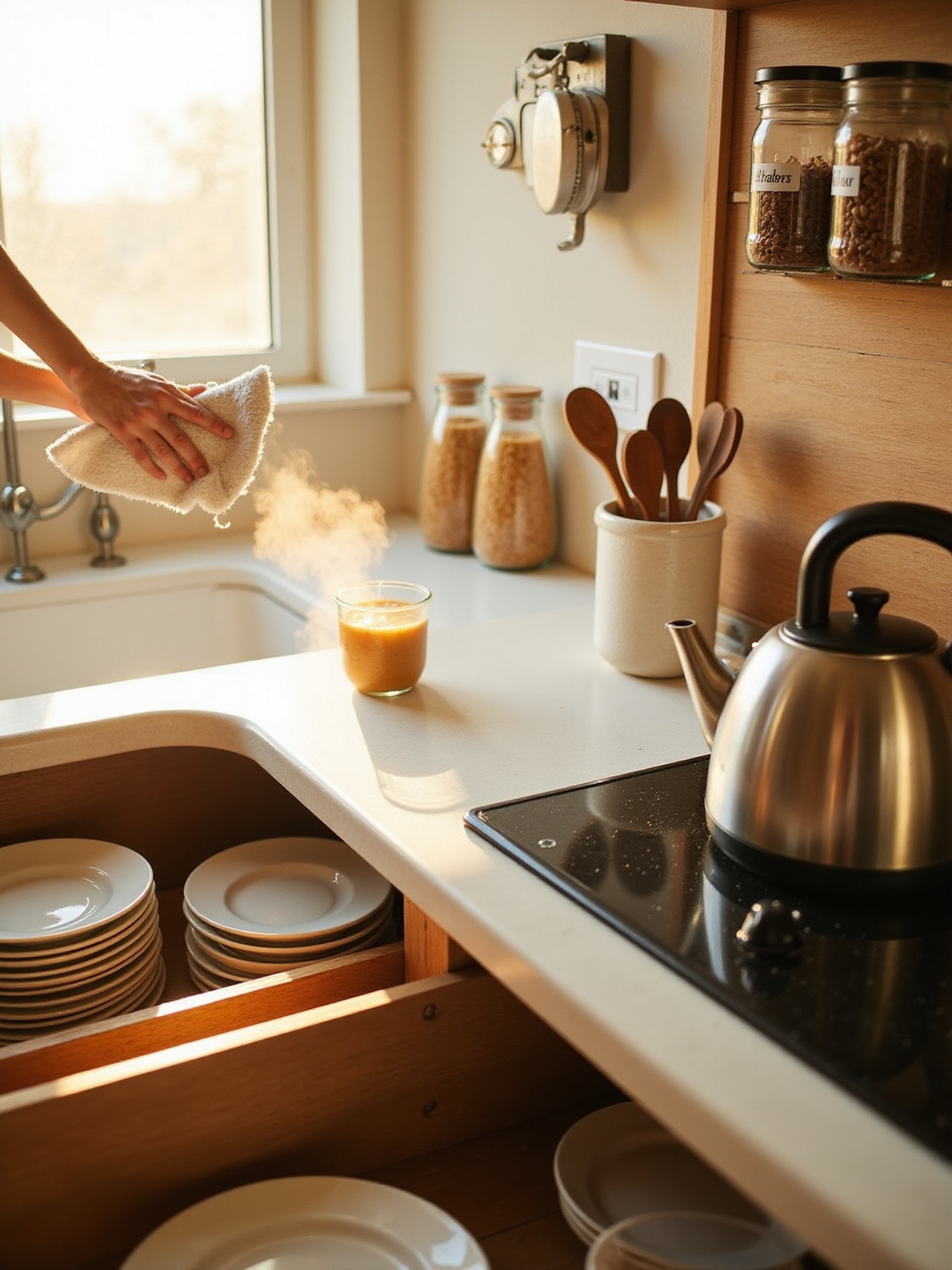
I usually spend just five minutes after dinner straightening the kitchen so mornings feel easy and the space stays inviting.
I wipe counters, load the dishwasher, clear crumbs, and put utensils where they belong.
I stash leftovers, run a quick sink rinse, and set out essentials for breakfast.
That small routine keeps clutter down and makes waking up to a calm kitchen possible.
Transforming storage with walk-in pantry systems can make maintaining order even easier.
Set Kitchen Zones That Actually Work
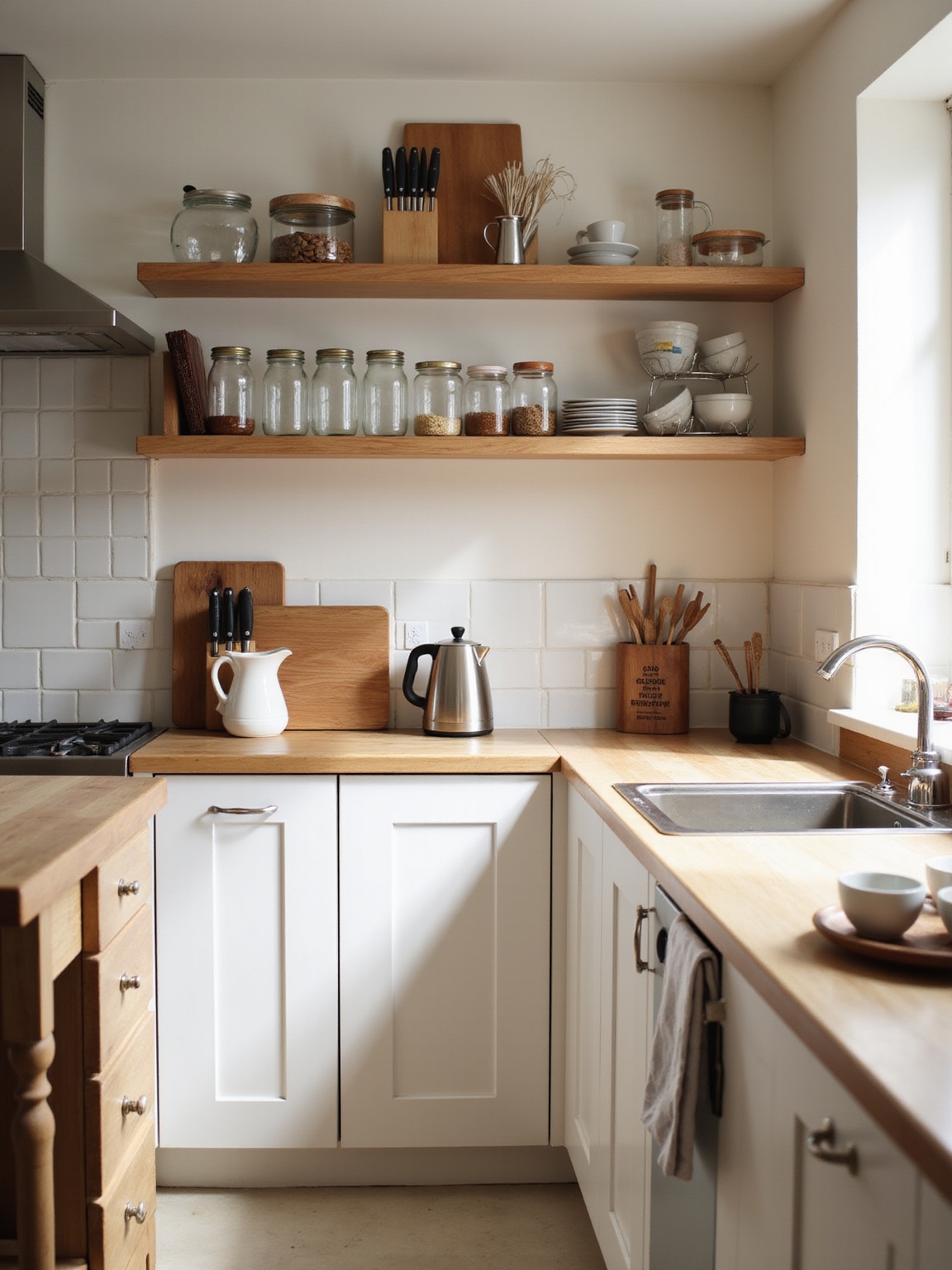
Because a kitchen works best when everything has a purpose, I divide my space into clear zones—prep, cooking, baking, breakfast, and cleanup—so I can grab what I need without hunting.
I keep frequently used tools near each zone, label shelves, and store ingredients by use.
This simple layout saves time, reduces clutter, and makes daily tasks feel calm and purposeful.
I also arrange these zones to support a peninsula workflow so traffic flows smoothly and tasks stay streamlined.
Unload & Put Away Dishes in 3 Simple Steps
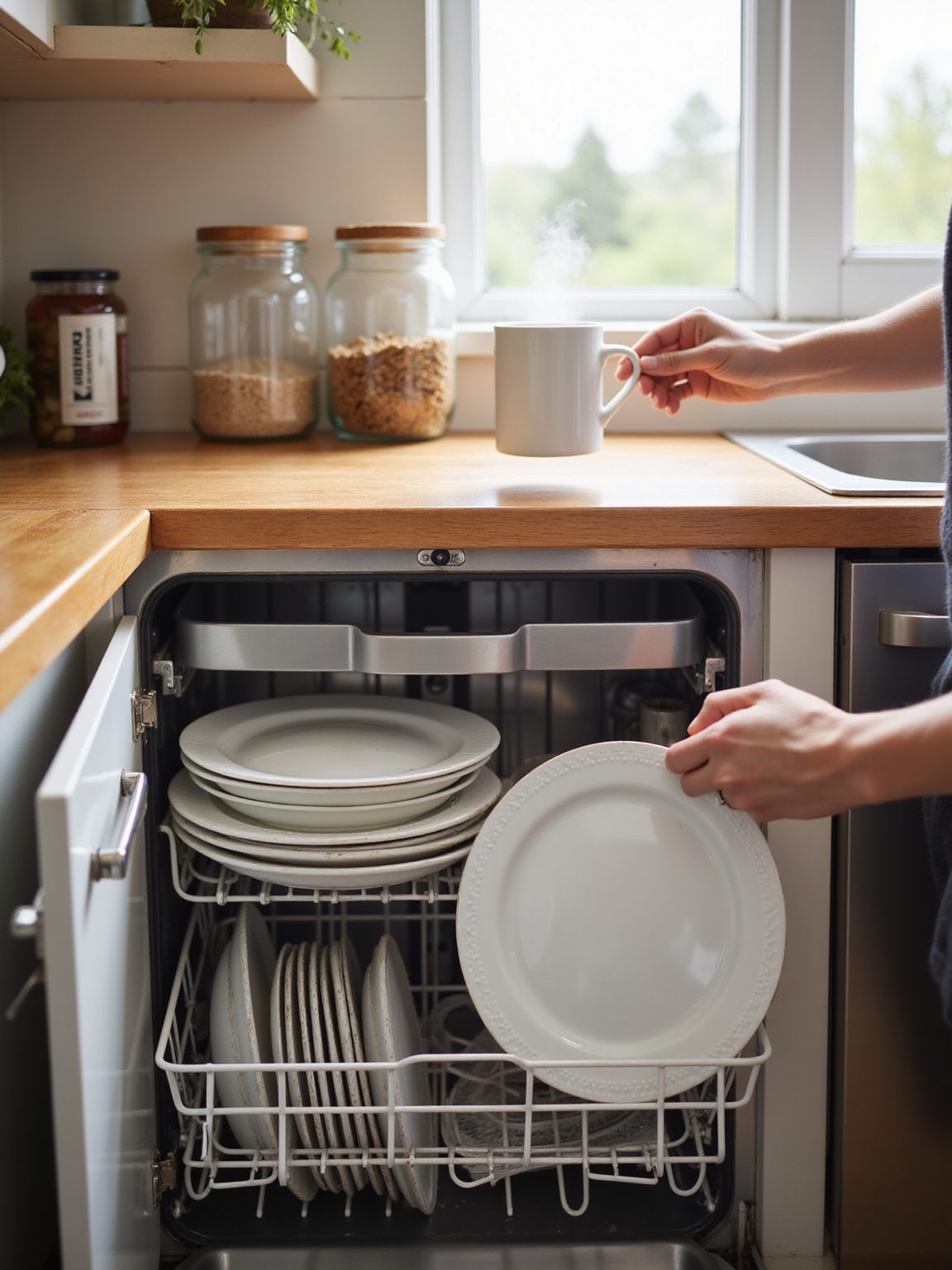
Although it’s tempting to leave the dishwasher door open and hope for later, I follow three simple steps to unload and put away dishes quickly so the kitchen stays tidy and usable.
I move mindfully, grouping like items for efficiency:
- Remove glasses and stack safely.
- Take plates and serve to their cabinet.
- Collect utensils, sort, and return to drawer.
It’s calming and quick. Minimalist rules like keeping only essentials on counters help maintain that calm by reducing visual clutter and making daily tasks simpler; see counter clutter for more.
Keep Daily-Use Items Accessible: 4 Placement Habits
When I arrange the kitchen so the items I reach for every day are within easy sight and arm’s reach, cooking and cleanup feel effortless.
I group utensils by task, keep oils and salt near the stove, store mugs by the coffee maker, and place cutting boards vertically beside prep areas.
These four placement habits save time, reduce friction, and keep my kitchen welcoming.
Smart island designs also help maximize usable surface and storage in tight layouts by creating multifunctional workspaces that serve cooking and cleanup needs.
Maintain Your Pantry With a Short Weekly Audit
Keeping everyday items within reach makes cooking smoother, and a short weekly pantry audit keeps that momentum going.
I quickly scan shelves, toss expired bits, and note low staples.
I follow a simple routine:
- Check dates and spot spills.
- Pull forward older items.
- Jot a short shopping list.
This tiny habit saves time, reduces waste, and keeps my kitchen calm. I also store produce attractively on the counter using stylish storage to keep items visible and accessible.
Pantry Labeling and Storage Tricks That Reduce Waste
I label every jar and bin with clear, consistent tags so I can spot what’s what at a glance.
I use airtight, uniform containers to keep food fresh and make stacking simple, and I arrange items so older packages are up front for a strict first-in, first-out routine.
These small habits cut waste and save me time when I’m cooking.
I also installed pull-out racks to fully access lower cabinets and avoid wasted space with smart pull-outs.
Clear, Consistent Labels
Labeling pulled my pantry into order and cut down on food waste faster than I expected.
I keep labels clear, dated, and simple so everyone knows what to use first. Try these small habits:
- Label contents and expiration.
- Use readable fonts and contrast.
- Update dates when opened.
These steps make mornings smoother, reduce guessing, and help me cook with confidence.
Airtight, Uniform Containers
Usually I reach for airtight, uniform containers first because they simplify everything—shelves look neater, ingredients stay fresher, and it’s easy to spot what’s running low.
I transfer staples into clear jars, label lids with dates, and group like items together. That small ritual cuts clutter, prevents spills, and teaches me what to buy less often, saving money and rescuing ingredients from the back of the shelf.
First-In, First-Out System
Keeping those clear, uniform jars lined up makes it easy to take the next step: a first-in, first-out system that keeps food moving and waste down.
I label dates and rotate stock, so nothing hides in the back. Try these simple steps:
- Place new items behind older ones.
- Label purchase or expiry dates.
- Check weekly and adjust shelves.
Fridge Organization Habits That Prevent Spoilage
I keep ready-to-eat items on the top shelves and raw meats on the bottom so spills and cross-contamination never catch me by surprise.
I also label containers with contents and date opened so nothing gets forgotten in the back. These simple placement and labeling habits save food, time, and money.
Proper Food Placement
Because food lasts longer when it’s stored where temperature and humidity suit it, I arrange my fridge by zones so everything stays fresher and easier to find.
I keep raw meat low, dairy center, produce crisper.
I follow simple rules:
- Meat on bottom shelf in sealed tray.
- Dairy mid-shelf, upright.
- Veggies in humidity drawers, loosely wrapped.
Clear Labeling Routine
Usually I label everything in the fridge the moment I put it away, so I always know what’s inside and when it needs to be used.
I use simple date-and-content stickers, a washable marker on reusable bins, and clear zones for leftovers, dairy, and produce.
That routine cuts waste, saves time, and keeps meals predictable—no mystery containers, just fresh food you trust.
Daily Dish and Sink Habits to Stop Clutter
Often I start my day by tackling whatever’s in the sink, because a clear basin sets the tone for the whole kitchen; when I rinse or load dishes right away, counters stay usable and clutter never gathers.
I follow simple steps to keep habit consistent:
- Rinse and stack immediately.
- Run full dishwasher nightly.
- Wipe and dry small items after meals.
Most Useful Small Tools: Drawer Dividers & Utensil Organizers
Clearing the sink and keeping counters free makes meal prep and cleanup feel simple, but the next step for a calm kitchen is making drawers work for you.
I use adjustable dividers to corral spatulas, whisks, and peelers, and a utensil tray for daily forks and spoons. They save time, prevent rummaging, and keep everything accessible—small tools, big difference.
Clear Containers, Labels, and Measuring Tools That Simplify Cooking
I love keeping clear storage jars on my shelves because I can spot flour, oats, or lentils at a glance and they keep things fresh.
I also rely on a consistent measuring set—measuring cups, spoons, and a reliable scale—to avoid guesswork and speed up cooking.
Together, those simple tools make meal prep calmer and more predictable in my kitchen.
Clear Storage Jars
Glass jars on a shelf make the kitchen feel calm and useful, and I rely on them every day to keep cooking simple.
I use clear storage jars to see contents, reduce clutter, and keep ingredients fresh. They pair well with small labels and a trusty scoop.
- Visible
- Airtight
- Stackable
Consistent Measuring Set
After lining up clear jars, I started thinking about the other side of simple cooking: consistent measuring. I keep nested measuring cups, a stainless steel scale, and labeled scoop jars within arm’s reach.
That trio cuts guesswork, speeds prep, and keeps portions steady. When everything has a home and a clear label, cooking feels calm, efficient, and reliably delicious every day.
Vertical Storage, Magnetic Racks, and Hooks to Reclaim Counter Space
When counter clutter starts to feel inevitable, I look up and out—literally—so pots, knives, and utensils live on walls, rails, and magnetic strips instead of crowding my work surface.
I hang things with intention, keep sightlines clear, and love how simple hooks free drawers.
- Magnetic knife strip for safety
- Rail with S-hooks for pots
- Tiered wall shelves for mugs and spices
Home Trash, Recycling, & Compost Setup for Small Kitchens
I keep my trash, recycling, and compost tidy in a compact sorting station that tucks under the sink so it doesn’t crowd my small kitchen.
I’ll show simple setups that make separation easy and discuss odor-control solutions like tight-seal lids, charcoal filters, and regular bag swaps.
With a few practical tweaks you can keep smells contained and make waste sorting a quick, everyday habit.
Compact Sorting Stations
Let’s carve out a tidy corner where every scrap has a place: in a small kitchen, I make compact sorting stations work by prioritizing accessibility, odor control, and clear labeling so the system actually gets used.
I keep it simple and tidy:
- Slim bins under sink for trash, recycling, compost.
- Stackable containers to save floor space.
- Clear labels for quick sorting.
Odor Control Solutions
You can keep a compact sorting station from smelling up the whole apartment by tackling odor control head-on with a few simple habits and tools.
I empty bins frequently, line them with washable liners, and keep a small charcoal pouch nearby. Citrus peels or baking soda neutralize smells in the compost bin. These small routines keep my kitchen fresh and manageable.
Quick Troubleshooting and an Easy Weekend Reset to Reinforce Habits
When habits slip, I walk through a quick troubleshooting checklist to pinpoint what’s getting in the way and make small fixes that stick. I check routines, tools, and timing, then plan a simple weekend reset to restore order and calm.
- Clear surfaces and purge expired items.
- Reassign zones for daily tasks.
- Prep containers and labels for the week.
I’m amazed how small daily choices—five-minute tidies and putting one dish away—turn chaos into calm.
Where morning rush once met nighttime pileups, a few clear containers, labeled jars and a simple compost bin now meet me instead.
It’s not magic, it’s routine: quick habits next to clever tools, clutter replaced by easy order. Keep it simple, keep it kind to yourself, and your kitchen will quietly reward you every single day.