

I focus on high‑impact, budget‑smart fixes that appraisers actually note: curb appeal, fresh neutral paint, updated lights and hardware, staged rooms, and documented system work like a new HVAC or roof. I prioritize kitchens and baths, durable low‑maintenance finishes, and energy upgrades that buyers expect.
I match changes to local comps, keep receipts and before/after photos, and avoid unnecessary remodels. Keep going — I’ll show which projects move the needle and how to prioritize them.
What Raises a Home Appraisal : Quick Framework

When I walk into a house and want to boost its appraisal, I look for a handful of high-impact things: location context and recent comparable sales, the condition and functional layout, thoughtful updates (kitchen and baths first), and clear maintenance evidence like fresh paint and solid systems.
I note curb appeal, coherent finishes, natural light, and logical flow—elements that signal care and market appeal.
Recent data shows that high-ROI renovations like kitchen and bathroom updates consistently deliver strong returns for sellers.
Improvements Appraisers Notice and Record

Attention to detail matters; I’m looking for specific improvements that tell a clear story about a home’s value.
I note updated kitchens, solid flooring, energy-efficient windows, and well-executed landscaping that suggests low maintenance.
I record functional updates—new HVAC, plumbing, roofing—and tasteful finishes that reflect thoughtful design. Clean, well-documented renovations and cohesive spaces reassure me the home’s value is genuine.
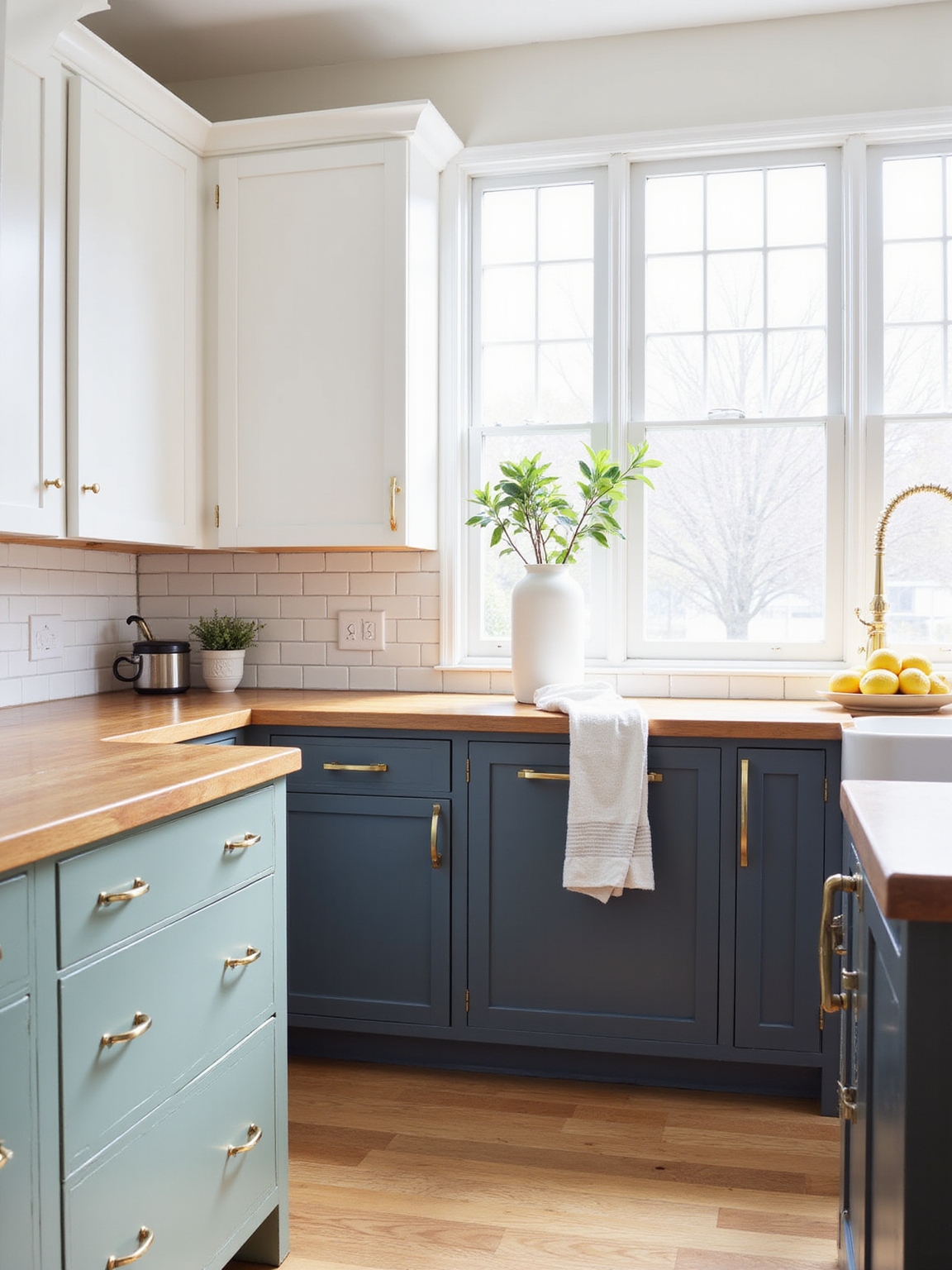
An updated kitchen with modern cabinetry and appliances often yields one of the highest returns on investment and is frequently cited in Kitchen Remodels as a top-value improvement.
Quick Wins to Raise Your Home Appraisal in a Weekend

You can make a noticeable difference in an appraisal over a single weekend with a few focused, design-minded moves I’ll walk you through—think decluttering to reveal flow, swapping dated hardware and light fixtures, and giving surfaces a fresh coat of paint in neutral tones.
I’ll show you targeted staging, tidy storage solutions, updated cabinet pulls, brighter bulbs, and quick bathroom refreshes that read polished without major expense.
A fresh coat of paint can transform a space quickly and effectively, especially when using neutral tones that modernize kitchens and bathrooms.
Curb-Appeal Fixes That Make a Strong First Impression

Since curb appeal sets the tone before anyone steps inside, I focus on a few high-impact tweaks that read clean, cared-for, and intentionally styled.
I refresh paint on the front door, prune beds, add layered lighting, and swap tired house numbers for modern brass.
A tidy walkway, seasonal planters, and a welcoming porch rug signal value and thoughtful maintenance at a glance.
I also consider subtle ceiling treatments like overlooked ceiling options to add character without overpowering the space.
Low-Cost Interior Updates With High ROI

I focus on simple, budget-friendly interior updates that punch above their weight: a fresh coat of neutral paint, swapped-out light fixtures that flatter the space, and decluttered surfaces that let architectural details breathe.
I refresh cabinet hardware, add timeless textiles, and stage small vignettes so rooms feel curated.
These measured touches elevate perceived value without big expense, appealing to buyers and appraisers alike.
A cohesive palette anchored by neutral decorating helps ensure a chic, timeless kitchen that resonates with most buyers.
Repairs Appraisers Care About Most
When I walk through a house preparing for an appraisal, the first things I notice are signs that the structure is sound—no sagging floors, sticking doors, or cracked foundations.
I also pay close attention to working systems like the HVAC, plumbing, and electrical; a well-maintained system reassures buyers and appraisers alike.
Let’s look at the specific checks and fixes that protect value and keep your home feeling solid and cared for.
Avoid these layout mistakes before kitchen demolition to preserve resale value and reduce costly rework by planning traffic flow and appliance placement costly layout mistakes.
Structural Integrity Checks
Though you mightn’t see them at first glance, I always look for signs that a house’s bones are solid, because appraisers weight structural issues heavily and buyers notice them fast.
I check foundations, joists, rooflines and visible cracks, recommending timely repairs that preserve charm and safety.
A crisp, honest inspection protects value and reassures buyers with tasteful, practical fixes.
For high-traffic areas like family kitchens, I also consider durable flooring options such as luxury vinyl plank that withstand wear and are easy to maintain.
Functional Systems Repairs
Start by focusing on the systems buyers and appraisers notice first: plumbing, electrical, HVAC, and water heaters.
I’ll tidy, repair, and document each to reassure inspectors and buyers. Small upgrades read like thoughtful design choices and protect value.
- Fix leaks and replace old fixtures
- Update panels and address wiring concerns
- Service HVAC and replace aging water heaters
Stylish heavy-duty kitchen sinks combine form with longevity and can be a selling point when paired with durable fixtures.
Kitchen Updates That Actually Move the Needle
I focus on kitchen updates that actually raise appraised value, not just look pretty, because smart choices give the biggest return on both everyday enjoyment and resale potential.
I prioritize durable countertops, efficient layouts, quality hardware, and modern lighting that feel intentional.
Updating appliances to energy-efficient models, rejuvenating cabinetry fronts, and adding thoughtful storage make the space function beautifully and appeal to buyers.
Bathroom Improvements That Add Measurable Value
After focusing on kitchen moves that actually boost appraisal numbers, I give bathrooms the same practical attention: buyers notice how a well-planned bath functions, and appraisers can quantify those upgrades.
I recommend targeted, tasteful improvements that look fresh and work reliably.
- Replace fixtures and hardware with cohesive finishes
- Regrout or retile for a clean, updated look
- Improve storage and lighting for usability
Energy Upgrades Appraisers and Buyers Value
When I tour homes with an eye for value, energy upgrades always catch my attention because they’re practical, visible, and easy to quantify for appraisers and buyers alike.
I favor LED lighting, smart thermostats, upgraded insulation, and ENERGY STAR windows—each improves comfort, lowers bills, and photographs well.
Buyers appreciate documented savings and modern systems, so present receipts and efficiency reports to strengthen appraisal credibility.
Staging and Decluttering to Showcase Usable Space
Clear out the clutter and you’ll let the house breathe—I’ve seen small rooms instantly read as larger and more useful once personal items and excess furniture are gone.
I stage thoughtfully to highlight function and flow, keeping warmth and style while maximizing perceived square footage.
- Edit to essentials
- Use neutral, textured accents
- Arrange for clear pathways
How to Document Permits, Maintenance, and Upgrades
I keep a simple, organized binder and digital folder for every permit, maintenance record, and upgrade receipt so buyers can see the home’s care at a glance.
I label photos, contractor contacts, dates, and warranty info, and include before-and-after images.
Clear records reassure appraisers and buyers, show compliant improvements, and highlight thoughtful upkeep that supports value with style and confidence.
Choose Projects Based on Your Local Market
Because neighborhoods and buyers vary, I pick projects that match local tastes and price points so improvements actually move the needle on appraisal and sale.
I study comparable homes, prioritize curb appeal, and focus on durable, stylish choices that appeal here.
- Update finishes to match nearby homes
- Add practical outdoor living features
- Choose low-maintenance, high-impact materials
Budgeting: Cheap Fixes Vs Targeted Remodels
I start by focusing on curb appeal because a fresh coat of paint, tidy landscaping, and a welcoming entry do more for appraisal impressions than you’d expect.
Then I pick a few high-ROI small projects—like updated lighting, new hardware, or a modern backsplash—that stretch my budget without breaking it.
If the home’s layout or systems are outdated, I’ll selectively remodel key areas so the spend actually moves the appraisal needle.
Curb Appeal First
Usually I start with the curb because buyers—and appraisers—decide within seconds whether a home feels cared for, so you want that first impression to count.
I lean toward cost-effective touches or targeted updates that read intentional. Consider simple swaps that elevate overall feel:
- Fresh paint on trim and door
- Clean, defined landscaping and mulch
- Updated light fixtures and house numbers
High-ROI Small Projects
Let’s dig into which small projects give you the biggest appraisal boost for the least cash outlay—I’ve found that a few targeted upgrades often beat a full remodel when you’re juggling budget and resale value.
I focus on fresh paint, modern light fixtures, updated hardware, and modest bathroom tweaks. These choices feel thoughtful, lift style, and deliver measurable value without breaking the bank.
When To Remodel
When you’re weighing cheap fixes against a targeted remodel, I start by mapping goals: do you want the biggest appraisal bump for the least cash now, or are you planning to hold the house longer and need a structural or layout change?
I favor practical elegance; choose projects that read as intentional.
- Refresh surfaces (paint, hardware)
- Update kitchens/baths selectively
- Reconfigure only if it adds clear value
When to Do Improvements Before an Appraisal or Sale
If you’re planning to sell or refinance, timing your improvements can make the difference between a fair offer and a standout appraisal.
I recommend tackling curb appeal and quick cosmetic updates shortly before listing, while saving larger renovations for after offers unless market competition demands otherwise.
I prioritize visible, cost-effective fixes that photograph well and reassure appraisers about care and maintenance.
Common Appraisal Pitfalls and How to Avoid Them
I’ve seen appraisals tripped up by two simple things: choosing the wrong comparables and letting small maintenance issues pile up.
I’ll show you how to make sure the comparable homes highlight your strengths and how quick fixes can prevent a lower valuation.
With a few thoughtful adjustments, you can protect the value you’ve worked so hard to create.
Missed Comparable Selection
Because choosing the right comparables can make or break your appraisal, I always start by looking for nearby homes that match your floor plan, updates, and lot size rather than just price.
I guide you to present accurate, design-forward comparisons and avoid mismatches.
- Match layout and square footage
- Prioritize recent, similar upgrades
- Exclude atypical properties that distort value
Deferred Maintenance Issues
While small repairs might seem cosmetic, I’ve seen deferred maintenance quietly shave thousands off appraised values, so I walk through your home looking for issues that signal neglect—roof damage, peeling paint, warped floors, HVAC problems, and plumbing leaks—and help you prioritize fixes that restore perceived care and function without unnecessary spending.
I recommend targeted, design-conscious repairs and simple staging touches that reassure appraisers and buyers.
I’ve walked you through practical, design-forward steps to lift your home’s appraisal—think of your house like a favorite quilt: small, thoughtful stitches make the whole thing sing.
Trust the quick wins for fast impact, choose remodels that mirror your local market, and focus on curb appeal and smart interiors.
Take what fits your budget, plan strategically, and you’ll not only boost value but fall back in love with the place you call home.