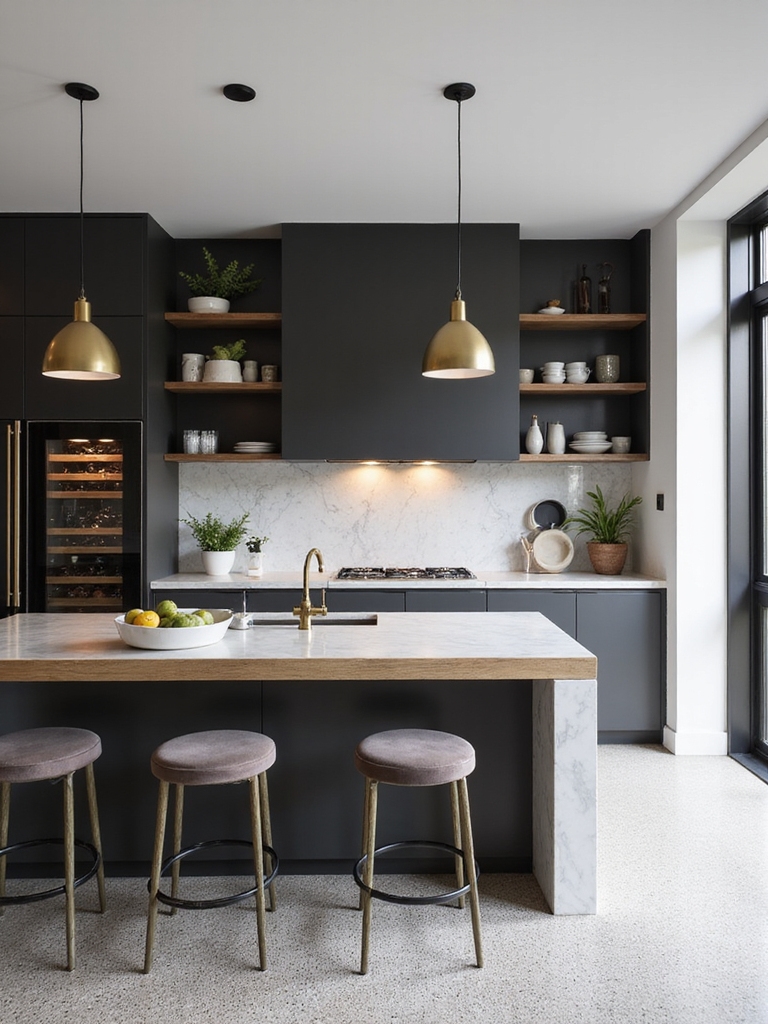


I design outdoor kitchens so you can cook, sip, and lounge without fuss. I pick a purpose—grill, bar, or cozy lounge—then lay out clear work zones with 3–4 ft aisles, durable weatherproof counters, slip-resistant floors, and hidden drainage.
I prioritize appliances, shelter, and lighting, add smart controls and weatherproof speakers, and keep finishes low-maintenance. I aim for sightlines that keep guests close but out of the cook’s way, and I’ll show you how to make it effortless next.
Define How You’ll Entertain: Cooking, Drinks, or Lounging

Think about how you actually want to spend time out here—cooking a full meal, mixing drinks and chatting, or sinking into lounge seating with a book—because that choice will shape the layout, flow, and gear you need.
I picture gatherings where I cook by a wood-fired grill, a compact bar for cocktails, and cozy seating; each mode demands different prep space, storage, and lighting to feel effortless.
An open outdoor kitchen setup can make this possible year-round by integrating weather-resistant appliances and sheltering elements like pergolas or retractable roofs to extend seasonal use, with attention to al fresco dining comfort and function.
Set a Realistic Budget and Prioritize Costs

Because projects always reveal surprises, I start by setting a realistic budget and ranking what matters most to me—appliances, shelter, seating, or finishes—so I can make choices that won’t force compromises later.
I track costs, leave a contingency, and choose where to splurge or save.
- Appliances first
- Weather protection next
- Comfortable seating last
I also plan storage and organization from the start to keep the space tidy long-term, focusing on efficient storage solutions that make maintenance easy.
Choose a Layout That Supports Entertaining Flow

When I plan an outdoor kitchen, I start by mapping how people will move between the grill, prep surfaces, seating, and the fridge so conversation and service flow naturally; guests shouldn’t have to weave through work zones to get a drink or a seat.
I favor a lounging cluster near the cook, a clear service path, and casual standing spots so mingling feels effortless and warm.
Open island layouts often work best because they create a central gathering point and keep the cook connected to guests; consider an open island to turn cooking into a social event.
Size Your Outdoor Kitchen: Work Zones and Clearances

If you want your outdoor kitchen to feel easy and safe to use, I start by defining clear work zones—cooking, prep, cleanup, and service—and the minimum clearances between them so no one scrambles around the chef.
I plan paths and sightlines, keeping guests and cooks comfortable. Key rules I follow:
- 36–48″ aisles near grills.
- 42″ prep clearance.
- 36″ cleanup zone.
Choose Weatherproof Countertops

Since your outdoor counters take the brunt of sun, rain, and heat, I pick materials that stand up to the elements without looking industrial or fussy.
I favor honed granite, porcelain slabs, or sealed concrete with a soft matte finish — durable, low-maintenance, and handsome.
Protective sealers and UV-stable edges keep color and texture intact, so your prep surface stays beautiful through seasons.
Top choices also balance performance and elegance so you don’t sacrifice looks for longevity.
Pick Outdoor-Rated Cabinets and Smart Storage
Because outdoor kitchens live between the elements and your daily rituals, I pick cabinets built specifically for exterior use and pack them with smart storage that makes cooking outside effortless.
I favor durable materials, concealed fasteners, and modular inserts. Here are my essentials:
- Weatherproof drawers with stainless slides
- Lockable storage for cushions and tools
- Pull-out trash and prep stations
Many modern designs borrow principles from indoor concepts like waterfall islands to create cohesive indoor-outdoor flows.
Select Essential Appliances and Smart Placement
Now it’s time I help you choose the right appliances—think reliable grill, a small fridge, and a prep sink that can handle everything you throw at it.
I’ll also show you how to arrange them in a simple work triangle so cooking flows without extra steps. With smart placement, your outdoor kitchen will feel as efficient as it’s inviting.
Must-have island designs often include integrated storage and seating for maximum functionality, such as islands with built-in storage that keep essentials within reach.
Appliance Selection Basics
I’ll start by narrowing down the appliances you really need so the kitchen feels purposeful, not crowded.
I pick durable essentials, favoring weatherproof grills, a compact refrigerator, and a prep sink.
Placement follows flow and sheltering from wind.
Balance utility with simplicity so guests mingle, not wait.
- Weatherproof grill
- Compact fridge
- Prep sink
A thoughtfully designed layout incorporates full-equipped outdoor kitchens to ensure everything is within easy reach and protected from the elements.
Efficient Work Triangle
You’ve picked the right core pieces—grill, fridge, sink— so let’s arrange them so cooking feels natural, not like a maze.
I place them in a loose triangle: prep space beside the fridge, grill central, sink opposite for cleanup.
Keep paths clear, 3–6 feet between stations, and tuck utensils, trash, and lighting within easy reach.
It’s practical, cozy, and effortless. Modern open layouts often use chic partitions to subtly define zones while keeping sightlines open.
Build a Wet Bar and Beverage Station That Works
With a good layout and the right fixtures, I can turn a corner of your outdoor kitchen into a wet bar and beverage station that’s as practical as it’s inviting.
I’ll focus on weatherproof materials, easy cleanup, and flow so drinks are effortless.
- Built-in sink and prep surface
- Refrigeration and ice storage
- Sturdy, covered service area
Plan Seating: Islands, Bar Counters, and Lounge Zones
Let’s map out seating that suits how you and I like to live outdoors: islands for prep and casual dining, bar counters for leaning and chatting, and lounge zones for lingering with a drink.
I suggest durable stools at the bar, a generous island overhang for plates, and mixed seating—a cozy sofa cluster plus movable chairs—so conversations flow and everyone finds their spot without feeling boxed in.
Add Heating, Shade, and Weather Protection Strategies
I like to extend the season with a few simple comforts: a couple of patio heaters or a centralized firepit give warmth and a focal point for evenings.
For sun and sudden storms I prefer retractable shades that stay tidy when not needed, paired with weatherproof enclosures to protect appliances and cushions.
Together they keep the space usable and inviting without ruining the rustic-modern vibe.
Patio Heaters And Firepits
I often reach for a patio heater or firepit when evening temps drop because nothing draws people outside like gentle warmth and a dancing flame.
I pair durable materials with cozy seating, mindful of safety and scent. Consider these essentials:
- Heat source placement and fuel type.
- Wind and spark protection.
- Ambient lighting and durable surfaces.
Retractable Shade Solutions
After a night warmed by a firepit, I want cover that’s as flexible as our plans—shade when the sun’s low, shelter when rain moves in, and enough openness to let patio heaters do their work.
I pick retractable pergolas and motorized awnings with rugged fabrics; they roll back for stars, extend for cool afternoons, and keep sightlines open so conversation and cooking flow naturally.
Weatherproof Enclosures
When storms roll in or the evening chill settles, I want our outdoor kitchen to feel like a room you can step into without losing that open-air charm; weatherproof enclosures let’s do exactly that by combining durable glazing, insulated panels, and strategically placed vents.
I add heating, shade, and protection with practical, cozy touches:
- Infrared heaters and heat-retaining surfaces
- Retractable sail shades and operable windows
- Water-shedding roofs and roll-down screens
Design Lighting for Task, Ambiance, and Safety
Because good lighting can make or break how you use an outdoor kitchen, I focus on three needs at once — task, ambiance, and safety — so you get a space that’s beautiful and practical.
I layer bright, shadow-free task lights over prep and grill zones, warm low-level fixtures for mood, and discrete path and stair lighting for safe movement without glare or clutter.
Add Outdoor Tech: Smart Controls, Audio, Refrigeration
I lean into smart tech that makes the outdoor kitchen feel effortless: I use a single control hub or app to manage lighting scenes, music, and temperatures so you can shift from prep to party with one tap.
I add weatherproof speakers and a compact outdoor fridge for chilled drinks.
Consider these essentials:
- Integrated control hub
- Weatherproof audio
- Outdoor refrigeration
Choose Durable Outdoor Flooring and Drainage
When I plan an outdoor kitchen I start with flooring that’s tough, slip-resistant, and easy on bare feet.
I’ll talk about proper slope and drainage so water never puddles under the grill, and I’ll show weatherproof material options that age gracefully in sun, frost, and rain.
Let’s pick surfaces that look good and keep the space safe and low-maintenance.
Slip-Resistant Surface Choices
I often tell clients that the right flooring makes an outdoor kitchen feel finished and safe.
I recommend textured, low-maintenance choices that handle spills and barefoot traffic without sacrificing style. Consider these slip-resistant options for a rustic-modern vibe:
- Porcelain pavers with a matte finish
- Textured travertine or honed limestone
- Coarse-sealed concrete with aggregate for grip
Proper Slope And Drainage
With proper slope and drainage, your outdoor kitchen stays functional and low-maintenance through every storm and spill.
I grade the patio at a gentle pitch toward discreet drains, keeping water from pooling near cabinets and grill.
I also recommend hidden channel drains and permeable joints that guide runoff away, protecting appliances and preserving that warm, rustic-modern vibe you’ve worked hard to create.
Weatherproof Material Options
Good slope and drainage set the stage, but picking the right materials keeps your outdoor kitchen looking great and holding up season after season.
I choose durable, low-maintenance surfaces that weather gracefully and channel water away. Consider these options:
- Porcelain tile — nonporous, slip-resistant, rustic texture.
- Concrete pavers — strong, customizable, drains well.
- Composite decking — warm look, rot- and insect-proof.
Low‑Maintenance Finishes and Easy‑Clean Strategies
I often start by choosing surfaces that shrug off dirt and weather so I spend more time cooking and less time scrubbing.
I pick sealed concrete countertops, porcelain tile backsplashes, and powder‑coated cabinetry for easy wipes.
I favor stainless steel appliances and removable grill grates, install a hose bib nearby, and use durable rugs—practical choices that look warm and effortless for entertaining outside.
Avoid Common Layout Mistakes When Planning for Guests
How close should guests be to the grill, the prep zone, and each other so conversations flow without elbow-bumping? I picture an inviting, practical layout where traffic moves and interaction feels natural.
I avoid tight clusters and dead‑end counters, favoring sightlines and buffer spaces. Simple rules I follow:
- Keep 3–4 ft between stations.
- Allow 5–6 ft for mingling.
- Provide clear walkways.
I’ve thrown enough summer parties to know the best outdoor kitchen feels like an old friend—welcoming, reliable, and ready for anything.
One summer I set up a tiny bar cart and watched neighbors circle it like bees to a hive; that crowd flow taught me why layout and durable finishes matter.
Use your budget to protect the essentials, plan for clear work zones, and you’ll have a rustic-modern space that entertains effortlessly all season.