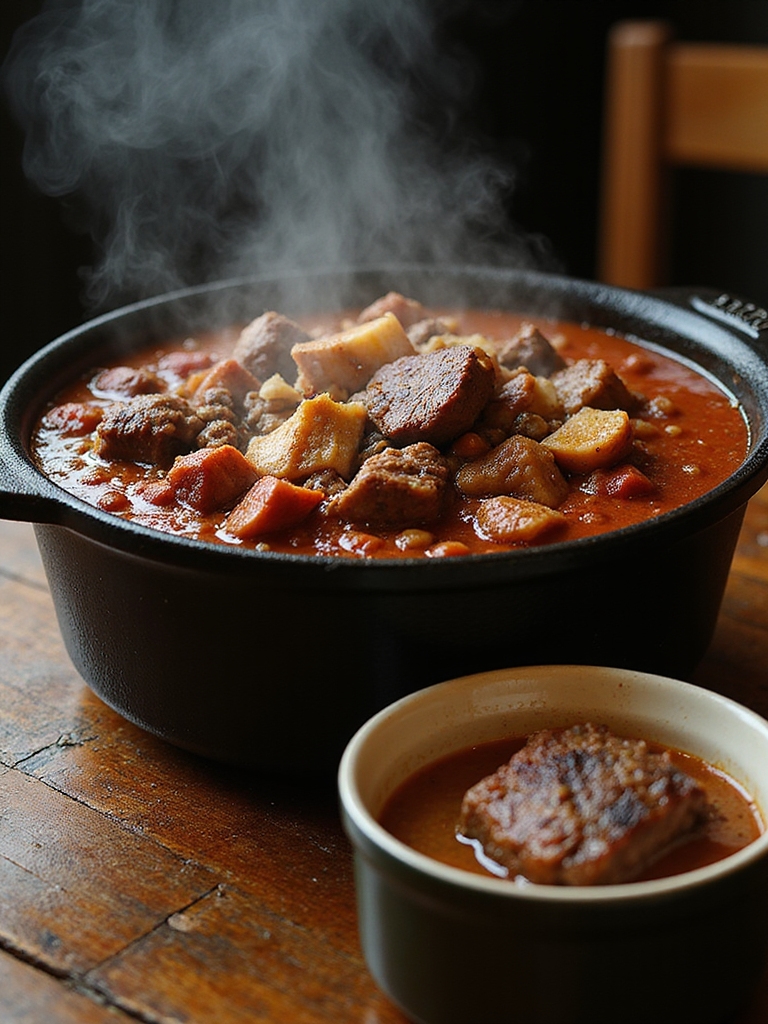


You can build a simple, sustainable carnivore routine that fits a busy life without overcomplicating meals or tracking every bite. Start with a few fatty cuts, eggs, and bone broth you like, batch‑cook once a week, and keep portable protein for hectic days.
I’ll walk you through what to eat, how much, what to watch for, and easy fixes when energy dips—so you can try it with confidence and tweak as you go.
Start the Carnivore Plan Today (Quick-Start Checklist)

Ready to jump in? You’ll start simple: clear your fridge of sugary, processed items and stock fatty cuts, eggs, bone broth, and organ meats.
Plan three meals, keep portions intuitive, and pick one new recipe to try this week.
Schedule shopping and a weekly cook-up session so meals don’t sabotage you.
Stay hydrated, add salt, and track how you feel each day for two weeks.
Line up support—a friend, online group, or practitioner—so questions don’t stall you.
Adjust slowly if needed, celebrate small wins, and remember consistency beats perfection as you begin this practical plan.
Include nutrient-dense choices like organ meats regularly to help cover micronutrient needs.
Can Carnivore Work for Busy Women? (What to Expect, Risks)

Often, busy women find the carnivore diet surprisingly compatible with a packed schedule because meals are simple, portable, and quick to prep—think hard‑boiled eggs, grilled steaks, and slow‑cooked bone broth you can batch on a weekend.
You’ll likely notice steadier energy and less decision fatigue as you simplify choices, but expect an adjustment period: cravings, digestion shifts, and possible constipation or electrolyte changes.
Plan hydration, salt, and a backup snack for low energy days. Check labs and consult your clinician if pregnant, nursing, or on meds.
With sensible monitoring, it can fit your life—practical, effective, and manageable. It’s also helpful to start with a simple meal plan to ease the transition and reduce overwhelm.
Simple Animal Foods to Eat (Minimal Prep Staples)

Usually you’ll keep things very simple on a carnivore plan: think eggs, steaks, ground beef, pork chops, canned fish, and bone broth that you can batch and reheat.
You’ll favor fatty cuts for satiety and minimal cooking—ribeye, chuck, salmon, sardines, and pork belly.
Eggs cook fast and dress up breakfasts or snacks.
Canned fish and pre-cooked rotisserie chicken rescue busy days.
Use rendered tallow or butter for flavor.
Keep marrow bones or oxtail for broths that boost minerals.
Season lightly with salt and pepper.
Stock a small rotation you enjoy, and swap proteins to avoid boredom.
Include more fatty cuts like ribeye and pork belly to improve satiety.
Build One Easy Carnivore Plate (Portions & Protein Targets)

Think of one easy carnivore plate as a simple blueprint: aim for a palm-sized portion of protein at each meal and choose fatty cuts like ribeye, ground beef, or salmon to meet both calories and satiety.
You’ll hit most protein targets by focusing on 20–30 grams of protein per meal (about 3–4 ounces cooked for many cuts) and adjusting up if you’re active or trying to build muscle.
Keep it practical—pick a couple of reliable, protein-rich options you enjoy and repeat them until the portions feel natural.
Also consider stocking up on a few essential staples like ribeye, ground beef, and salmon to simplify meal prep and ensure consistent intake of protein-rich options.
Portion Size Targets
Start by building a simple carnivore plate you can repeat every day: aim for a palm-sized serving of fatty protein, a second palm-sized portion of lean protein (or double the fatty if you prefer), and a thumb-sized bit of organ meat or extra fat if you need more calories.
You’ll use these targets to match hunger, activity, and goals. Adjust by one palm or thumb per meal until energy and satiety feel right. Track for a week, then tweak.
You’re allowed flexibility — consistency matters more than precision. Many people find that rotating proteins makes the plan easier to sustain and supports everyday variety.
| Item | Portion example |
|---|---|
| Fatty protein | 1 palm |
| Lean protein | 1 palm |
| Organ meat | thumb |
| Extra fat | thumb |
Protein-Rich Food Choices
Choose protein sources you enjoy and can eat consistently—those are the ones that’ll make the carnivore plate sustainable.
Aim for variety: fatty beef, ground pork, lamb chops, chicken thighs, whole eggs, and oily fish like salmon. Prioritize whole cuts over highly processed options.
For portion targets, plan roughly 20–30 grams of protein per meal depending on your needs; a palm-sized steak, three eggs, or a tin of sardines fits well. Rotate textures and cooking methods to prevent boredom.
Trust your hunger cues, keep meals simple, and adjust portions until you feel energized and satisfied daily. Include shopping staples like fatty cuts and canned fish to keep meals easy and reliable carnivore staples.
No‑Fuss Breakfast, Lunch, and Dinner Templates

You’ll get quick high-protein starts to kick your morning into gear, simple midday plates that keep energy steady, and effortless evening feasts for easy cleanup.
These templates make it simple to meet your protein targets without overthinking meals. Pick what fits your schedule and tweak portions until it feels right.
Many people starting out find foolproof carnivore meals helpful because they require minimal cooking and reliable results.
Quick High‑Protein Starts
Jump into the day with effortless, protein-forward meals that keep your energy steady and cravings minimal—no complicated recipes or long prep required.
You’ll grab quick staples—eggs, cooked steak slices, smoked salmon—and assemble focused plates. Rotate three easy combos so mornings, midday, and evenings feel predictable and satisfying.
Use batch-cooked proteins and simple seasonings; warm, plate, eat. Confidence grows when you know a plan fits real life.
Simple carnivore meals are especially approachable for beginners and can be built around easy protein swaps to suit tastes and schedules.
| Meal | Protein | Time-saving tip |
|---|---|---|
| Breakfast | Eggs/sausage | Pre-cook sausages |
| Dinner | Steak/fish | Reheat slices quickly |
Simple Midday Plates
Often, midday plates are the easiest place to stay on track—grab two or three cooked proteins, add a fatty element if you like, and assemble in under five minutes.
You’ll rotate simple combos: sliced roast beef with butter, hard‑boiled eggs and sardines, or grilled chicken thighs with crispy pork belly.
Aim for variety in texture and fat to stay satisfied.
Use leftovers, keep tins and precooked portions ready, and plate with confidence.
You don’t need elaborate recipes to feel nourished; these templates save time, support energy, and let you focus on your day while staying firmly within the carnivore framework.
Effortless Evening Feasts
Wind down without fuss by framing dinner as a simple, satisfying ritual: pick one hearty protein, add a complementary fat, and round it out with a quick cooked egg or a tin of seafood if you want extra variety.
You’ll keep mornings easy with reheatable steak slices or leftover roast, pair lunch with bone broth or sardines, and finish nights with pan-seared salmon or pork chop plus butter.
Use sheet-pan cooking, slow cooker roasts, and boiled eggs to simplify prep.
Plate portions to your hunger, season simply, and trust repetition—this reliable template saves time and keeps you nourished and confident.
Carnivore Snacks to Keep Energy Steady
Keep a handful of simple, protein- and fat-forward snacks on hand so you can steady your blood sugar and stay focused between meals.
Pack slices of hard cheese, boiled eggs, or thinly sliced cured meats for quick bites.
Tuna pouches, sardines, and pork rinds travel well and require no prep.
Keep portioned beef jerky or biltong without added sugar for longer outings.
If you need warmth, heat leftover steak or lamb cubes.
Rotate choices so you don’t get bored, and listen to your hunger cues—snack to maintain energy, not out of habit or emotion.
Eating Windows and Practical Fasting for Busy Schedules
You can keep meal timing flexible on carnivore—pick windows that fit your work and energy patterns instead of forcing a rigid schedule.
Short, practical fasts (12–16 hours) often boost clarity and simplify meals without disrupting productivity.
With a few adjustments to when you eat, you’ll preserve energy, stay consistent, and make this way of eating realistic for your busiest days.
Flexible Meal Timing
Often you’ll find that a fixed schedule doesn’t fit your life, and that’s okay — flexible meal timing on a carnivore plan is about matching eating windows to your energy needs, obligations, and cycle rather than following rigid rules.
You prioritize what feels sustainable: hearty breakfasts when mornings are busy, later eating on light days, or two meals when time’s tight.
Listen to hunger, plan protein-rich options, and adjust around workouts, work, and family.
Small shifts keep you consistent without stress.
- Time meals around energy peaks.
- Keep quick, protein-focused backups.
- Shift windows by day, not guilt.
- Honor cyclical appetite changes.
Short Practical Fasts
If flexible meal timing has been working for you, adding short, practical fasts can simplify busy days and sharpen appetite cues without overcomplicating life.
Aim for 12–16 hour windows that fit your routine — skip late-night snacks or delay breakfast slightly when mornings are hectic.
Keep hydration and electrolytes steady so energy stays even; black coffee or bone broth help bridge gaps.
Use fasting as a tool, not a rule: shorten a feeding window on travel days, extend it when workouts demand fuel.
Listen to hunger, prioritize nutrient-dense animal foods when you break fast, and adjust gently as needed.
Eating Around Work
Regularly aligning your eating window with your workday makes sticking to a carnivore plan realistic and less stressful. You’ll pick windows that match meetings, breaks, and energy needs so fasting feels natural, not forced.
Plan protein-rich meals before heavy tasks, carry cooked options for unpredictable days, and use short practical fasts when mornings are packed. Trust that flexibility—shifting your window by an hour, or condensing meals—keeps you consistent.
- Time meals around peak focus periods.
- Prep portable carnivore snacks (eggs, jerky, cold steak).
- Use 12–16 hour fasting to simplify mornings.
- Adjust windows weekly, not daily.
Week‑Long Shopping List for Effortless Carnivore Meals
Start with a simple list that keeps shopping quick and meals effortless: focus on a few high-quality animal proteins, a couple of cooking fats, and optional minimal seasonings so you can mix and match without overthinking.
Buy ground beef, ribeyes or sirloins, skin-on chicken thighs, and a fatty fish like salmon. Add eggs and a few pork chops for variety.
Choose butter and tallow or avocado oil for cooking. Keep salt, black pepper, and optionally garlic powder.
Grab bone broth for quick sipping and collagen if you like. Aim for portion sizes you’ll eat across the week to avoid waste.
Batch‑Cooking Shortcuts and Reheating Tricks
Batch-cooking a few protein bases each week saves you time and keeps meals simple—think roasted brisket, ground beef crumbles, and baked salmon portions.
Use fast reheating methods like stovetop searing for steaks, quick oven blasts for roasts, or gentle microwave bursts for chopped meats to preserve texture.
Store in portion-sized containers and label with dates so you can grab exactly what you need without guessing.
Weekly Batch Cooking
Usually, you’ll find that cooking once or twice a week saves hours and keeps your carnivore meals simple and satisfying—so plan a couple of big protein cooks, portion them, and store them smartly.
You’ll feel less stressed on busy days and stay consistent.
Use oven roasts, sheet‑pan steaks, or slow cooker batches that tolerate holding.
Cool quickly, label portions, and alternate textures so meals don’t feel repetitive.
- Roast large cuts, slice for quick plates.
- Pan‑sear steaks, rest, then refrigerate.
- Slow‑cook shredded beef, portion into jars.
- Freeze single‑meal packs for busy weeks.
Fast Reheating Methods
Often you’ll want meals ready in minutes, and smart reheating makes your batch‑cooked carnivore plates taste fresh without extra work.
Use a hot skillet with a little butter or tallow to revive seared edges and crisp fat — it’s faster and tastier than the microwave. For tender cuts, add a splash of bone broth, cover, and heat gently to keep moisture.
Slice larger roasts thin before reheating so they warm evenly. If you do use the microwave, short bursts and stirring prevent overcooking. These tricks save time while keeping texture and flavor you’ll actually enjoy.
Storage And Portioning
Once your reheating tricks have kept steaks juicy and crackling, you’ll want storage and portioning systems that make those quick revives effortless.
You’ll batch-cook predictably: roast, sear, or slow-cook enough for several meals, then cool quickly to preserve texture. Label, date, and portion by meal to avoid overthinking.
Freeze flat in zip bags for fast thawing, or use shallow containers for fridge-ready dinners. Reheat straight from fridge for same-day meals; thaw overnight for frozen portions.
- Portion by calories/plate to match appetite.
- Vacuum or squeeze air from bags.
- Stackable containers save space.
- Cool completely before sealing.
Quick Carnivore Breakfasts for Rushed Mornings
Mornings can fly by, but you can still grab a satisfying carnivore breakfast that keeps you full and focused — even when time’s tight.
Prep cooked bacon, hard‑boiled eggs, or sliced roast beef ahead so you can grab-and-go. Keep a container of plain Greek yogurt or cottage cheese if dairy suits you.
Make quick egg muffins in a muffin tin for several days, or pan-sear steaks the night before and reheat briefly.
Use portable insulated containers for bone broth or hot coffee with heavy cream. With simple prep and reliable staples, you’ll leave the house nourished and ready to own your day.
Eating Out & Travel: Stay Carnivore With Minimal Fuss
If you’ve nailed quick carnivore breakfasts, you can use the same principles on the road: plan, prioritize protein, and keep easy options on hand.
You’ll find restaurants can accommodate—order steaks, grilled chicken, or burgers without the bun; ask for extra butter or tallow.
Pack travel-friendly items like jerky, canned fish, and hard cheeses if you tolerate them.
Stay flexible: choose egg-based dishes for breakfast and simple meat-and-fat plates for dinner.
Trust your choices and keep snacks handy to avoid compromise.
- Call ahead to confirm meat-focused options
- Pack vacuum-sealed cooked meats
- Choose simple grilled preparations
- Carry electrolyte tablets
Women’s Concerns: Hormones, Iron, and Bone Health – What to Monitor
Because women’s physiology responds uniquely to big dietary shifts, you’ll want to track a few key markers when going carnivore so you can protect hormones, iron stores, and bone health.
Check menstrual regularity, energy, and mood; get baseline labs and follow up. Monitor ferritin, CBC, vitamin D, and calcium; adjust intake or supplements with a clinician.
Weight-bearing movement and adequate protein support bones. If cycles change or fatigue appears, don’t ignore it—consult your provider. Use the table below to keep tests and signs simple, then act early to stay strong and balanced.
| Marker | Why it matters |
|---|---|
| Ferritin | Iron storage, energy |
| CBC | Anemia detection |
| Vitamin D | Bone health |
| Calcium | Bone mineral status |
When and How to Add Eggs, Dairy, and Organ Meats
When you start adding eggs, dairy, and organ meats, go slowly and listen to how your body responds—these foods bring dense nutrition but can also shift digestion and hormones, so incremental introduction helps you spot benefits or sensitivities.
Begin with small portions, track reactions, and prioritize quality (grass‑fed, pasture‑raised, fresh organs).
Rotate choices so one food doesn’t dominate.
Trust instincts and adjust timing around your cycle.
- Start eggs first: one daily, cooked well, watch fullness and skin.
- Add dairy next: fermented or ghee, small servings.
- Introduce liver: teaspoons, then tablespoons over weeks.
- Rotate and reassess.
Troubleshooting Cravings, Digestion, and Low Energy
Cravings, digestion hiccups, and low energy are common as you adapt to a carnivore approach, but you can usually identify and fix the drivers with simple adjustments.
Track meals, sleep, and stress for a week to spot patterns. If cravings hit, raise fat-to-protein ratio, eat mineral-rich foods like liver or salt, and make sure meals are satisfying.
For bloating or constipation, tweak meal timing, increase hydration, and try more fatty cuts or gentle supplements (magnesium, ox bile) as needed.
Low energy often signals under-eating, low electrolytes, or poor sleep—prioritize calories, salt, and rest. Adjust, observe, and iterate.
Adapting This Plan Long‑Term While Keeping Daily Ease
Balancing consistency with simplicity will let you make the carnivore approach sustainable without turning every day into a chore.
You’ll tweak portions, rotate protein sources, and schedule easy meal prep so the plan fits your life, not the other way around.
Expect seasons of stricter focus and looser maintenance; that’s normal. Prioritize sleep, hydration, and simple labs to track progress. Use flexible rules—like two structure days per week—to stay accountable without rigidity.
- Batch-cook proteins for grab-and-go meals
- Rotate cuts to prevent boredom
- Schedule monthly check-ins with yourself
- Adjust portions by activity level
You’ve got a simple roadmap that fits into real life — think of it as a well‑worn recipe card for your body.
Stick to easy staples, hydrate, salt, and tune into your cycles; batch cook and keep portable proteins for rushed days. Expect tweaks, not perfection.
When you listen to energy, cravings, and monthly signs, you’ll steer this plan toward lasting gains. Breathe, adjust, and let steady habits become your quiet strength.