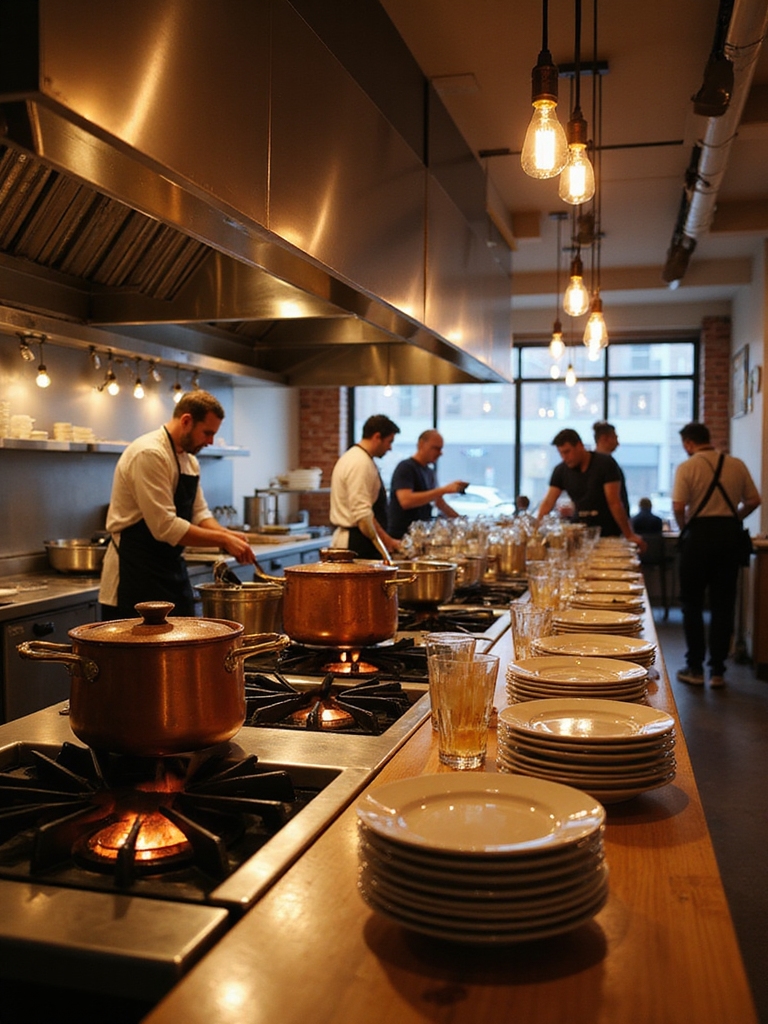


I design kitchen‑lounge combos to feel lived‑in and effortless, so I start by mapping cooking, working, lounging and entertaining into clear stations. I pick a layout—galley, L, U or island—based on the house shape, then set traffic paths and keep people out of the work triangle.
Rugs, sofas and a mix of stools and benches define zones while warm textures and dimmable lights soften acoustics. Stick with durable, easy‑clean finishes and I’ll show how the small swaps make a big difference.
Map Daily Activities: Cooking, Working, Lounging, Entertaining
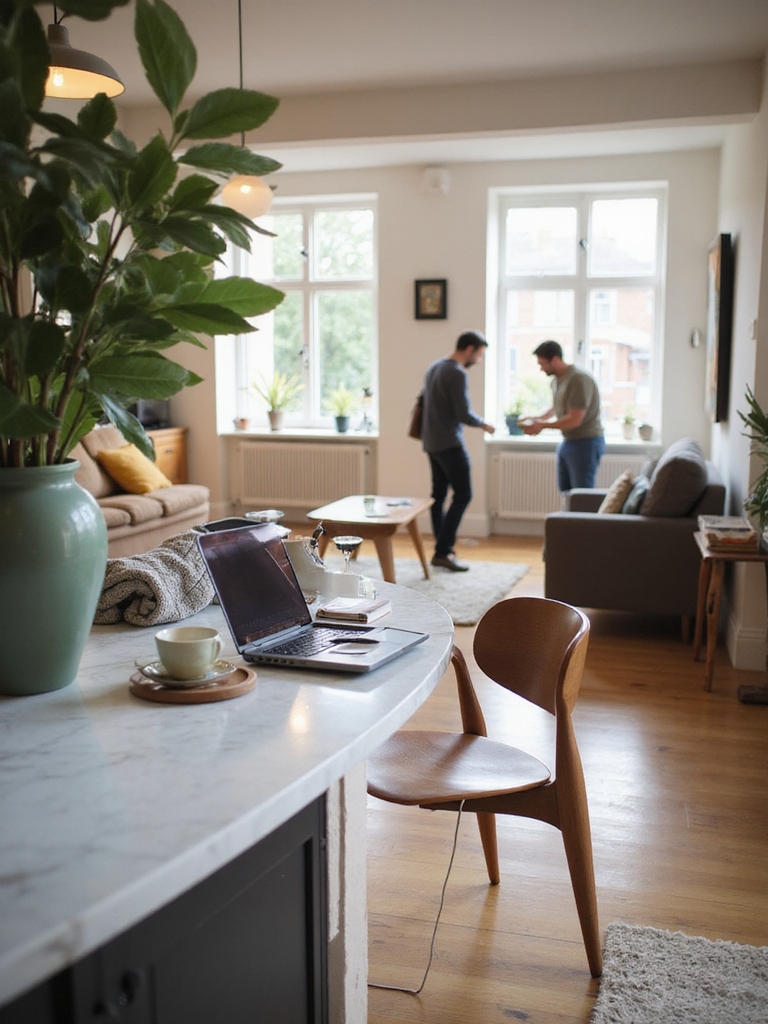
When I plan an open-plan kitchen lounge, I map daily activities—cooking, working, lounging, entertaining—like stations in a small village, so each has its own rhythm but still talks to the others;
I picture where light falls at breakfast for quick coffee, where I’ll spread papers for a midday work sprint, which chair becomes the reading nook at dusk, and how the island or sofa can flip from family hub to party serving table without a fuss.
I assign durable surfaces near cooking, a calm corner for focus, soft lighting for evenings, and clear traffic paths so moments flow natural and unforced.
I also pay attention to layout secrets like defined sight lines and clear traffic paths that keep movement smooth between zones.
Choose an Open-Plan Layout for Your Footprint (Galley, L, U, Island)
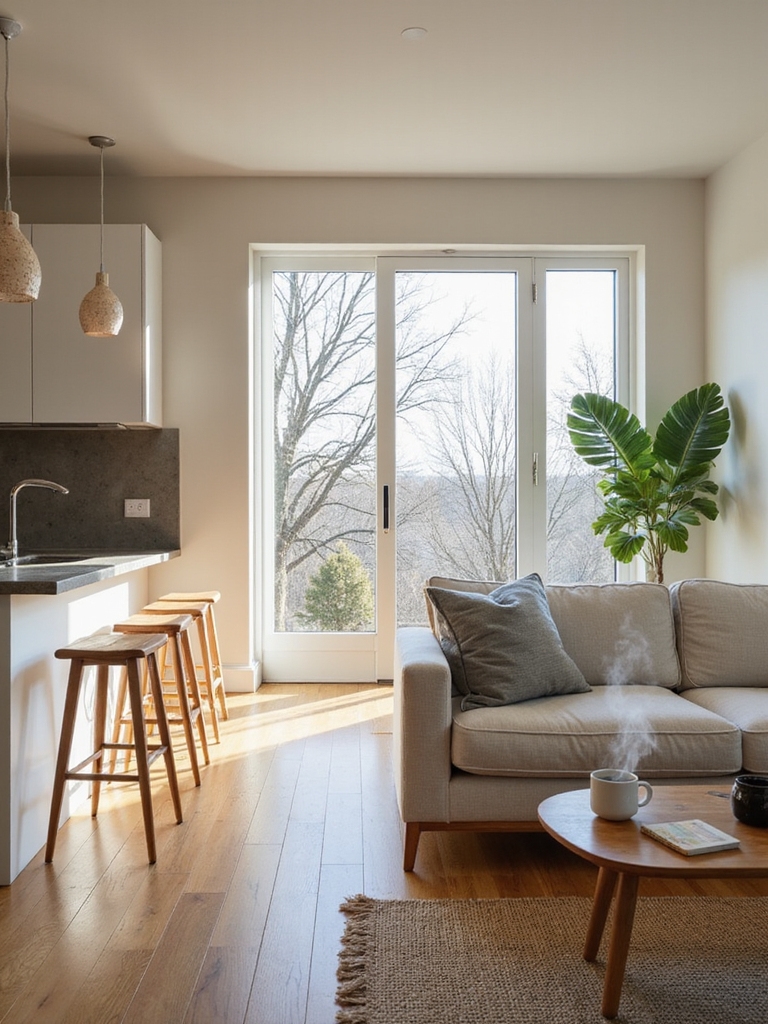
Because every home has its own shape and rhythm, I start by thinking about footprint first—do you have a narrow corridor that suits a galley, a corner that loves an L, a roomy box for a U, or the freedom of an island in the middle?
I then match function to form: galley for efficiency, L for casual flow, U for storage, island for gathering and prep.
Open kitchen layouts can be adapted to fit any home shape, from narrow to expansive, by choosing the right configuration and traffic flow Open Kitchen Layouts.
Plan Traffic Flow in Your Kitchen-Lounge to Avoid Collisions
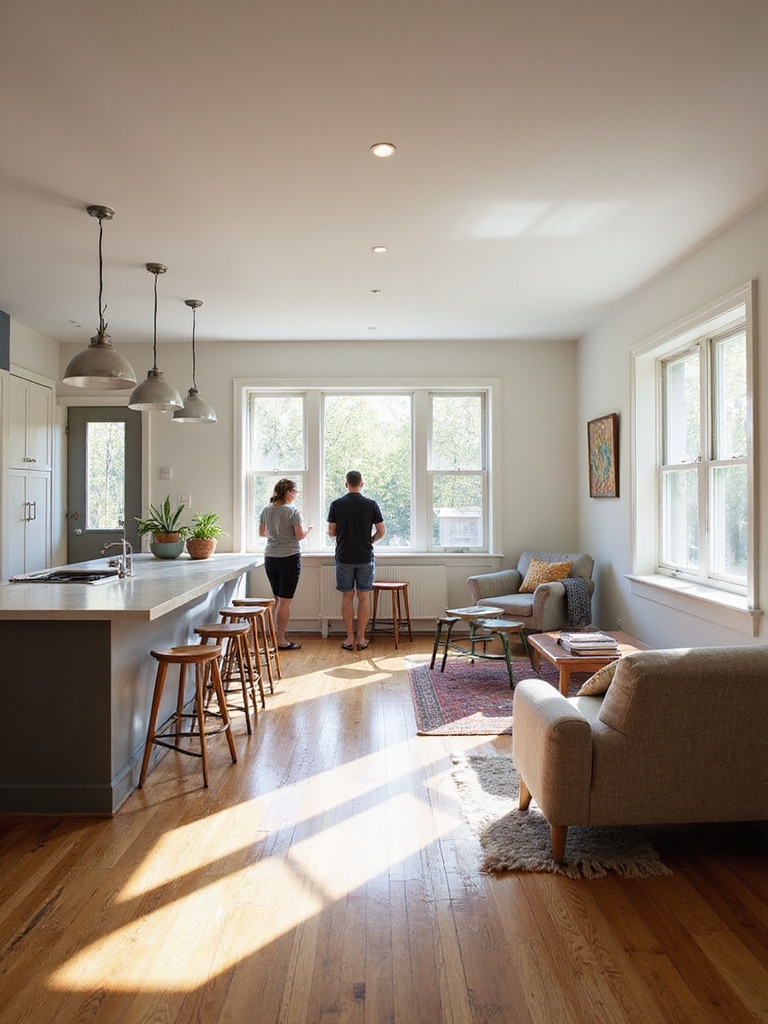
If you move through the room like I do, you’ll quickly spot the pinch points where conversations and cooking collide, so I design paths that keep people out of the work triangle and off the main thoroughfare.
I suggest clear entry lines, staggered seating, and a little buffer between prep and lounge.
Simple sightlines and durable floors help everyone glide past without bumping elbows.
Architects also use layout strategies to maximize kitchen flow and reduce traffic conflicts throughout the space.
Zone the Room With Furniture, Rugs, and Sightlines
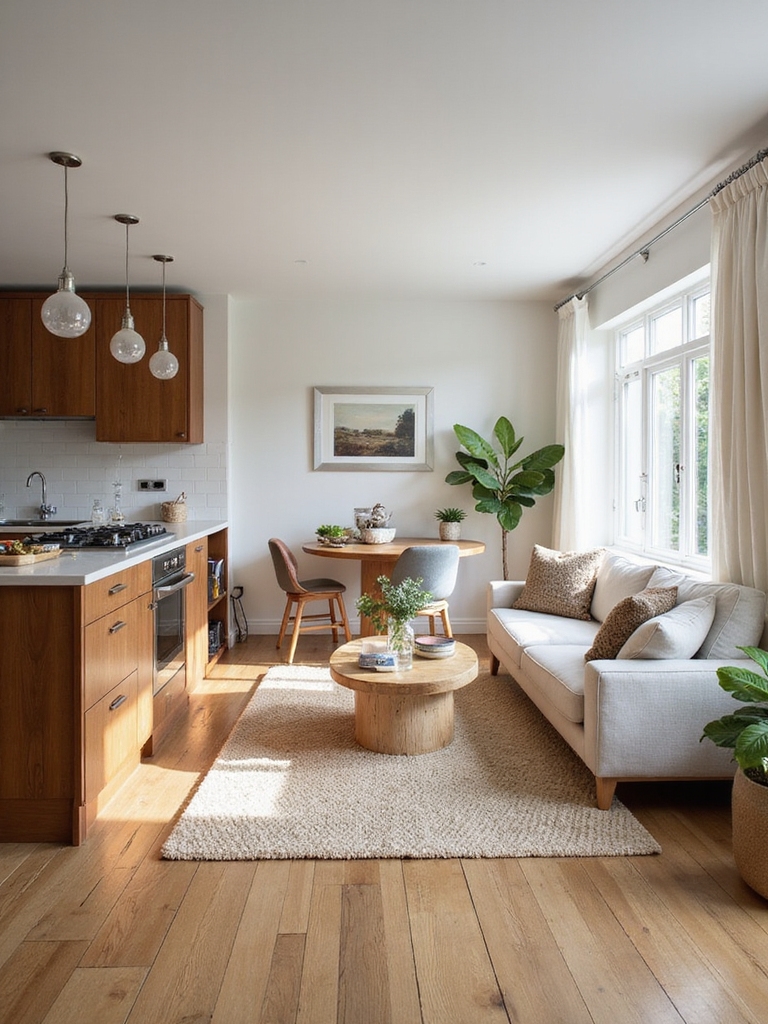
I like to think of an open plan as a series of cosy rooms, so I start by defining functional areas—cooking, dining, lounging—so everything has a purpose.
I use rugs as anchors to ground each zone and signal changes without walls.
Paying attention to furniture placement and sightlines keeps the space flowing and visually calm.
Open concept layouts benefit from thoughtful flow planning to balance interaction and privacy.
Define Functional Areas
When I plan an open kitchen-lounge, I start by mapping out clear zones so each area feels purposeful without closing off the space; furniture, rugs, and sightlines do the heavy lifting.
I place seating to invite conversation, a console to mark changeover, and a pantry corner for quick tasks.
Lighting and traffic flow confirm each spot’s role, keeping the room cozy and sensible.
Open kitchen and living room layouts often center around an island to improve flow and functionality, creating a natural separation while maintaining openness and sightlines to the rest of the space with an island flow that anchors both areas.
Use Rugs As Anchors
I usually start by laying down rugs to give each zone its own heartbeat—area rugs instantly define the lounge, dining, and prep spots without building walls.
I pick textures and tones that cozy up timber floors, anchor furniture groupings, and guide sightlines.
A faded wool under the sofa, jute beneath the table, and a runner by the sink create warmth, flow, and practical zoning.
Neutral palettes and layered textures help achieve a chic and timeless look that feels relaxed and enduring.
Pick an Island or Peninsula That Suits Cooking and Seating Needs
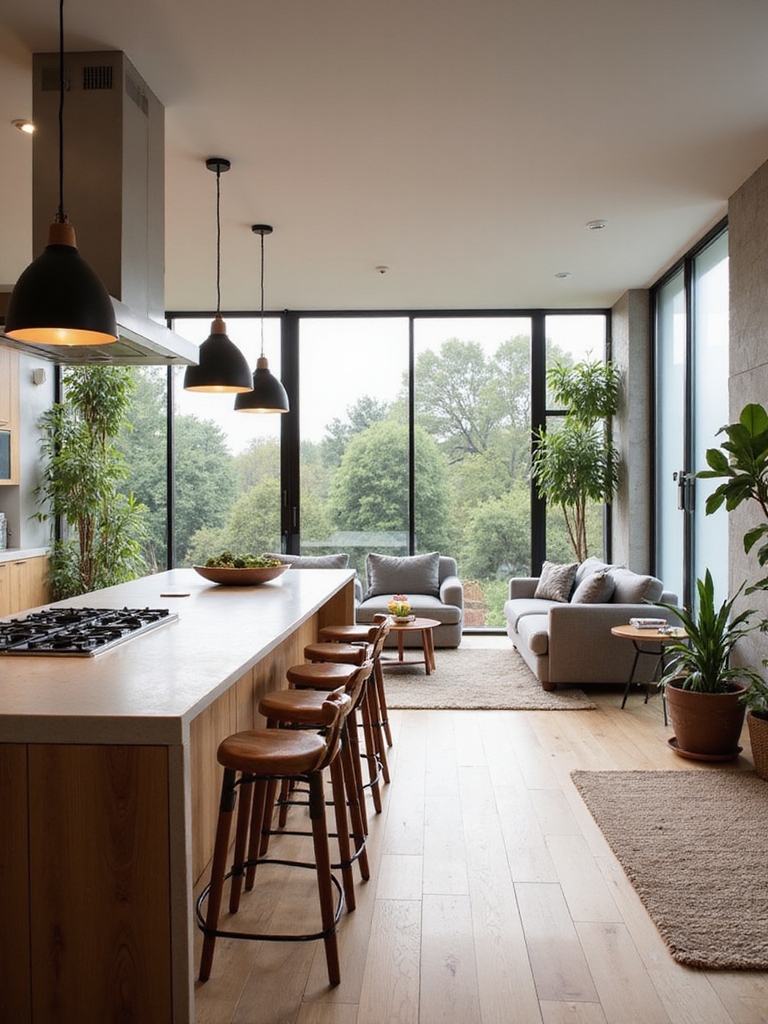
When I’m planning an island or peninsula, I first think about scale so it fits the room without blocking traffic.
I pick a seating layout—stools, a breakfast bar, or a bench—that matches how we’ll actually use the space.
Above all, I arrange surfaces and appliances to keep prep work flowing smoothly between sink, stove, and fridge.
I also consider unique island designs that add both function and style to high-end kitchens.
Match Size To Space
Because I use the kitchen for both cooking and hanging out, I always start by measuring how people move through the space before choosing an island or peninsula.
I pick proportions that let me cook, chat, and keep traffic flowing. Rustic wood tones and sturdy edges feel right; scale matters for comfort and function.
- Leave 42–48 inches around work zones
- Keep aisles clear
- Match island length to counter run
- Balance scale with sightlines
Open kitchen islands are often designed to become the central gathering spot in a home, so I favor layouts that emphasize the island as the heart of the space.
Choose Seating Configuration
Think about how people gather in your kitchen as you pick between an island or a peninsula—I want seating that invites conversation without crowding my cooking zone.
I choose an island when I want flexible flow and casual bar stools; I opt for a peninsula to tuck seating into a corner and keep traffic calm.
Rustic wood stools and cozy cushions make it feel like home.
Prioritize Prep Workflow
I lay out my prep zone so chopping, stirring and plating can happen without bumping into guests—picking an island gives me room to work and serve, while a peninsula tucks the cooking lane against a wall and keeps traffic predictable.
I choose flow over fuss, pairing durable surfaces with clear sightlines so conversations and cooking mix easily.
- Wide island counter
- Benches for guests
- Sink near stove
- Clear walkways
Balance Storage: Hidden Cabinets, Pull-Outs, and Display Shelving
I lean into clever storage solutions to keep an open plan kitchen lounge feeling relaxed rather than cluttered; hidden cabinets tuck away everyday mess, pull-outs save bending and hunting, and open display shelving lets the room breathe while showing off the pieces I love.
I mix weathered wood cabinets with practical drawers, keep displays curated, and hide appliances so the space feels warm, tidy, and lived-in.
Choose Durable, Cozy-Feeling Surfaces (Floors, Countertops, Backsplashes)
Once your storage keeps clutter out of sight, the surfaces take on the job of setting mood and standing up to life.
I choose warm, tough materials that feel lived-in and easy to care for. Here are my go-tos:
- Wide-plank oak floors, oiled for softness and durability.
- Honed granite counters with gentle veining.
- Textured subway-tile backsplash.
- Soapstone sink for patina and resilience.
Layer Lighting for Prep, Dining, and Relaxed Evenings
I like to think of kitchen-lounge lighting in layers: bright, focused task lights over prep areas, a softer ambient glow for meals, and dimmable fixtures to ease into relaxed evenings.
Good under-cabinet lamps and pendant clusters make chopping safe and simple, while a warm pendant or wall sconce sets a cozy dining mood.
Then I drop the lights low or switch to warm dimming for a calm, lived-in feel when we want to unwind.
Task Lighting For Prep
Think of task lighting as the honest workhorse of your open-plan kitchen lounge — I rely on it to keep prep bright, dinners inviting, and evenings cozy without fuss.
I choose focused, warm fixtures that cut shadows and welcome conversation.
- Under-cabinet strips for chopping clarity
- Pendant over island for focused work
- Adjustable swing-arm by sink
- Bright rail lights for baking prep
Ambient Dining Glow
With a soft wash of layered light, I make the whole open-plan kitchen lounge feel like an invitation — perfect for prepping, eating, or sinking into the sofa after a long day.
I layer warm overheads, subtle wall sconces, and a gentle pendant over the table so meals glow, faces soften, and the room feels cozy yet practical without harsh shadows or clinical brightness.
Dimmable Cozy Evenings
Often I dim the lights to shift the room from task-focused to tuck-in cozy, and you can do the same with just a few simple layers.
I layer overhead, pendant, countertop, and lamp light so prep, dining, and lounging feel right. Small changes make evenings gentle, warm, and lived-in.
- Warm overhead dimmers
- Pendant over table
- Under-cabinet strips
- Soft corner lamps
Improve Acoustics Without Major Renovation (Soft Finishes, Panels)
I usually start by listening to the room—how voices bounce off cabinets, how dishes clatter across the open space—because you can’t fix what you don’t hear; I’ll show you simple ways to tame the echo without gutting your kitchen-lounge combo.
I add woven rugs, thick curtains, and upholstered stools, plus discreet wall panels or cork boards. These absorb sound, warm the space, and keep things comfy.
Arrange Seating to Encourage Conversation and Relaxation
When I arrange seating in an open plan kitchen-lounge, I think about how people naturally move and mingle, not just where chairs fit.
I place seats to invite eye contact, ease, and lingering over tea. I favor mixed heights and soft textiles for a cozy, lived-in feel.
- Cluster sofas and chairs around a focal rug
- Angle pieces for conversation
- Add a low bench for lounging
- Keep clear walkways
Decide Where You’ll Eat: Bar Seating, Dining Table, or Both
Decide where you’ll eat by thinking about how you actually use the space—do you grab quick breakfasts at the counter, sit down for long dinners, or do a bit of both?
I prefer a sturdy bar for casual mornings and a reclaimed-wood table for evenings with friends. Balance scale, traffic flow, and storage needs so both options feel intentional, cozy, and functional.
Integrate Appliances and Tech Discreetly in Open-Plan Layouts
You’ve thought through seating and flow, so now let’s make the tech and appliances work without shouting for attention.
I tuck gadgets into cabinetry and choose matte finishes so ovens and fridges whisper, not scream. I hide cords, mount speakers subtly, and use smart controls for calm.
- Panel-ready appliances
- Under-cabinet task lighting
- Concealed charging stations
- Discreet wall-mounted speakers
Unify the Space With Color, Texture, and Soft Furnishings
Across an open plan, I weave color, texture, and soft furnishings to knit the kitchen and lounge into a single, welcoming room.
I pick a shared palette—muted earth tones—and repeat accents in cushions, rugs, and curtains. Woven throws, timber surfaces, and matte ceramics add tactile warmth.
That cohesion makes the space feel lived-in, relaxed, and effortlessly connected.
Make It Kid- and Pet-Friendly: Safety and Low-Maintenance Tips
I keep my open plan kitchen lounge practical without sacrificing charm by choosing durable, easy-clean surfaces that stand up to spills and muddy paws.
I arrange furniture and storage so sharp corners, hot zones, and tempting lower shelves are out of reach for little hands and curious pets.
With a few thoughtful choices, the space stays cozy, safe, and simple to maintain.
Durable, Easy-Clean Surfaces
Think about surfaces that stand up to spills, scratches and little hands without making you feel like you live in a showroom; I’d pick materials that wipe clean fast, resist stains, and still look warm and lived-in.
- Engineered stone counters — hardy, simple wipe.
- Matte ceramic tile floors — forgiving but cozy.
- Sealed wood table — rustic, repairable.
- Performance upholstery — pet-proof, soft to touch.
Childproof Layout And Storage
Usually I start with the routes kids and pets take through a room, because once you know those paths you can plan safe zones and storage that actually work.
I tuck dangerous items up high, use soft-cornered furniture, and anchor bookcases.
Baskets, lower drawers for toys, and washable rugs keep clutter controlled.
That way the open plan feels cozy, practical, and easy to maintain.
Small-Budget Upgrades That Deliver Big Everyday Impact
Often I start with small swaps that make the whole space feel loved, and you can do the same without blowing your budget.
I’ll share simple touches that change daily life, keep things cozy, and respect a rustic vibe.
- Swap lighting for warm pendants.
- Add open wood shelving.
- Refinish cabinet fronts with stain.
- Place woven baskets for tidy storage.
I’ve walked you through simple ways to blend cooking, working, lounging and hosting so your kitchen lounge feels like home every day.
Pick layouts and islands that fit how you move, zone with rugs and furniture, hide tech, and choose durable, kid- and pet-proof finishes.
Even small-budget tweaks can make a huge, life-changing difference. Now go make a cozy, practical space that invites everyone in and eases your daily rhythm.