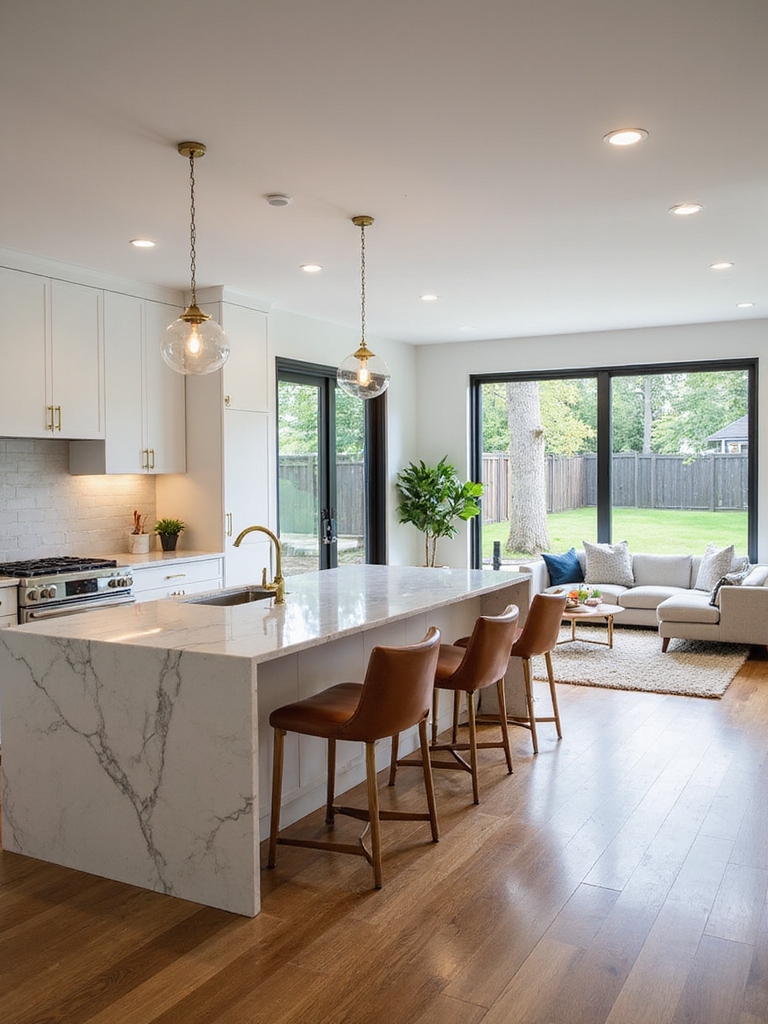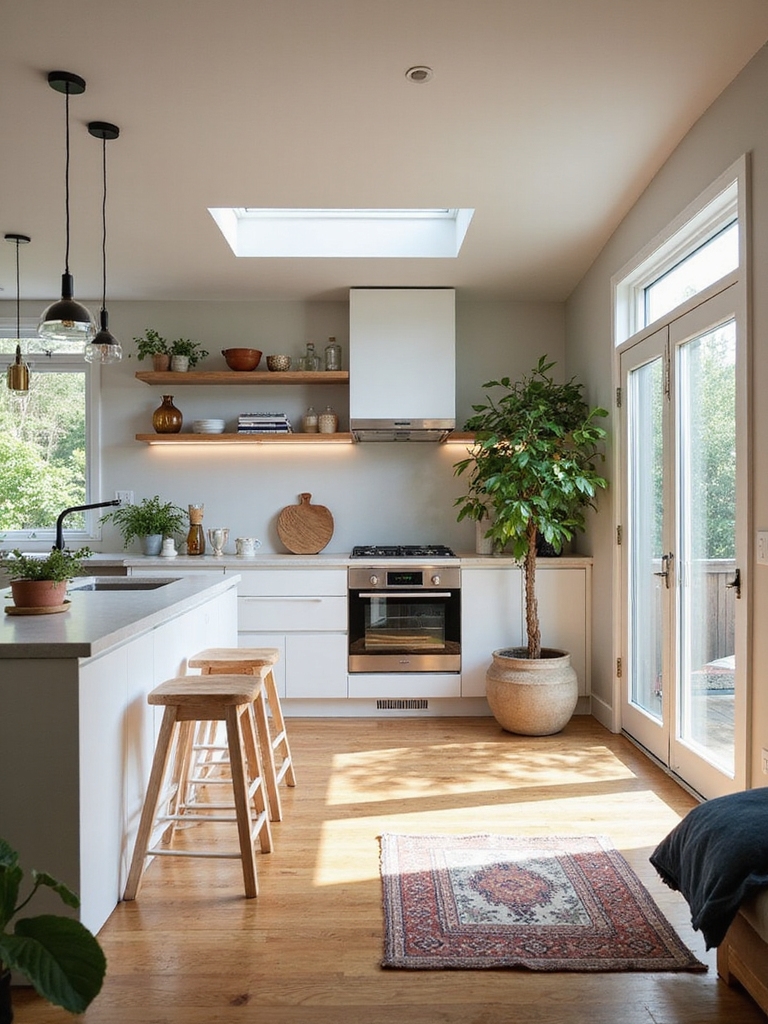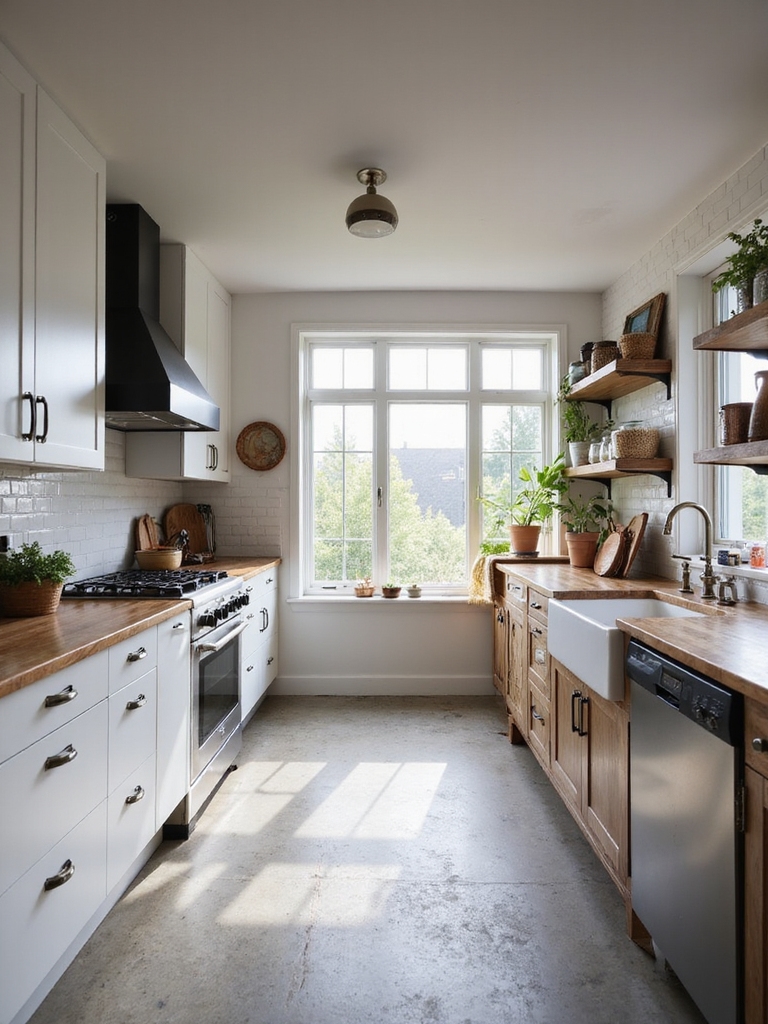


I’d open your kitchen to the living space because it instantly brightens rooms, keeps conversations flowing while you cook, and lets you watch kids or guests without turning away. It stitches sightlines, repeats warm wood tones for visual unity, and makes small homes feel airier.
You’ll trade some privacy and extra smells, but simple screens, rugs, and a quiet hood fix that. Stick with me and I’ll walk you through the how‑tos, costs, and smart compromises.
Should You Open Your Kitchen? Quick Decision Checklist
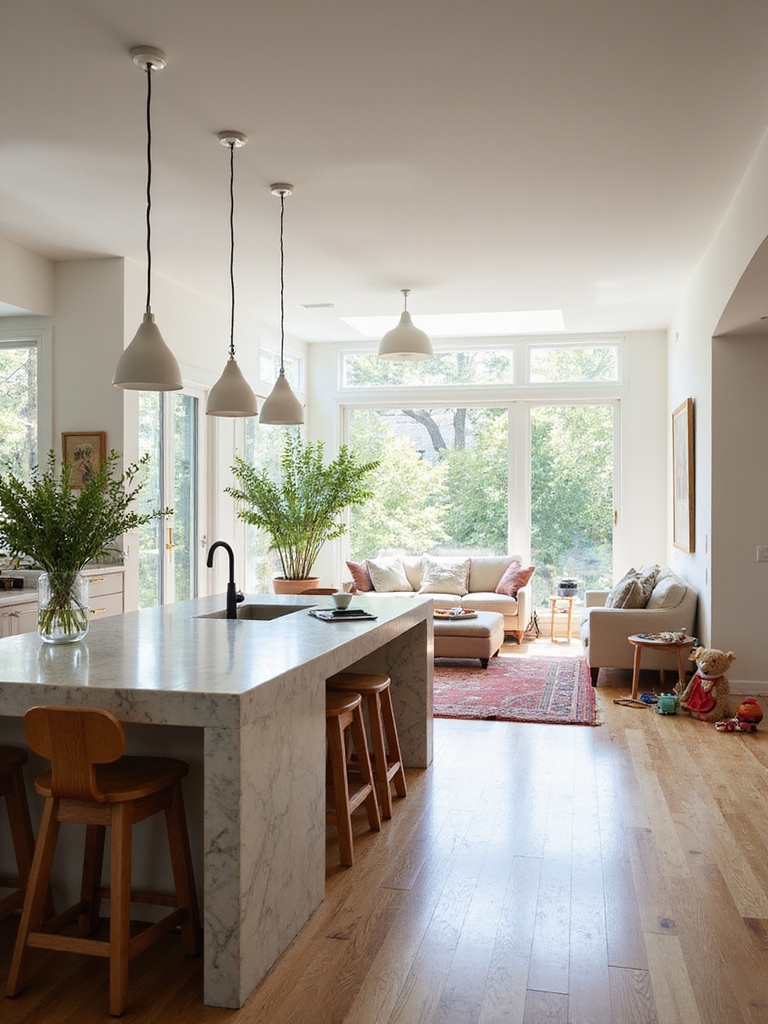
Thinking about tearing down a wall? I’d weigh sunlight, sound, and sightlines first—do you want more light, or will TV noise travel?
Check structure: load-bearing walls need pros.
Consider storage and traffic flow: will a stove face the living room or crowd it?
Budget for ventilation and finishes.
If family routines match an open plan, it often improves warmth and usability.
Also think about natural light sources and how removing barriers can redistribute daylight throughout the space.
How Opening a Kitchen Changes Daily Life
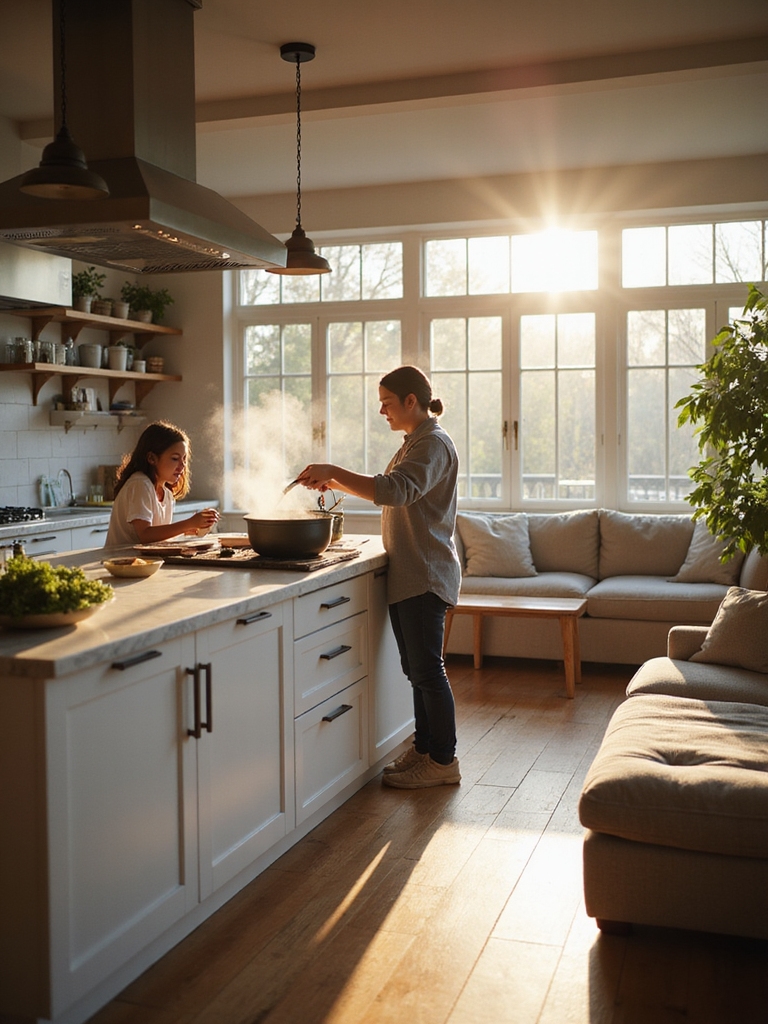
When I opened my kitchen to the rest of the house, meals became a hub for conversation instead of a lone chore.
I can keep an eye on the kids doing homework while I cook, and friends tend to gather around the counter like it’s second living room.
It also made my cooking habits more visible — I started choosing simpler, healthier dishes because I knew others would see what I was preparing.
Open kitchen islands create a central gathering spot and improve interaction between cooks and guests.
Easier Family Interaction
I often find that opening up the kitchen turns our busiest room into the heart of the home, where I can cook and still be part of whatever’s happening in the living room.
I chat, supervise homework, and share meals more naturally.
- Spontaneous conversations
- Shared chores, lighter load
- Kids feel included and confident
Open-plan designs also improve sightlines and movement between areas, especially with an island creating a natural flow that connects kitchen and living space.
Visible Cooking Habits
Because the kitchen’s now an open stage, my cooking is no longer a private rehearsal — it’s part of our daily choreography, where smells, sights, and sounds invite everyone in.
I cook with less hurry, chat while I chop, and let kids peek over the counter.
Guests linger, recipes become shared, and simple meals feel like communal rituals that knit our days together.
Open layouts also create better flow between zones, making small spaces feel larger and more connected.
Open Kitchen Benefits for Social Interaction
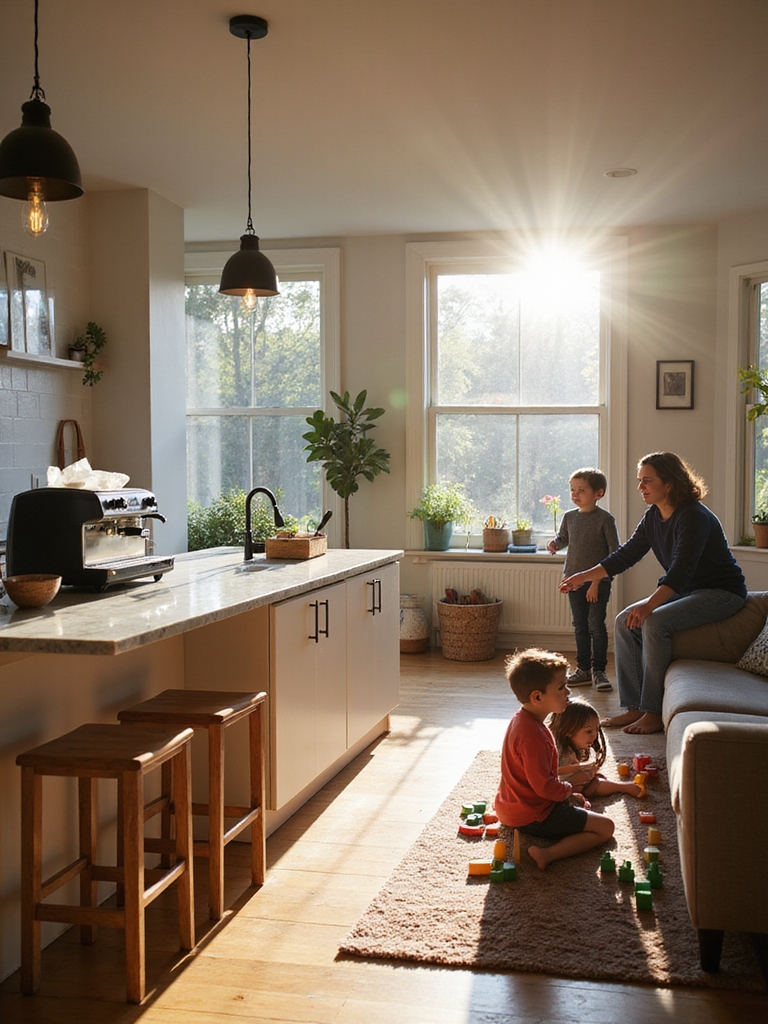
I love how an open kitchen keeps conversation flowing—no shouting across rooms, just easy talk while we cook.
It makes meal prep inclusive, so friends and kids can chop, stir, and share stories together.
I also appreciate being able to keep an eye on the family without interrupting what I’m doing.
Open-plan designs pioneered how open plan kitchens merge cooking and living areas to transform daily life.
Better Conversation Flow
When I’m cooking in an open-plan kitchen, I’m still part of whatever’s happening in the room — chatting with friends at the island, answering a kid’s question, or laughing with someone on the couch — and conversations flow naturally because no walls are interrupting the rhythm.
I notice ease, warmth, and timing:
- Quick check-ins without pausing the task
- Shared jokes that start mid-recipe
- Gentle interruptions that feel welcome
Open island kitchens encourage people to gather around the cook and create a focal point for interaction, making the kitchen a natural social hub with open island kitchen configurations.
Inclusive Meal Prep
Inviting others into meal prep makes the kitchen feel less like a stage and more like a shared project; I’ll hand you a bowl, you’ll chop the herbs, and we’ll work side by side without fuss.
I love how open sightlines let stories flow while we cook, laughter rises from the stove, and simple tasks become cozy rituals that pull everyone into the moment.
An open-plan layout also helps create seamless flow between rooms, encouraging movement and conversation across spaces like the kitchen and living room with open sightlines that connect activity and socializing.
Visible Family Supervision
Because the kitchen opens onto the living spaces, I can keep an eye on the kids while I cook without hovering or interrupting their play; it feels natural to glance up, call out a quick question, or step in when they need help.
I love how effortless supervision becomes:
- Simple check-ins feel calm and connected.
- Conversation flows while I stir.
- Safety stays obvious, not intrusive.
Open-plan layouts also encourage family interaction across cooking, dining, and living areas, making daily routines more flexible and sociable.
Use Sightlines and Light to Make Small Homes Feel Larger
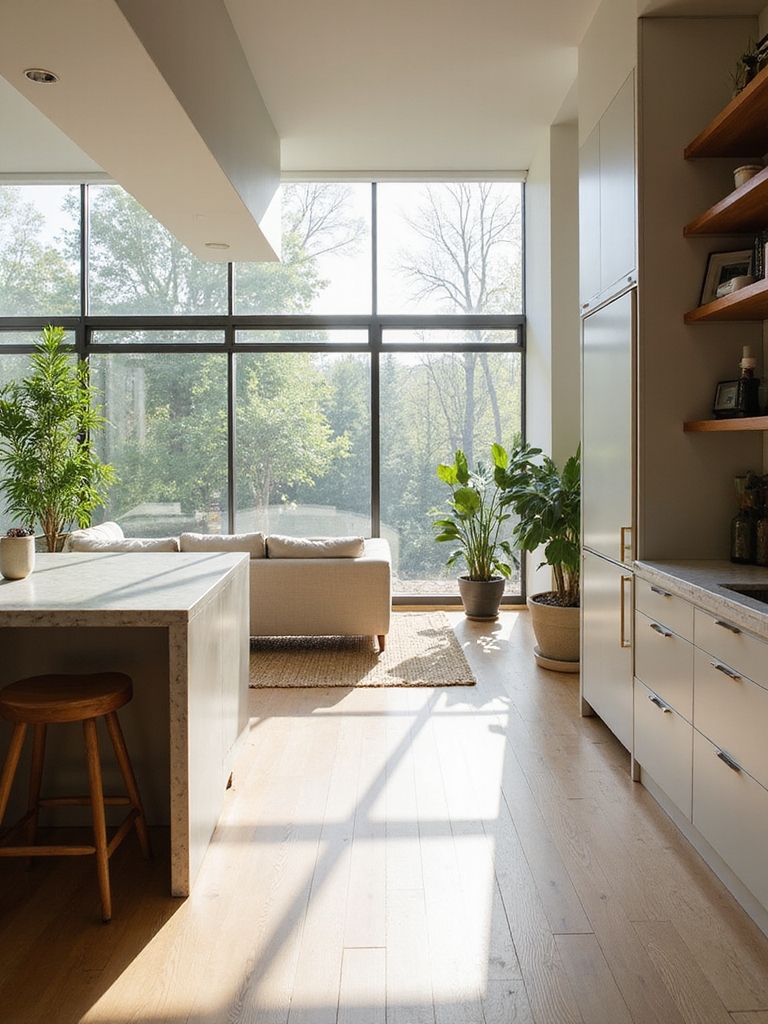
If you open up sightlines and let natural light flow through the kitchen and adjoining rooms, a small home instantly feels airier and more inviting.
I love how sunlight bouncing off warm wood and neutral walls expands corners. Clear sightlines connect cooking, chatting, and cozy nooks without clutter.
Simple glass, low partitions, and thoughtful lamp placement keep the space bright and comfortably open.
Privacy Trade-Offs : And How to Fix Them
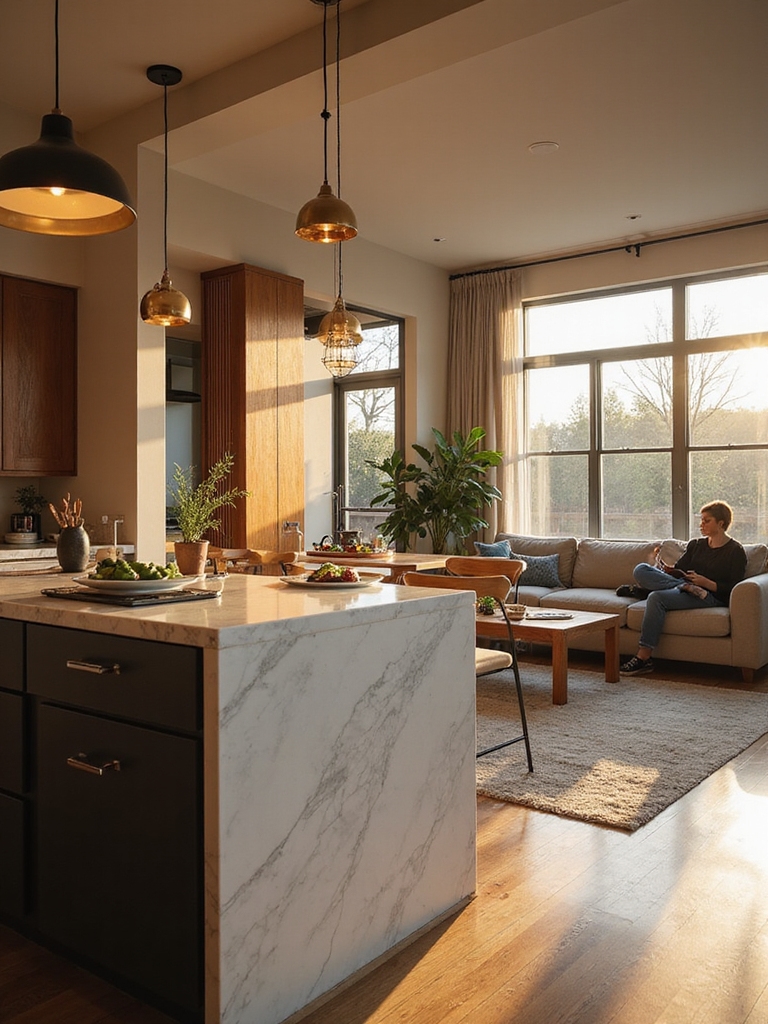
I love the openness of these kitchens, but I know that less wall can mean less privacy, so let’s talk fixes.
We can use screens, curtains, or shelving to block sightlines, add rugs and soft panels to tame noise, and install sliding doors or folding partitions when we need a quick shut-off.
With a few simple moves, you get the warmth of an open plan without giving up quiet or secrecy.
Visual Privacy Solutions
While open-plan kitchens invite light and conversation, they can leave you feeling exposed when you just want a quiet moment, and I’ve wrestled with that balance myself.
I use simple, rustic fixes that keep warmth but add modest screening:
- Woven room divider for subtle separation.
- Open shelving as a visual buffer.
- Sliding barn door for quick privacy without cutting light.
Sound Control Strategies
Soft screens and a sliding door helped with sightlines, but sound behaves differently — it travels, bounces off hard surfaces, and can turn a cozy meal into a noisy scramble.
I favor rugs, upholstered chairs, and hanging textiles to soak noise. Cork or acoustic panels on a kitchen wall, soft-close drawers, and mindful appliance placement cut clatter, keeping conversation warm and private.
Flexible Spatial Barriers
Because open-plan living thrives on flow, I often lean on flexible barriers—sliding doors, folding screens, and curtain panels—to carve out privacy without boxing spaces in.
They feel cozy, practical, and honest. I recommend:
- Soft textiles for gentle sound dampening and warmth.
- Rustic wood screens for texture and partial sightlines.
- Pocket doors for quick separation and unobtrusive storage.
Pick the Right Layout: Galley, L‑Shape, Island Pros & Cons
With a cup of coffee in hand, I’ll walk you through the three layouts I see most often—galley, L‑shape, and island—so you can pick the one that fits how you cook, eat, and live.
Galley’s efficient for small spaces; L‑shape opens corners and traffic flow; island creates gathering, prep, and casual dining.
I’ll help you weigh function, sightlines, and social needs.
Planning Storage When You Lose a Wall
Now that we’ve opened the kitchen to the rest of the house, I’ll show you how to squeeze every inch of storage upward so we don’t lose cupboards with the missing wall.
I like using tall cabinets and open shelves to keep things close at hand while hiding the mess in dedicated bins and closed doors.
Let’s talk about smart vertical solutions and clever ways to conceal clutter zones so the space stays warm and tidy.
Maximize Vertical Storage
I start by looking up—literally—when a wall comes down: reclaiming the vertical plane is how we keep function without crowding the footprint.
I favor open shelving, hooks, and tall cabinets that feel homey, not heavy.
- Open shelves for dishes and plants
- Rail hooks for utensils and mugs
- Slim pantry cabinets to tuck away staples
Conceal Clutter Zones
Having opened up the room and lifted storage up the wall, I still plan for spots that hide the mess you don’t want on display.
I tuck a slim pantry, a drawer with charging stations, and a basketed nook for mail behind cabinet doors.
These concealed zones keep countertops calm, preserve that cozy, lived-in look, and make entertaining effortless.
Choose Surfaces and Finishes That Unify Rooms
A few thoughtful choices in countertops, flooring, and paint can make the whole open-plan space feel stitched together, and I’ll show you how to pick finishes that relate without being matchy-matchy.
I favor warm woods, durable stone, and soft matte paints—each echoes the next. Consider:
- Repeating a wood tone subtly
- Picking one accent color
- Using similar textures throughout
Controlling Noise and Cooking Smells in an Open Plan
While those shared finishes help the rooms read as one, you’ll still want to keep sound and cooking smells from wandering through the whole space.
I add a quiet vent hood, thick rugs, and soft-close drawers to tame noise. I light a simmering pot of vinegar or citrus after cooking and run an extractor fan—small habits that keep the room cozy and breathable.
Zoning With Furniture and Lighting to Define Areas
By arranging furniture and tuning the lighting, I make open-plan spaces feel like a group of cozy rooms instead of one big box.
I use rugs, low sofas, and layered lamps to carve out corners that invite lingering.
Small, practical moves:
- Rug anchors seating to suggest a living room.
- Pendant clusters warm a dining nook.
- Task lamps frame a reading corner.
Island vs. Peninsula: Which Transforms Usability?
After carving out cozy spots with rugs and lamps, I often look next at the kitchen’s work surface—choosing between an island and a peninsula changes how the whole space gets used.
I favor an island for flow and gathering, letting people move around me; a peninsula feels anchored, great for casual meals and dividing tasks without blocking sightlines to the living room.
How Opening a Kitchen Affects Home Value and Resale
Because I’ve watched buyers light up at bright, open kitchens, I’m convinced that taking down a wall can do more than improve daily life — it can boost resale appeal too.
I tell clients that openness signals modern living, invites light, and creates flow.
- Shows entertaining potential
- Appeals to family-focused buyers
- Highlights spatial flexibility
It often speeds sale and raises offers.
Budget Ranges and Demolition Cost‑Savers
While budgets vary, I’ve learned that opening a kitchen typically lands between modest DIY jobs and full structural gut-outs, so I walk clients through realistic ranges up front.
I recommend simple demo, salvaging materials, and scheduling trades to cut labor costs.
Picking budget-friendly finishes, reusing cabinetry, and bundling work days saves money—practical, hands-on choices that keep charm without breaking the bank.
Permits, Load‑Bearing Walls, and When to Call an Engineer
I usually tell clients that saving on demo and finishes is smart, but you don’t skimp on what holds the house up — permits and the bones matter.
I walk you through calls to the inspector and when an engineer’s stamp is nonnegotiable.
- Verify local permit needs early
- Identify true load‑bearing elements
- Hire an engineer for beam specs and safety
Step‑by‑Step Project Plan: Demo to Finished Open Kitchen
Let’s map the job from the first sledgehammer swing to the last coat of paint so you know what to expect and where you’ll need decisions, permits, and pros;
I’ll walk you through each phase—demo, structural work, rough‑ins, finishes—so we don’t miss anything important.
First, clear and protect. Demo, inspect beams, get permits.
Schedule electrician/plumber for rough‑ins, install framing, drywall, cabinets, counters, lighting, final paint, and cleanup.
Deciding to open your kitchen can genuinely change how you live — and you’ll notice it every day.
I’ve seen homes feel 20–30% larger simply by removing visual barriers, which is why so many people choose this update.
It boosts togetherness, light, and resale appeal, though you’ll want to plan for privacy, ventilation and structural needs.
If you’re craving a cozier, more connected home, an open kitchen might be the rustic-hearted shift you didn’t know you needed.