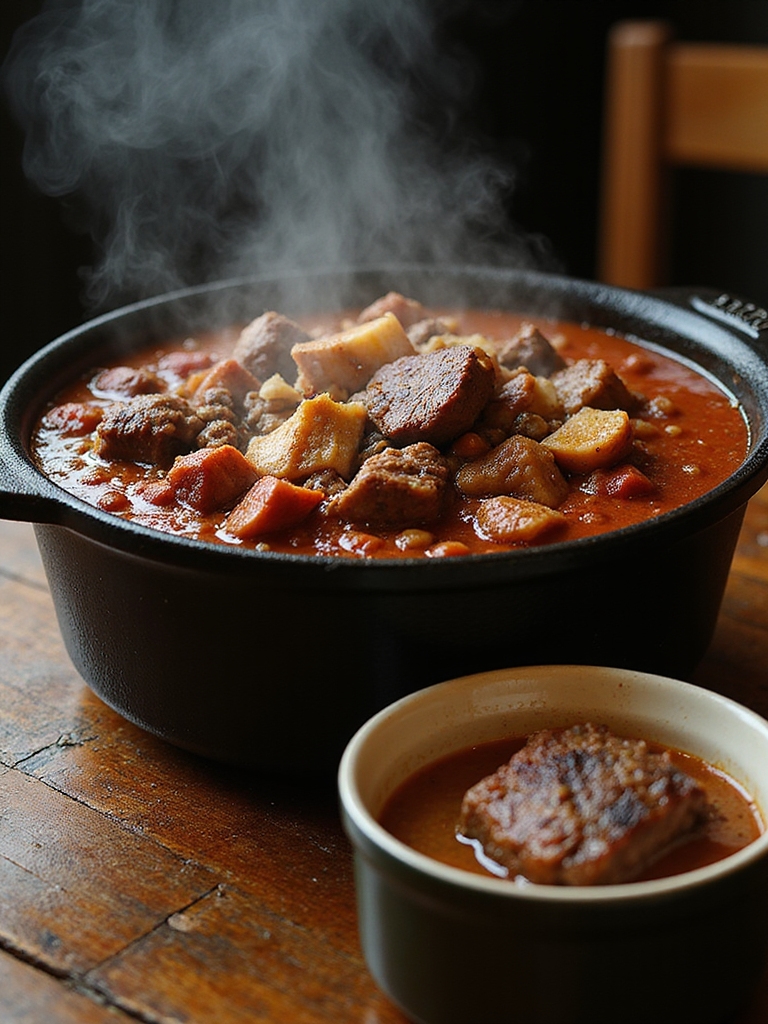


Most people don’t realize you can cover nearly all micronutrients on carnivore with just a few organ‑meat servings each week. You’ll skip calorie math and decision fatigue by using hand‑sized portions, predictable templates, and a handful of zero‑prep staples.
You’ll also avoid the common electrolyte trap that ruins week two. Keep going and I’ll show concrete breakfasts, lunches, dinners, and simple troubleshooting so you don’t guess your way through it.
Quick Single‑Day Carnivore Meal Plan (Start Here)
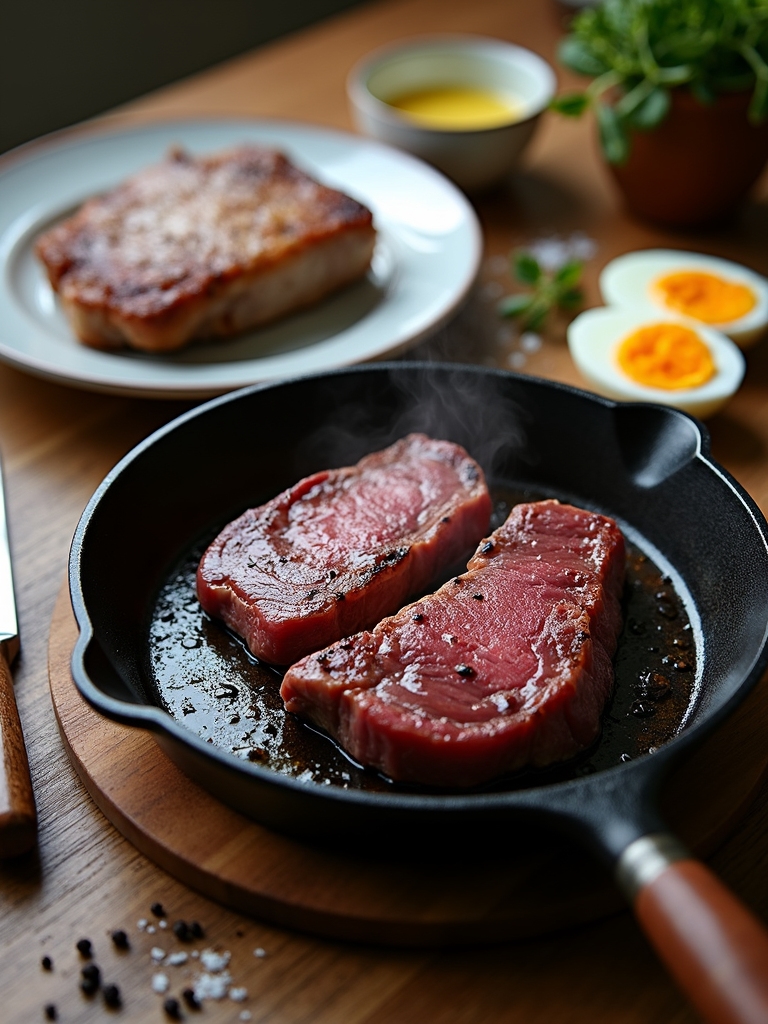
Usually you’ll want something simple to test the carnivore waters, so try this single‑day plan that keeps ingredients minimal and cooking effortless: eggs and bacon for breakfast, a fatty steak or ground beef with salted bone broth for lunch, and pan‑seared salmon or ribeye for dinner, with optional pork rinds or hard cheese if you tolerate dairy.
You’ll eat when hungry, stop when satisfied, and favor fat for energy.
Salt your food; don’t fear it.
Cook simply: pan, grill, or roast.
Drink broth between meals for electrolytes.
Adjust portions to hunger cues, not clocks, and keep snacks minimal.
Many people find success starting with very simple, repeatable meals to build consistency and learn what works for them; see Simple Carnivore Meals for ideas.
Carnivore Protein Portion Guide : No Calorie Math
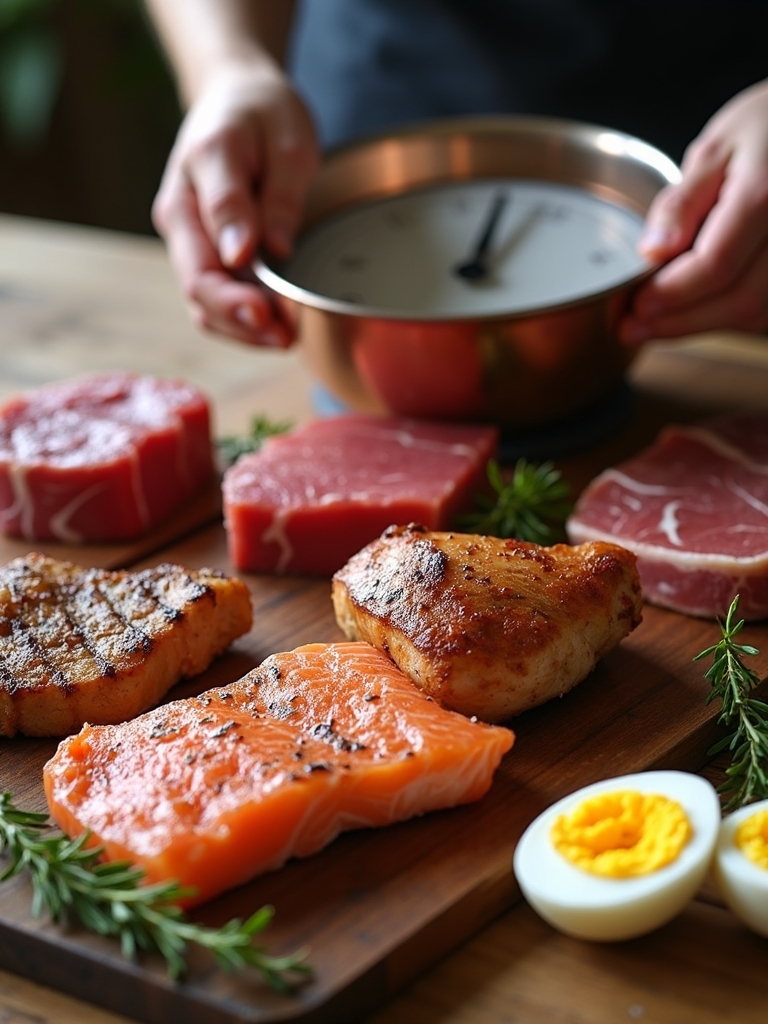
Think of your plate as a visual shortcut: half protein, half fat (or whatever keeps you satiated), no food scales required.
Use hand-sized portions — palm for protein, thumb for fat — and adjust by hunger, not calories.
Eat when you’re genuinely hungry and skip rigid meal counts; consistency beats micromanagement.
Many beginners find following simple rules like the simple carnivore meal plan reduces decision fatigue and eases the transition.
Visual Plate Protein
Often you’ll find you don’t need a scale or calorie app to get protein right on a carnivore plate — just a simple visual rule: each meal should feature a palm-sized portion of meat per serving for most adults, with larger hands or higher activity suggesting two palms.
You judge protein visually, balance with fat by eye, and skip the arithmetic. Use this quick guide:
- Steak: one palm ≈ lean protein focus.
- Ground meat: palm-sized mound for density.
- Fish: fillet width matching palm.
- Eggs: two to three per palm-equivalent meal.
Trust the view, adjust for hunger and effort. Buying staples like ribeye, ground beef, eggs, and canned fish keeps your kitchen stocked for consistent carnivore meals, which makes meal prep simple and reliable for most people; consider keeping a variety of essential staples on hand.
Hand-Sized Portions
When you skip the scale and go by your hand, you get a reliable, portable protein gauge that’s hard to mess up: use one palm for a moderate serving, two palms if you’re big, active, or just ravenous, and let thumb thickness hint at how fatty the cut is.
Treat palms as steak portions, fists as ground meat or dense organs, and fingers for narrow cuts like bacon strips.
Adjust for cooking shrinkage—raw palm equals slightly smaller cooked portion.
This method keeps portions sensible without calories, simplifies shopping and plating, and prevents both skimpy meals and accidental meat towers.
Many beginners find it helpful to stock basic shopping staples so they can consistently follow the hand-sized portion approach.
Meal Frequency Rules
Usually, you’ll eat when you’re hungry and stop when your palm-sized portions leave you satisfied — no clocks, no calorie math. You’ll trust appetite more than timers; protein guides replace meal schedules.
Follow simple rules so you don’t overthink:
- Eat 1–3 palm-sized protein servings per eating window.
- Skip rigid timing; wait for real hunger between windows.
- Prioritize a larger protein meal after activity or long fasts.
- Adjust frequency: more often if performance drops, less if digestion feels heavy.
This keeps intake instinctive, predictable, and anchored to your needs, not a spreadsheet. Consistency matters more than perfection, so treat protein portions as your guiding principle.
Zero‑Prep Carnivore Breakfasts
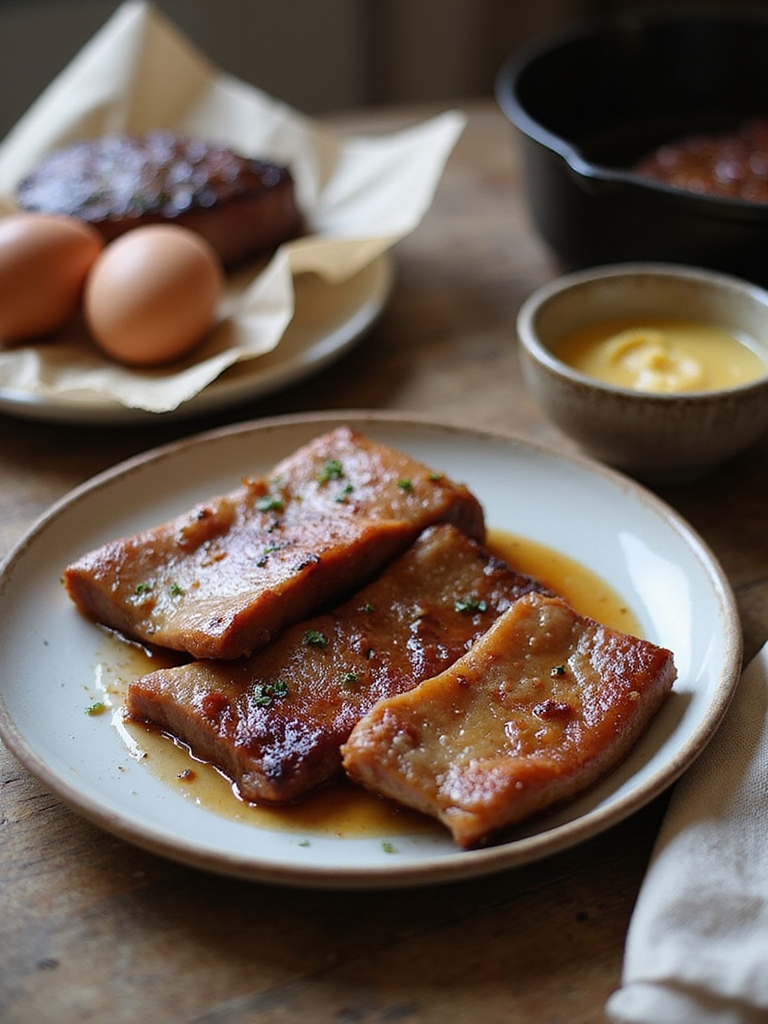
You don’t need a stove to eat like a carnivore; think pre-sliced deli meats, canned fish, and ready-to-eat jerky for true no-cook mornings.
Pair those with high-fat cheeses or hard-boiled eggs you made ahead to keep the meal protein-focused and satisfying.
Mix and match portions so you hit your protein goal without extra prep or guesswork.
Practical everyday options like shelf-stable canned fish and jerky make sticking to the diet easier for busy schedules.
Quick No-Cook Options
Skip the stove—zero‑prep carnivore breakfasts are about grabbing high‑quality animal foods and getting on with your morning. You’ll want things that travel, keep, and satisfy without theatrics.
Choose fatty, savory, minimally processed options so hunger fades and decision fatigue doesn’t hit.
- Canned sardines in olive oil — omega‑fat punch, no nap needed.
- Cold smoked salmon slices — luxe, quick, nutrient‑dense.
- Pre‑cooked pork rinds or chicharrón — crunchy, zero‑prep salt fix.
- Sliced aged cheese or beef jerky — portable, long‑satiety.
Rotate these, trust your appetite, and skip culinary heroics. Consider keeping a few ready-to-eat options on hand for busy mornings.
Protein-Focused Combos
If you liked the grab‑and‑go items above, try pairing them into protein-forward combos that keep hunger at bay and taste predictable.
You’ll mix cured meats, hard cheeses, and tinned fish for variety without cooking—think salami with aged cheddar, sardines with cream cheese, or prosciutto wrapped around little smoked sausages.
Add a soft‑boiled egg if you tolerate it. Portion by protein goal: one fist‑size meat plus a thumb‑size cheese per meal is simple.
These combos travel, stash in a cooler, and resist decision fatigue. They deliver steady energy and satiety so you can skip snacks.
Simple carnivore meals like these minimize prep and streamline busy days by combining shelf-stable items with minimal assembly, emphasizing zero‑prep convenience.
Fast, Repeatable Carnivore Lunches
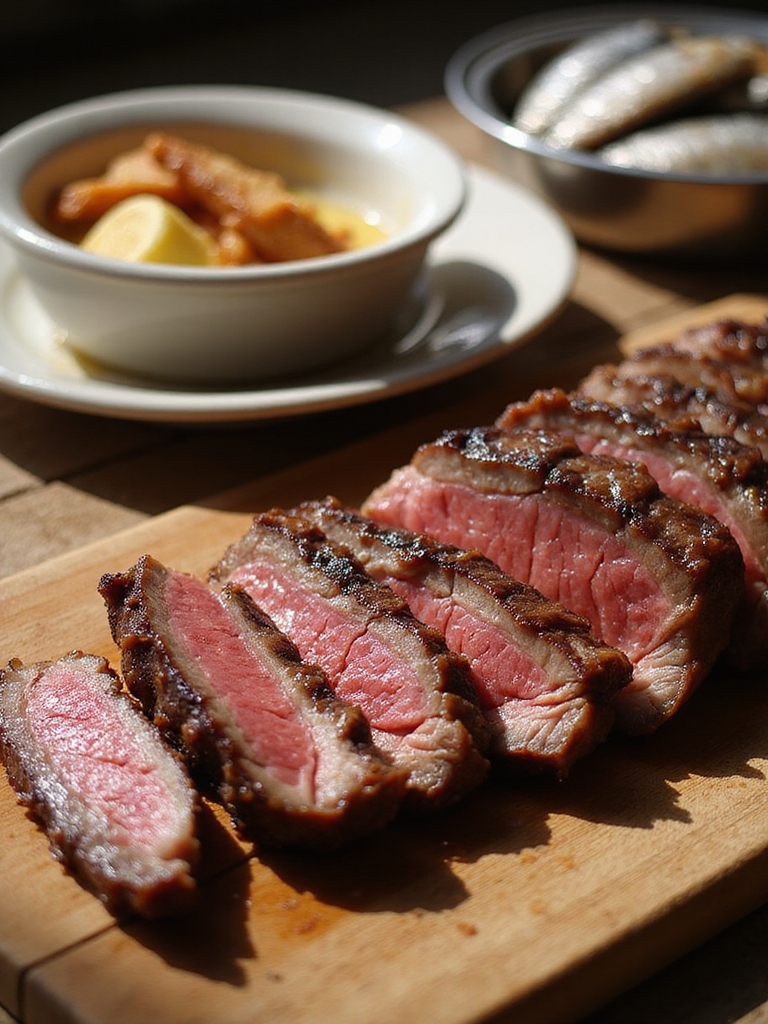
Often you’ll want a lunch that’s ready in minutes and doesn’t require thinking twice; the trick is repeating a few reliable builds so you always have protein, fat, and flavor covered.
You’ll rotate simple combos, save time, and stay satisfied without boredom. Pick one base protein, add a cooking fat, include a salty element, and vary textures. Try these fast templates:
- Ribeye slices + butter
- Canned salmon + mayonnaise
- Ground beef patties + tallow
- Hard-boiled eggs + pork rinds
Stick to these, tweak seasoning, and you’ll eat well every day with minimal fuss.
Satisfying Carnivore Dinner Templates
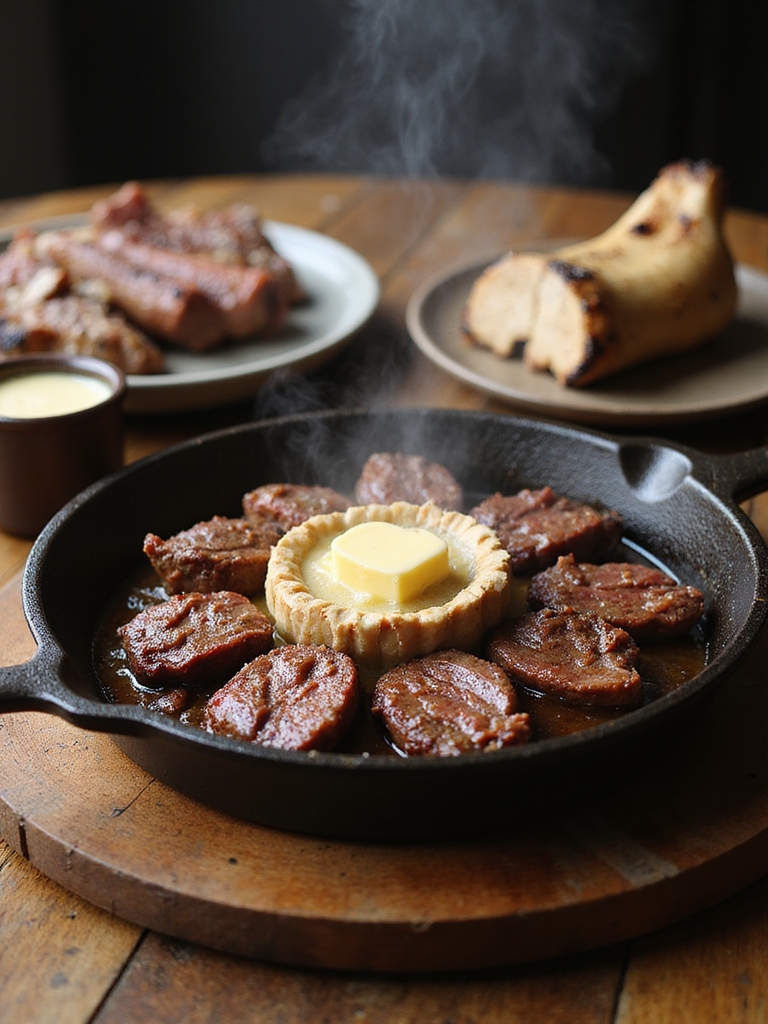
You’ll want a few reliable dinner templates that take the thinking out of after-work meals: a simple steak night for speed and satisfaction, a roast that yields leftovers and bone broth for broth nights, and a quick pan-fried fish for variety and omega fats.
Each one scales easily so you’re not reinventing dinner every night. Pick one, master it, and you’ll eat better with less effort.
Simple Steak Night
A simple steak night is the easiest way to prove the carnivore approach isn’t fussy — just pick a good cut, salt it, and cook to the doneness you actually want.
You’ll keep dinner direct, satisfying, and fast. Grill, pan-sear, or broil; rest the steak; slice against the grain. Don’t overcomplicate flavors — let beef speak.
- Choose: ribeye, sirloin, flank, or strip.
- Season: coarse salt, maybe cracked pepper.
- Cook: high heat, short time for medium-rare.
- Rest: 5–10 minutes before slicing.
Serve plain or with a pat of butter.
Roast And Bone Broth
If steak night proves how unfussy carnivore cooking can be, roast and bone broth show how patient technique rewards you with depth.
You’ll slow-roast a fatty cut—shoulder, brisket, leg—seasoning only with salt, maybe a scrape of marrow. Low and slow renders connective tissue into silky fat; you’ll slice, spoon juices, and feel smug about leftovers.
Save bones. Roast them again until deeply browned, then simmer long with water and a splash of vinegar to pull minerals. Strain and refrigerate.
Warm broth comforts, hydrates, and pairs with shredded roast. It’s culinary minimalism that tastes like effort.
Quick Pan-Fried Fish
Sear skin-on fillets in a hot pan until the edges crisp and the fat renders—you’ll get dinner on the table in under fifteen minutes. You’ll season simply with salt, maybe a smear of butter, then let the skin do the work: flip once, finish flesh-side down briefly, rest.
Quick, reliable, and oddly elegant for a carnivore routine.
- Choose fatty fish (salmon, mackerel)
- Pat dry, salt generously
- Hot pan, skin down, don’t fuss
- Rest two minutes, serve skin crisp
You’ll eat without distraction, getting protein and fat that satisfy.
Simple Carnivore Snacks and When to Use Them
Usually you’ll reach for a quick carnivore snack between meals, and knowing which ones work best for hunger, energy, or cravings saves you from grabbing the wrong thing.
Choose thinly sliced cured meats for immediate satiation—they travel well and curb salt cravings.
Keep small cooked steaks or cold roast beef for longer hunger gaps; protein and fat slow you down.
Snack on pork rinds when you need crunch without carbs.
Bone broth is ideal for low energy or mild hunger—hydrating, warming, and quietly restorative.
Match texture and speed of prep to what you actually need, not what’s convenient.
Eggs & Dairy on Carnivore: Sensible Guidelines
Think of eggs and dairy as useful, but negotiable, allies on a carnivore plan: they add variety, quick calories, and texture without wrecking the meat-first rules.
You’ll use them strategically, not as base ingredients. Follow sensible rules so they help, not hinder.
- Start with whole eggs — versatile, protein-dense, minimal processing.
- Prefer full-fat dairy (cheese, cream) if tolerated; skip flavored or sweetened products.
- Test tolerance: try dairy-free windows to spot symptoms.
- Limit frequency: use eggs daily if you like; treat cheese and cream as occasional enhancers.
Keep meat central; let eggs and dairy supplement, not replace.
How to Add Organ Meats (Liver Schedule + Doses)
Regularly adding organ meats — especially liver — gives you a nutrient boost you won’t get from muscle cuts alone, but you should dose them like a medicine, not a staple.
Start with 1–2 ounces (30–60g) once or twice weekly for a couple weeks to test tolerance and taste. If tolerated, move to 3–4 ounces (90–120g) weekly, split across meals.
For therapeutic goals, clinicians often suggest up to 100–150g total weekly, divided to avoid vitamin A excess.
Rotate types—kidney, heart—for varied micronutrients. Cook gently, freeze portions, and track symptoms; adjust dose, not frequency, if needed.
Swap List: Red Meat, Poultry, and Seafood Options
You’ll swap between beef and lamb cuts for variety and micronutrients—think ribeye, brisket, leg, and shoulder.
Add fish like salmon and sardines plus poultry breasts or thighs when you want lighter, quicker meals.
These simple switches keep dinners interesting without sneaking in carbs.
Beef And Lamb Choices
Swap out cuts and flavor profiles smartly: start with beef and lamb as your core red-meat anchors, then mix in fattier and leaner cuts to keep meals interesting and satiating. You’ll rotate textures and cooking methods so boredom never sneaks in.
- Ribeye — rich, forgiving, great for quick sears.
- Chuck — cheaper, stew-friendly, excellent for slow braises.
- Lamb shoulder — gamey, fatty, brilliant roasted or confited.
- Lean sirloin or leg — for higher-protein days and crisper sears.
You’ll season minimally, respect resting times, and vary fat ratios for balance.
Fish And Poultry Options
Often you’ll want to alternate red meat nights with fish and poultry to keep fat profiles, textures, and cooking times varied—think quick-seared skin-on salmon, roast chicken quarters, or pan-fried trout fillets.
You’ll pick oily fish (salmon, mackerel, sardines) when you want omega fats and quick cooks; white fish (cod, haddock) when you want lean, fast dinners.
Whole birds and thighs give collagen and forgiving cooking windows; breasts deliver protein density.
Shellfish offer mineral density and zero-carb variety.
Rotate types, cooking fats, and doneness to avoid boredom.
Buy wild when possible, freeze portions, and label dates for simple carnivore logistics.
Carnivore Seasonings & 5 Quick Cooking Methods
Frequently, keeping seasonings minimal makes meat taste like meat — and that’s the whole point here.
You’ll rely on salt, pepper, occasional garlic powder, and citrus-free herb blends sparingly.
Season to enhance, not hide.
- Pan-sear: hot oil, brown crust, finish in butter.
- Grill: direct heat for char, rest before slicing.
- Roast: low and slow for big joints.
- Sous-vide: precise temp, quick sear for texture.
Use beef tallow or butter for cooking fat.
Rotate methods for variety; textures change perception, keeping repetitive menus interesting without extra ingredients.
Weekly Shopping List for Repeatable Menus
You’ll want a compact, repeatable shopping list that keeps your fridge stocked with the cornerstones of a carnivore week—beef, pork, fatty fish, eggs, and a few dairy options—so you won’t be improvising meals when you’re tired.
Buy predictable portions, rotate cuts, and prioritize fattier choices for satiety. Use this quick matrix to plan buys:
| Protein | Cut/Type | Quantity |
|---|---|---|
| Beef | Ribeye/ground | 3–4 lbs |
| Pork | Shoulder/belly | 2–3 lbs |
| Fish | Salmon/mackerel | 2–3 fillets |
| Eggs/Dairy | Dozen/cheese | 2–3 doz/8 oz |
Stick to it; repeatability beats novelty here.
Meal‑Prep Shortcuts to Cut Decision Fatigue
Cut down decision fatigue by batch-cooking a few reliable templates—think roasted ribeyes, slow-braised pork shoulder, and stovetop eggs—that you can mix and match all week.
You’ll stash portions, reheat without fuss, and dodge “what should I eat?” paralysis. Use predictable ratios and flavors so swaps feel natural.
- Cook big: two proteins, one fatty, one lean.
- Portion into meal-size packs for grab-and-go.
- Reheat methods: pan-sear, oven, or gentle sous-vide.
- Keep simple garnishes: butter, bone broth, or crisped fat.
Rotate templates weekly; you’ll eat well without thinking too hard.
Electrolytes & Hydration Hacks for Daily Balance
Because a carnivore plan strips out many carb sources that normally hold water and electrolytes, you’ll need to be deliberate about sodium, potassium, and magnesium so you don’t feel foggy or crampy.
Drink water steadily, not gallons at once; overhydration without salt causes dizziness.
Salt your food liberally—real salt, not “low‑sodium” fear.
Eat potassium-rich choices like beef, organ meats, and salmon; consider a measured supplement if you get muscle twinges.
For magnesium, pick glycinate or citrate at night to aid sleep and cramps.
Track symptoms for a week, tweak doses, and keep it simple: salt, potassium, magnesium, water.
How to Broaden the Plan: Reintroductions & Testing
When you’re ready to expand beyond strict carnivore, reintroductions give you a controlled way to learn what your body tolerates — not a carte blanche to eat everything that looks tempting.
You’ll test one food at a time, watch for reactions, and keep notes.
Try this simple protocol:
- Pick one food and eat a small, defined portion.
- Wait 48–72 hours, tracking symptoms, mood, sleep, digestion.
- If nothing changes, increase portion for three days; keep observing.
- If symptoms appear, stop, allow washout, then reassess later.
Be methodical; your data beats guesswork every time.
Troubleshooting: Hunger, Boredom, and Low Energy
Reintroductions teach you a lot about tolerance, but they won’t stop everyday frustrations like gnawing hunger, mealtime boredom, or midafternoon slumps — and you’ll want practical fixes for those.
Tackle hunger with fattier cuts, extra eggs, or bone broth between meals. Beat boredom by rotating textures: seared steak, slow‑roast ribs, crunchy pork rind snacks.
Fight low energy with adequate salt, sleep, and occasional organ meats for micronutrients. If symptoms persist, track meals and symptoms for a week and adjust. Here’s a quick reference:
| Problem | Fix |
|---|---|
| Hunger | Fat, eggs |
| Boredom | Texture variety |
| Slump | Salt, sleep |
| Persistent | Track & adjust |
You’ll eat like someone who’s solved grocery puzzles for good: palm-sized proteins, thumb-sized fats, eggs and bacon in repeat, fatty steaks or ground beef at lunch, and salmon or ribeye at dinner, with organ meat cameo appearances.
Salt bone broth, stash electrolytes, and use canned fish or cured meats as lifelines. Rotate textures, prep batches, and track symptoms—then tweak.
Think less culinary drama, more dependable rhythm, and you’ll outsmart decision fatigue.