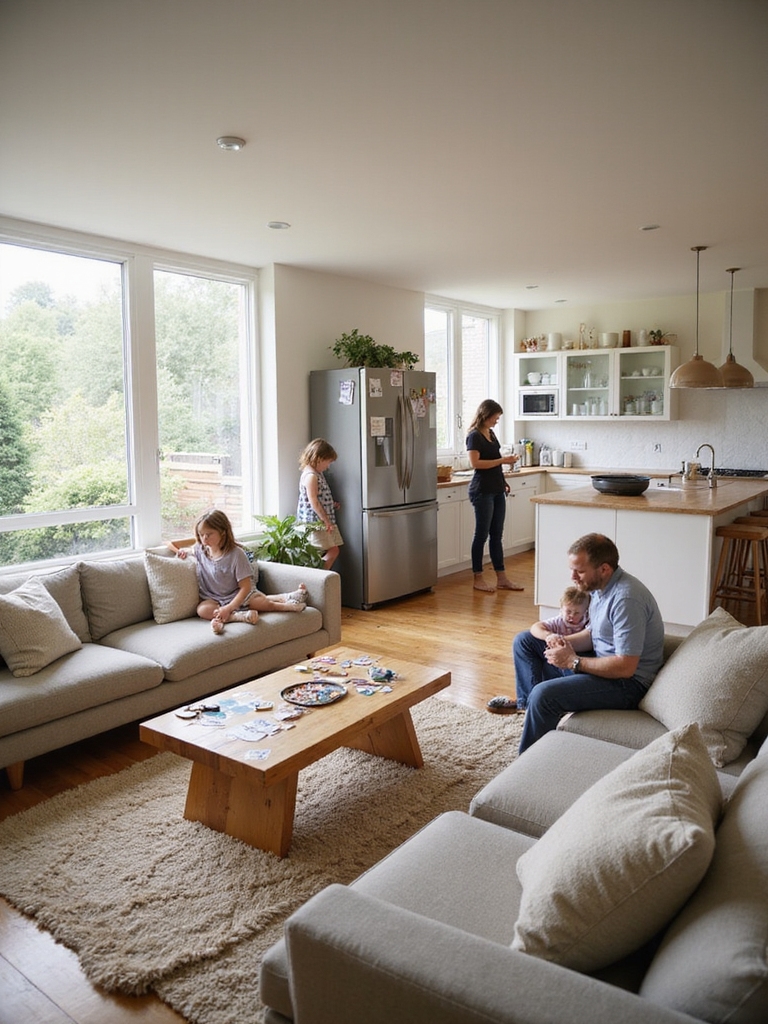
I dream about opening kitchens into bright, social hubs and I think you’ll love it too: an open plan brings light, easy flow, and real togetherness, but it also means managing smells, noise, and visible clutter.
I’d weigh sightlines for kids, seating for guests, ventilation strength, and continuous flooring before ripping out a wall. Budget realistically, line up permits and contractors, and plan zones for cooking, prep, and socializing — keep going and I’ll show you how.
Should You Open Your Kitchen? A Quick Decision Checklist

Wondering whether to tear down that wall? I weigh light, flow, noise, and storage — will an open plan brighten and connect us or drown the living room in cooking smells and clutter?
I think about sightlines for kids, seating for guests, and how much privacy I’m willing to lose. If benefits outweigh headaches, I’m ready to open up.
Many top architects also suggest considering traffic flow when planning an open-concept kitchen to ensure practicality as well as style.
Set a Realistic Budget for an Open‑Kitchen Renovation
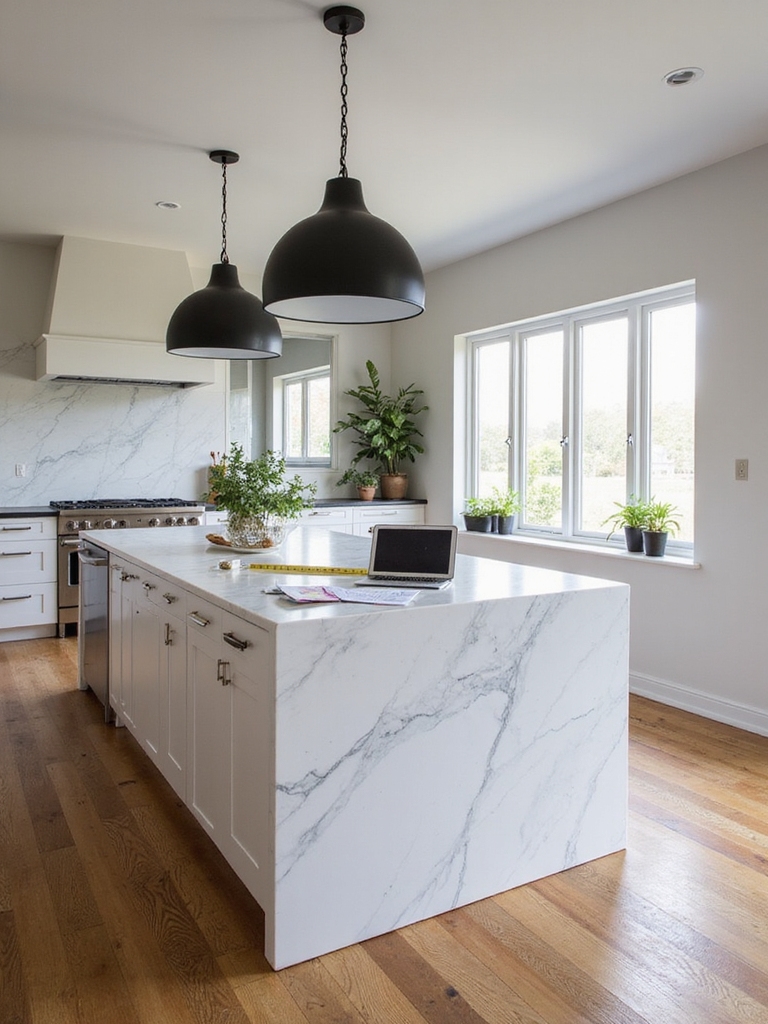
If you’ve decided the benefits of an open kitchen outweigh the downsides, the next thing I always focus on is money — and I want you to be realistic about it.
Start by listing must-haves versus nice-to-haves, get multiple contractor estimates, and factor in unexpected costs.
I recommend a contingency of at least 10–20% so you don’t derail the whole vision.
Renovations like kitchen remodels often deliver high resale returns, so consider return on investment when prioritizing upgrades.
Quick Renovation Checklist: Plan, Permits, Timeline

Before you swing a hammer, I map out a clear checklist so the project runs smoothly and on time.
I list design choices, budget limits, and a realistic timeline.
Then I confirm permits, schedule inspections, and book contractors.
I build buffer days for delays and order long‑lead items early.
I check progress weekly and adjust plans gently to keep stress low.
I also review open kitchen layout blueprints to ensure the design fits the home shape and traffic flow.
Prioritize Three Zones: Cooking, Prep, Socializing

I like to think of an open kitchen as three clear zones: a dedicated cooking triangle for stove, sink and fridge, a streamlined prep station for chopping and staging, and a comfortable social nook where people can linger.
When I plan a renovation I keep those areas distinct but visually connected so everything flows and guests can join in without getting in the way.
Small choices—counter heights, lighting, and seating—make each zone work beautifully together.
Open island layouts, including configurations that place the island between prep and social areas, help turn cooking into a shared social experience and encourage island kitchen interaction.
Dedicated Cooking Triangle
A simple cooking triangle keeps my kitchen flowing: I arrange three clear zones—cooking (range/oven), prep (counter and sink), and socializing (island or seating)—so everyone knows where to go without bumping into each other.
I position the stove, sink, and a comfortable gathering spot at sensible distances, making movement natural, reducing spills, and letting me cook while staying connected with family and guests.
Architects often use smart layout principles to align those zones for maximum flow.
Streamlined Prep Station
When I design my prep station, I keep three clear zones—cooking, prep, and socializing—so everything has a purpose and people know where to be.
I place the main workspace near the stove, a dedicated chopping and staging area with easy access to tools, and a low counter for casual plates and conversation.
That layout keeps flow natural and stress low.
Open-concept layouts often inspire these choices and encourage stunning open kitchen renovations that bring people together.
Comfortable Social Nook
Because the social nook should feel like an invitation, I carve out a cozy corner that gently signals where people can sit, chat, and linger while I cook.
I balance three zones—cooking, prep, socializing—so traffic flows. A banquette, low counter, and a couple of stools create comfortable sightlines, easy serving, and relaxed conversation without crowding the workspace.
Open kitchen layouts with islands encourage seamless movement and multiuse open kitchen and living room flow.
Choose the Right Layout: Island, Peninsula, Galley, L

Let’s talk layout: I’ll help you weigh island, peninsula, galley, and L configurations so you can pick the one that fits how you cook and live.
I favor islands for social prep, peninsulas when open-plan seating is needed, galley for efficient small spaces, and L for flexible work triangles.
Think traffic flow, seating needs, and appliance placement before deciding.
Open kitchen islands often become the heart of your home, serving as a central gathering and prep space.
Removing a Wall: Structural Checklist & Engineer Questions
If you’re thinking about opening up the kitchen by taking out a wall, there are a few structural things I want you to check before you swing a sledgehammer.
First, confirm load-bearing status, hidden utilities, and permit needs.
Ask an engineer about beam sizing, temporary shoring, foundation impacts, and inspection schedules.
Plan budget for surprises and trust professional guidance.
Open‑Kitchen Lighting and Daylighting Strategies
When I open up a kitchen, lighting becomes the backbone of the new space—both the fixtures I choose and the daylight I invite in shape how the room feels and functions.
I balance layered lighting: task pendants over islands, recessed ambient light, and under‑cabinet strips.
I prioritize glazing placement, skylights, and controllable shades so daytime warmth and evening coziness feel intentional and welcoming.
Durable Countertops & Floors That Look High‑End
I favor countertops and floors that can take daily life—kids, pets, dinner parties—and still read luxe, so I look for materials that balance toughness with texture and color.
I choose quartz or honed stone for low maintenance, and porcelain or wide‑plank hardwood with durable finishes for warmth.
Small pattern tiles in spills-prone zones add grip and charm without sacrificing elegance.
Design an Island That Works for Work and Gatherings
When I plan an island, I think about the work triangle so cooking flows without me weaving around traffic.
I also balance comfortable seating for friends with clever storage for pots, prep tools, and recycling bins.
Let’s explore how to size and arrange an island so it’s equally good for meal prep and casual gatherings.
Island Work Triangle
Because good cooking and good conversation both need room to breathe, I design islands that balance a real work triangle with places for people to gather.
I place sink, cooktop, and prep zones so movement feels natural, keeping clear sightlines to the dining area.
Thoughtful spacing prevents cross-traffic, lets helpers pitch in, and keeps the island efficient for meal prep and social flow.
Seating and Storage
Moving from how people circulate around the island, let’s make sure they’ve comfortable places to sit and smart places to stash things without interfering with work.
I prefer deep drawers on the cook side and open shelving toward guests, with overhang seating that keeps knees clear.
Choose durable stools, integrate charging spots, and keep drawers organized so prep and conversation flow together effortlessly.
Storage and Sightlines for an Uncluttered Look
Although an open kitchen invites conversation and light, I know it can quickly feel chaotic without smart storage and clear sightlines.
I prioritize concealed cabinets, deep drawers, and designated zones so countertops stay calm. Open shelving gets sparing, curated pieces.
A low island profile and consistent sightline allow the room to breathe, making cooking and entertaining feel relaxed, tidy, and effortless.
Appliance Approaches: Hide, Go Pro, or Mix‑and‑Match
I like to think of appliances as personalities in the room—you can tuck them away, let them command the stage, or mix styles so each one feels right where it belongs.
I lean toward visible professional ranges for drama, panel-ready fridges to calm sightlines, and quirky small appliances on open shelves for charm.
Balance function, scale, and finish so the kitchen feels cohesive and lived-in.
Ventilation & HVAC Solutions for Open Kitchens
Comfort matters most in an open kitchen, so I always start with ventilation and HVAC choices that keep cooking smells, heat, and humidity from drifting into the living areas.
I focus on practical, cozy solutions that protect comfort and air quality.
- Powerful, quiet range hood to pull odors fast
- Zoned HVAC for balanced temperatures
- Humidity control to prevent lingering steam
Flooring and Transition Strategies to Tie Rooms Together
I like to keep flooring consistent between the kitchen and adjoining rooms to create a seamless, open feel.
When a full match isn’t possible, smart junction strips—like tapered metal, wood thresholds, or color-matched reducers—let the spaces flow without tripping anyone up.
Let’s look at how continuous flooring and the right junctions can make your whole main floor feel connected and intentional.
Continuous Flooring Flow
Although it might seem small, I always recommend thinking about flooring as the thread that ties your kitchen and living spaces together—so when you walk from one room to another, the changeover feels intentional and seamless.
I choose continuous planks to unify sightlines and warmth.
- Visual calm that soothes.
- Easier cleaning, happier home life.
- Gentle flow that invites togetherness.
Transition Strip Solutions
A few well-chosen threshold strips can make the move from kitchen to living area feel intentional instead of an afterthought, and I like to treat them as design elements rather than mere trims.
I pick materials that echo both spaces — wood, metal, or stone — and size them to buffer movement, hide shifts, and add a subtle visual anchor so rooms read as one calm, connected whole.
Hiring Contractors: Bids, Permits, and Timeline Control
When I’m ready to hire contractors for an open kitchen, I focus on clear bids, the right permits, and a realistic timeline so the project doesn’t drag on or surprise me with extra costs.
I want communication that feels like caring neighbors helping build my home.
- Honest estimates that respect my vision.
- Permits handled without drama.
- Timelines with gentle check-ins.
Budget Pitfalls to Avoid : Where to Splurge for Value
Before you sign any final checks, I want to talk about the money choices that make or break an open kitchen—what to avoid and where it’s worth spending a bit more.
I’d skip trendy finishes that date fast and bargain-basement appliances. Invest in durable cabinets, good lighting, and a reliable ventilation system.
Those choices save headaches and keep your space feeling fresh and functional.
So you want an “open” kitchen to make life easier, not to broadcast every burnt toast—how noble.
I’ll admit I love the chaos of a shared space, as long as the stovetop smells don’t follow me into my sofa.
Plan, budget, and hire the right pros, then enjoy the mess with guests. Irony aside, an open kitchen can actually simplify life—if you’re honest about how you cook, entertain, and tolerate smoke alarms.