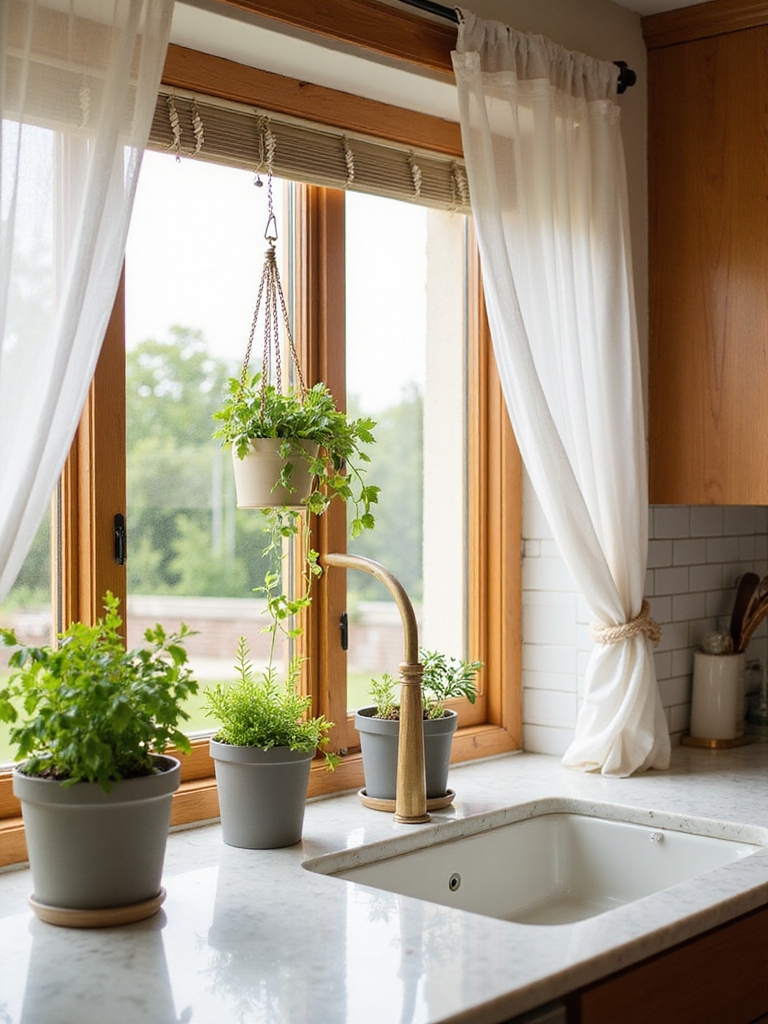
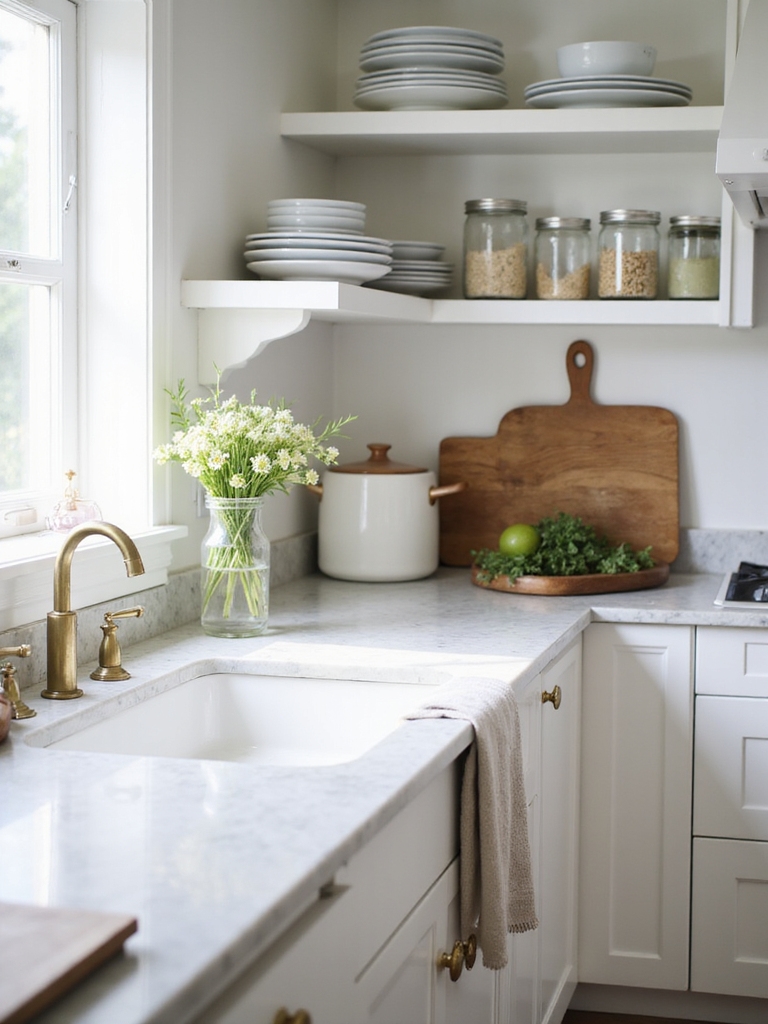
I’m turning kitchens into cozy, future-ready rooms by mixing warm layered lighting, under-cabinet task strips, and hidden power like toe-kick outlets and pop-up chargers. I pair tactile smart appliances—matte-black ovens or retro Wi‑Fi fridges—with reclaimed-wood islands and woven baskets to keep things human.
Voice-first controls and subtle touch displays make cooking easier, while modular storage and durable finishes hide wiring and wear. Keep going and I’ll show practical steps to make this feel effortless.
Start: 5 Quick Upgrades to Make Your Kitchen Smarter and Cozier

When I want a kitchen that feels both smarter and more inviting, I start with five simple upgrades you can do in an afternoon or weekend: swap in smart bulbs and a dimmer, add a voice-controlled speaker, replace one appliance with a Wi‑Fi model, install under-cabinet lighting, and bring in a cozy rug or woven runner—each change brightens the space and makes everyday tasks easier without losing that warm, rustic charm.
I then suggest placing hooks for utensils, a small herb pot for scent, and a wicker basket for linens to keep things handy and homey.
Consider adding clever organizers and hidden solutions to maintain clear countertops and reduce visual clutter.
Plan Layout & Workflow First: Lighting, Zones, and Prep Routes

I always start by thinking about how light, zones, and clear prep routes will actually feel when I’m cooking.
Good task and ambient lighting, an efficient work triangle, and simple pathways between prep, cook, and cleanup keep things flowing without fuss.
Let me show you how small layout choices make the whole kitchen work smarter and cozier.
Architects often rely on an efficient work triangle to maximize kitchen flow and reduce unnecessary steps.
Strategic Lighting Placement
With the layout sketched and my workflow mapped out, I place lighting where it actually helps—over prep zones, stove, sink, and any walkways—to steer movement and avoid shadows that slow me down.
I layer warm pendants for character, task strips under cabinets, and dimmable recessed lights for evening.
Thoughtful placement makes the kitchen feel cozy, practical, and welcoming without cluttering sightlines.
I also consider coordinating fixtures and finishes to create an elegant lighting scheme that feels cohesive.
Efficient Work Triangles
Because the kitchen’s heartbeat is motion, I lay out the work triangle so the fridge, stove, and sink flow like a well-rehearsed dance—close enough to cut steps, far enough to give room to breathe.
I prioritize clear sightlines, comfy aisles, and natural light to keep chores pleasant.
- Short, direct paths
- Comfortable aisle width
- Visible task lighting
A peninsula layout can boost workflow efficiency by creating distinct work zones and improving circulation around the cooking area, which is especially effective for Boost Workflow designs.
Defined Prep Pathways
Having set the work triangle so movement feels natural, I map out defined prep pathways that guide how a meal actually gets made—where chopping starts, where plated dishes are finished, and how garbage and dirty dishes leave the flow.
I place task lighting, durable surfaces, and waste stations along that route, so every step feels intentional, cozy, and efficient, like a well-worn farmhouse rhythm.
Professionals often rely on comprehensive organization systems to keep those pathways consistent and efficient.
Smart Kitchen Lighting: Layered, Accent, and Task Solutions

I like to think of kitchen light in three layers: broad ambient glow, focused task lights over work zones, and small accent fixtures that add warmth and character.
With a few smart switches and dimmers you can tailor each layer for cooking, cleaning, or cozy evenings.
Let me show you simple fixture choices and placement tips that keep the room both useful and inviting.
New homes often use layered lighting to create flexible, comfortable kitchen environments.
Layered Lighting Strategies
I usually start with three layers of light—ambient, task, and accent—because they make a kitchen feel both practical and welcoming.
I pick warm tones, dimmers, and zones to set mood and function. It’s cozy, efficient, and easy to control from a smart panel.
- Warm ambient glow for overall comfort
- Focused task zones for prep
- Subtle layer changes for atmosphere
I also emphasize placing task lighting directly over prep areas to ensure clear visibility and reduce shadows, following best practices for task lighting placement.
Accent And Task Fixtures
When you want to sharpen the feel of a kitchen beyond general glow, I reach for accent and task fixtures that work together and look lived-in.
I pair warm pendant clusters over the island with under-cabinet strips for chopping, and a dimmable picture light to highlight a herb shelf.
Those layers create cozy, useful pockets of light that feel homespun and intentional. Consider also adding textured ceiling treatments like beadboard or exposed beams to draw the eye upward and add architectural interest to the room (ceiling treatments).
Integrating Voice & Touch Controls

Although voice and touch controls can seem like modern luxuries, I’ve found they blend beautifully into a warm, rustic kitchen when you keep the approach simple.
I use subtle voice cues for lighting and hands-free timers, and touch panels tucked into wood trim. They feel natural, not flashy.
- Hands-free lighting and timers
- Concealed touch panels
- Simple, reliable voice commands
Smart Appliances That Double as Design Statements

Statement-pieces like a retro-inspired smart fridge or a matte-black oven with clean handles make technology feel like part of the room, not a gadget on the counter.
I love choosing appliances with textured finishes, soft-lit displays and tactile knobs that blend with wood and stone.
They anchor the space, spark conversation, and remind me that function can be beautiful without shouting for attention.
Seamless Charging & Cable Management for Clean Counters
I love the calm a clutter-free counter brings, so I tuck power where you don’t see it—hidden outlets behind toe-kicks or inside cabinetry make charging discreet and safe.
Under-cabinet cable channels keep cords off the backsplash and guide them neatly to devices without spoiling the wood and stone.
Tell me which spots bother you most and I’ll suggest the simplest way to hide the mess.
Hidden Power Outlets
With a few clever moves, I tuck power where you barely notice it so counters stay clear and the kitchen keeps its calm, rustic charm.
I hide outlets in drawers, behind trim, and in island overhangs so gadgets charge without clutter. It feels tidy and lived-in, like a farmhouse that knows modern needs.
- Drawer pop-up outlets
- Toe-kick receptacles
- Trim-mounted USB ports
Under-Cabinet Cable Channels
You’ll find I tuck more than outlets into a kitchen—under-cabinet cable channels keep charging wires off the counters and out of sight, so the space looks lived-in without looking messy.
I mount a slim, wooden-trim channel beneath cupboards, feeding phone cords and appliance leads into hidden outlets.
It feels tidy, practical, and a little like craftsmanship—simple, honest solutions that warm the room.
Durable Materials & Finishes That Hide Tech and Age Well
Although technology keeps changing, I choose materials that stay handsome and hide wiring and wear without fuss.
I favor tough finishes that patina gracefully, conceal plugs and sensors, and clean up easy after a busy day.
Simple choices make tech disappear and keep the kitchen feeling warm and lived-in.
- Matte soapstone counters
- Brushed metal hardware
- Wide-plank reclaimed oak cabinetry
Modular Storage & Adaptable Islands for Changing Needs
I’ve been loving how flexible shelving lets me reshuffle dishes and gadgets as my needs change, and you’ll appreciate the same freedom.
Rolling islands give you workspace where you need it and tuck away when you don’t, while built-in appliance cubbies keep everything tidy without cluttering the counters.
Let’s talk about practical layouts that marry rustic charm with smart, movable storage.
Flexible Shelf Configurations
When I’m planning a kitchen that can change with our lives, I favor flexible shelves and modular islands that move, stack, and adapt as needs shift.
I like warm wood, easy-to-reconfigure racks, and tucked-away bins that age with you.
Shelving should be practical, cozy, and simple to rearrange for big pots or holiday platters.
- Adjustable peg shelves
- Stackable cubbies
- Slide-out pantry trays
Mobile Island Solutions
I like to pull a mobile island into whatever spot the day needs—extra prep space for a weekday dinner, a kids’ homework station in the afternoon, or a buffet for guests—because it keeps the kitchen flexible without feeling clinical.
I choose reclaimed wood, open cubbies for baskets, and lockable casters so the island stays charming, organized, and steady wherever life moves us.
Integrated Appliance Storage
Pulling a mobile island into the middle of the kitchen taught me how much happier a space feels when things can move with us, and that same flexibility should apply to where we keep our appliances.
I love modular cabinets and tuck-away niches that hide kettles, mixers, and toasters, keeping counters calm and cozy.
- Roll-out appliance drawers
- Pop-up outlets and charging bays
- Convertible island cubbies
Low-Impact Materials & Energy-Smart Features for Sustainability
Because I cook every day, I look for materials and features that leave a smaller footprint without sacrificing comfort or charm.
I choose reclaimed wood shelves, low-VOC paints, and natural stone that ages gracefully.
Energy-smart appliances, LED task lighting, and water-saving faucets keep bills low and soul high. It’s about cozy, responsible choices that feel lived-in and intentional.
Smart Glass, Backsplashes & Integrated Displays
When the light shifts in the kitchen, I love how smart glass can change the mood without a fuss—frosted for privacy during a late-night wash-up, clear for morning sun while I sip coffee.
Integrated backsplash screens bring recipes and timers to eye level, and discreet displays keep clutter down.
I choose tech that feels lived-in, simple, and welcoming.
- Touch-enabled backsplash
- Voice-activated glass
- Hidden recipe displays
Soften Tech With Textiles and Natural Accents
While tech can feel sleek and a little cold, I soften it with textiles and natural accents that make the kitchen feel like home.
I layer woven rugs, linen curtains and hand towels to warm screens and steel. Wooden cutting boards, clay pots and woven baskets add texture and earthy color, creating a cozy, lived-in balance between smart gadgets and comforting, tactile materials.
Design for Accessibility: Voice, Visibility, and Ergonomics
Though I love smart gadgets, I make accessibility a priority so everyone in the kitchen can use them comfortably;
I choose voice commands for hands-free tasks, clear high-contrast displays for quick reads, and ergonomically placed controls to reduce stretching and strain.
- Voice-first assistants for busy hands
- Bold, simple screens for quick glances
- Lowered shelves and reachable switches for comfort and safety
Budget-Friendly Smart Kitchen Upgrades With Big Impact
If I want a smarter kitchen without spending a lot, I focus on a few high-impact swaps that make daily life easier and cozier: a smart plug for lazy mornings, an affordable voice speaker for hands-free timers, and motion lights that banish fumbling in the dark.
I add simple sensors for leaks, a programmable kettle, and smart bulbs with warm tones to blend tech into rustic comfort.
Styling Around Built-In Tech: Layering, Color, and Focal Points
After swapping in smart plugs and motion lights, I start thinking about how built-in tech can feel like part of the room instead of an afterthought.
I layer textures, pick warm paint to tuck devices into the palette, and make a single appliance the cozy focal point.
Small touches keep things lived-in, not clinical:
- Rustic wood trim hides seams
- Matte finishes reduce glare
- Accent lighting draws the eye
Future-Proof Wiring, Hubs & Upgrade Paths
Plan for wiring and hubs before you fall in love with a gadget you can’t easily connect.
I map outlets, choose flexible conduit, and tuck a central hub into a cabinet nook so upgrades stay seamless.
I favor open standards, spare ports, and labeled runs—small, practical choices that keep your kitchen cozy yet ready for whatever smart tools you want down the road.
Think of your kitchen as an old farmhouse table: worn, sturdy, ready for new tools. I’ll tuck tech into its grain—soft lights like candles, smart faucets like steady hands—without hiding the wood’s warmth.
Small upgrades become heirloom habits, blending voice, color, and touch so every meal feels easier and more like home. Future-proofing isn’t flashy; it’s choosing things that age into comfort, not clutter, so your kitchen tells a kinder story.